Six Claude Design Patterns: How I Use Them
When I first dove into Claude's design patterns, I was skeptical. But after integrating them into my workflow, I realized their potential. Let me walk you through how I apply these concepts daily. Claude Design is a powerhouse of structured memory and iterative refinement. If you're working in AI, understanding these patterns is non-negotiable. We're discussing six patterns, the application of Claude Design architecture, structured memory and progressive disclosure, multimodal iterative refinement loop, Opus 4.7 and the vision model, multivariation generation, and the handoff pattern for agent interoperability. Buckle up, it's a technical journey, but an essential one.
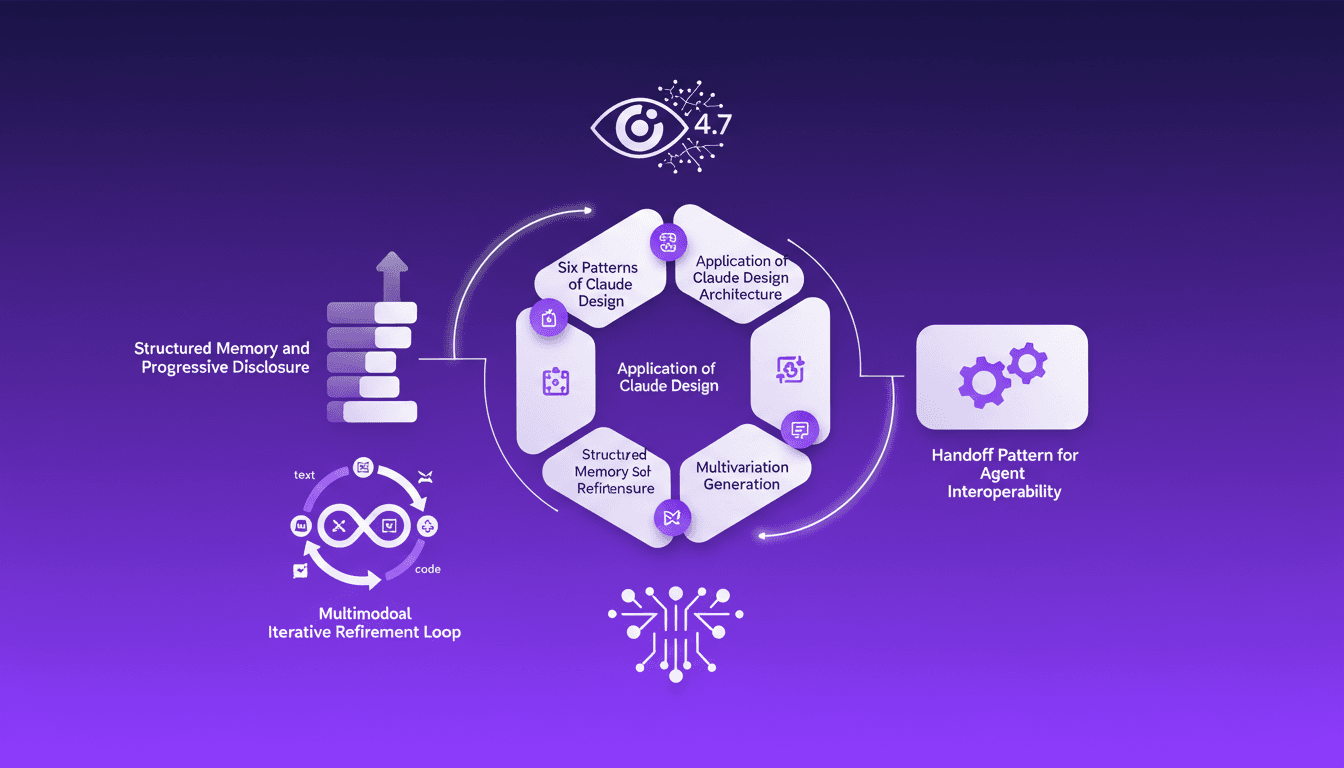
When I first encountered Claude Design's patterns, I was honestly skeptical. I wondered how these concepts would fit into my projects, but after implementing them, I saw their potential. First, we're talking about six distinct patterns. You set up a framework of structured memory that allows for progressive disclosure of information (really great for keeping on track). I've integrated this architecture into my AI projects, and the efficiency gain is undeniable. With Opus 4.7 and the vision model, I handle multimodal inputs (at least five different modes), which offers incredible flexibility for iteration. Then there's the handoff pattern, crucial for agent interoperability. This is far more than just theory: it's a real game changer in how we work with AI. I'll walk you through how I orchestrated all of this in my daily practice.
Understanding the Six Patterns of Claude Design
The six patterns of Claude Design form the backbone of its architecture, a real tool to streamline complex AI workflows. When I integrated these patterns into my projects, I found that each one addresses specific challenges. For instance, the agentic context grounding pattern was a game changer for precise task execution. But watch out, the learning curve is steep. It's like learning to ride a bike: tough at first, but once you master it, it just works.
- Six patterns as a foundation
- Optimization of AI workflows
- Significant learning curve
Agentic Context Grounding and Structured Memory
Agentic context grounding is key to precise task execution. It's like having a compass guiding every decision. In my projects, I also use structured memory to avoid processing the same data repeatedly. This significantly reduces the system's cognitive load, but be aware of memory limits which can quickly become a bottleneck.
- Precision in task execution
- Reduction in cognitive load
- Watch out for memory limits
Multimodal Iterative Refinement Loop
The multimodal iterative refinement loop allows for continuous improvement of AI outputs. It incorporates at least five different input modes, enriching responses. I've seen firsthand how this refines AI responses, especially with the enhanced vision model Opus 4.7. But don't over-rely on it; sometimes manual tweaks are faster.
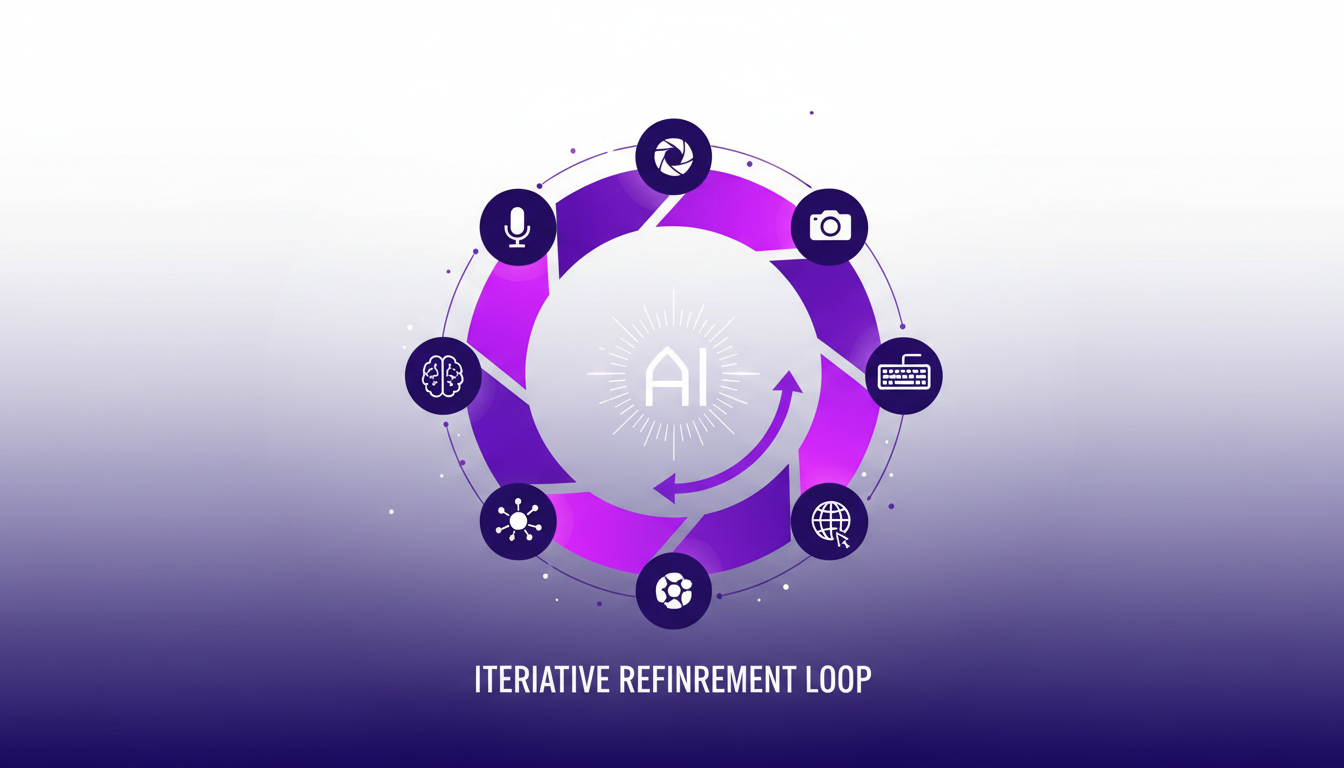
- Continuous improvement of outputs
- Five integrated input modes
- Don't overuse it
Exploring Multivariation Generation
Multivariation generation creates diverse outputs, crucial for testing different AI scenarios. I've used it to optimize content generation, saving precious time. However, more variations mean more processing power required.
- Creation of diverse outputs
- Optimization of content generation
- More variations = more processing power
Handoff Pattern for Agent Interoperability
The handoff pattern ensures seamless communication between different agents. I've implemented it to enhance system integration, which is critical for maintaining workflow continuity. It can be tricky to set up, but it pays off in the long run. Watch for compatibility issues between agents.
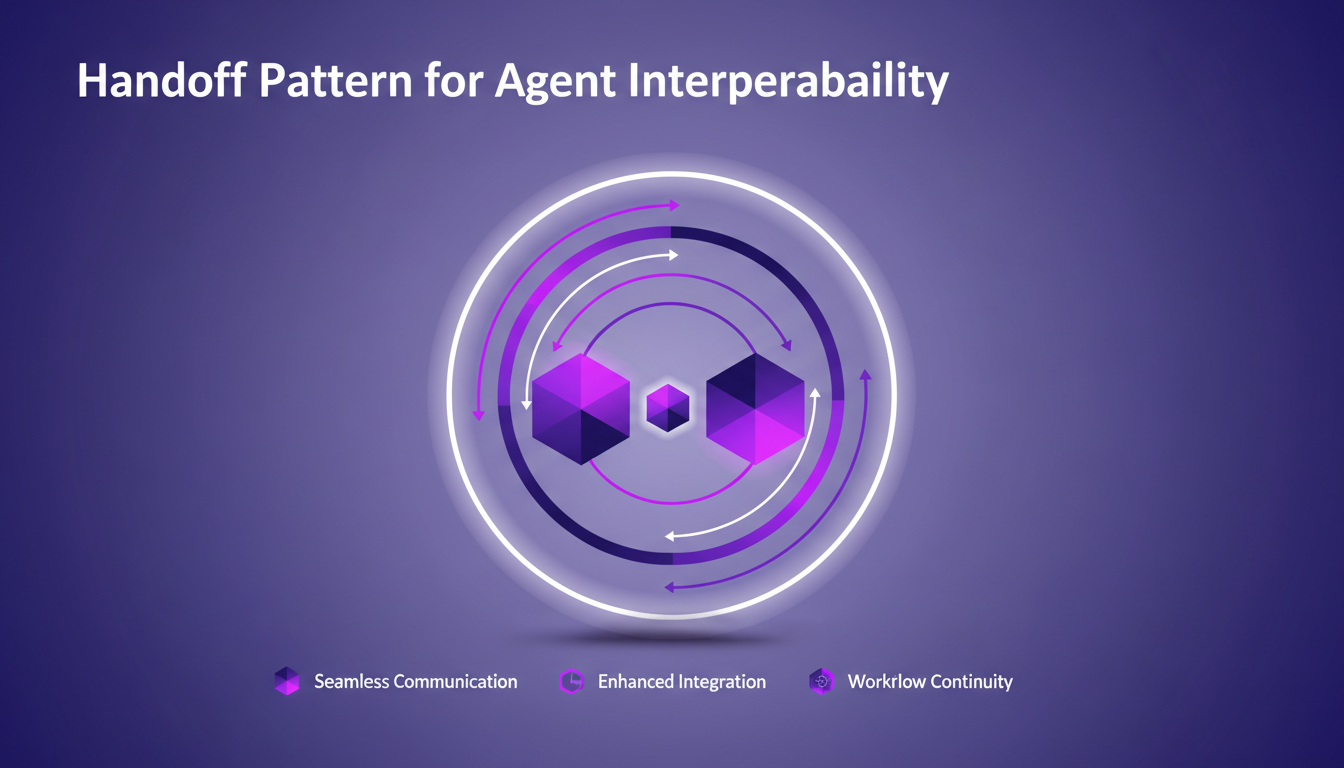
- Seamless communication between agents
- Improvement in system integration
- Complex setup offset by benefits
Integrating Claude Design's patterns into my workflow isn't just beneficial—it's a game changer. These patterns have streamlined my processes significantly:
- First, I've seen a clear boost in efficiency. The patterns standardize workflows, making everything flow better.
- Additionally, system interoperability has improved. With at least five different input modes, I'm unlocking new possibilities.
- But, it's crucial to understand their limits. Even with Opus 4.7, you need to stay aware of constraints. Looking ahead, these patterns can truly redefine our AI processes. It's a game changer, as long as we keep the trade-offs in mind. Ready to transform your AI processes? Start applying Claude's design patterns today. And to fully grasp the impact, I highly suggest watching the full video: YouTube Video. It's a great dive into what this changes in our day-to-day work.
Frequently Asked Questions

Thibault Le Balier
Co-fondateur & CTO
Coming from the tech startup ecosystem, Thibault has developed expertise in AI solution architecture that he now puts at the service of large companies (Atos, BNP Paribas, beta.gouv). He works on two axes: mastering AI deployments (local LLMs, MCP security) and optimizing inference costs (offloading, compression, token management).
Related Articles
Discover more articles on similar topics
Recursion in AI: Transforming Models
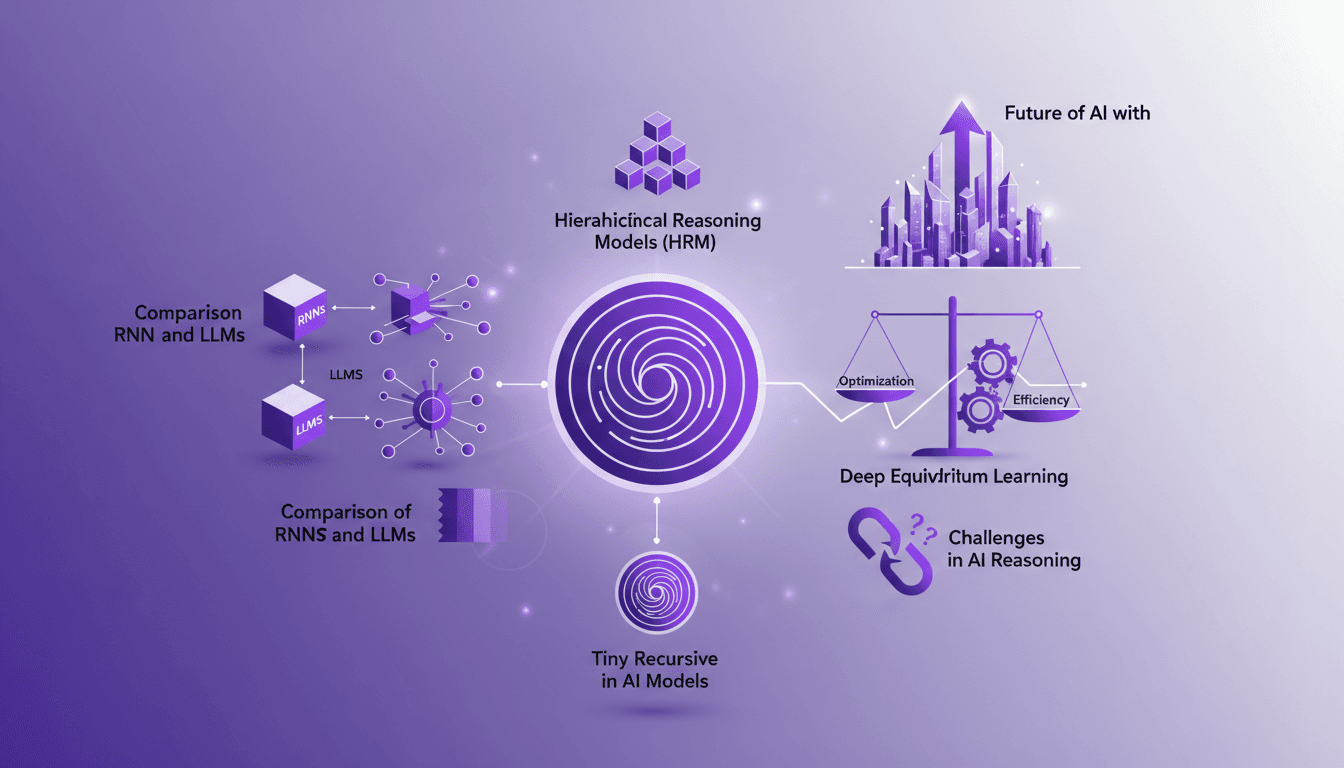
I've spent countless hours tweaking AI models, and let me tell you, recursion is the game changer we've been waiting for. Forget the race for more parameters; now it's about intelligence. While traditional models hit scaling walls, recursion offers a fresh perspective. We're diving into how it could redefine AI efficiency and capability. We'll discuss hierarchical reasoning models, tiny recursive models, deep equilibrium learning, and the challenges of optimization. If you've ever been frustrated by scalability limits, you're going to love this new paradigm.
AI Agents: Requesting Feedback Efficiently
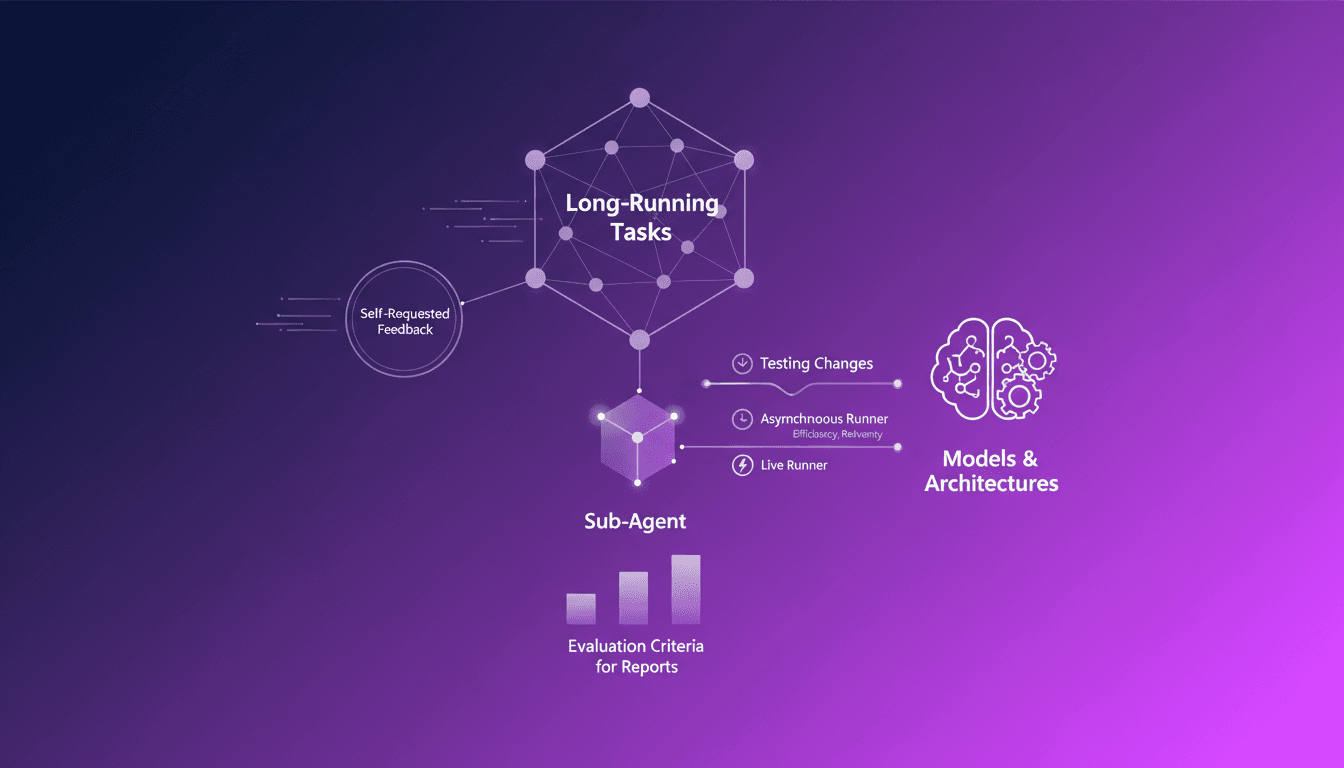
Ever been stuck in a loop of endless tasks, unsure if you're heading in the right direction? I have, and that's where AI agents asking for feedback come into play. In this podcast, I'll walk you through how I orchestrate this process. In the AI world, long-running tasks can be a nightmare without proper feedback mechanisms. Sub-agents really shine here, autonomously requesting feedback, making the process efficient and less error-prone. We'll dive into self-requested feedback for long-running tasks, the role of sub-agents in the feedback process, evaluation criteria for reports, and how I use asynchronous and live runners to test changes in models and architectures.
Building Conversational Agents: A Hands-On Guide
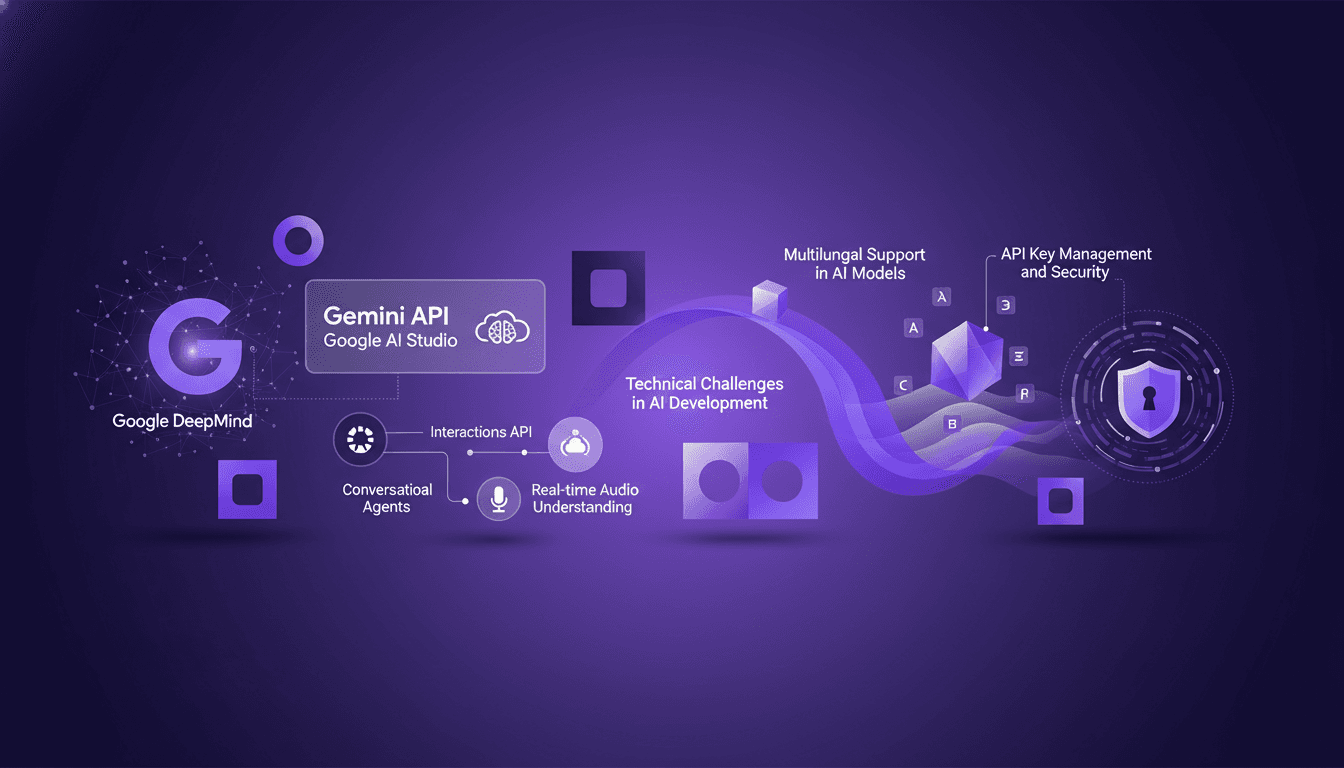
I've built my fair share of conversational agents, and let me tell you, working with Google DeepMind's Gemini API is a game changer. But, like any tool, it's got its quirks and challenges. In this article, we're diving into the developer experience at Google DeepMind, focusing on the Gemini API and Google AI Studio. We'll tackle real-time audio understanding, multilingual support, and the nitty-gritty of API key management. With tools like the Gemini CLI, we dive into the hands-on aspects, but watch out for the technical limits and security issues. Get ready for a practical, no-nonsense look at building conversational agents.
Workspace Agents in ChatGPT: Practical Guide
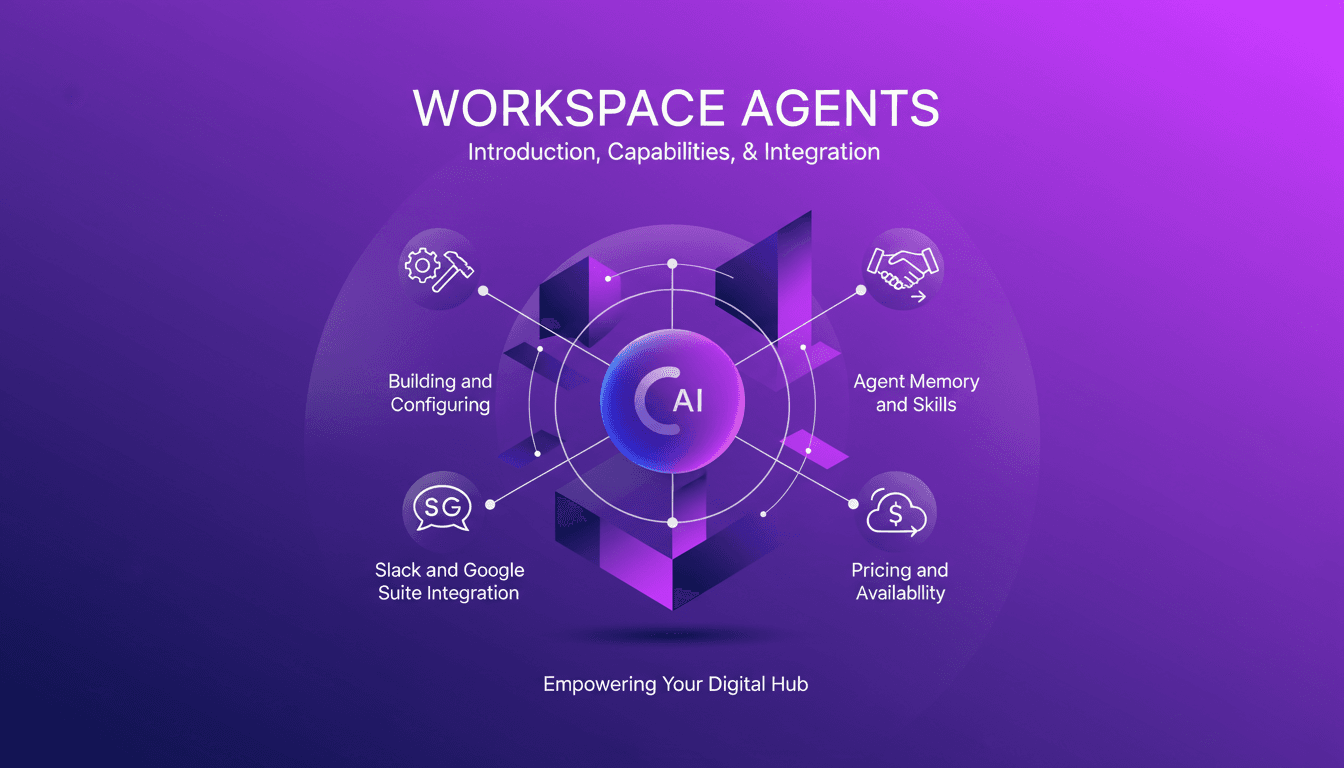
I've spent countless hours finetuning Workspace Agents in ChatGPT, and let me tell you, once you get the hang of it, it's a game changer. But beware, the path isn't without its bumps. Let's dive into how you can set up and optimize these agents for maximum efficiency. First, I connect tools like Slack and Google Suite to automate tasks. Then, I ensure each agent has well-calibrated memory and skills. A tip: don't overlook customization, it can really make a difference. Finally, we'll cover the pricing and availability of these agents to keep you well-prepared. Let's dive into this practical guide together.
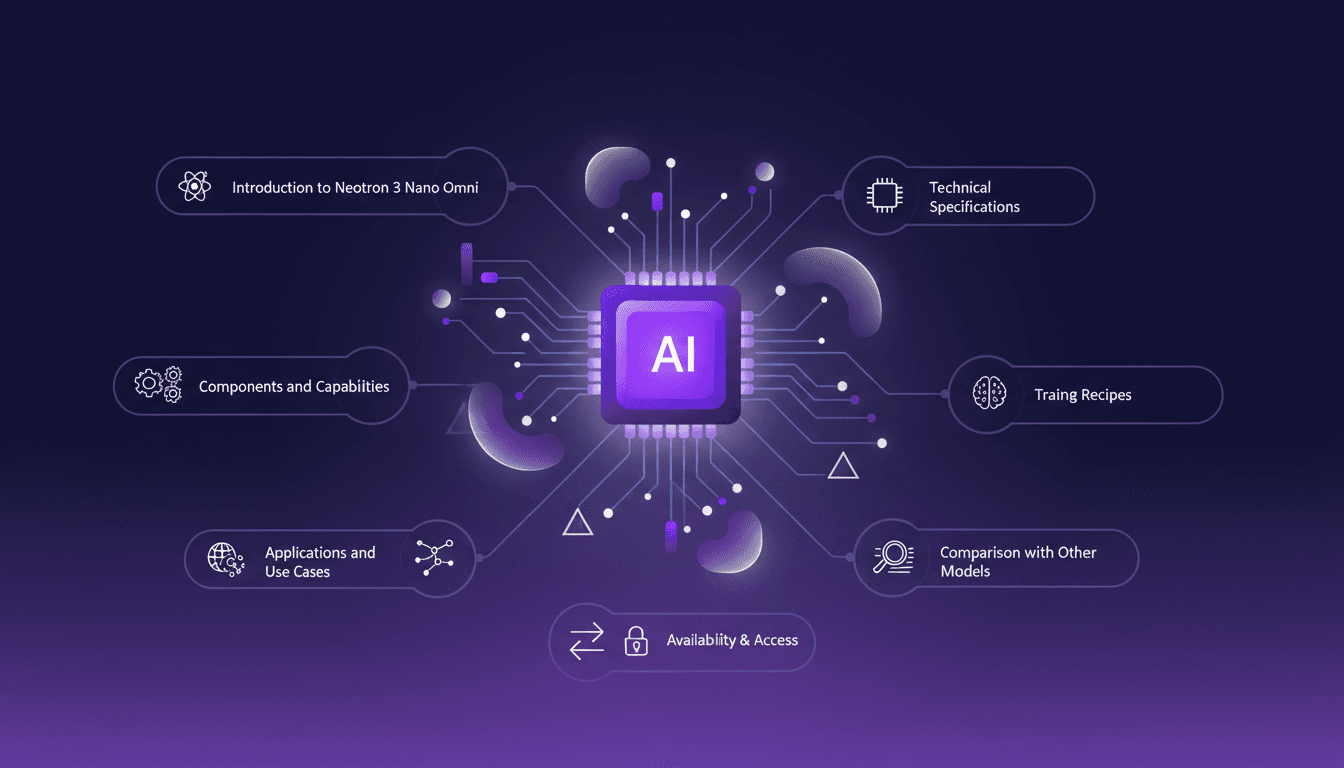
Mastering Neotron 3 Nano Omni: Multimodal Intelligence
I dove into NVIDIA's Neotron 3 Nano Omni and discovered how this powerhouse of multimodal intelligence can redefine our workflows. It's not just hype—it's a game changer, but with some caveats. By combining vision and audio encoding with a transformer mixture of experts model, this tech offers impressive possibilities. I started by connecting the dots between its components, then explored how to harness it effectively and avoid common pitfalls. Whether for software cybersecurity or other applications, Neotron 3 Nano Omni is a powerful tool, but watch out for context limits. I'm sharing my experiences to help you avoid mistakes I made and maximize business impact.