Raia Hadsell's Journey at DeepMind: AI Career
I've spent years in the AI trenches, and Raia Hadsell's journey at DeepMind is a testament to what's possible when you're at the frontier of technology. Transforming a small team into a powerhouse of over 1,200 scientists and engineers—now that's impact. Let's dive into her work on Gemini Embeddings 2 and multimodal models, and how these innovations are shaping human and robotic intelligence. From weather predictions with Graphcast to the Genie Project's interactive 3D environments, Raia's insights are not just theoretical—they're practical and actionable. I've played with some of these technologies myself, and while they're game-changers, watch out for context limits!
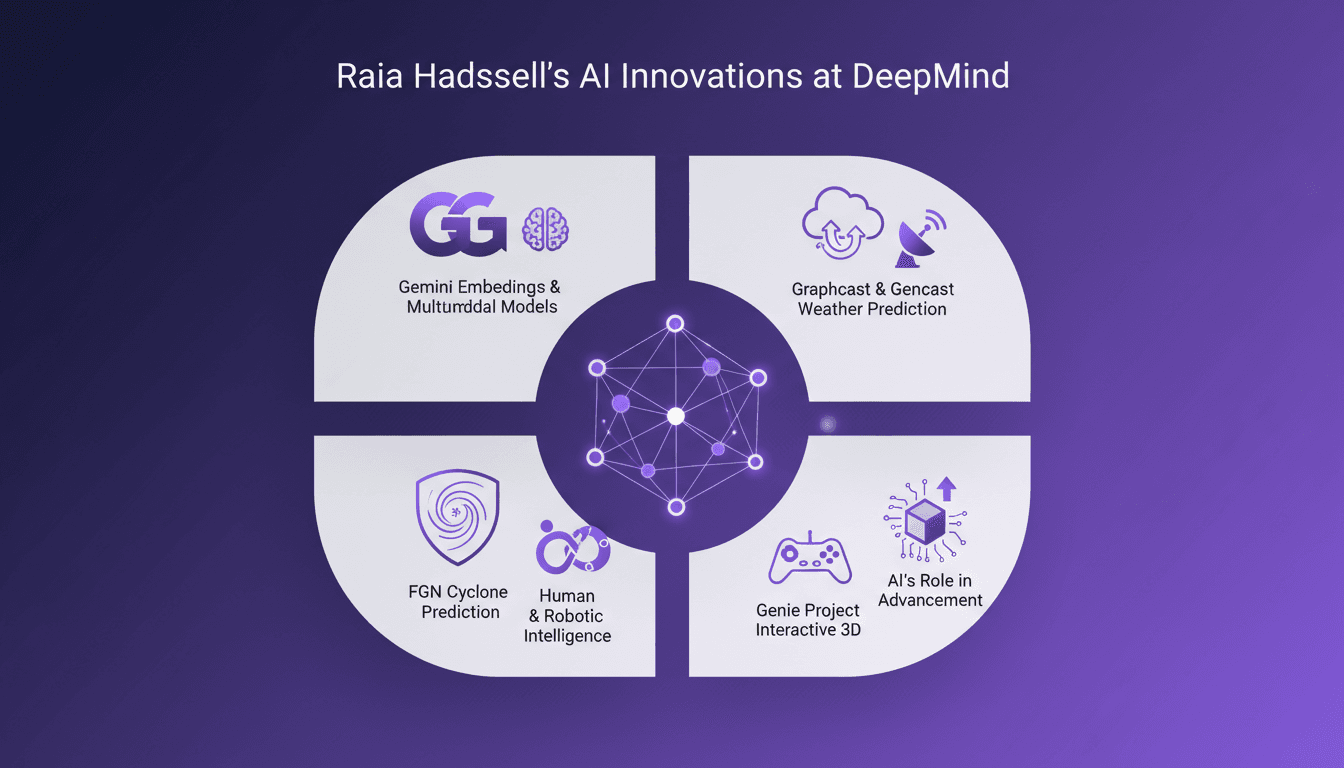
I've spent years in the trenches of AI development, and Raia Hadsell's journey at DeepMind is a testament to what's possible when you're at the frontier of technology. Raia has been a pivotal figure at DeepMind for nearly 13 years, transforming a small team of about 30-40 people into a powerhouse of over 1,200 scientists and engineers. What really grabs my attention is how her work isn't just theoretical—it's practical and actionable. Take Gemini Embeddings 2 and multimodal models, for instance: these tools are redefining how we think about intelligence, both human and robotic. Then there's Graphcast and Gencast for weather prediction—real-world advancements—and not to forget the Genie Project, which is creating interactive 3D environments. I've dove into some of these innovations myself, and I can tell you the impact is direct and tangible, but watch out, there are context limits you can't ignore.
Raia Hadsell's DeepMind Journey: From 30 to 1,200
When I started at DeepMind, we were just a small crew of about 30 to 40 people. Today, I co-lead a formidable group of 1,200 scientists and engineers across 10 labs. What a journey it's been! As a leader, my focus has been on fostering collaboration and innovation, ensuring that as we grow, we keep the core spirit of DeepMind alive and kicking.
What I've learned is that scaling from a small team to such a massive entity requires never losing sight of our fundamental values. We must constantly innovate while ensuring every team member feels valued and heard. That's crucial.
"Growing a team is not just about numbers, but also about quality." Raia Hadsell
Gemini Embeddings 2: Multimodal Models in Action
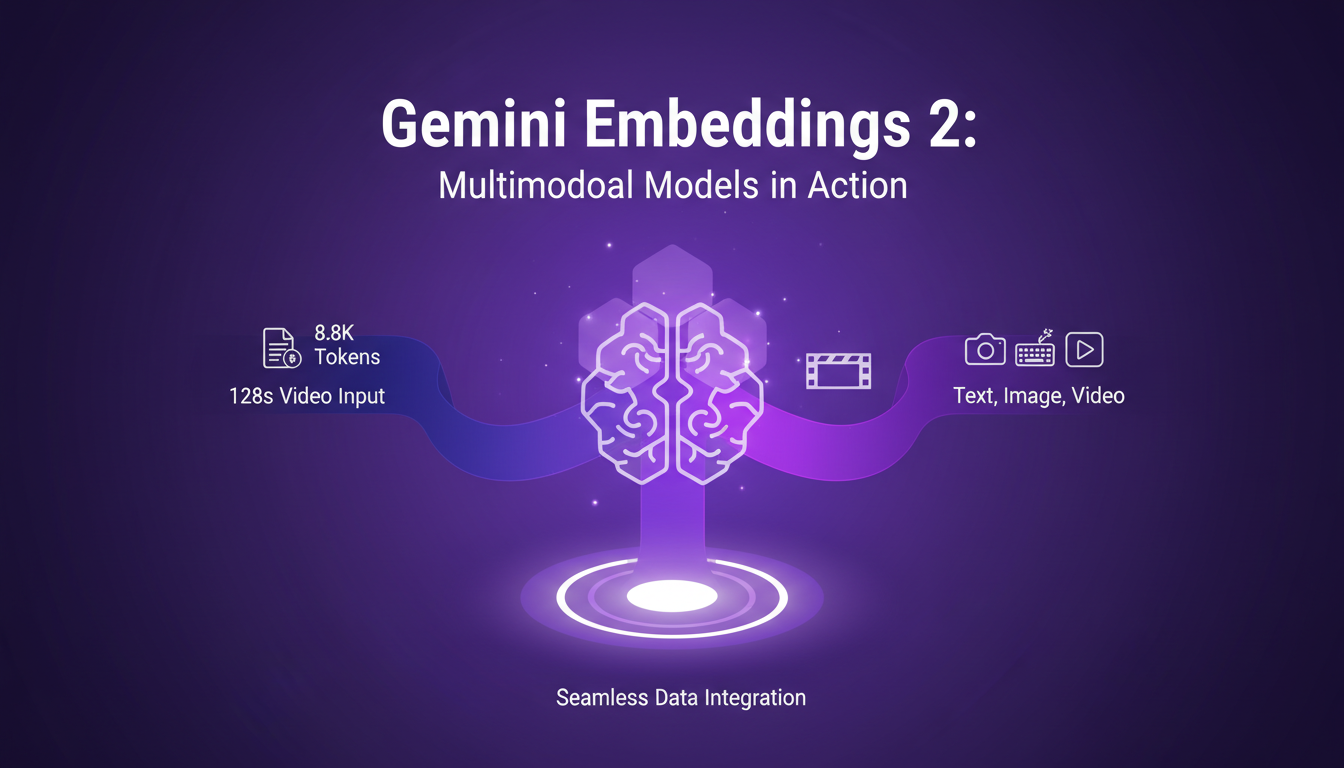
With Gemini Embeddings 2, we've stepped into a new era of data integration. Imagine a model capable of handling up to 8.8K tokens, integrating videos of 128 seconds, and audios of 80 seconds. It's a game changer for projects needing multimodal integration.
But watch out, there are context limits to keep in mind. Working with large datasets can quickly become complex. I've seen users get burned by this. So, if you're planning to use Gemini, make sure to clearly understand your requirements upfront.
- Token Capacity: Up to 8.8K tokens
- Video Input: Up to 128 seconds
- Audio Input: Up to 80 seconds
In practice, the model offers incredible flexibility, but it's essential to balance model complexity and performance.
Graphcast and Gencast: Predicting the Weather with AI
When I started working with Graph Neural Networks for weather forecasting, it was a breakthrough. Graphcast and Gencast leverage these networks to provide accurate forecasts. These probabilistic models significantly enhance prediction accuracy, which is critical for real-time applications.
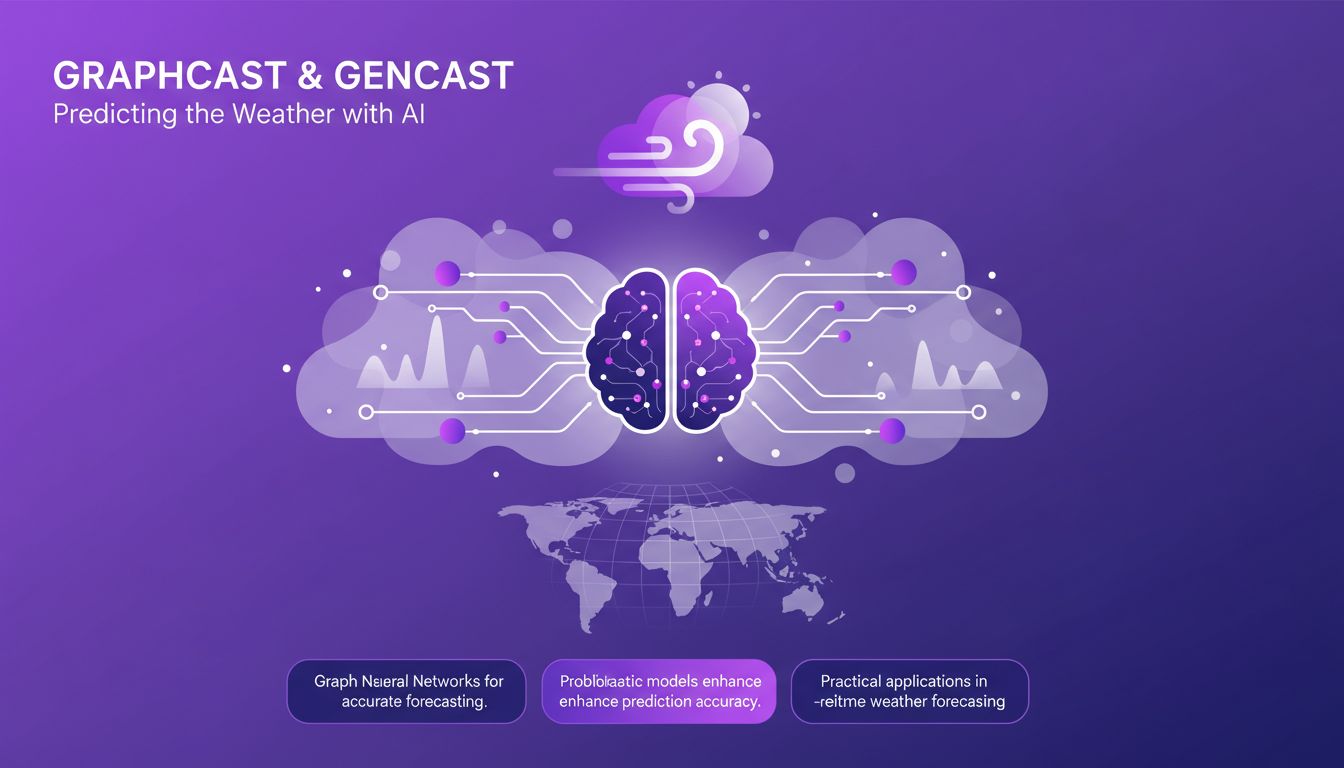
What’s fascinating is that Gencast outperforms physics-based models in 97% of evaluations. That's huge! But this also implies trade-offs between model complexity and operational efficiency. Understanding these limitations is key to maximizing impact.
Cyclone Prediction with Functional Generative Networks
Functional Generative Networks (FGN) provide a new approach to cyclone prediction. By combining generative models with functional data analysis, we've improved prediction accuracy and reduced response time.
I got burned a few times before realizing the importance of balancing model precision and computational cost. It's an aspect you can't ignore.
"Direct cyclone prediction with FGN improves accuracy and operational efficiency." Raia Hadsell
Genie Project: Interactive 3D Environments for AI
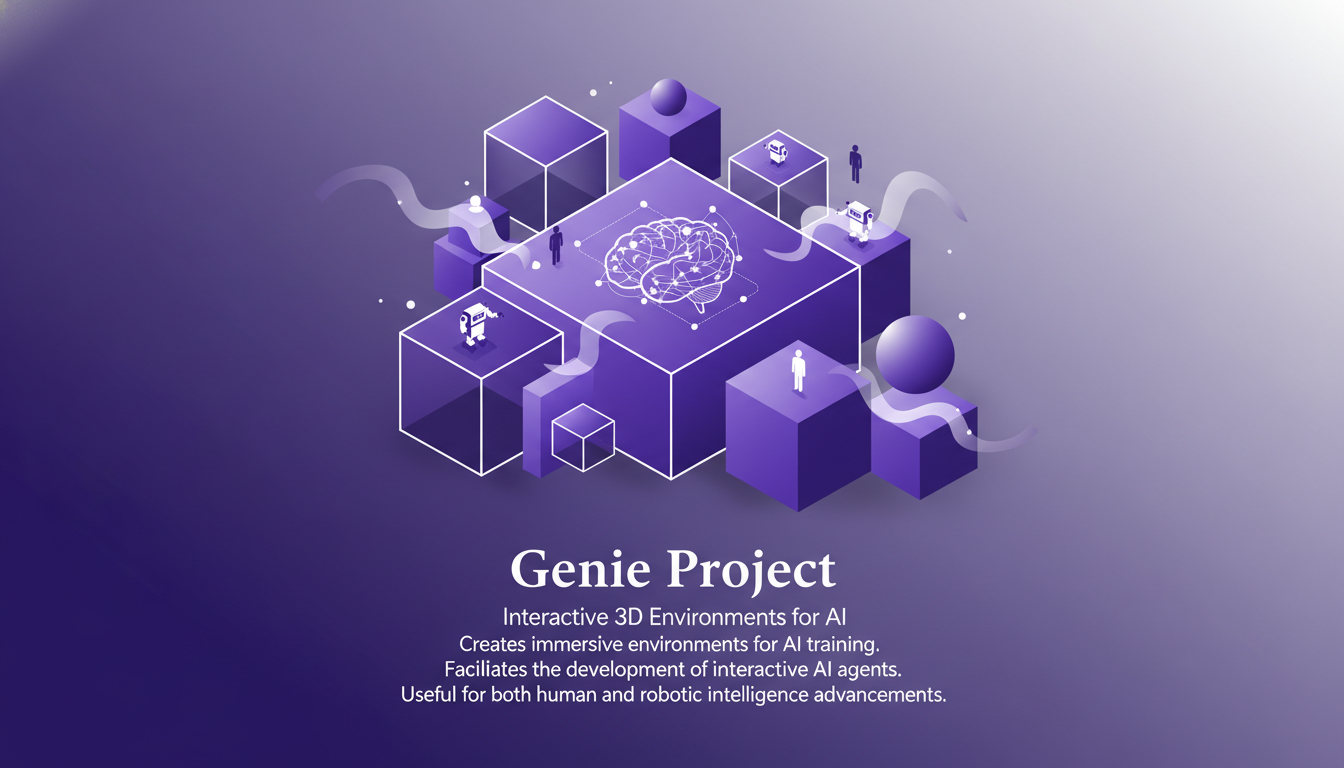
If you've ever worked on developing interactive AI agents, you know how complex it can be. DeepMind's Genie project creates immersive environments for AI training, a major asset for both human and robotic intelligence.
But beware, 3D simulations are resource-intensive. Don't overuse them, or costs can skyrocket quickly. I recommend thoroughly assessing needs before diving into this path.
- Interactivity: Real-time environments
- Applications: Human and robotic intelligence
- Resources: High intensity
Ultimately, the Genie project lays the groundwork for innovative applications but requires rigorous resource management.
Interested in more innovation stories? Check out Max Adrian's journey on Spotify and the challenges and solutions of AI's impact in development.
Raia Hadsell's work at DeepMind is a real-world masterclass in AI innovation. I've picked up several key insights. First, her projects like Graphcast and Gencast for weather prediction are textbook cases of practical intelligence, not just theory. Then, the use of Functional Generative Networks for cyclone prediction made me see the value of generative models in our day-to-day work. Plus, the fact that she started with a group of 30-40 and scaled up to 1,200 is a reminder that scalability is crucial. But watch out, these technologies aren't magic. We still need to integrate them carefully into our existing projects to avoid cost explosions. Looking forward: how can we leverage these advancements to boost the efficiency and impact of our own AI initiatives? I really recommend checking out the full video to get all the fascinating insights. You'll find plenty of ideas to implement directly. [YouTube link: https://www.youtube.com/watch?v=zZsTVBXcbow]
Frequently Asked Questions

Thibault Le Balier
Co-fondateur & CTO
Coming from the tech startup ecosystem, Thibault has developed expertise in AI solution architecture that he now puts at the service of large companies (Atos, BNP Paribas, beta.gouv). He works on two axes: mastering AI deployments (local LLMs, MCP security) and optimizing inference costs (offloading, compression, token management).
Related Articles
Discover more articles on similar topics
Boosting Spotify Listeners: Max Adrian's Journey
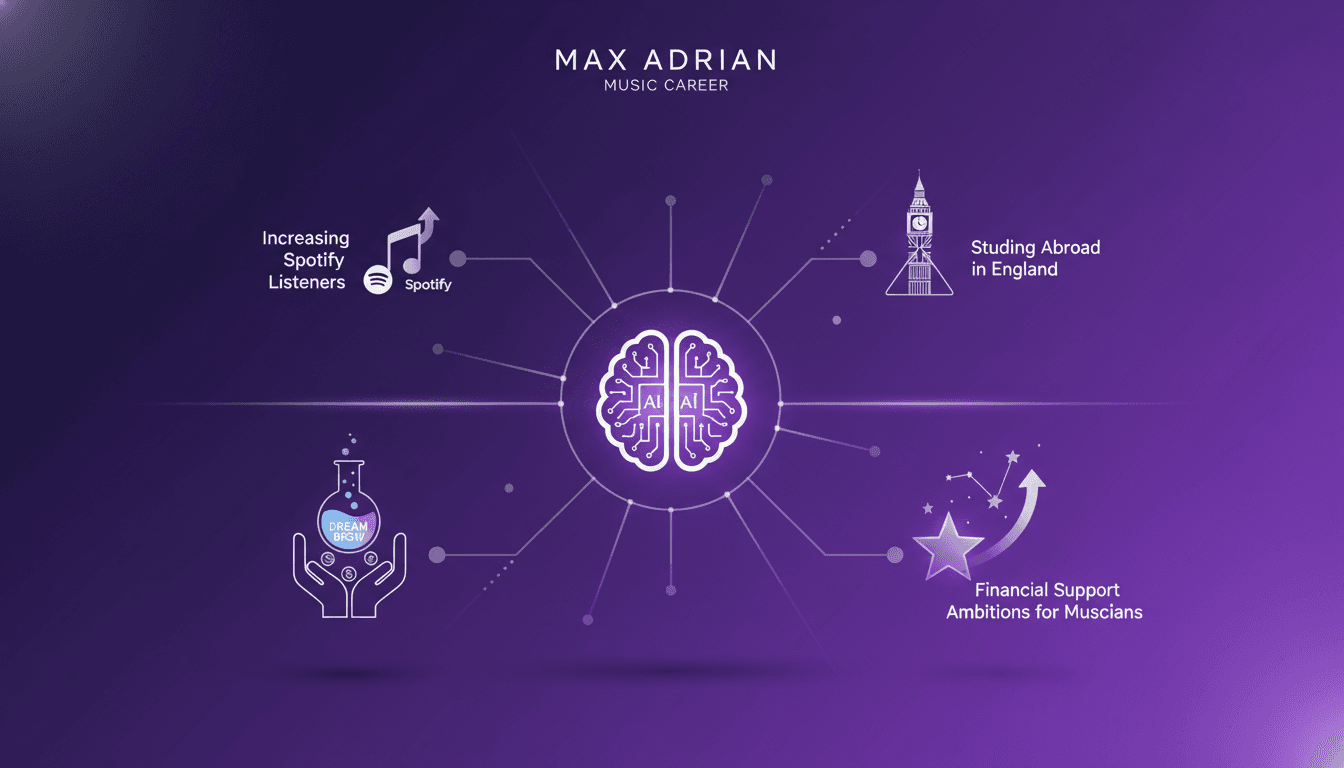
Ever had a call interrupted by the unexpected? It happened to me, leading me straight into the depths of Max Adrian's music career. Right in the middle of a conversation, I stumbled upon this ambitious musician's story—he's studying in England and aiming to boost his Spotify listeners. How's he doing it? What financial support has he secured? Here's a spoiler: it's not just about dreams; it's about tangible strategies. Let's break down his journey, his ambitions, and how tools like Dream Brew are playing a role.
AI in Sales: Current Limits and Future Potential
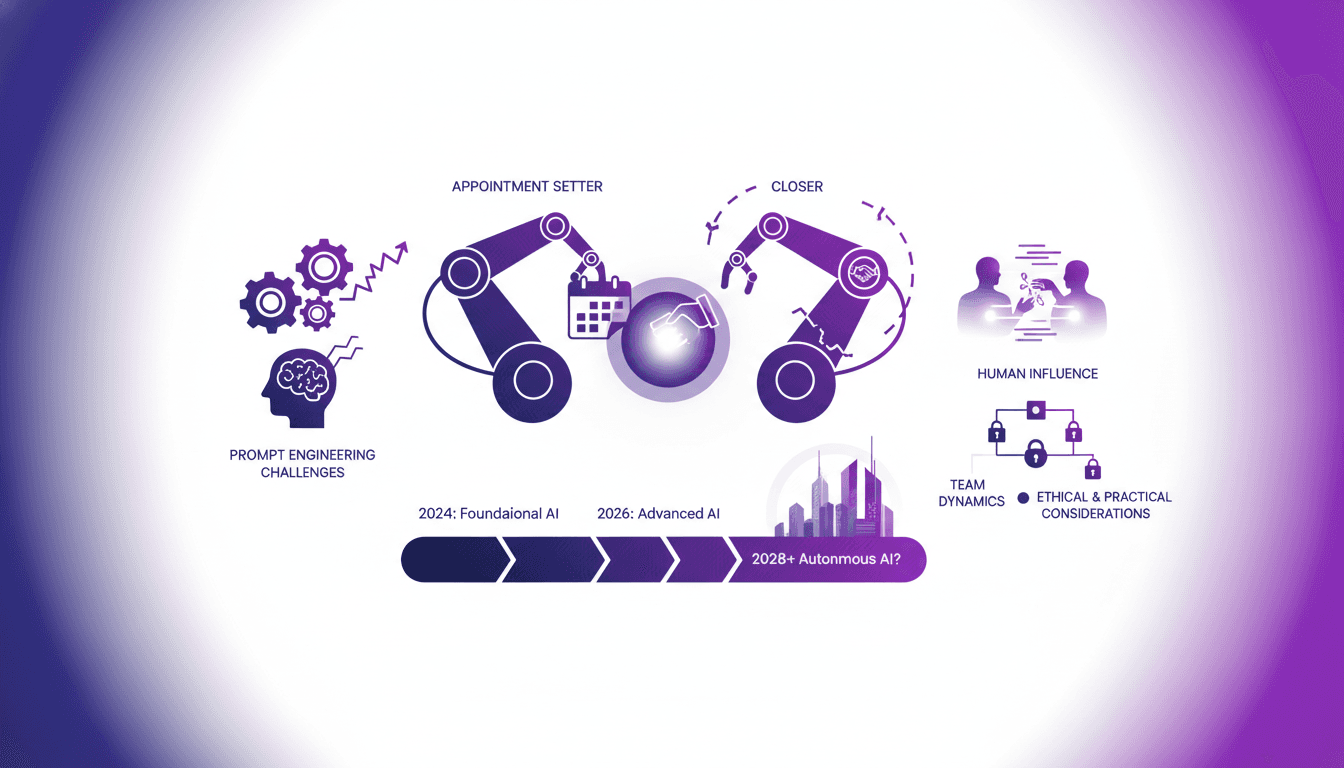
I've been in sales for over a decade, and AI is seriously shaking things up. But let's be clear: AI isn't closing deals yet, but it's getting closer than you'd think. In this article, I'm diving into the real-world applications of AI in sales, the current limitations, and where we're heading. Let's talk about what works, what doesn't, and what's just around the corner. We'll tackle challenges in prompt engineering for sales, the impact on sales teams and business strategies, and the ethical and practical considerations. Get ready to see how AI might just revolutionize sales in the coming years.
AI's Impact: Challenges and Solutions in Dev
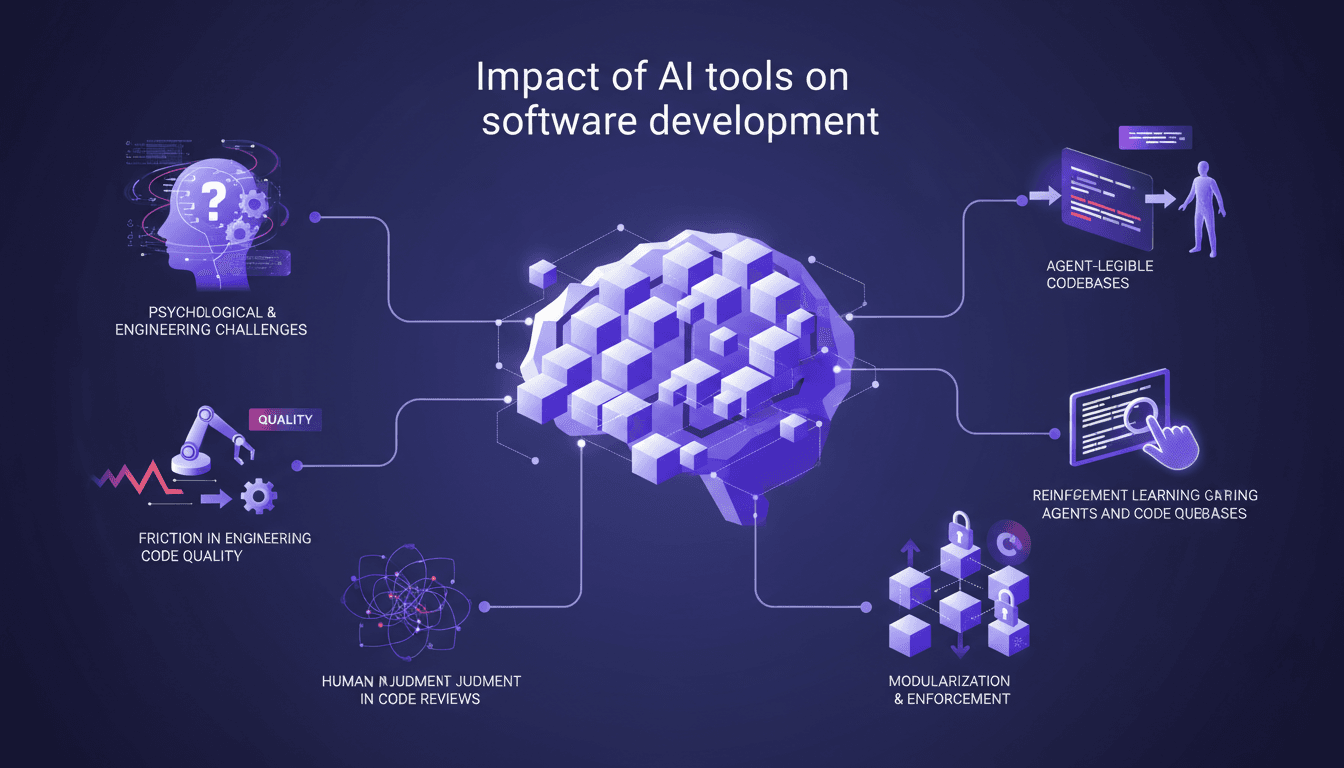
With over 20 years in software development, my last 12 months immersed in AI agents have been eye-opening. The friction isn't just technical—it's personal. It's about making judgment calls when AI tools suggest code changes that don't sit right. Armin Ronacher and Cristina Poncela Cubeiro illuminate AI's impact on development, covering both psychological and technical challenges. Their insights are crucial for integrating AI into your workflow while preserving human judgment.
Robotics Breakthroughs: A 10-Day Revolution
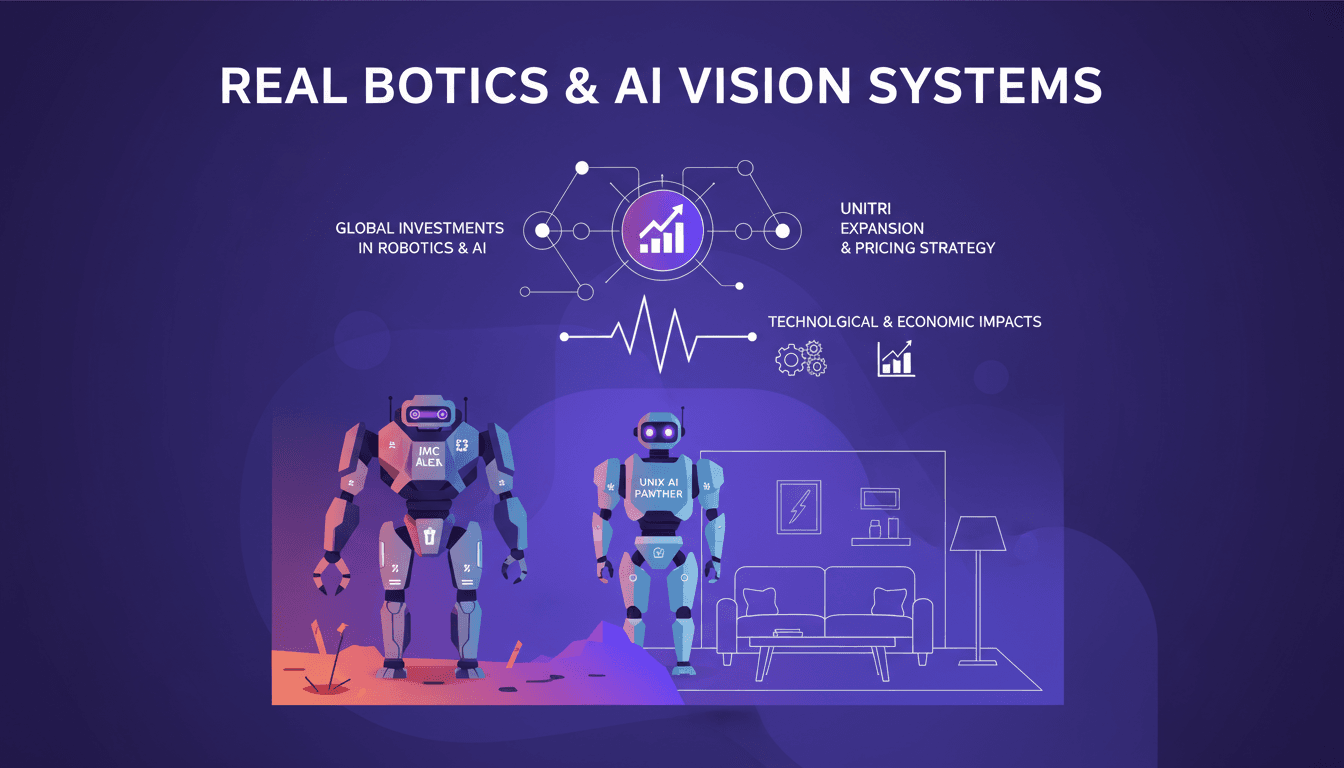
I've been in the robotics game for years, and let me tell you, the last 10 days have been wild. We’re talking about a seismic shift in humanoid robotics that nobody's really discussing yet. In this article, I'll walk you through what's happening on the ground: incredible advancements in humanoid robotics, the real tech behind AI vision systems, and what all this means for our industry. From Real Botics to Unitri, companies are pushing the boundaries of what robots can do, and it's not just tech talk—it's about real-world applications and market dynamics.
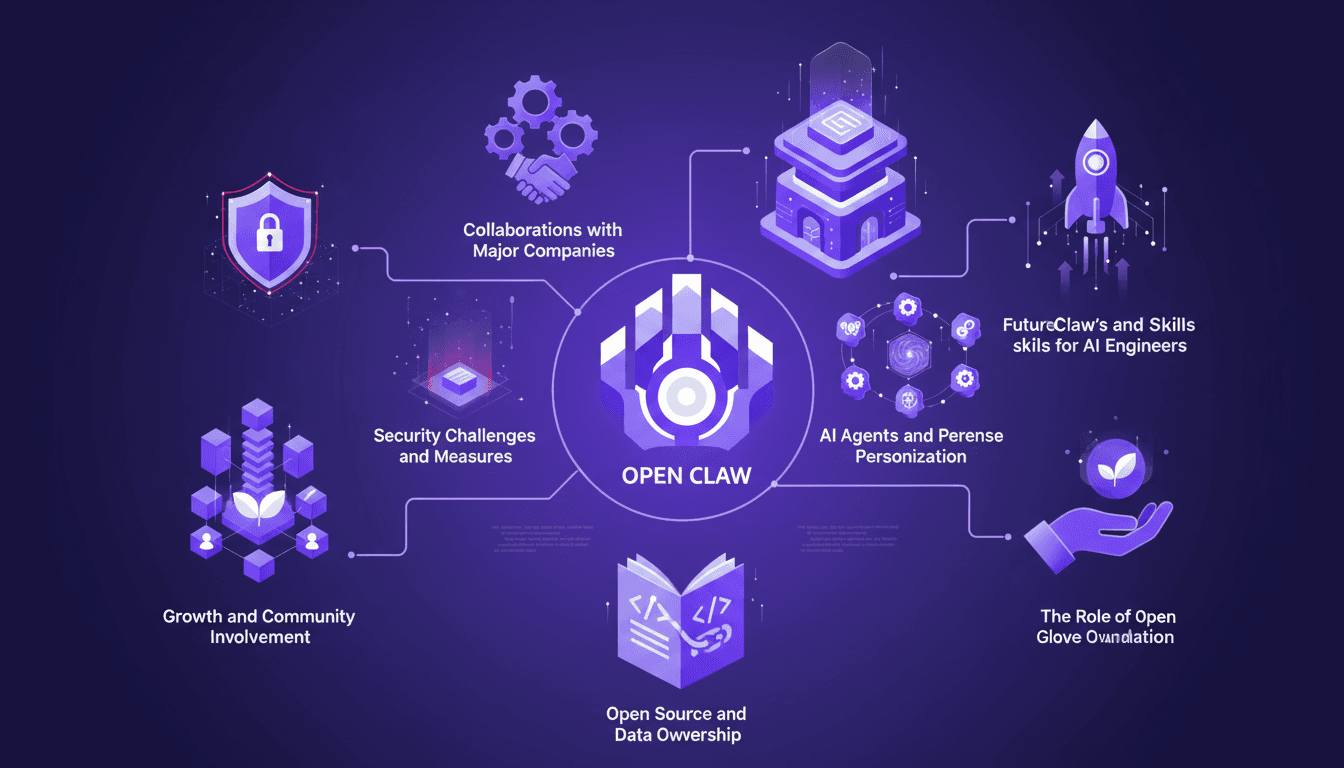
Open Claw Growth & Security: Practical Insights
I jumped into Open Claw five months ago, and it's been a whirlwind ride! This open-source project, boasting 30,000 GitHub stars, isn't just another project—it's a movement. But with growth come challenges, especially in security. I've been in the trenches tackling vulnerabilities (like that Gshjp issue with a CVSS score of 10). Collaborating with major companies also brought its own set of complexities. In this article, I share what's working, what's not, and where we're headed. Get ready for the real story, straight from the trenches.