TSLP Prioritization: Speeding Up Research
I remember the day we finally prioritized TSLP in our life sciences model. It was a game changer. Suddenly, our experiments were not just faster but smarter. In this article, I walk you through how we did it and why it matters. In the fast-paced world of life sciences, designing efficient experiments is crucial. With the lifting of biosafety restrictions, there's a new frontier of possibilities. I'll guide you through prioritizing TSLP, designing a perturbation assay, the impact of new biosafety freedoms, and optimizing experimental protocols. Don't miss how to establish a wet lab feedback loop and generate hypotheses in drug discovery.
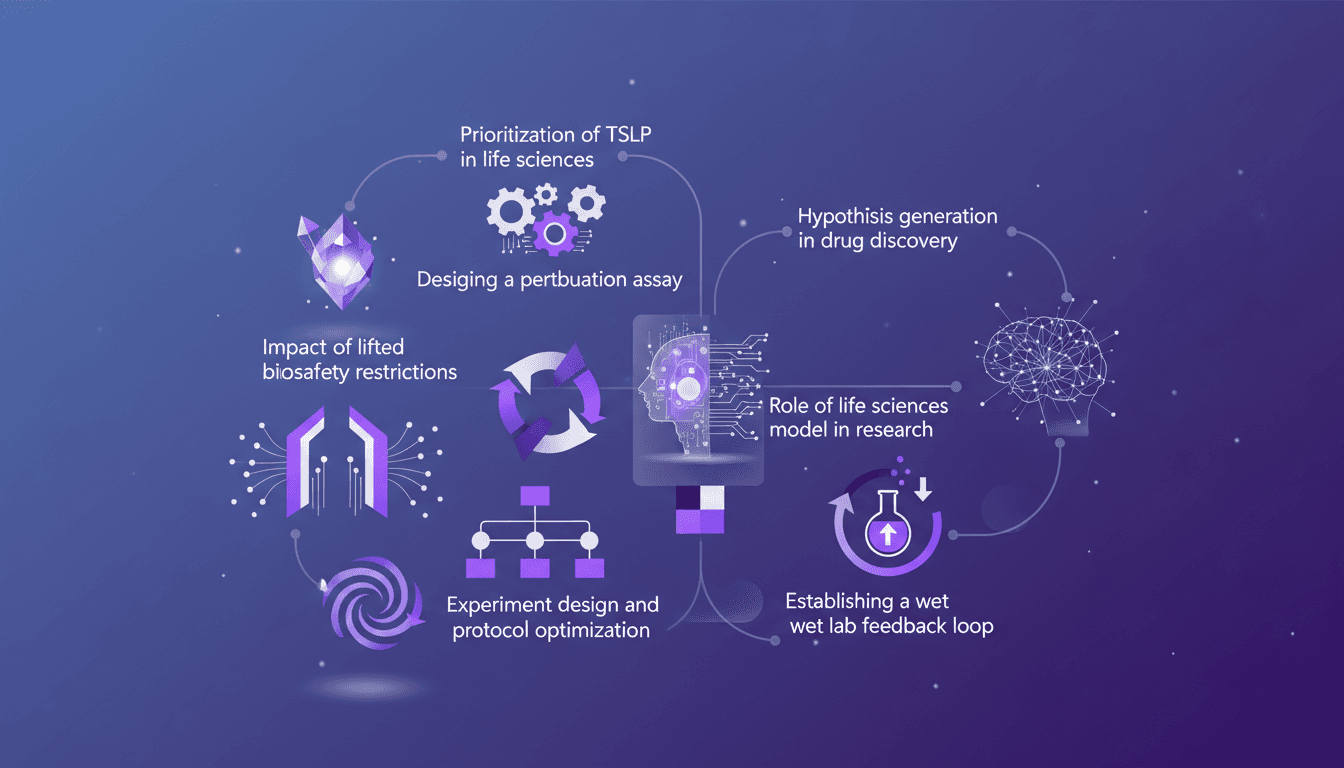
I remember the day we finally prioritized TSLP in our life sciences model. It was a game changer. Suddenly, our experiments weren't just faster; they were smarter. Let me walk you through how we did it and why it's crucial. In the fast-paced world of life sciences, designing efficient experiments is everything. With biosafety restrictions lifted, we're exploring new territories. We start by prioritizing TSLP, then design a perturbation assay, optimize our protocols, and establish a wet lab feedback loop. But watch out, each step has its pitfalls (I got burned a few times) and technical must-haves. In this article, I share the mistakes to avoid and the methods that truly impacted our drug discovery research.
Prioritizing TSLP in Life Sciences
When I first dived into life sciences research, TSLP (Thymic stromal lymphopoietin) came up as a top priority. It's a key molecule in many current research models because it plays a crucial role in immune regulation and inflammatory responses. The life sciences model ranks TSLP as the highest priority, and that's not without reason. But how did we get there?
Initially, by analyzing the data, we saw that the importance of TSLP is backed by studies showing its involvement in chronic diseases like asthma and allergies. By focusing on TSLP, we were able to speed up our experiments and increase their accuracy. However, prioritizing TSLP also involves trade-offs. For instance, it can be tempting to overlook other potentially promising targets.
In one of our projects, we integrated TSLP and noticed a significant improvement in the speed of our experiments. However, this required reallocating resources, which isn't always straightforward. Frontiers | Thymic stromal lymphopoietin expression in different biological specimens in asthma: a systematic review and meta-analysis.
"Prioritizing TSLP transformed our lab approach, but it requires careful orchestration."
Designing an Effective Perturbation Assay
Developing a perturbation assay may seem complex, but with the right approach, it's entirely doable. First step: clearly define the assay parameters. Then, I make sure to have the right tools in place. Software like R and Python can really streamline the analysis of results. I started by connecting our model to our experimental database, which significantly reduced processing time.
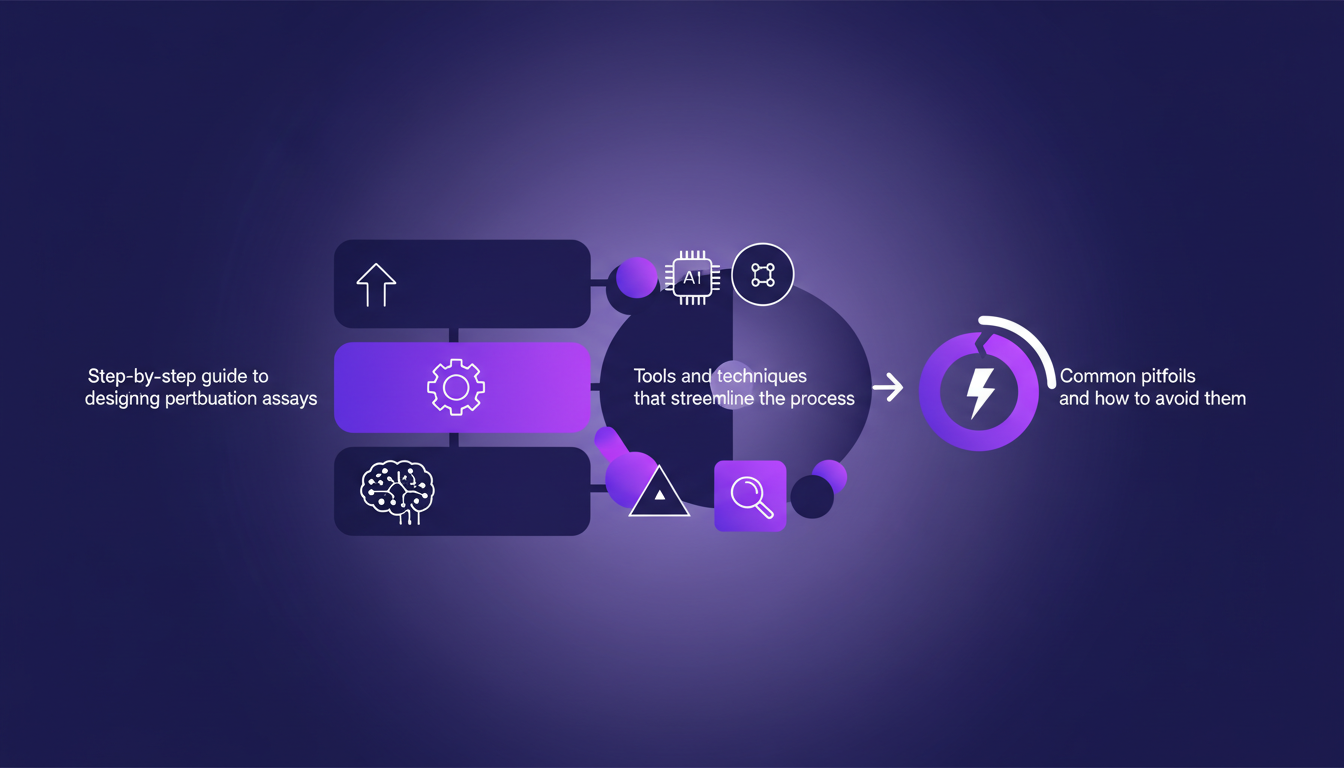
But watch out for common pitfalls. For example, I've learned (the hard way) that excessive complexity can hinder efficiency. It's crucial to maintain a balance between complexity and efficiency. In our last project, we successfully optimized our assay design by simplifying redundant steps.
For more details on designing models in life sciences, check out our comprehensive guide here.
Navigating Lifted Biosafety Restrictions
With the lifted biosafety restrictions, new opportunities have opened up. It has allowed us to generate novel hypotheses and adjust our safety protocols. But this hasn't come without adjustments. We had to rethink our safety protocols to ensure we weren't sacrificing safety for speed. In one of our trials, we were able to conduct riskier experiments, but with enhanced safety protocols.
A concrete example is our adaptation of lab practices, where we increased speed without compromising safety. This requires a delicate balance, but the results were worth it.
Optimizing Experiment Design and Protocols
Optimizing experimental protocols is essential for maximizing efficiency. I've found that using tools like electronic lab management software can significantly enhance experimental design. These tools allow real-time data tracking and analysis, which is a major asset. However, you must be careful not to sacrifice precision for speed.
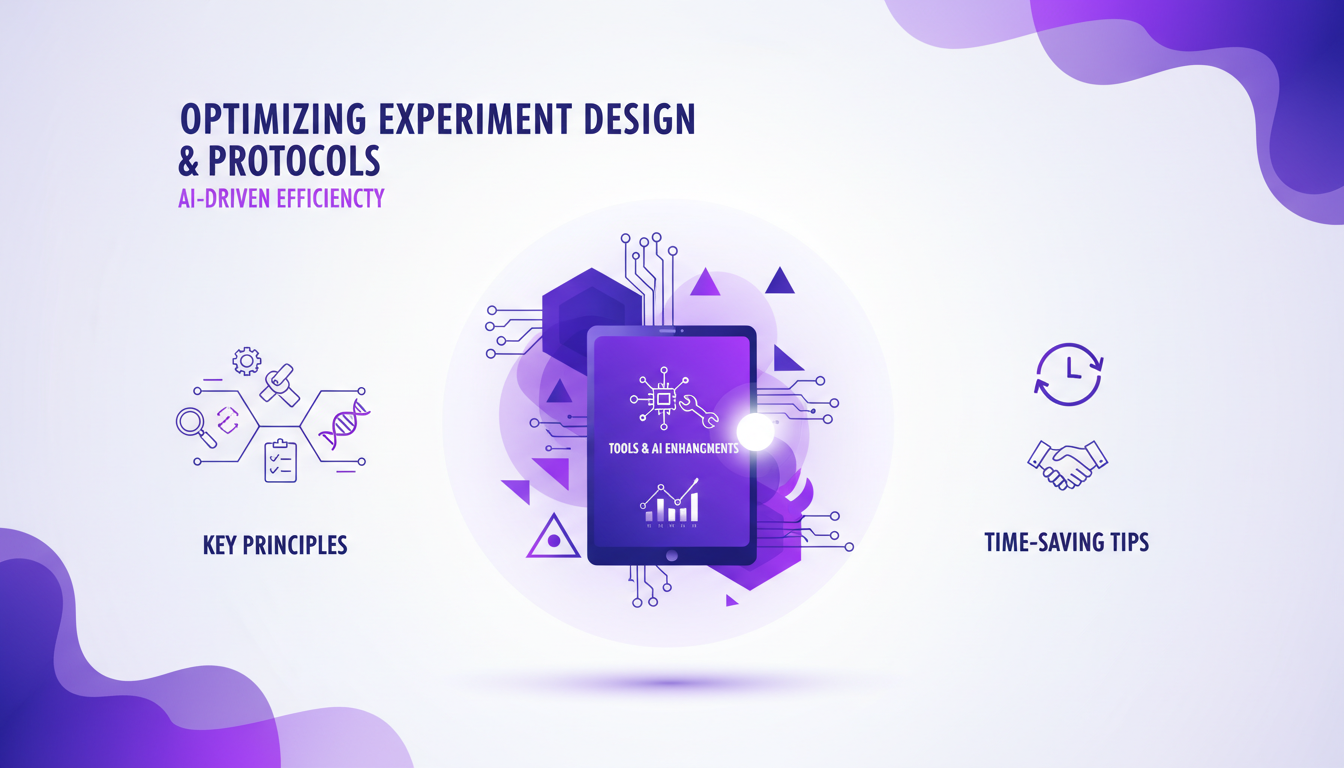
In our last project, we redefined our protocol to include more efficient steps, reducing the total experiment time by 20%. However, this required constant adjustments and increased monitoring.
Establishing a Wet Lab Feedback Loop
An effective feedback loop is crucial for continuous improvement in research. Setting up a robust feedback system allows leveraging data for constant process improvement. In our lab, we've integrated a feedback system that lets us adjust our methods in real-time. This has transformed our overall efficiency.
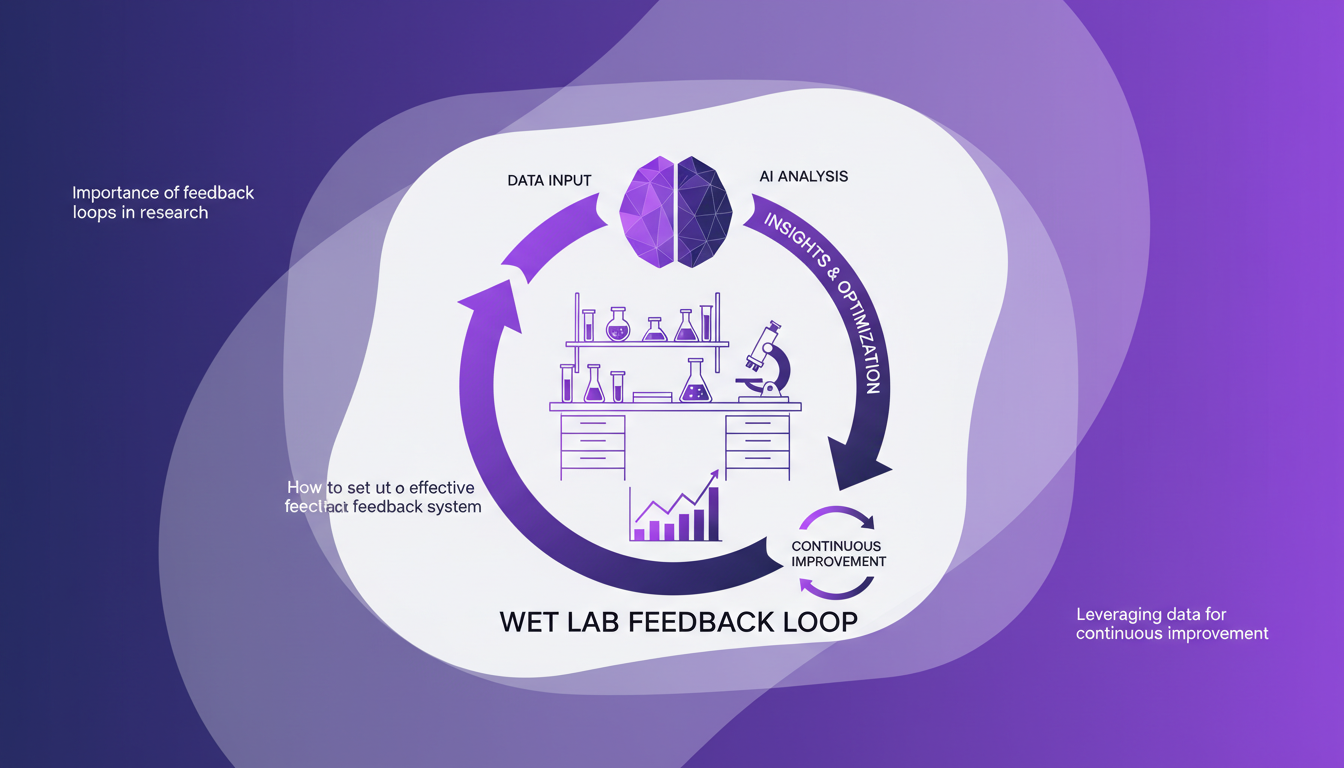
However, maintaining such a loop requires constant commitment and continuous adaptation. The challenges are numerous, particularly in terms of data management and available resources. Nonetheless, the benefits in terms of research quality and precision are well worth it.
For practical examples of implementing feedback loops, check out our detailed article here.
By prioritizing TSLP and optimizing our processes, I've significantly accelerated our research capabilities. It's a real game changer. Lifted biosafety restrictions have opened new doors, and our wet lab feedback loop ensures continuous improvement. But watch out, this journey isn't without its challenges.
- TSLP is now our highest priority in the life sciences model.
- Designing a perturbation assay has transformed our experimental approach.
- With lifted biosafety restrictions, opportunities are multiplying.
Looking forward, I'm convinced that optimizing our protocols will continue to transform our experiment design. Ready to transform your experiment design? Start prioritizing and optimizing today!
For deeper insights and practical takeaways, I recommend watching the original video: Designing faster life sciences experiments.
Frequently Asked Questions

Thibault Le Balier
Co-fondateur & CTO
Coming from the tech startup ecosystem, Thibault has developed expertise in AI solution architecture that he now puts at the service of large companies (Atos, BNP Paribas, beta.gouv). He works on two axes: mastering AI deployments (local LLMs, MCP security) and optimizing inference costs (offloading, compression, token management).
Related Articles
Discover more articles on similar topics
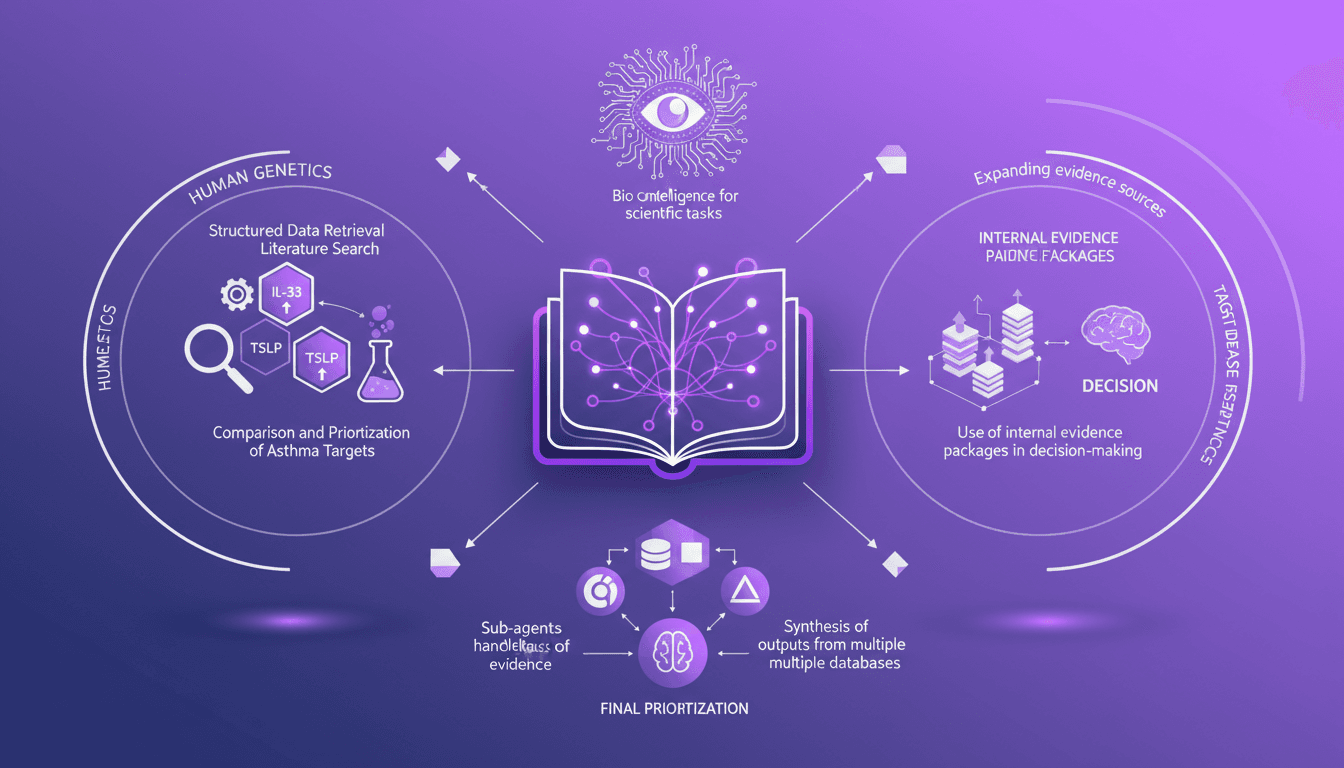
Integrating Data: IL-33, TSLP, IL-1 RA1 Targets
I've been knee-deep in data chaos, trying to make sense of disparate evidence in life sciences. Using Codex, I've turned this mess into actionable insights. In this video, I'll walk you through how I integrated structured data retrieval with scientific analysis to compare asthma targets like IL-33, TSLP, and IL-1 RA1. I share my workflow, using internal evidence packages to make informed decisions. It's a technical deep dive, but I'm here to guide you through each step.
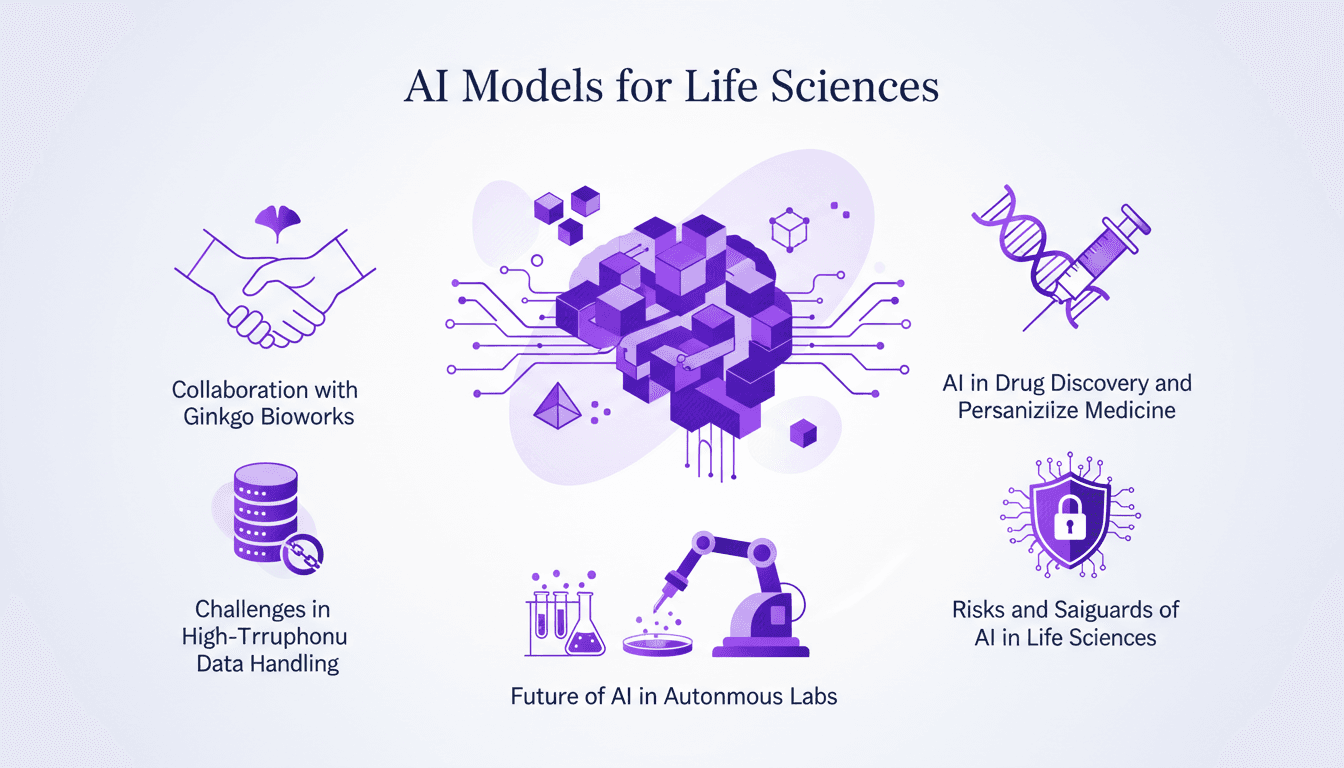
Building AI Models for Life Sciences: Guide
Knee-deep in AI for life sciences, I navigate a rapidly evolving landscape. Collaborating with giants like Ginkgo Bioworks means constantly rethinking our approaches. From handling massive data to drug discovery, every day is an adventure. AI is often hailed as a revolution, but beware of pitfalls: without safeguards, you might get burned. Join me as we dive into this fascinating world where innovation and caution must coexist to build the future.
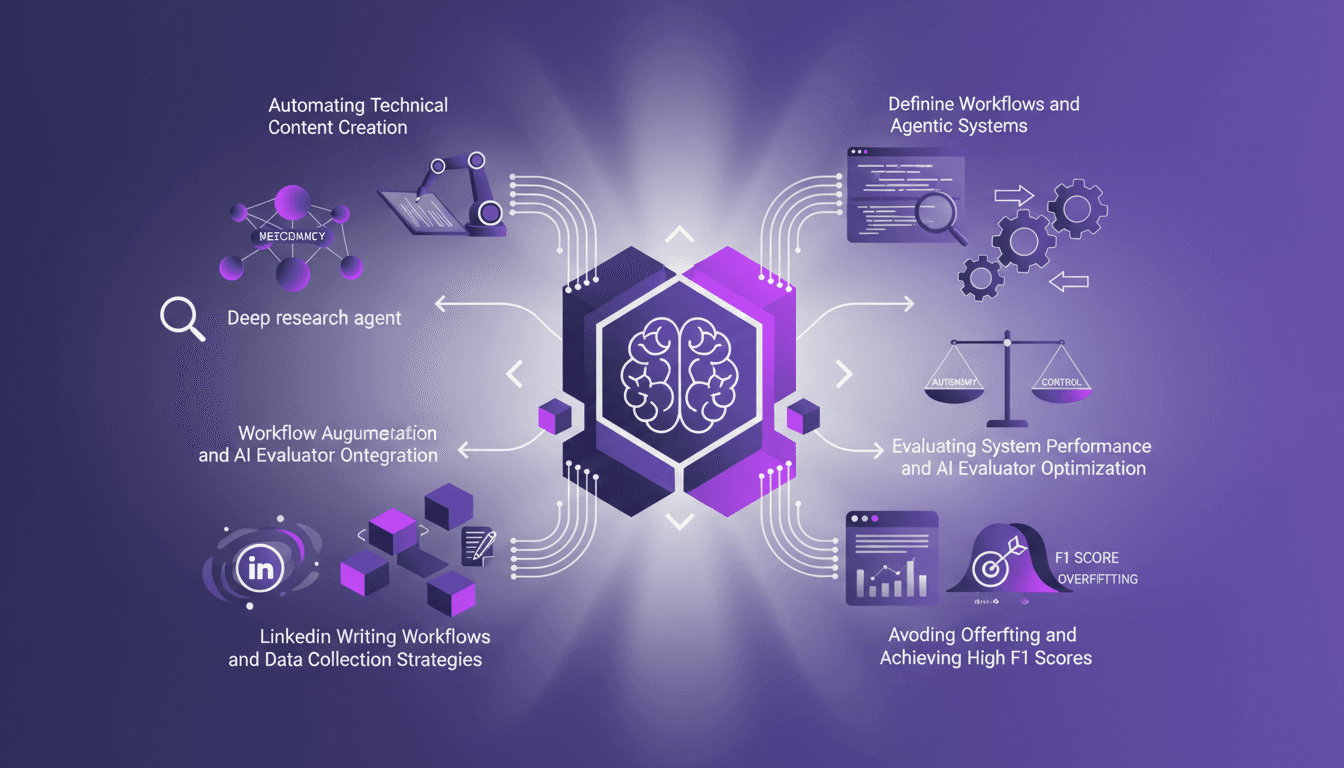
Automate Technical Content Creation in AI
I've been teaching AI for over four years, and if there's one thing I've learned, it's that building your own deep research agents can be a game changer. But it's not just about slapping together some code; it's about crafting workflows that make sense and deliver results. In this article, I'll take you behind the scenes of my research agents, the strategies to avoid overfitting, and how to achieve high F1 scores, all while integrating these systems into your daily operations. We'll also dive into automating technical content creation and optimizing AI evaluators. It's a balance of autonomy and control, and I'll show you how I achieved it.
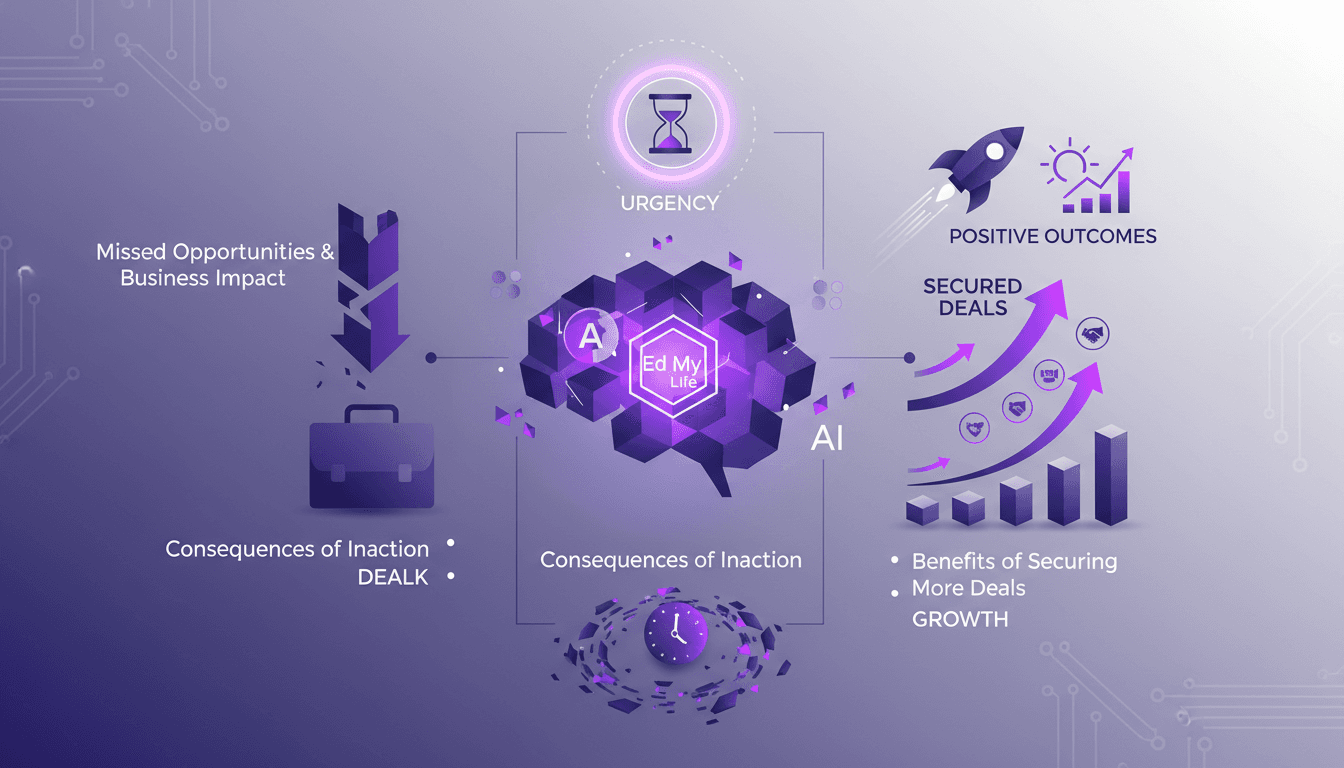
Creating Urgency: 'Ed My Life' in Action
In sales, creating a sense of urgency can make or break a deal. The 'Ed My Life' concept is far from theoretical; it's a real game changer. I apply it systematically to close more deals. Picture this: you're talking to a prospect and within 60 seconds, you make them realize what they're missing out on if they don't act fast. It's not about applying pressure—it's about clearly showing the missed opportunities. In this article, I'll show you how I practice this strategy to turn hesitation into action and why it has a direct impact on business outcomes.
Becoming an Actress: Overcoming Stage Anxiety
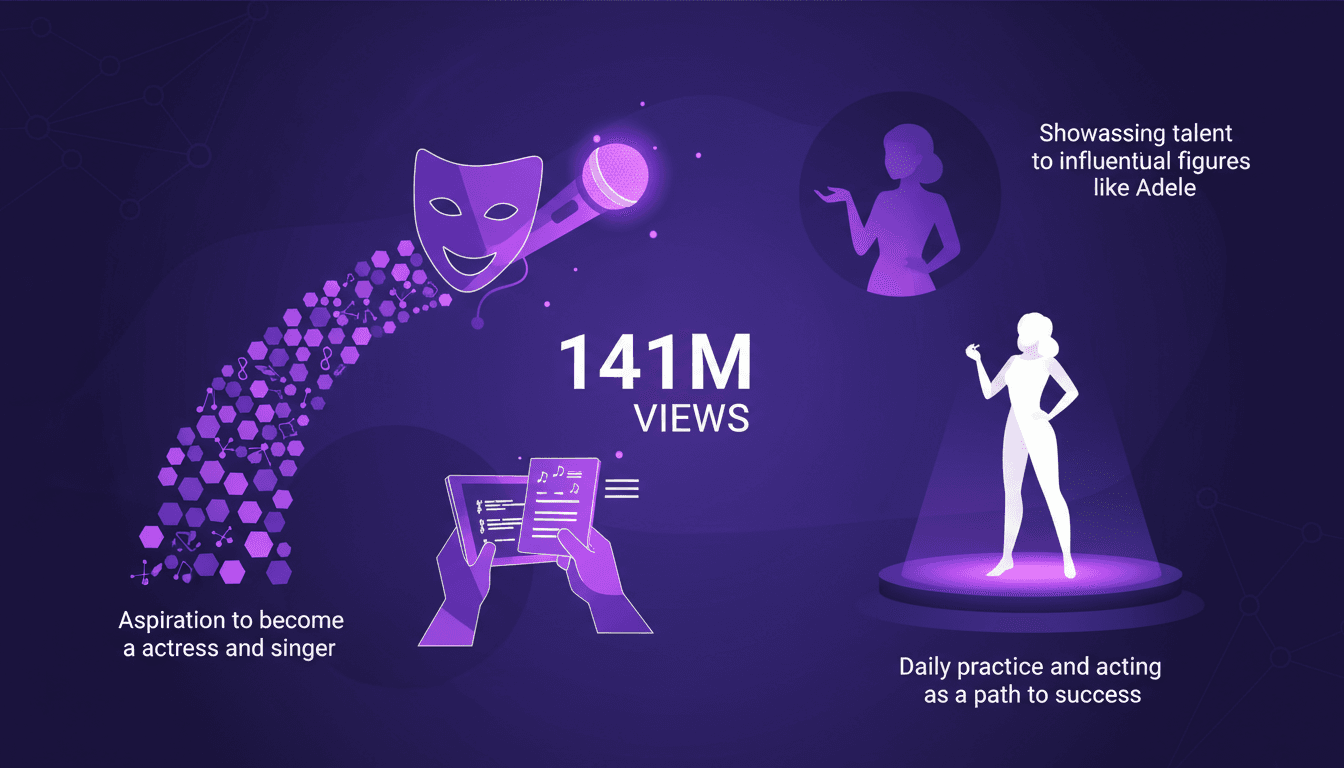
I remember the first time I uploaded a video, just a simple performance, not expecting much. Fast forward, and suddenly, 141 million views later, I'm on a path I only dreamed of. Let me walk you through how this journey unfolded, the nerves, the practice, and the unexpected viral success. Aspiring to be an actress and singer isn't just about talent—it's about overcoming fears, consistent practice, and sometimes, a bit of luck. Here's how I navigated these waters, from the jitters of my early performances to catching the eye of influencers like Adele.