Integrating Data: IL-33, TSLP, IL-1 RA1 Targets
I've been knee-deep in data chaos, trying to make sense of disparate evidence in life sciences. Using Codex, I've turned this mess into actionable insights. In this video, I'll walk you through how I integrated structured data retrieval with scientific analysis to compare asthma targets like IL-33, TSLP, and IL-1 RA1. I share my workflow, using internal evidence packages to make informed decisions. It's a technical deep dive, but I'm here to guide you through each step.
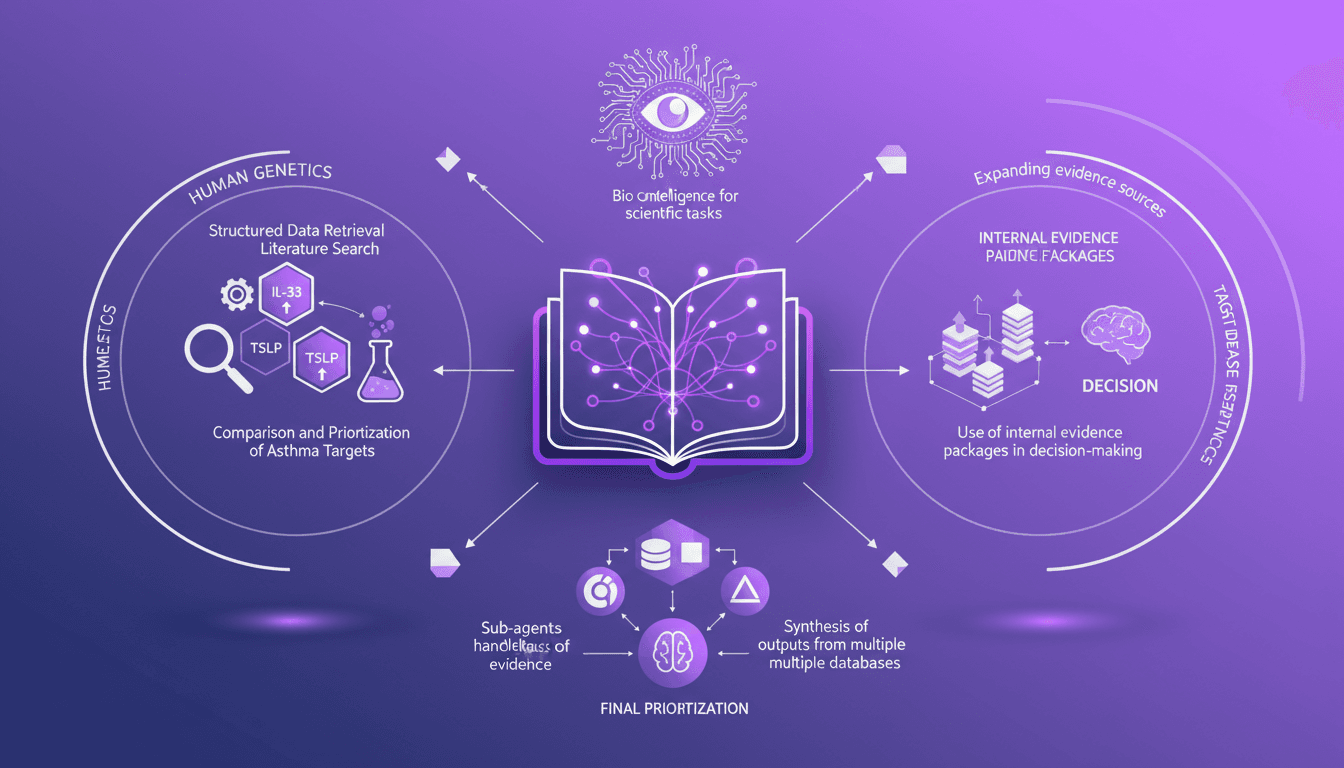
I've been knee-deep in data chaos, trying to make sense of scattered evidence in life sciences. My mission? Turn this mess into discovery decisions using Codex. First, I connect structured data retrieval to literature search, then channel it into scientific analysis. It's like juggling asthma targets—IL-33, TSLP, IL-1 RA1—and trust me, it's no walk in the park. But that's where internal evidence packages come in, supercharging my decision-making process. I got burned a few times before I found the right rhythm to orchestrate sub-agents handling these evidence lanes. And let's not even get into how bio-intelligence helps untangle complex scientific tasks. My goal? Show you how all of this can fit into your daily workflow without falling into the traps that slowed me down along the way.
Setting Up the Life Sciences Model in Codex
Let's dive right in: configuring Codex for structured data retrieval. I first connected my repo Supabase, wrapped the API in a service, and quickly realized token usage was skyrocketing. So I orchestrated it differently. The key here is leveraging bio-intelligence to manage complex tasks. The Life Sciences model combines structured data retrieval, literature search, and scientific analysis to accelerate decisions.
Setting the right parameters is crucial. Too much information can lead to overload, so I prioritize essential data to avoid getting lost in the noise. With this model, you can innovate 75% faster at 25% less cost—a real game changer, but watch out not to get overwhelmed by unnecessary data.
Comparing Asthma Targets: IL-33, TSLP, and IL-1 RA1
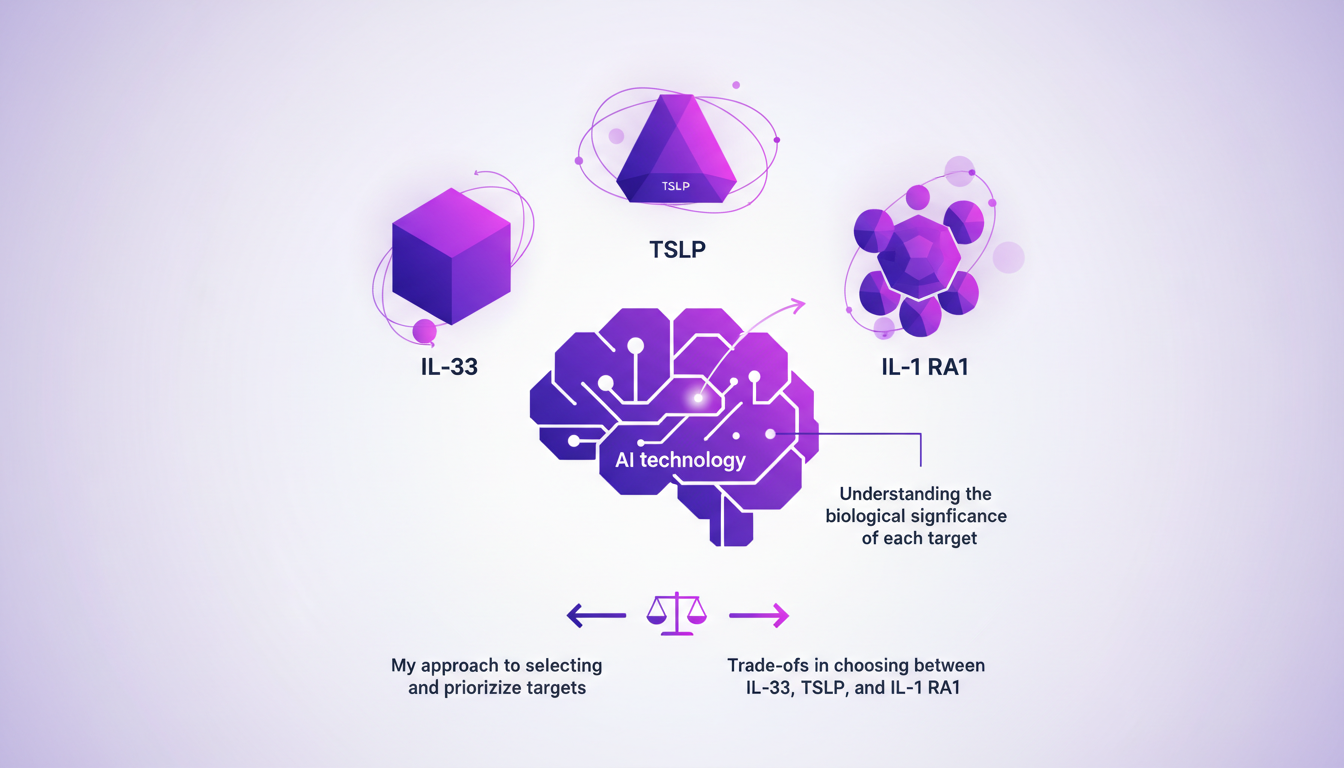
In selecting and prioritizing targets, I take a methodical approach. I compared three targets: IL-33, TSLP, and IL-1 RA1. Each has its biological significance, but there are always trade-offs. The Life Sciences model helped me establish a biomarker strategy and understand the tractability of each option.
“Understanding the mechanisms underlying the pathogenesis of asthma is crucial for proper patient care.”
I used local data to ground my recommendations, but I always keep an eye out for opportunities to expand evidence around human genetics or target disease evidence. TSLP and IL-33 are well-documented as inhibitors for severe asthma treatment.
Building Internal Evidence Packages
For an effective evidence package, I include assay results, biomarker strategy, tractability, safety, and target product profile. Each component is crucial, and I synthesize outputs from multiple databases to make informed decisions. One mistake I've made before is overlooking the locus-to-gene context which can be a game changer. It's easy to fall into the trap of compiling evidence without concern for coherence.
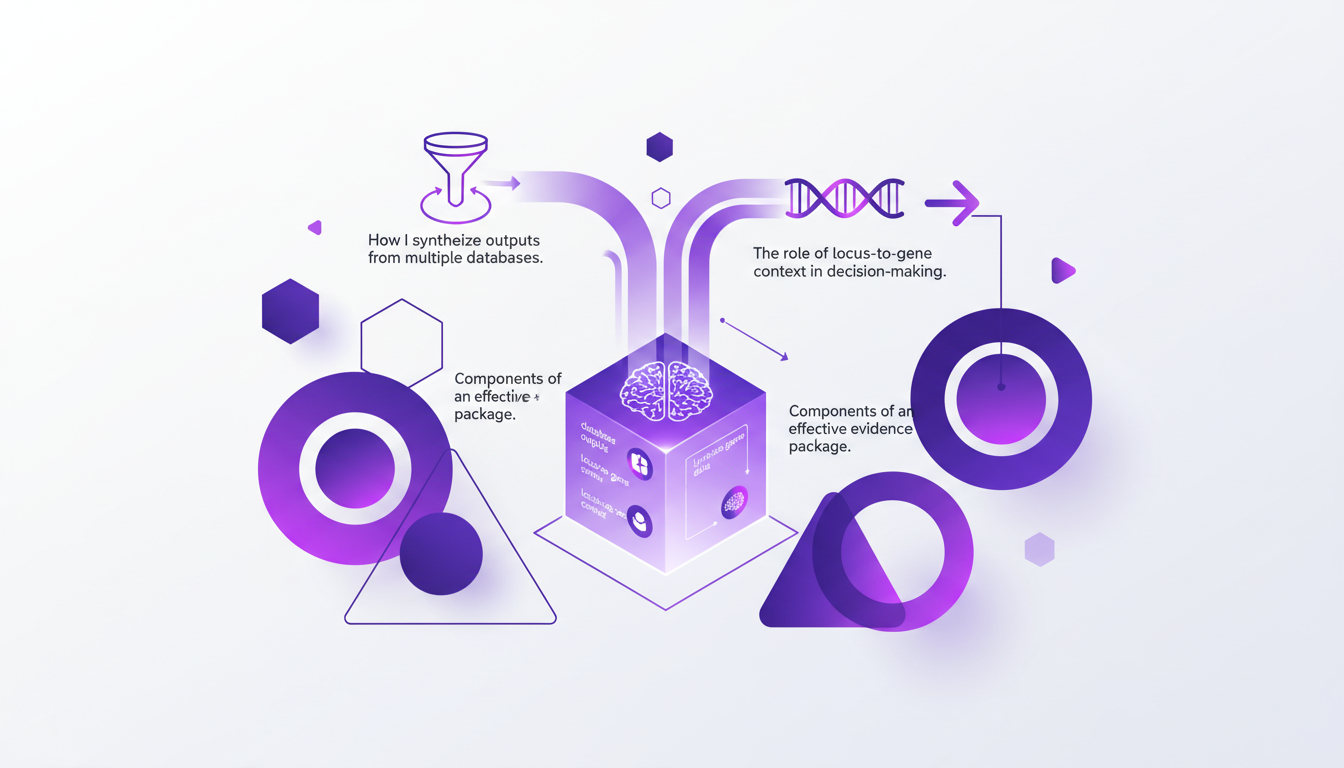
I ensure to orchestrate everything so each element finds its place without redundancy. Be careful not to overuse resources, as this can lead to poor performance.
The Role of Sub-Agents in Evidence Handling
Sub-agents are my allies in managing different lanes of evidence. Sometimes, it's better to let each agent handle its own part before synthesizing everything. I've orchestrated up to six agents, each focusing on specific aspects like human genetics or translational biology. This avoids bias and allows for a clearer overview during final synthesis.
To maximize sub-agent efficiency, I ensure they're regularly updated and use the right skills at the right time.
Final Prioritization and Decision-Making
In the end, it's all about synthesizing to prioritize targets. I balance human genetics evidence with target disease data, and use translational biology for actionable insights. Let's not overcomplicate things: sometimes, the simplest approach is the best.
The final results help me clearly identify priorities, and I often rely on a blend of data from different bases to get a complete picture. This includes locus-to-gene context and target disease evidence.
For more, check out our guide on building AI models for life sciences.
By integrating structured data retrieval with bio-intelligence in Codex, I've really streamlined the decision-making process in life sciences. Here’s what stood out to me:
- Comparing asthma targets like IL-33, TSLP, and IL-1 RA1 helped me prioritize our research efforts effectively.
- Using internal evidence packages was a game changer, making our decisions more fact-based and robust.
- Codex's ability to handle different lanes of evidence through sub-agents is a significant advancement, although it requires a more complex initial setup.
Looking ahead, I believe Codex will continue to transform our data handling, but watch out for the initial setup limits. I highly recommend setting up your own Codex model to see how it can revolutionize your data handling. And if you want a deeper understanding, watch the full video here: https://www.youtube.com/watch?v=a-YJ6h7EJv8.
Frequently Asked Questions

Thibault Le Balier
Co-fondateur & CTO
Coming from the tech startup ecosystem, Thibault has developed expertise in AI solution architecture that he now puts at the service of large companies (Atos, BNP Paribas, beta.gouv). He works on two axes: mastering AI deployments (local LLMs, MCP security) and optimizing inference costs (offloading, compression, token management).
Related Articles
Discover more articles on similar topics
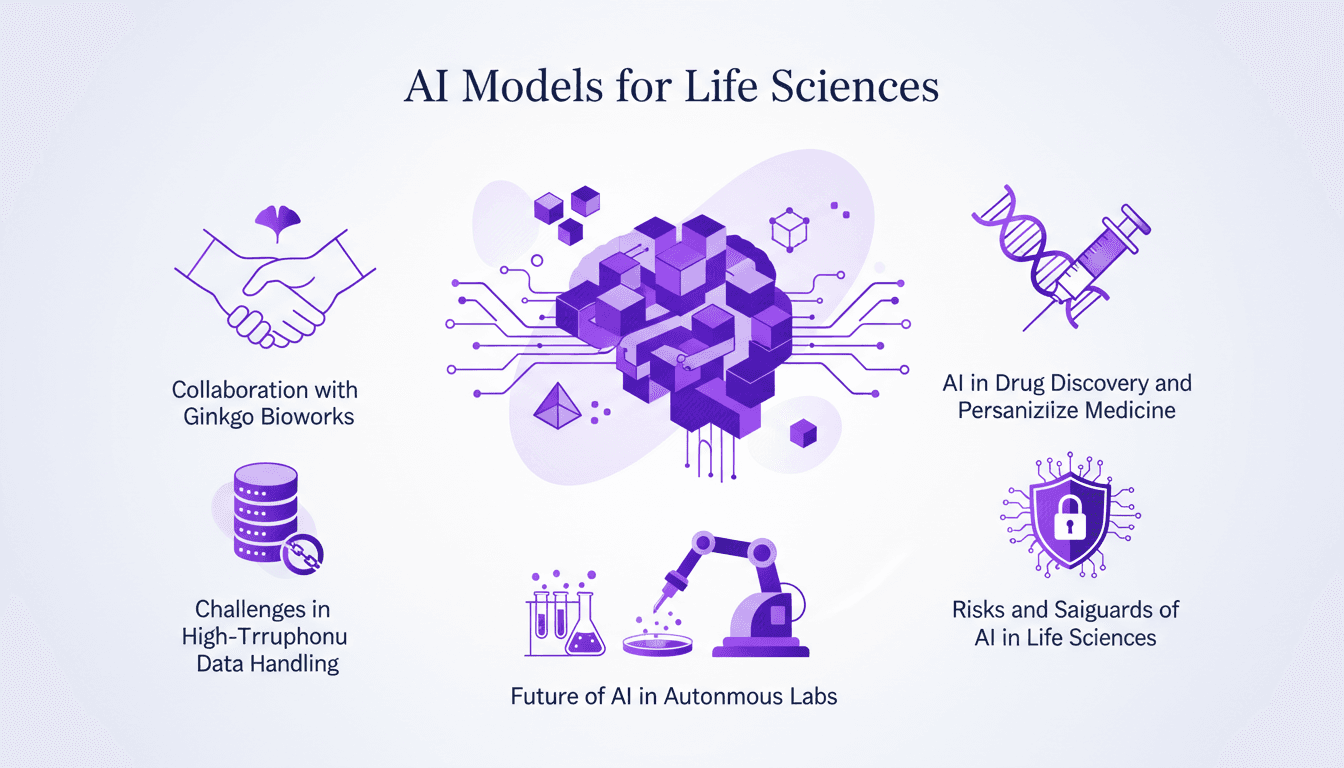
Building AI Models for Life Sciences: Guide
Knee-deep in AI for life sciences, I navigate a rapidly evolving landscape. Collaborating with giants like Ginkgo Bioworks means constantly rethinking our approaches. From handling massive data to drug discovery, every day is an adventure. AI is often hailed as a revolution, but beware of pitfalls: without safeguards, you might get burned. Join me as we dive into this fascinating world where innovation and caution must coexist to build the future.
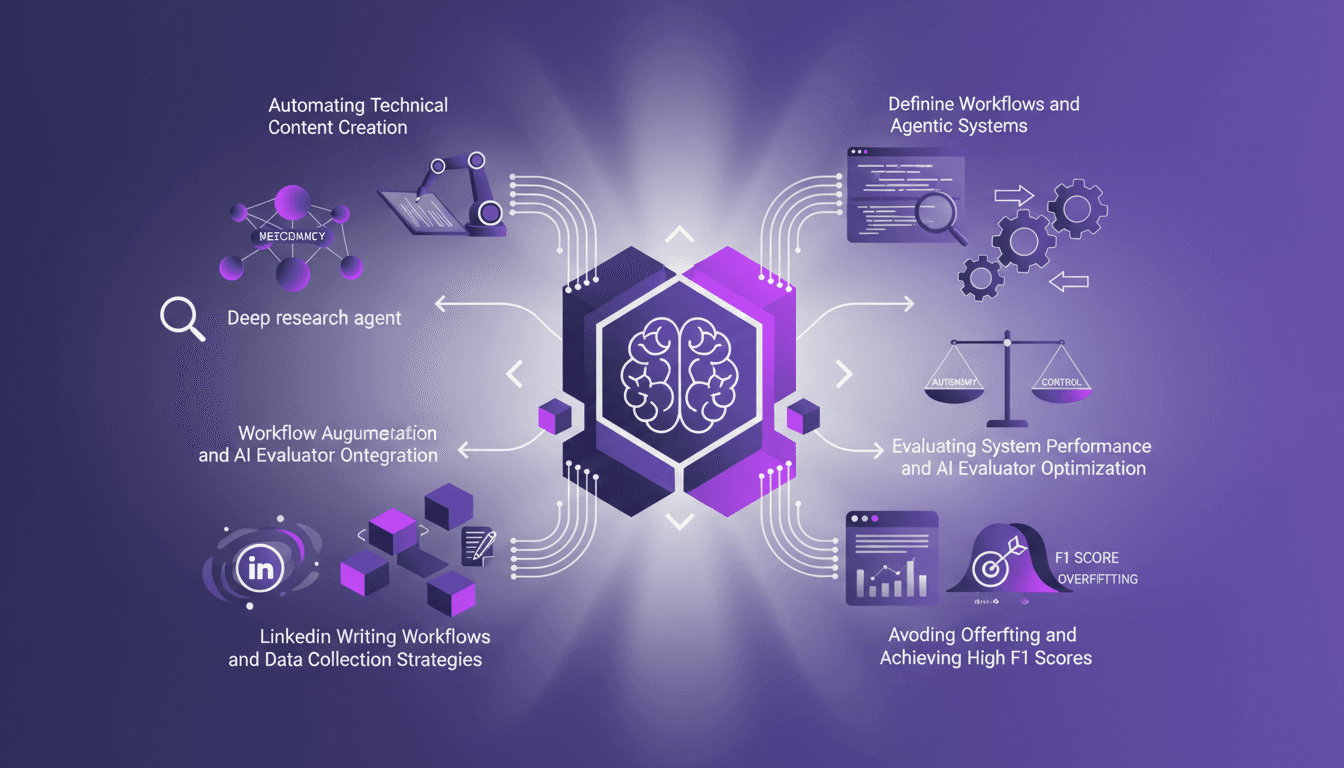
Automate Technical Content Creation in AI
I've been teaching AI for over four years, and if there's one thing I've learned, it's that building your own deep research agents can be a game changer. But it's not just about slapping together some code; it's about crafting workflows that make sense and deliver results. In this article, I'll take you behind the scenes of my research agents, the strategies to avoid overfitting, and how to achieve high F1 scores, all while integrating these systems into your daily operations. We'll also dive into automating technical content creation and optimizing AI evaluators. It's a balance of autonomy and control, and I'll show you how I achieved it.
Creating Urgency: 'Ed My Life' in Action
In sales, creating a sense of urgency can make or break a deal. The 'Ed My Life' concept is far from theoretical; it's a real game changer. I apply it systematically to close more deals. Picture this: you're talking to a prospect and within 60 seconds, you make them realize what they're missing out on if they don't act fast. It's not about applying pressure—it's about clearly showing the missed opportunities. In this article, I'll show you how I practice this strategy to turn hesitation into action and why it has a direct impact on business outcomes.
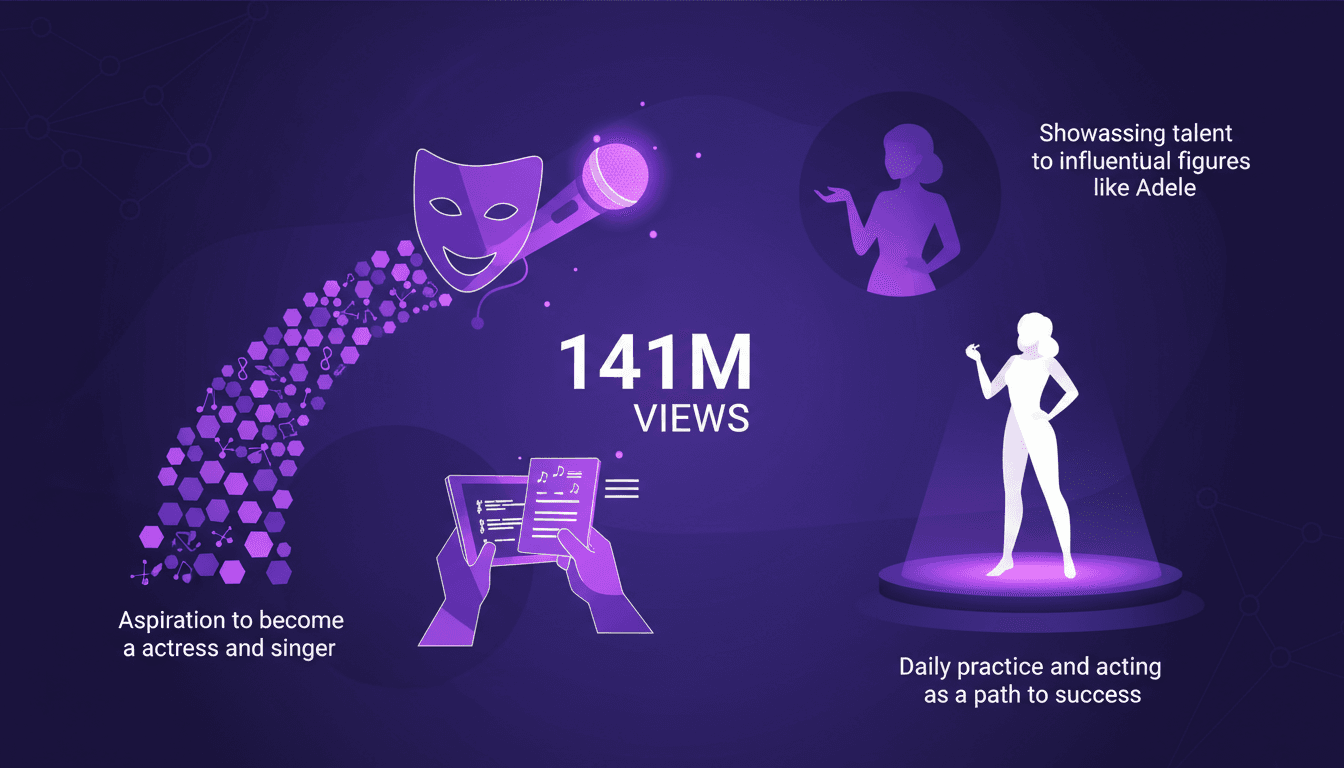
Becoming an Actress: Overcoming Stage Anxiety
I remember the first time I uploaded a video, just a simple performance, not expecting much. Fast forward, and suddenly, 141 million views later, I'm on a path I only dreamed of. Let me walk you through how this journey unfolded, the nerves, the practice, and the unexpected viral success. Aspiring to be an actress and singer isn't just about talent—it's about overcoming fears, consistent practice, and sometimes, a bit of luck. Here's how I navigated these waters, from the jitters of my early performances to catching the eye of influencers like Adele.
Creating Urgency in Sales: From 'I'll Think About It'
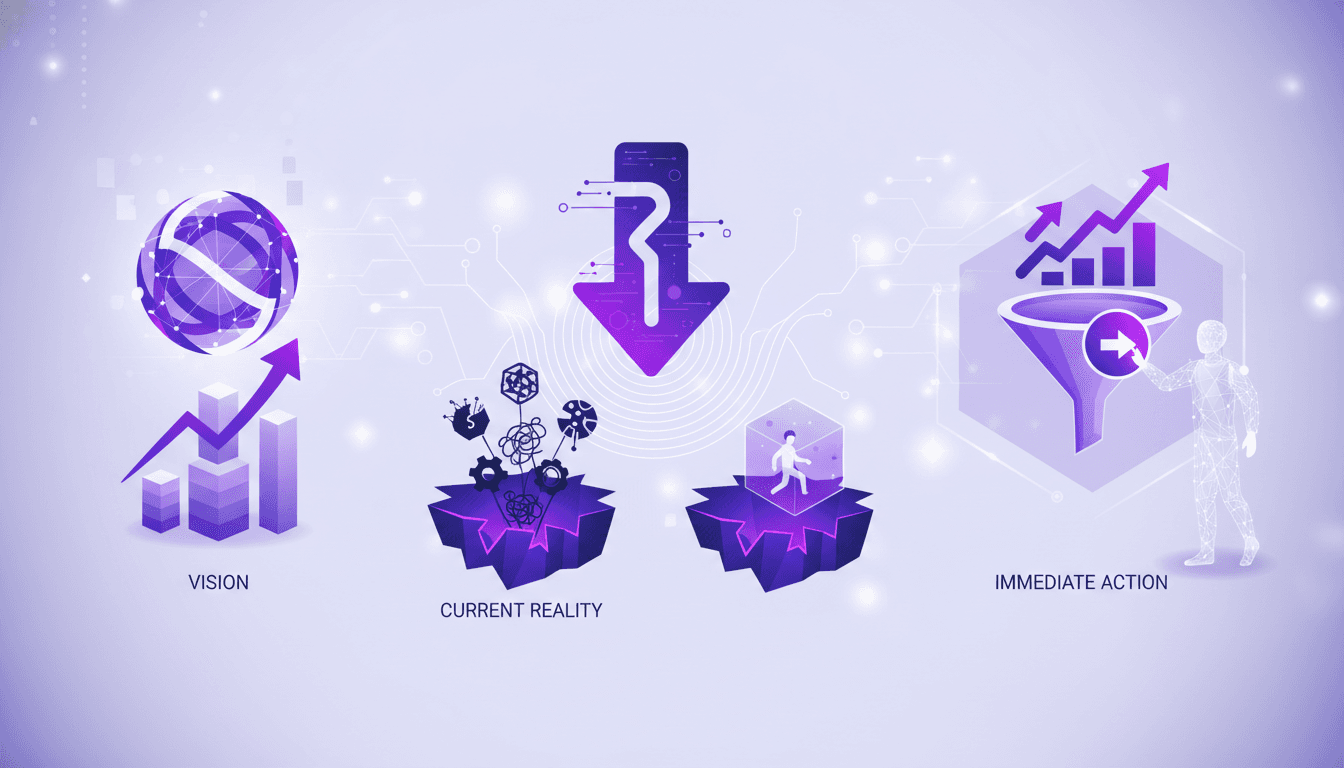
I remember the first time a client hit me with 'I'll think about it.' Frustrating, right? But that moment was pivotal—I learned the art of creating urgency in sales. Turning hesitation into immediate action is within reach. In this article, I’m laying out my practical strategies: how to amplify pain to drive urgency, understand the gap between vision and current reality in decision-making, and tackle obstacles to convert interest into immediate action. No fluffy theories here, just actionable tactics that truly work.