Perplexity Challenges Google: A Tech Awakening
I remember the first time I realized Google's search might not be the unchallenged king it once was. It was when Perplexity started making waves, and suddenly, Google's dominance didn't seem so ironclad. Fast forward three years, and Google's been busy—Transformers, Lambda, Bard—names that sound like something out of a sci-fi movie, but they’re shaping our tech landscape. From the trenches, I see how these projects could really shake things up. But watch out, not everything that glitters is gold. There's potential, sure, but also pitfalls to avoid. Let's dive into what's really in Google's hand and what's just noise.
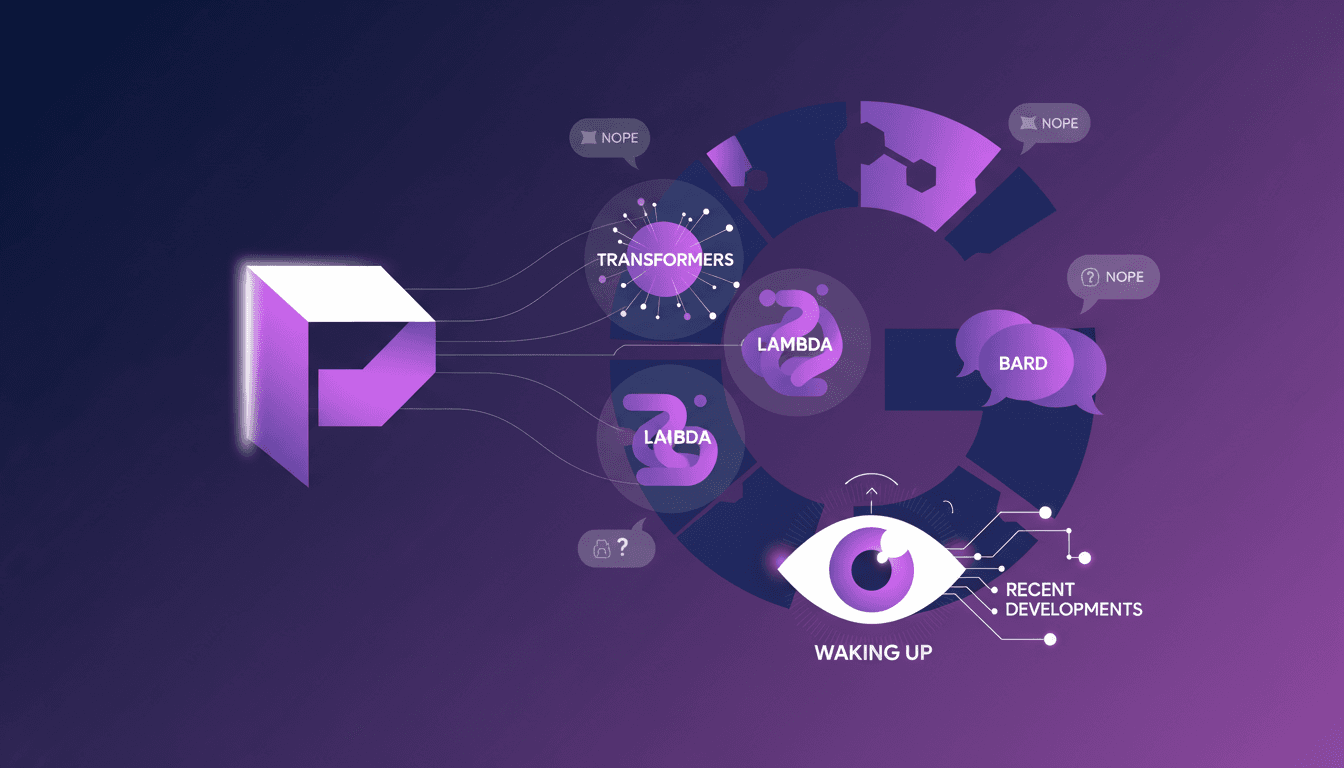
I remember the first time I realized Google's search might not be the unchallenged king it once was. It was when Perplexity started making waves, and suddenly, Google's dominance didn't seem so ironclad. Fast forward three years, and Google's been busy—Transformers, Lambda, Bard—names that sound like something out of a sci-fi movie, but they’re shaping our tech landscape. I'm in the trenches (I connect, I direct, I orchestrate) and I see how these projects might really shake things up. But beware, not everything that glitters is gold. Google has the potential to excel, but mistakes are easy to make. I'll explain why it's crucial to separate the hype from reality and how these recent developments might just change our way of thinking about technology. Let's dive into this adventure together.
Perplexity: The Challenger in the Arena
Three years ago, Perplexity stormed into the scene, ready to shake up Google's search domain. It's not just about search anymore; it's about understanding context and nuance. I’ve personally witnessed how Perplexity can refine search results beyond mere keyword matching. It's a powerful tool, but watch out, the depth of context can sometimes confuse rather than clarify.
In my workflows, I leverage Perplexity for complex queries, but I keep an eye on its quirks. It's like juggling a million things at once. You have to balance the usage to avoid confusion.
- Perplexity emerged 3 years ago, challenging Google's search capabilities.
- It's about understanding context, not just searching.
- Watch out for context depth, which can sometimes cause confusion.
Google's Response: Transformers, Lambda, Bard
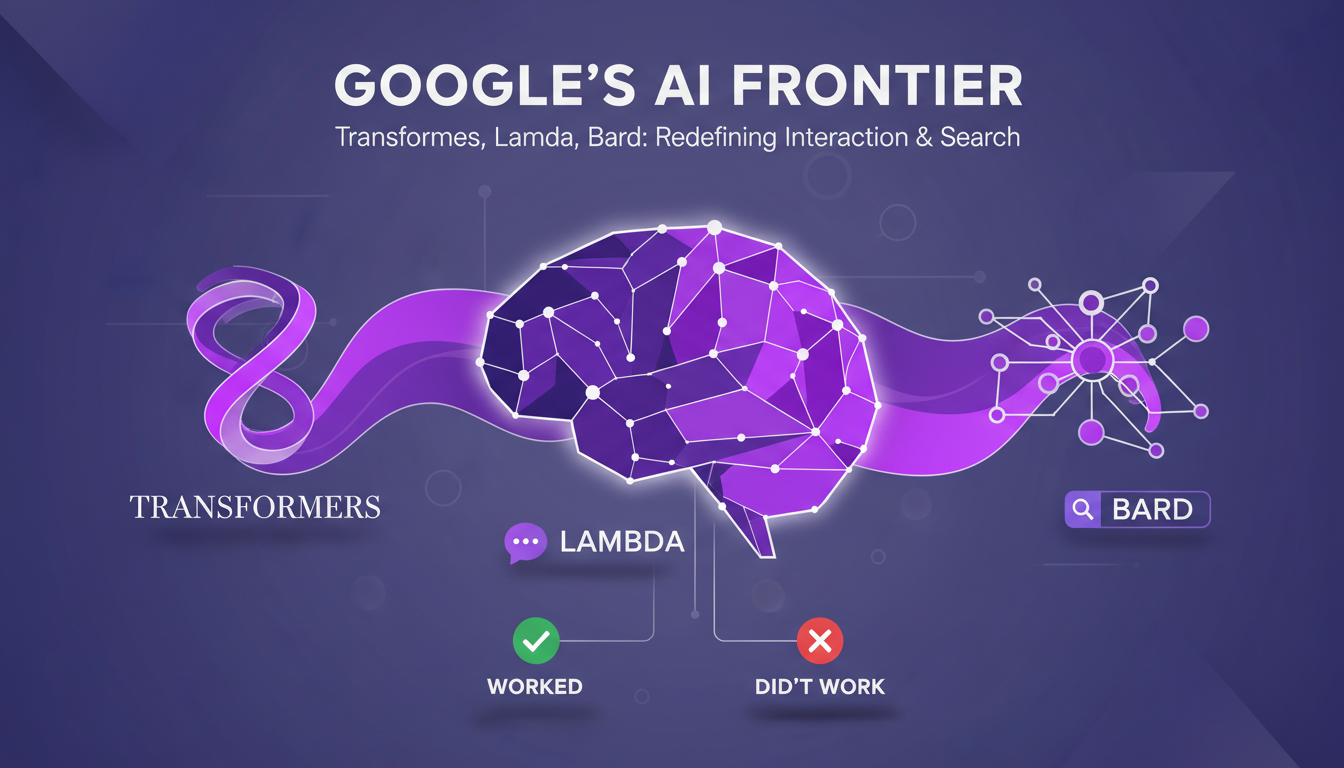
Google hasn't been idle. With its Transformers model, it deployed heavy artillery. Then there's Lambda and Bard, Google's bets to redefine interaction and search. I've integrated these tools into my projects, and here's what worked and what didn’t. Transformers excel in data pattern recognition, but beware, they can be resource-heavy.
Bard, released in 2023, aims to simplify user interaction, but it's still finding its footing. I've tested it, and while promising, there's still a way to go.
- Transformers are excellent for data patterns but resource-heavy.
- Bard, launched in 2023, simplifies interaction but needs more maturity.
- Lambda has huge potential but its application can be inconsistent.
Skepticism and Criticism: Is Google Overpromising?
Some critics argue Google's new releases might be more hype than substance. I’ve experienced the gap between Google's promises and practical utility. Lambda's potential is huge, but its application can be inconsistent. Sometimes, sticking to tried-and-tested methods saves more time.
- Critics claim Google's new releases may be more hype than real substance.
- Lambda has great potential but sometimes lacks consistency.
- Tried-and-true methods can be more effective at times.
Anticipation and Potential: Google's Path Forward
Despite criticisms, Google's capacity for innovation is undeniable. In the past two weeks, I’ve seen promising developments in their AI capabilities. Their infrastructure can support massive scaling, which is crucial for future projects.
There's anticipation for when Google fully 'wakes up' and leverages its full potential. Balancing skepticism with optimism, I prepare for what's next.
- Google's capacity for innovation remains strong despite criticisms.
- Infrastructure capable of massive scaling is crucial for future projects.
- Preparation for when Google fully leverages its potential.
Recent Developments: Enjoying the Technological Popcorn
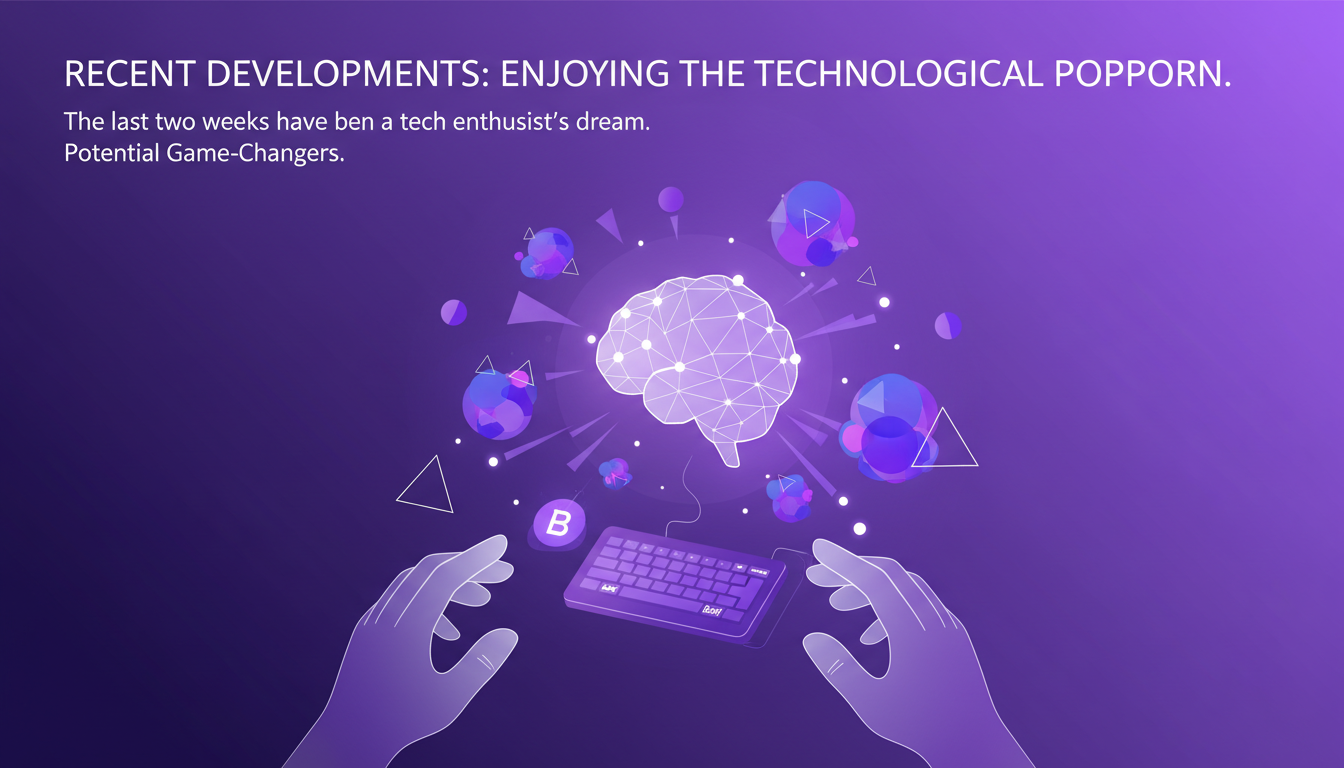
The last two weeks have been a dream for tech enthusiasts with new releases. I’ve been hands-on with Bard, exploring its real-world applications. These developments are more than just updates; they’re potential game-changers.
- The last two weeks have been rich with technological releases.
- Testing Bard and exploring its real-world applications.
- The new releases are potential game-changers but come with challenges.
As a builder, watching Google being challenged by newcomers like Perplexity is fascinating. It pushed me to test and integrate their new tools like Transformers, Lambda, and Bard (released in 2023), while keeping a critical eye.
- First, Perplexity has really shaken up the status quo, proving an outsider can reinvent the game.
- Next, Google's projects, though ambitious, aren't without challenges. There are a million things to manage, and sometimes the limits of these tools prove frustrating.
- Finally, despite my initial skepticism, these innovations could be game changers if Google fully awakens.
I stay curious and keep experimenting, questioning the giants. Your workflow will thank you. To see how it all orchestrates, check out the original video. Trust me, it's a good investment of time. 📼 YouTube link.
Frequently Asked Questions

Thibault Le Balier
Co-fondateur & CTO
Coming from the tech startup ecosystem, Thibault has developed expertise in AI solution architecture that he now puts at the service of large companies (Atos, BNP Paribas, beta.gouv). He works on two axes: mastering AI deployments (local LLMs, MCP security) and optimizing inference costs (offloading, compression, token management).
Related Articles
Discover more articles on similar topics
AI Agent for Learning at BNY
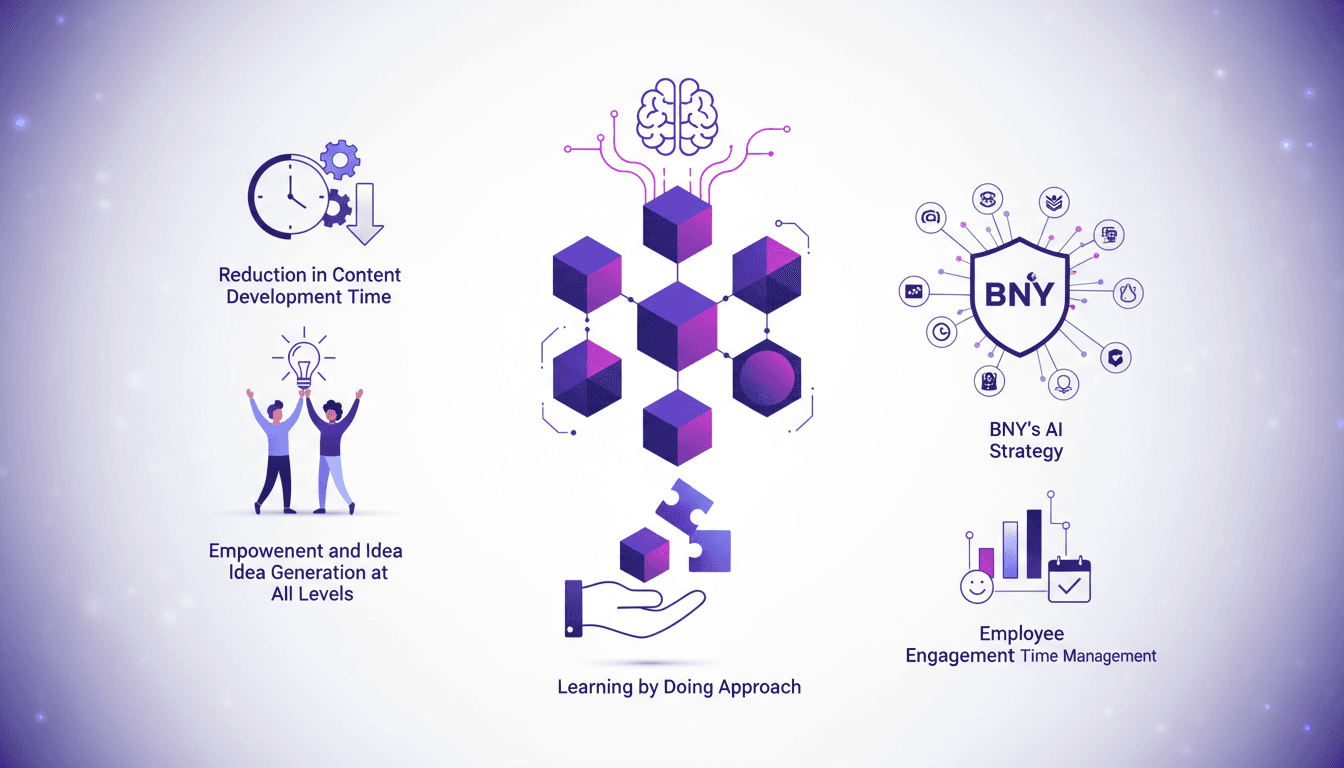
I remember when developing learning content at BNY used to take a month. Now, with our AI agent, it's down to an hour. This is a game changer that goes way beyond theory. With 20,000 employees, BNY People is transforming learning and development through AI. We're talking about drastic reductions in content development time and opening doors to innovation and employee engagement at every level. I connected our AI strategy with solid partnerships and orchestrated a learning-by-doing approach. But watch out, it's not without challenges. Here's how we did it.
AI in Legal Reviews: BNY's Practical Approach
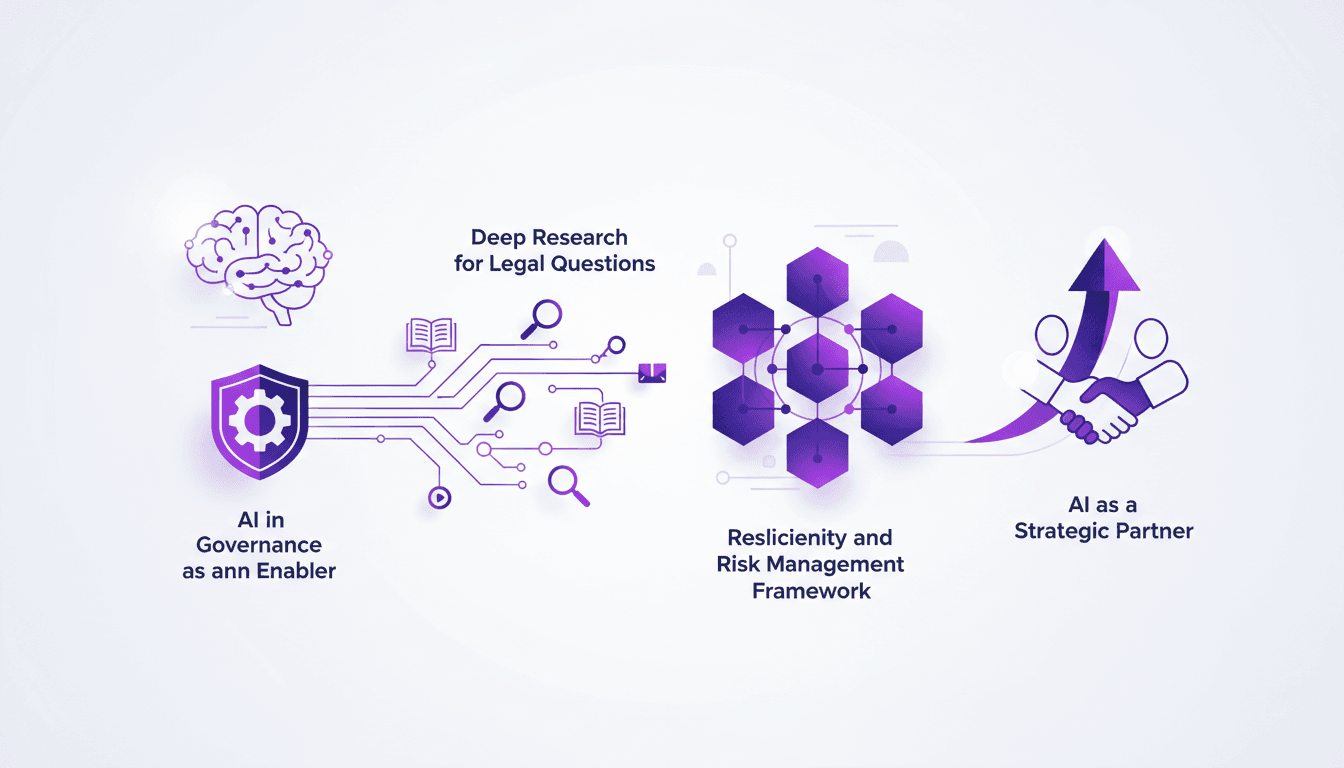
I vividly remember the first time we integrated AI into our legal reviews at BNY. It wasn't just about speeding things up—it was a game changer in how we tackled legal complexities. We cut down repetitive task time by 75%, allowing us to focus on strategy and governance. AI became more than a tool; it became a strategic partner. I'll walk you through our process, from orchestrating deep research to managing risks. Watch out, though—there are pitfalls along the way, but the results are worth it.
BNY and OpenAI: Transforming Finance with AI
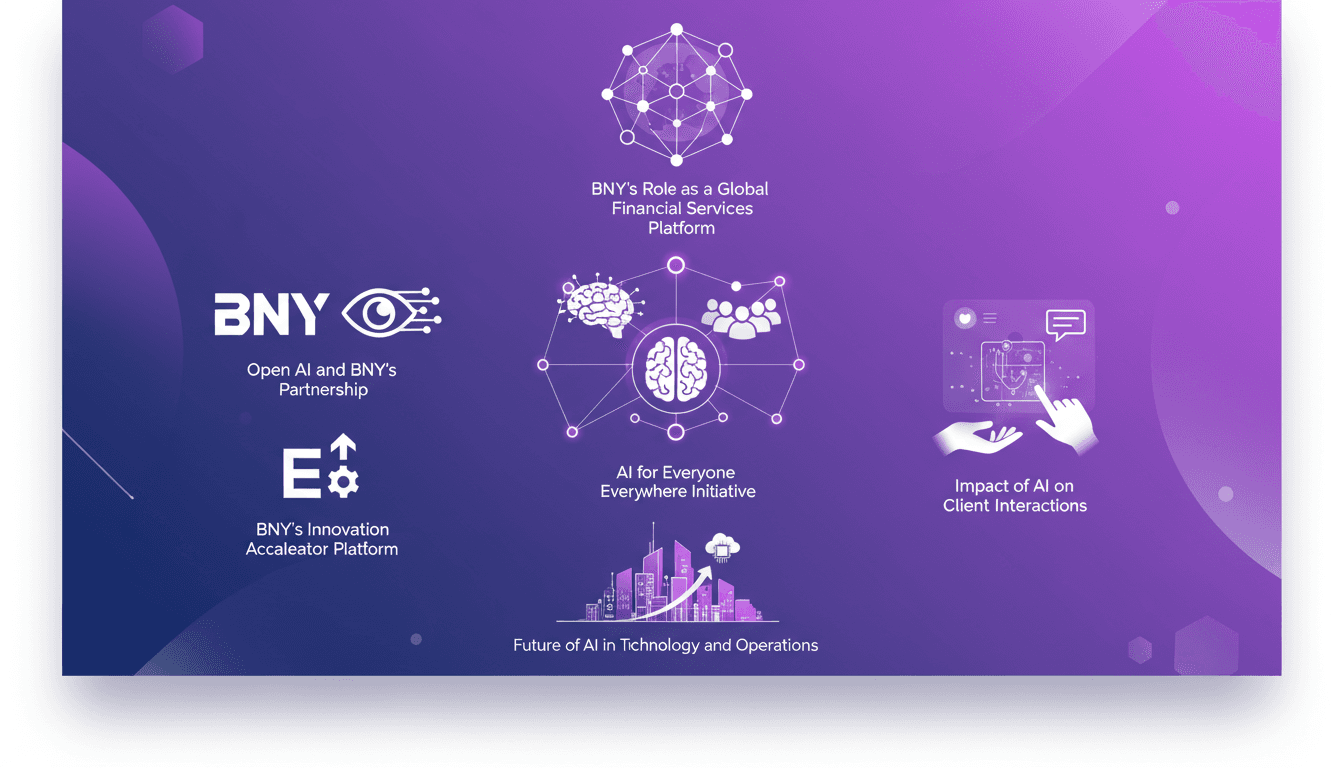
Ever wondered how a massive financial entity like BNY manages to stay ahead in the AI game? Let me walk you through our journey, where we’re not just observers but active builders of AI solutions. With $55.8 trillion in assets under custody, we're spearheading the 'AI for Everyone, Everywhere' initiative, backed by a strong partnership with OpenAI. We've got 98% of our team trained in responsible AI and 20,000 employees who've created their own agents. I connect, I guide, I orchestrate each step to transform our interactions and operational efficiency. And it's truly a game changer.

AI in Software Engineering: Revolution or Evolution?
I've been in the trenches of software engineering long enough to know AI isn't replacing us, but it's definitely reshaping our landscape. I've plugged AI-powered low-code platforms into legacy systems, and trust me, it's a game changer. We're talking redefined workflows, the essential blend of high-code and low-code, and what this means for us engineers. If you're still running 60-year-old COBOL apps, it's time to wake up! AI isn't just theory; it's what I'm doing every day to meet evolving demands. And while automation takes over 98% of the time, knowing when and how to intervene is critical. Let's discuss how these changes affect our roles and how to stay at the cutting edge.
Merging Product and Engineering: Reinventing Processes
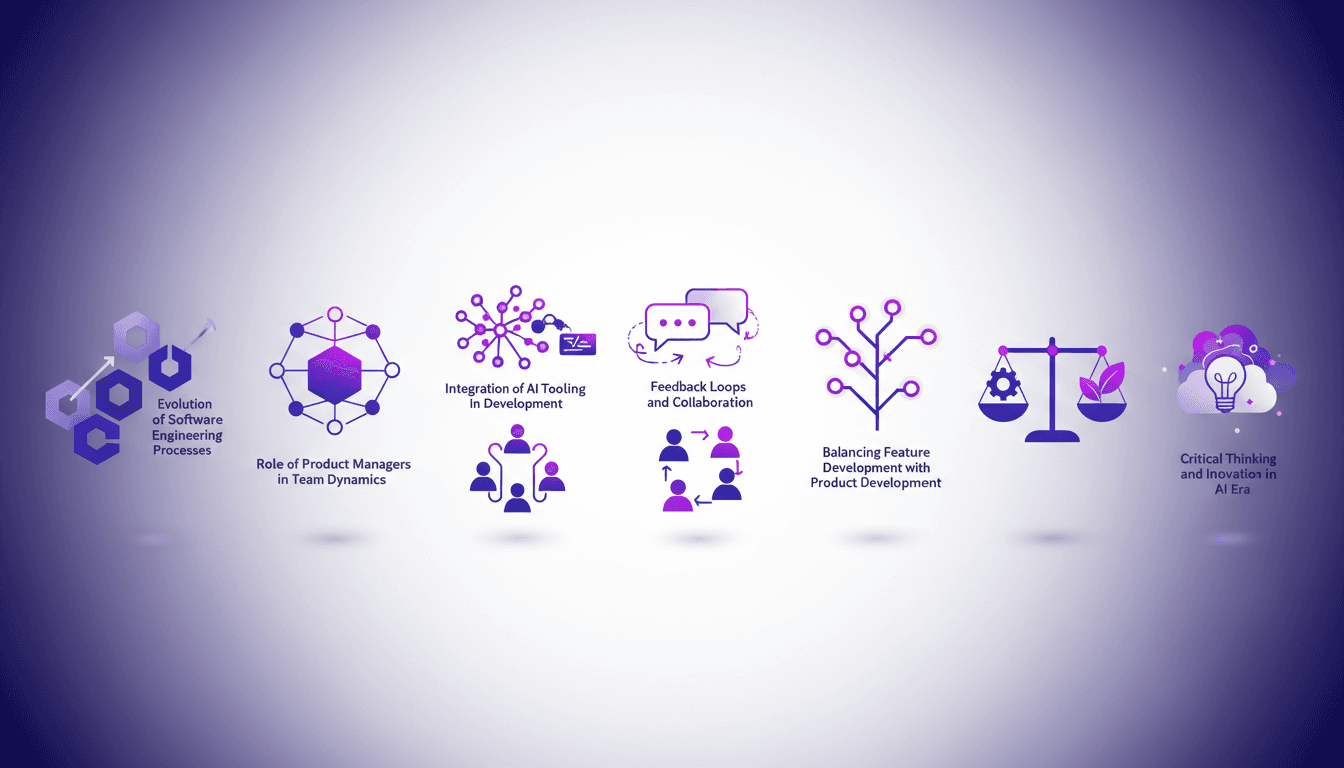
I was skeptical at first. Going from six engineers to just two seemed like a recipe for disaster. But merging product and engineering not only worked but thrived. In today's fast-paced tech environment, efficiency isn't just a buzzword—it's a necessity. By integrating roles and leveraging AI, we've redefined our workflow. This has transformed team dynamics, strengthening feedback loops and collaboration. Now, with one frontend and one backend engineer, we balance developing new features with maintenance. We experiment, adapt, and innovate. But watch out, the risk is moving too fast and losing sight of key objectives. When it works, the impact is tangible.