MCP Server Integration: How I Did It
I remember the first time I integrated an MCP server into our system. It wasn't just about plugging it in; it was about orchestrating a whole new workflow. With MCP's ecosystem growing at an explosive rate—110 million downloads monthly—understanding its server integration and capabilities has become crucial for anyone serious about agent development. Let's talk about the latest progress in the MCP ecosystem, upcoming SDK enhancements, and how a well-done integration can be a game changer. But watch out, with the benefits come the pitfalls you need to avoid. I'll take you through this technical journey, sharing past mistakes and triumphs to save you the same headaches.
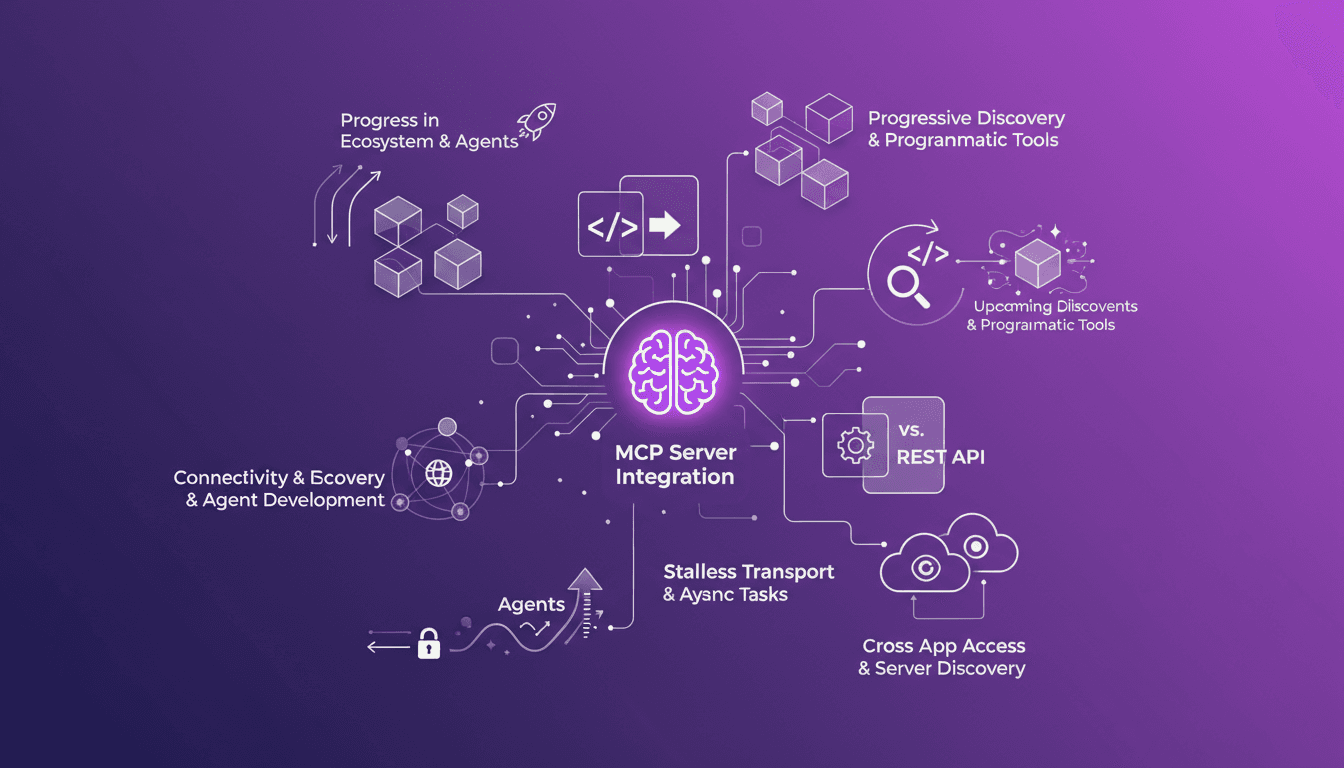
I remember the first time I integrated an MCP server into our system. It wasn't just about plugging it in; it was about orchestrating a whole new workflow, and it really changed the game. With MCP's ecosystem booming at 110 million downloads monthly, mastering its integration and capabilities is crucial for anyone serious about agent development. First, I configure the server, then progressively discover programmatic tool calling. But watch out—don't overlook designing for agents versus just converting REST APIs. The new SDK updates, especially version 2 in TypeScript and Python, bring significant enhancements, and the stateless transport protocol with asynchronous task primitives opens up new possibilities. As a practitioner, I take you through these advancements, sharing my past mistakes and successes to guide you on this journey.
MCP Server Integration: My Workflow
Integrating an MCP server isn't just plug-and-play. I jumped into it thinking it would be straightforward, but reality quickly set in. First, I had to set up the MCP server within my existing infrastructure, which required a deep understanding of my current systems. I began by installing the necessary dependencies and configuring permissions, but watch out, even a tiny misconfiguration can lead to poor performance.
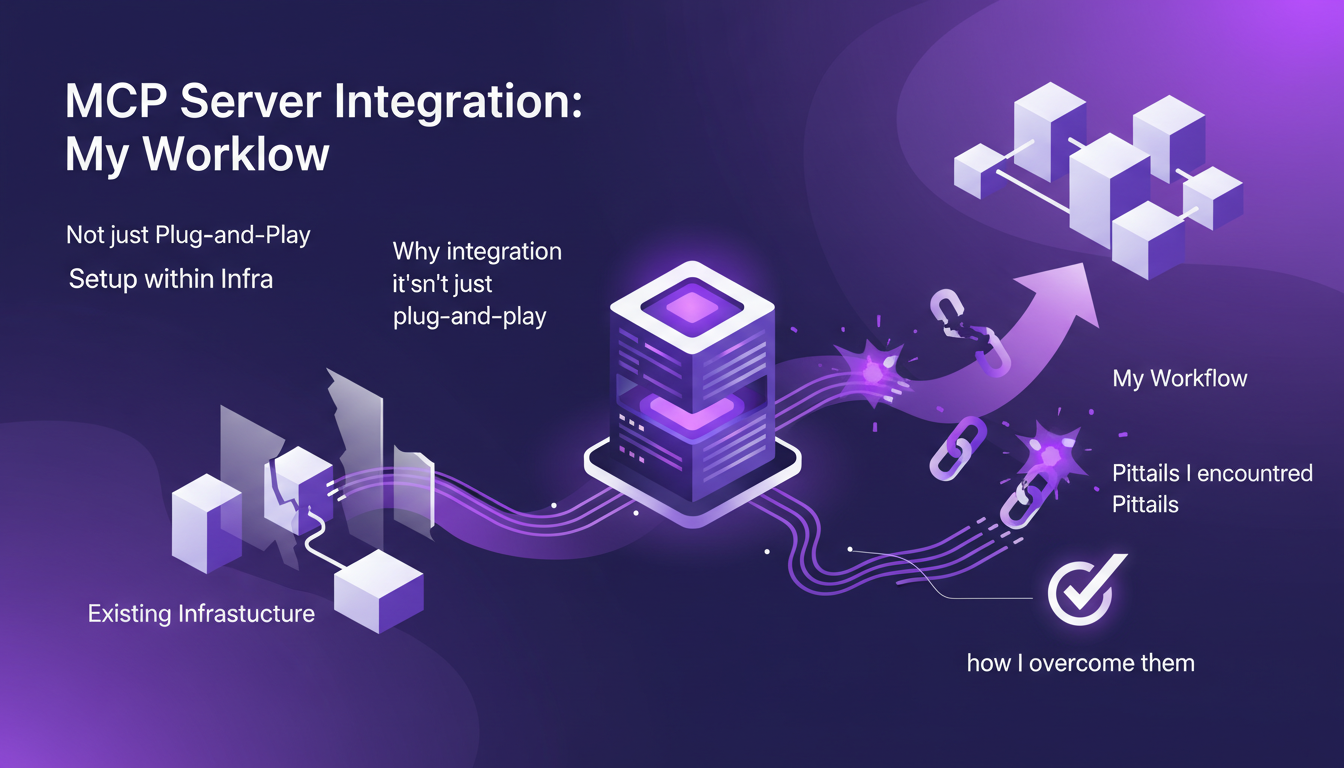
The pitfalls are numerous. I found that automation scripts could save the day, but not just any scripts. I used custom scripts to handle repetitive tasks like updating configurations and monitoring performance. These tools helped me save valuable time and enhance overall system performance, avoiding bottlenecks that often result from manual misconfigurations.
Impact on Performance: A well-orchestrated integration significantly improves operational fluidity, reducing latency and optimizing resource usage. But beware, a poor setup can drag down performance.
Connectivity: The 2026 Focus
Connectivity is the lifeblood for agent development in 2026. I had to rethink how my systems communicate to anticipate the future. To enhance connectivity, I integrated asynchronous task primitives that efficiently manage communication between agents. These primitives are essential because they reduce latency and improve the responsiveness of complex systems.
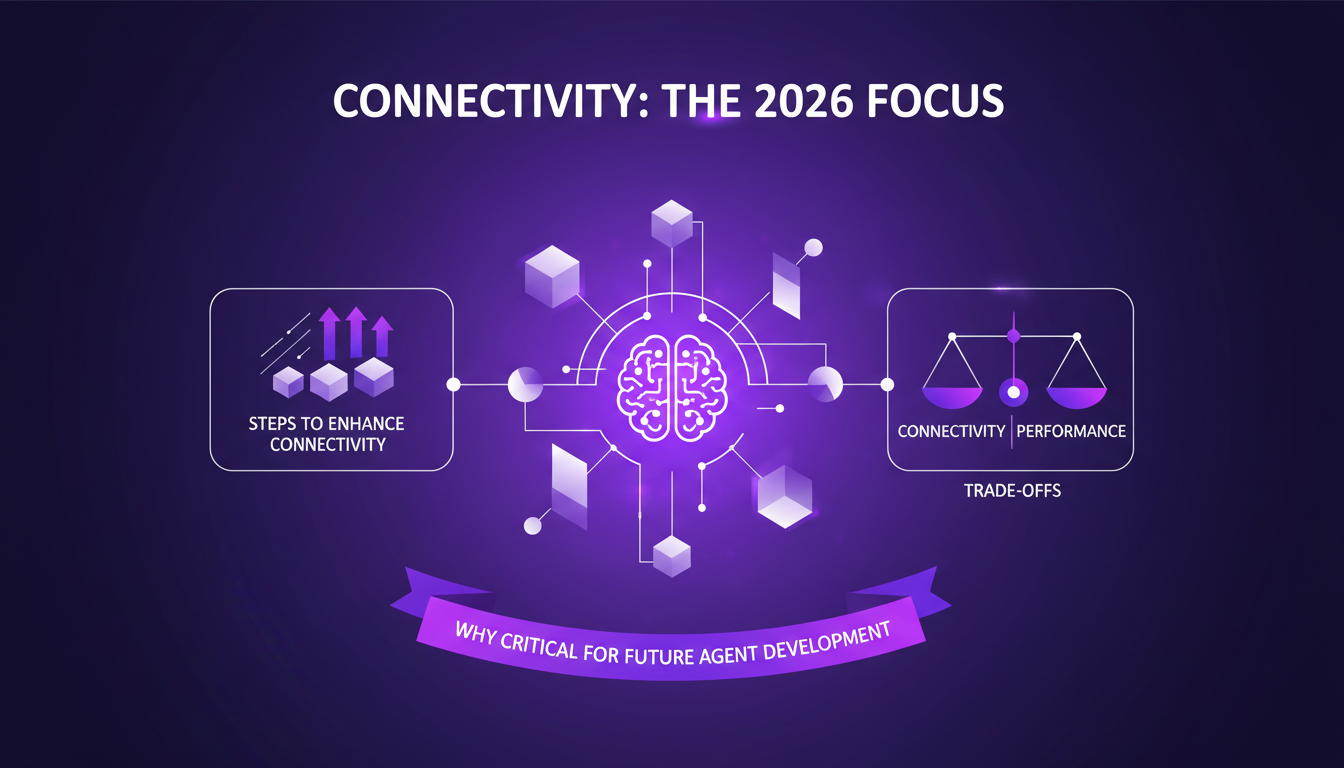
But there's a balance to be struck. I realized that too much connectivity can negatively impact performance. It's crucial not to overload systems with unnecessary requests. I made sure to streamline calls and prioritize critical tasks to maintain efficiency. Ultimately, connectivity should serve performance, not hinder it.
Lessons Learned: Integrating connectivity must be thoughtful and measured. Excessive connectivity can choke resources, but well-managed, it paves the way for smarter, more responsive agents.
Progressive Discovery and Programmatic Tool Calling
Progressive discovery is a concept that has radically changed how I handle tool context usage. By reducing the necessary context for the client, this approach optimizes resource usage. I implemented programmatic tool calling that allows for more efficient composition and reduces latency.
By balancing discovery with resource management, I was able to improve the orchestration of my systems. However, it's not without challenges. Implementing this strategy requires a deep understanding of each application's specific needs and the tools used. I had to adjust parameters based on feedback to maximize efficiency gains.
Real-World Impact: This approach led to a notable improvement in performance and reduced system response times. The key is not to overload the system with unnecessary calls.
Designing for Agents vs. REST API Conversion
Designing for agents is a completely different world compared to converting a REST API to an MCP server. The steps to effectively design agent-focused systems require a focus on orchestration and seamless interaction between different components. I found that using an MCP server offers significant advantages over traditional REST APIs, particularly in terms of flexibility and scalability.
The SDK updates, notably version two for TypeScript and Python, open up new possibilities for developers. These updates allow for maximizing the capabilities of MCP servers while ensuring smooth integration with existing systems.
Future-Proofing Your Design: To future-proof your designs, it's essential to keep up with MCP developments and adjust accordingly. Upcoming enhancements promise to further improve agent interaction and efficiency.
Cross App Access and Server Discovery
Cross app access is the future of MCP. By integrating these features into existing workflows, I was able to exponentially increase agent capabilities and enrich interactions between systems. Server discovery facilitates communication between agents and enhances their efficiency.
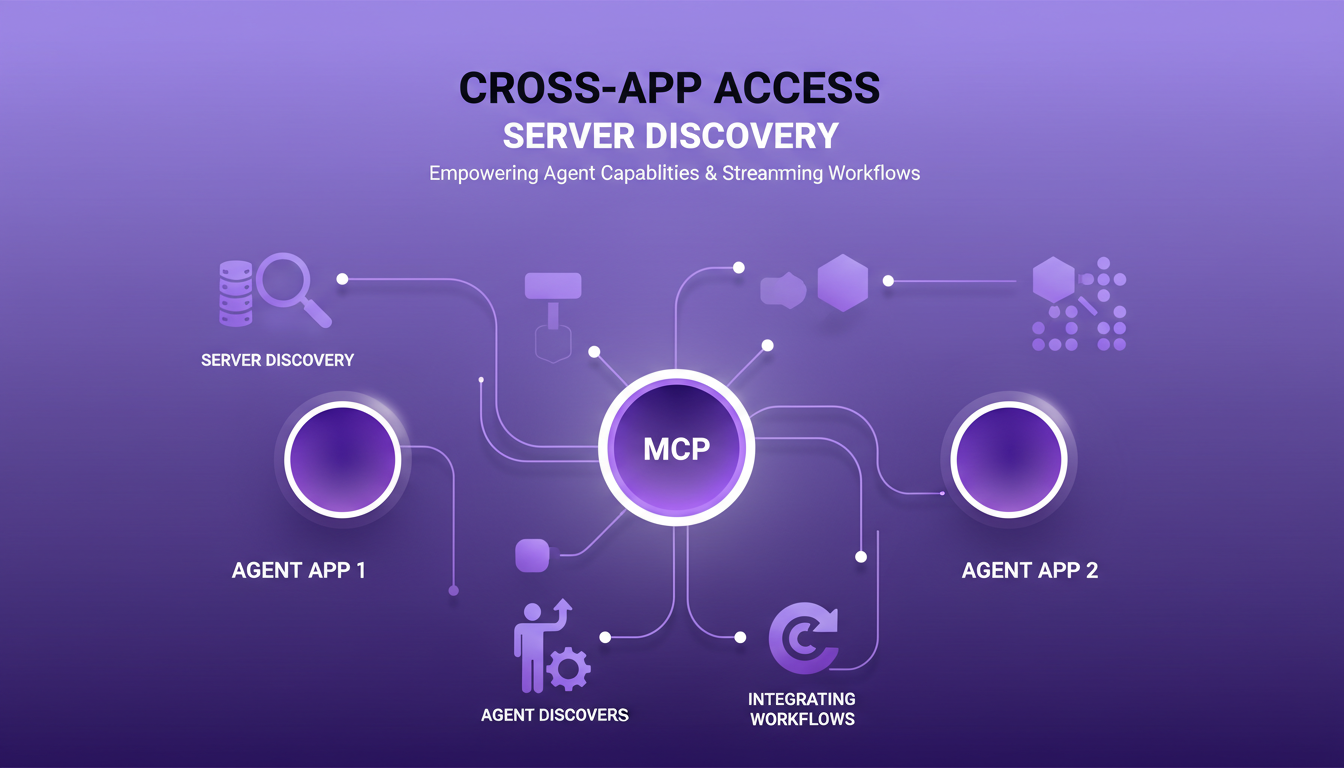
However, beware of potential pitfalls. Poor integration can lead to incompatibilities and performance losses. It's crucial to thoroughly test each aspect of the integration to avoid unpleasant surprises.
Looking Ahead: MCP is continuously evolving, and integrating new features will be crucial for future performance. Stay tuned for updates and adjust your strategies accordingly.
Integrating an MCP server isn't just a trend, it's setting up for future success. When I focus on progressive discovery, programmatic tool calling, and designing for agents, I'm not just adapting—I'm leading the charge. Here's what stood out to me:
- 2026 is the year of connectivity. If you're not ready, you're behind.
- SDK version two for TypeScript and Python: simplifies life and boosts performance.
- A REST APIs to MCP server conversion tool: a real game changer for seamless integration.
Looking ahead, it's clear that today's technical choices lay the groundwork for tomorrow's innovation. But watch out, don't get blinded by excitement—stay pragmatic about resource usage.
Ready to take your agent development to the next level? Start integrating MCP today and see the difference. For deeper insights, watch the full video "The Future of MCP" with David Soria Parra. Think of it like chatting with a colleague who's already been down this path. YouTube link
Frequently Asked Questions

Thibault Le Balier
Co-fondateur & CTO
Coming from the tech startup ecosystem, Thibault has developed expertise in AI solution architecture that he now puts at the service of large companies (Atos, BNP Paribas, beta.gouv). He works on two axes: mastering AI deployments (local LLMs, MCP security) and optimizing inference costs (offloading, compression, token management).
Related Articles
Discover more articles on similar topics
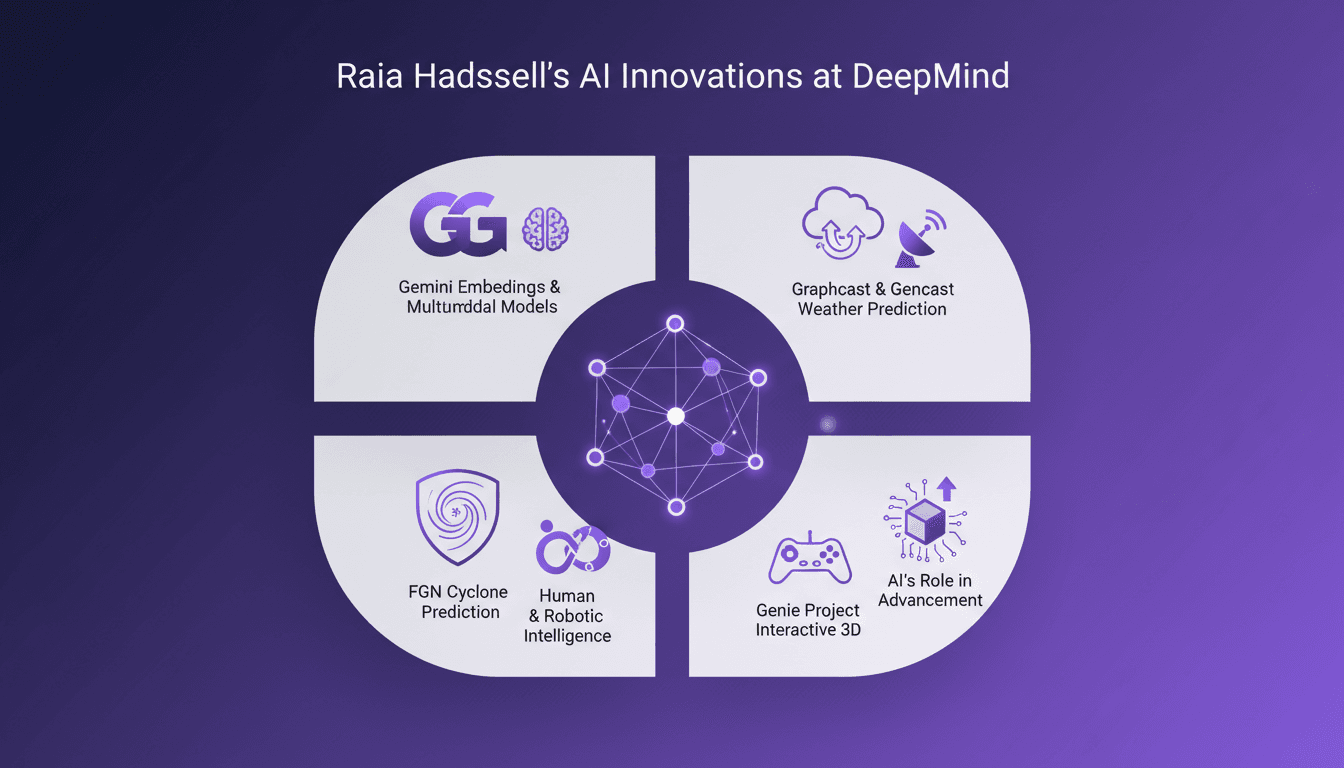
Raia Hadsell's Journey at DeepMind: AI Career
I've spent years in the AI trenches, and Raia Hadsell's journey at DeepMind is a testament to what's possible when you're at the frontier of technology. Transforming a small team into a powerhouse of over 1,200 scientists and engineers—now that's impact. Let's dive into her work on Gemini Embeddings 2 and multimodal models, and how these innovations are shaping human and robotic intelligence. From weather predictions with Graphcast to the Genie Project's interactive 3D environments, Raia's insights are not just theoretical—they're practical and actionable. I've played with some of these technologies myself, and while they're game-changers, watch out for context limits!
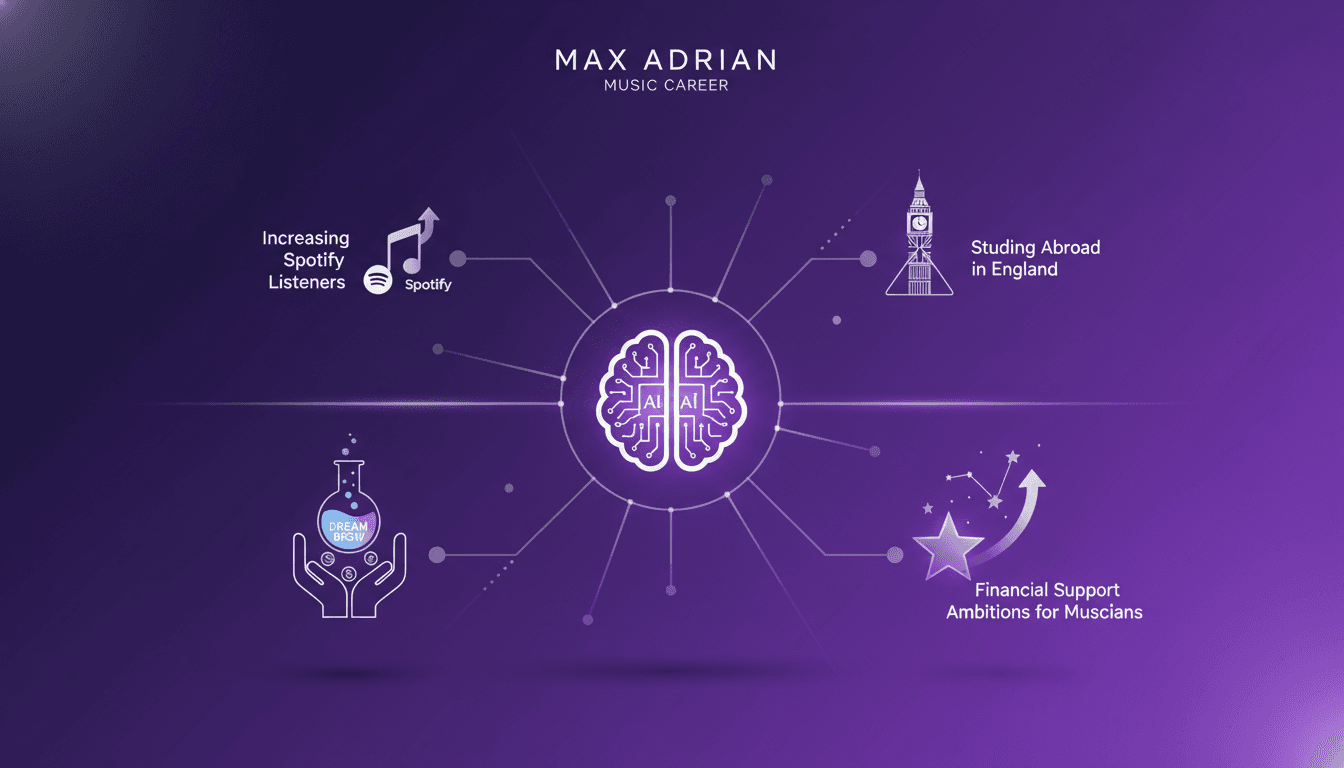
Boosting Spotify Listeners: Max Adrian's Journey
Ever had a call interrupted by the unexpected? It happened to me, leading me straight into the depths of Max Adrian's music career. Right in the middle of a conversation, I stumbled upon this ambitious musician's story—he's studying in England and aiming to boost his Spotify listeners. How's he doing it? What financial support has he secured? Here's a spoiler: it's not just about dreams; it's about tangible strategies. Let's break down his journey, his ambitions, and how tools like Dream Brew are playing a role.
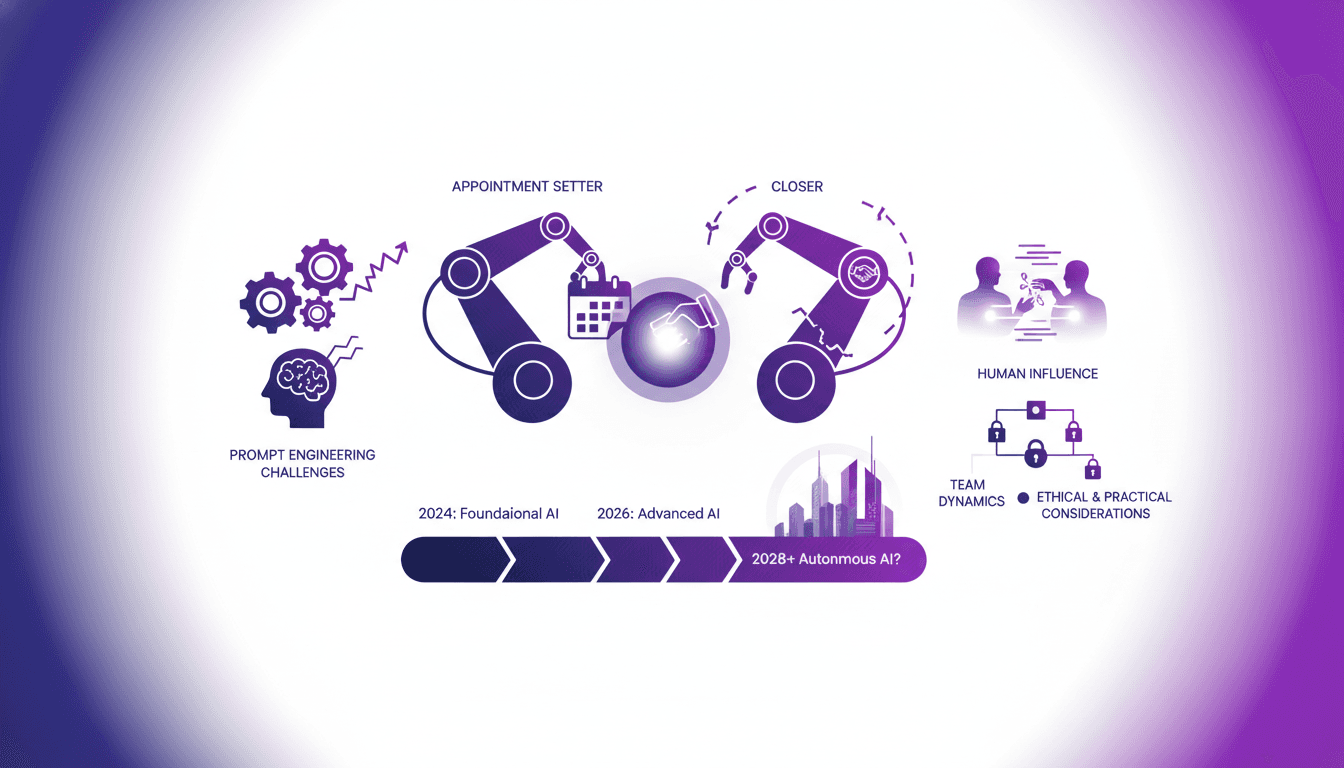
AI in Sales: Current Limits and Future Potential
I've been in sales for over a decade, and AI is seriously shaking things up. But let's be clear: AI isn't closing deals yet, but it's getting closer than you'd think. In this article, I'm diving into the real-world applications of AI in sales, the current limitations, and where we're heading. Let's talk about what works, what doesn't, and what's just around the corner. We'll tackle challenges in prompt engineering for sales, the impact on sales teams and business strategies, and the ethical and practical considerations. Get ready to see how AI might just revolutionize sales in the coming years.
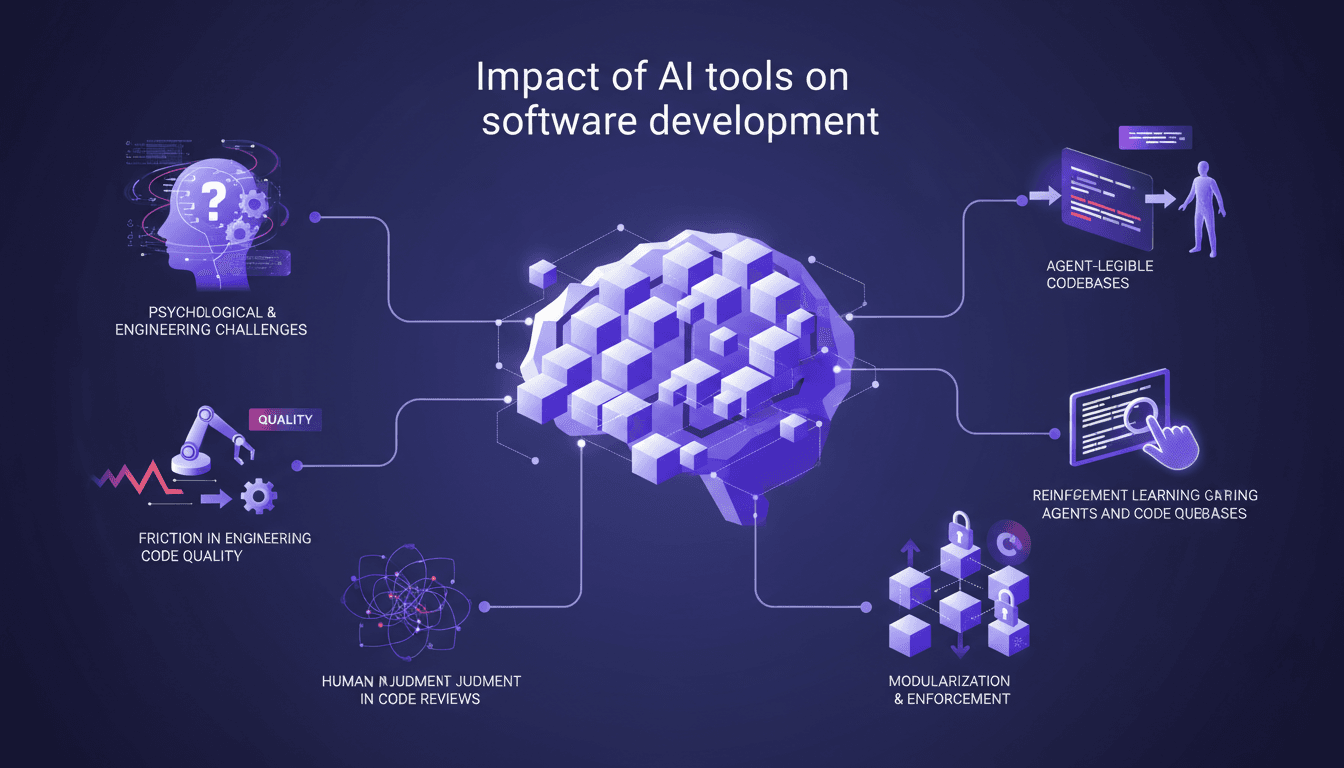
AI's Impact: Challenges and Solutions in Dev
With over 20 years in software development, my last 12 months immersed in AI agents have been eye-opening. The friction isn't just technical—it's personal. It's about making judgment calls when AI tools suggest code changes that don't sit right. Armin Ronacher and Cristina Poncela Cubeiro illuminate AI's impact on development, covering both psychological and technical challenges. Their insights are crucial for integrating AI into your workflow while preserving human judgment.
Robotics Breakthroughs: A 10-Day Revolution
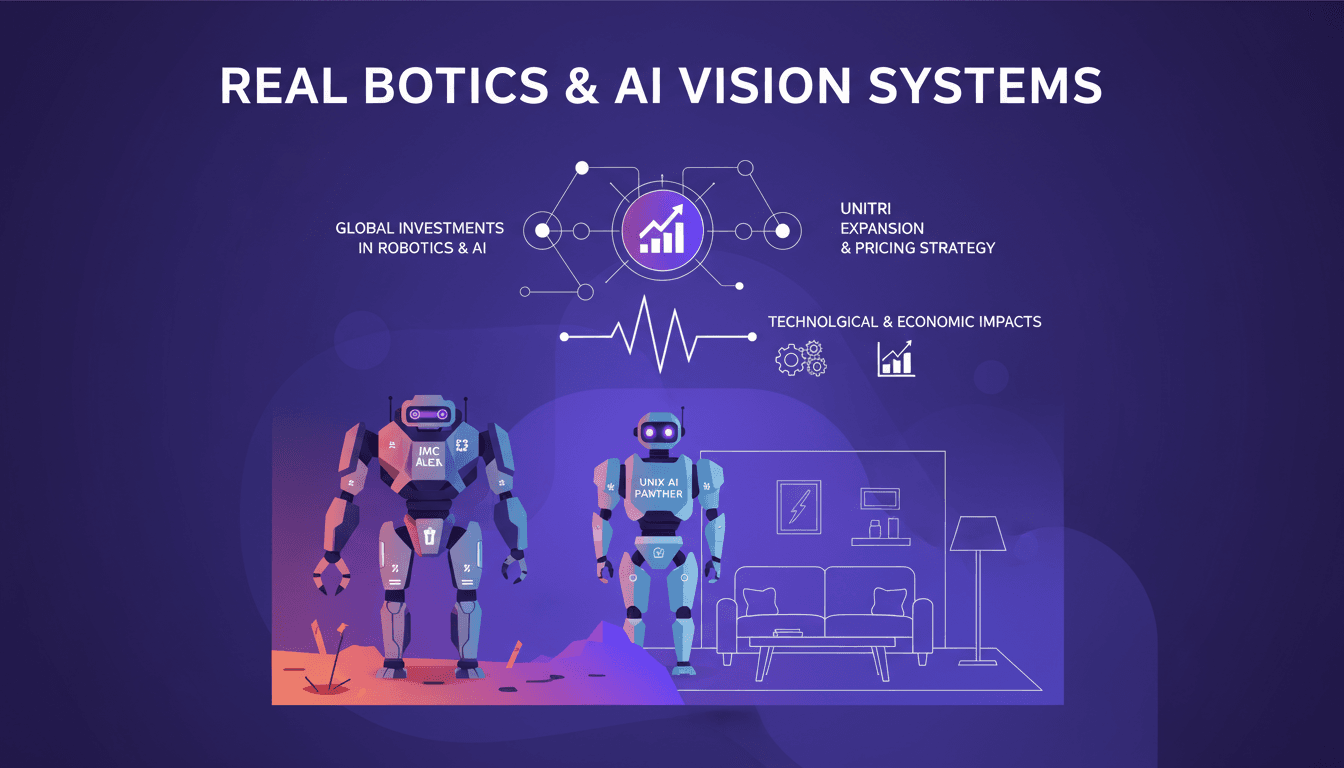
I've been in the robotics game for years, and let me tell you, the last 10 days have been wild. We’re talking about a seismic shift in humanoid robotics that nobody's really discussing yet. In this article, I'll walk you through what's happening on the ground: incredible advancements in humanoid robotics, the real tech behind AI vision systems, and what all this means for our industry. From Real Botics to Unitri, companies are pushing the boundaries of what robots can do, and it's not just tech talk—it's about real-world applications and market dynamics.