Mastering Software Architecture: Managing Complexity
I remember my first dive into software architecture—it was chaotic but exhilarating. That's when I learned that being a good architect isn't about knowing every detail but about managing complexity and making informed decisions. In this piece, I'll walk you through the core elements of effective software architecture, sharing insights from my journey and lessons from industry veterans like Gregor Hohpe. We'll explore the roles and characteristics of good architects, risk management, and the importance of visual tools. You'll also learn how to adapt to tech changes and why communication and mentorship are key.
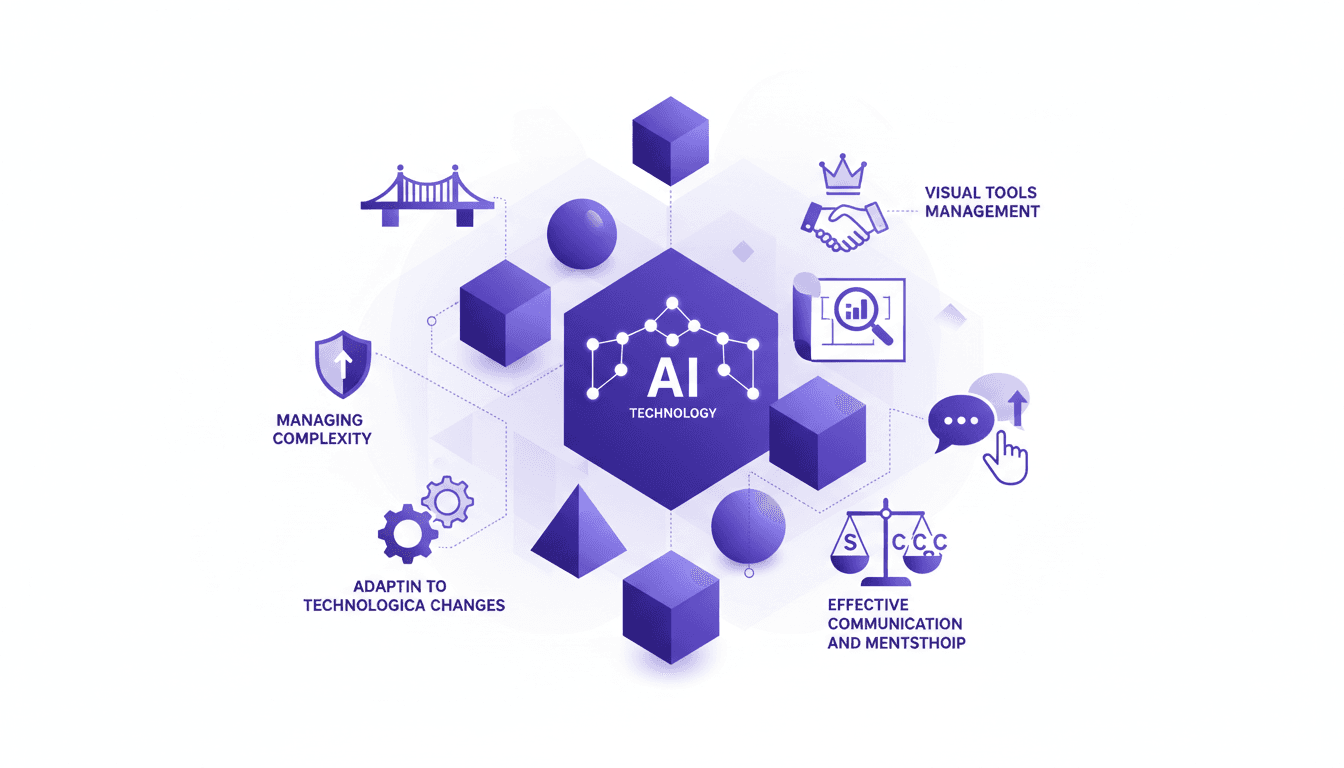
I remember the first time I was thrown into the deep end of software architecture. It was chaotic, overwhelming, but also exhilarating. Maneuvering through Moore's Law, distributed systems, and serverless architecture, I learned that good architecture isn’t about knowing every detail. It's about managing complexity and making informed decisions. In this piece, I'm going to walk you through the core elements of effective software architecture, sharing insights from my own journey and lessons from industry veterans like Gregor Hohpe. We'll dive into what makes a good architect, how to manage risks, and the importance of visual tools to demystify complexity. You'll grasp why adapting to technological changes is crucial and how effective communication and mentorship play a central role in this intricate dance.
Role and Characteristics of Good Architects
I've often said that good architects aim to make everyone around them smarter, not just themselves. It's a truth I discovered firsthand after years of navigating the intricacies of software architecture. Balancing technical depth and strategic vision is crucial for any architect. You can't know it all, but knowing where to find answers is key.
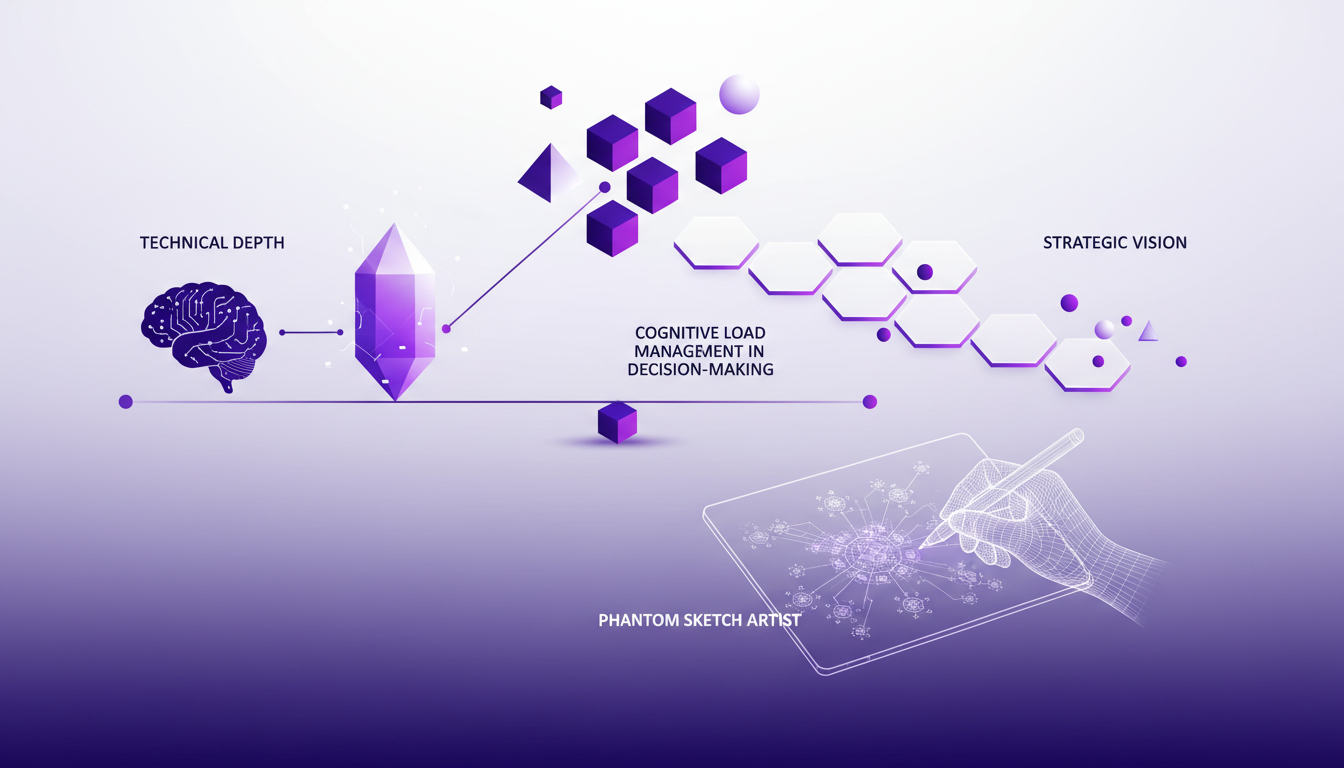
Cognitive load management is another critical aspect. Too much information can paralyze decision-making. This is where the "Phantom Sketch Artist" concept steps in, helping visualize complex systems simply. A good architect also sets the stage for innovation and growth by identifying blind spots and distilling trade-offs.
"Good architects make everyone else smarter, not just themselves."
- Balance between technical and strategic
- Cognitive load management
- Visualizing complex systems
- Setting the stage for innovation
Managing Complexity in Software Architecture
Managing complexity is like eating an elephant one bite at a time. First, I break down complex systems into manageable parts. I often use Moore's Law as a framework to anticipate technological changes, though sometimes it feels a bit theoretical.
Distributed systems play a critical role in modern architecture. They offer increased scale and resilience, but beware, they add complexity as well. Finding the right balance between simplicity and complexity is essential for scalable solutions. I've learned the hard way that too much simplicity can lead to dangerous compromises.
- Breaking down complex systems
- Utilizing Moore's Law
- Balancing simplicity and complexity
- Role of distributed systems
Risk Management and Mitigation in Architecture
Identifying and prioritizing risks in the early design stages is a habit I developed after some costly mistakes. A good architect anticipates risks and implements effective mitigation strategies. The trade-offs between innovation and stability are constant, and it's crucial to leverage historical data to inform risk assessments.
- Risk identification
- Mitigation strategies
- Trade-offs between innovation and stability
- Using historical data
Importance of Visual Tools and Models
Visual tools can simplify complex architectural concepts. I regularly use models to communicate effectively with stakeholders. Sketches are powerful in conveying architectural visions but avoid over-relying on these tools as it can lead to miscommunication.
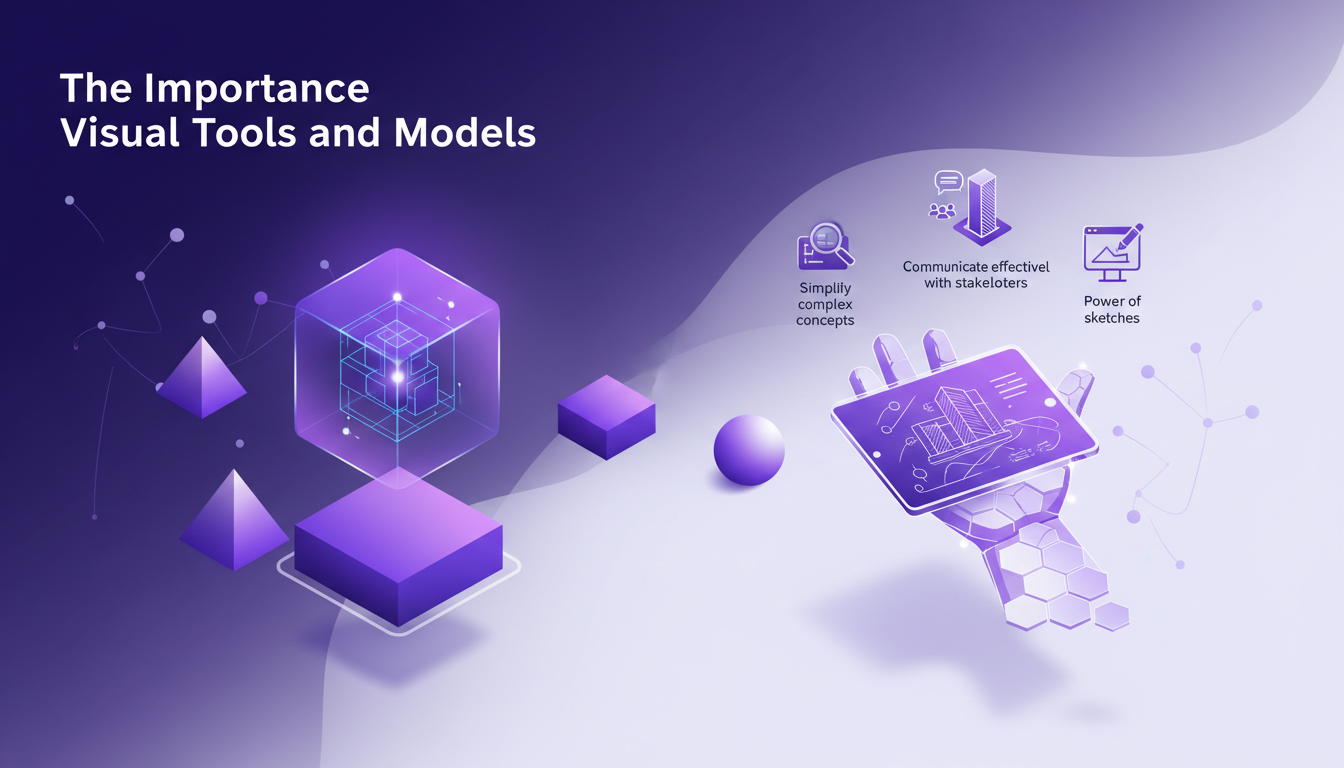
- Simplification of complex concepts
- Communication with stakeholders
- Power of sketches
- Avoiding excessive tool dependency
Adapting to Technological Changes and Continuous Learning
Staying current with emerging technologies and methodologies is a constant challenge. Continuous learning is vital for maintaining architectural relevance. Building a culture of innovation and adaptability within teams is essential. Navigating the political landscape to drive technological adoption is also part of a modern architect's role.
- Keeping up with new technologies
- Importance of continuous learning
- Culture of innovation and adaptability
- Navigating the political landscape
In conclusion, a good architect should be an amplifier, a complexity manager, and a risk strategist. By staying curious and adaptable, while using the right visual tools, one can successfully navigate the complex universe of software architecture.
In the ever-evolving field of software architecture, managing complexity and risks while staying adaptable is a real challenge. Here are some key takeaways:
- Visualize your ideas: I often use just two colored pens and a piece of paper to express up to 20 dimensions of a complex problem. It's a real game changer for clarifying complexity.
- Keep learning: Architecture isn't a one-time skill. I make the effort to stay updated, which allows me to react swiftly to changes.
- Understand political dynamics: It's not just technical. Navigating your organization's political dynamics can make all the difference.
Looking ahead, it's crucial to remember these strategies aren't a silver bullet. They require commitment and constant adaptation to your specific context.
I encourage you to start applying these strategies in your projects today and see the direct impact on managing complexity and risk. For a deeper dive, check out the original video "How to Think About Software Architecture". You won't regret it.
Frequently Asked Questions

Thibault Le Balier
Co-fondateur & CTO
Coming from the tech startup ecosystem, Thibault has developed expertise in AI solution architecture that he now puts at the service of large companies (Atos, BNP Paribas, beta.gouv). He works on two axes: mastering AI deployments (local LLMs, MCP security) and optimizing inference costs (offloading, compression, token management).
Related Articles
Discover more articles on similar topics
Build No-Code Agents with LangSmith Agent Builder
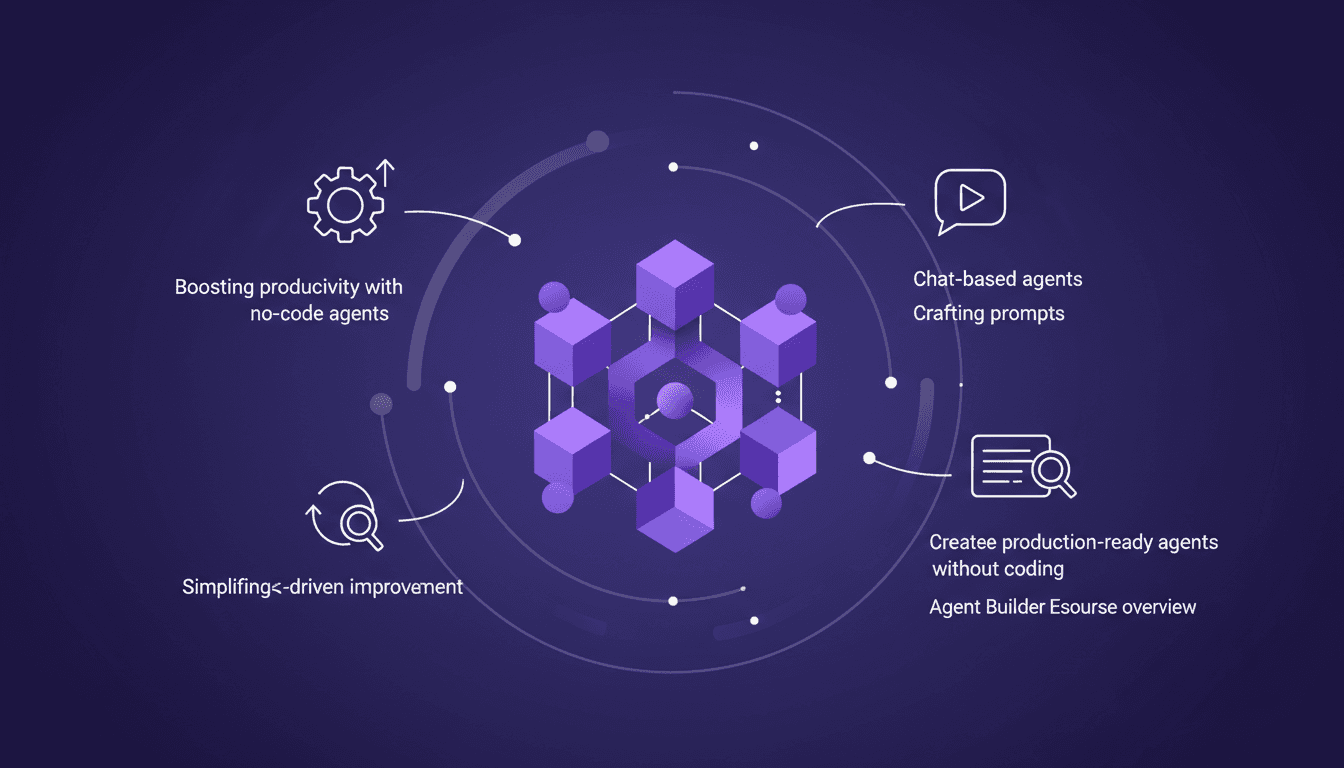
I dove into LangSmith Agent Builder expecting a complex setup. Instead, I found a streamlined approach to creating production-ready agents without writing a single line of code. LangChain Academy's new course, Agent Builder Essentials, is a game changer for anyone looking to automate tasks efficiently. We’re talking real-time reasoning and decision-making with no-code agents. Let me walk you through how it works and how it can boost your productivity.

Building with LangSmith: Key Technical Highlights
I dove into the LangSmith Agent Builder, and right away, 'Heat' kept popping up. It wasn't just noise; it was a game-changer. Let me walk you through how I harnessed 'Heat' to streamline my workflows. Understanding this feature is crucial for making the most out of LangSmith. My approach, what worked, and what didn't are all laid out here. If you're like me, always chasing efficiency and time savings, this practical dive into 'Heat' might just be a game-changer for you too.
Hidden Features Making AI Agents Production-Ready
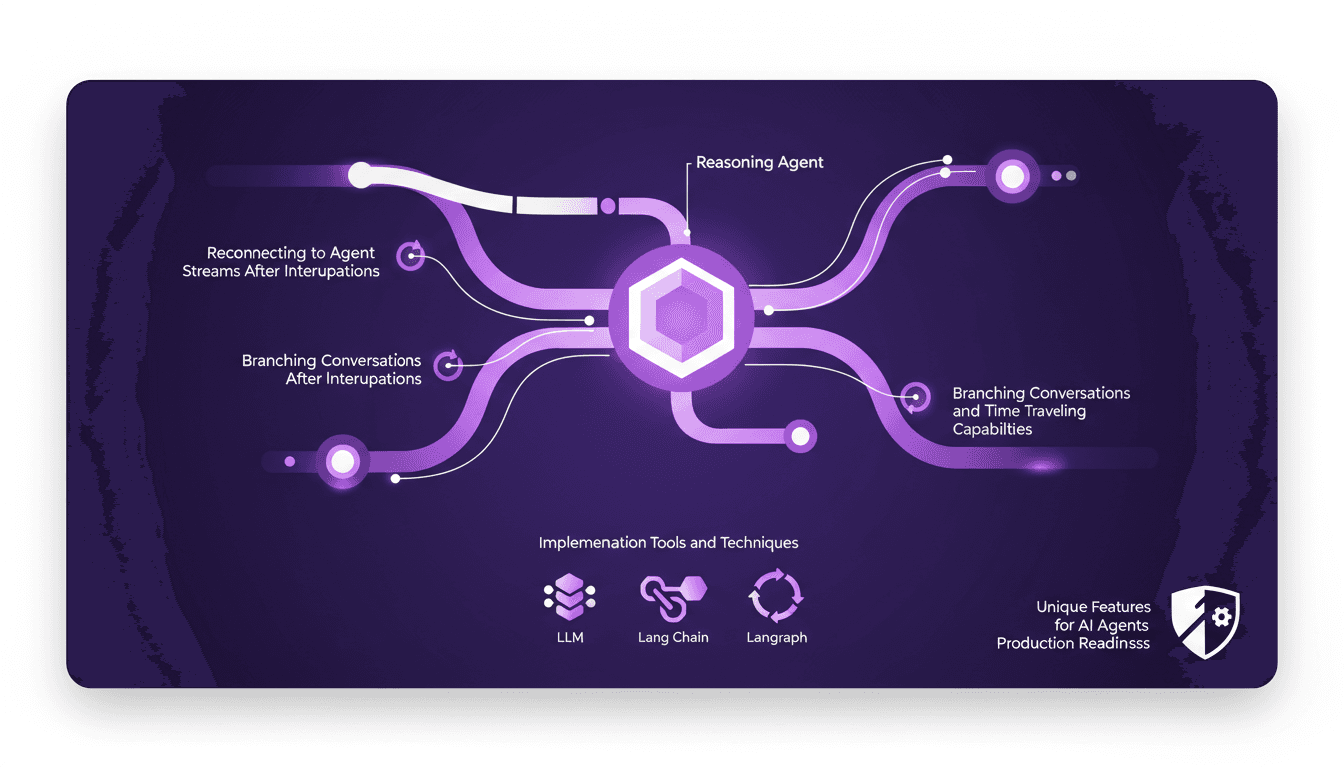
I've spent countless hours in the trenches, fine-tuning AI agents that aren't just smart but truly production-ready. Let's dive into three hidden features that have been game changers in my workflow. You know, AI agents are evolving fast, but making them robust for real-world applications requires digging deeper into lesser-known features. Here's how I leverage these capabilities to enhance efficiency and reliability. We're talking about how I use reasoning agents and streaming thought processes, reconnecting to agent streams after interruptions, and branching conversations with time-traveling capabilities. If you're looking to make your AI agents production-ready, these unique features are indispensable.
Subagents Architecture: Design Decisions Unpacked
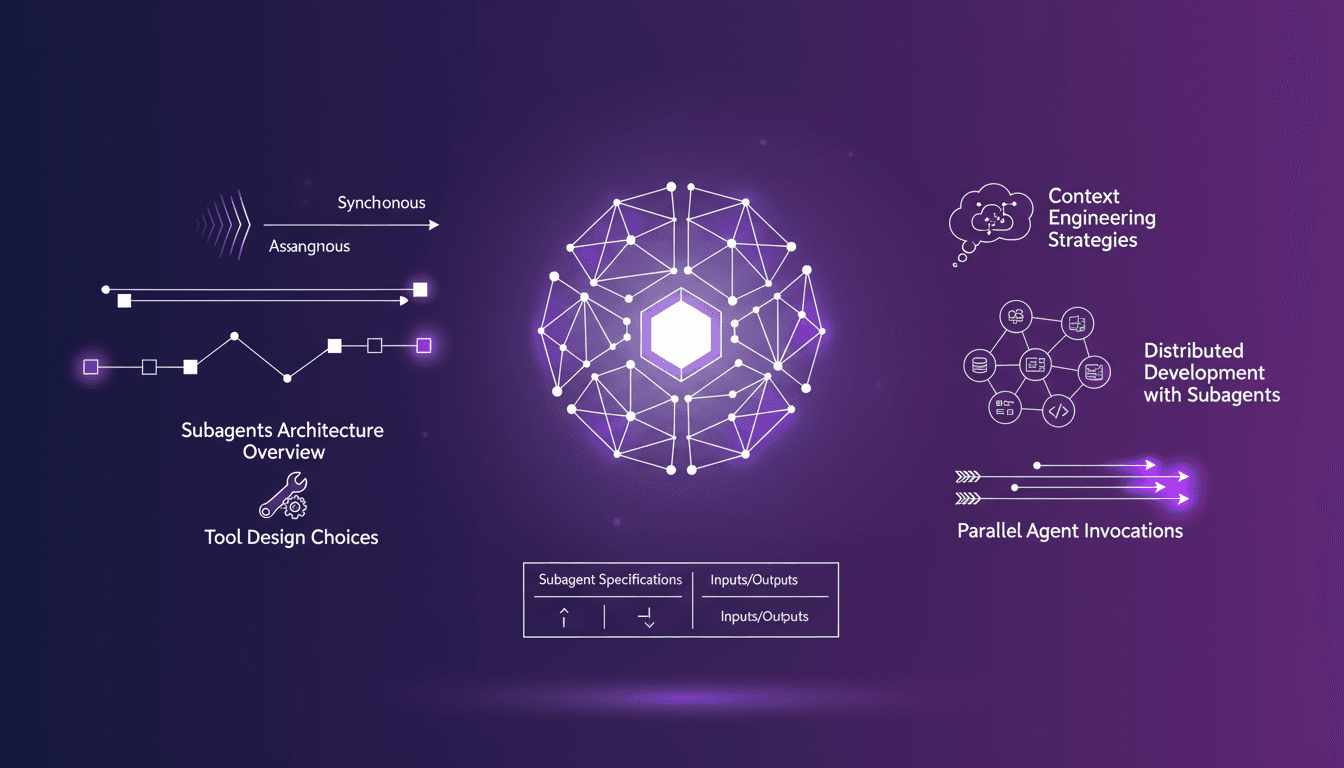
I dove into the subagents architecture headfirst, and let me tell you, it's a game changer, but only if you navigate the design decisions like a pro. First, I had to figure out how to orchestrate these subagents efficiently. It's not just about setting them up; it's about making them work for you, not the other way around. With three main categories of design decisions and two crucial tool design choices, understanding the nuances between synchronous and asynchronous invocation is key. If you master context engineering, you can really boost your system's efficiency.
4D Imaging: Transform Your Workflow
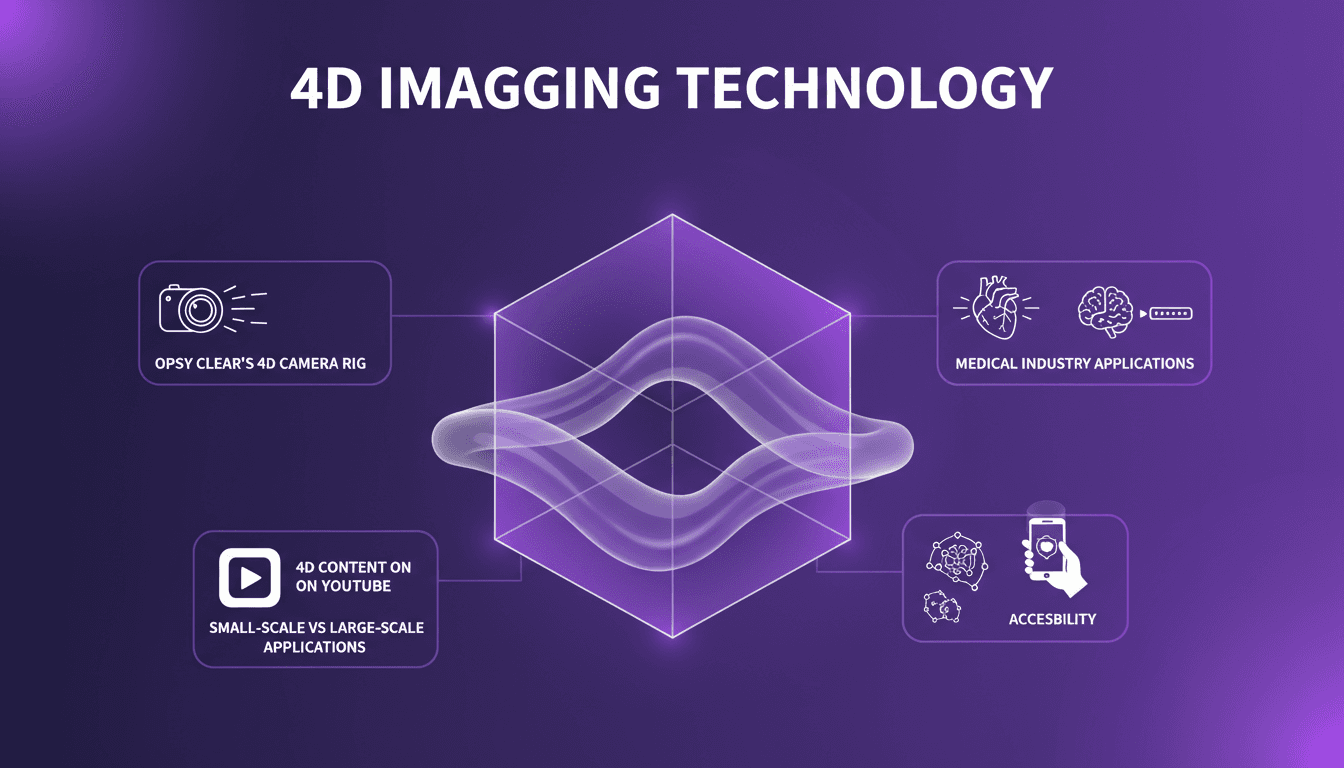
I remember the first time I saw a 4D render—it felt like stepping into the future. But the real game changer was when I got my hands on Opsy Clear's 4D camera rig. This isn't sci-fi anymore, it's here, ready to revolutionize your workflow. Whether you're in the medical field or a YouTube content creator, mastering 4D imaging can truly set you apart. Let me walk you through this tech, from its medical applications to its potential on YouTube, and how it's accessible to everyone, regardless of your project's scale.