Mastering Diffusion in ML: A Practical Guide
I've been knee-deep in machine learning since 2012, and let me tell you, diffusion models are a game changer. And they're not just for academics—I'm talking about real-world applications that can transform your workflow. Diffusion in ML isn't just a buzzword. It's a fundamental framework reshaping how we approach AI, from image processing to complex data modeling. If you're a founder or a practitioner, understanding and applying these techniques can save you time and boost efficiency. With just 15 lines of code, you can set up a powerful machine learning procedure. If you're ready to explore AI's future, now's the time to dive into mastering diffusion.
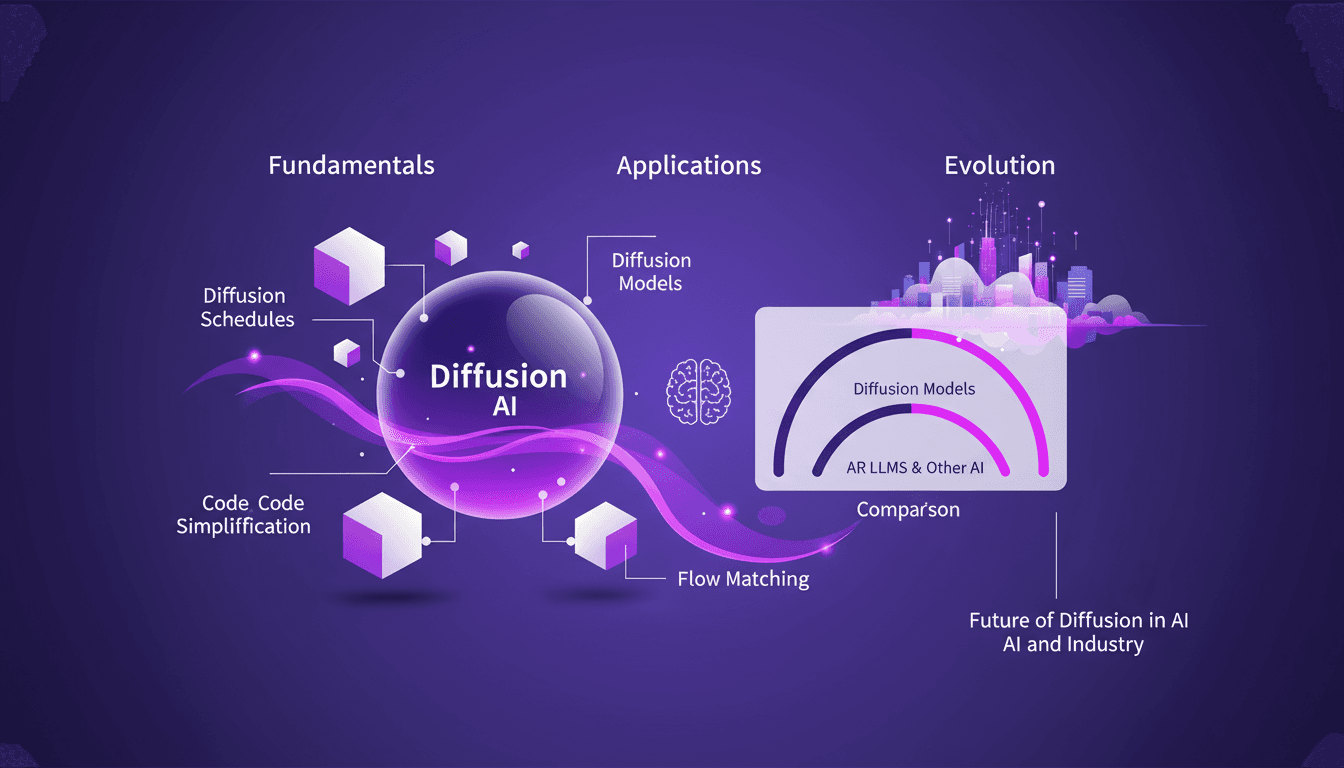
I've been knee-deep in machine learning since 2012, and let me tell you, diffusion models are a game changer. But they're not just for academics—I'm talking about real-world applications that can truly transform your workflow. Diffusion in machine learning isn't just a buzzword. It's a fundamental framework that's reshaping our AI approach, from image processing to complex data modeling. Imagine setting up a powerful ML process with just 15 lines of code. As a founder or practitioner, understanding and applying these techniques can save you precious time and boost your efficiency. In our interview, we'll break down the fundamentals of diffusion models, their applications, and how they stack up against AR LLMs and other AI techniques. We'll also talk about innovations like flow matching and code simplification. So, if you're ready to explore the future of AI and its impact on the industry, now's the time to dive into mastering diffusion.
Understanding Diffusion in Machine Learning
Diffusion isn't just a theoretical concept in machine learning. I've put it into practice in several of my projects, and it truly makes a difference. We're talking about a fundamental framework that allows you to learn any data distribution, regardless of the domain, as long as you have the data. The power of diffusion lies in its ability to map from high dimensions even when you have sparse data. Imagine, just 30 images and you're already working in highly dimensional spaces.
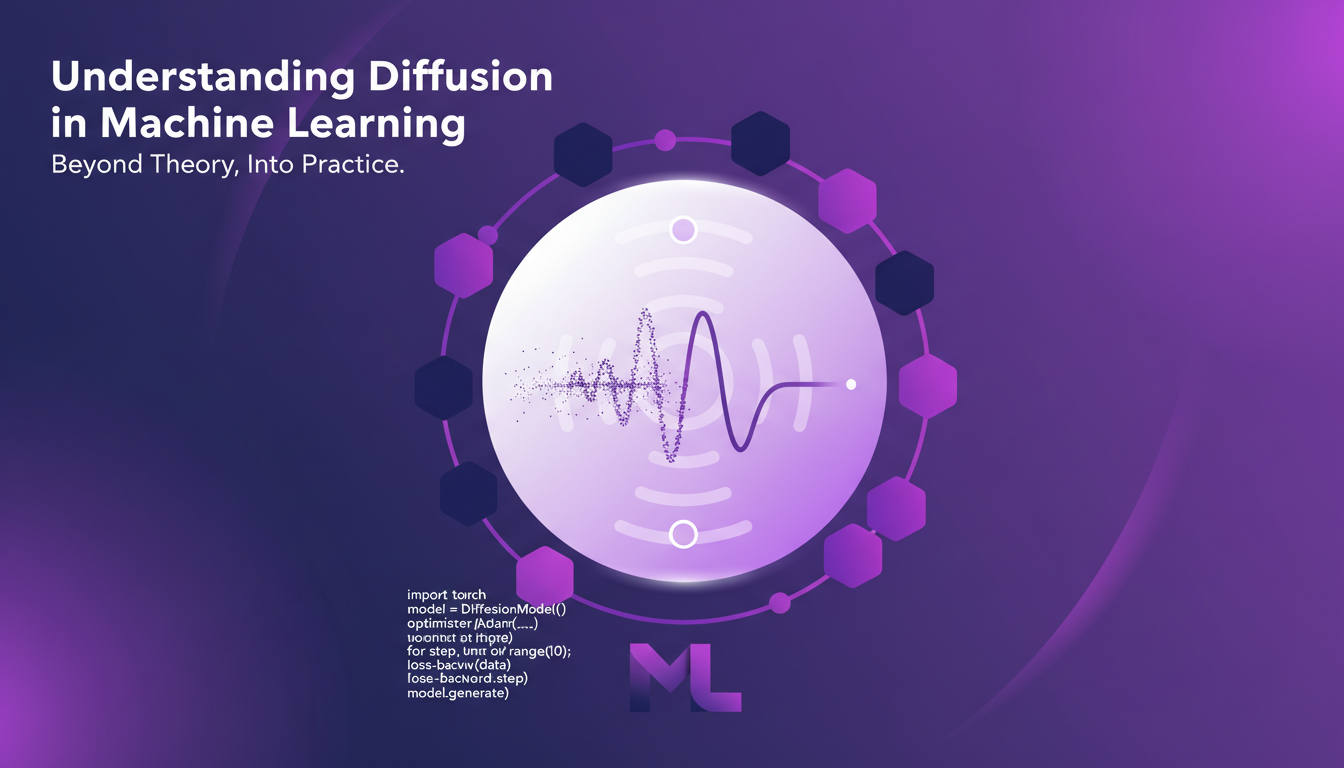
Implementing diffusion is surprisingly efficient. With just 10 to 15 lines of code, you can create a powerful process. It's efficient, scalable, and has a tangible impact in real-world scenarios.
Applications and Innovations in Diffusion Models
Diffusion extends beyond images. It has applications in protein folding, weather prediction, and even autonomous driving. I've seen incredible innovations with noise addition and new loss functions. For instance, working with small datasets (like 30 images) is now more feasible.
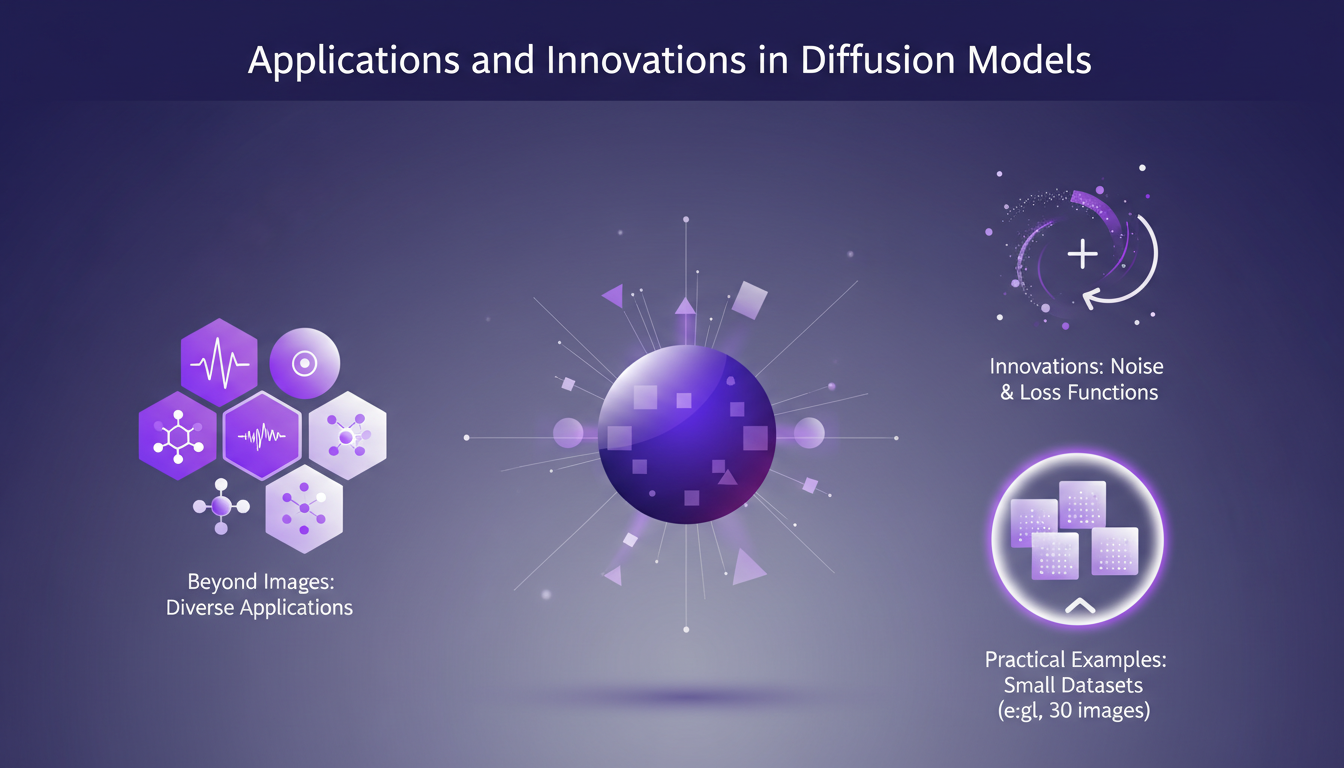
But watch out, diffusion isn't always the best fit. For instance, when the data is too noisy or when you need a simpler model. You need to weigh the pros and cons.
Flow Matching and Simplifying the Process
Flow matching is a technique I've integrated to reduce complexity. Imagine, just 5 lines of code to simplify the noising process. It's about balancing simplicity and power. You must avoid common pitfalls like excessive noise addition that can compromise the model.
For optimal results, follow these steps:
- Start with a clear objective.
- Apply flow matching sparingly.
- Avoid overloading your model with unnecessary steps.
Diffusion Schedules and Noise Handling
Setting up an effective diffusion schedule is crucial for maintaining data integrity. Beta schedules, for example, play a key role. I've found that noise handling techniques are essential to prevent data structure destruction.
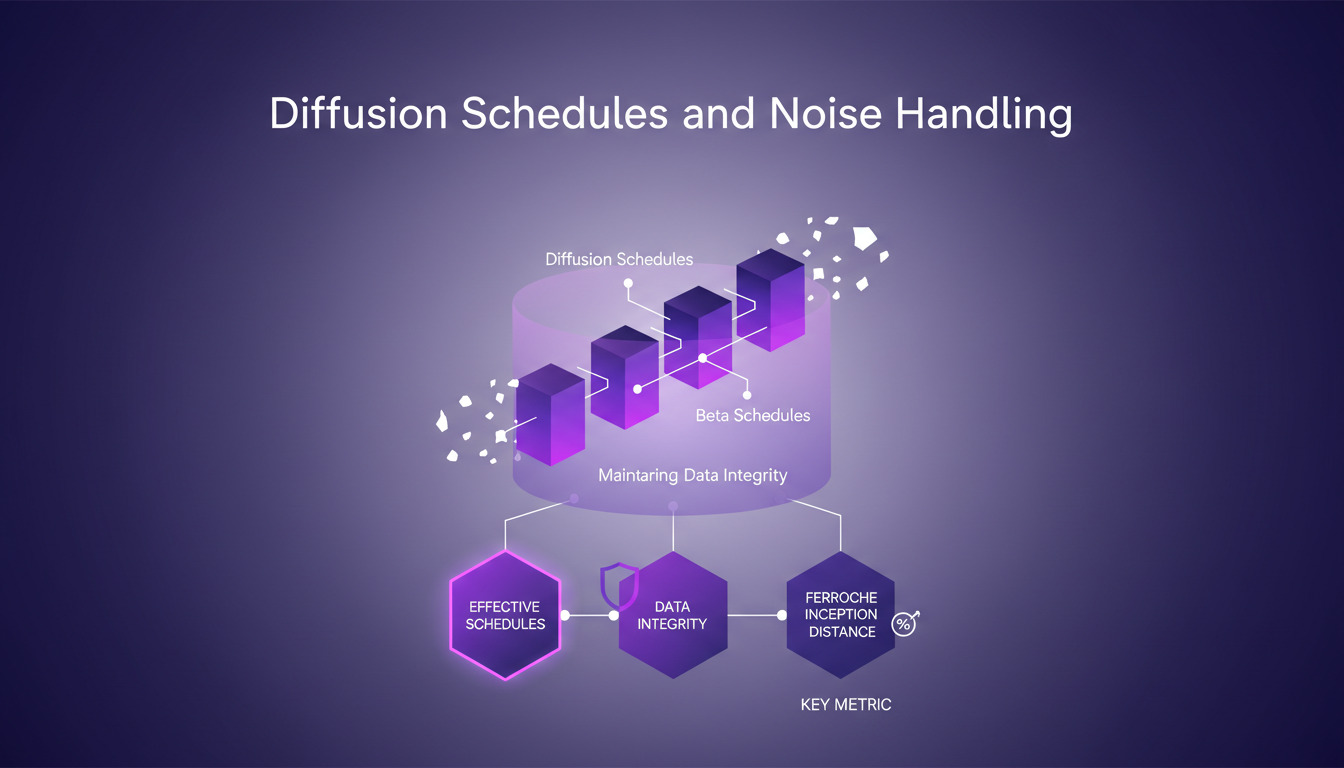
For example, the Ferroche Inception Distance is a key metric to assess result quality. Cross attention mechanisms in diffusion transformers greatly enhance FID reduction.
Comparisons and Future Implications
When comparing diffusion with AR LLMs, there are strengths and weaknesses. Diffusion is evolving with trends pointing to promising future applications. But be wary of the hype without acknowledging practical applications.
In conclusion, diffusion is a powerful technology, but it must be used wisely to maximize its impact.
When I dive into diffusion models in machine learning, I don't just see a trend—I see a real lever to transform our AI approaches. Here's what I've learned:
- Simplicity and power: In 10 to 15 lines of code, you can kick off a machine learning procedure that rocks. It's direct and efficient.
- Continuous evolution: Working with 100 diffusion steps delivers impressive accuracy, but you need to grasp the limits of each application.
- Optimization: With just 5 lines of code, flow matching simplifies your code without sacrificing performance.
Diffusion models are truly a game changer for anyone looking to boost their AI projects. But be careful, you have to know where and how to use them to avoid nasty surprises.
Ready to implement diffusion in your projects? Start small, iterate, and watch the transformation unfold. For a deeper understanding, I recommend checking out the video "The ML Technique Every Founder Should Know". It's worth it! Video link
Frequently Asked Questions

Thibault Le Balier
Co-fondateur & CTO
Coming from the tech startup ecosystem, Thibault has developed expertise in AI solution architecture that he now puts at the service of large companies (Atos, BNP Paribas, beta.gouv). He works on two axes: mastering AI deployments (local LLMs, MCP security) and optimizing inference costs (offloading, compression, token management).
Related Articles
Discover more articles on similar topics
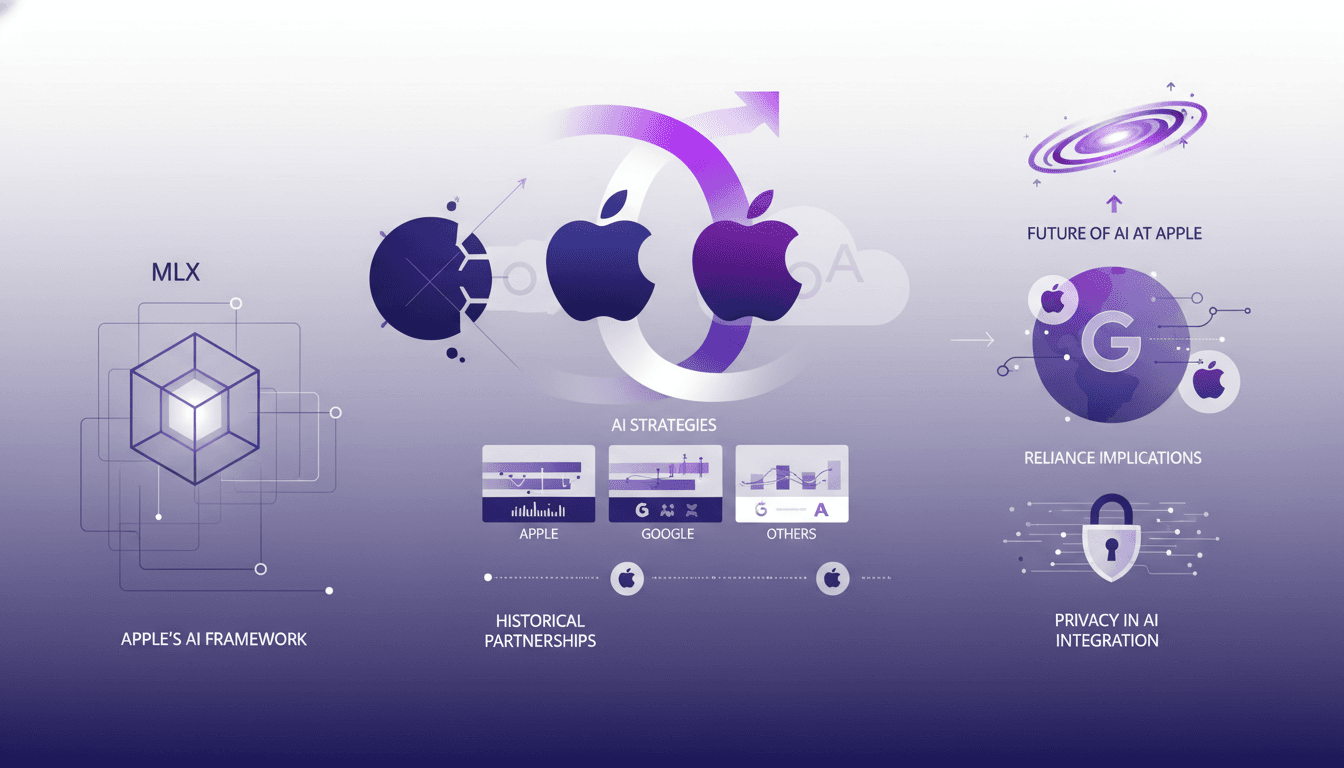
Apple's AI Shift: Partnering with Google
I've been deep in the trenches with AI, and Apple's latest move has everyone buzzing. Picture this: Apple is stepping away from OpenAI and teaming up with Google for their AI models. It's a shift that might just change the landscape, and I'm here to break down why. First, let's dive into Apple's strategy: why pivot away from OpenAI? The answer lies in integrating Google's models like Gemini 3 Pro and VO 3.0. I've worked with Apple's MLX framework myself, and the contrast is stark. We're also going to explore Apple's historical partnerships with Google and what this means for the future of AI development, especially with privacy implications. It's a real strategic pivot, and I'm taking you along for the ride.
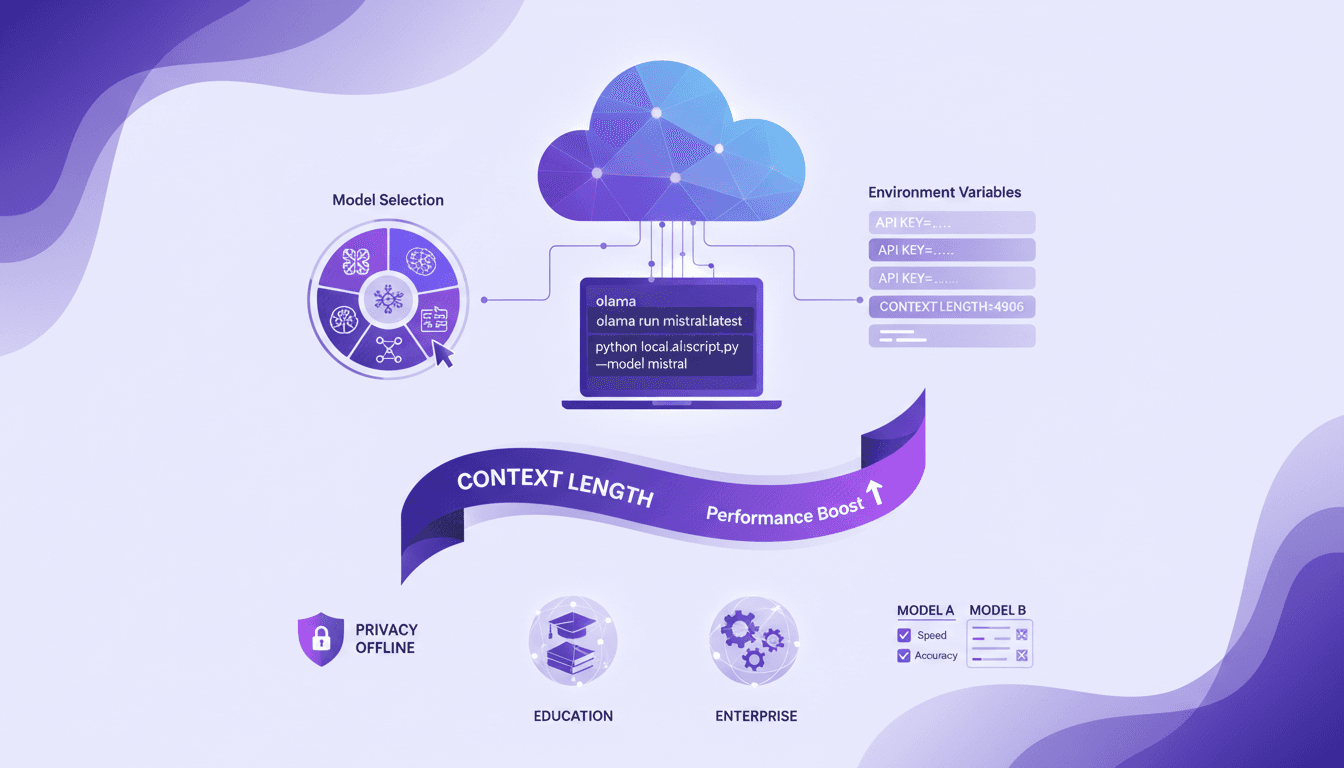
Run Cloud Code Locally with Olama: Tutorial
I've been running cloud code locally to boost efficiency and privacy, and Olama has been a real game changer. Imagine handling AI models with 4 billion parameters, all without leaving your desk. I'll show you how I set it up, from model selection to tweaking environment variables, and why it’s a game changer for education and enterprise. But watch out for context limits: beyond 100K tokens, things get tricky. By using Olama, we can compare different AI models for local use while ensuring enhanced privacy and offline capabilities. The goal here is to give you a practical, hands-on look at how I orchestrate these technologies in my professional life.
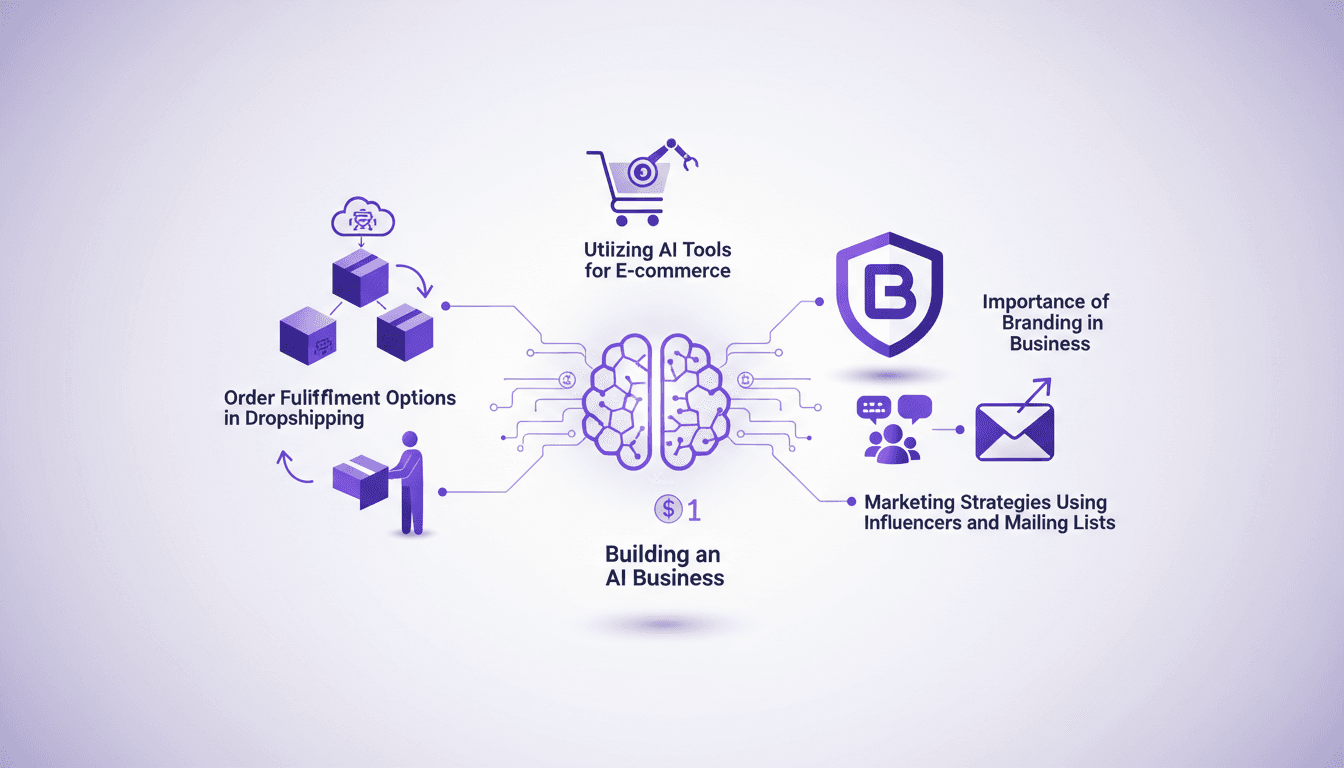
Build an AI Business for $1 in 2026
I started my AI business with just a dollar. Sounds crazy? Well, in 2026, thanks to AI tools, it's not only possible but practical. I orchestrated everything using dropshipping platforms, marketing strategies with influencers, and mailing lists. Every dollar counts, especially when it comes to AI and branding. Leveraging free trials and tools like AutoDS, I turned that initial dollar into thousands in monthly sales. Let me show you how I did it, step by step, so you can embark on this journey too.
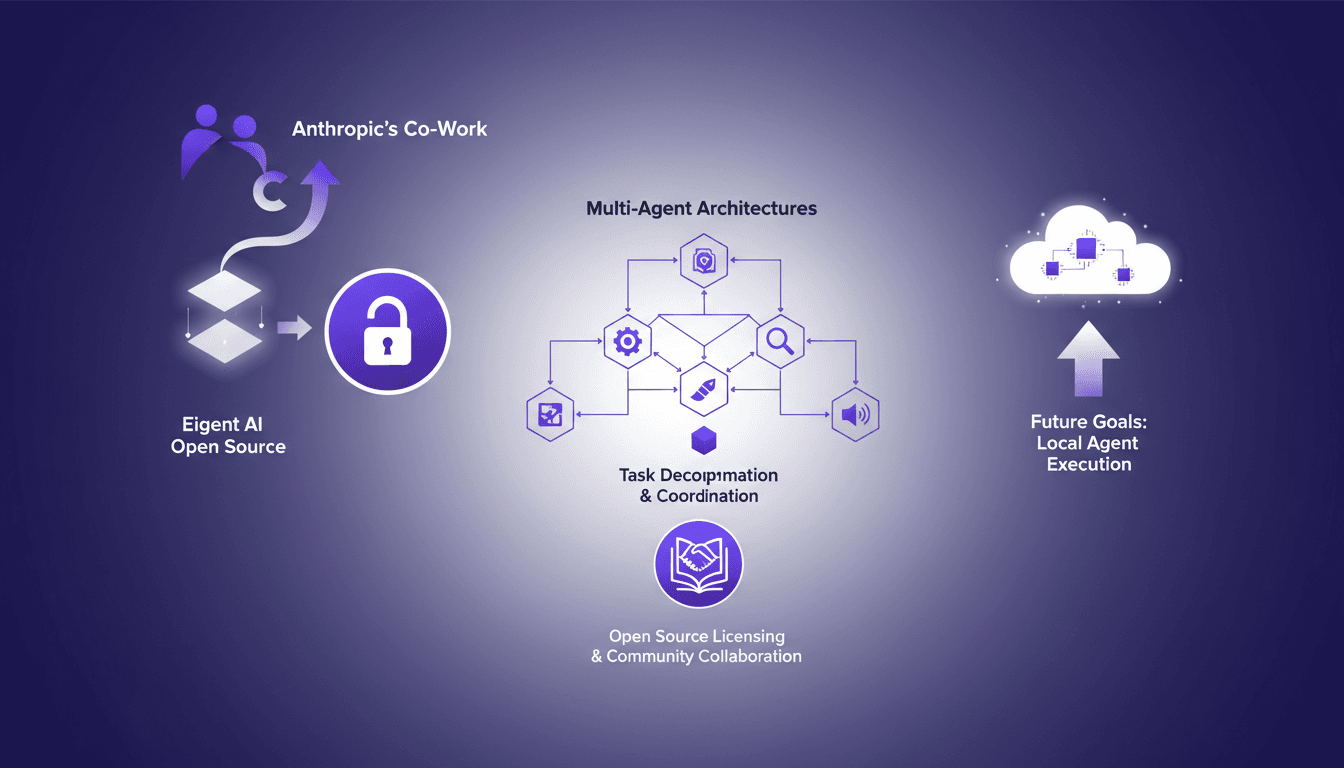
Eigent AI Open Sources to Challenge Claude Cowork
I remember the day Eigent AI decided to open source our product. It was a bold move, inspired by Anthropic's co-work release. This decision reshaped our approach to multi-agent architectures. By opening up our architecture, we aimed to leverage community collaboration and enhance our multi-agent systems. The challenge was significant, but the results were worth it, especially in terms of task decomposition and coordination using DAG. If you're curious about how this has shaken up our development process, let's dive into this transformation together.
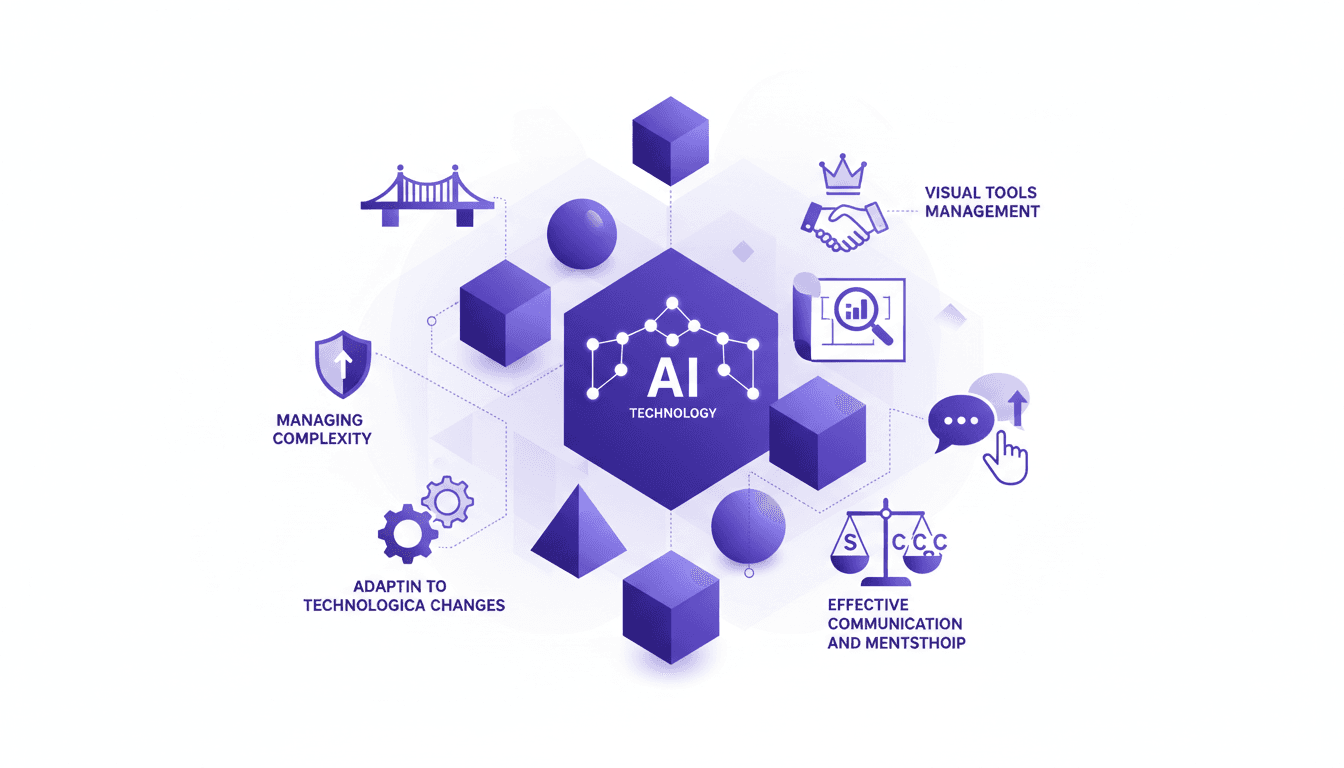
Mastering Software Architecture: Managing Complexity
I remember my first dive into software architecture—it was chaotic but exhilarating. That's when I learned that being a good architect isn't about knowing every detail but about managing complexity and making informed decisions. In this piece, I'll walk you through the core elements of effective software architecture, sharing insights from my journey and lessons from industry veterans like Gregor Hohpe. We'll explore the roles and characteristics of good architects, risk management, and the importance of visual tools. You'll also learn how to adapt to tech changes and why communication and mentorship are key.