Eigent AI Open Sources to Challenge Claude Cowork
I remember the day Eigent AI decided to open source our product. It was a bold move, inspired by Anthropic's co-work release. This decision reshaped our approach to multi-agent architectures. By opening up our architecture, we aimed to leverage community collaboration and enhance our multi-agent systems. The challenge was significant, but the results were worth it, especially in terms of task decomposition and coordination using DAG. If you're curious about how this has shaken up our development process, let's dive into this transformation together.
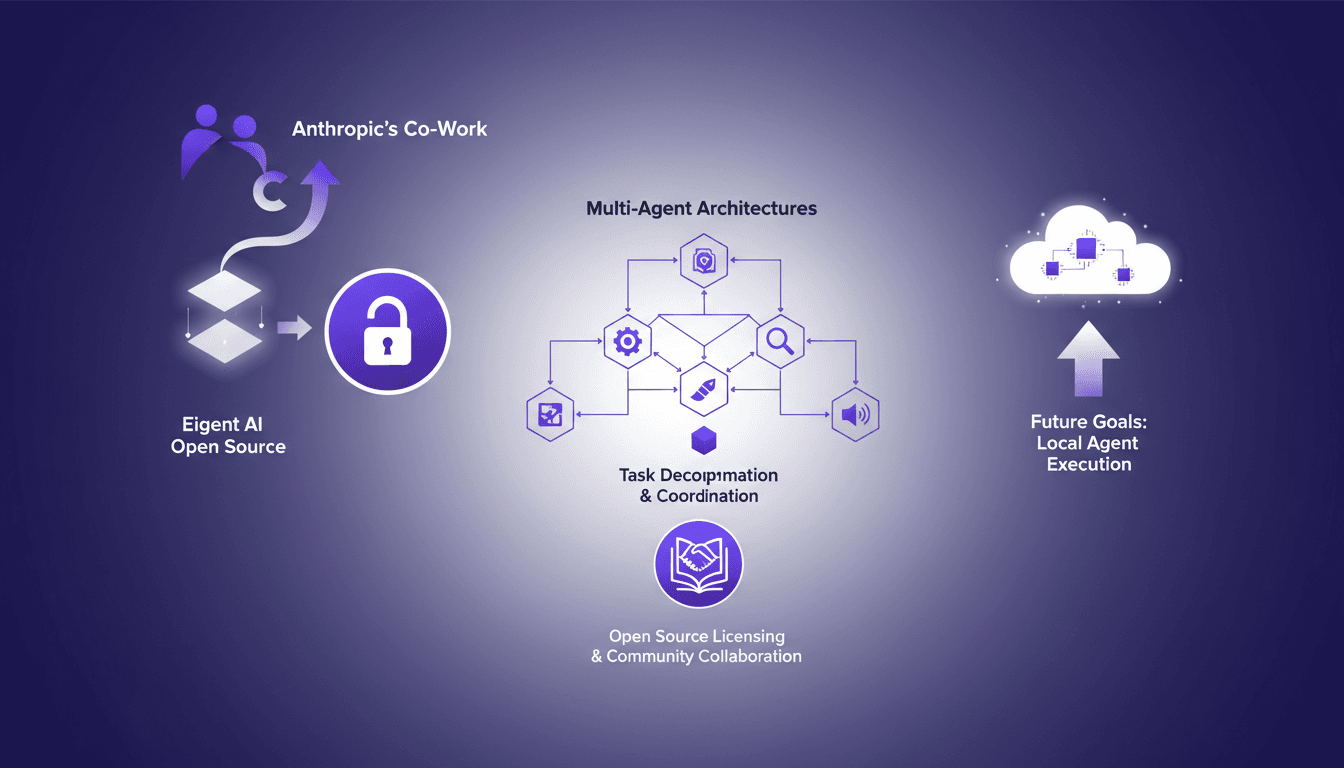
I remember the day Eigent AI decided to open source our product. Inspired by Anthropic's release of co-work, it was a bold turning point. This decision reshaped how we approach multi-agent architectures. First, we opened our architecture to encourage community collaboration and leverage external ideas. Imagine specialized agents coordinating via DAGs. That's where we truly saw the impact. Of course, it wasn't without challenges: managing open source licensing, ensuring community involvement, and especially, avoiding getting burned by the initial hype. But the benefits? More robust systems and rapid evolution thanks to unexpected collaborations. So, if you're in the same boat and wondering how to pilot such a transformation, let me show you how we navigated these waters and what it means for the future of local agent execution.
Anthropic's Co-Work Release: A Catalyst for Change
When Anthropic released its co-work, it was a game changer for startups. It wasn't just another tool; it was a whole new paradigm. Startups, agile yet vulnerable, had to adapt quickly. That's when Eigent AI made a radical choice: to leverage open-source potential. Instead of panicking, they saw an opportunity to innovate differently. It was like the tweet that garnered 1.7 million views was the signal to seize. However, this new era also brings challenges, especially in managing intellectual property and open collaboration.
Eigent AI's Bold Move: Open Sourcing Our Product
Why did we choose the open-source path under the Apache 2 license? For me, it was a no-brainer. Allowing community contributions accelerates innovation and efficiency. But watch out, open-source isn't a silver bullet. It involves balancing control and collaboration. I learned from Camel AI, which had already developed a model three years ago. They showed that openness can drive advances, but it also requires rigorous management.
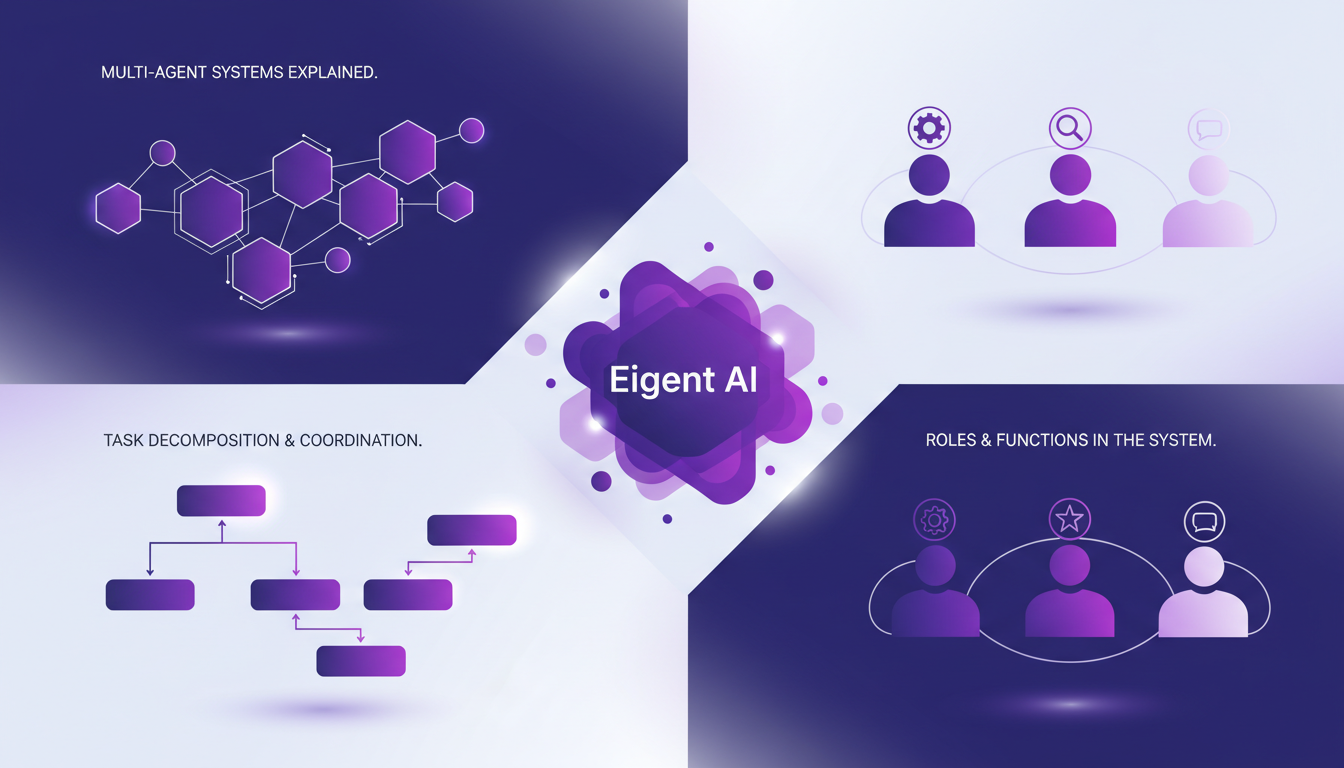
Unpacking Multi-Agent Architectures in Eigent AI
Understanding the architecture of multi-agent systems is an art. We talk about directed acyclic graphs (DAG) to decompose and coordinate tasks. Each agent has a specific role, much like specialized workers on a construction site. Inspired by Camel AI, we know we can potentially manage up to a million agents. But watch out, more agents mean more complex coordination. We must think about scale and energy efficiency.
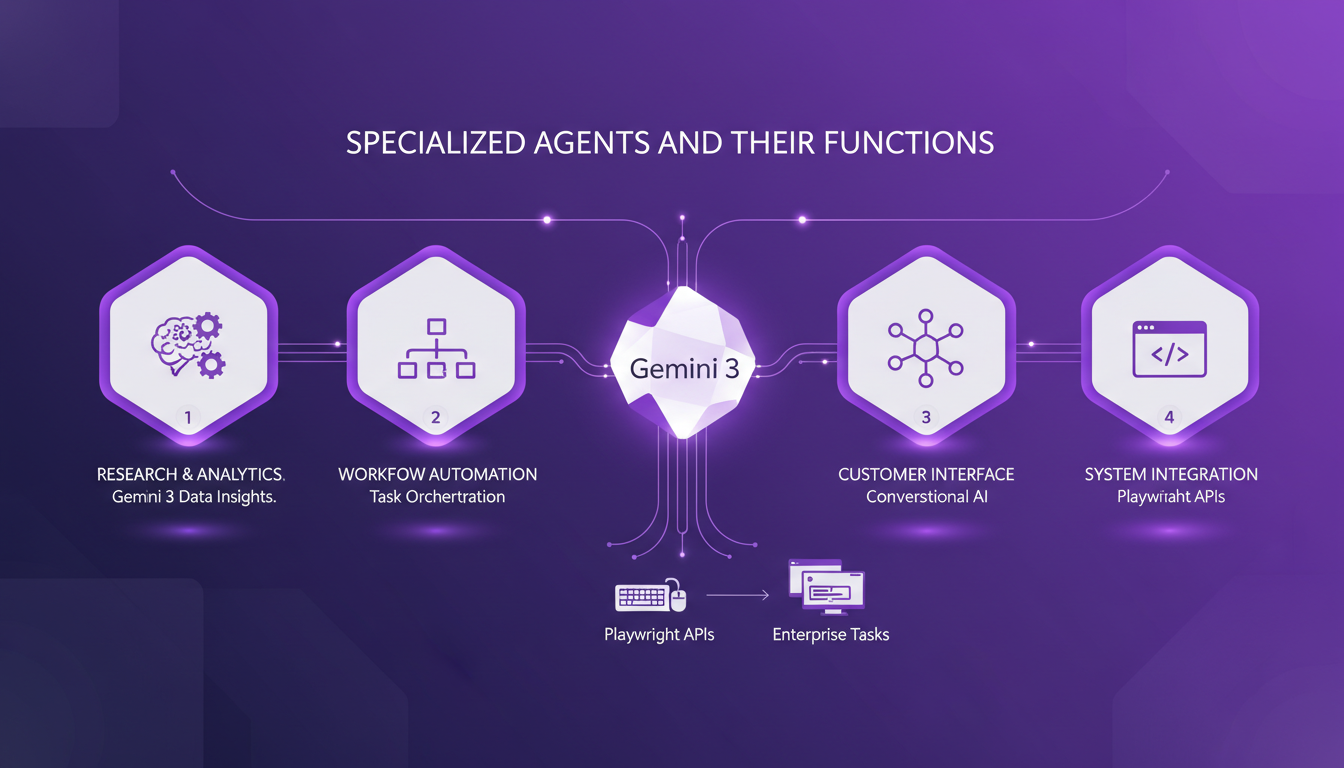
Specialized Agents and Their Functions
At Eigent AI, we have four pre-built specialized agents. The developer, browser, document processing, and multimodal agents. Each performs various enterprise tasks with Gemini 3. Integration with Playwright APIs enhances their functionality. That said, don't overuse these agents, or you risk losing performance. Sometimes, fewer but more efficient agents are better.
Future Goals: Local Agent Execution
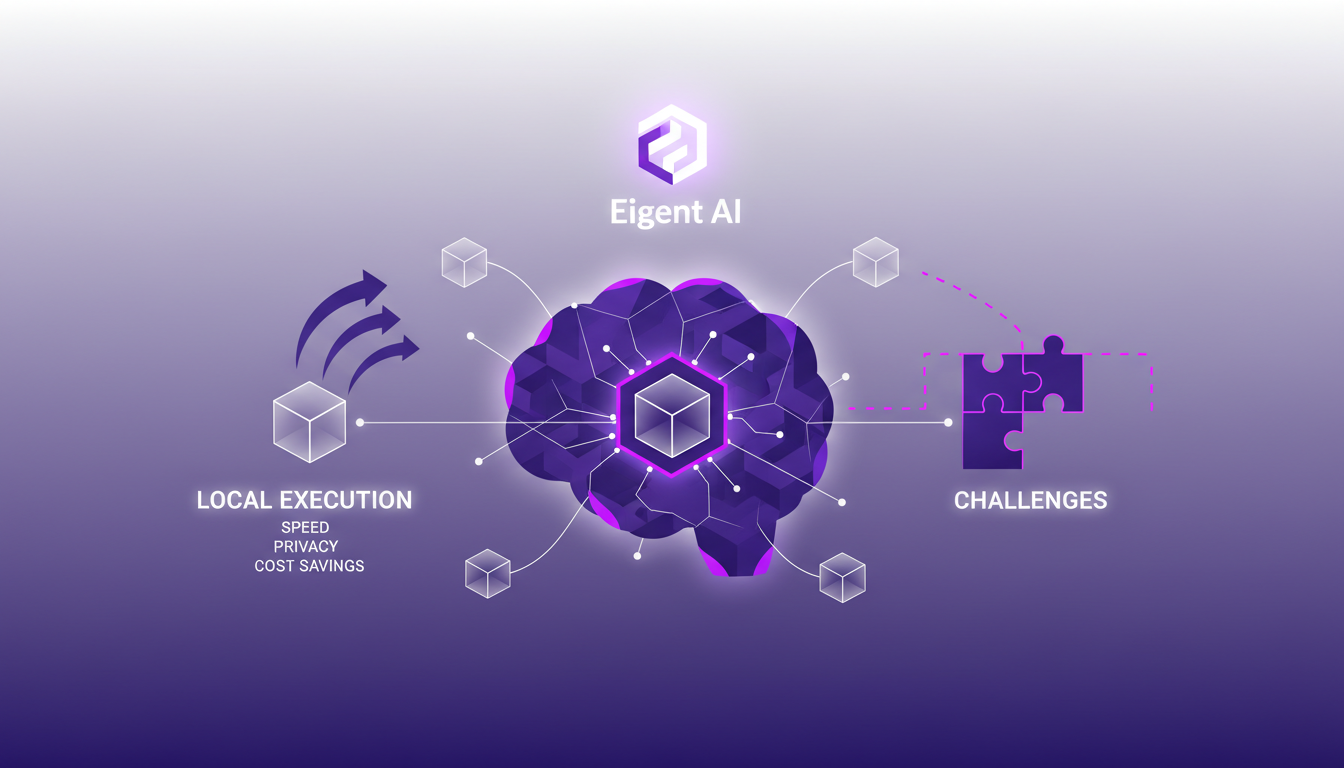
Our long-term vision at Eigent AI is to run our systems locally on computers. Why? For speed, privacy, and cost savings. But watch out, seamless local integration is a real challenge. You must anticipate compatibility and optimization issues. Our ambition is to expand the capabilities and reach of our agents while ensuring smooth and secure execution.
In conclusion, Eigent AI is positioning itself as a major player in the realm of multi-agent architectures. With bold choices and a commitment to collaborative innovation, we are paving the way for the future of AI systems. But every advancement comes with new challenges, and it's crucial to remain vigilant and adaptable.
Opening up Eigent AI's architecture has been a real game changer. I've seen firsthand how embracing open source can unlock new possibilities and rally a community around a shared vision. It's exciting, but let's be clear, it's not without its challenges. For instance, coordinating up to a million agents is incredibly ambitious and demands meticulous task decomposition using DAGs.
- 1.7 million views on a tweet, that's massive, showing real interest.
- Camel AI's model, covered 3 years ago, is proving its relevance today.
- The potential scale with up to a million agents, it's mind-blowing but complex.
The future is bright if we keep collaborating. Together, we can redefine what's possible in multi-agent systems. So, join us in this open-source journey. Contribute, collaborate, and for a deeper dive, check out the original video: Eigent AI taking on Claude Cowork. Trust me, it's worth it!
Frequently Asked Questions

Thibault Le Balier
Co-fondateur & CTO
Coming from the tech startup ecosystem, Thibault has developed expertise in AI solution architecture that he now puts at the service of large companies (Atos, BNP Paribas, beta.gouv). He works on two axes: mastering AI deployments (local LLMs, MCP security) and optimizing inference costs (offloading, compression, token management).
Related Articles
Discover more articles on similar topics
Building a Real-Time AI Agent with Cerebras
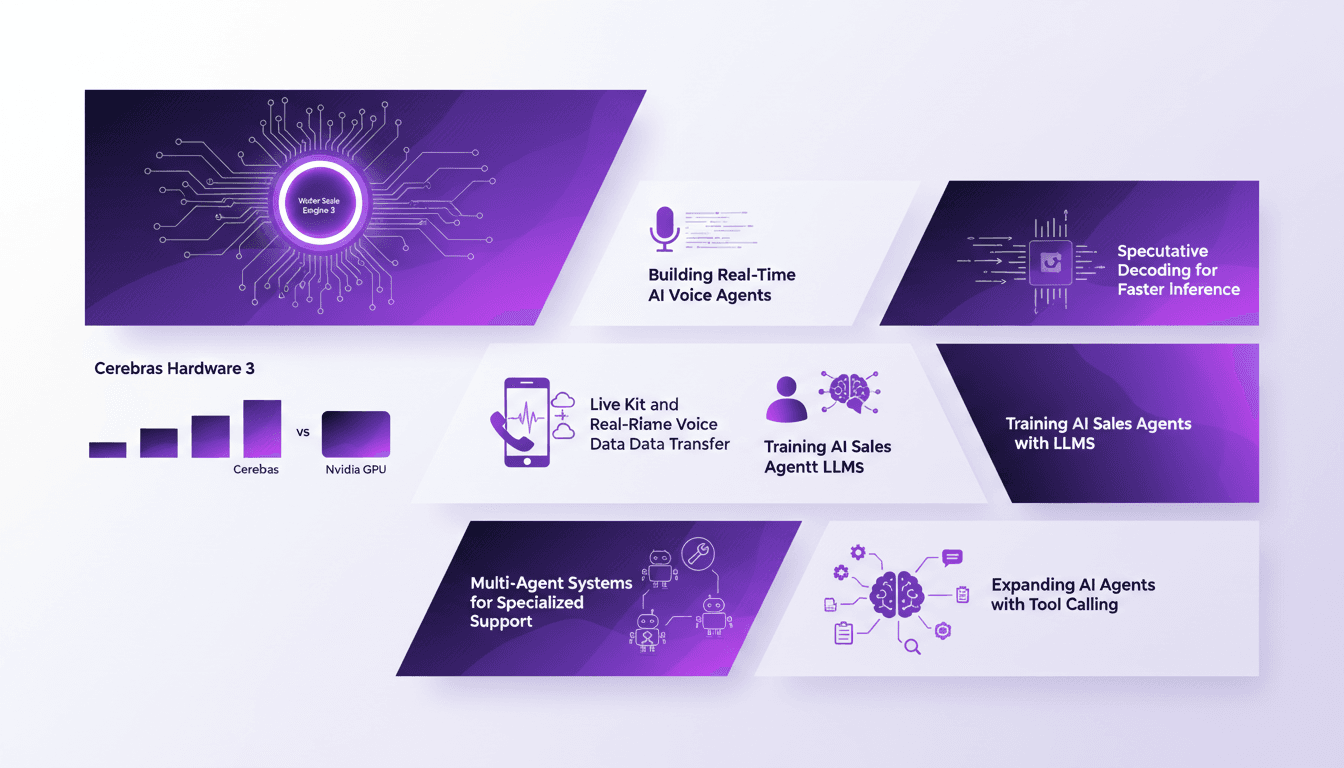
I remember the first time I connected a Cerebras system to my AI workflow. The speed was jaw-dropping, but it quickly became clear it wasn't just about speed. It's about orchestrating everything efficiently, from speculative decoding to real-time voice data transfer. With Cerebras's Wafer Scale Engine 3, we're pushing the boundaries of AI inference and real-time applications. In this article, I'll take you through the process of building a real-time AI sales agent using Cerebras hardware, including a comparison with Nvidia GPUs. We'll explore how speculative decoding and Live Kit technology are revolutionizing user experience. Buckle up, because we'll also dive into training AI sales agents with LLMs and expanding into multi-agent systems for specialized support. Let's get started!
Choosing the Right Multi-Agent Architecture
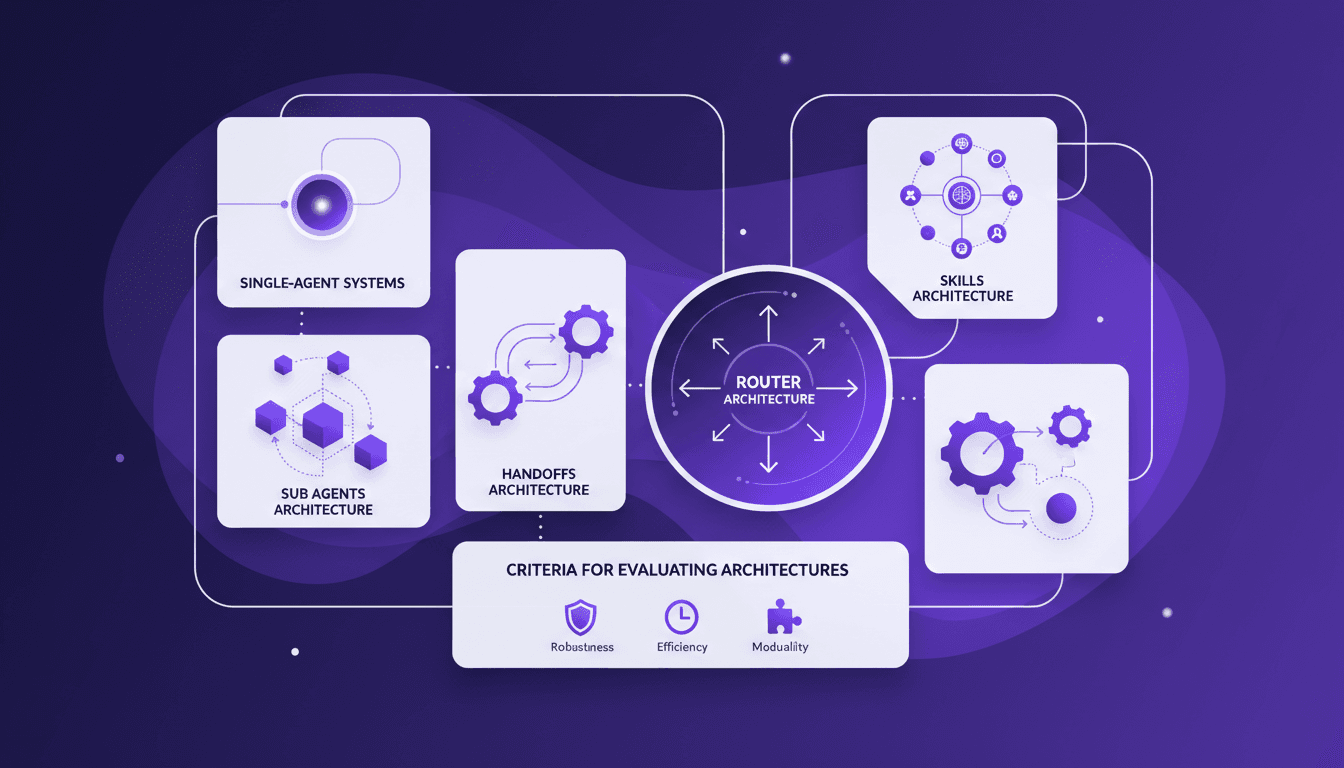
I remember the first time I tried to implement a multi-agent system. Overwhelmed by the architecture choices, I made a few missteps before finding a workflow that actually works. Here’s how you can choose the right architecture without the headaches. Multi-agent systems can really change how we tackle complex tasks by distributing workload and enhancing interaction. But pick the wrong architecture, and you could face an efficiency and scalability nightmare. We'll explore sub agents, handoffs, skills, and router architectures, plus criteria for evaluating them. And why sometimes, starting with a single-agent system is a smart move. I'll share where I stumbled and where I succeeded to help you avoid the pitfalls. Ready to dive in?
Maturing AI Agents and Systems by 2026
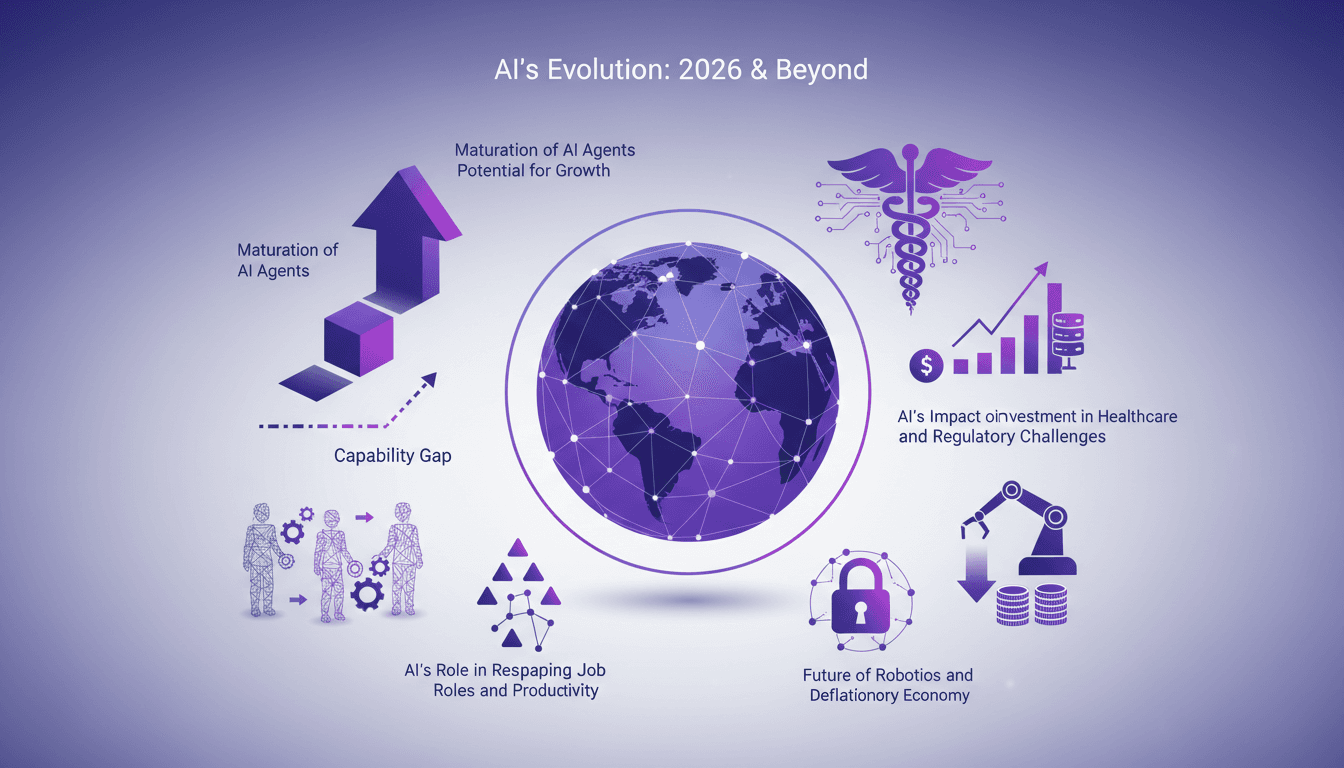
I've watched AI grow from simple scripts to complex systems, often finding myself orchestrating solutions with agents that, let's be honest, sometimes fell short. But we're talking about 2026 now, and I can sense something big is brewing. Multi-agent systems are getting refined, impacting real-world sectors like healthcare and startups. We have to discuss OpenAI's massive investments in compute power and the regulatory challenges ahead. As a builder, I see opportunities for us, especially for startups looking to carve out a spot in this rapidly evolving ecosystem. Buckle up, because AI agents are coming with a punch that will redefine productivity and job roles.
Measuring Dev Productivity with METR: Challenges
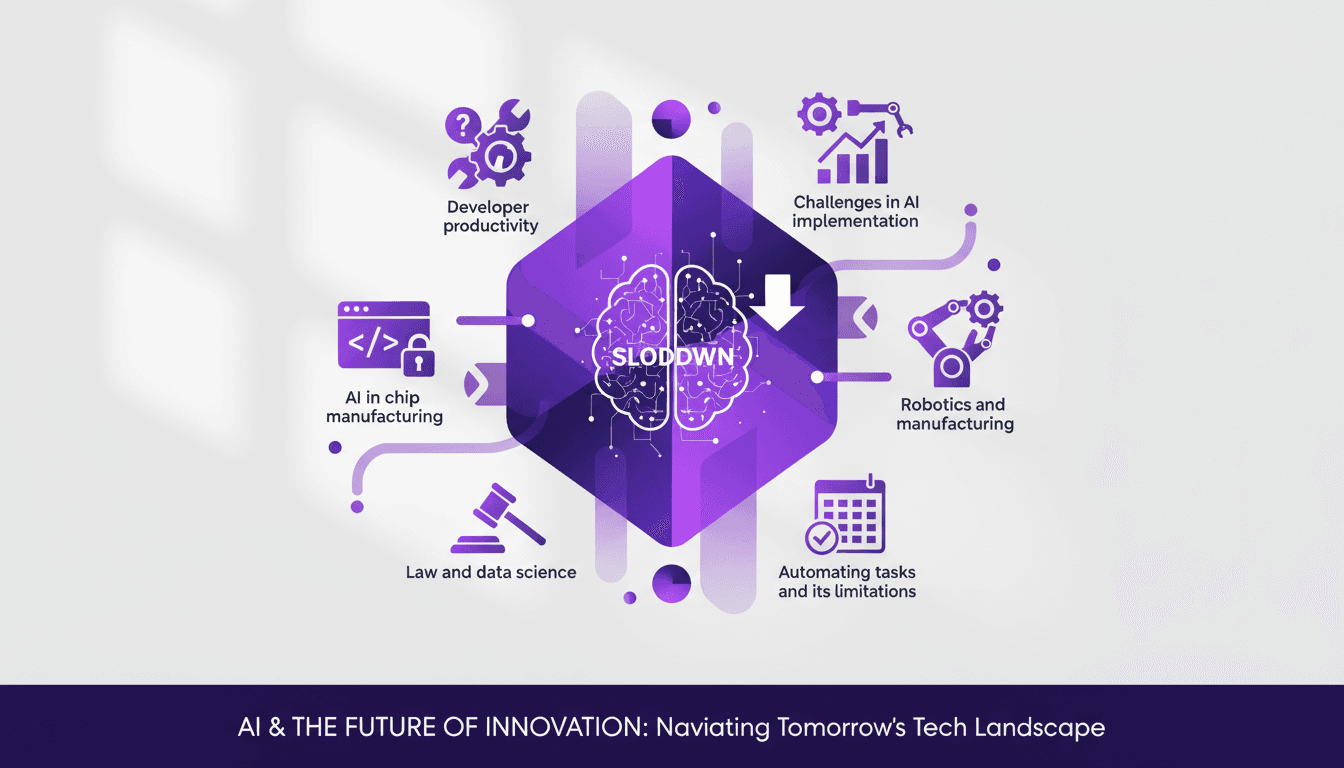
I've spent countless hours trying to quantify developer productivity, and when I heard Joel Becker talk about METR, it hit home. The way METR measures 'Long Tasks' and open source dev productivity is a real game changer. With 2030 looming as the potential year where compute growth might hit a wall, understanding how to measure and enhance productivity is crucial. METR offers a unique lens to tackle these challenges, especially in open source environments. It's fascinating to see how AI might transform the way we work, though it has its limits, particularly with legacy code bases. But watch out, don't overuse AI to automate every task. It's still got a way to go, especially in robotics and manufacturing. Joel shows us how to navigate this complex landscape, highlighting the impact of tool familiarity on productivity. Let's dive into these insights that can truly transform our workflows.
Mastering Software Architecture: Managing Complexity
I remember my first dive into software architecture—it was chaotic but exhilarating. That's when I learned that being a good architect isn't about knowing every detail but about managing complexity and making informed decisions. In this piece, I'll walk you through the core elements of effective software architecture, sharing insights from my journey and lessons from industry veterans like Gregor Hohpe. We'll explore the roles and characteristics of good architects, risk management, and the importance of visual tools. You'll also learn how to adapt to tech changes and why communication and mentorship are key.