Mastering Claude Agent SDK: Practical Guide
Ever tried orchestrating a team of sub-agents with Unix commands and felt like you were herding cats? I’ve been there. With Claude Agent SDK, I finally found a way to streamline decision-making and boost efficiency. Let me walk you through how I set this up and the pitfalls to avoid. Claude Agent SDK promises autonomy and decision-making power for agents across industries, but only if you navigate its complexities correctly. I connect my agents, manage their workload, and secure it all with Unix primitives and bash. But watch out, there are limits you'll need to watch. Ready to dive into the details?
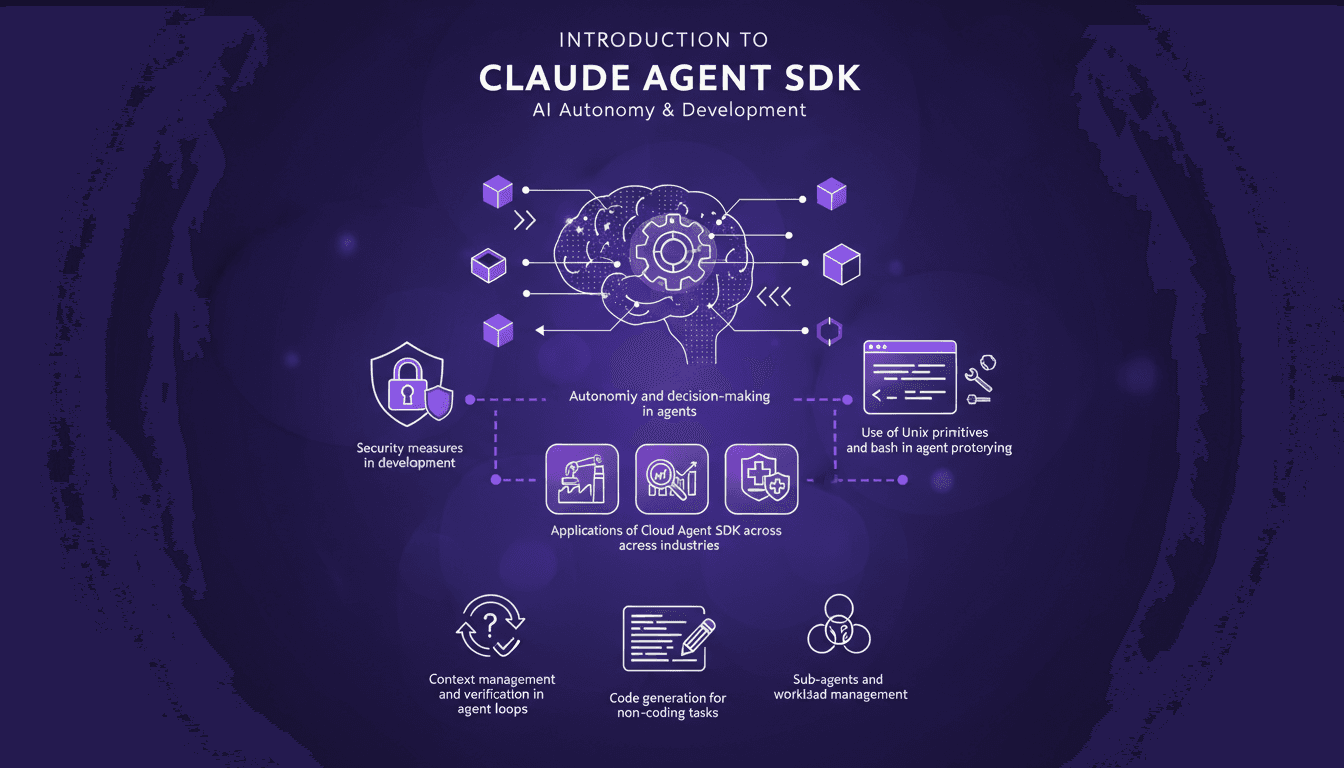
Ever tried orchestrating a team of sub-agents with Unix commands and felt like you were herding cats? I’ve been there, and I got burned more than once. With Claude Agent SDK, I finally found a way to streamline decision-making and boost efficiency. But don't be fooled, it's a powerful yet complex tool. First, I set up my agents to be autonomous, orchestrate them with Unix primitives and some bash for tasks that don’t need coding skills. Then, I secure it all with appropriate measures. But mind the context management and verification in agent loops. And let's not forget the importance of managing sub-agents and their workload. It's a real game changer if you handle it right. Ready to see how it's done?
Setting Up Claude Agent SDK: The Basics
When I started with the Claude Agent SDK, I was eager to streamline my workflows using its integration with Cloud Code and its autonomy features. First tip: keep it simple. I've seen folks jump into complex features too soon, but trust me, it's better to start with the basics. I connected the SDK with my Unix primitives, which helped me structure basic tasks before scaling up. Watch out for cognitive overload, it can really slow down your progress.
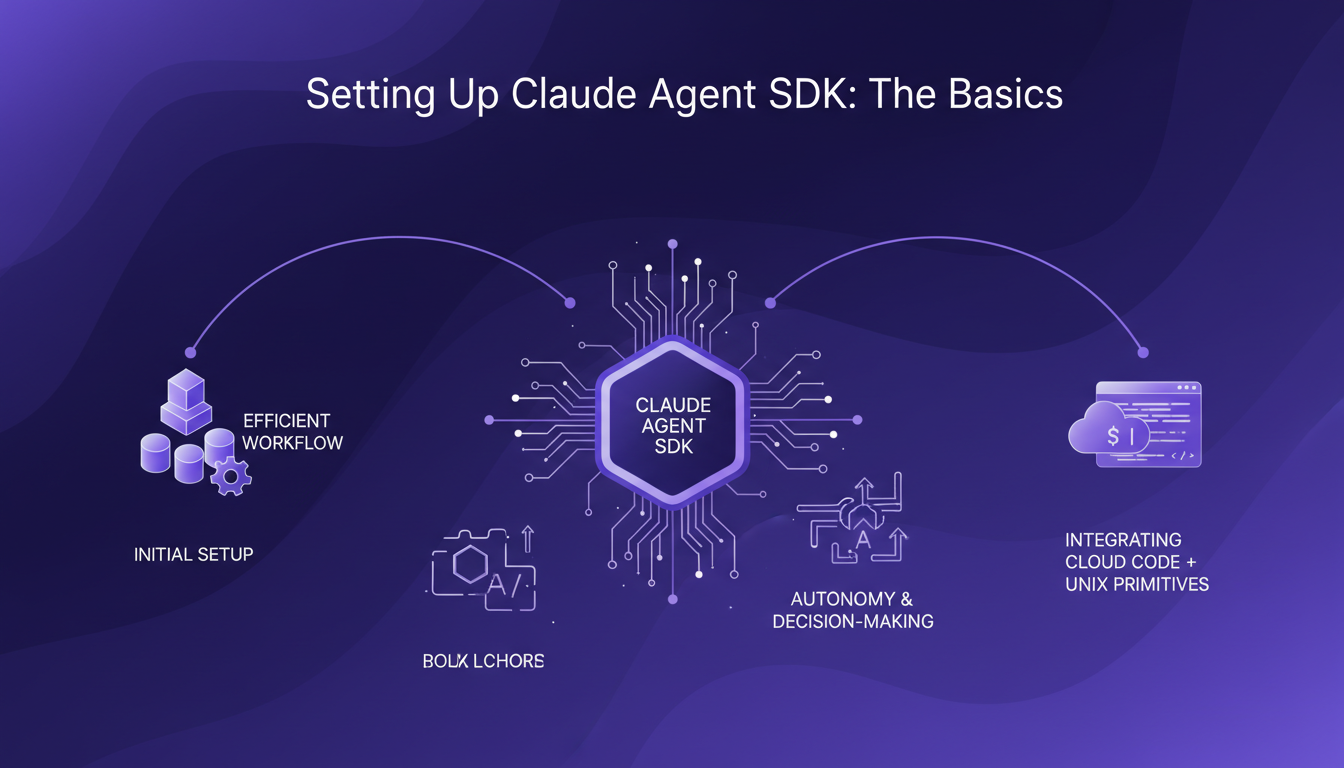
- Start by integrating Cloud Code with simple tasks.
- Use Unix primitives for testing before deployment.
- Avoid overcomplicating your pipeline with unnecessary features early on.
Autonomy and Decision-Making in Agents
With Claude Agent SDK, I experienced true autonomy. By creating sub-agents, I could delegate specific tasks, effectively managing workload. But beware, too much autonomy can lead to runaway processes. I balanced this by setting clear limits to prevent agents from spiraling out of control. In the real world, this approach streamlined processes across various industries, from finance to healthcare. For instance, for a water Pokémon search task, I spun up three sub-agents simultaneously, optimizing results in record time.
- Leverage autonomy to manage complex tasks.
- Implement sub-agents for better task distribution.
- Maintain control to prevent runaway processes.
Security Measures in Agent Development
Security is paramount. I implemented security protocols to safeguard agent operations, integrating verification in context management loops. A common pitfall: neglecting security in favor of performance. I found a balance by using permissioning and sandboxing techniques while ensuring these measures didn't impact overall performance.
- Integrate security checks into your context loops.
- Use sandboxing techniques to protect your agents.
- Avoid sacrificing security for performance.
Using Unix Primitives and Bash for Prototyping
Nothing beats Unix commands for quickly prototyping agent tasks. I've often used Bash to automate repetitive tasks, saving significant time. But beware, Unix primitives have their limits. When complexity rises, it's crucial to switch to more robust solutions.
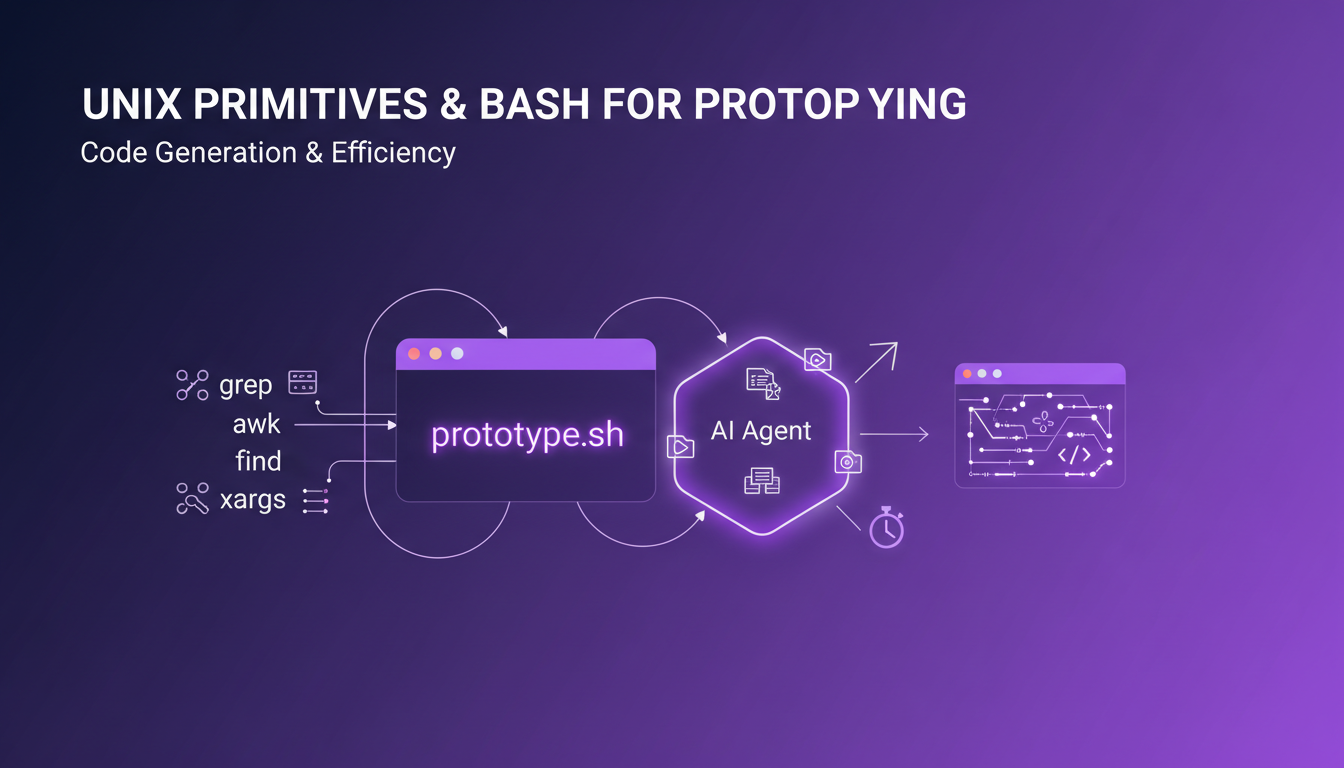
- Quickly prototype using Unix commands.
- Automate tasks with Bash for efficiency gains.
- Switch methods as complexity increases.
Managing Sub-Agents and Workloads
Orchestrating multiple sub-agents for complex task execution has become second nature to me. An effective workload management strategy is essential. I've learned to avoid bottlenecks by testing various approaches and planning for scalability. This has prepared me for future challenges, ensuring continuous adaptability of my agent systems.
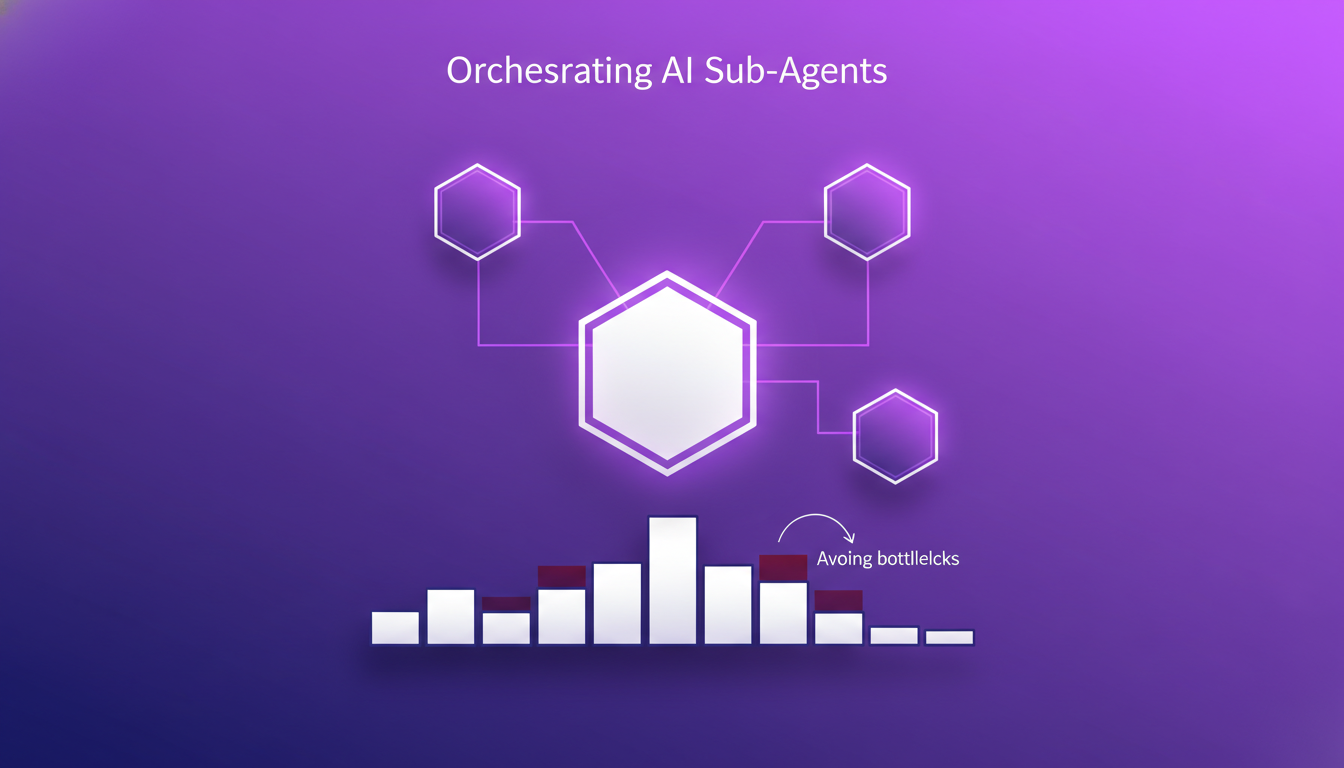
- Effectively orchestrate sub-agents for complex tasks.
- Avoid bottlenecks with tested strategies.
- Plan for future scalability and adaptability.
The Claude Agent SDK is a potential game changer if you navigate it with the right strategy. Here's what I found out:
- First, I focused on agent autonomy. Using the SDK, I spun up three sub-agents to handle a specific task, and it saved me a ton of time.
- Next, security is key. I had to tweak several settings to ensure my agents were bulletproof against vulnerabilities.
- Finally, rapid prototyping with this SDK is impressive. I saw concrete results in under fifteen minutes, which is a huge plus for quick iteration.
Looking forward, mastering the Claude Agent SDK can really streamline our workflows if we keep these elements in mind. But remember, you need a clear strategy to navigate its complexity.
If you're ready to transform your agent management, dive into Claude Agent SDK and start optimizing your operations today. I highly recommend watching the full video for deeper insights. You won't regret it!
Frequently Asked Questions

Thibault Le Balier
Co-fondateur & CTO
Coming from the tech startup ecosystem, Thibault has developed expertise in AI solution architecture that he now puts at the service of large companies (Atos, BNP Paribas, beta.gouv). He works on two axes: mastering AI deployments (local LLMs, MCP security) and optimizing inference costs (offloading, compression, token management).
Related Articles
Discover more articles on similar topics

Robotics and Physical AI: Revolutionizing the Field
I've been building robots for years, but integrating Physical AI has been a game changer. It's not just about making them smarter; it's about giving them a sense of the physical world. Imagine a robot that perceives heat and reacts accordingly. That's exactly what I've managed to orchestrate in my projects. Join me as I walk you through this journey where Physical AI is redefining how we design robots, making them truly interactive with their surroundings.
CES 2026's Coolest Tech: My Hands-On Experience
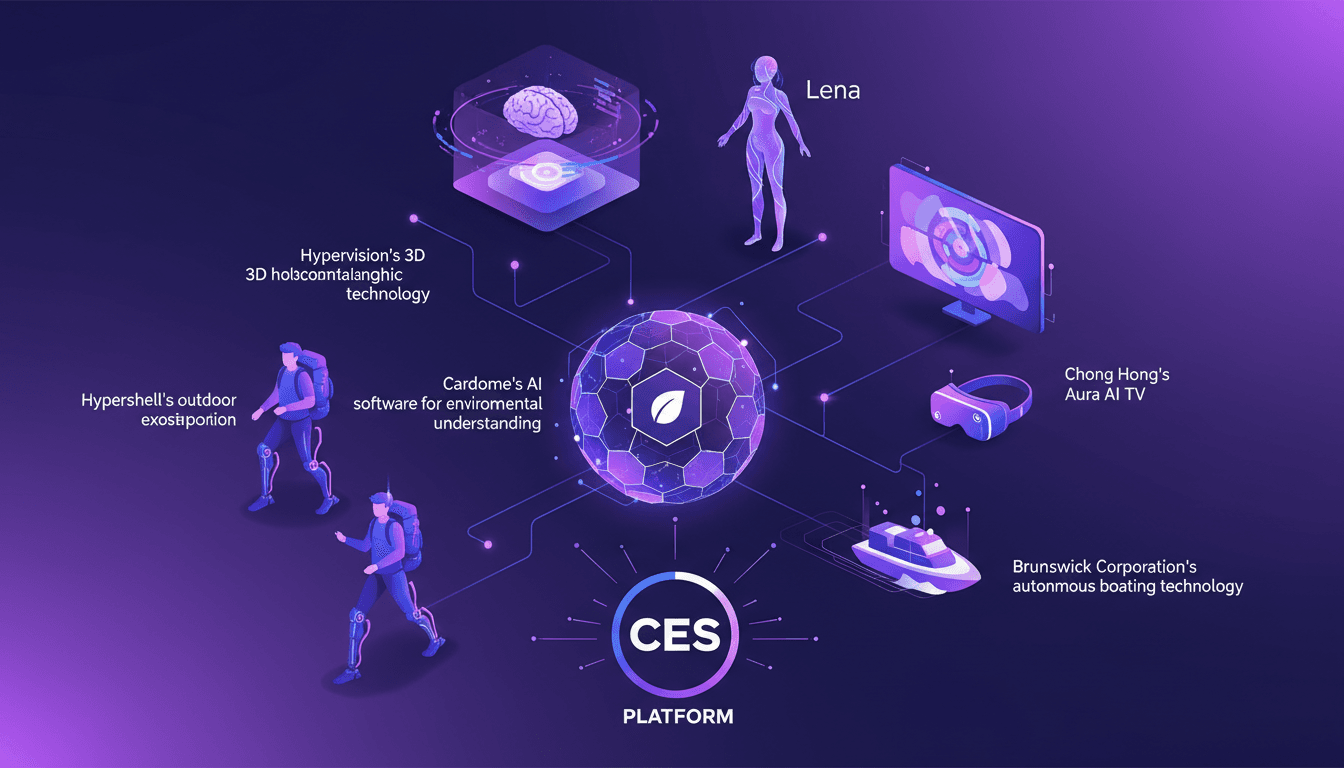
I walked into CES 2026 expecting the usual tech fanfare, but what I encountered was a display of innovations ready to redefine our daily lives. Cardome's AI software for environmental understanding, Hypervision's 3D holographic technology with AI assistant Lena—this isn't science fiction. Chong Hong immerses us in a new dimension with its Aura AI TV and VR experiences, while Hypershell introduces an outdoor exoskeleton for adventure. And let's not forget Brunswick Corporation, taking autonomous boating to a whole new level. CES is the stage where these technologies aren't just concepts but disruptions ready to make their mark.
Building Doc: The Open-Source Rival
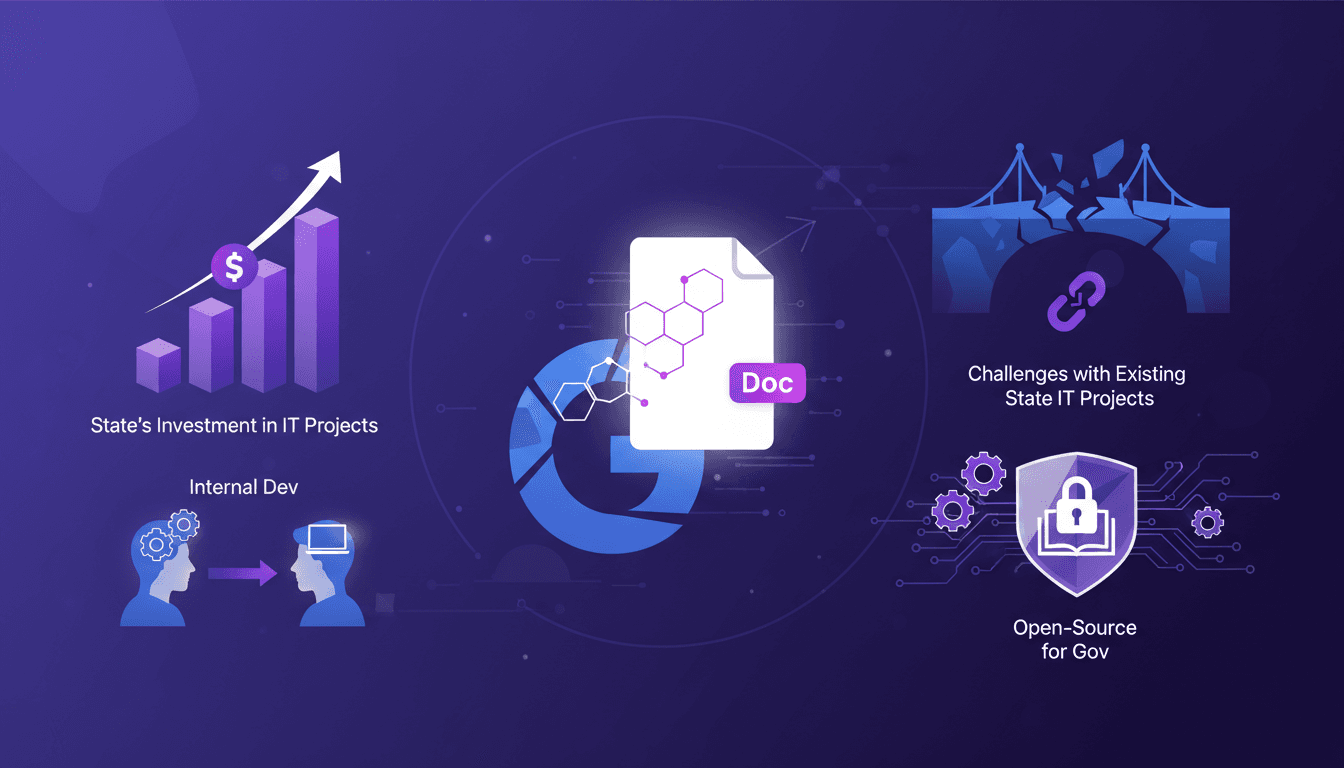
I still remember the first time I heard about the State's plan to develop Doc, an open-source alternative to Google Docs. As a developer involved in the project, the challenge was clear: build something robust enough to compete with industry giants, yet flexible enough to meet government needs. The stakes were high, and the potential impact even higher. The State has heavily invested in IT projects, spending millions on external solutions that often don't quite fit. This time, we're shifting gears—moving from relying on external consultants to building in-house. Let's dive into how we're making this transition work.
Digitalization at Caterpillar: Revolutionizing the Jobsite
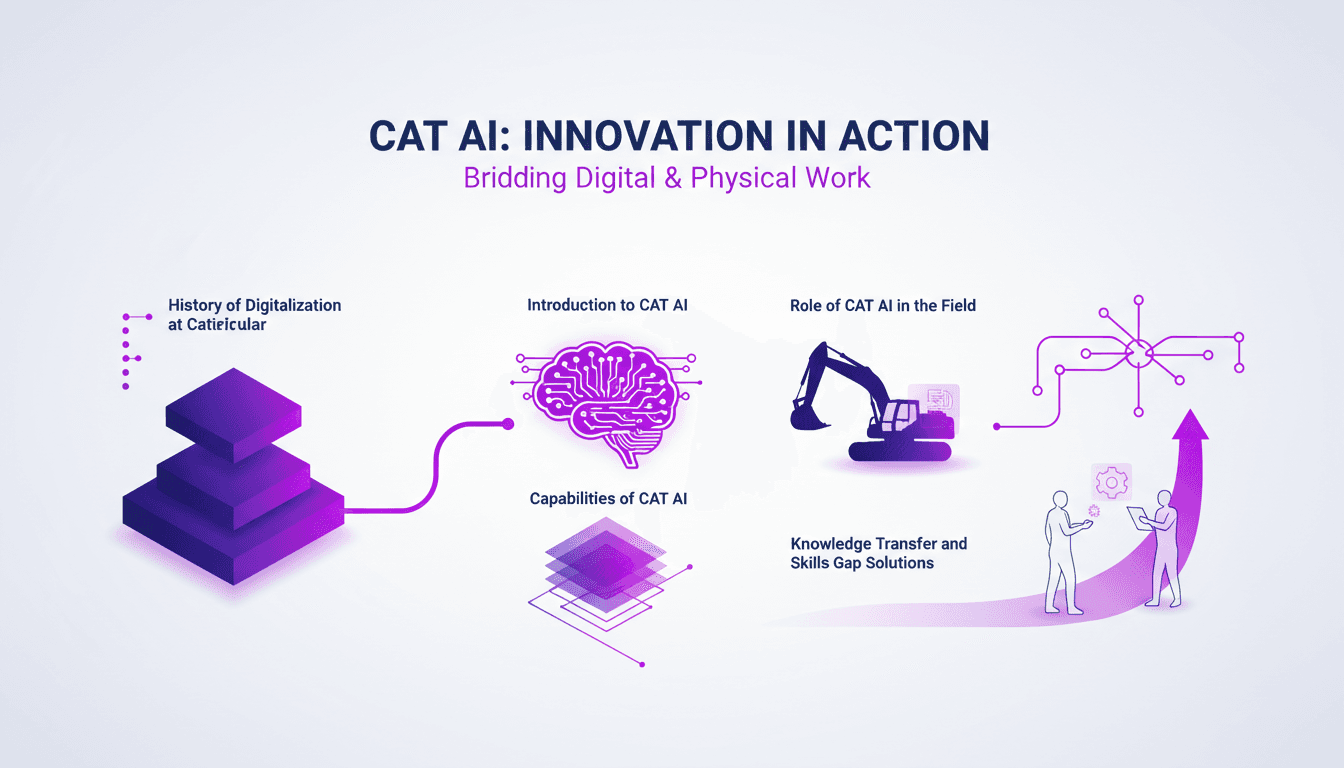
I've been on the jobsite long enough to see the shifts that digitalization brings. When Caterpillar started integrating AI, I was skeptical. But after witnessing CAT AI in action, it’s clear how it bridges knowledge and execution. This revolution isn't just about new tech; it reshapes how we work. Let’s dive into the history of digitalization at Caterpillar, explore CAT AI, its capabilities, and its role in the field. Most importantly, we'll see how it merges digital and physical work environments and tackles the challenges of knowledge transfer and skills gaps.
Xperi's Role in Future Immersive Entertainment
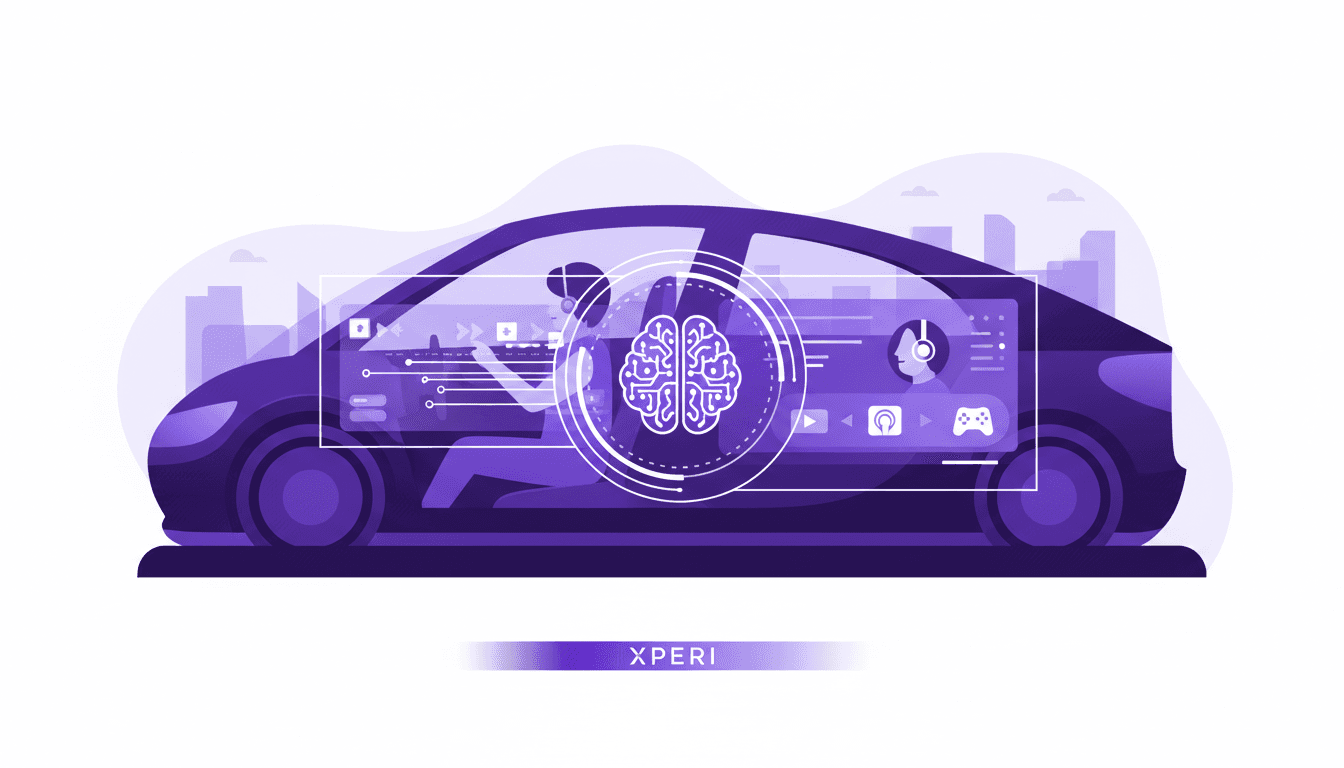
I've been in the tech trenches long enough to spot a seismic shift, and Xperi's work in immersive entertainment is exactly that. They're reshaping in-car experiences with AI and sound that genuinely surpasses the usual hype. In this article, I'll guide you through how Xperi is integrating entertainment across connected platforms, with a spotlight on their vehicle innovations. From Jeff Jury's insights to the future of ride sharing, we'll explore how AI is central to these advancements. Don't miss this dive into the future of automotive entertainment.