Building Doc: The Open-Source Rival
I still remember the first time I heard about the State's plan to develop Doc, an open-source alternative to Google Docs. As a developer involved in the project, the challenge was clear: build something robust enough to compete with industry giants, yet flexible enough to meet government needs. The stakes were high, and the potential impact even higher. The State has heavily invested in IT projects, spending millions on external solutions that often don't quite fit. This time, we're shifting gears—moving from relying on external consultants to building in-house. Let's dive into how we're making this transition work.
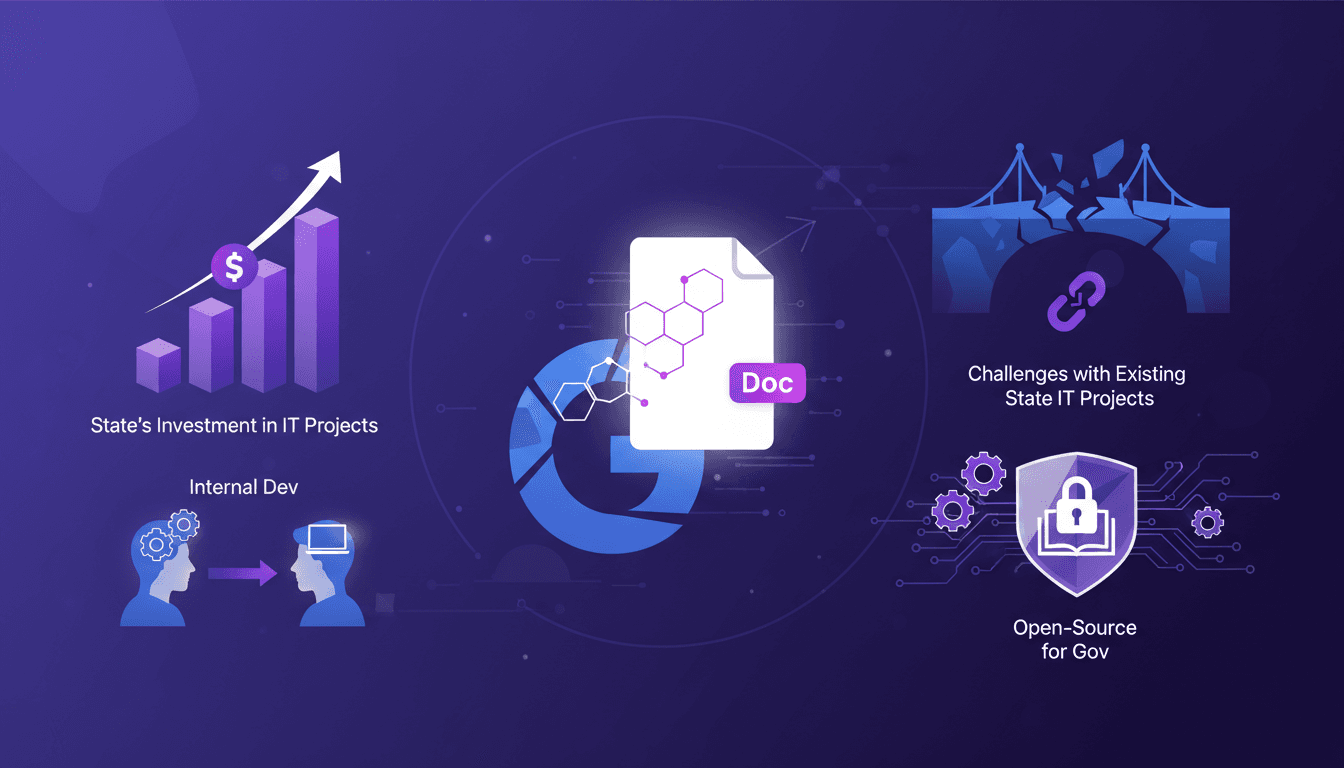
I still remember when the idea of Doc was first floated. The State wanted an open-source alternative to Google Docs. As a developer on this project, it was a monumental challenge: build a platform robust enough to stand against giants like Google, yet flexible enough to meet the government's specific needs. Picture this—millions of euros spent each year on tools that don't quite fit the bill. That's when I realized we had a golden opportunity to do something different, to shift from relying on external solutions to true digital autonomy. So, how did we do it? By orchestrating a dedicated team that knows what it wants. First, we had to understand the real needs of the end-users (the State agents, not just the decision-makers). Then, we bet on open-source for its flexibility and transparency. But watch out, it wasn't without hurdles. Working with open code also means navigating a sea of technical choices and trade-offs. Yet, that's exactly what makes this project so exciting.
Why Build Doc? The Case for Open-Source
Let's start with the obvious: the French State has spent 300 million euros on proprietary software that doesn't always deliver. So, why not shift to open-source? It cuts costs by eliminating expensive licenses, and you gain flexibility and customization that meets specific government needs. Open-source allows precise tailoring to requirements, which is a significant asset.
By developing internally, we reduce dependency on external vendors, gaining better control over our technology. Don't forget the security aspect: open-source solutions tend to be safer due to community-driven development. We benefit from the innovations of an entire community, which is a real plus. I've seen this transform projects completely.
Setting Up for Success: The Transition to Internal Development
Shifting from reliance on external vendors to internal development is all about control. Sure, there's an upfront investment in building an internal team, but in the long run, it's worth it. Initially, there was resistance—change is hard, especially in government settings.
The key is to start with pilot projects, learn, adapt, and gradually scale. It's an iterative approach, and believe me, it works. We've relied on small wins to convince the skeptics, and it paid off.
Challenges in Government IT Projects
Government IT projects often suffer from scope creep and misaligned objectives. Take the 253 million spent on a police complaint system as an example. That money could have been better allocated. Internal development allows us to directly address these inefficiencies.
However, watch out for bureaucratic hurdles. They can slow progress if not carefully managed. Navigating through different administrative layers is key to keeping the focus on initial goals.
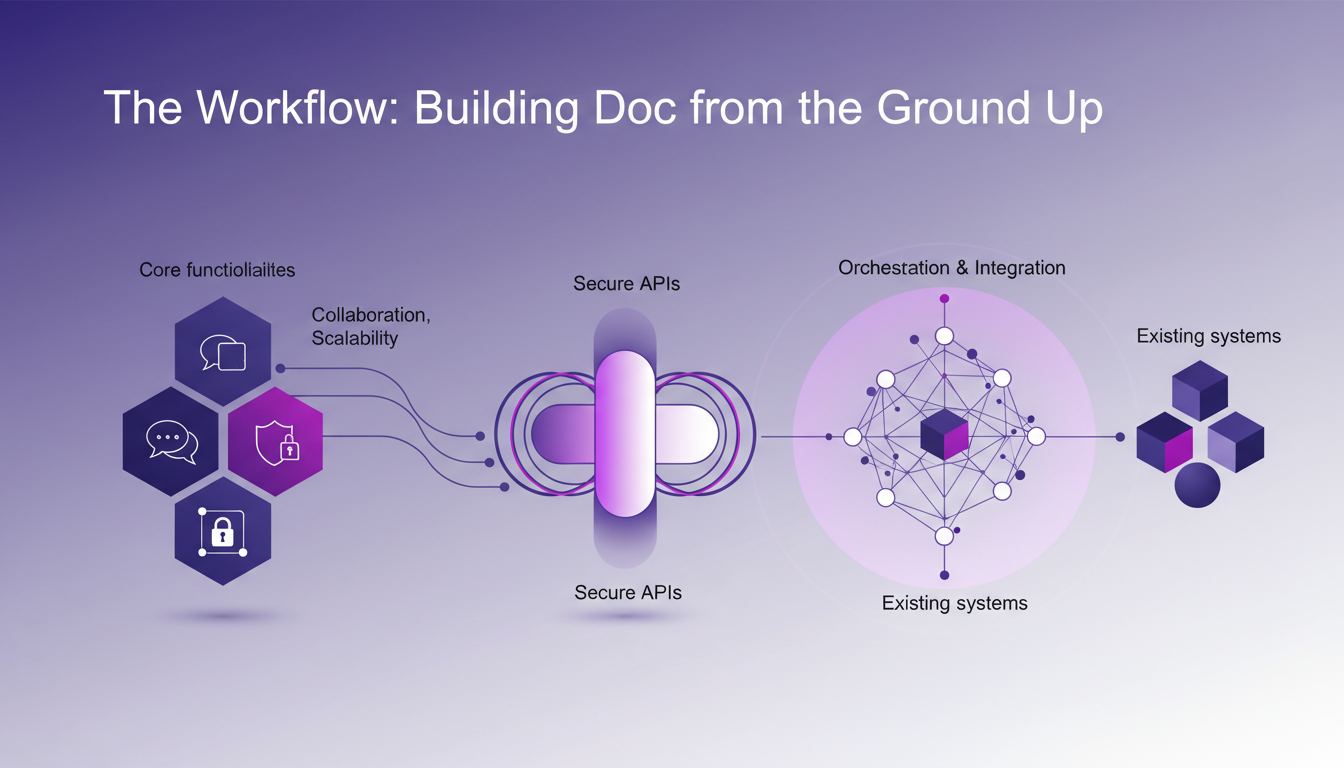
The Workflow: Building Doc from the Ground Up
First, we assessed the core functionalities needed: collaboration, security, scalability. I wrapped our APIs in secure services to ensure data protection. Orchestration is key—we integrate with existing systems without disrupting them.
Testing and iteration are continuous. User feedback loops are invaluable for refining the product. At every step, I make sure nothing is left to chance.
Benefits of Open-Source for Government Use
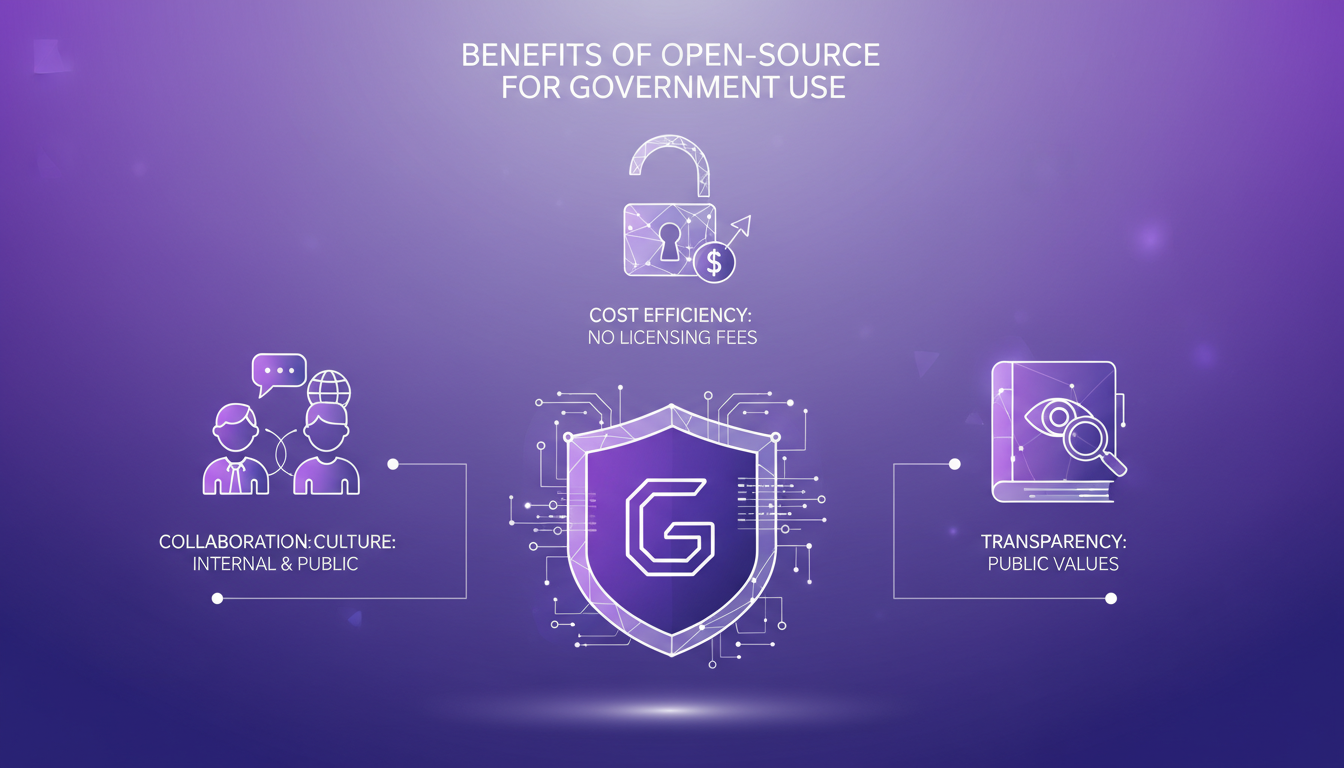
Cost efficiency is a major win: no licensing fees, more budget for enhancements. Open-source fosters a collaborative culture both internally and with the public. The transparency of open-source aligns with public sector values.
But be cautious of over-customization; it can lead to maintenance challenges down the line. I've found that maintaining balance is crucial to avoiding future complications.
Building Doc as an open-source solution is more than just a technical project—it's a strategic shift towards sustainable, efficient government IT. We're not just saving costs; we're redefining how public sector software can be developed and used.
- First, the massive 300 million euros spent on proprietary software highlights that open source isn't just an option, it's an economic necessity.
- Then, by internalizing development, we unlock the potential of internal developers and move away from costly external consultants.
- But watch out, the challenges with existing State IT projects, like the 253 million spent on managing complaints, remind us that transitions must be well managed.
The real opportunity here is to turn these challenges into innovation levers. If you're involved in government IT or considering a shift to open-source, now's the time to take action. Join the conversation, share your experiences. Watch the original video for deeper insights: YouTube link.
Frequently Asked Questions

Thibault Le Balier
Co-fondateur & CTO
Coming from the tech startup ecosystem, Thibault has developed expertise in AI solution architecture that he now puts at the service of large companies (Atos, BNP Paribas, beta.gouv). He works on two axes: mastering AI deployments (local LLMs, MCP security) and optimizing inference costs (offloading, compression, token management).
Related Articles
Discover more articles on similar topics
Autodesk Fusion: Transforming Design with AI
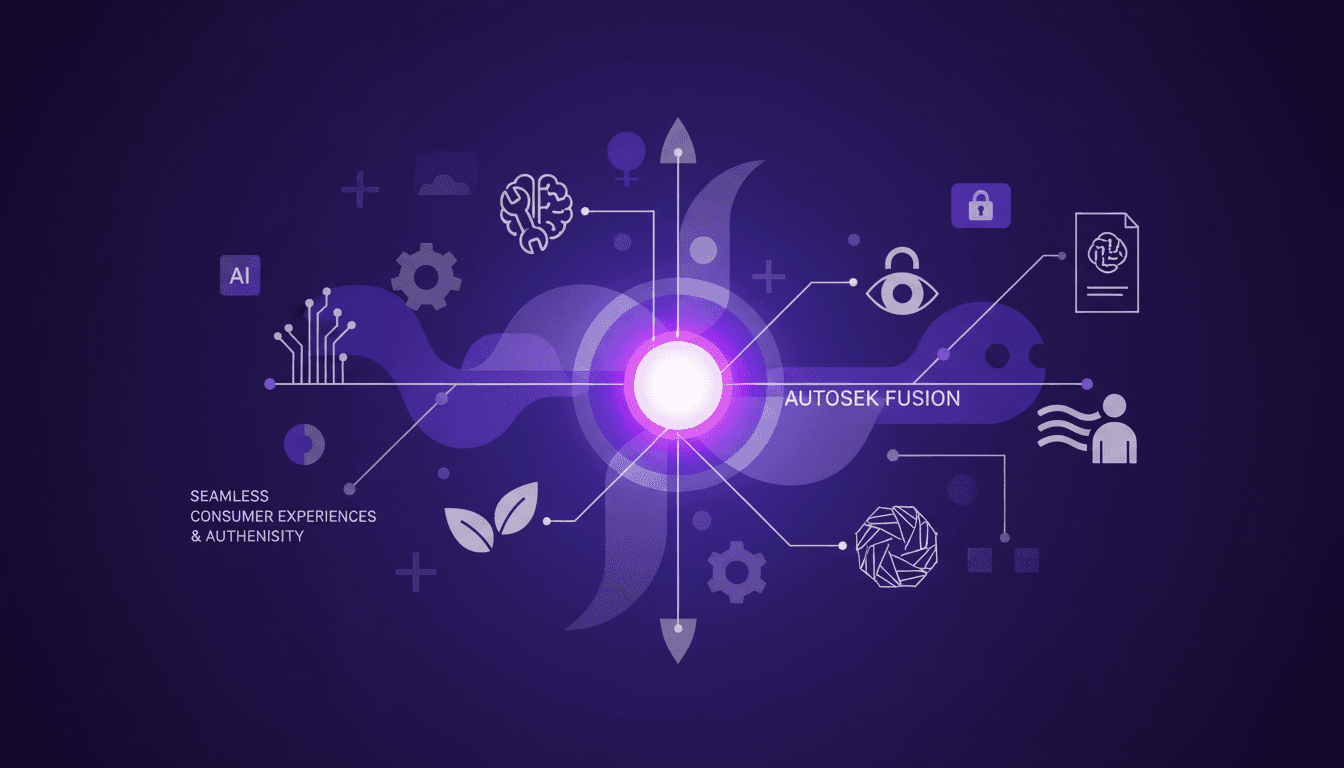
I remember the first time I used Autodesk Fusion at CES 2026. The buzz around AI and design was palpable, and I was right in the middle of it. Autodesk is reshaping the future of design and manufacturing with AI, integrating solutions that enhance creativity while ensuring sustainability. It's not just about tech; it's about transforming workflows. We're talking trust and transparency in AI, consumer expectations for authenticity, and seamless experiences. Autodesk Fusion is more than just a tool, it's a catalyst for innovation. You're about to see how all of this will orchestrate in our daily design practices.
Boosting Ad Measurement with AI and Trust
I remember the first time I realized the chaos in digital advertising metrics. It was a mess of false positives and wasted impressions. That's when I knew a change was needed. Partnering with IAS and Mastercard, I saw firsthand how we could rebuild trust through independent verification and precision. In the rapidly evolving advertising landscape, trust and precision are paramount. This article delves into how AI, scale, and transparency can transform advertising effectiveness, particularly in the realm of CTV. It covers building trust through independent verification and measurement, the role of AI in reducing false positives, the importance of scale and precision in processing ad data, and ethical AI practices.
AI's Impact on Sales Training & Real Estate
I used to think AI was just another buzzword until it completely transformed how we handle sales and real estate. Picture this: 1,000 consecutive calls to potential clients without lifting a finger. That's where AI becomes a real asset. In this article, I show you how AI is reshaping traditional sales training and disrupting real estate lead management. We're talking about increased efficiency and dramatically reduced costs. But watch out, there are limits to be aware of. Too often, businesses miss these opportunities because they don't grasp AI's tangible impact. And if I told you three people have already suggested I start my own AI company? That's the scale of the potential. AI isn't just a tool; it's a genuine game-changer for business.
CES 2026 Day 3: Innovations and Atmosphere
I walked into CES 2026 on Day Three, and the energy was seriously off the charts. This isn't just another tech expo; it's a global stage for innovation. Picture 2.5 million square feet of exhibits—enough to get lost in a maze of breakthrough ideas. But watch out, it's easy to get overwhelmed. Every booth has something that might just be the next big disruptor. I'll take you through the highlights of what I saw, and trust me, this day was a game-changer. The significance of CES as a global tech event can't be overstated, and Day Three showed exactly why. With a passionate community and a constant stream of fresh ideas, there's plenty to be inspired by. Let's dive into what I discovered and why these future innovations deserve your attention.

Fusion Power: Revolution at CES 2026
I remember the first time I heard about fusion power—it sounded like science fiction. But at CES 2026, it's become reality. I witnessed firsthand how fusion systems promise clean, limitless energy. Companies like Commonwealth Fusion Systems are turning these dreams into reality. We're talking about the power of stars and the universe, ready to revolutionize our energy landscape. Imagine a world where our dependency on resources fades in favor of technology-driven energy. That's where we're headed. The potential impact of fusion on the energy industry is colossal. Let's dive into this energy revolution and see how it could transform our future.