Master AI Pricing: Flexible Hybrid Models
I remember the first time I had to price an AI service. The growth was explosive, but the pricing model felt like a straitjacket. Let's talk about how we can break free. Today, AI companies are outpacing traditional SaaS, but their pricing strategies often lag behind. In this article, I'll share practical insights on adopting flexible and agile monetization strategies for AI products. We'll address the challenges in AI pricing, like unpredictable costs and defining value, and the adoption of hybrid pricing models. We'll also explore transitioning to outcome-based pricing to build trust with customers through usage caps and notifications. Finally, we'll discuss the role of Stripe in supporting AI companies with flexible billing solutions. It's time to rethink our approach to truly align with real value.
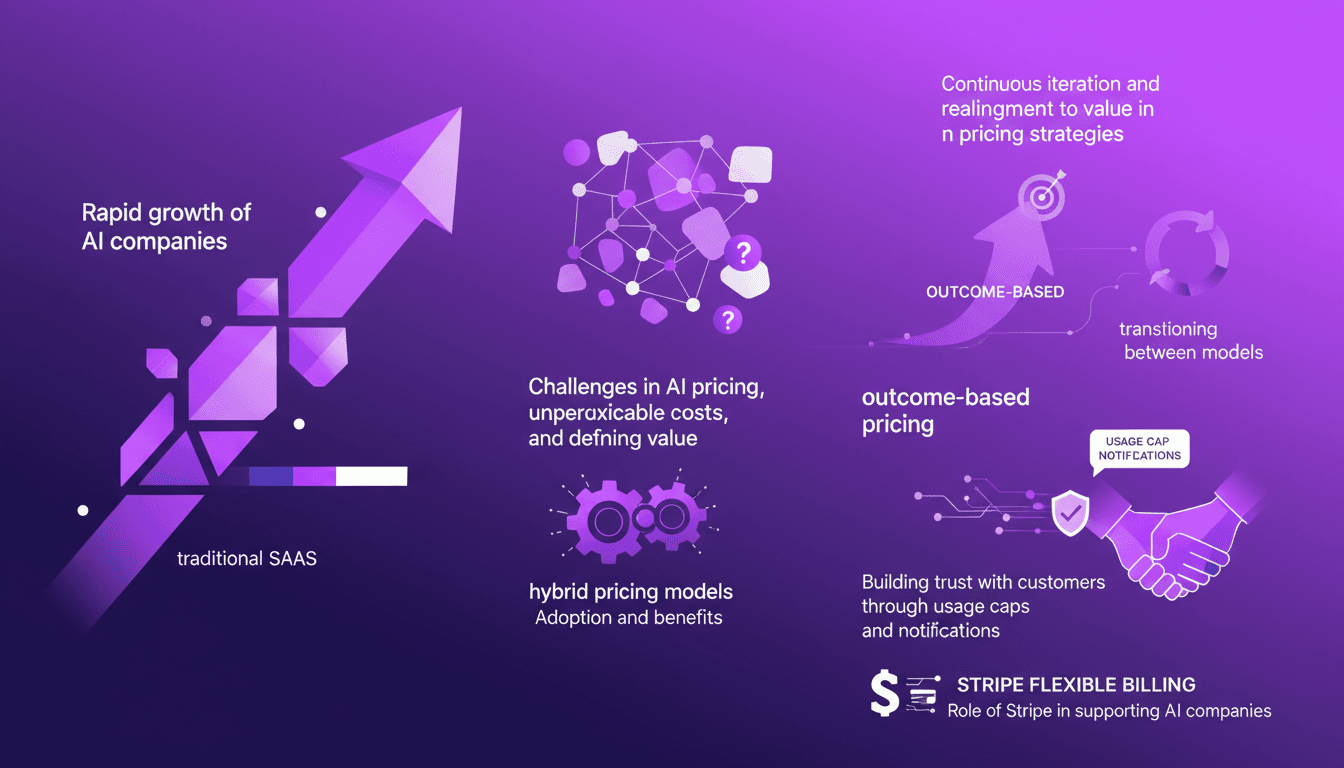
I still vividly remember the first time I had to price an AI service. The growth was explosive, really. But the pricing model? It felt like a straitjacket. Let's discuss how we can break free. AI companies are literally exploding, growing up to three times faster than traditional SaaS. But when it comes to pricing, we're often not keeping up. 84% of AI businesses say pricing isn't keeping pace with product rollout speed. In this article, I'll share my practical insights on adopting flexible and agile monetization strategies for AI products. We'll dive into the challenges of AI pricing, from unpredictable costs to defining value. We'll talk about the adoption of hybrid models and the importance of shifting towards outcome-based pricing. We'll see how to establish trust with customers through usage caps and notifications. And finally, I'll show you how Stripe can support these companies with flexible billing solutions. It's time to realign our approach to truly match real value.
Understanding the Rapid Growth of AI Companies
Having delved into the world of AI companies, I can tell you firsthand that their growth rate is simply astounding. AI companies are growing three times faster than traditional SaaS companies. This rapid growth, of course, creates unique challenges, particularly in pricing. With such speed, traditional pricing models quickly become outdated.
Defining value in the AI context is no small feat. 41% of businesses report struggling to define the value they provide. To give you an idea, the top 100 AI companies reached $20 million ARR in just 20 months. In comparison, SaaS companies took 65 months to hit the same mark.
Challenges in AI Pricing and Defining Value
From my experience, one of the biggest challenges lies in unpredictable costs. These costs make fixed pricing models risky. In fact, 84% of AI businesses say their pricing isn't keeping up with their product rollout speed.
Hybrid pricing models, which have jumped from 6% to 41%, offer flexibility that many AI business leaders, 56% to be exact, are already taking advantage of. But beware of over-complicating your pricing structure, as it could deter your customers.
Adopting Hybrid and Outcome-Based Pricing Models
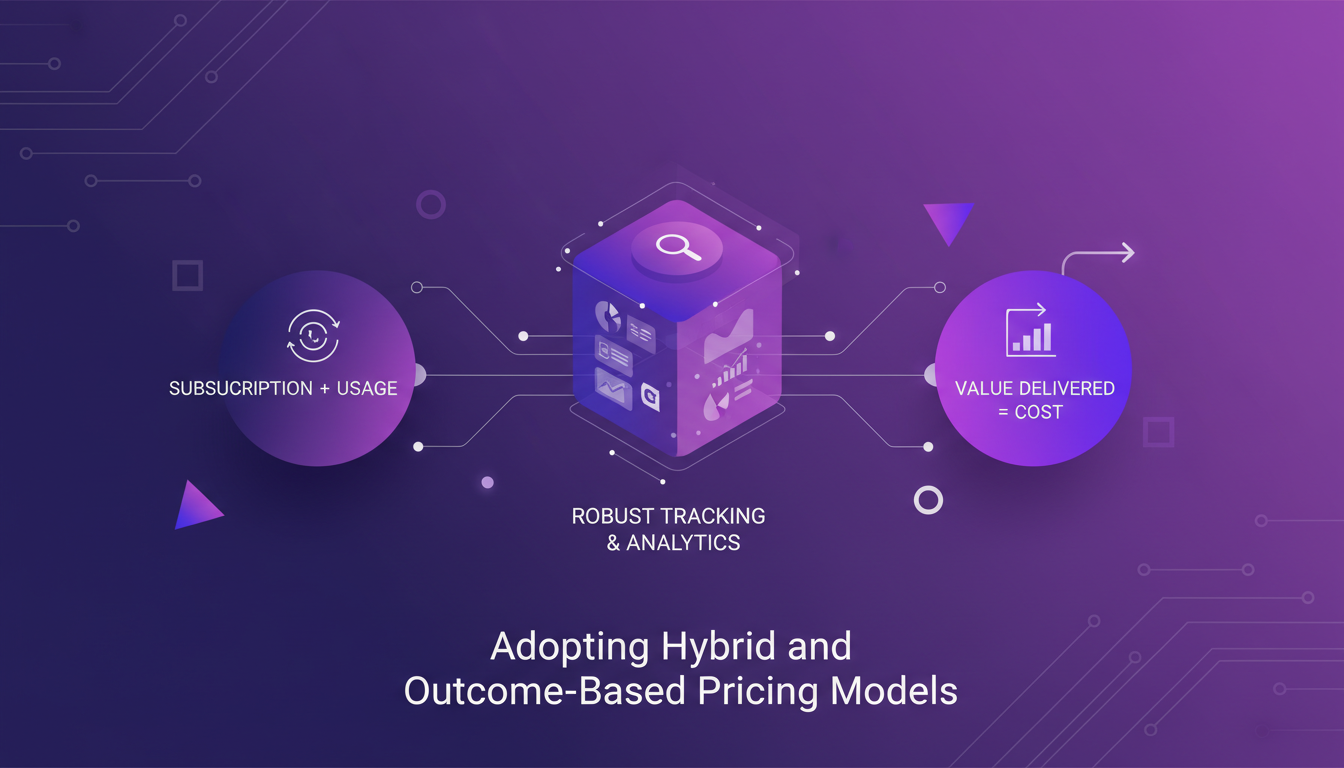
Hybrid models mix subscription and usage-based pricing. It's something I've seen work, but it requires robust tracking and analytics. Outcome-based pricing, which ties cost to delivered value, is equally intriguing but hard to quantify.
Transitioning from a consumption-based to an outcome-based model can be complex, but the reward is often worth the effort. However, don't overuse complexity; simplicity often wins.
- Hybrid models offer increased flexibility.
- Outcome-based pricing aligns cost with delivered value.
- Robust tracking is essential for these models.
- Transition between models can be complex but rewarding.
- Don't overuse complexity; simplicity often wins.
Building Trust with Customers: Usage Caps and Notifications
Transparent pricing is key to building trust with your customers. Implementing usage caps prevents unexpected costs, and automated notifications keep users informed.
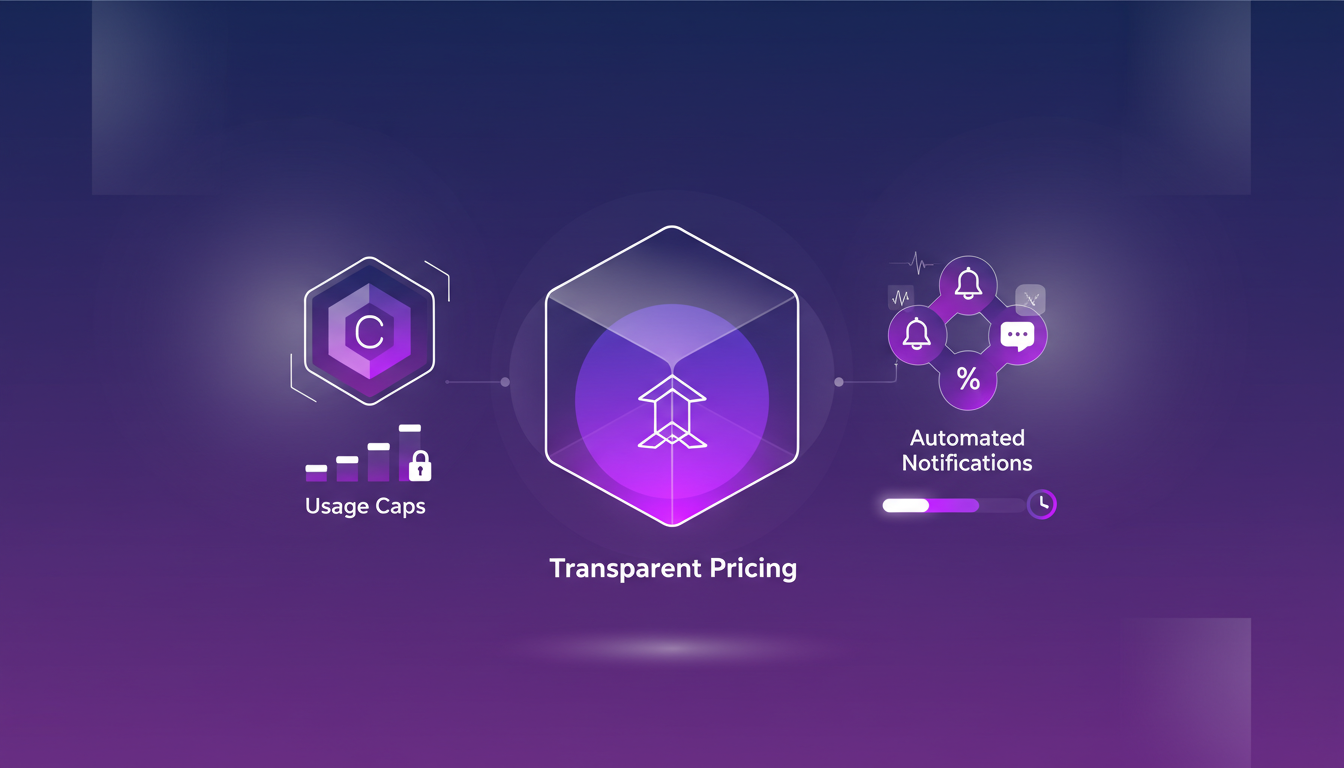
This approach can reduce churn and improve customer satisfaction. But make sure to balance transparency with operational efficiency.
- Transparency builds trust.
- Usage caps prevent unexpected costs.
- Automated notifications keep users informed.
- Reduces churn and improves satisfaction.
- Balancing transparency and efficiency is key.
Continuous Iteration and Realignment in Pricing Strategies
I can't stress enough: pricing isn't a "set-and-forget" exercise. It requires ongoing adjustments. You need to regularly realign your pricing with the value provided.

Stripe offers tools for flexible billing solutions. You must iterate your models based on customer feedback and market trends. Watch out for complacency—staying agile is crucial.
- Pricing requires ongoing adjustments.
- Regularly realign your pricing with the value provided.
- Stripe offers tools for flexible billing solutions.
- Iterate your models based on customer feedback and market trends.
- Watch out for complacency—staying agile is crucial.
So, how do you master AI pricing? For me, it starts with impeccable flexibility and transparency. I've adopted hybrid models that let me better align delivered value with pricing while maintaining client trust through clear communication. Here's what I've learned:
- AI companies are growing three times faster than traditional SaaS, but pricing often lags behind.
- 84% of AI businesses say their pricing isn't keeping pace with product rollout speed.
- Consider hybrid or outcome-based approaches to align pricing with value.
Looking forward, I see these hybrid models as real game changers, but watch out, you need to juggle unpredictable costs and the challenge of defining value. Ready to optimize your AI pricing strategy? Start by evaluating your current model and consider integrating hybrid or outcome-based approaches. For more details and concrete examples, watch the full video here: Mastering AI Pricing.
Frequently Asked Questions

Thibault Le Balier
Co-fondateur & CTO
Coming from the tech startup ecosystem, Thibault has developed expertise in AI solution architecture that he now puts at the service of large companies (Atos, BNP Paribas, beta.gouv). He works on two axes: mastering AI deployments (local LLMs, MCP security) and optimizing inference costs (offloading, compression, token management).
Related Articles
Discover more articles on similar topics
Comparing Hardware Supply Chains
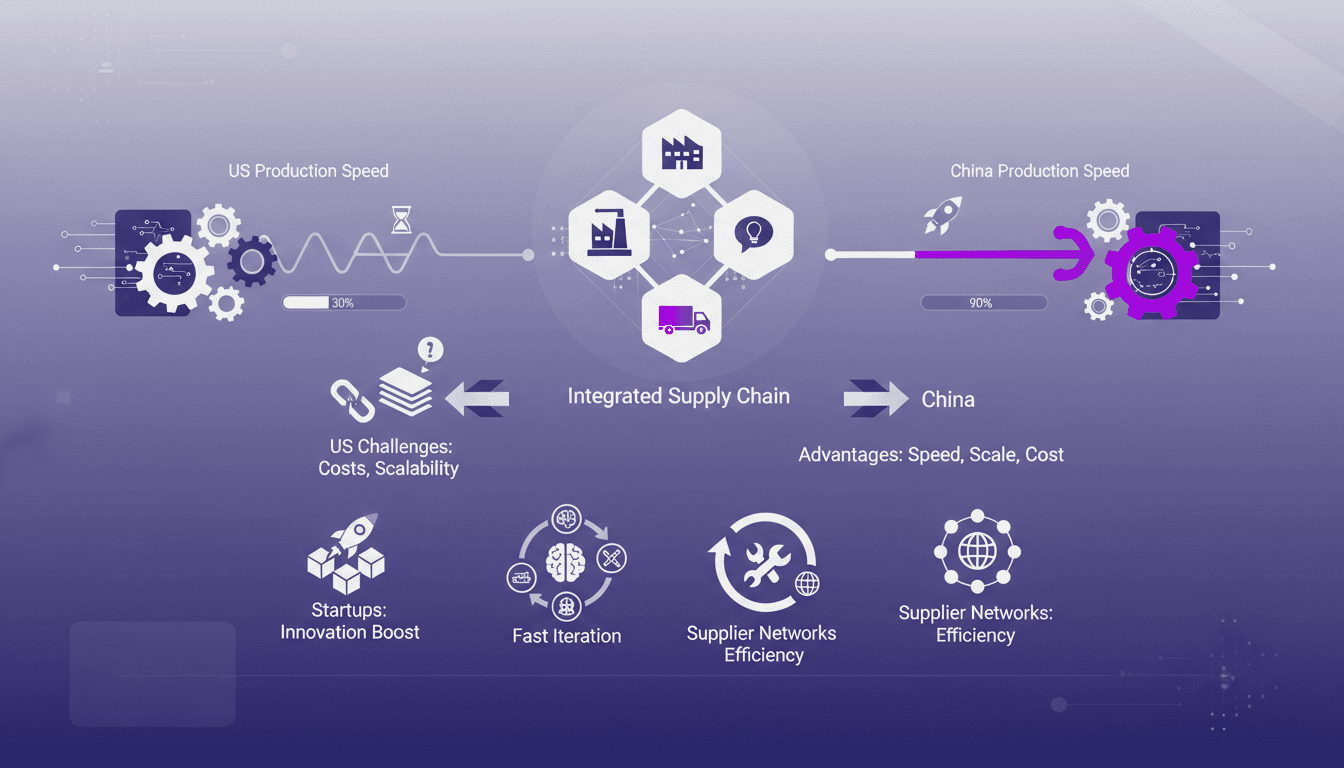
I remember the first time I tried to get a prototype made in the US. It took weeks to see the first physical part. Meanwhile, my colleagues in Shenzhen were turning around designs in a day. That's when I realized the game was different depending on where you played. In the world of hardware production, speed and efficiency are king. Comparing the US and China shows stark differences in how quickly ideas can become reality. Let's dive into what makes China's supply chain tick and how the US can catch up.

Agents on Canvas: Orchestrating in tldraw
I remember the first time I played with tldraw — I connected my React components and watched as the canvas came alive. It's not just about drawing; it's about orchestrating AI agents right there in real-time. Let's dive into how I got this setup working and what you can expect. In this journey, we'll explore AI integration, agent orchestration, and practical applications. I'll share insights from the Make Real project, AI model training challenges, and the security measures I implemented. It's all about making complex AI concepts actionable and efficient.
Delivering Quality AI Apps: A Practitioner’s Guide
I've been knee-deep in AI deployment for years, and let me tell you, delivering quality AI applications is no walk in the park. From transitioning models to production to ensuring operational rigor, I've faced—and solved—my fair share of challenges. In this article, I'll walk you through my journey with AI systems, focusing on practical workflows, the tools I rely on, and the pitfalls I've learned to avoid. We'll dive into operational rigor and scalability, transitioning AI models from development to production, and Trainline's AI travel assistant with multi-agent systems. It's a hands-on guide for anyone looking to master the complex art of shipping quality AI apps.

Selling Salam City: Steps and Challenges
In the restaurant business, I've learned that selling a place like Salam City isn't just about numbers. It's about dreams and responsibilities. This is the story of a man torn between his dream to reunite with his wife in America and his ties to his restaurant. I navigated this journey with him, weighing each step and decision. Imagine standing in his shoes: $200,000 for a dream, but also a legacy to let go. Join me in this intricate journey where every choice matters.
Recursion in AI: Transforming Models
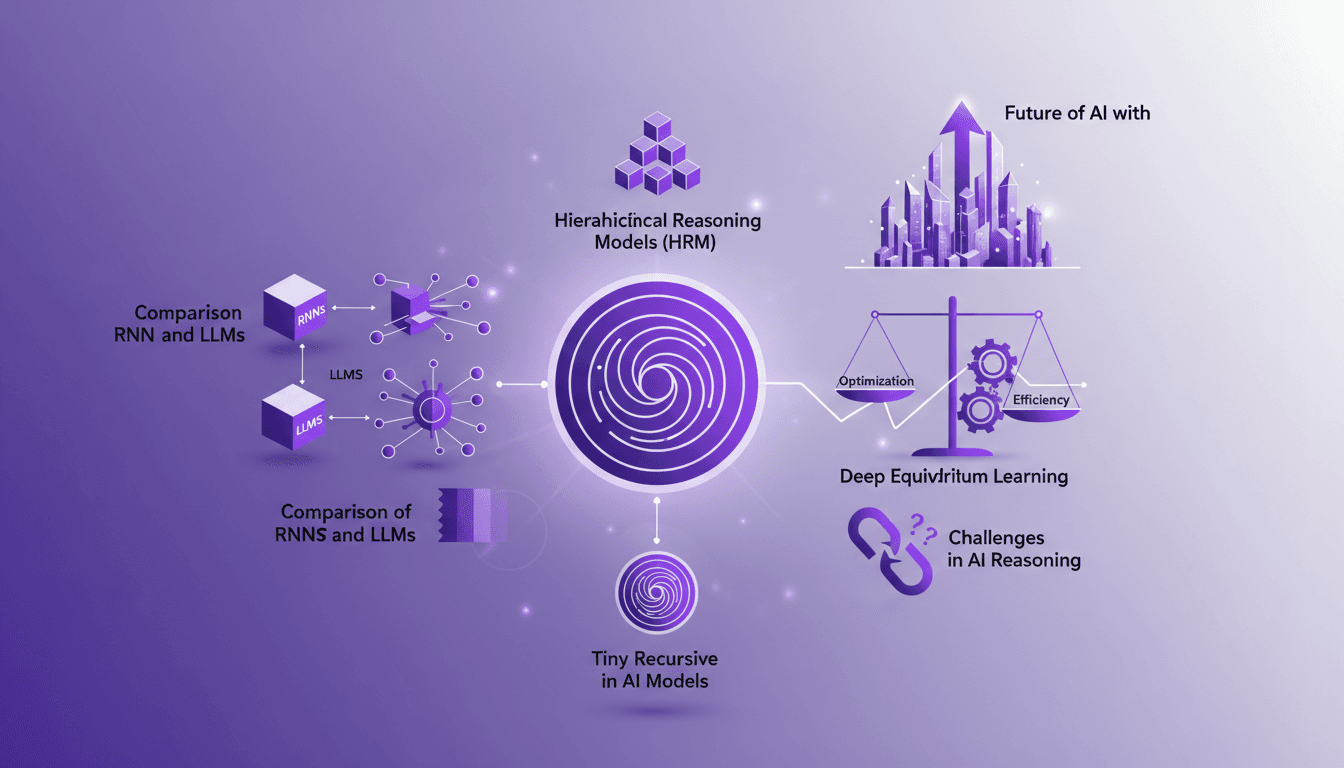
I've spent countless hours tweaking AI models, and let me tell you, recursion is the game changer we've been waiting for. Forget the race for more parameters; now it's about intelligence. While traditional models hit scaling walls, recursion offers a fresh perspective. We're diving into how it could redefine AI efficiency and capability. We'll discuss hierarchical reasoning models, tiny recursive models, deep equilibrium learning, and the challenges of optimization. If you've ever been frustrated by scalability limits, you're going to love this new paradigm.