Limbic System: Unveiling Emotional Decision-Making
I used to think my decisions were all about logic until I dug into the brain's wiring. Turns out, our emotions often take the wheel, thanks to the limbic system. This isn't just theory—it's practical stuff you can apply today. I'll show you how the limbic system and the neocortex duke it out to influence our choices. Let's untangle what's really going on in our heads. It's a real game changer for how we approach both personal and professional decisions.
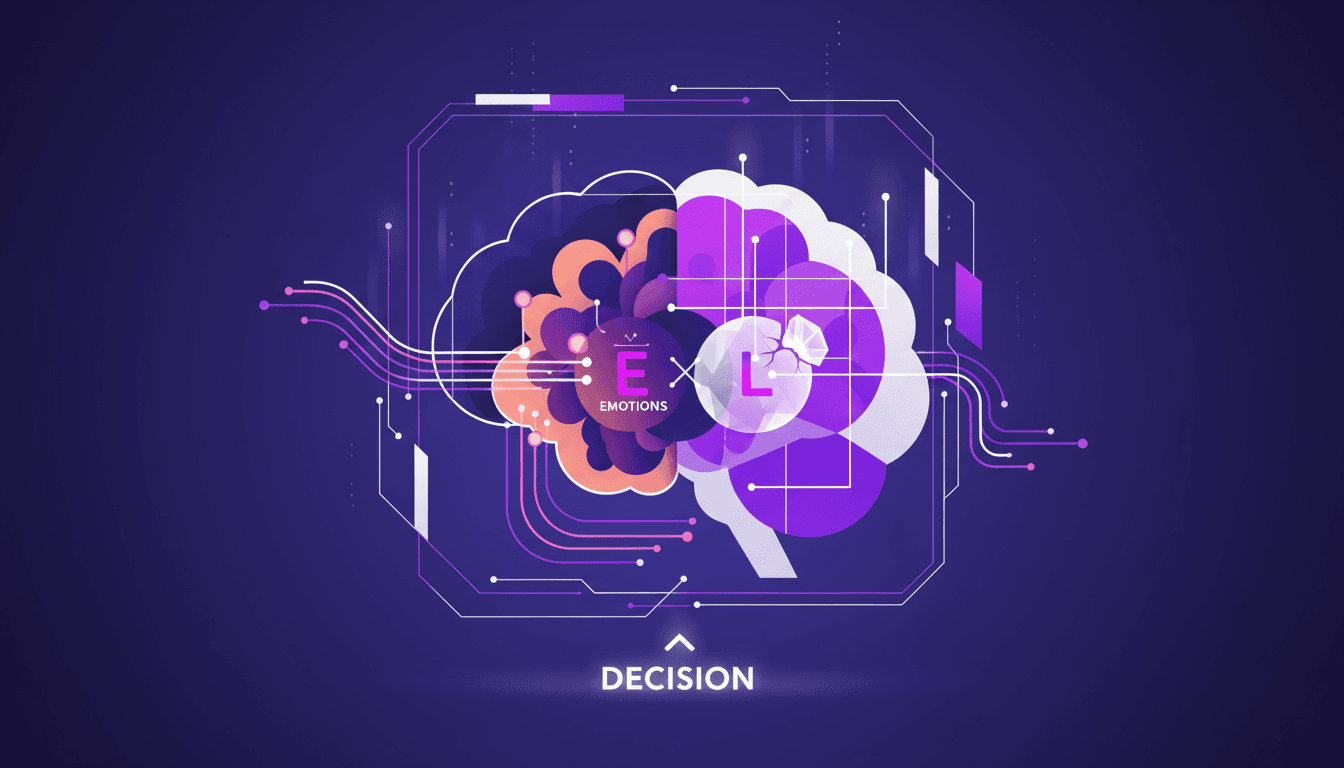
A few years back, I thought my decisions were all logic-driven. Then, I dove into the brain's inner workings and, surprise: emotions, via the limbic system, often take the wheel. This isn't just about some obscure science—it's something tangible I've applied in my daily life. When I connect the role of the limbic system with the neocortex, I start to see how these two drive our choices. Imagine, it's like logic is just icing on the dirt! We're going to dig into what's really happening in our heads, and I promise it will change how you approach decisions, whether at work or in your personal life. And what if I told you that understanding this can transform your everyday life? Let's dive in!
Understanding the Limbic System
I dive into the limbic system, the true emotional powerhouse of the brain. This is where it all starts. The limbic system is responsible for processing our emotions, but it's not just about feeling — it profoundly influences our decisions. Think about those moments when you react before you even think. That's the limbic system in action, activating our survival instincts. Picture yourself about to cross the street, and suddenly a car appears — your body reacts before your rational brain has time to process the information.
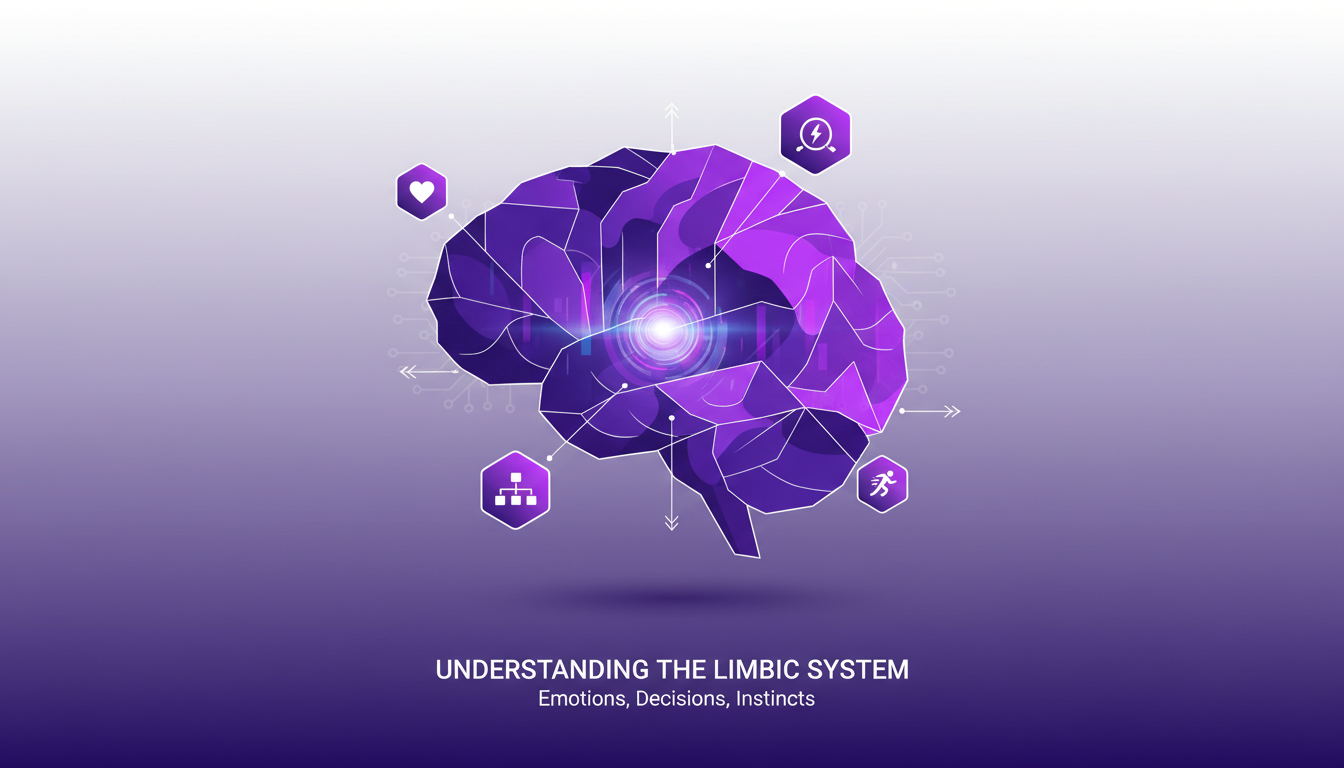
But watch out, this same system can sometimes hijack us. It can short-circuit our logical thinking, pushing us to impulsive decisions. It's like the limbic system takes control before we have a chance to weigh the pros and cons. This complex interaction between emotion and logic is at the heart of our decision-making process.
"The limbic system processes emotions and directly influences our decisions."
The Neocortex: Logic and Expansion
Next, let's talk about the neocortex, this outer layer that wraps around the limbic system. This is where the magic of rational thought and planning takes place. The neocortex is the part of the brain that analyzes, reasons, and plans. But in reality, it does not operate in isolation. It is in constant interaction with the limbic system, trying to rationalize our emotions. This is where things get interesting.
In my experience, the neocortex is a powerful ally, but it has its limits. Sometimes, even with all the facts in front of us, logic doesn't always win. It's the struggle between what we feel and what we know. For example, in a real estate transaction, even if all the numbers say "buy," a gut feeling or emotion can make us hesitate.
Emotions Justifying Logic
I've often observed that our emotions seek to justify logic after the fact. Take a few real-world examples where seemingly logical decisions were heavily influenced by underlying emotions. For instance, buying a sports car because it "looks good." The brain then constructs a logical narrative to justify this impulsive purchase.
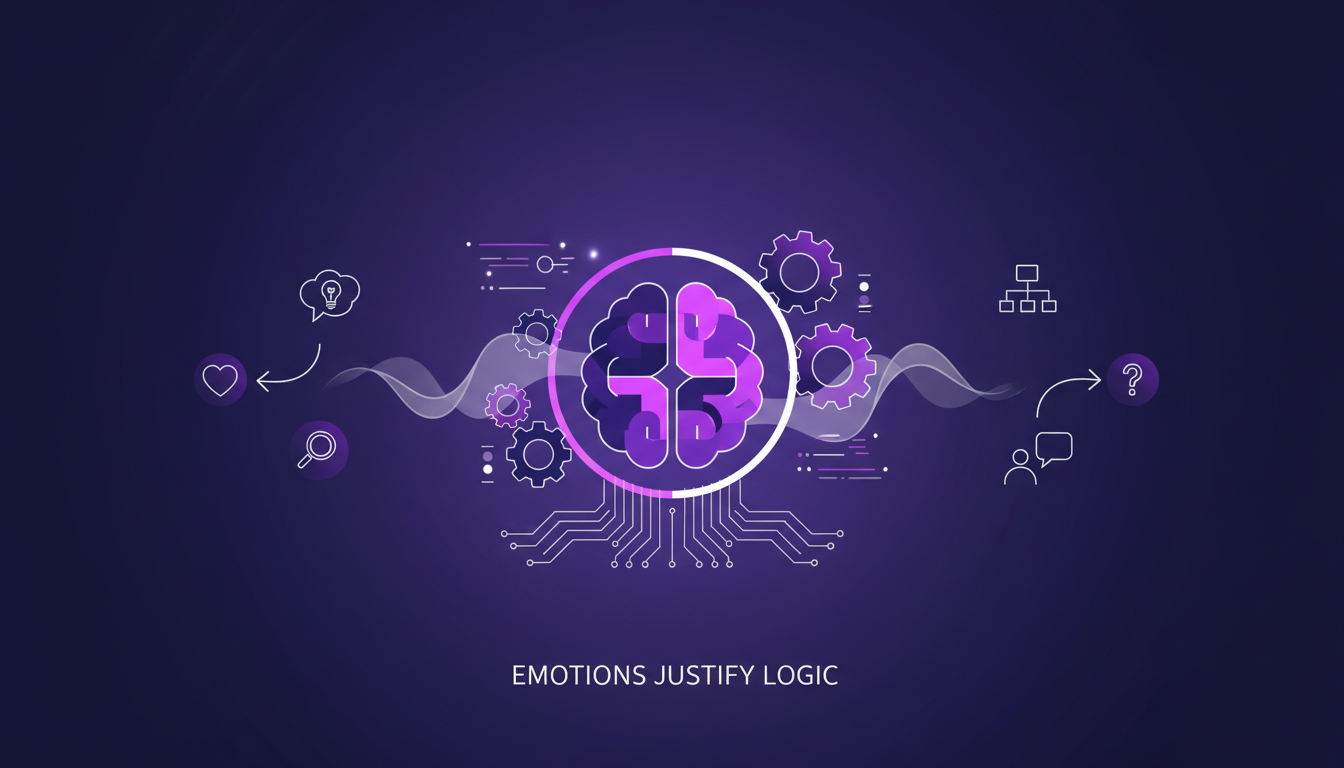
It's a common trap: we tend to build stories that make our emotional choices seem reasonable. However, be warned, relying too heavily on these emotional justifications can lead us to poorly grounded decisions.
The Metaphor: Logic as Icing on Dirt
Finally, let's use this metaphor: logic as icing on dirt. Imagine making a decision based solely on superficial logic without considering deeper emotions. This icing can mask deeper emotional drivers, but it doesn't eliminate them. In a business context, this can lead to decisions that seem correct on the surface but lack a solid foundation.
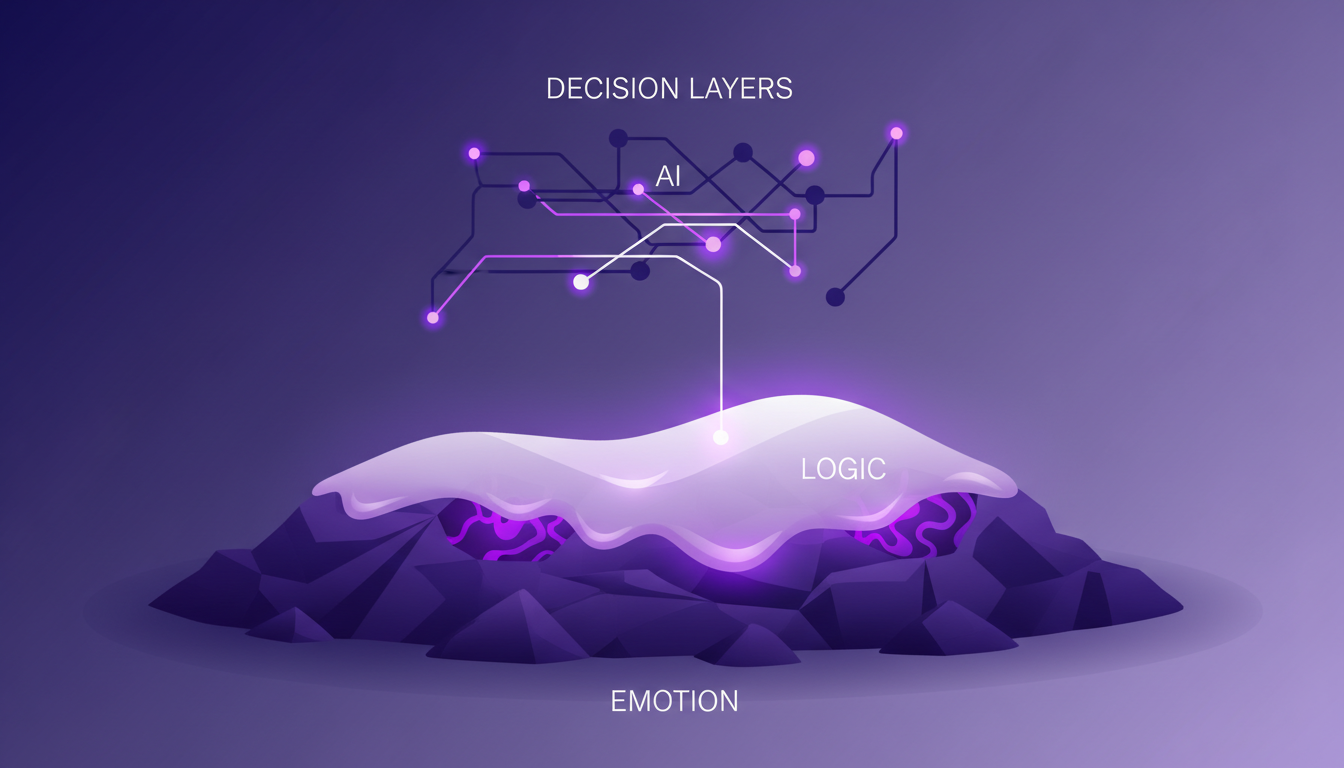
However, there are moments when logic must prevail, especially when it comes to critical decisions that require in-depth analysis. This is where the metaphor breaks down, and where true rational analysis is indispensable.
- Understand the role of emotions in decision-making.
- Use logic to complement, not mask, emotional instincts.
- Know when to rely on logic for critical decisions.
When I connect the dots between the limbic system and the neocortex, I see how our decision-making is a balance between emotion and logic. First, I realized the limbic system processes emotions at lightning speed, but that's not all. Then, there's this interaction with the neocortex that refines our rational choices. I understand now that every decision is a leadership play between these two structures. Don't be fooled into thinking only logic or emotion runs the show. It's this dance between the two that's the real driver. Next time you're at a crossroads, remember: your brain's wiring is a tool. Use it to navigate decisions with clarity and purpose. To truly grasp how this impacts your daily life, I encourage you to watch the full video. Trust me, it's a game changer, but watch out for oversimplification traps. [Video link: https://www.youtube.com/watch?v=p9w6r57hsS0]
Frequently Asked Questions

Thibault Le Balier
Co-fondateur & CTO
Coming from the tech startup ecosystem, Thibault has developed expertise in AI solution architecture that he now puts at the service of large companies (Atos, BNP Paribas, beta.gouv). He works on two axes: mastering AI deployments (local LLMs, MCP security) and optimizing inference costs (offloading, compression, token management).
Related Articles
Discover more articles on similar topics
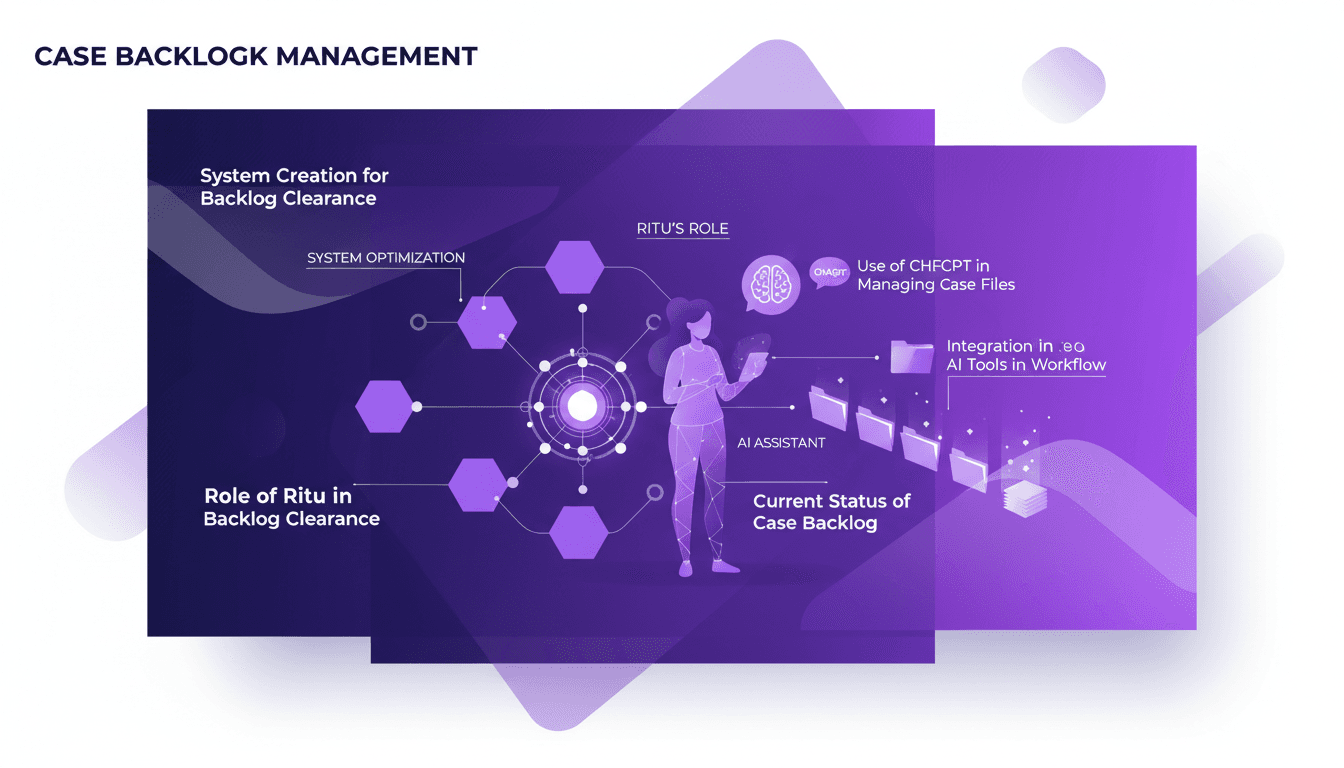
Mastering Case Files with ChatGPT: Efficient Workflow
I've been in the trenches of backlog management, and hitting that zero backlog is a game changer. Using ChatGPT, I built a system that flipped my workflow on its head. First, I integrated Ritu to optimize file processing, then connected ChatGPT to automate and speed things up. The result? Zero backlog and skyrocketed efficiency. But watch out, orchestrating your tools properly is key to avoiding performance pitfalls. If you're looking to master your case files, this one's for you.
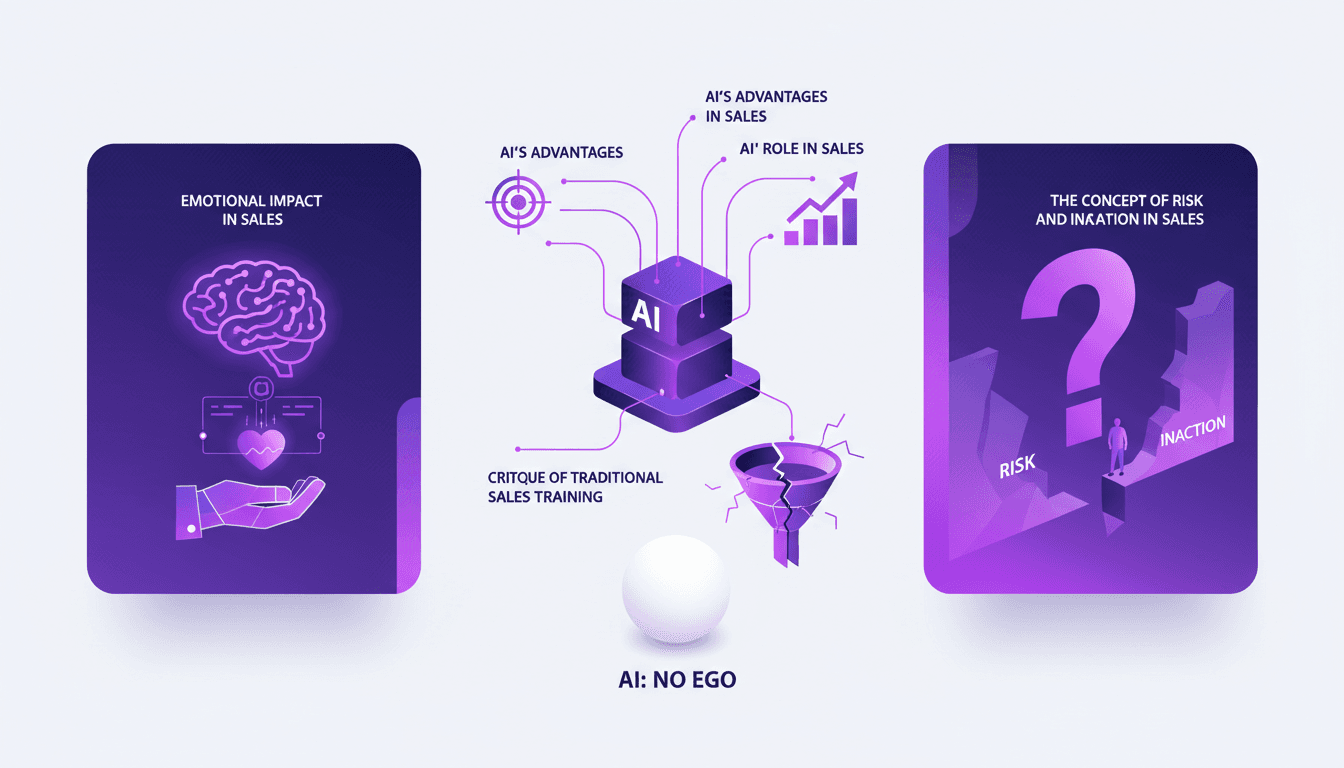
Building an AI Closer: Sales Revolution
I spent six months knee-deep in code building an AI Closer, and believe me, it's a game changer. We're not just talking tech here; it's about completely redefining how we approach sales. Traditional sales training has been stuck in the same gear for a century, unable to evolve. With AI, we aren't just automating tasks; we're fundamentally transforming the emotional landscape of sales. Say goodbye to ego and hello to a more efficient, emotionally intelligent approach. This new era of sales could shake up established norms, and if you don't move forward, you might just get left behind.
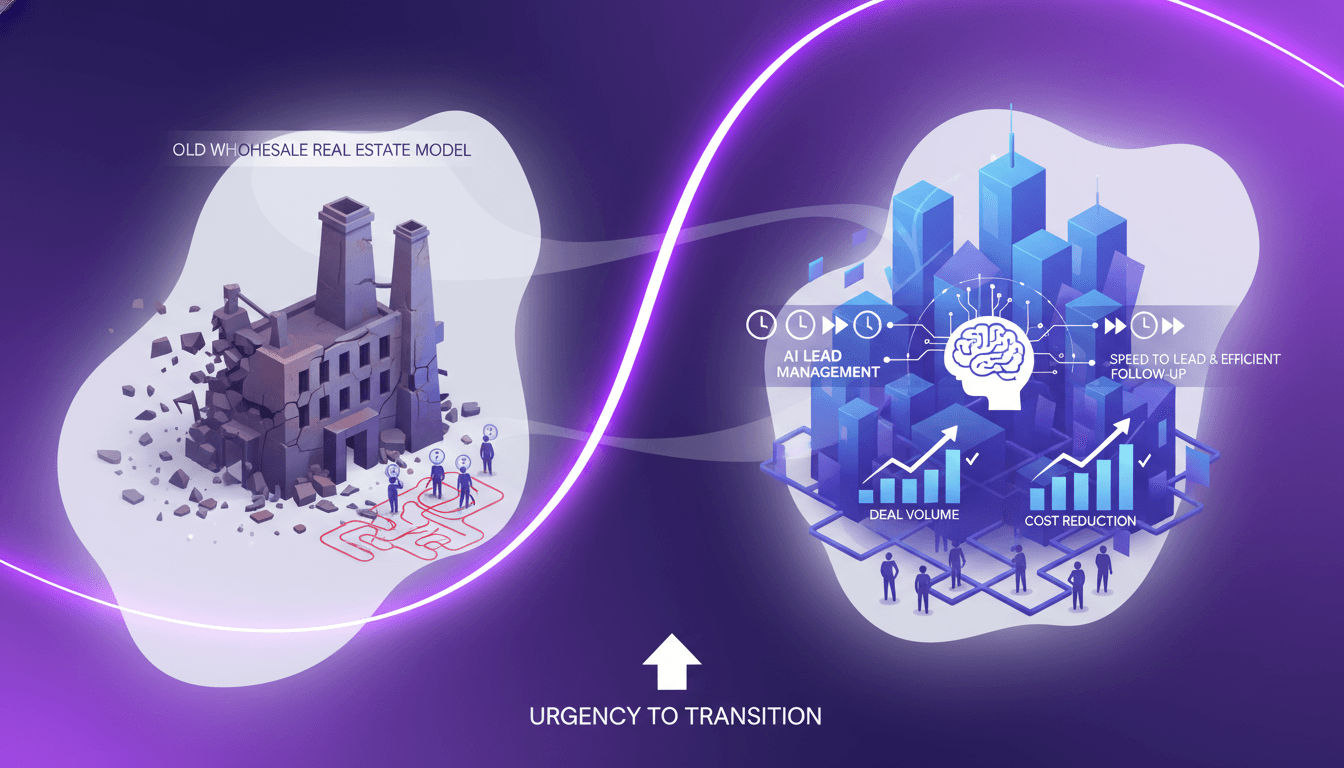
Old Real Estate Model Dead: Adapt or Fail
I've been in the trenches of wholesale real estate long enough to see the old model crumble. The game has changed, and if you're not adapting, you're already losing ground. I've worked with over 200 investors, and the shift is undeniable. In this article, I'll walk you through why the traditional model is obsolete, how AI is reshaping our approach, and why speed to lead isn't just a buzzword—it's a lifeline. We'll compare old and new operating models, delve into challenges faced by those stuck in the past, and highlight the tangible benefits of the new paradigm. The urgency of transitioning is real, especially when AI cuts costs and boosts deal volume. If one of our clients is paying $30 per lead and keeps their cost per contract under $1,000, it's clear there's a significant shift to be made.
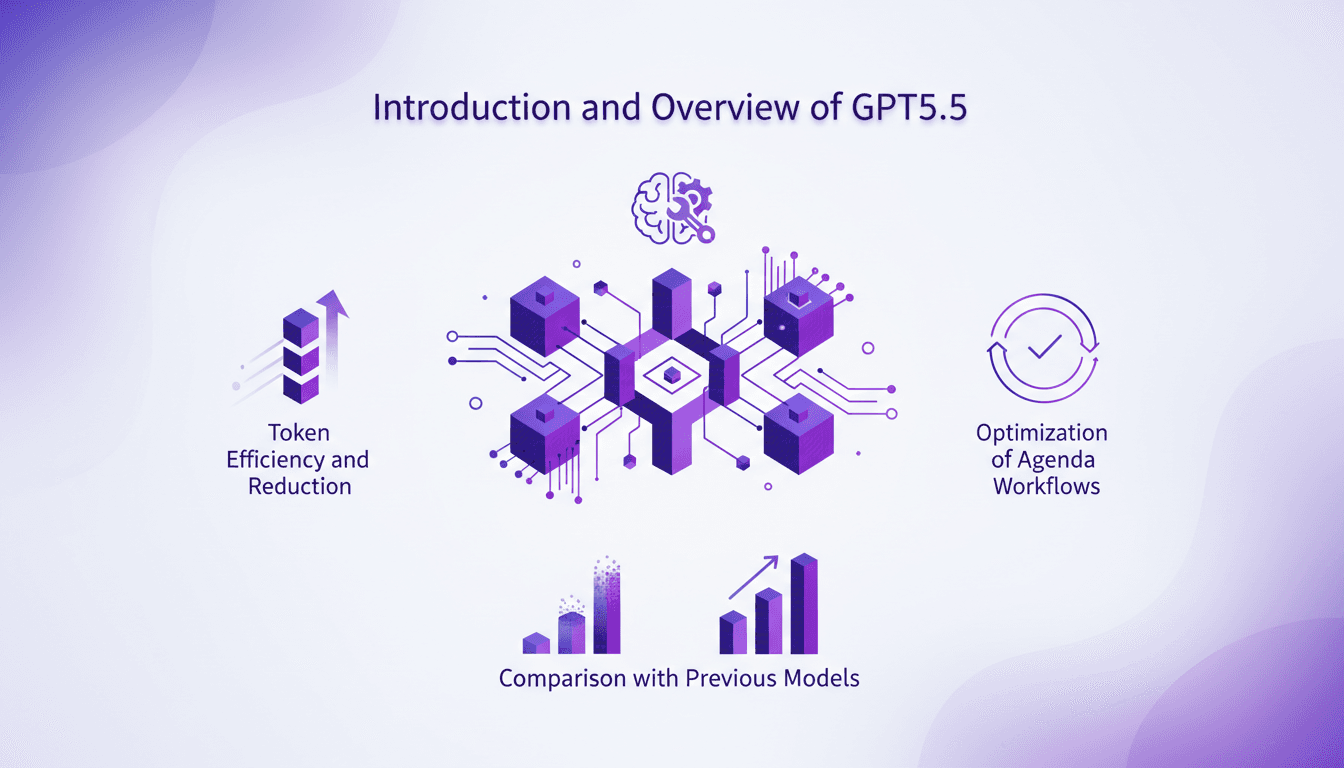
Introducing GPT5.5: Efficiency and Tools
I remember vividly the first time I integrated GPT5.5 into my workflow. It wasn't just an upgrade; it was a complete game changer. This model reshaped my daily operations, from token efficiency to building internal tools. With GPT5.5, I managed to cut down token usage by 56%, significantly impacting costs and execution speed. I even built an internal tool in just one hour, a personal record. Let's dive into the practical applications of GPT5.5 and see how it optimized my workflows compared to previous models. Get ready to discover the benefits of this new AI generation.
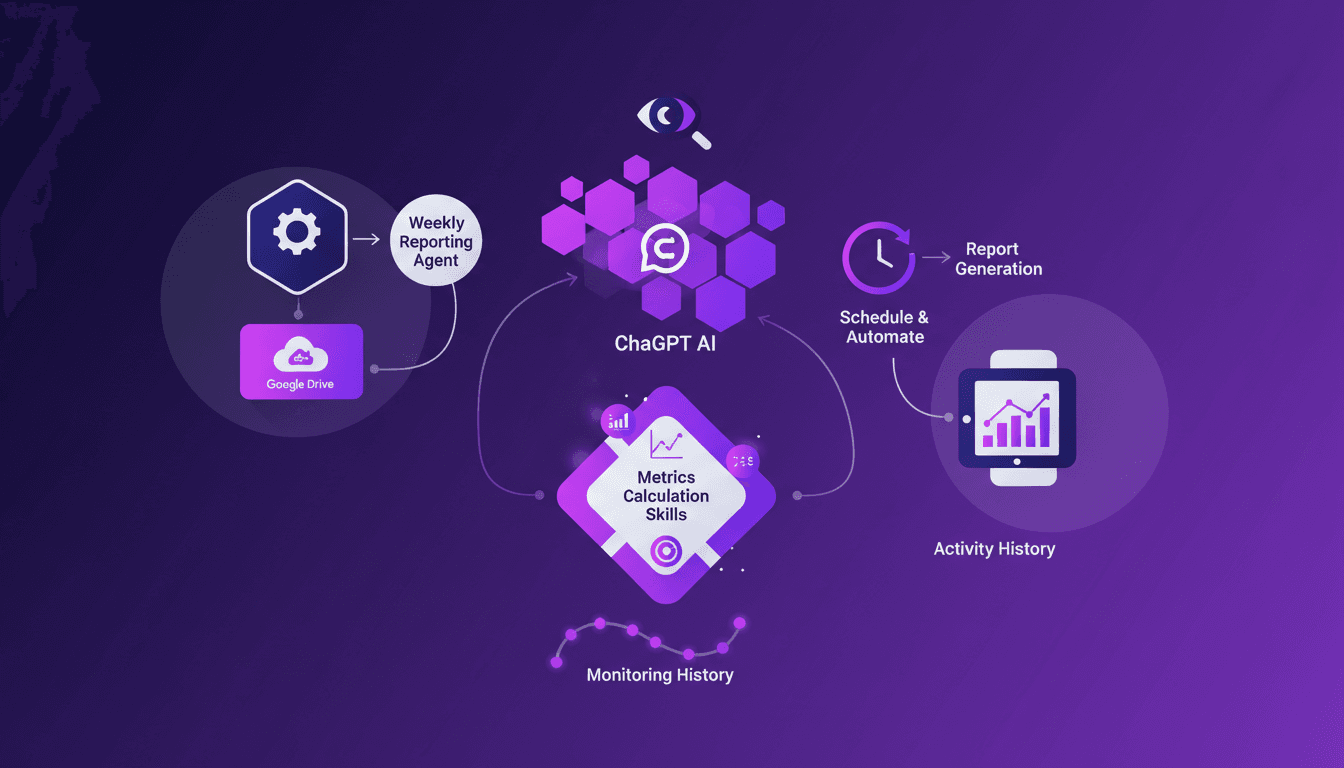
Set Up Weekly Reporting Agent in ChatGPT
Does your Friday feel like a battle with spreadsheets trying to gather weekly metrics? I was in the same situation until I built a ChatGPT agent to handle it. In this article, I'll walk you through automating your weekly reports by leveraging Google Drive and smart AI integration. Setting up a reporting agent involves first connecting your data, orchestrating its processing with ChatGPT, and finally automating everything so that every Friday, your report is ready without lifting a finger. Plus, I'll share how I monitor the agent's activities to ensure everything runs smoothly. When efficiency meets innovation, results align. Don't let numbers overwhelm you; optimize your workflow!