Deep Agents with LangChain: Introduction
I've spent countless hours in the trenches of AI development, wrestling with deep agents. When I first encountered LangChain, it felt like stumbling upon a goldmine. Imagine launching two sub-agents in parallel to supercharge efficiency. Let me walk you through how I optimize and debug these complex systems, leveraging tools like Langmith Fetch and Paulie. Deep agents are the backbone of advanced AI systems, yet they come with their own set of challenges. From evaluation to debugging, each step demands precision and the right set of tools.
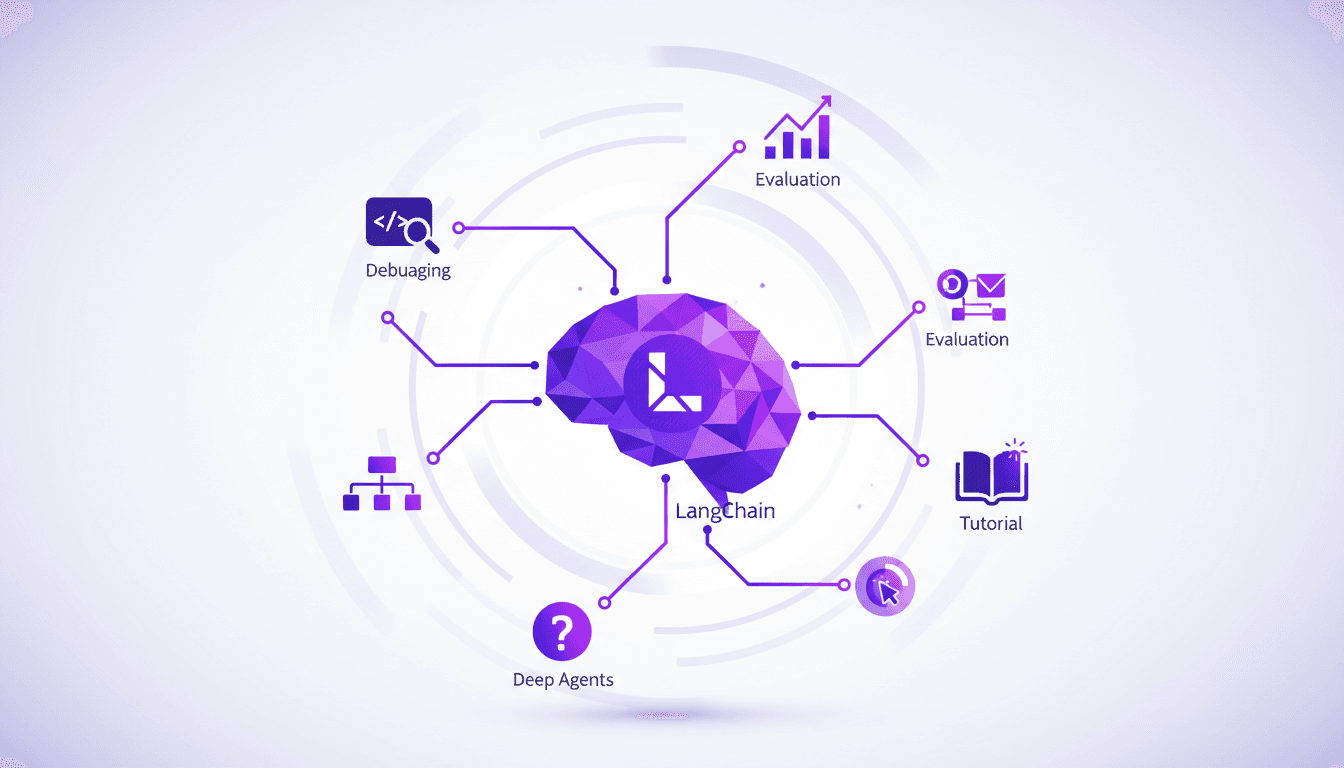
I've found myself time and again in the trenches with deep agents—those powerful but sometimes finicky entities at the heart of advanced AI systems. The first time I got my hands on LangChain, it felt like striking gold. Right from the start, I configure my agents, test them, and yes, I've gotten burned thinking everything was perfect. But with tools like Langmith Fetch and Paulie, I can truly dig into the gears of these systems and optimize each sub-agent. For instance, launching two sub-agents in parallel can transform your results, but watch out for the pitfalls: too much parallelization and you lose precision. In this webinar, I'll walk you through how I evaluate and debug these deep agents. We’ll explore together how to customize and test these agents to achieve 100% accuracy on those critical small blur sets. Get ready to dive into the nitty-gritty, where every minute counts and every technical choice has a direct impact.
Understanding Deep Agents
Deep agents are complex AI systems designed to perform intricate tasks autonomously over extended periods. What sets them apart from simpler LLM applications is their ability to handle states, produce complex outputs, and require bespoke testing logic. At the heart of this orchestration is LangChain, offering a robust framework for managing these agents.
First, I dive into the architecture and core functionalities. Deep agents, like Claude Code, are equipped with file systems and utilize sub-agents for specific tasks. But watch out, precise tuning is crucial, and this is where LangChain comes into play to orchestrate the whole.
Evaluating and Debugging: The Real Challenge
Evaluating a deep agent requires 100% accuracy in critical areas. The difference from simpler LLM applications lies in the complexity of outputs and the need for custom testing logic. The real work begins with debugging, and this is where tools like Langmith Fetch become lifesavers.
I often run into issues with sub-agent coordination, especially when I needed to launch two sub-agents in parallel. This was a significant challenge, but by using Fetch, I could visualize the agent processes and identify bottlenecks. Langmith Fetch simplifies debugging by allowing bulk export of traces for local inspection.
Tools for Deep Agent Development
For effective debugging, Paulie and Langmith Fetch are indispensable. Paulie is an AI assistant that aids in agent engineering through chat-based interactions, while Fetch allows in-depth inspection of traces. I set up these tools for optimal performance following a systematic approach.
Watch out for over-reliance on automated debugging, as it can miss certain nuances. I've learned to test sub-agent interactions thoroughly before deployment to avoid synchronization issues.
Parallel Execution and Sub-agents
Running sub-agents in parallel can save time but requires careful orchestration. I've learned the hard way that synchronization issues can derail processes. Once, while trying to synchronize two sub-agents, I ended up with inconsistent results.
LangChain supports efficient parallel execution, significantly reducing processing time. However, it's crucial to test sub-agent interactions before deploying a project in real conditions.
Customizing and Testing Deep Agents
Customization is key to meeting specific project needs. Testing should be iterative: small changes, frequent evaluations. Prompt optimization can drastically improve agent performance.
I wrap up by sharing a workflow for ongoing testing and refinement. By integrating tools like Langmith Fetch and Paulie, I've been able to fine-tune my agents' behavior and significantly enhance their efficiency.
- 100% accuracy is needed in critical areas.
- Two sub-agents in parallel can save time, but require precise orchestration.
- 10 minutes is enough for an initial presentation of thoughts.
- Paulie and Fetch are indispensable tools for debugging.
- Prompt optimization is crucial for enhancing performance.
Navigating the world of deep agents is like piecing together a complex puzzle, but with the right tools, it becomes much smoother. By leveraging LangChain and its associated tools, I've really optimized development and debugging processes. Here are some key takeaways:
- 100% Accuracy: Focus on critical areas where you can't afford mistakes.
- Parallel Execution: Launch two sub-agents in parallel to boost efficiency.
- 10-minute Drill: Get your initial thoughts out quickly to stay agile.
Looking ahead, integrating tools like LangChain could really be a game changer for your AI projects. But remember, customization and iterative testing are your best friends to avoid pitfalls.
Ready to dive deeper? I encourage you to start experimenting with LangChain today. And for a deeper understanding, check out the full video 'Observing & Evaluating Deep Agents Webinar with LangChain'. You won't regret it. Find the link here: [https://www.youtube.com/watch?v=6mJkn3u1bas].
Frequently Asked Questions

Thibault Le Balier
Co-fondateur & CTO
Coming from the tech startup ecosystem, Thibault has developed expertise in AI solution architecture that he now puts at the service of large companies (Atos, BNP Paribas, beta.gouv). He works on two axes: mastering AI deployments (local LLMs, MCP security) and optimizing inference costs (offloading, compression, token management).
Related Articles
Discover more articles on similar topics
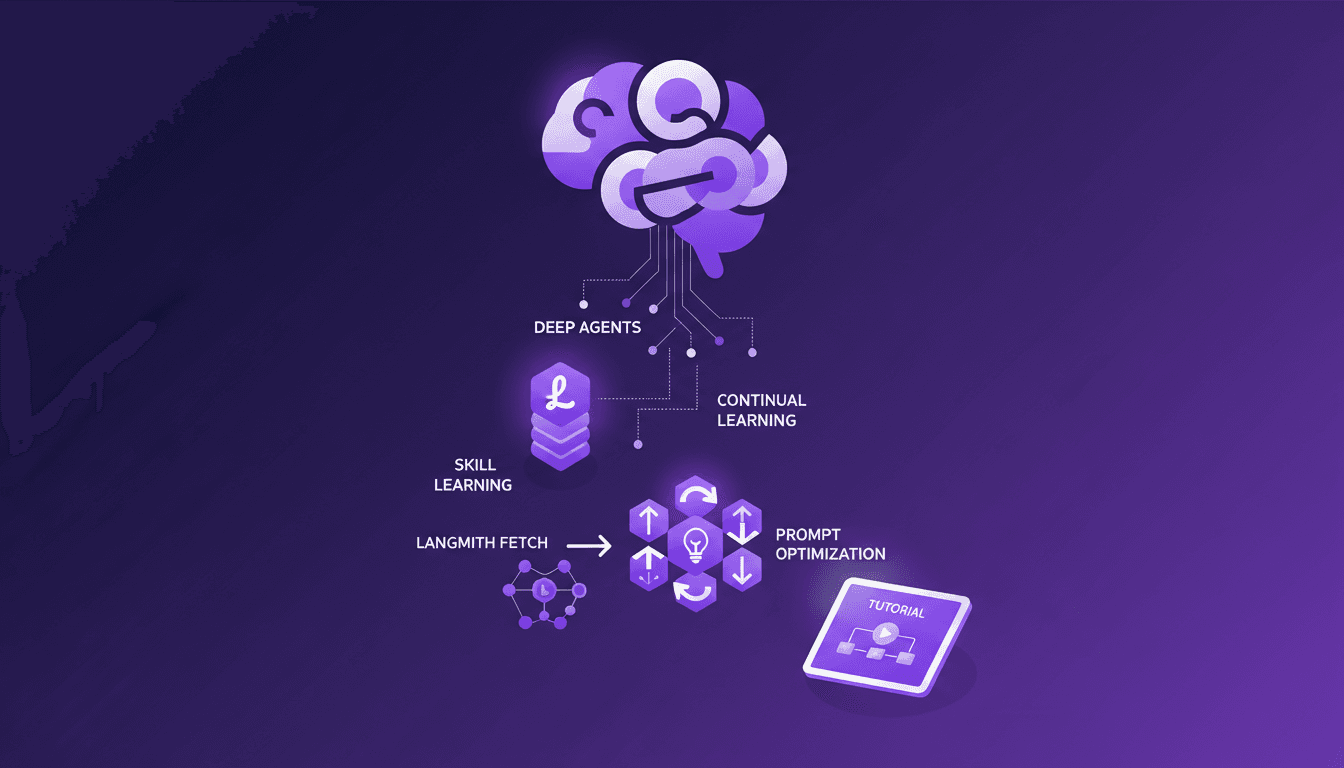
Continual Learning with Deep Agents: My Workflow
I jumped into continual learning with deep agents, and let me tell you, it’s a game changer for skill creation. But watch out, it's not without its quirks. I navigated the process using weight updates, reflections, and the Deep Agent CLI. These tools allowed me to optimize skill learning efficiently. In this article, I share how I orchestrated the use of deep agents to create persistent skills while avoiding common pitfalls. If you're ready to dive into continual learning, follow my detailed workflow so you don't get burned like I did initially.
LangChain Academy: Start with LangChain
I dove into LangChain Academy's new course to see if it could really streamline my AI agent projects. Spoiler: it did, but not without some head-scratching moments. LangChain is all about building autonomous agents efficiently. This course promises to take you from zero to hero with practical projects and real-world applications. You'll learn to create agents, customize them with middleware, and explore real-world applications. For anyone looking to automate intelligently, it's a game changer, but watch out for context limits and avoid getting lost in module configurations.
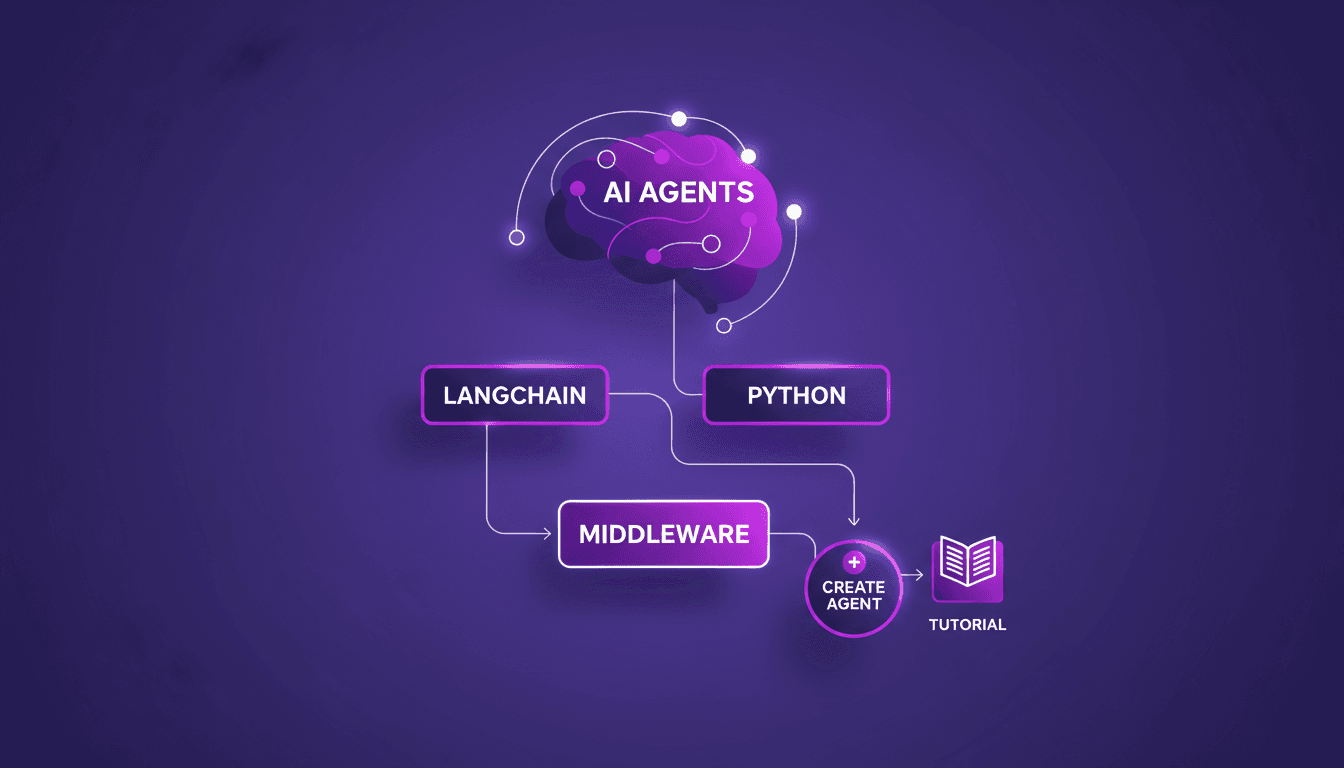
Introduction to LangChain: AI Agents in Python
Imagine a world where AI agents handle your daily tasks effortlessly. Welcome to LangChain, a powerful tool in Python that makes this a reality. LangChain is changing how developers craft AI agents. Explore the new LangChain Academy course, designed to arm you with the skills to build sophisticated AI systems. Learn to create customized agents with the 'create agent' abstraction and refine their behavior with middleware. This course guides you through practical modules and projects to master this groundbreaking technology. Don't miss the chance to revolutionize how you interact with AI!
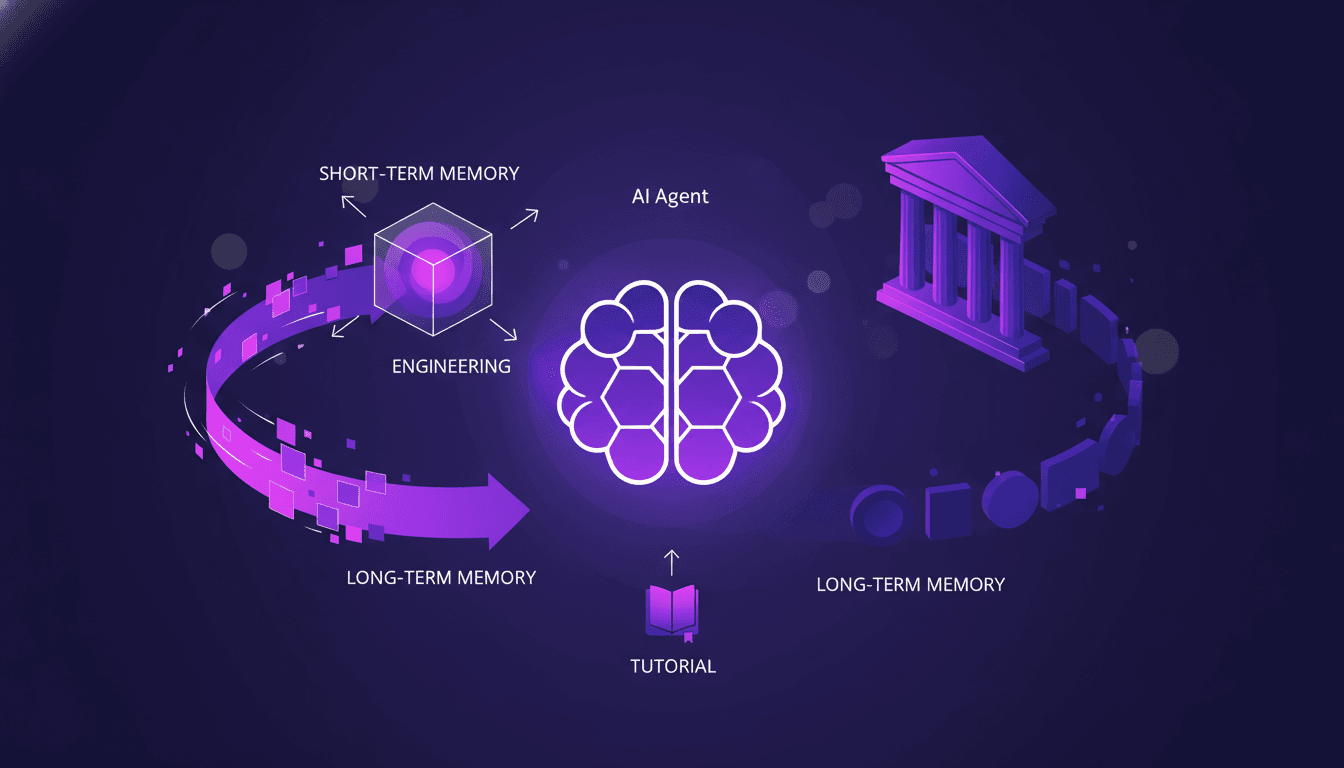
Optimizing AI Agent Memory: Advanced Techniques
I've been in the trenches with AI agents, wrestling with memory patterns that can literally make or break your setup. First, let's dive into what Agent Memory Patterns really mean and why they're crucial. In advanced AI systems, managing memory and context is not just about storing data—it's about optimizing how that data is used. This article explores the techniques and challenges in context management, drawing from real-world applications. We delve into the differences between short-term and long-term memory, potential pitfalls, and techniques for efficient context management. You'll see, two members of our solution architecture team have really dug into this, and their insights could be a game changer for your next project.
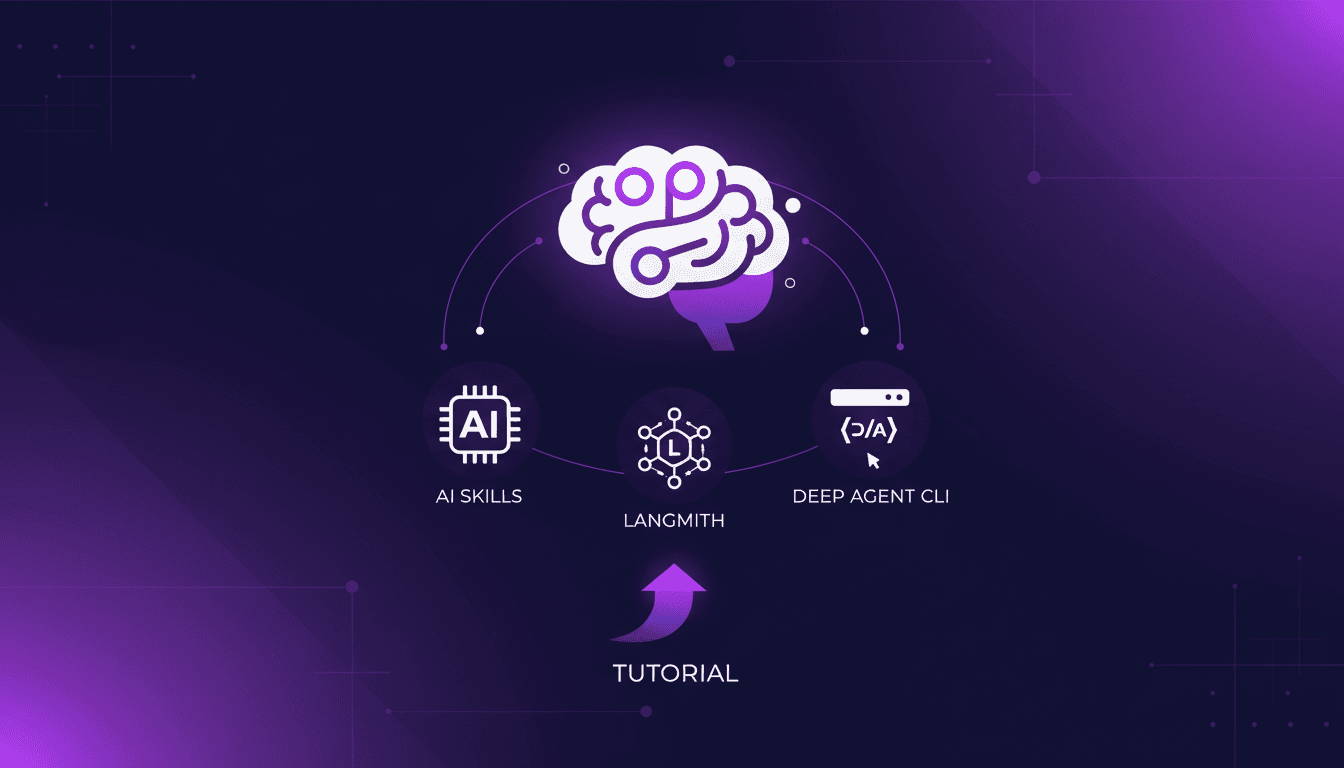
Continual Learning with Deepagents: A Complete Guide
Imagine an AI that learns like a human, continuously refining its skills. Welcome to the world of Deepagents. In the rapidly evolving AI landscape, continual learning is a game-changer. Deepagents harness this power by optimizing skills with advanced techniques. Discover how these intelligent agents use weight updates to adapt and improve. They reflect on their trajectories, creating new skills while always seeking optimization. Dive into the Langmith Fetch Utility and Deep Agent CLI. This complete guide will take you through mastering these powerful tools for an unparalleled learning experience.