LangChain Academy: Start with LangChain
I dove into LangChain Academy's new course to see if it could really streamline my AI agent projects. Spoiler: it did, but not without some head-scratching moments. LangChain is all about building autonomous agents efficiently. This course promises to take you from zero to hero with practical projects and real-world applications. You'll learn to create agents, customize them with middleware, and explore real-world applications. For anyone looking to automate intelligently, it's a game changer, but watch out for context limits and avoid getting lost in module configurations.
I dove into LangChain Academy's new course to see if it could really streamline my AI agent projects. Spoiler: it did, but not without some head-scratching moments. LangChain is all about efficiently building autonomous agents with real business impact. The course walks us through a series of modules starting with the basics: creating our first agents and learning about their abstraction. Then, we dive into customization using middleware to tailor agents to the specific needs of our projects. But be careful, managing context limits and not getting overwhelmed by module complexity is key. Ultimately, if you're looking to automate processes intelligently, this course is a real asset. Just don't underestimate the time needed to fully grasp the subtleties.
Getting Started with LangChain Academy
I enrolled in the LangChain Academy course expecting a steep learning curve. Right off the bat, you're immersed in the world of autonomous AI agents. First, I took the time to get familiar with the platform's interface and resources. No drowning in theory here—LangChain focuses on practical implementation. It's hands-on, with immediate application. You'll learn to build agents that don't just respond but act, plan, and make decisions autonomously.
Key Points for Getting Started:
- Explore the LangChain interface and resources.
- Expect to dive into practical work quickly.
- Get ready to build autonomous agents from the first module.
Building Autonomous AI Agents
LangChain simplifies the process of creating autonomous agents, which is a real relief. I learned to use the Create Agent abstraction to streamline workflows. But watch out, managing multiple agents simultaneously can become complex. The course emphasizes efficiency and orchestration in agent development, which is crucial to avoid process bottlenecks.
Tips for Creating Agents:
- Use the Create Agent abstraction to simplify workflows.
- Keep an eye on managing multiple agents at once.
- Focus on efficiency and orchestration.
Understanding LangChain's Create Agent Abstraction
The Create Agent abstraction is a game changer for efficiency. I set up my first agent using this abstraction, saving hours of coding. However, don't over-rely on it. This abstraction has its limits, and balancing customization with pre-built solutions is key. Maintaining this balance is crucial to maximizing efficiency without losing flexibility.
Key Points on the Abstraction:
- The Create Agent abstraction saves time.
- Don't overuse this abstraction to avoid limitations.
- Balance customization and pre-built solutions.
Middleware for Advanced Agent Customization
Middleware is the perfect tool for deep customization of AI agents. I integrated middleware to fine-tune agent behaviors. But be careful, this requires careful orchestration to avoid performance hits. Middleware can be a double-edged sword, so use it wisely.
Tips for Using Middleware:
- Use middleware for advanced customization.
- Orchestrate carefully to avoid performance losses.
- Avoid overloading your agents with too much middleware.
Practical Applications and Final Projects
The course wraps up with real-world applications and projects. I applied what I learned to a project that improved business operations. Final projects test your understanding and ability to innovate. If these agents are implemented correctly, their practical impact can be significant.
Key Points for Final Projects:
- Apply knowledge to real-world projects.
- Test your understanding with final projects.
- Aim for a significant practical impact.
With LangChain Academy's course, I dove headfirst into building autonomous AI agents. You start with a solid introduction and then deep-dive into LangChain's Create Agent abstraction. But watch out for trade-offs: if you're not careful, your agents might end up hogging resources.
- Build practical AI agents: LangChain makes agent creation way more accessible.
- Concrete modules and projects: The course modules are directly applicable, letting you get hands-on experience.
- Understand the limits: Keep an eye on resource usage and adjust as needed.
I'm genuinely excited about how this can transform my daily workflows. If you're ready to dive into the world of AI agents, I highly recommend jumping into LangChain Academy's course.
For a deeper dive, check out the full video: LangChain Academy New Course: Introduction to LangChain - Python. It's a real game-changer, but approach it with eyes wide open.
Frequently Asked Questions

Thibault Le Balier
Co-fondateur & CTO
Coming from the tech startup ecosystem, Thibault has developed expertise in AI solution architecture that he now puts at the service of large companies (Atos, BNP Paribas, beta.gouv). He works on two axes: mastering AI deployments (local LLMs, MCP security) and optimizing inference costs (offloading, compression, token management).
Related Articles
Discover more articles on similar topics
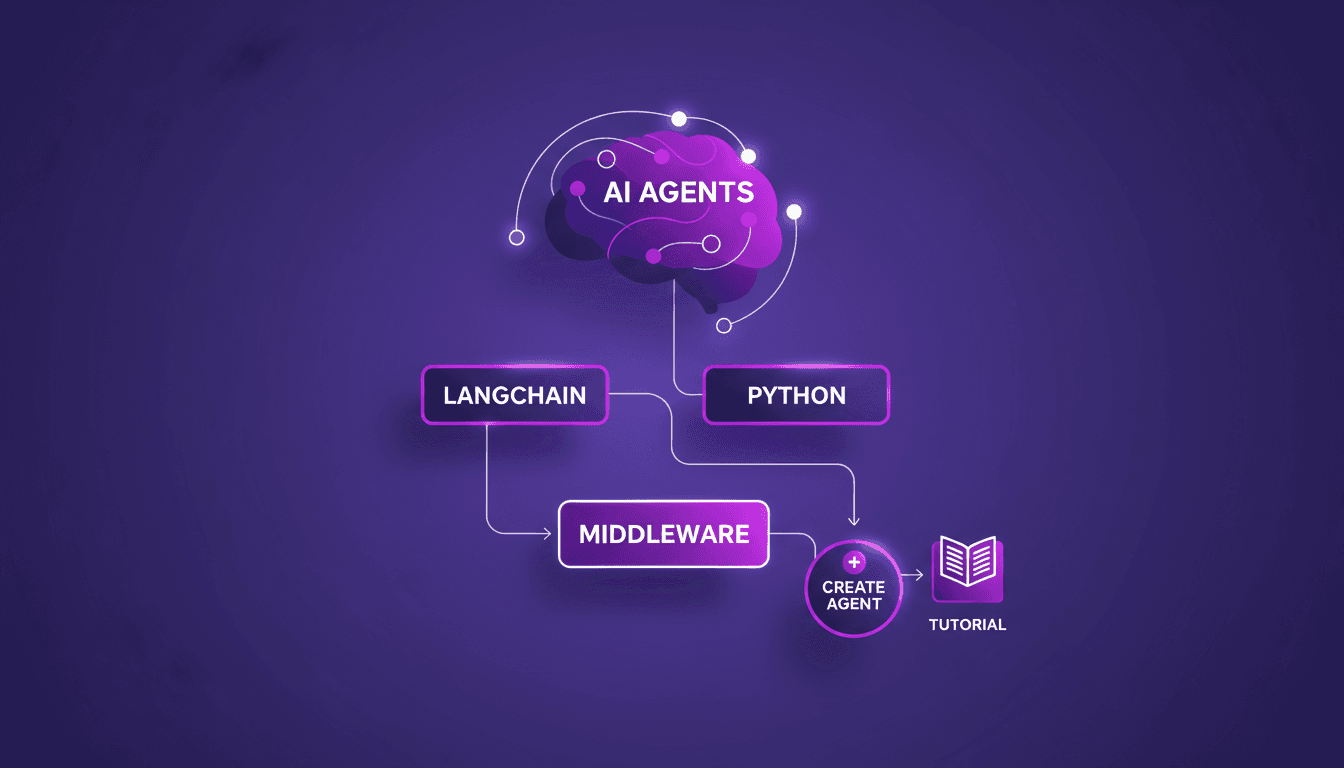
Introduction to LangChain: AI Agents in Python
Imagine a world where AI agents handle your daily tasks effortlessly. Welcome to LangChain, a powerful tool in Python that makes this a reality. LangChain is changing how developers craft AI agents. Explore the new LangChain Academy course, designed to arm you with the skills to build sophisticated AI systems. Learn to create customized agents with the 'create agent' abstraction and refine their behavior with middleware. This course guides you through practical modules and projects to master this groundbreaking technology. Don't miss the chance to revolutionize how you interact with AI!
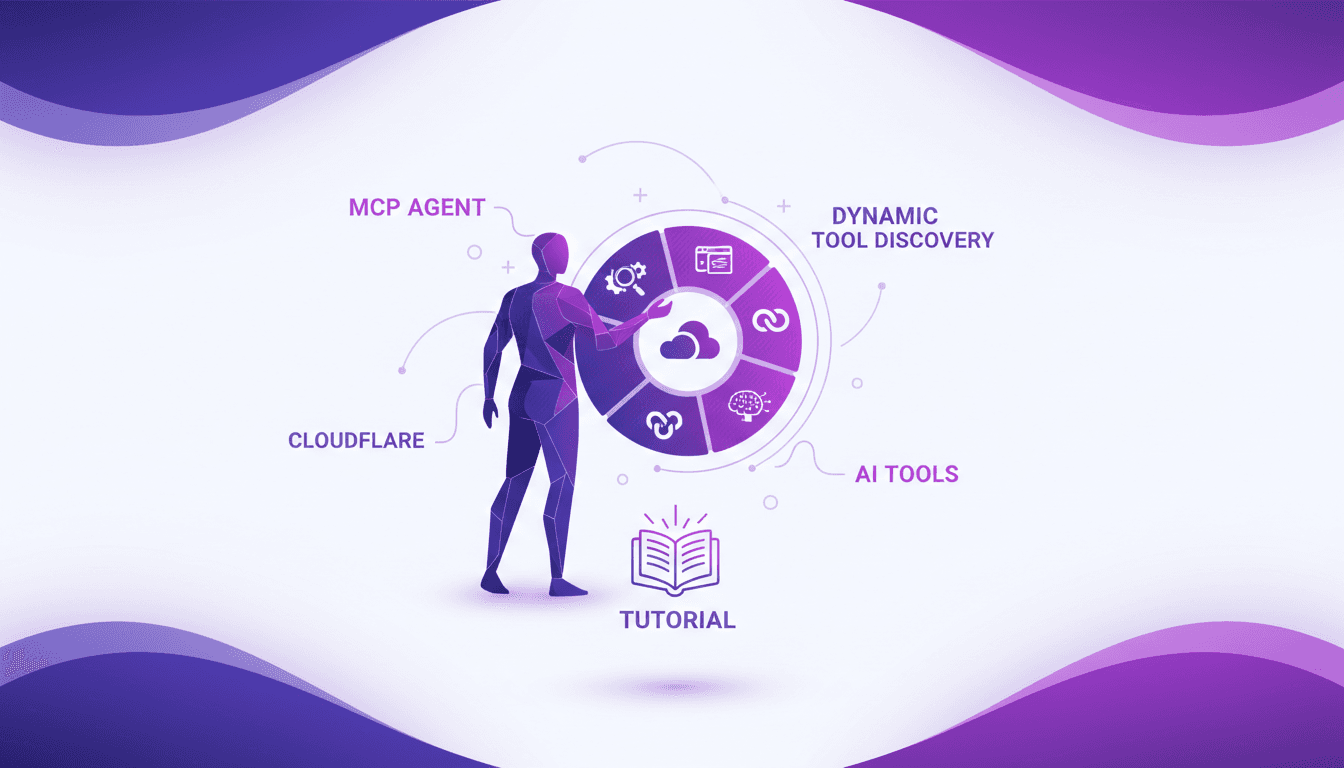
Build MCP Agent with Claude: Dynamic Tool Discovery
I dove headfirst into building an MCP agent with LangChain, and trust me, it’s a game changer for dynamic tool discovery across Cloudflare MCP servers. First, I had to get my hands dirty with OpenAI and Entropic's native tools. The goal? To streamline access and orchestration of tools in real-world applications. In the rapidly evolving AI landscape, leveraging native provider tools can save time and money while boosting efficiency. This article walks you through the practical steps of setting up an MCP agent, the challenges I faced, and the lessons learned along the way.
Native Tools: Build a Cloudflare MCP Agent
Imagine harnessing the full power of cloud platforms with just a few clicks. Welcome to the world of MCP agents and native provider tools. As AI technology evolves, integrating tools across multiple cloud platforms becomes essential. This tutorial explores building a Cloudflare MCP agent using Langchain, making complex integrations seamless and efficient. Discover how native tools from OpenAI and Entropic transform your cloud experience. Dive into dynamic tool discovery, integration, MCP server connections, and the advantages of using native tools. Let's explore practical scenarios and envision how these tools shape the future of AI applications.

AI Evaluation Framework: A Guide for PMs
Imagine launching an AI product that surpasses all expectations. How do you ensure its success? Enter the AI Evaluation Framework. In the rapidly evolving world of artificial intelligence, product managers face unique challenges in effectively evaluating and integrating AI solutions. This article delves into a comprehensive framework designed to help PMs navigate these complexities. Dive into building AI applications, evaluating models, and integrating AI systems. The crucial role of PMs in development, iterative testing, and human-in-the-loop systems are central to this approach. Ready to revolutionize your product management with AI?

Claude Code: Unveiling Architecture and Simplicity
Imagine a world where coding agents autonomously write and debug code. Claude Code is at the forefront of this revolution, thanks to Jared Zoneraich's innovative approach. This article unveils the architecture behind this game-changer, focusing on simplicity and efficiency. Dive into the evolution of coding agents and the importance of context management. Compare different philosophies and explore the future of AI agent innovations. Prompt engineering skills are crucial, and the role of testing and evaluation can't be overlooked. Discover how these elements are shaping the future of AI agents.