GPT Real-Time 2: Performance Boosts and Use Cases
I still remember the first time I tested OpenAI's GPT Real-Time 2 model. It was like upgrading from a bicycle to a sports car—everything was faster, smoother, and just plain better. With this model, I can finally orchestrate real-time translations without a hitch and seamlessly integrate instant transcriptions into my apps. But watch out, it's not without its limits, especially when dealing with heavy loads. In this article, I'll show you how I use this model in real-world scenarios, comparing it with other options like Gemini. We'll also talk about the API, its future applications, and what it means for SaaS development.
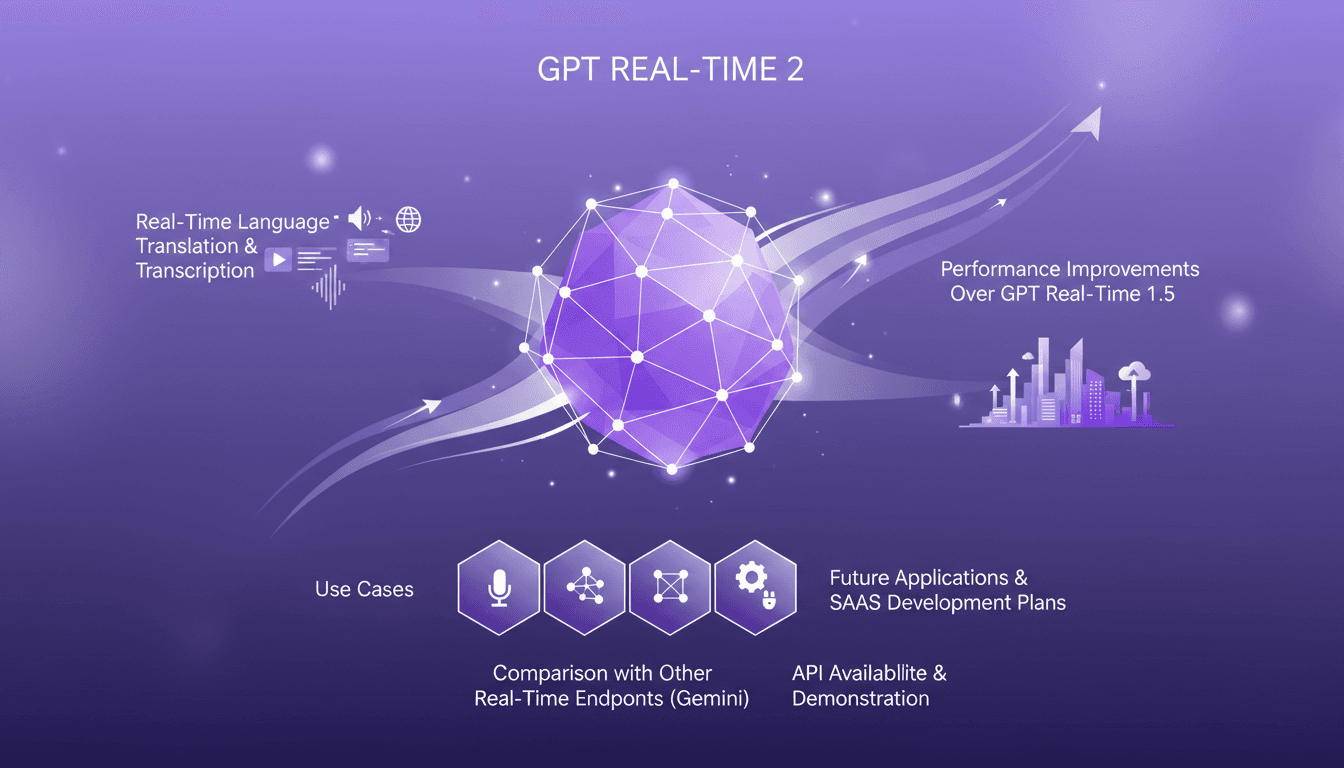
I still remember the first time I tested OpenAI's GPT Real-Time 2 model. It was like upgrading from a bicycle to a sports car—suddenly, everything was faster, smoother, and just plain better. What I particularly love about GPT Real-Time 2 is its ability to handle real-time translations and instant transcriptions with no significant lag. It's a game changer, especially when I need to quickly deploy a SaaS application with advanced voice features. But, there are a few things to watch out for. For instance, when I pushed beyond a certain load, the performance started to dip. In this article, I'll walk you through how I use this model in real-world scenarios, comparing it to other solutions like Gemini, and exploring its potential future applications. We'll talk API, SaaS development, and see how all this fits into my daily projects.
Understanding GPT Real-Time 2 Capabilities
GPT Real-Time 2 is the first model in the GPT 5 family, and it's a real game changer with its enhanced real-time voice processing capabilities. I've seen firsthand the impressive leap in performance benchmarks—from 81.4% to 96.6% on Big Bench. That's an almost 15 percentage point increase, which is significant! The bidirectional duplex communication allows seamless interaction, making it a joy to use in dynamic environments.
The real-time whisper endpoint significantly enhances transcription and translation in real time. I've noticed a 48.5% improvement in audio multi-challenge instruction following. Yes, it's a bit technical, but basically, it means the model follows complex instructions much better than before.
- Big Bench: Performance at 96.6%, a clear improvement.
- Duplex communication: Seamless real-time interaction.
- Whisper Endpoint: Real-time transcription and translation.
Setting Up and Integrating GPT Real-Time 2
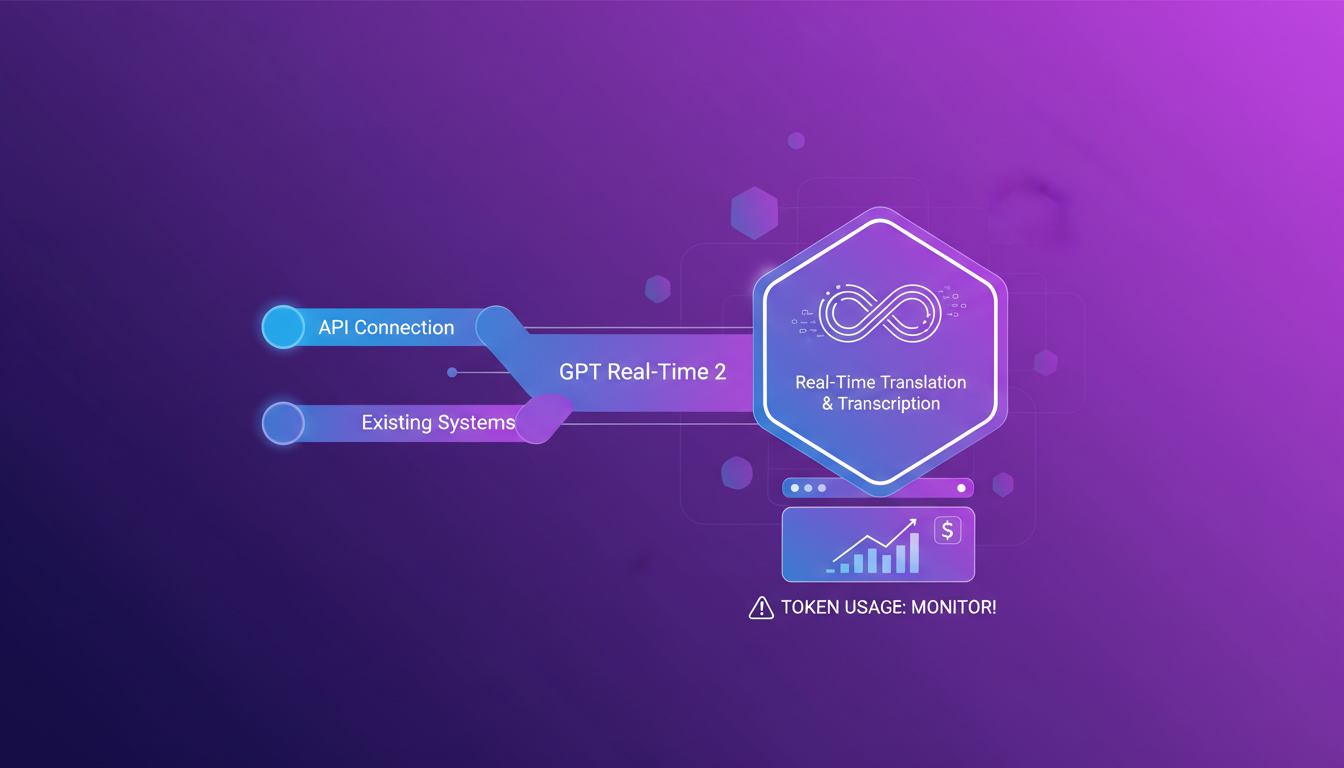
First, I connected the API to our existing communication systems. It sounds simple, but orchestrating everything to handle real-time translation and transcription requires care. Watch out for token usage! I nearly blew the budget because I didn't monitor it properly. So, keep an eye on that.
Integration with existing SaaS platforms can really streamline operations. I started with a small pilot project to iron out any potential issues. It allows you to test the approach without taking too many risks. And that's how you learn, right?
- API: Connected to communication systems.
- Pilot Project: Start small to manage risks.
- SaaS Integration: Streamlines operations.
Real-Time Communication: A Game Changer
When it comes to real-time communication, this is truly a game changer. The capabilities offered by GPT Real-Time 2 enhance user interaction significantly. I implemented voice-to-voice interactions for customer support, and the difference is noticeable.
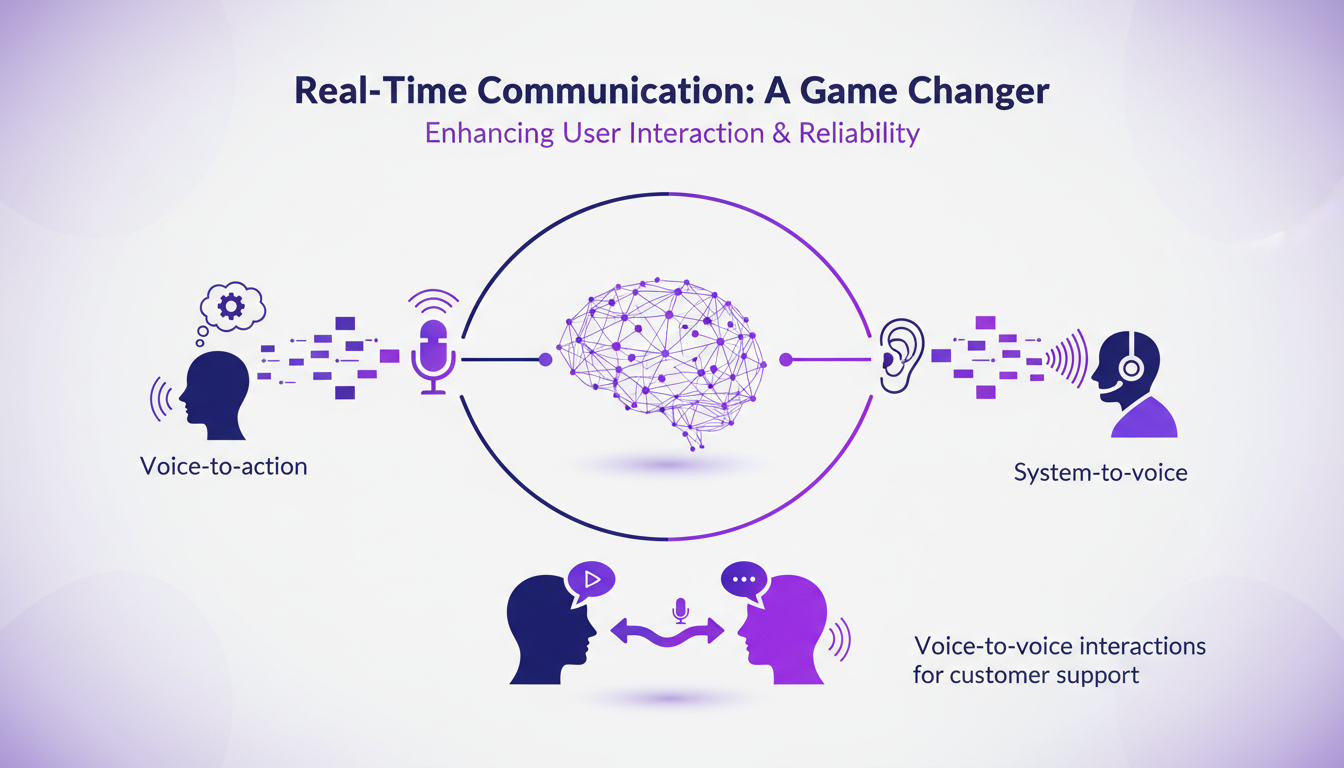
I compared it to systems like Google Duplex and Gemini. Honestly, GPT Real-Time 2 offers distinct advantages, especially in terms of reliability and speed. The efficiency and time savings have been significant in my projects.
- User Interaction: Enhanced with real-time capabilities.
- Comparison: Distinct advantages over Google Duplex.
- Efficiency: Noticeable time and efficiency gains.
Trade-offs and Limitations to Consider
While performance is impressive, there are some limits to keep in mind. Context limits can sometimes be a hurdle, and API costs can escalate quickly with heavy usage. Not all languages are supported equally, so check compatibility before diving in.
Sometimes, a simpler model might be more cost-effective, especially if your performance needs don't justify the cost. I've had to learn to balance performance needs with budget constraints.
- Context Limits: Can be a hurdle.
- API Costs: Monitor to avoid overruns.
- Languages: Check compatibility.
Future Applications and SaaS Development
Exploring SaaS development with GPT Real-Time 2 opens up new possibilities. I see huge potential for custom solutions tailored to specific industries. We're talking about real-time analytics and voice-driven applications.
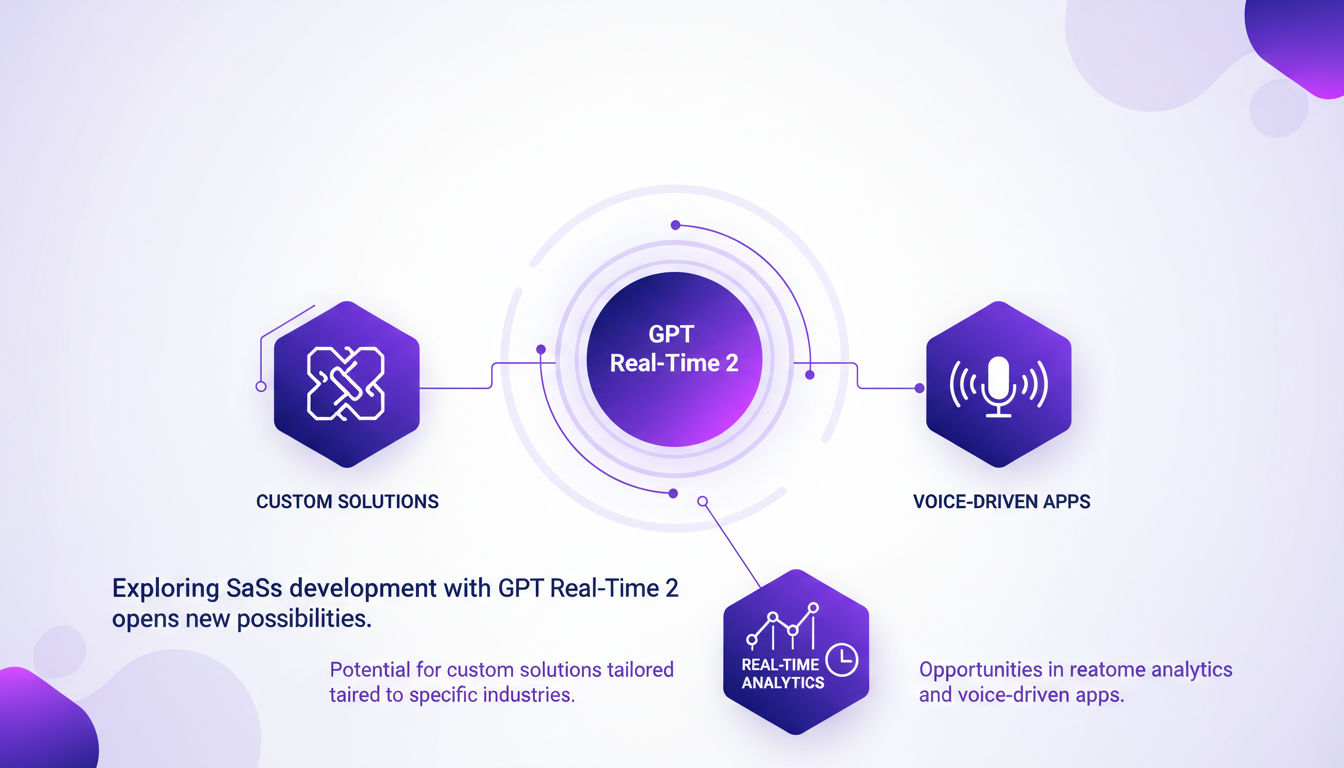
Collaboration with partners like Twilio can expand functionality. Future updates promise even more capabilities—stay tuned!
- SaaS: New development possibilities.
- Custom Solutions: Tailored to specific industries.
- Updates: Promise of increased capabilities.
So, GPT Real-Time 2 is a game changer for how I handle real-time voice apps. First, I rolled it out in a pilot, and the performance improvement over GPT Real-Time 1.5 was undeniable. We're talking about a leap with an 81.4% score on Big Bench. But watch out, managing trade-offs and costs is crucial. Then, the real-time translation and transcription capabilities open up massive potential for innovation. Looking ahead, the potential is vast, but you have to stay sharp about the limits and cost of use. Ready to integrate GPT Real-Time 2 into your projects? Start with a pilot. And to really get a handle on how it works, go watch the video I shared. That's where the magic happens: Watch the video.
Frequently Asked Questions

Thibault Le Balier
Co-fondateur & CTO
Coming from the tech startup ecosystem, Thibault has developed expertise in AI solution architecture that he now puts at the service of large companies (Atos, BNP Paribas, beta.gouv). He works on two axes: mastering AI deployments (local LLMs, MCP security) and optimizing inference costs (offloading, compression, token management).
Related Articles
Discover more articles on similar topics
OpenAI Audio Models: Real-Time Integration
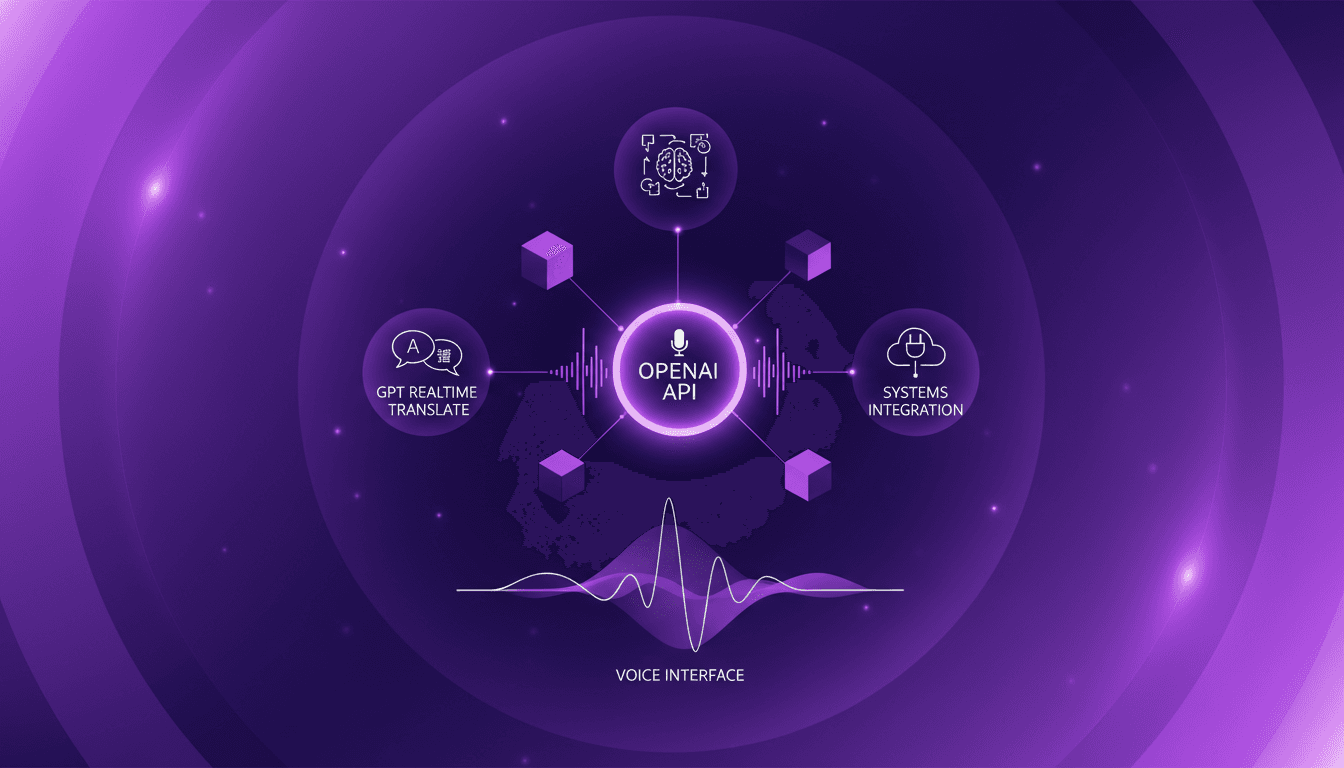
I still remember the first time I integrated voice models into my system. It was utter chaos, but the results were a game changer. Now, with OpenAI's new real-time audio models, we're taking it to a whole new level. Imagine translating across 70 languages live or using voice agents with intelligent reasoning. In this article, I'll show you how these models can revolutionize your workflow. From real-time translation to intelligent voice agents, every integration step is crucial. Watch out for technical terms and language switching—it can become a headache if mishandled. But when orchestrated well, voice becomes the primary interface for interaction. Ready to transform your system? Let's dive in!
GPT 5.5 Instant: Revolution and Comparison
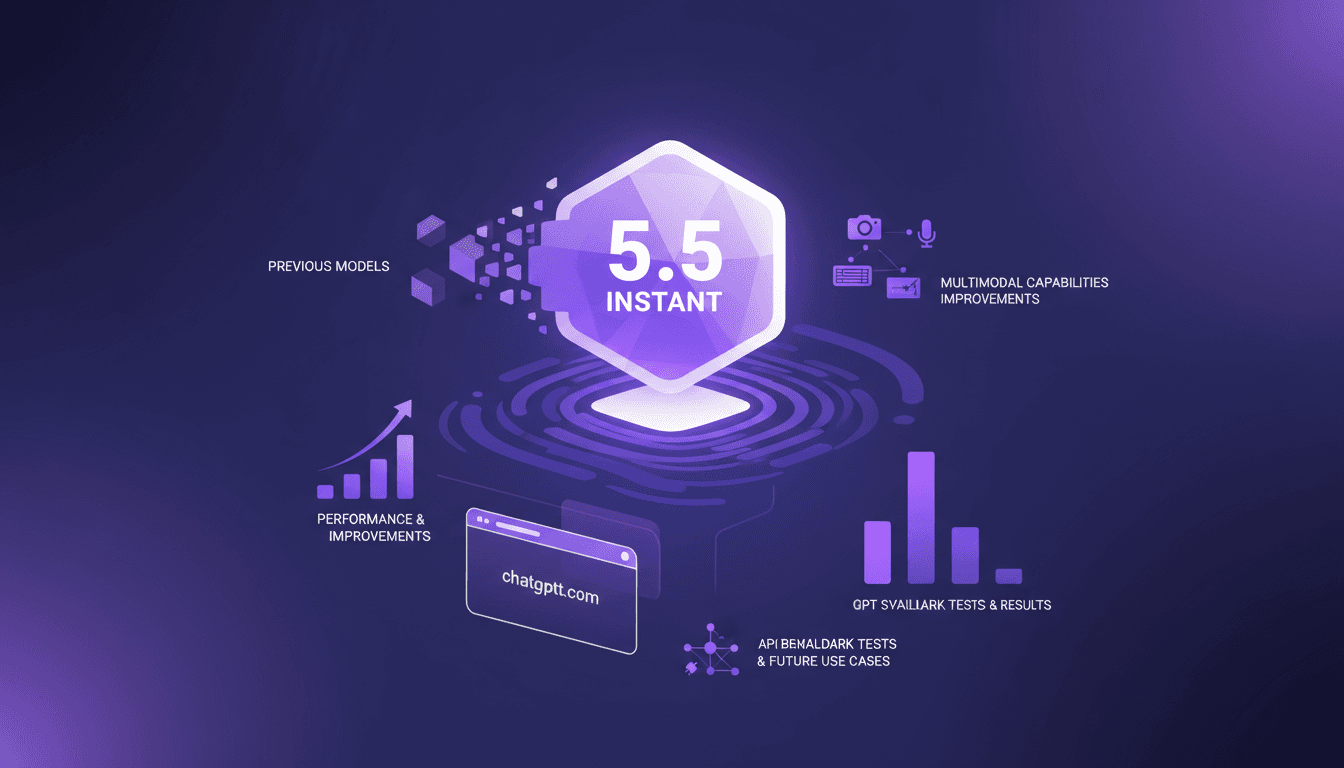
I've been diving deep into OpenAI's latest release, the GPT 5.5 Instant model. It's not just another upgrade; it's a genuine game changer in the AI world. Let me walk you through what I've discovered. With its multimodal capabilities and performance enhancements, the promises are big. But how does it really stack up against its predecessors? I'll show you how it performs in benchmark tests, how its API might revolutionize our future use cases, and why it might just outdo the Claude Haiku 4.5 model. Get ready, because this journey is intriguing.

IBM Granite ASR: Setup and Optimization
I dove into IBM's Granite Series ASR models to see if they're as fast as they claim. Spoiler: they're impressive, but let's break it down. With AI-driven ASR models becoming crucial for real-time applications, IBM's Granite Series promises speed and accuracy. But how do they really perform in a practical setup? I connect my environment, set up the technical requirements, and put the Granite Speech 4.1 model to the test. Result: a 5.33 word error rate and 95% accuracy. But watch out, there are trade-offs. Set it up right or you'll get disappointed. It's a balancing act between performance and resources.
GPT-5.5 Instant: What's New and Improved
I dove into the new GPT-5.5 Instant, and let me tell you, it's a game changer. But like any tool, it has its quirks. Transitioning from GPT-5.3 to 5.5 isn't as straightforward as it seems. I'll break down how I navigated this technological leap. With this update, OpenAI is pushing us further into AI capabilities. Whether you're a free or paid user, these changes have a direct impact on our everyday applications. Let's dissect the new features of the 5.5 model, the performance enhancements, and I'll share my tips for getting the most out of this advancement.
Evolving Role of Software Engineers: Key Insights
I've been in the trenches of software engineering long enough to see our roles evolve. We started as code writers, became system architects, and now, we're orchestrators of complex ecosystems. The rise of advanced language models has reshaped our daily workflows. When I configure an architecture, I'm not just coding anymore; I'm designing entire systems. These models amplify our expertise—they don't replace it. But remember, a good engineer remains the author of their applications, even with a powerful tool at hand. Curious about how these shifts redefine our profession? Let's dive into this fascinating world.