Google vs OpenAI: Financial Struggles and AI
I've been knee-deep in AI developments, and let me tell you, the landscape is shifting fast. Google’s making big moves, OpenAI is feeling the heat, and European tech companies are stepping up like never before. Google is vertically integrating at breakneck speed while OpenAI grapples with financial challenges. Meanwhile, AWS and NVIDIA are pushing the boundaries of AI hardware, and Europe is asserting its tech sovereignty. As a practitioner, I see these dynamics up close and I'm here to break it down for you without any sugar-coating.

I've been knee-deep in AI developments, and the scene is moving fast. Google is making massive leaps, while OpenAI is in code red mode. With a staggering $10 billion loss per year, OpenAI is fighting to stay in the game. As they scramble, Google is vertically integrating, optimizing every step of their value chain. AWS with their Tranium chips and NVIDIA are dominating AI hardware, constantly pushing boundaries. Meanwhile, European tech companies aren't sitting back. They're asserting their sovereignty, and I've seen it firsthand. It's an exciting time for tech enthusiasts like you and me. Buckle up, because the challenges and opportunities are abundant.
OpenAI's Financial Struggles and Competitive Landscape
OpenAI is facing significant financial challenges, losing about $10 billion annually. This is simply unsustainable without serious strategic adjustments. At this pace, even the most innovative initiatives won't suffice to offset these losses. Meanwhile, competition is intensifying as Google ramps up its AI capabilities. I've often wondered how OpenAI can keep up with a giant like Google, which seems to have almost unlimited resources.
It's crucial to understand the difference between open weights and open source in AI model development. Open weights allow for rapid customization, but open source offers full transparency, a topic I've often revisited while working on collaborative projects. However, there's a trade-off between rapid innovation and financial stability. Each strategic move must be carefully weighed to avoid losing control over costs.
- $10 billion: OpenAI's annual losses
- Google and Meta: Major competitors
- Open weights vs. open source: Key strategic decision
Google's Vertical Integration: A Game Changer?
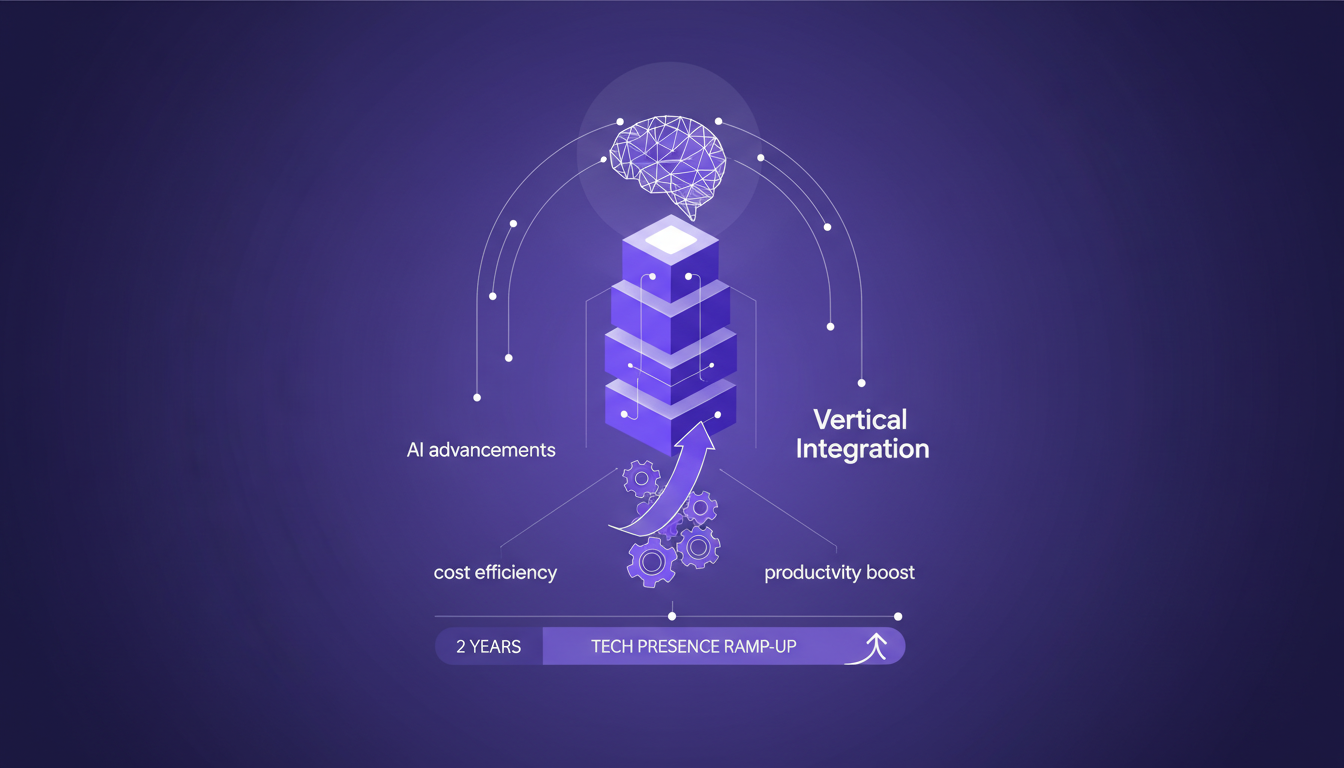
For the past two years, Google has been intensifying its tech presence, with vertical integration playing a central role. I've observed that this strategy enables seamless AI advancements while optimizing costs. Integrating hardware and software like Google does is akin to driving a race car where every part is tuned for maximum performance. This allows for cost reductions while increasing efficiency, an approach I've always found winning in my projects.
Google's recently modified performance review system aims to boost productivity. However, what always concerns me with such integration is the risk of bureaucratic slowdowns. It's essential to avoid being bogged down in internal processes that stifle innovation. The impact on competitors is already visible, and this could redefine the entire tech ecosystem.
- Vertical integration: Cost reduction and innovation
- Performance review: Enhanced productivity
- Impact on ecosystem: Reshaping the tech sector
AWS Tranium and the Future of AI Hardware
AWS's Tranium chips are pushing the boundaries of AI hardware development. As a practitioner, I know how crucial compatibility with existing systems is for widespread adoption. NVIDIA's dominance, with a 91% gross margin on its Herer GPUs, is being challenged, and it's an interesting evolution to watch. There's always a balance to be found between performance and energy consumption, a constant challenge in my projects.
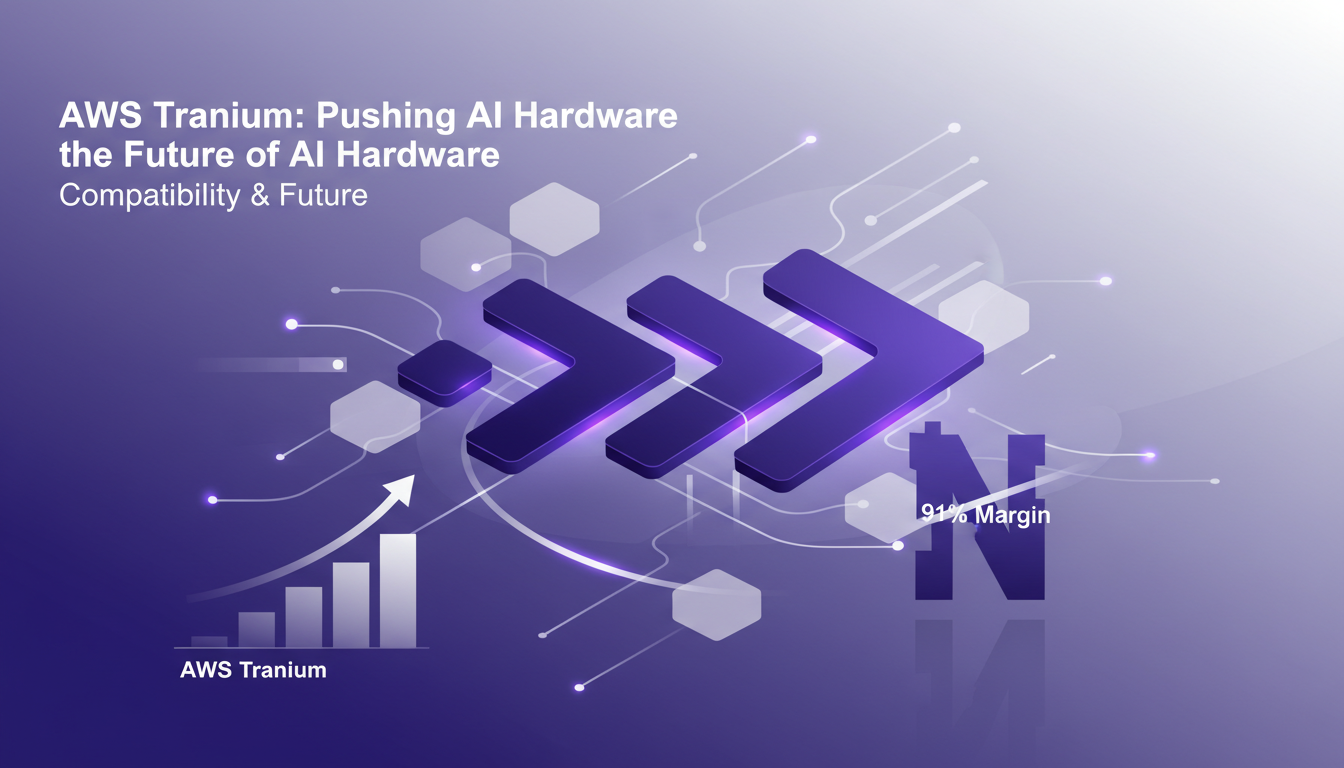
The role of hardware in accelerating AI model training and deployment cannot be underestimated. More power means faster iteration cycles and more performant models, something I've witnessed directly in my deployments.
- 91%: NVIDIA's gross margin
- Compatibility: Key for adoption
- Performance vs. energy: Balance to maintain
European Tech Sovereignty and Emerging AI Models
European companies are asserting their tech sovereignty, challenging the dominance of US giants. I've seen new AI models emerge from Europe and China, and they're beginning to gain traction. Accessing data and managing sovereignty is crucial for training effective AI models, a challenge companies must overcome to stay competitive.
It's essential to strike a balance between innovation and regulatory compliance. The long-term impacts on global tech dynamics are still to be determined, but I'm convinced a strong European approach could be a game changer.
- Tech sovereignty: Europe's reclaim
- Emerging AI models: Increased competition
- Data access: Key to model training
Navigating AI Model Training and Data Access
AI model training requires vast amounts of data—access is key. Google's advancements in data handling set a new benchmark. I've lost count of how many times limited data access has slowed down my projects. Open weight models play a crucial role in democratizing AI development, but privacy concerns must also be addressed.
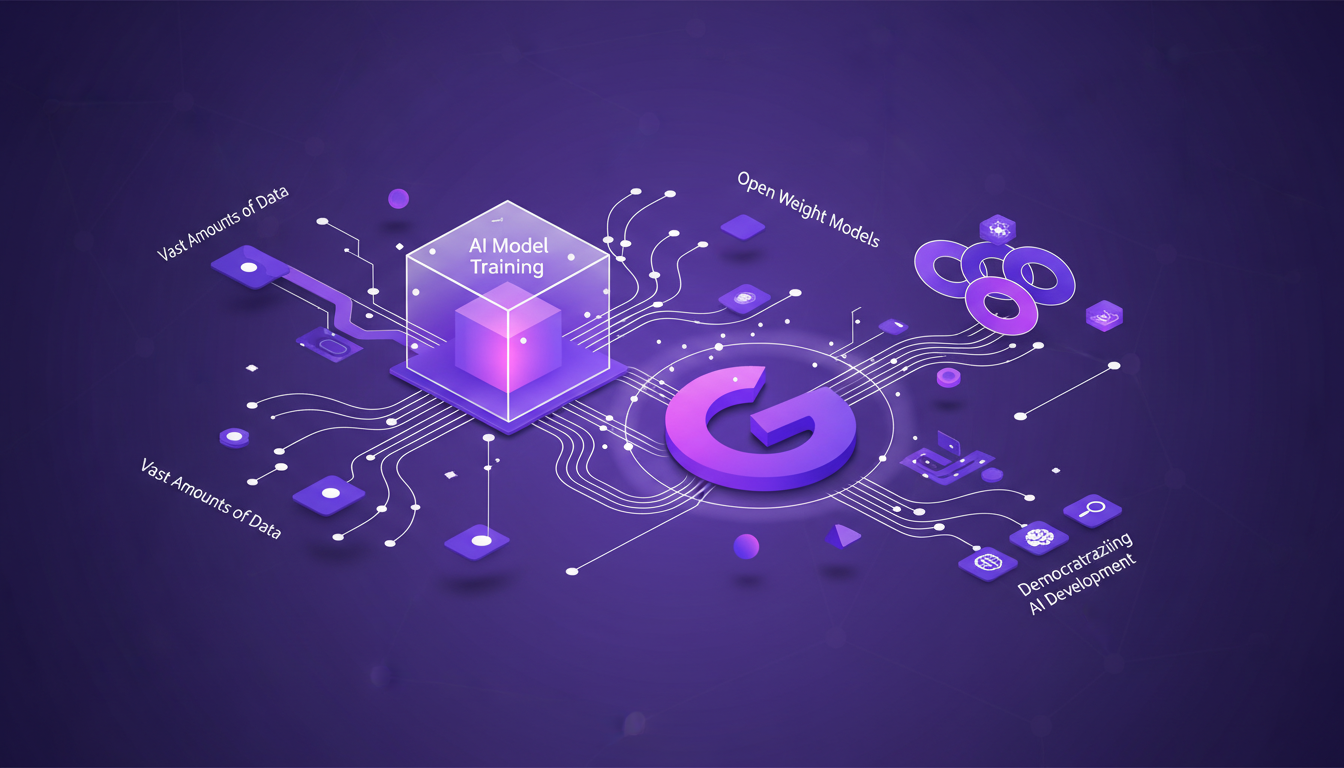
The trade-offs between data access and privacy regulations are often tricky. I've learned that sometimes, it's better to invest in robust data protection solutions rather than risking costly breaches.
- Data management: Google's advancements
- Privacy concerns: Major consideration
- Open weight models: Democratizing AI development
In the AI landscape, things are shifting fast. I see Google and OpenAI leading the charge, but they're not without their challenges. OpenAI losing $10 billion a year is a number that raises eyebrows. On the hardware front, AWS and NVIDIA are shaking up dynamics with chips like Tranium, while European companies fight for technological sovereignty.
- Google's vertical integration of AI advancements is a game changer, but it requires heavy investments.
- The 91% gross margin on Herer GPUs shows profitable potential in hardware, but watch out for hidden costs.
- The 192 GB of addressable memory in some models opens new possibilities, but it requires optimized management.
Let's move forward with enthusiasm, but remain aware of the limits and costs. Whether you're a developer, tech enthusiast, or leader, keep track of these developments to navigate the future of AI. I recommend watching the full video "Pourquoi Google is so back? OpenAI en Code Rouge🚨?" to dive deeper into these points. Staying informed is how we anticipate the next turns.
Frequently Asked Questions

Thibault Le Balier
Co-fondateur & CTO
Coming from the tech startup ecosystem, Thibault has developed expertise in AI solution architecture that he now puts at the service of large companies (Atos, BNP Paribas, beta.gouv). He works on two axes: mastering AI deployments (local LLMs, MCP security) and optimizing inference costs (offloading, compression, token management).
Related Articles
Discover more articles on similar topics
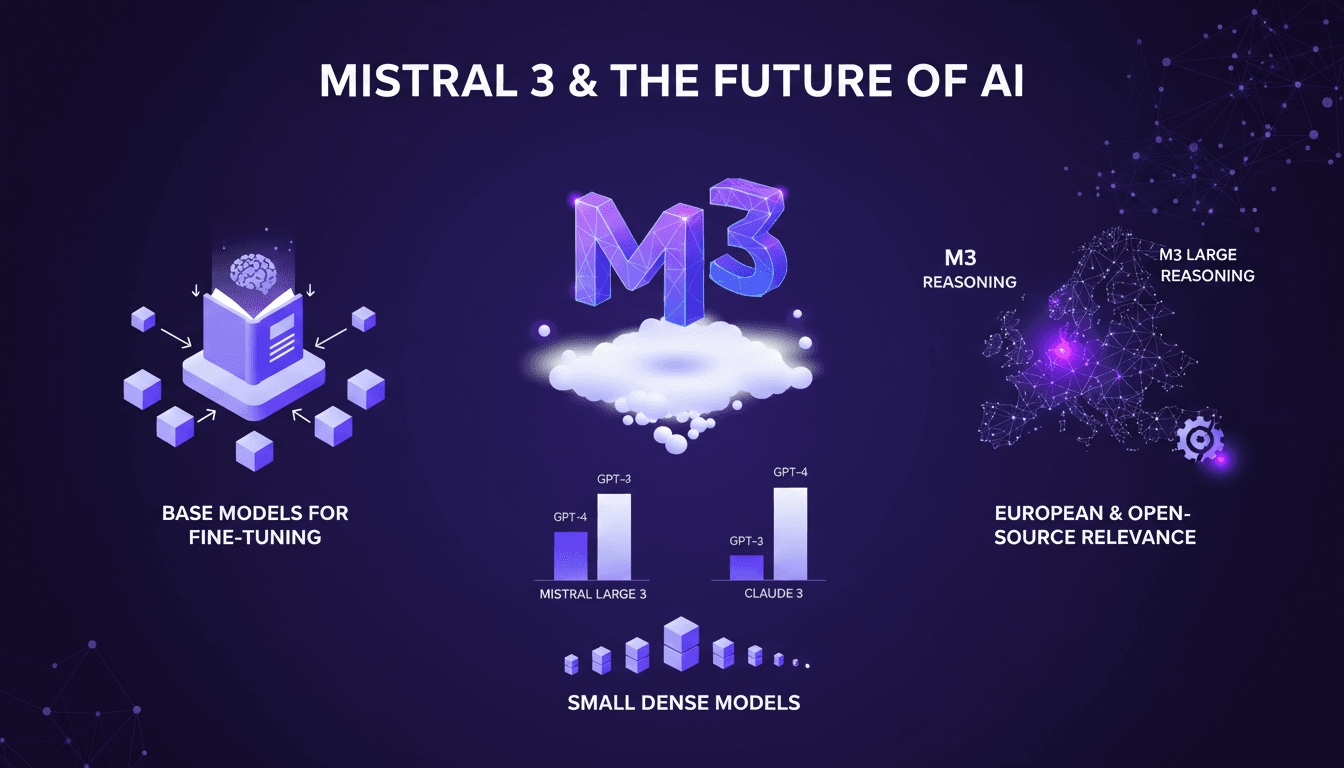
Mistral 3: Europe's Breakthrough or Too Late?
Ever since I got my hands on Mistral 3, I've been diving deep into its mechanics. This isn't just another AI model; it's Europe's bold move in the AI race. With 675 billion parameters, Mistral 3 stands as a heavyweight contender, but is it enough against giants like Deep Seek? I connect the dots between performance, fine-tuning strategies, and what this means for European innovation. Let's break it down together.
AI Agent for Learning at BNY
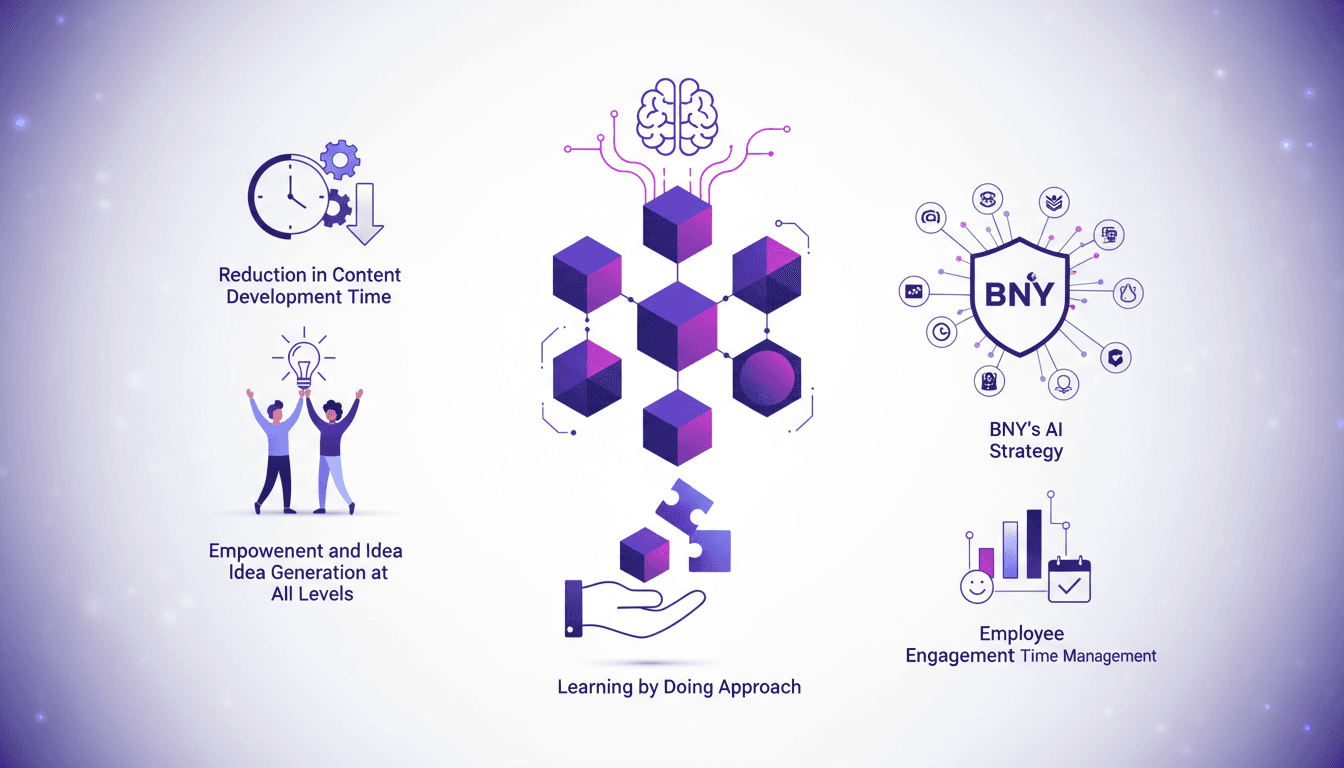
I remember when developing learning content at BNY used to take a month. Now, with our AI agent, it's down to an hour. This is a game changer that goes way beyond theory. With 20,000 employees, BNY People is transforming learning and development through AI. We're talking about drastic reductions in content development time and opening doors to innovation and employee engagement at every level. I connected our AI strategy with solid partnerships and orchestrated a learning-by-doing approach. But watch out, it's not without challenges. Here's how we did it.
AI Empowerment of Employees: My Experience
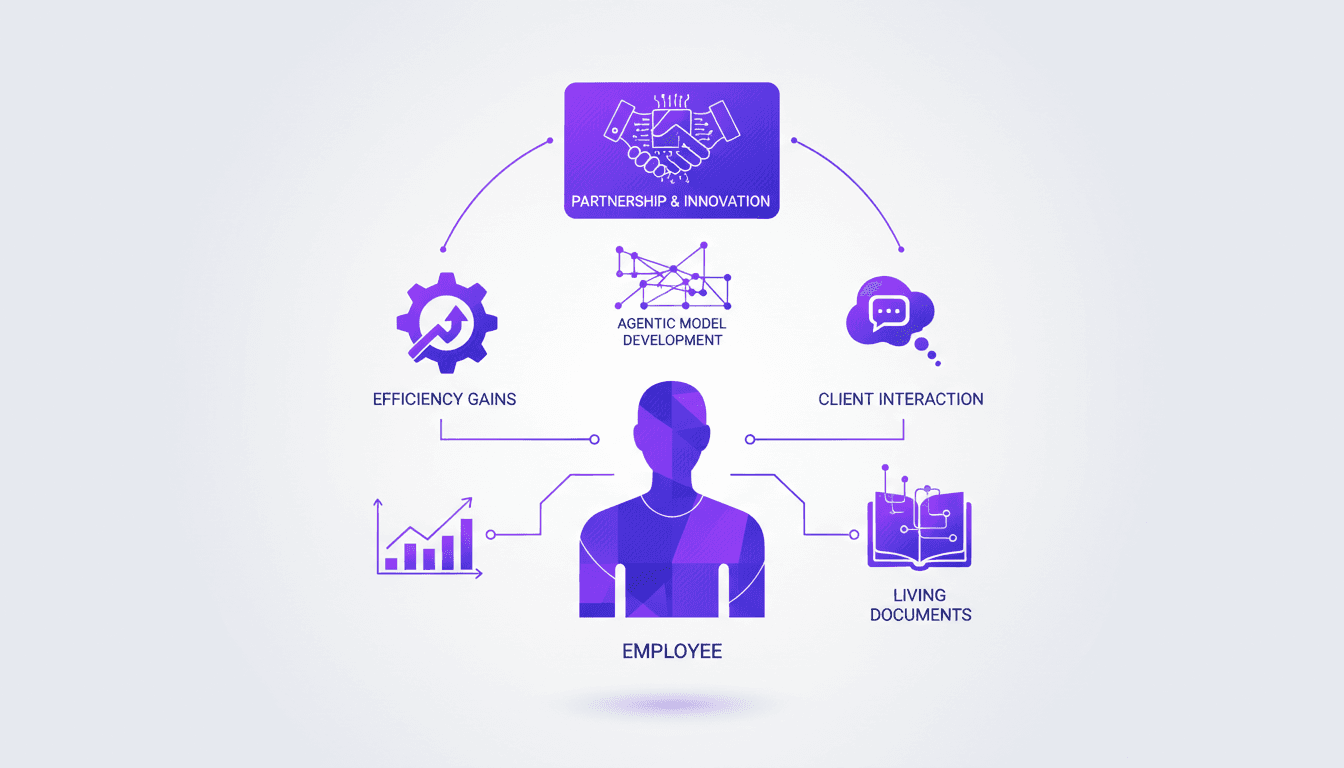
I remember the first time I integrated AI into our workflow at BNY. It was like flipping a switch—suddenly, everything was faster, smarter. But it wasn't just about speed; it was about transforming how we worked. With over 50,000 employees, the stakes are high, and the impact is real. Imagine slashing the time to put a plan together by 60%! Let's talk about AI empowerment of employees, efficiency gains, and how these tools have reshaped client interactions and living document creation. It's a paradigm shift, a tech partnership you can't ignore.
BNY and OpenAI: Transforming Finance with AI
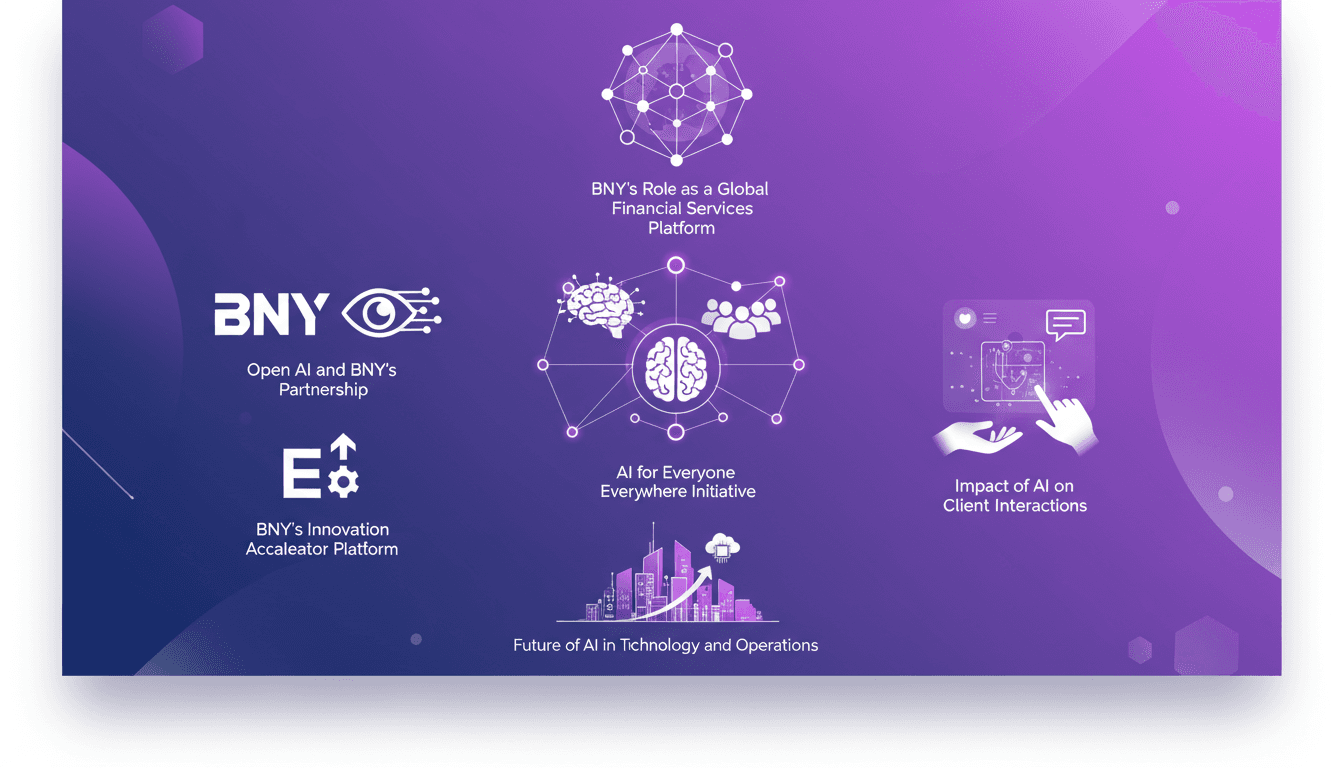
Ever wondered how a massive financial entity like BNY manages to stay ahead in the AI game? Let me walk you through our journey, where we’re not just observers but active builders of AI solutions. With $55.8 trillion in assets under custody, we're spearheading the 'AI for Everyone, Everywhere' initiative, backed by a strong partnership with OpenAI. We've got 98% of our team trained in responsible AI and 20,000 employees who've created their own agents. I connect, I guide, I orchestrate each step to transform our interactions and operational efficiency. And it's truly a game changer.
GPT-5.1 Enhancements: Customization and Reasoning
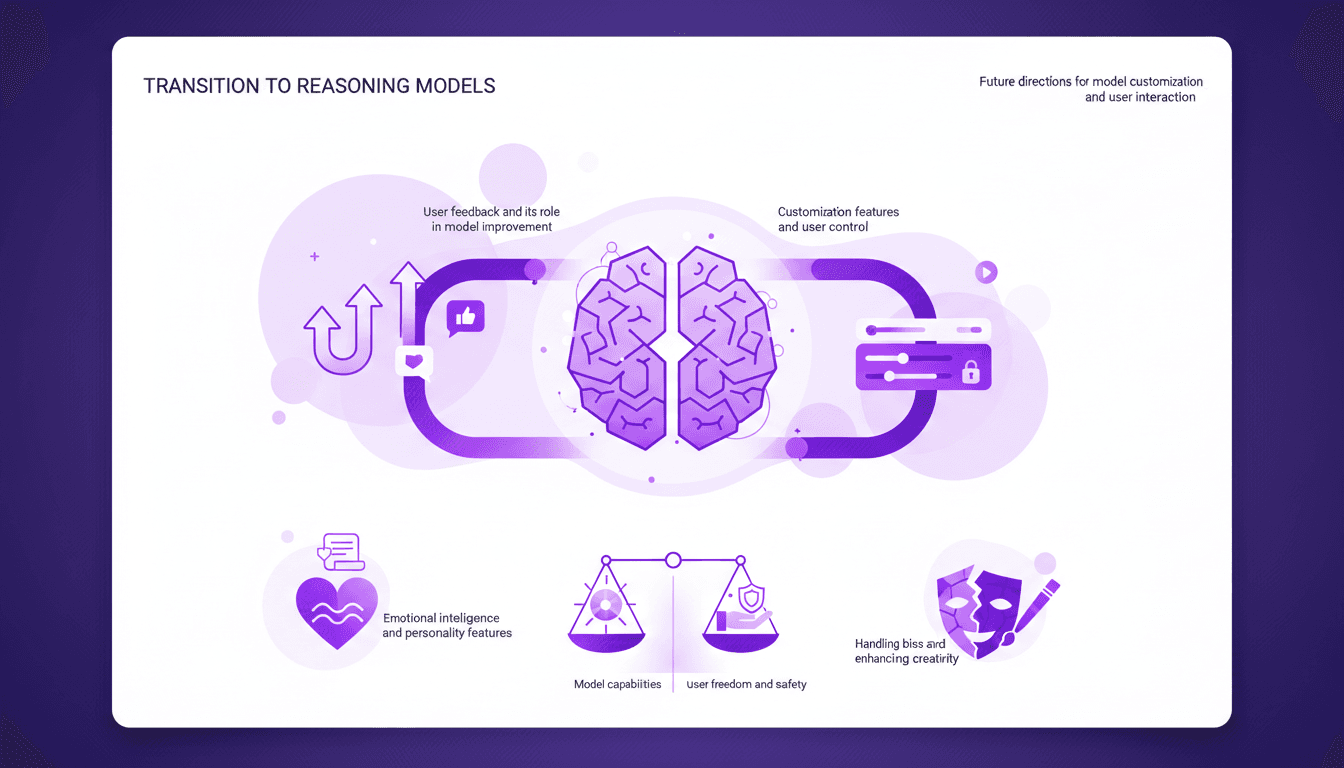
When I first dove into GPT-5.1, I didn't just read the manual—I lived it. From setting up reasoning models to tweaking user feedback loops, I've seen firsthand how these advancements can redefine AI interaction. With over 800 million active users weekly, harnessing its full potential is crucial. In this episode of the OpenAI Podcast, we break down how we can shape GPT-5.1 to work smarter, not harder. We dive into customization, emotional intelligence, and balancing user freedom with safety. It's a deep dive into the future of AI interaction you won't want to miss.