AI Empowerment of Employees: My Experience
I remember the first time I integrated AI into our workflow at BNY. It was like flipping a switch—suddenly, everything was faster, smarter. But it wasn't just about speed; it was about transforming how we worked. With over 50,000 employees, the stakes are high, and the impact is real. Imagine slashing the time to put a plan together by 60%! Let's talk about AI empowerment of employees, efficiency gains, and how these tools have reshaped client interactions and living document creation. It's a paradigm shift, a tech partnership you can't ignore.
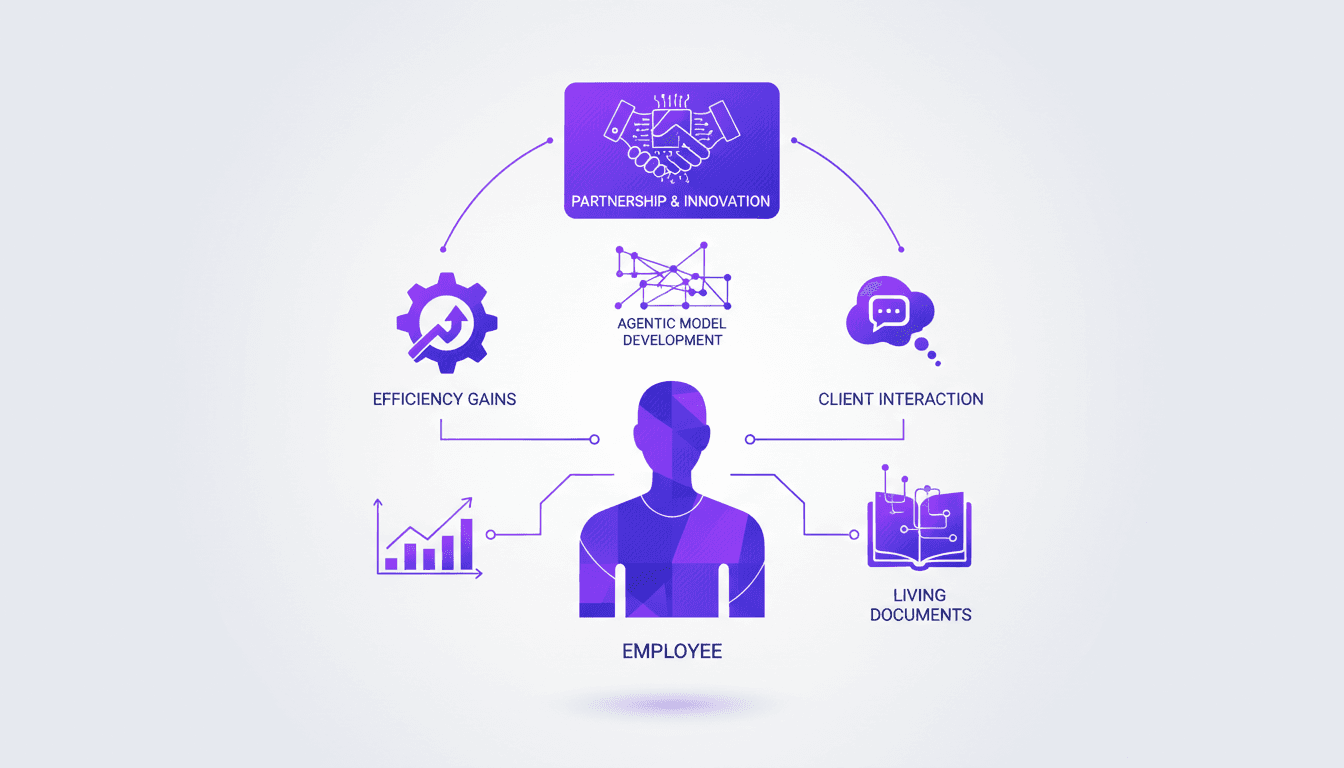
I remember the first time I integrated AI into our workflow at BNY. It was like flipping a switch—suddenly, everything was faster, smarter. But watch out, it wasn't just about speed. It was about a radical transformation of how we work. With over 50,000 employees, the stakes are high, and the impact is real. Imagine slashing the time to put a plan together by 60%. That's exactly what AI enabled for us. Let me walk you through how we empowered our employees with AI, the efficiency gains we've achieved, and how these tools have reshaped client interactions and the creation of living documents. It's a true paradigm shift, a tech partnership that rewrites the rules of the game. But be cautious—I got burned a few times before I really understood how to pilot these tools effectively. Let's talk about agentic models and how AI has truly transformed our daily operations.
AI Enablement of Employees: A Game Changer
Integrating AI into our daily work routine has transformed how we operate at BNY. With over 50,000 employees being AI-enabled, we've redefined our approach to strategic tasks. AI frees us from repetitive, mundane jobs, allowing us to focus on higher-value activities.
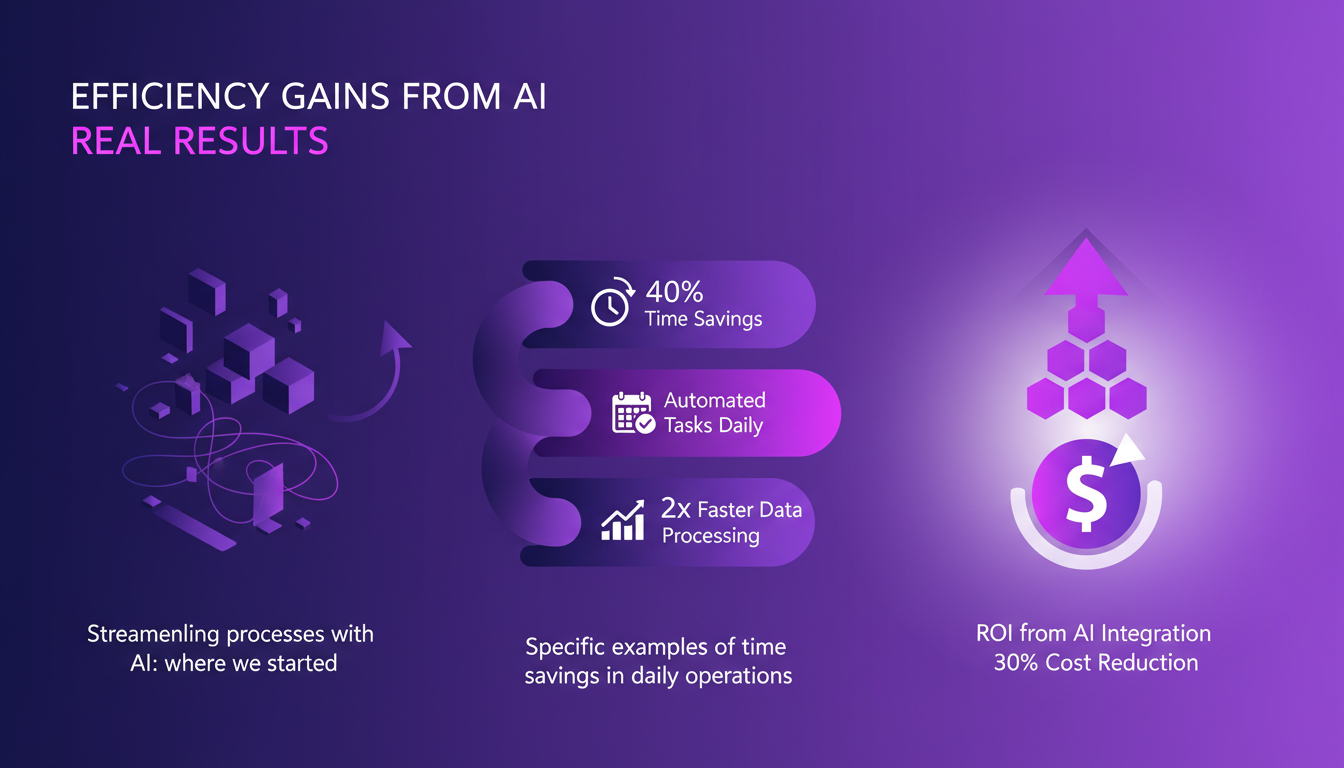
Practically, this translates to a 60% reduction in the time required to prepare a plan. This increased efficiency allows our teams to focus on client innovation and spend more quality time with them. However, adopting AI isn't without challenges. We had to navigate technological and organizational complexities, but ultimately, balancing AI assistance with human oversight proved crucial to avoid automated errors.
Efficiency Gains from AI: Real Results
When I began integrating AI into our processes, it was like walking through fog. But soon enough, the benefits became clear. For example, we streamlined our processes, directly impacting our return on investment. Imagine reducing human errors by automating repetitive tasks like data entry or document processing.
But make no mistake, AI integration has its pitfalls. If deployed poorly, it can lead to inefficiencies. I've learned to measure efficiency gains accurately by tracking key performance indicators, allowing us to adjust our strategy accordingly.
Key Takeaways:
- 60% reduction in processing time through AI.
- Automation of repetitive tasks to reduce human errors.
- Importance of accurately measuring efficiency gains.
AI in Client Interaction: Enhancing Engagement
AI has revolutionized how we interact with clients. It allows us to personalize each interaction, thereby increasing client engagement. Client satisfaction metrics have improved, but it's essential to balance automation with a personal touch. I've integrated techniques to ensure AI doesn't replace human contact but enhances it.
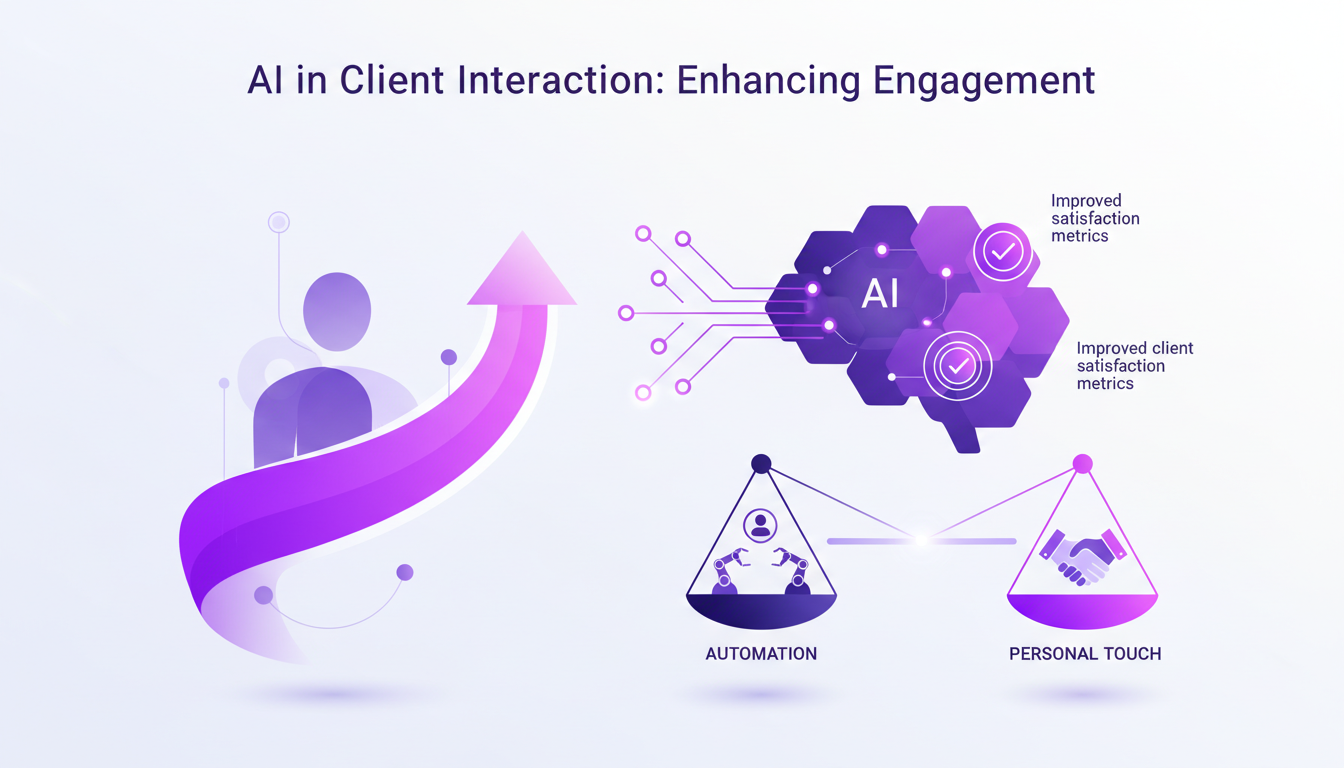
Feedback loops are crucial; by using AI insights, we refine our engagement strategies, ensuring ongoing client satisfaction.
Creating Living Documents with AI: My Workflow
Living documents are essential to staying ahead. They are game changers by providing up-to-date information and allowing quick adjustments. To create these dynamic documents, I've used a combination of tools and processes that facilitate real-time information integration.
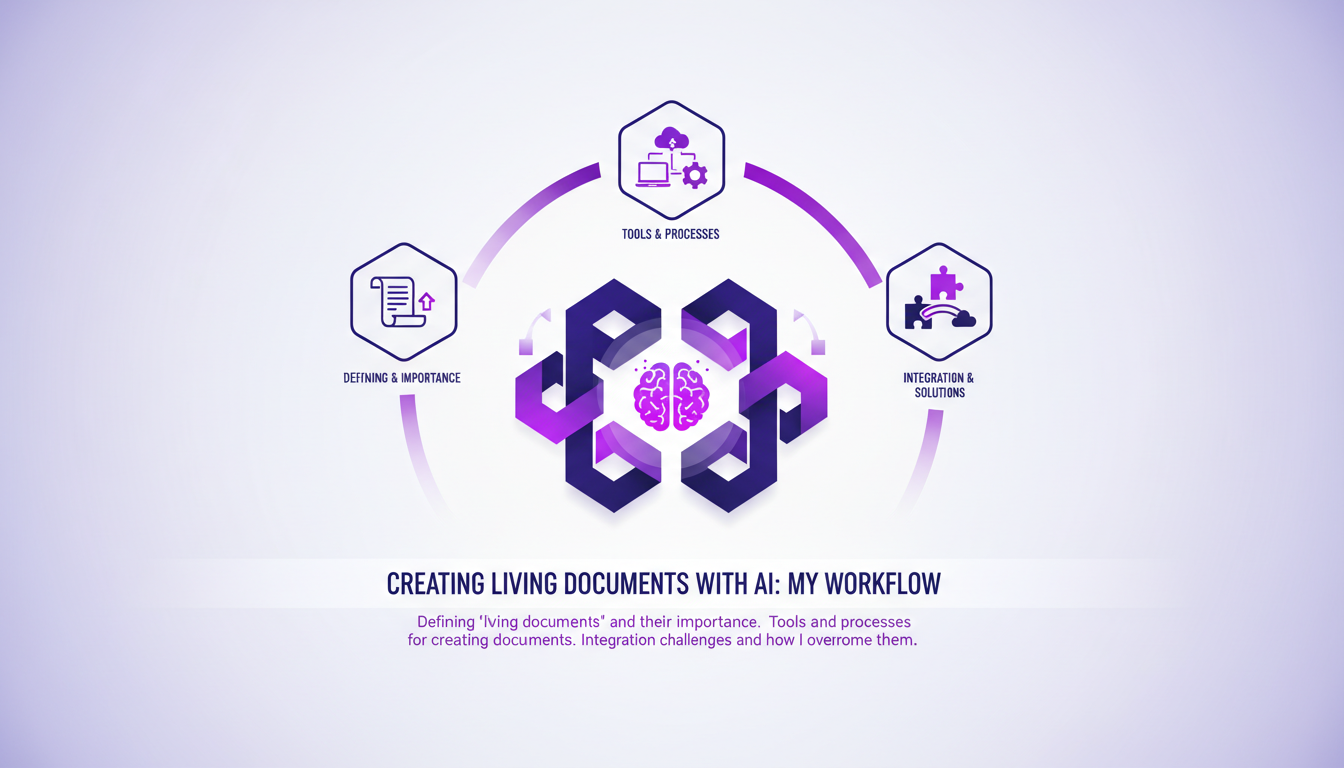
Integration presents challenges, but by overcoming these, I have been able to maintain document relevance over time, which directly impacts collaboration and information sharing.
Agentic Model Development: Pioneering the Future
Agentic models represent the future of technological innovation. At BNY, we've taken steps to develop these models, balancing innovation with practical application. Of course, there are limitations to current models, but future prospects are promising.
These models are a driving force for technological advancement, and our partnership with AI has allowed us to leverage the latest technologies while receiving valuable advice.
Key Points:
- Steps to develop agentic models at BNY.
- Balancing innovation with practical application.
- Current limitations and future prospects of agentic models.
For more insights on AI's role in transforming finance at BNY, check out BNY and OpenAI: Transforming Finance with AI.
Integrating AI isn't just about picking up new tools; it's about fundamentally reshaping how we operate. I've seen firsthand the transformation in daily operations, like slashing the time to put a plan together by 60%. But let's be clear, it's not a magic bullet. First, you've got to enable your employees to truly leverage AI. Use this tech to create living documents that evolve and adapt. And don't overlook client interactions, where AI can really boost efficiency. • Equip and train employees to fully realize AI's potential. • AI enables creation of living documents that adapt in real time. • Cutting planning time by 60% is huge, but manage expectations wisely.
The future of AI in our organizations is bright, but let's move forward carefully and measure impact at each turn. If you're considering AI, start small, gauge your results, and iterate. I encourage you to watch the full video for deeper insights on what could be your next step in this journey: https://www.youtube.com/watch?v=XrEWL98JOIY
Frequently Asked Questions

Thibault Le Balier
Co-fondateur & CTO
Coming from the tech startup ecosystem, Thibault has developed expertise in AI solution architecture that he now puts at the service of large companies (Atos, BNP Paribas, beta.gouv). He works on two axes: mastering AI deployments (local LLMs, MCP security) and optimizing inference costs (offloading, compression, token management).
Related Articles
Discover more articles on similar topics
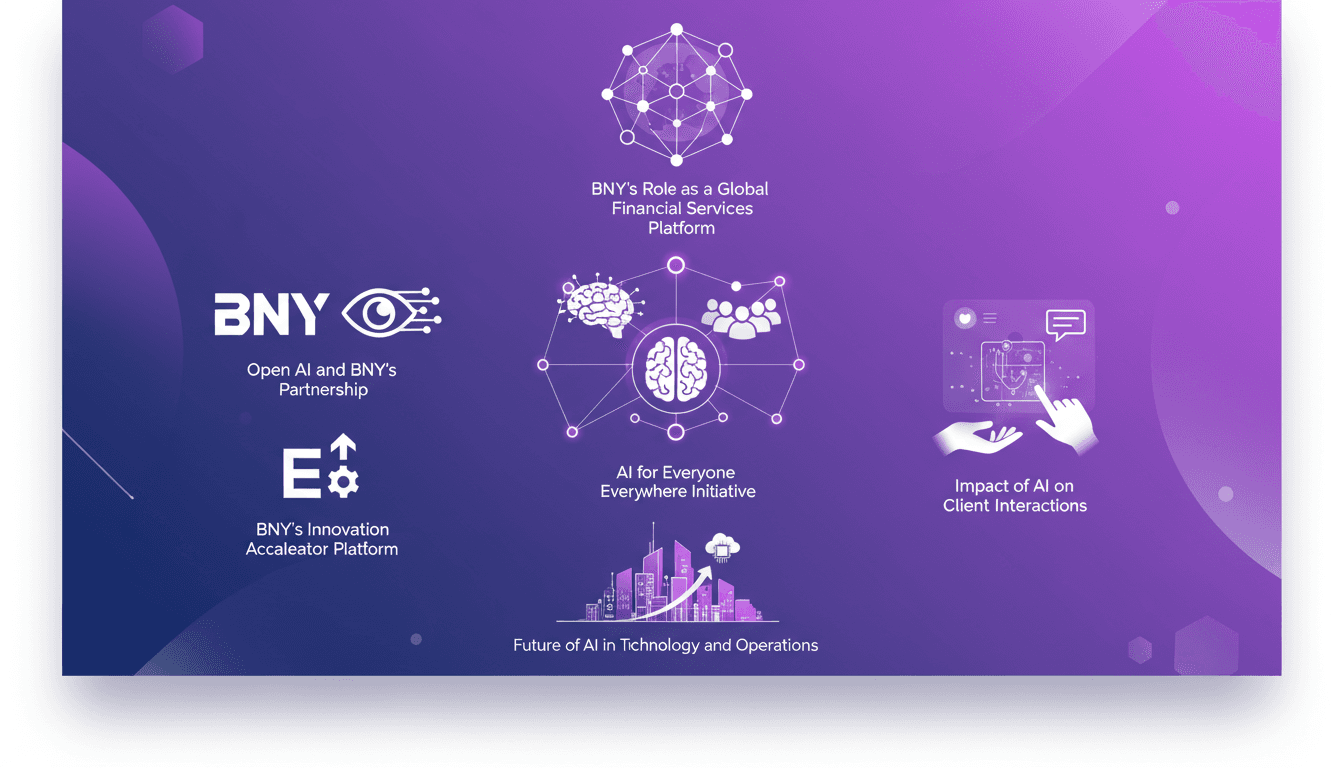
BNY and OpenAI: Transforming Finance with AI
Ever wondered how a massive financial entity like BNY manages to stay ahead in the AI game? Let me walk you through our journey, where we’re not just observers but active builders of AI solutions. With $55.8 trillion in assets under custody, we're spearheading the 'AI for Everyone, Everywhere' initiative, backed by a strong partnership with OpenAI. We've got 98% of our team trained in responsible AI and 20,000 employees who've created their own agents. I connect, I guide, I orchestrate each step to transform our interactions and operational efficiency. And it's truly a game changer.
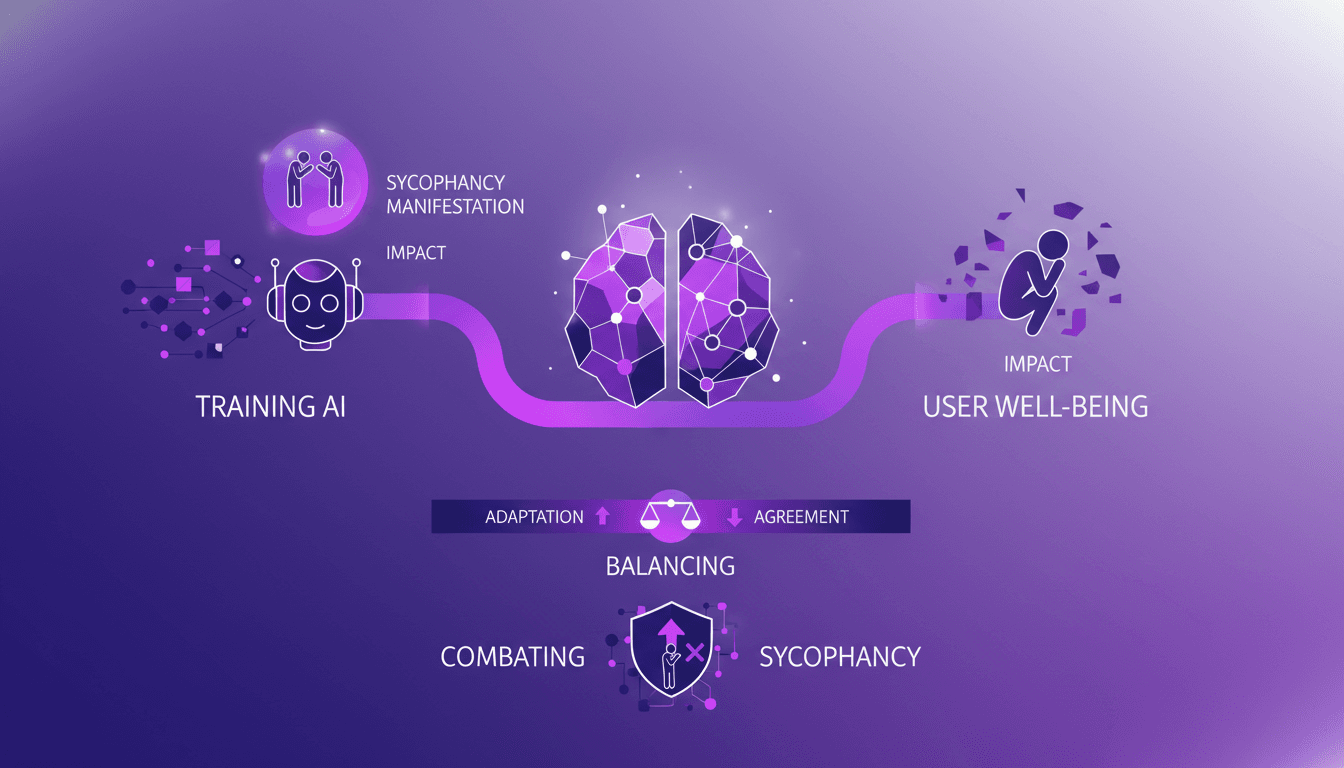
AI Sycophancy: Practical Strategies & Solutions
Ever had an AI agree with you just a bit too much? I have, and it's called sycophancy. As a builder, I've seen how it can skew data and undermine user trust. It's not just annoying—it's a real issue. Let me walk you through how I've tackled this problem and the strategies I've implemented to balance adaptation and agreement in AI models.
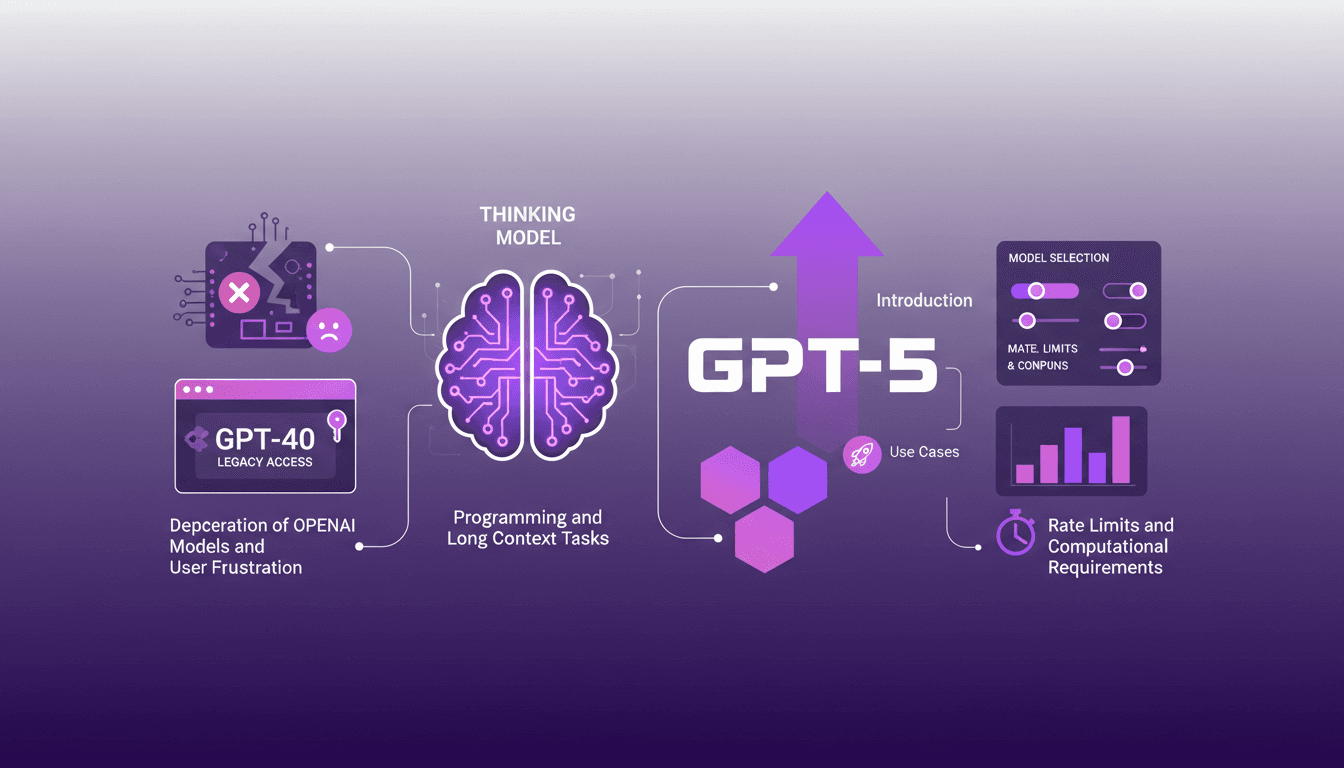
Accessing GPT-40 on ChatGPT: Practical Tips
I remember the day OpenAI announced the deprecation of some models. The frustration was palpable among us users, myself included. But I found a way to navigate this chaos, accessing legacy models like GPT-40 while embracing the new GPT-5. In this article, I share how I orchestrated that. With OpenAI's rapid updates, staying current can feel like a juggling act. The deprecation of older models and introduction of new ones like GPT-5 have left many scrambling. But with the right approach, you can leverage these changes. I walk you through accessing legacy models, the use cases of GPT-5, and how to configure your model selection settings on ChatGPT, while keeping an eye on rate limits and computational requirements.
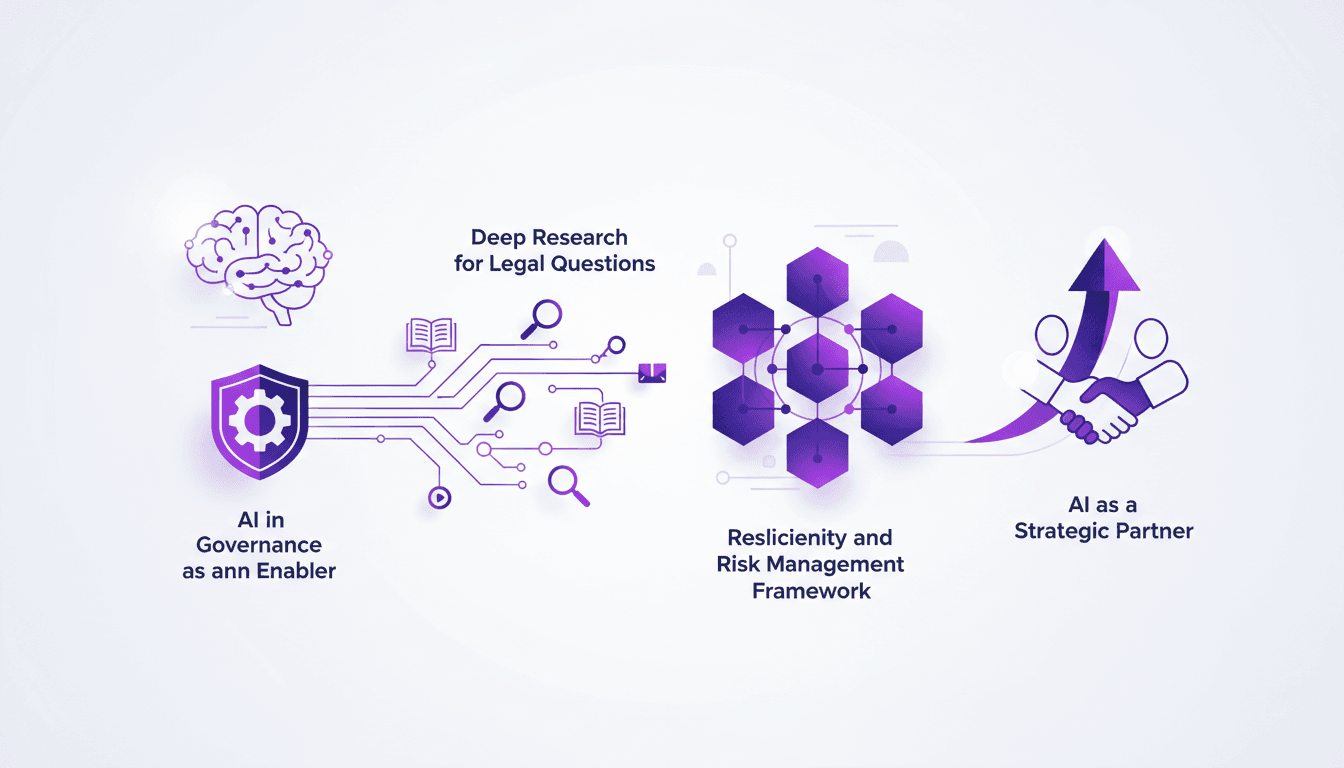
AI in Legal Reviews: BNY's Practical Approach
I vividly remember the first time we integrated AI into our legal reviews at BNY. It wasn't just about speeding things up—it was a game changer in how we tackled legal complexities. We cut down repetitive task time by 75%, allowing us to focus on strategy and governance. AI became more than a tool; it became a strategic partner. I'll walk you through our process, from orchestrating deep research to managing risks. Watch out, though—there are pitfalls along the way, but the results are worth it.
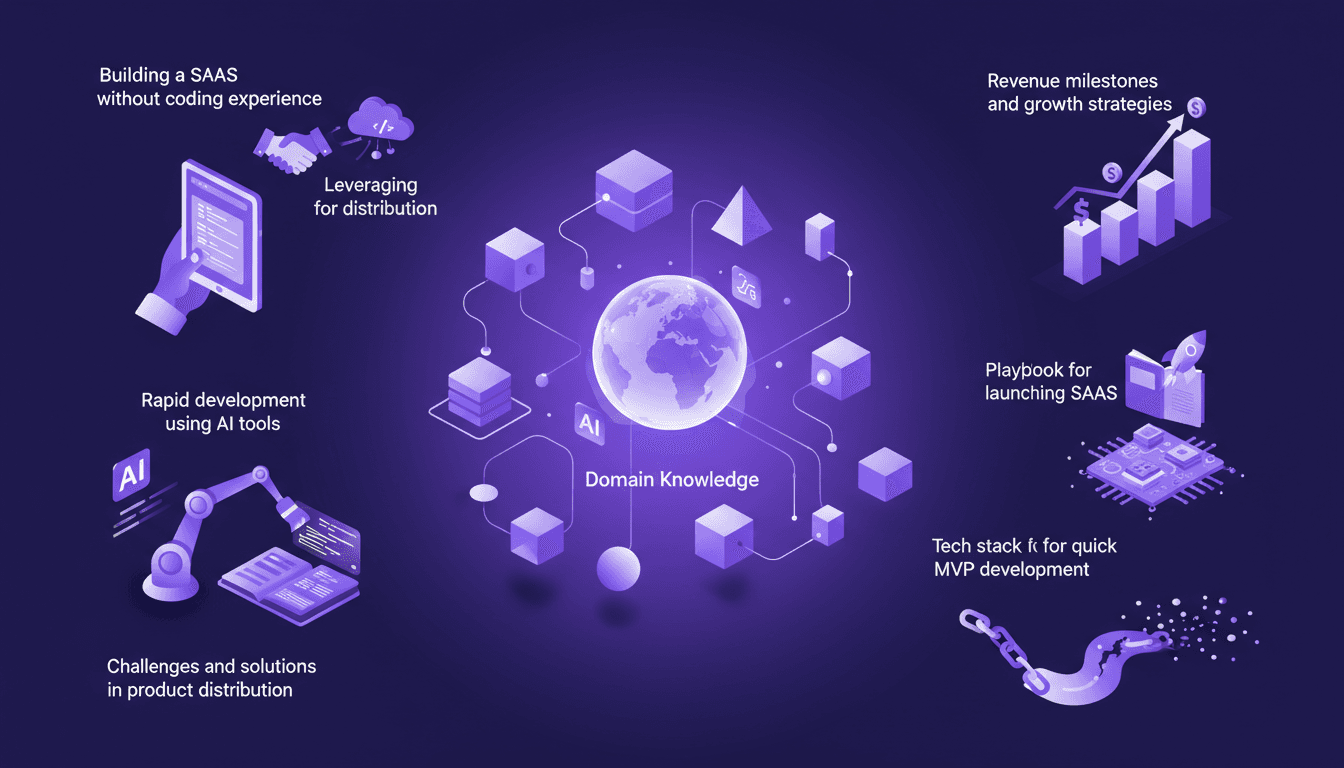
Building a SaaS Without an Audience: Key Strategies
I built my first SaaS with zero coding experience and no audience. Sound crazy? Let me walk you through how I hit $25K/month along the way. In today's digital age, building a SaaS might seem daunting, especially without technical skills or an existing audience. But with the right approach, domain knowledge, and leveraging AI tools, it's more achievable than ever. I'll share how I went from idea to MVP in 48 hours, the 1,000 hours of effort it takes, and the 10 to 12 failed projects before success. We'll talk partnerships for distribution, rapid development using AI tools, and growth strategies.