Exploring Heat at CES 2026: Sensory Experience
I walked into CES 2026 and the first thing that hit me wasn't the tech—it was the heat. Not the temperature, but the theme. They managed to make us feel that heat through music and repetition. Let me show you how they crafted this sensory experience and why it matters. CES chose 'heat' as its theme, but instead of just telling us, they made us live it. No heavy data or explicit information, just an experiential presentation that sticks with you. Let's dive into this immersive experience and see what we can learn for our own projects.
Walking into CES 2026, the first thing that hit me wasn't the latest gadgets or the innovators at play. It was the heat. Not the temperature, but the theme. They really orchestrated a sensory experience around this concept, and it worked. Picture being enveloped by immersive music, with almost hypnotic repetitions making you feel that heat tangibly. No talks about specs or floods of data, just a presentation you live. So, how did they pull off this feat? And why does it matter to us, in our daily grind? Stick with me, and I'll guide you through this sensory adventure and show you what we can take away from it. Because sometimes, the impact lies more in what we feel than in what we see.
Crafting the Heat: First Impressions
Walking into the venue, heat wasn't just a word—it was a vibe. It was subtle yet pervasive. Unlike other events where information overload hits you right from the start, here it was all about the atmosphere. No flashy data or eye-catching visuals. It reminded me that sometimes focusing on ambiance rather than a data-heavy presentation can be more engaging. It made me think about how one could orchestrate an event without falling into the trap of overloaded statistics.
I've often found myself explaining to colleagues that too much information at once can overwhelm participants. By orchestrating the elements, you can create an immersive experience that speaks for itself.
Sensory Experience Through Music
Music played a key role in setting the mood—think background, not foreground. The same melody repeated, reinforcing the theme without distraction. Applying this method to any event can enhance thematic engagement. I've seen this work in conferences where subtly repeating music anchors the theme without monopolizing it. But watch out, too much repetition can lead to monotony. It's crucial to balance to keep the audience engaged without boring them.
- Background music can reinforce a theme.
- Repetition should be subtle to avoid monotony.
- Balance auditory elements with visuals for a better experience.
The Power of Repetition
The repetition of the word heat was strategic—subtle but persistent. It reminded me how, in my projects, repetition can anchor a theme in the audience's mind without overwhelming them. But don't overdo it, as too much repetition can turn a powerful message into annoying background noise.
Creating an Experiential Presentation
Without explicit data, reliance on sensory cues becomes necessary. I've often found this approach can not only save time and resources but also enhance impact. It's like building a house with fewer materials but a thoughtful architecture. The key is to focus on how the audience feels, not just what they see or hear. But watch out, less data can mean less clarity for some. It's about finding that balance.
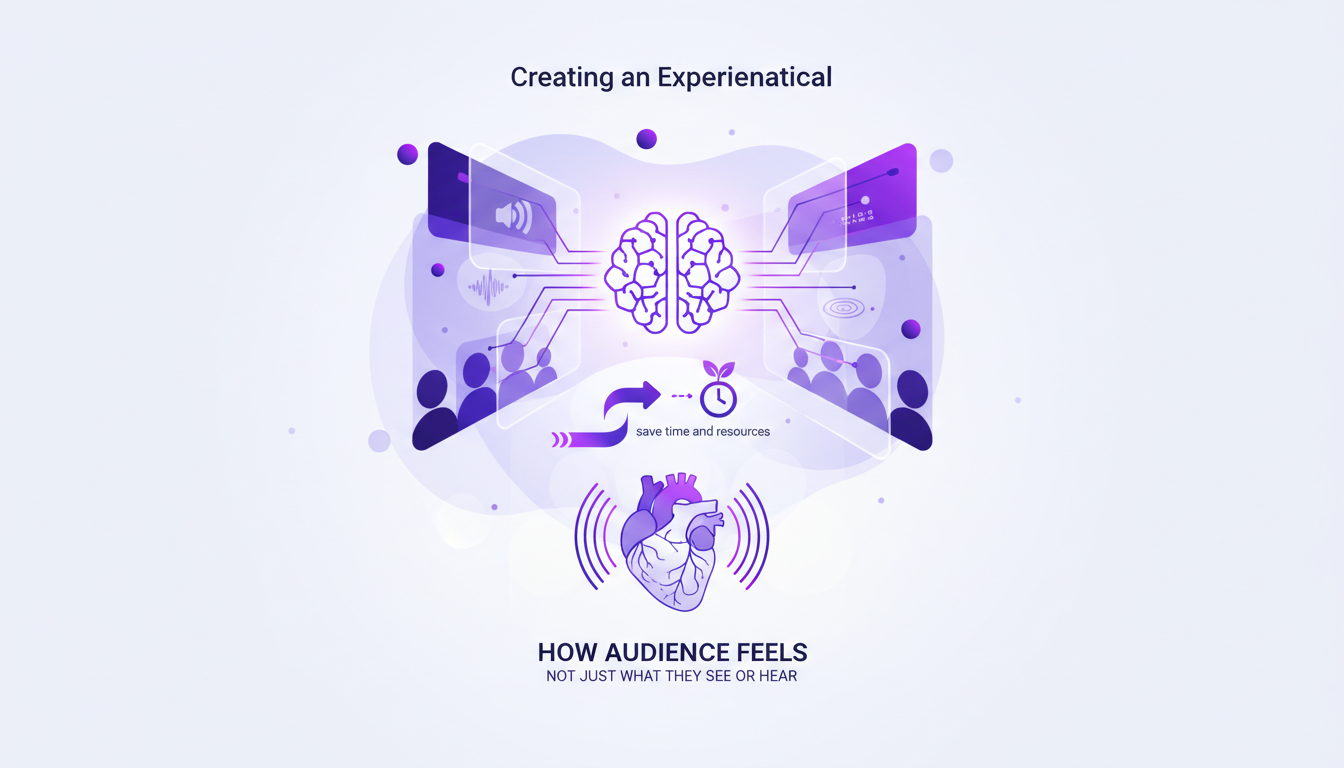
I tested this approach during an event on innovations and the emotional impact was palpable. By orchestrating the sensory elements, you can really touch the audience.
Practical Takeaways for Your Next Event
Start with a theme that can be felt, not just shown. Use music and repetition wisely to craft an atmosphere. Think about the sensory journey of your audience. Balance is crucial—too much of any element can detract from the overall experience.
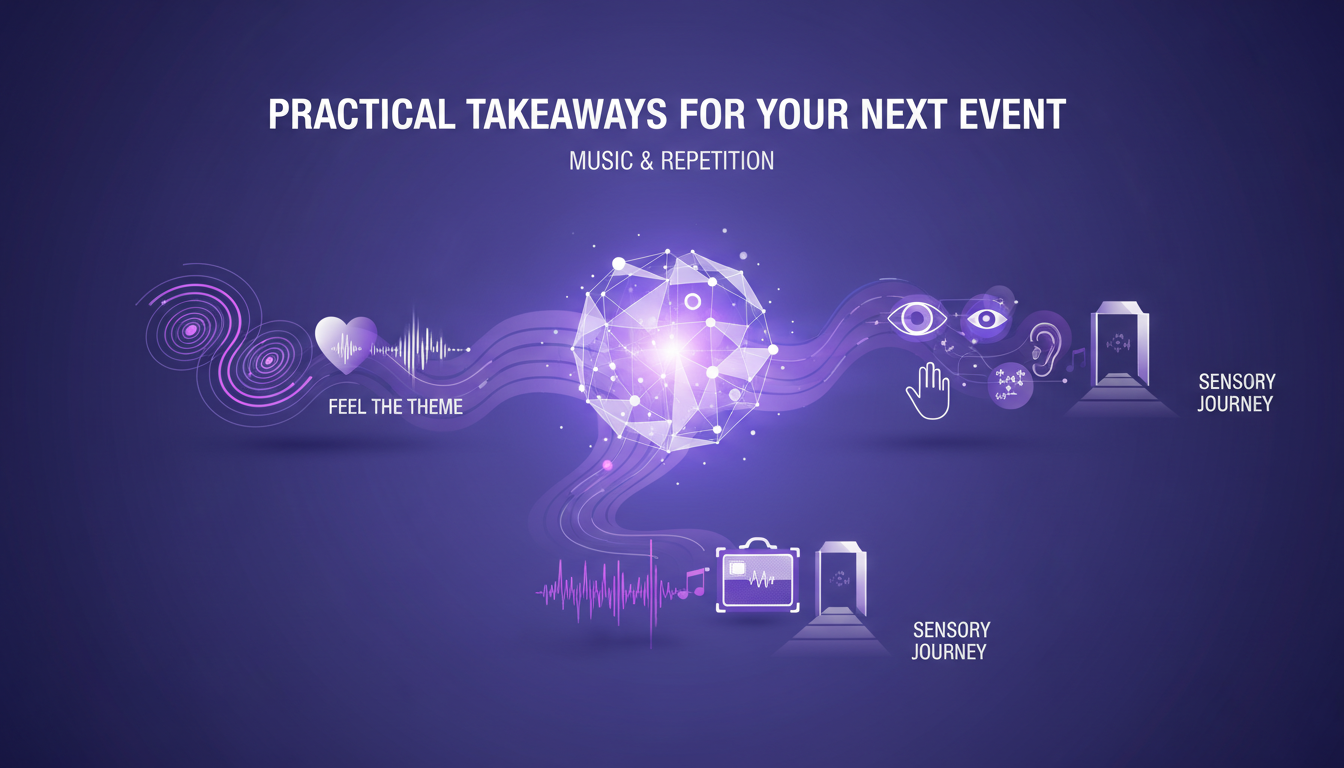
- Choose an immersive theme.
- Use music to reinforce without distracting.
- Balance elements for a coherent experience.
- Avoid overloading with too much data.
So I attended CES 2026, and I must say, it was a sensory experience done right. Here are my key takeaways you can apply right now:
- Embodied Theme: The theme of heat wasn't just an idea—it was felt. Think about how your themes can become full-fledged experiences.
- Repetitive Sensory Elements: Using repetitive sensory elements creates a lasting impression. It's a real game changer for capturing your audience's attention.
- Background Music: Music isn't just background noise; it really set the atmosphere. Choose it wisely for your events.
Looking forward, I believe it's crucial to turn our presentations into sensory experiences to truly resonate with our audience. Next time you're planning an event, consider how your theme can be felt, not just seen.
I strongly recommend watching the "Eureka Park at CES 2026" video for deeper insight. It's on YouTube: link. You'll see, it's worth it!
Frequently Asked Questions

Thibault Le Balier
Co-fondateur & CTO
Coming from the tech startup ecosystem, Thibault has developed expertise in AI solution architecture that he now puts at the service of large companies (Atos, BNP Paribas, beta.gouv). He works on two axes: mastering AI deployments (local LLMs, MCP security) and optimizing inference costs (offloading, compression, token management).
Related Articles
Discover more articles on similar topics
Caterpillar Innovations at CES 2026: Safety and Tech
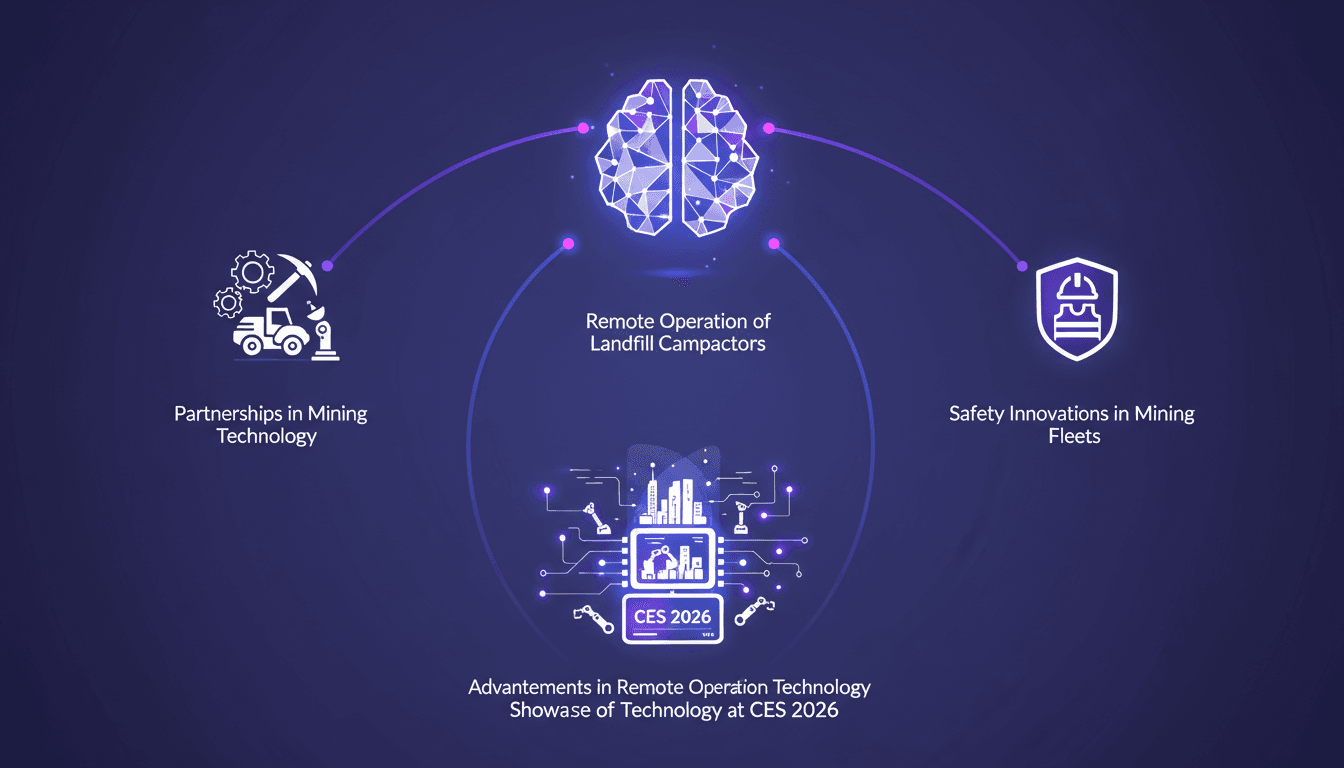
I walked into CES 2026 with one goal: to see how Caterpillar is pushing the boundaries of mining technology. First thing I noticed? The buzz around their remote operation systems. Caterpillar doesn't just follow trends, they create them. From advancements in tech partnerships to innovations in the remote operation of compactors, they're redefining safety in mining fleets. Let me take you through what I discovered—trust me, it's a game changer for the future of the mining industry.
Vending at CES 2026: Strategies and Insights
I still remember setting up my vending booth at CES 2026, right in the middle of that buzzing hive of innovation. It was more than just a sales opportunity; it was a chance to connect directly with tech enthusiasts and industry leaders. But let's be real, vending at an event this massive isn't just about showing up. I had to navigate logistical hurdles, understand the constant flow of visitors (and not just hand out flyers). From setup to ongoing conversations with potential clients, every step was a lesson in optimizing presence and maximizing impact. If you think it's just about the tech, you're missing the point. It's a complex dance between strategic preparation and on-the-ground agility.
Chat GPT Health: Revolution and Ethical Risks
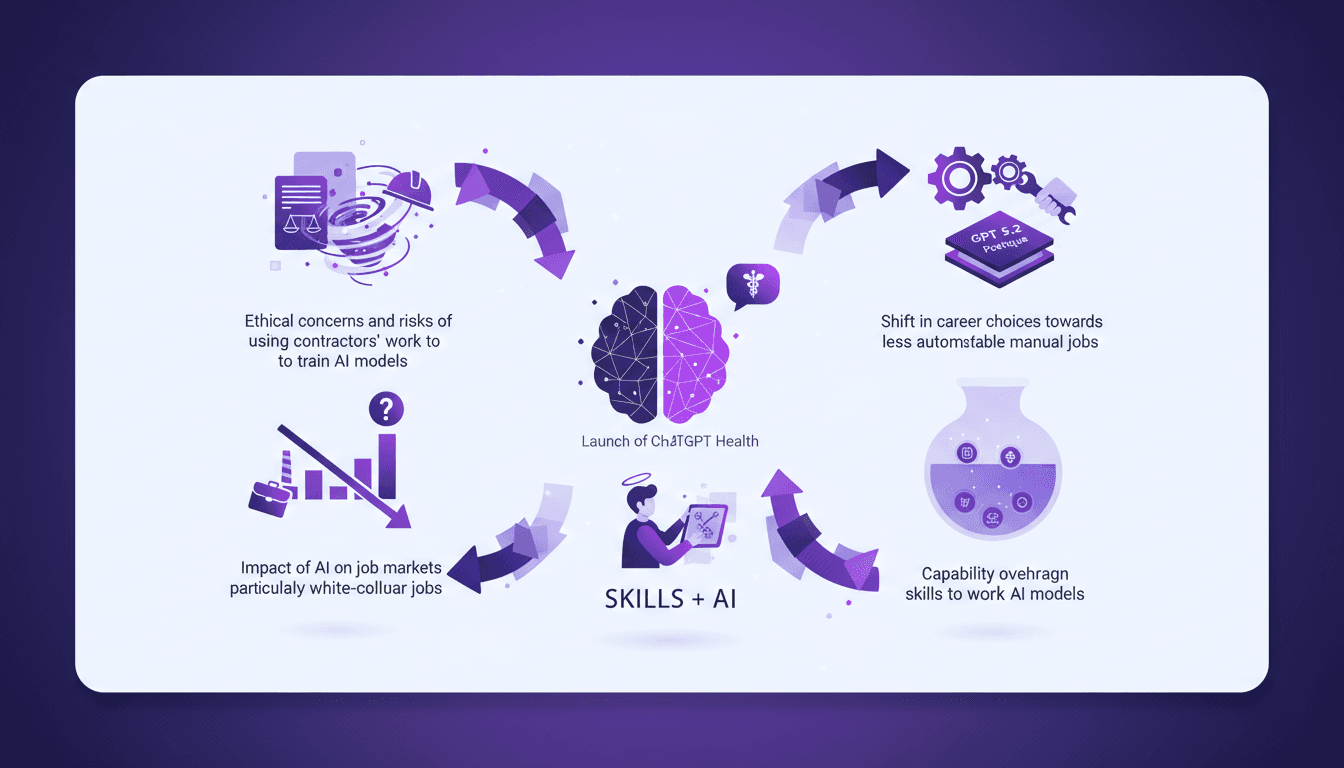
When I first saw the launch of Chat GPT Health, my heart wavered between excitement and concern. Imagine a tool consulted by 230 million people weekly for health inquiries. It's a real game changer, but at what cost? The ethical implications are massive, especially when using contractors' work to train these models. And then there's the job market impact: white-collar jobs are shaking, pushing some towards less automatable manual work. Add the advancements with GPT 5.2 and Poétique, and you have an explosive mix. But be careful, don't underestimate the underutilized capacity of these models—I got burned there. In short, learn to work with these tools, or risk being left behind.
Super Quantum Dot TV: Display Revolution
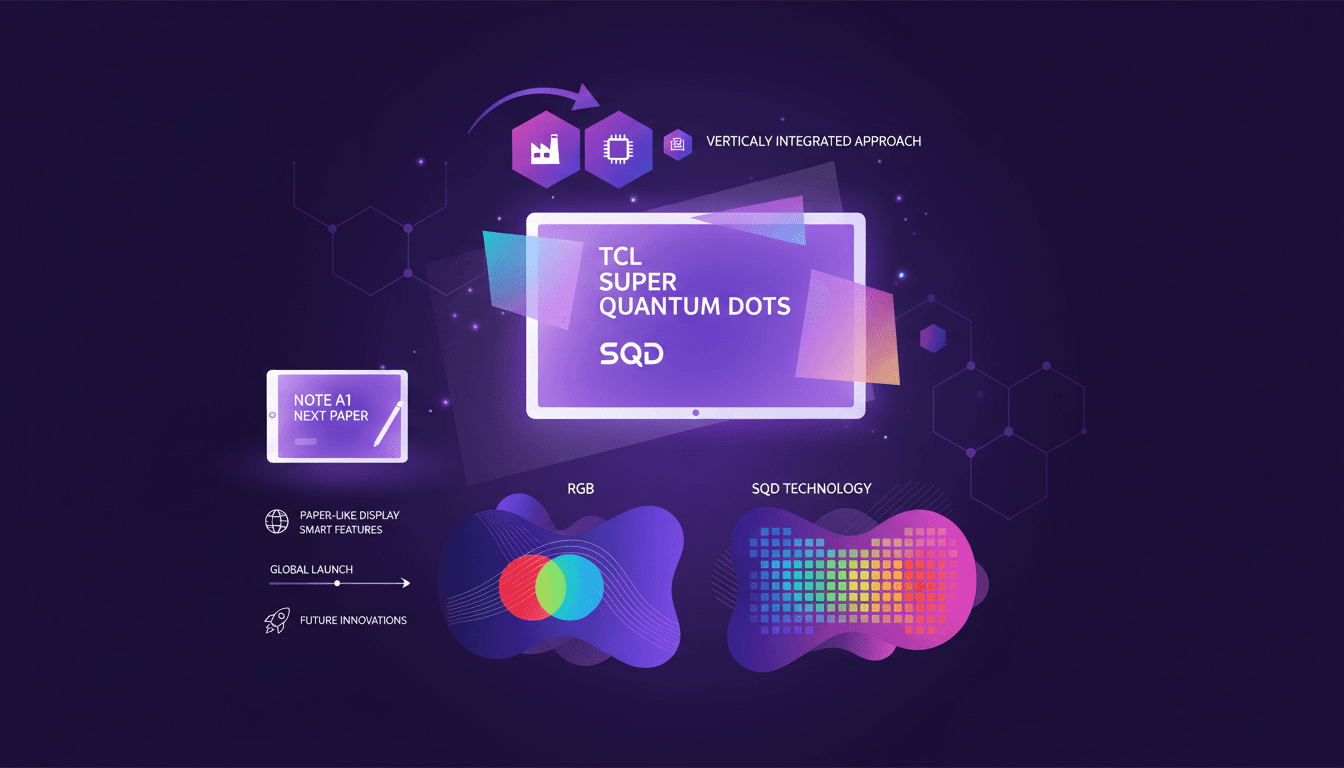
I recently got my hands on TCL's Super Quantum Dots Television, and let me tell you, it’s a game changer. But not without its quirks. In the ever-evolving world of display technology, this TV promises advancements in color accuracy and brightness. But how does it stack up in real-world use? With a brightness of 10,000 nits and 20,000 discrete zones, it pushes the boundaries, but there are nuances to grasp (and pitfalls to avoid). Here, I share my direct experience with this tech, comparisons between RGB and SQD technologies, and what the future holds with the X11 coming in 2026.
Elevating TV Saturation: RGB miniLEDD
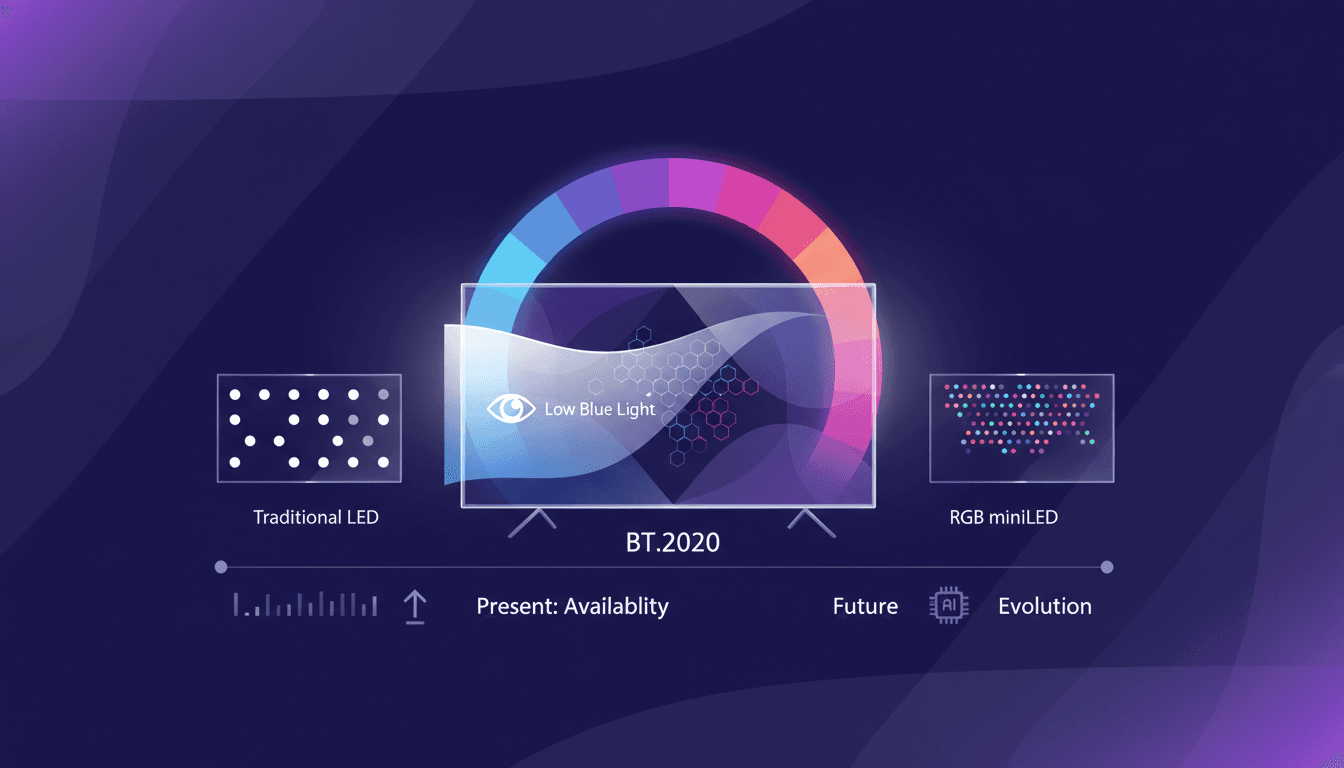
I remember the first time I hooked up a High Sense RGB miniLEDD TV. The difference was night and day. Let me walk you through how this technology elevates TV saturation and why it’s a game changer. We're talking about covering 110% of the BT 2020 color space—a remarkable feat that reshapes how we perceive color and light. But there are technical nuances to grasp, particularly in reducing blue light emissions. Finally, a glance at market availability and what the future holds for this tech. Stick with me to see how to orchestrate this in your own living room and get the most out of it.