Chat GPT Health: Revolution and Ethical Risks
When I first saw the launch of Chat GPT Health, my heart wavered between excitement and concern. Imagine a tool consulted by 230 million people weekly for health inquiries. It's a real game changer, but at what cost? The ethical implications are massive, especially when using contractors' work to train these models. And then there's the job market impact: white-collar jobs are shaking, pushing some towards less automatable manual work. Add the advancements with GPT 5.2 and Poétique, and you have an explosive mix. But be careful, don't underestimate the underutilized capacity of these models—I got burned there. In short, learn to work with these tools, or risk being left behind.
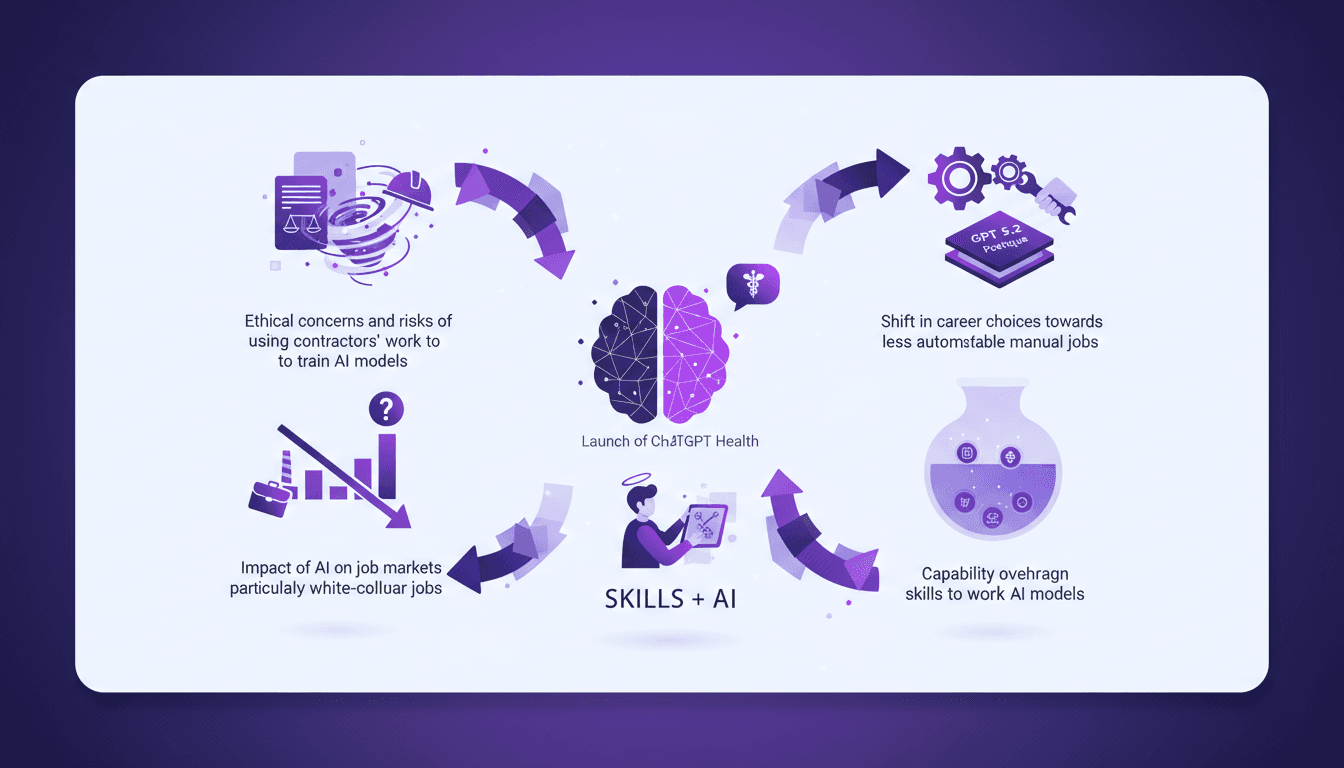
I still remember the first time I saw the launch of Chat GPT Health. My initial reaction? A surge of excitement mixed with a hint of concern. This isn't just another AI update; it's a game changer, but beware of the pitfalls. Imagine this: over 230 million people turn to this tool weekly for health queries. With such an impact, ethical concerns are skyrocketing, especially when we consider the model leans on contractors' work for training. Then there's the job market impact. White-collar jobs are at risk, pushing some towards less automatable manual jobs. Advancements with GPT 5.2 and Poétique only fuel the fire. But don't underestimate the underutilized potential of these models—I got burned there. So, develop your skills to work with these tools, or you might find yourself left behind.
Chat GPT Health: A New Era in AI Healthcare
OpenAI has made a bold move by launching Chat GPT Health, a project aiming to revolutionize our interaction with healthcare. With over 230 million weekly users asking health-related questions, the impact is profound. This isn't just a gimmick; it's about integrating real medical data, particularly through Bewell, which aggregates data from more than 2 million US healthcare providers. It's a strategic move for OpenAI, but let's not ignore the significant ethical questions it raises.
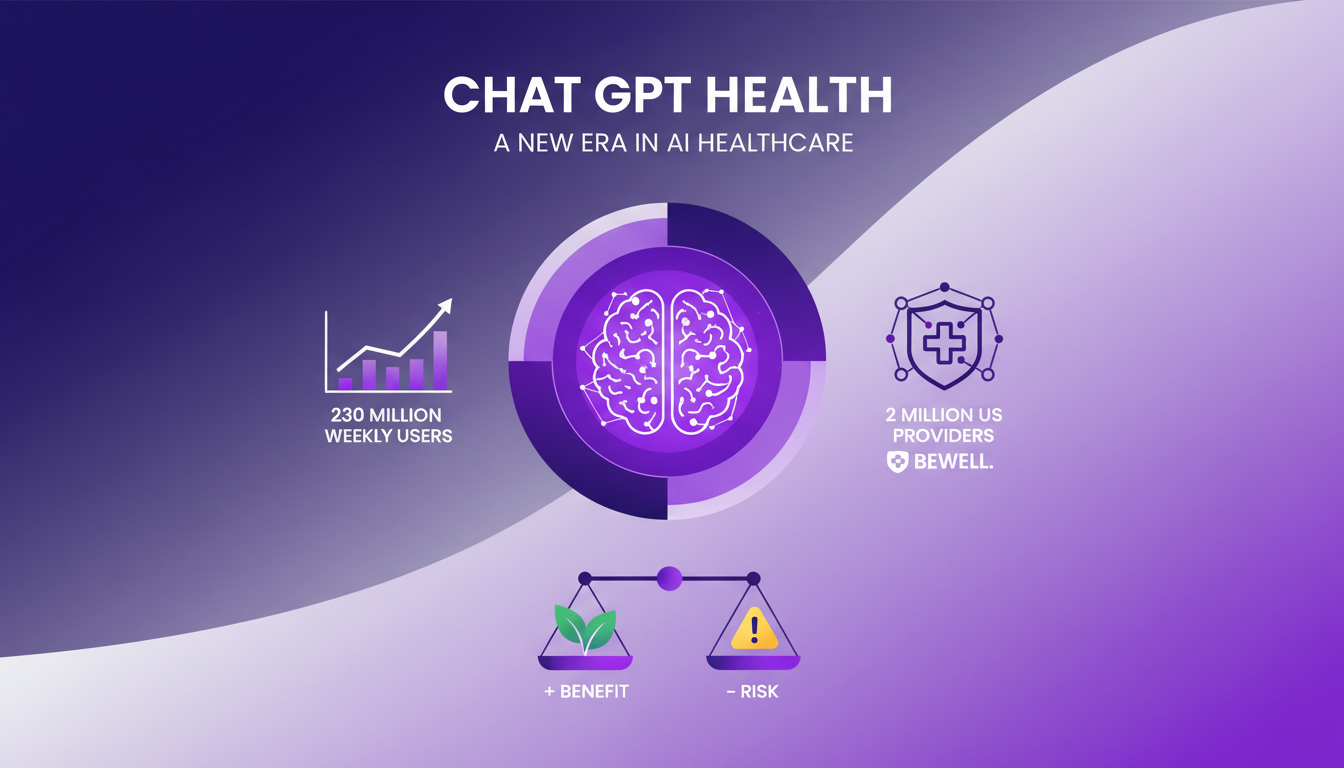
As a practitioner, I've seen firsthand how data can enhance healthcare, but integrating personal medical information carries risks. Imagine if your medical history were misused. That's why OpenAI claims that health data won't be used to train their models. But, realistically, trust is crucial here.
Ethical Concerns: Using Real Work Data for AI
OpenAI has also raised eyebrows by asking contractors to upload their real work to train AI. This is surprising, yet it highlights current challenges. Using real data brings up questions about privacy and data security. Is it truly worth the potential advancements?
I've seen examples where sensitive data was used without proper consent, leading to disastrous outcomes. It's a delicate balance between technological progress and ethical boundaries.
- Ensure that data used has clear consent.
- Protect the confidentiality of sensitive information.
- Weigh risks against potential benefits.
AI's Impact on Job Markets: A Double-Edged Sword
The potential elimination of 5 million white-collar jobs by 2025 is shocking. As AI, particularly with GPT 5.2, is preferred over human experts in 75% of cases, it causes ripples. Yet, we need to adapt.
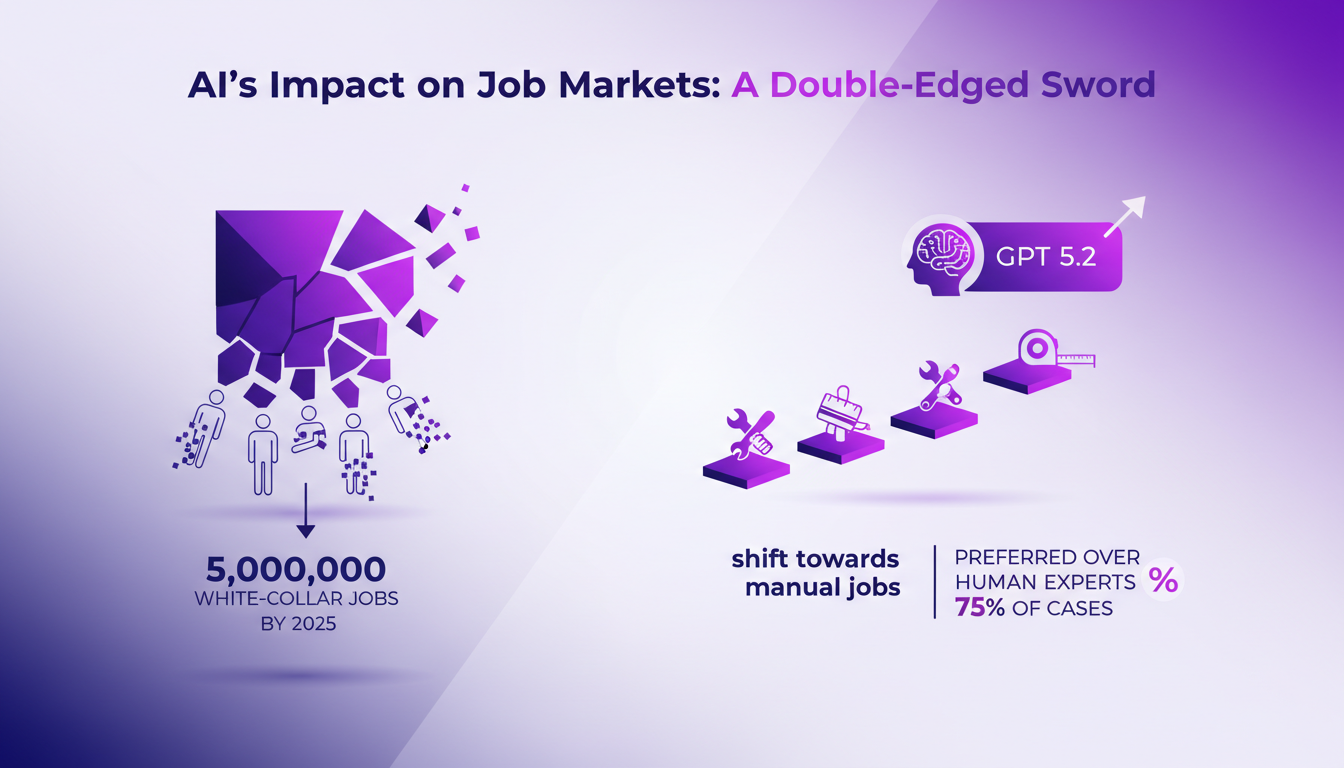
Ironically, manual jobs are on the rise, with 40% of young graduates turning to these careers. I've seen electricians in the US earning over $200,000 annually. It's a clear sign that practical skills hold value in an automated world.
Advancements in AI: GPT 5.2 and Poétique
GPT 5.2, with its Poétique system, achieved a score of 75%, surpassing the human average by 15 points. This illustrates AI's potential. However, the concept of 'capability overhang' highlights that we rarely utilize models to their full potential. I've often seen tools underused simply because users don't know how to leverage them effectively.
- Understand and utilize the full capabilities of AI models.
- Train users to maximize efficiency.
Adapting to AI Tools: Skills and Productivity
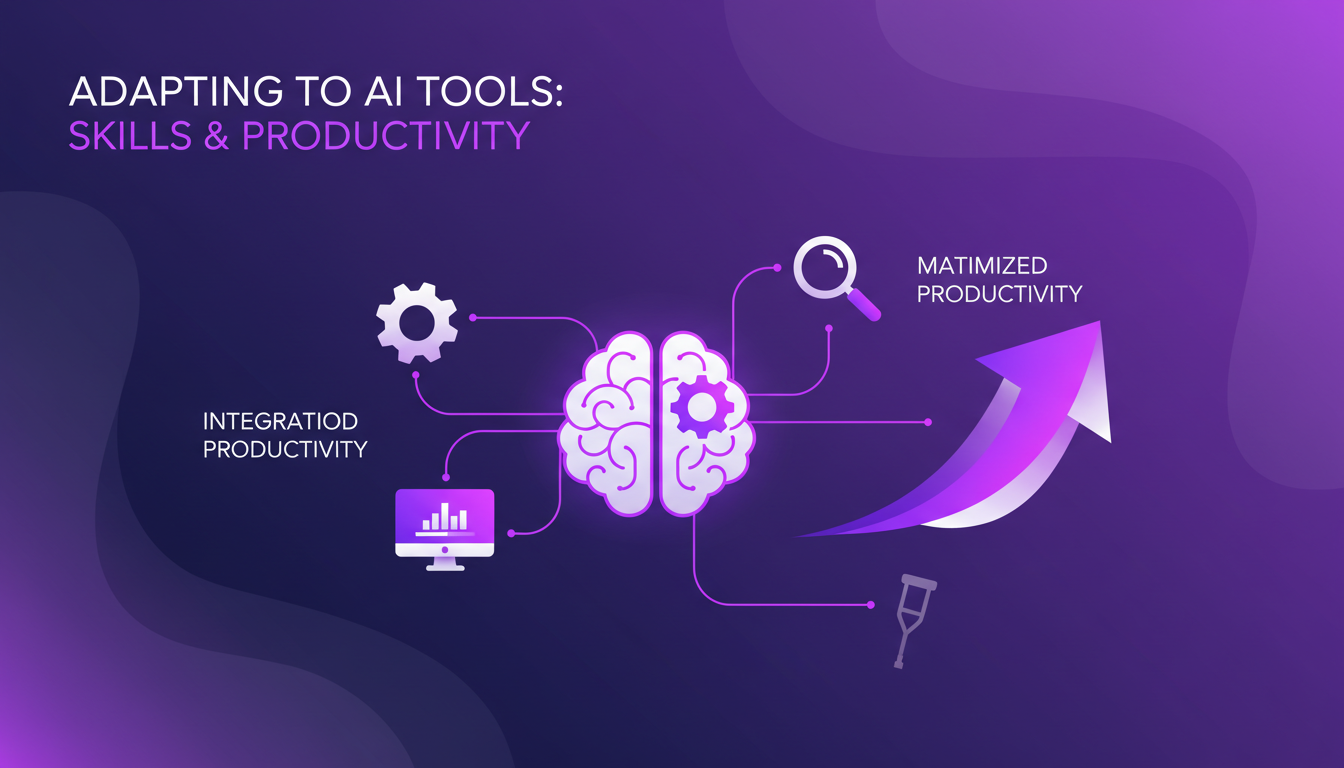
Developing AI-related skills has become essential. To effectively integrate these tools into your workflow, it's not enough to use them sporadically. You have to master them, orchestrating them into daily processes. I've learned that this not only enhances productivity but also the quality of work.
Here are some practical tips:
- Integrate AI into your daily routines to maximize productivity gains.
- Don't rely solely on AI, but use it to complement your human skills.
- Stay informed about the latest innovations to avoid being left behind.
With the launch of Chat GPT Health, we're witnessing a real turning point in AI's role in healthcare. First takeaway: with GPT 5.2 Pro, AI beats human experts in nearly 75% of cases, which is massive. But watch out for the ethical and economic implications. We've seen more than 230 million people worldwide asking health questions to Chat GPT each week, and that's where managing the impact on industry jobs becomes critical. Second, the impact on the job market, especially white-collar jobs, is undeniable – we need to adapt and maybe pivot to less automatable roles. Finally, the aggregation of data from over 2 million US healthcare providers by Bewell highlights the scale of this shift. So yes, it’s a game changer for healthcare, but stay vigilant about potential pitfalls.
Looking forward, it's crucial to stay informed, develop your skills, and be proactive in shaping the future of AI in your industry. I recommend checking out the full video here for a broader perspective and deeper understanding of the current stakes.
Frequently Asked Questions

Thibault Le Balier
Co-fondateur & CTO
Coming from the tech startup ecosystem, Thibault has developed expertise in AI solution architecture that he now puts at the service of large companies (Atos, BNP Paribas, beta.gouv). He works on two axes: mastering AI deployments (local LLMs, MCP security) and optimizing inference costs (offloading, compression, token management).
Related Articles
Discover more articles on similar topics
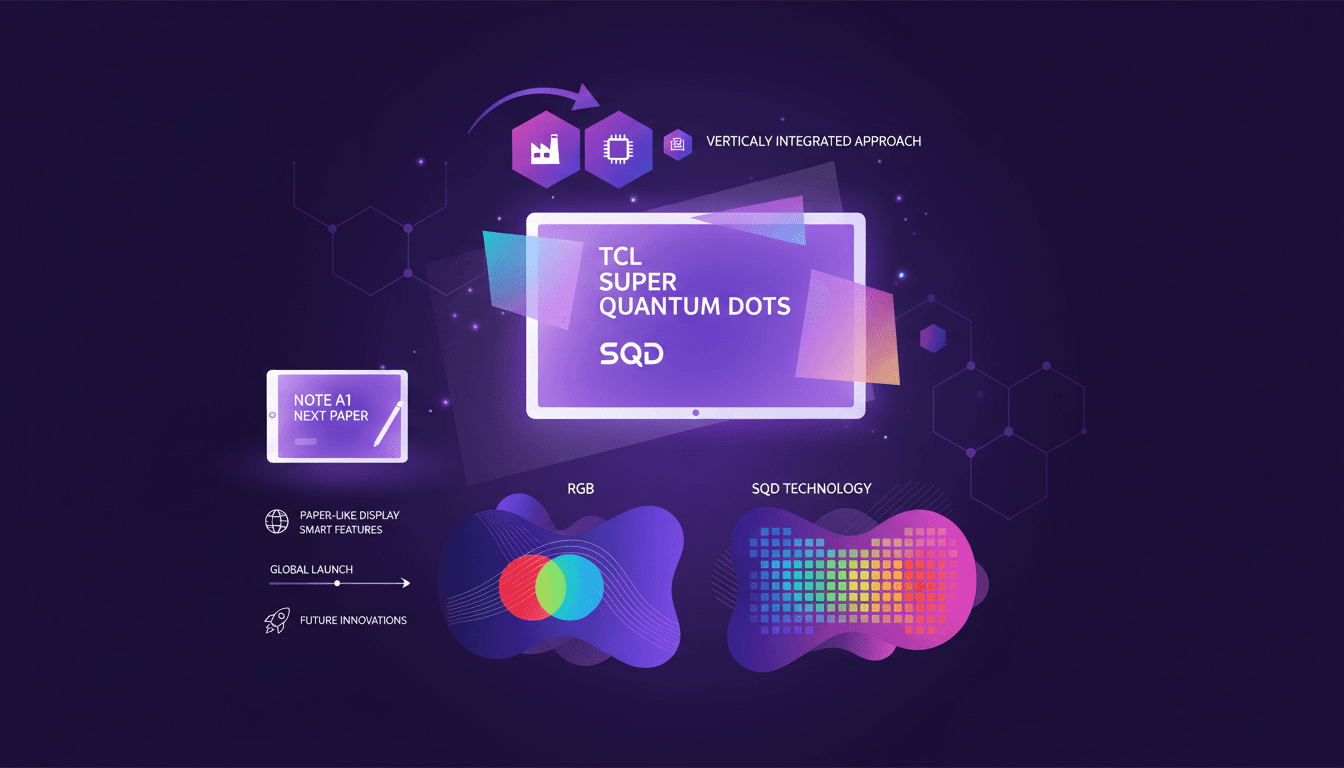
Super Quantum Dot TV: Display Revolution
I recently got my hands on TCL's Super Quantum Dots Television, and let me tell you, it’s a game changer. But not without its quirks. In the ever-evolving world of display technology, this TV promises advancements in color accuracy and brightness. But how does it stack up in real-world use? With a brightness of 10,000 nits and 20,000 discrete zones, it pushes the boundaries, but there are nuances to grasp (and pitfalls to avoid). Here, I share my direct experience with this tech, comparisons between RGB and SQD technologies, and what the future holds with the X11 coming in 2026.
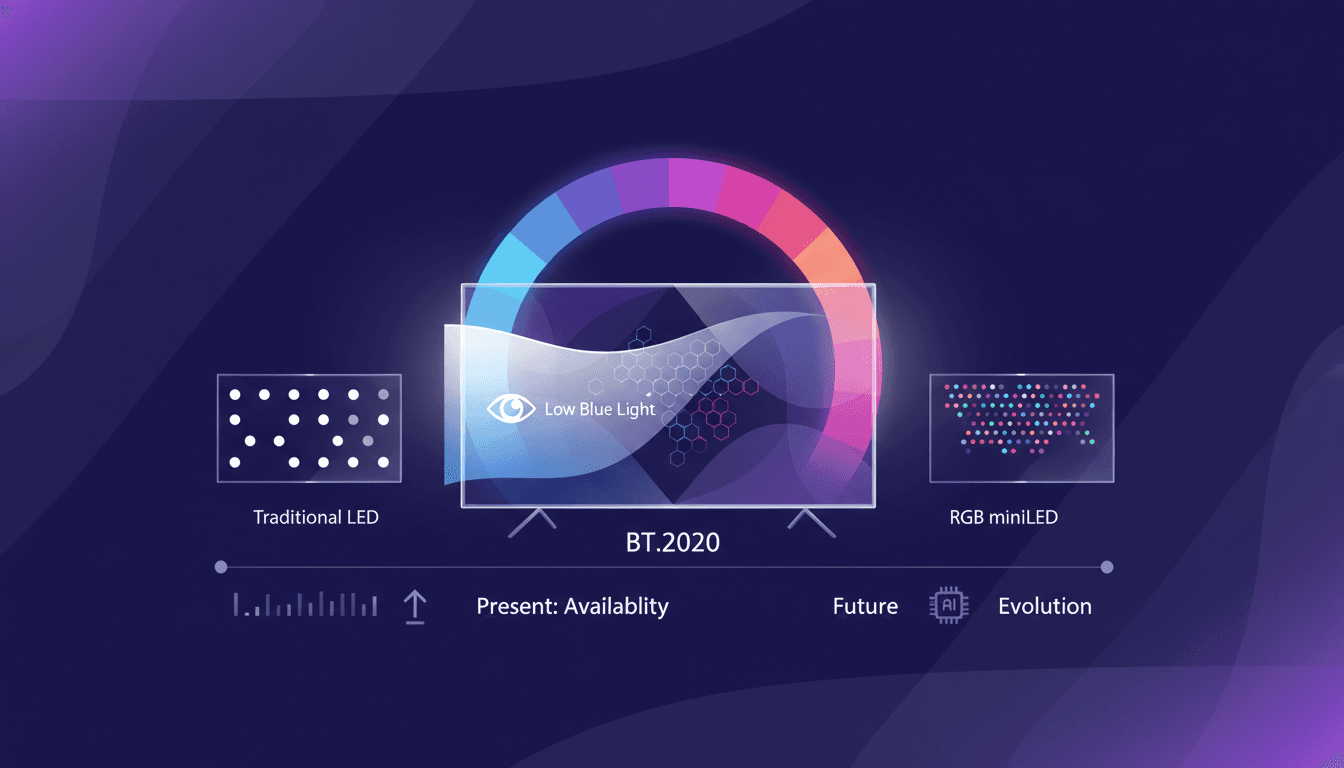
Elevating TV Saturation: RGB miniLEDD
I remember the first time I hooked up a High Sense RGB miniLEDD TV. The difference was night and day. Let me walk you through how this technology elevates TV saturation and why it’s a game changer. We're talking about covering 110% of the BT 2020 color space—a remarkable feat that reshapes how we perceive color and light. But there are technical nuances to grasp, particularly in reducing blue light emissions. Finally, a glance at market availability and what the future holds for this tech. Stick with me to see how to orchestrate this in your own living room and get the most out of it.
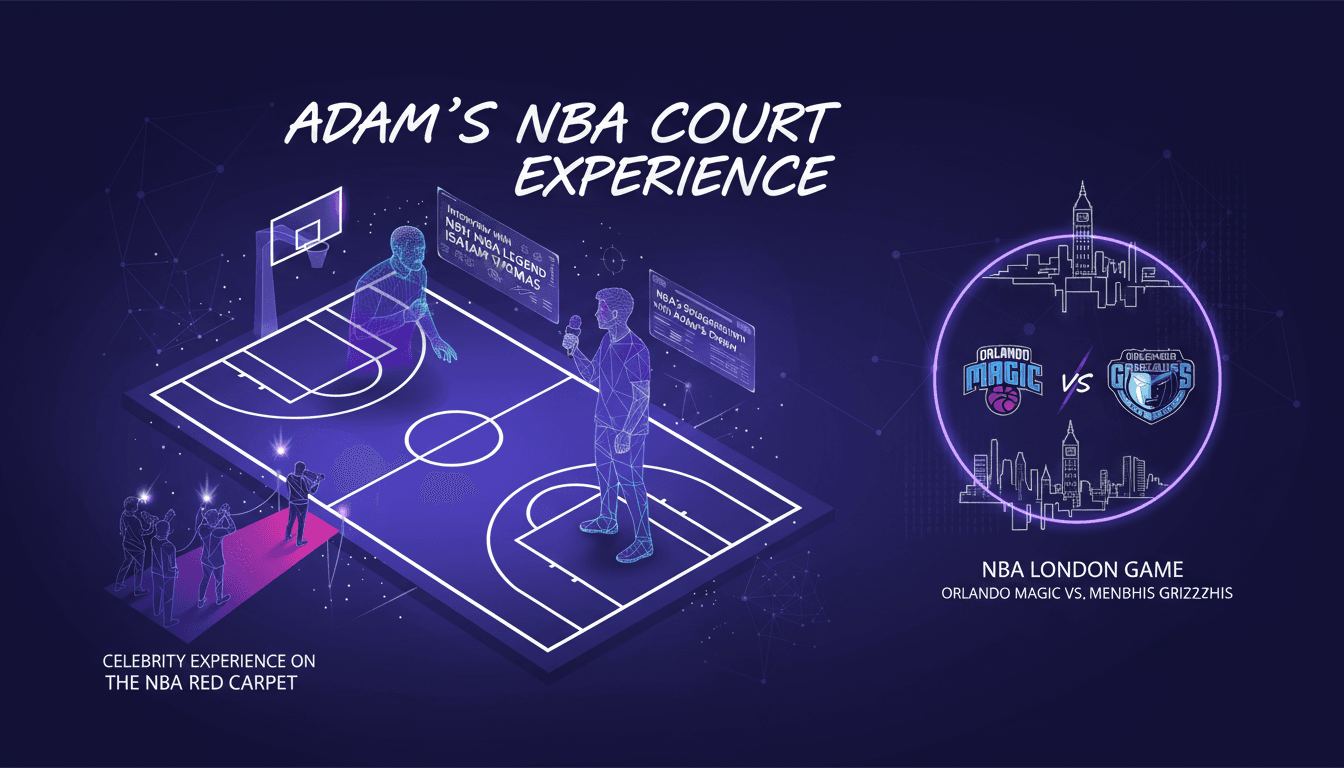
Adam's NBA Experience: Dream to Reality
Stepping onto the NBA court felt like a dream come true, one I vividly remember as if it were yesterday. It wasn't just about the game; it was about immersing myself in the NBA dream, a seemingly distant reality that became tangible. And it didn't stop there. I interviewed NBA legend Isaiah Thomas on my podcast, a once-in-a-lifetime opportunity. Plus, the NBA London Game: Orlando Magic vs. Memphis Grizzlies and the red carpet — a celebrity experience. Let me take you through this journey, from the first step on the court to meeting legends.