Elevating TV Saturation: RGB miniLEDD
I remember the first time I hooked up a High Sense RGB miniLEDD TV. The difference was night and day. Let me walk you through how this technology elevates TV saturation and why it’s a game changer. We're talking about covering 110% of the BT 2020 color space—a remarkable feat that reshapes how we perceive color and light. But there are technical nuances to grasp, particularly in reducing blue light emissions. Finally, a glance at market availability and what the future holds for this tech. Stick with me to see how to orchestrate this in your own living room and get the most out of it.
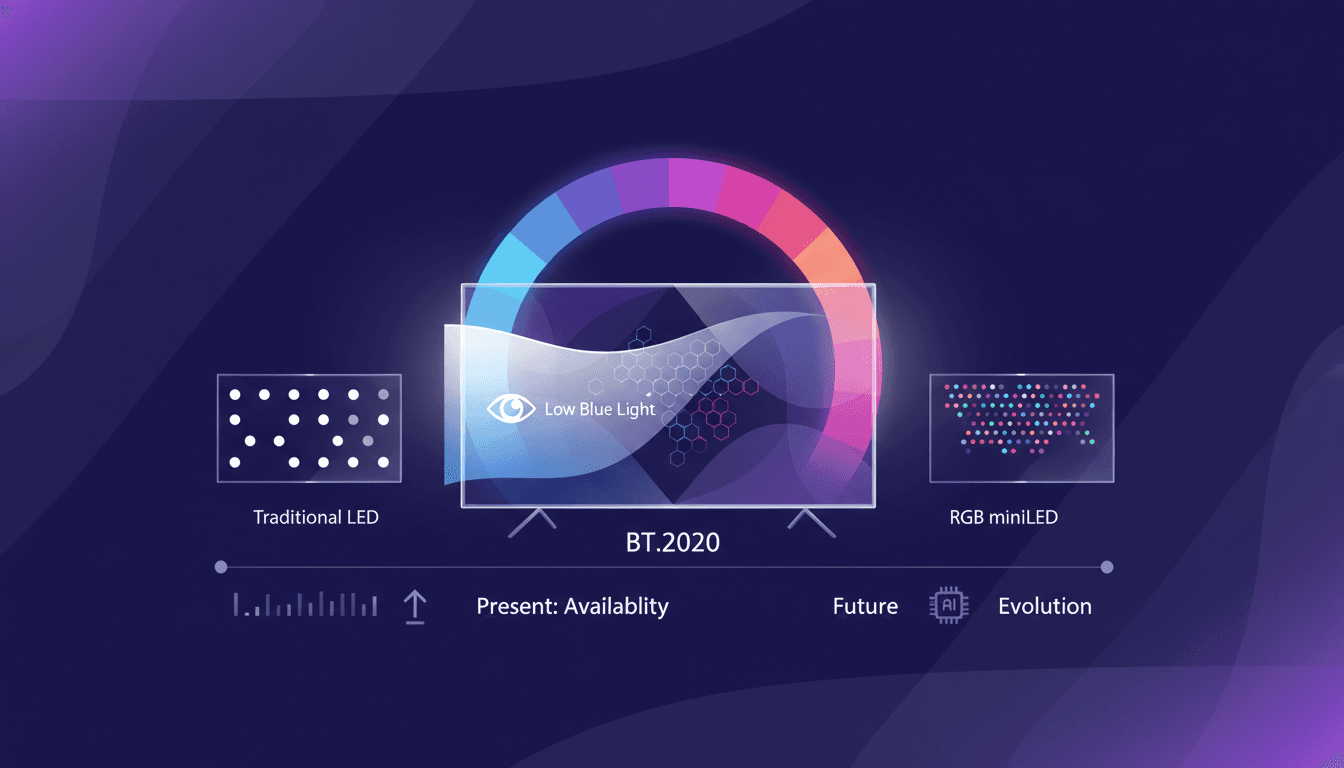
I remember the first time I hooked up a High Sense RGB miniLEDD TV. It was a revelation, like night turning into day. This technology elevates TV saturation in ways we've never seen before. We're talking about covering 110% of the BT 2020 color space, which completely reshapes how we perceive color and light. But watch out, there are technical details you can't ignore, like reducing blue light emissions. This isn't just a replacement for old screens; it's a transcendence. I'll walk you through how the technical differences between traditional and RGB mini LED TVs make all the difference. Most importantly, I'll show you how to bring these innovations into your home because that's where the real revolution happens. Stick with me to see how to make the most of this technology and what the future holds for TV tech.
Understanding RGB miniLEDD Technology
First, I unboxed the 116-inch RGB miniLEDD TV and immediately noticed the robust build. It's not just a TV; it's a beast—like bringing a Ferrari into your living room. The RGB miniLEDD tech stands out by offering 110% of the BT 2020 color space, a significant leap over traditional models. But watch out, setting it up isn't as straightforward as you might think. Proper calibration is essential to maximize the color spectrum. This can be a headache if you're not meticulous.
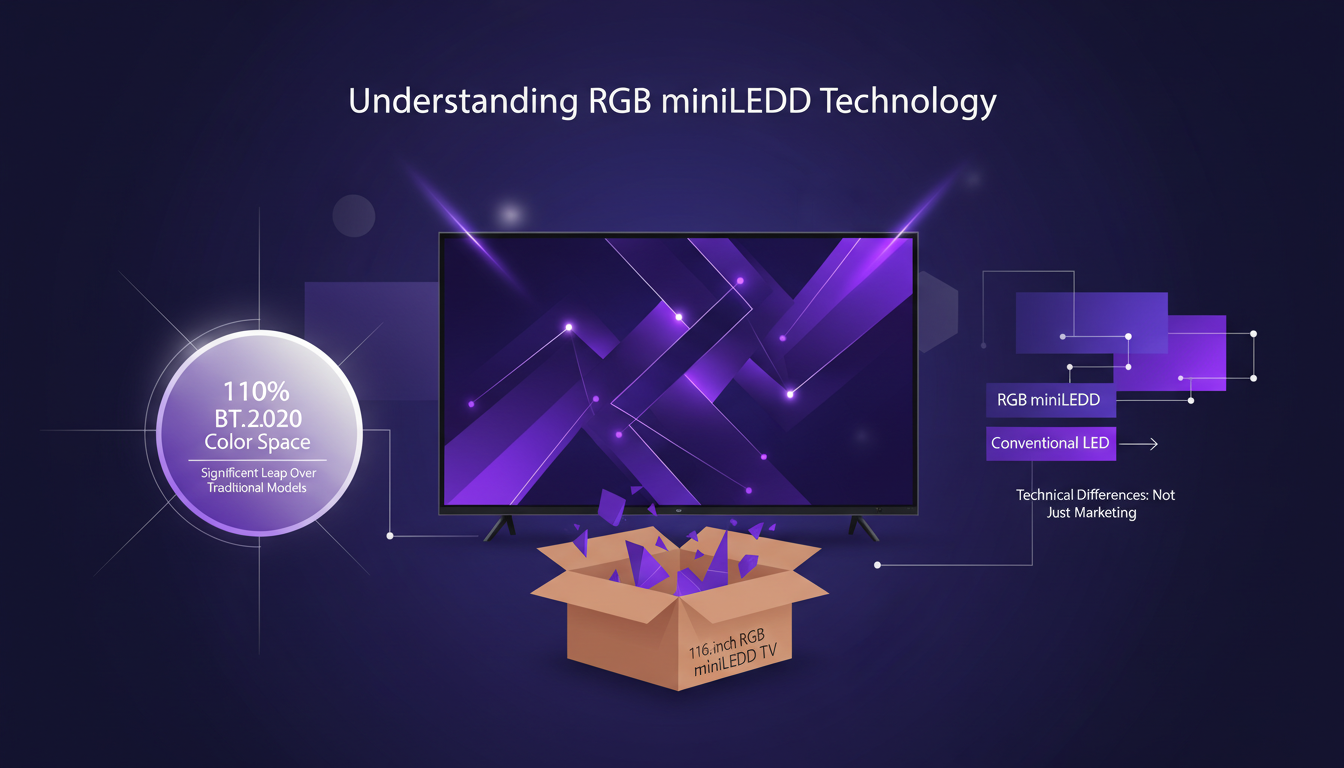
The technical difference between RGB miniLEDD and conventional LED TVs isn't just marketing hype. I noticed that separating red, green, blue lights, and adding cyan light improves color representation significantly. But get ready, the initial setup is crucial to maximize this advantage.
Color Representation and BT 2020 Space
Configuring the TV to exploit its full color potential, I hit 110% of BT 2020—impressive for any display. The visual impact is immediate; colors are more vibrant and lifelike, enhancing viewing pleasure. To understand this, you need to know that BT 2020 is the standard for ultra-high-definition TV and a big leap from BT 709. But remember, not all content is created for BT 2020, so the effect varies with source material.
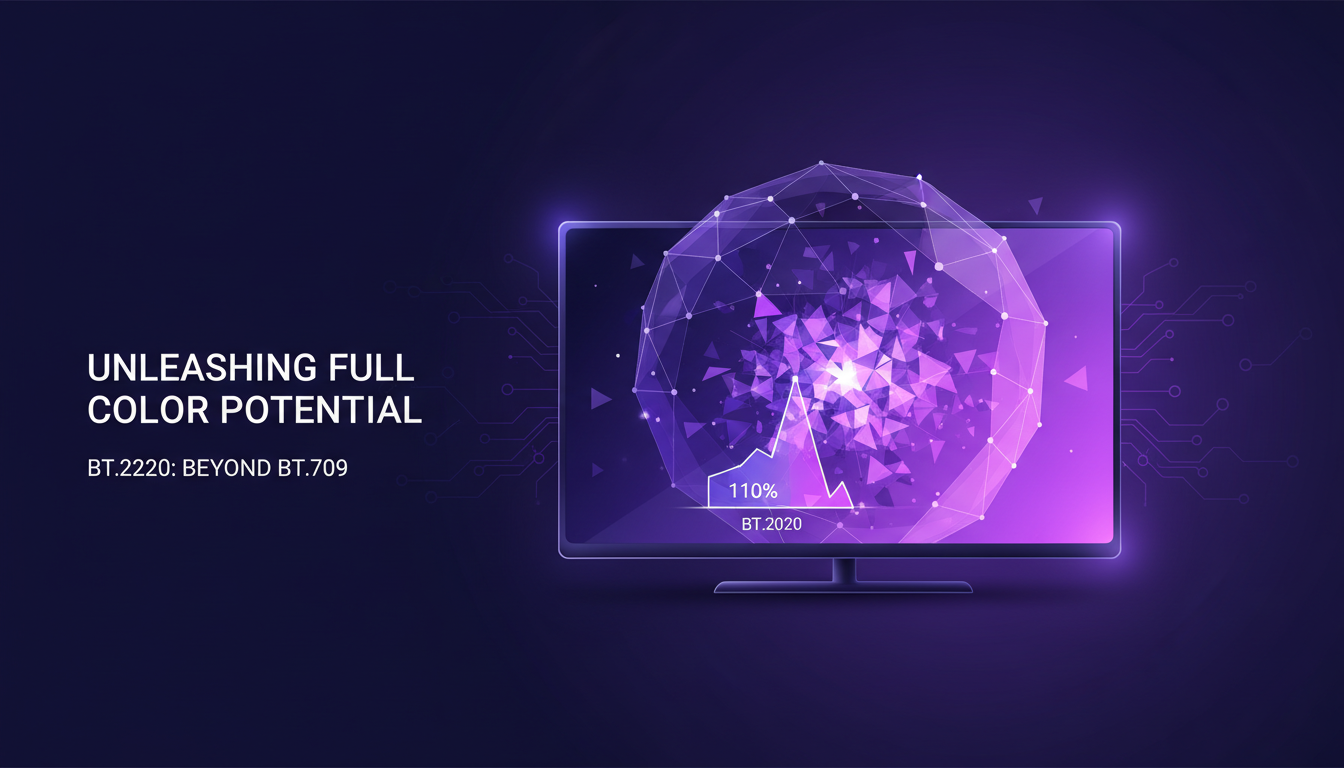
In the end, it's like comparing a black-and-white print to a color one—the difference is palpable, but it all depends on your source.
Innovations in Reducing Blue Light Emission
Reducing blue light was a priority for me, given its impact on eye health and sleep. This TV's innovations in lowering blue light emissions without sacrificing color quality are noteworthy. I tested various settings—night mode, filters—and found a sweet spot that balanced comfort and clarity. But be cautious of over-reducing; it can dull the image. There’s a trade-off to consider.
By adjusting the TV's settings, I managed to reduce intensity while keeping colors vibrant, avoiding eye strain even after hours of viewing. It's like finding the right computer screen setting for night work, but on a whole different scale.
Technical Differences: RGB vs. Traditional LEDs
RGB miniLEDD TVs use smaller, more numerous LEDs for better control and precision. I compared side-by-side with a traditional LED TV and the difference in brightness and color depth was clear. The technology enables finer control over local dimming, improving contrast ratios significantly.
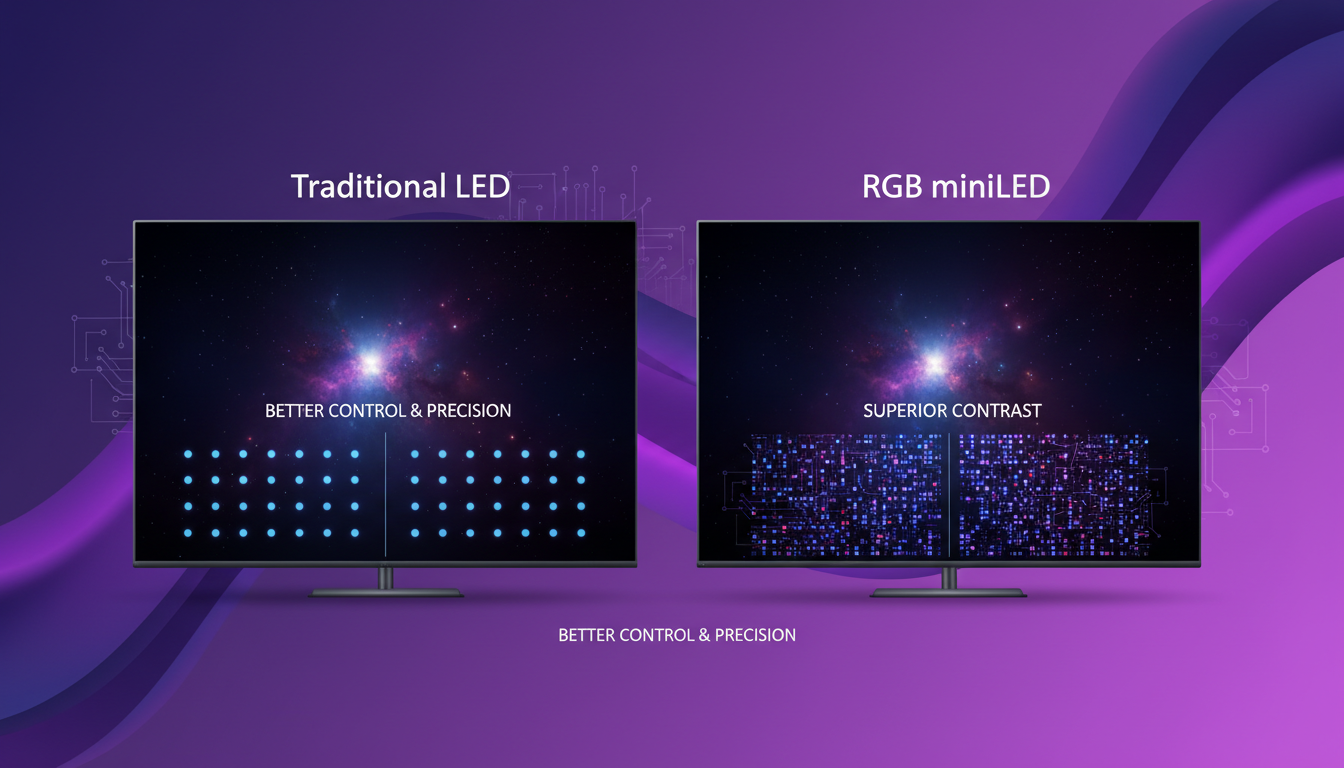
However, these TVs can be more expensive and complex to repair—something to weigh in your decision. Think of it like maintaining a luxury car: the performance is there, but at what cost?
Market Availability and Future Prospects
Exploring the market, I found several brands adopting RGB miniLEDD, indicating a growing trend. While availability is expanding, prices remain high—worth it for enthusiasts, but a consideration for the average consumer.
Future updates could further improve efficiency and reduce costs, making this tech more accessible. Keep an eye on upcoming models; they promise even better performance and features.
In conclusion, RGB miniLEDD is truly a game changer, but like anything, there are trade-offs. Stay informed and make your choices wisely.
With RGB miniLEDD technology, I'm not just talking about watching TV, but really redefining the visual experience. First, the extension to 110% of the BT 2020 color space is something we've never seen before. Then, reducing blue light emissions without sacrificing color quality is a real win for eye comfort. But watch out, all this comes with a cost and technical complexity that might give you pause. On the flip side, if you're investing in quality and eye protection, it could be worth it. Looking ahead, I'm convinced these innovations will transform how we consume content. So, if you're in the market for a new TV, consider the RGB miniLEDD. And to truly grasp the impact of these advances, I recommend watching the 'Elevating TV Saturation' video. It's worth it to understand the full scope of this game-changing technology.
Frequently Asked Questions

Thibault Le Balier
Co-fondateur & CTO
Coming from the tech startup ecosystem, Thibault has developed expertise in AI solution architecture that he now puts at the service of large companies (Atos, BNP Paribas, beta.gouv). He works on two axes: mastering AI deployments (local LLMs, MCP security) and optimizing inference costs (offloading, compression, token management).
Related Articles
Discover more articles on similar topics
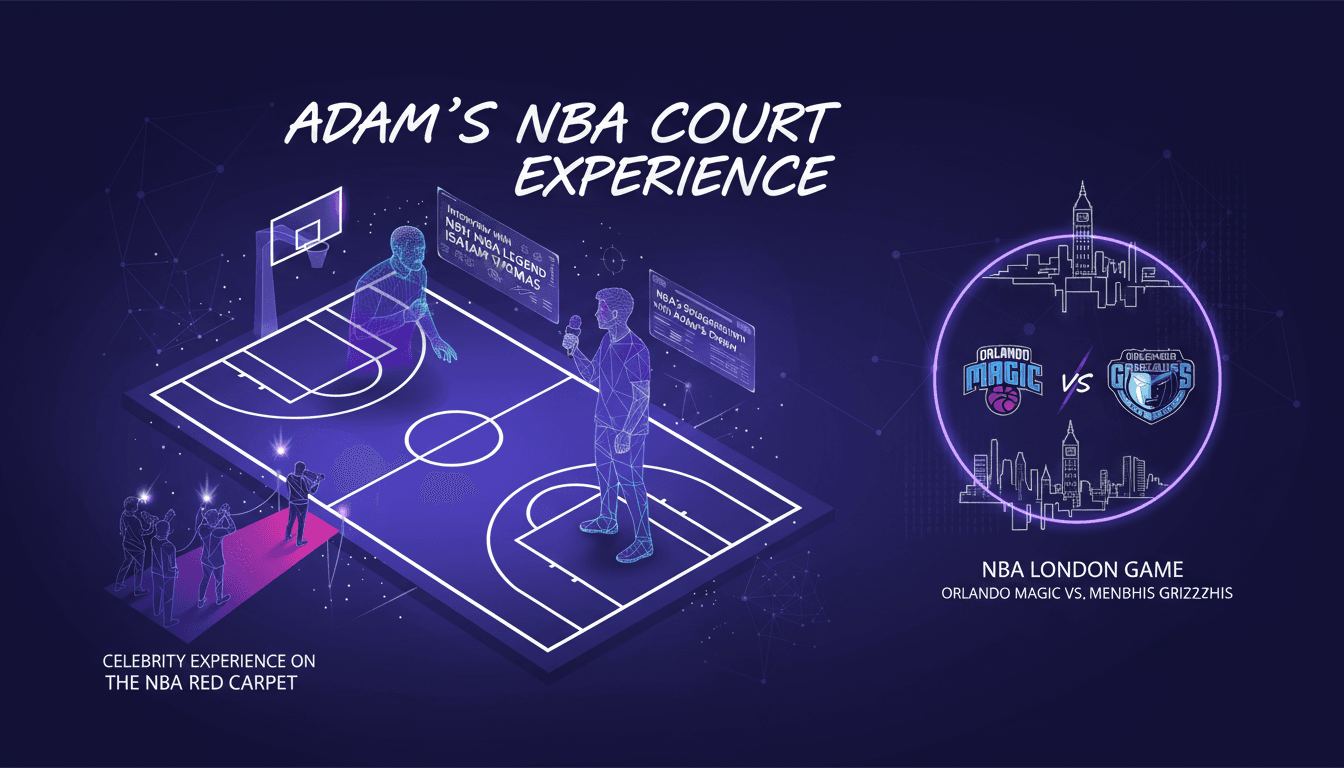
Adam's NBA Experience: Dream to Reality
Stepping onto the NBA court felt like a dream come true, one I vividly remember as if it were yesterday. It wasn't just about the game; it was about immersing myself in the NBA dream, a seemingly distant reality that became tangible. And it didn't stop there. I interviewed NBA legend Isaiah Thomas on my podcast, a once-in-a-lifetime opportunity. Plus, the NBA London Game: Orlando Magic vs. Memphis Grizzlies and the red carpet — a celebrity experience. Let me take you through this journey, from the first step on the court to meeting legends.