Super Quantum Dot TV: Display Revolution
I recently got my hands on TCL's Super Quantum Dots Television, and let me tell you, it’s a game changer. But not without its quirks. In the ever-evolving world of display technology, this TV promises advancements in color accuracy and brightness. But how does it stack up in real-world use? With a brightness of 10,000 nits and 20,000 discrete zones, it pushes the boundaries, but there are nuances to grasp (and pitfalls to avoid). Here, I share my direct experience with this tech, comparisons between RGB and SQD technologies, and what the future holds with the X11 coming in 2026.
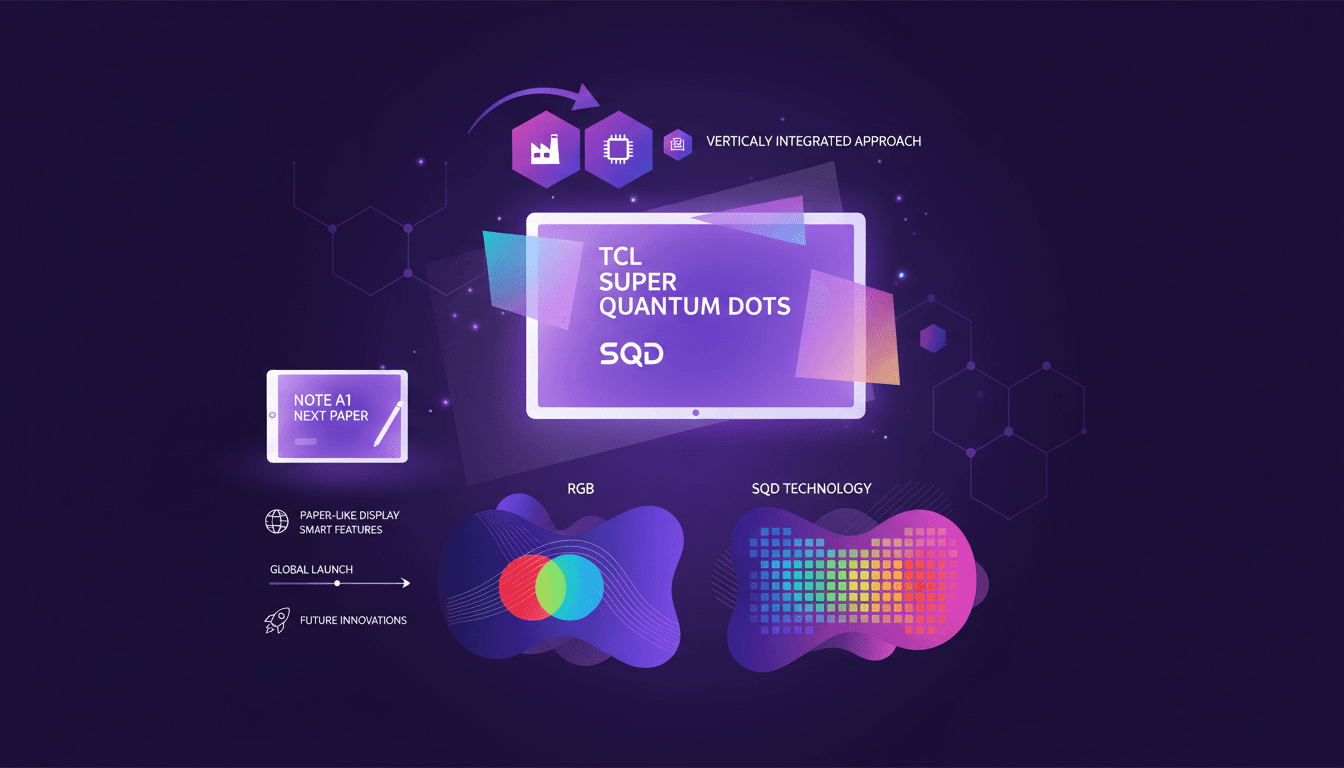
I recently got my hands on TCL's Super Quantum Dots Television, and let me tell you, it's a game changer. But hold your horses before you declare victory, because it's not without its quirks. In the ever-evolving world of display technology, TCL is making waves with its promises of advancements in color accuracy and brightness. So, how does it stack up in real-world use? With brightness reaching 10,000 nits and a staggering 20,000 discrete zones, this TV pushes boundaries. But it's not without its challenges. I've been burned a couple of times comparing RGB and SQD technologies, and I'm here to guide you through the nuances and potential pitfalls. Plus, there's the future to look forward to with the X11 slated for 2026. So, if you're the kind of person who's chasing display perfection, follow along as we dive into this exploration.
Unpacking Super Quantum Dots: What Sets Them Apart
When I first got my hands on TCL's Super Quantum Dots (SQD) television, it felt like stepping into a new realm of display technology. You know, with 10,000 nits of brightness and 20,000 discrete zones, these aren't just numbers on paper. It's like discovering a new dimension of color and brightness. Compared to traditional RGB technology, SQDs offer color accuracy that I've never seen before.
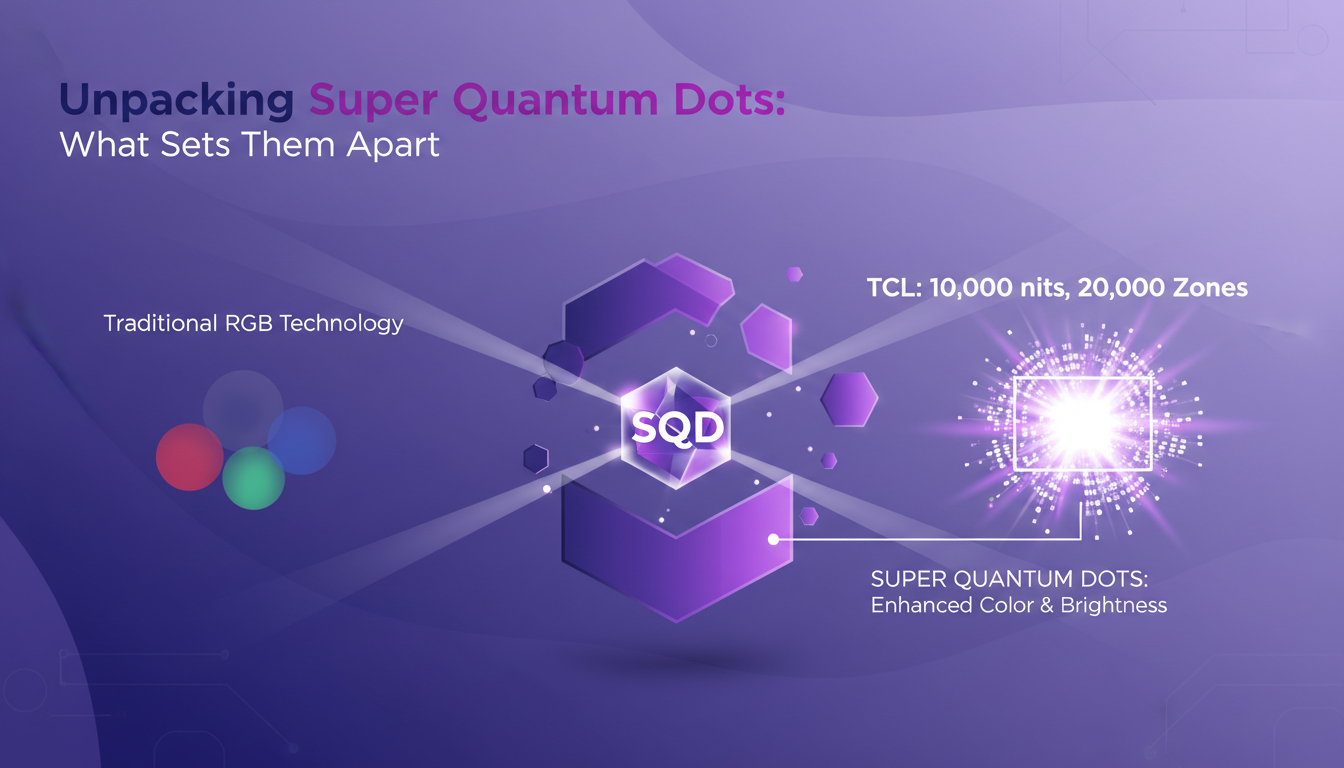
The initial setup was almost a breeze, but calibration needed some finesse. I had to tweak a few settings to avoid oversaturation. Essentially, SQDs stand out from RGB by eliminating blooming and offering deeper blacks, which I noticed right away. However, if not calibrated correctly, it can become a visual headache.
- Exceptional color accuracy
- Elimination of blooming
- Initial calibration required
TCL's Vertically Integrated Approach: An Insider’s View
TCL's vertically integrated approach for its SQD TVs is a game changer. By controlling every step of the process, they cut costs while ensuring product consistency that few others can match. Their innovation engine, CSOT, allows them to constantly innovate without blowing the budget.
But watch out, this integration isn't without its challenges. Balancing cost with quality can sometimes feel like juggling knives (trust me, I've been cut before). However, for the end user, this means a competitively priced product without sacrificing quality. A real advantage, especially when comparing with elevating TV saturation with RGB miniLEDD.
- Cost reduction through vertical integration
- Increased consistency and quality
- Challenges in balancing cost/quality
RGB vs SQD: A Practical Comparison
I had the chance to compare RGB and SQD technologies side by side, and the difference is striking. Where SQDs truly shine is in color depth and brightness. However, in terms of energy efficiency, SQDs still have some way to go. They generate more heat, which could impact long-term consumption.
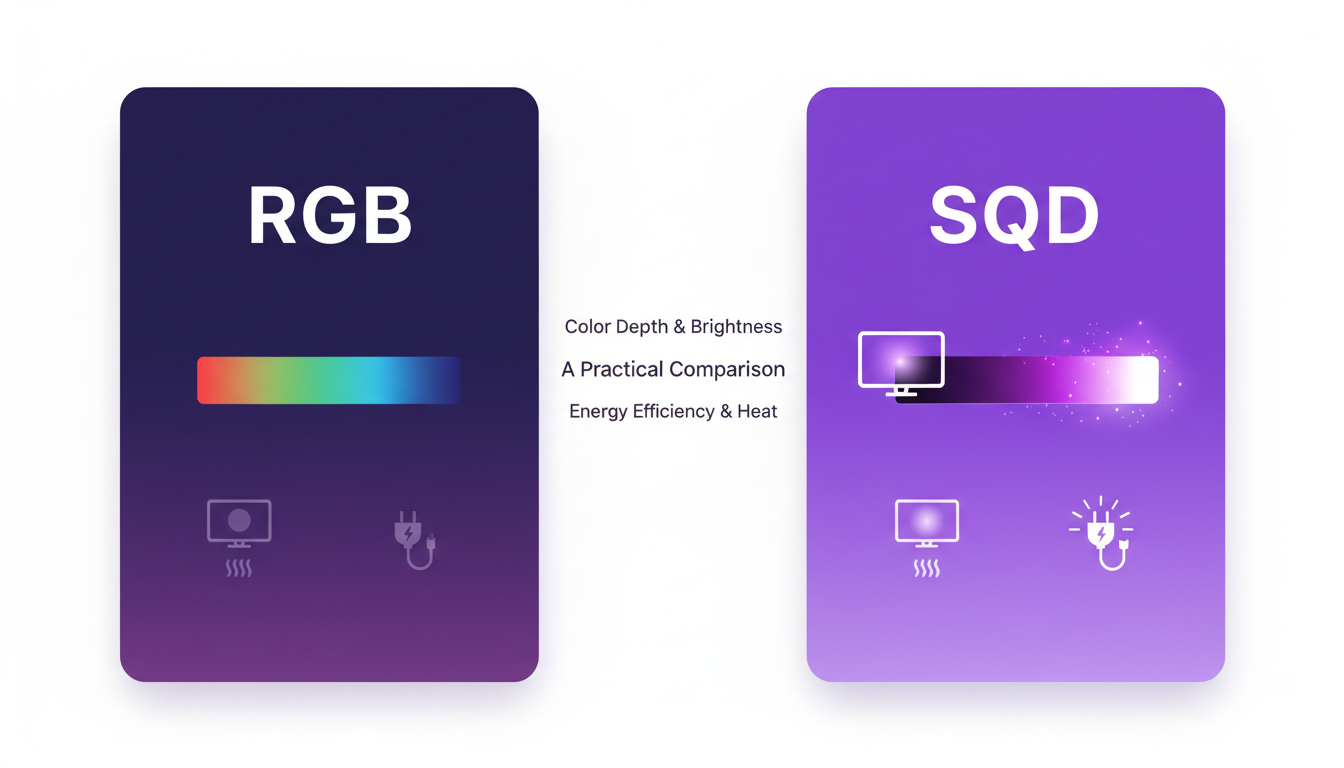
In terms of maintenance, SQDs require less frequent adjustments, but beware of marketing promises: they can be exaggerated. I recommend testing before committing.
- Superior color depth and brightness
- Energy and heat: challenges to manage
- Reduced maintenance, but test first
Exploring the Note A1 Next Paper Tablet Features
TCL's Note A1 Next Paper tablet is a tech gem. With a 120 Hz refresh rate, its display quality is impeccable. The integration with TCL's ecosystem is seamless, but requires a bit of a learning curve.
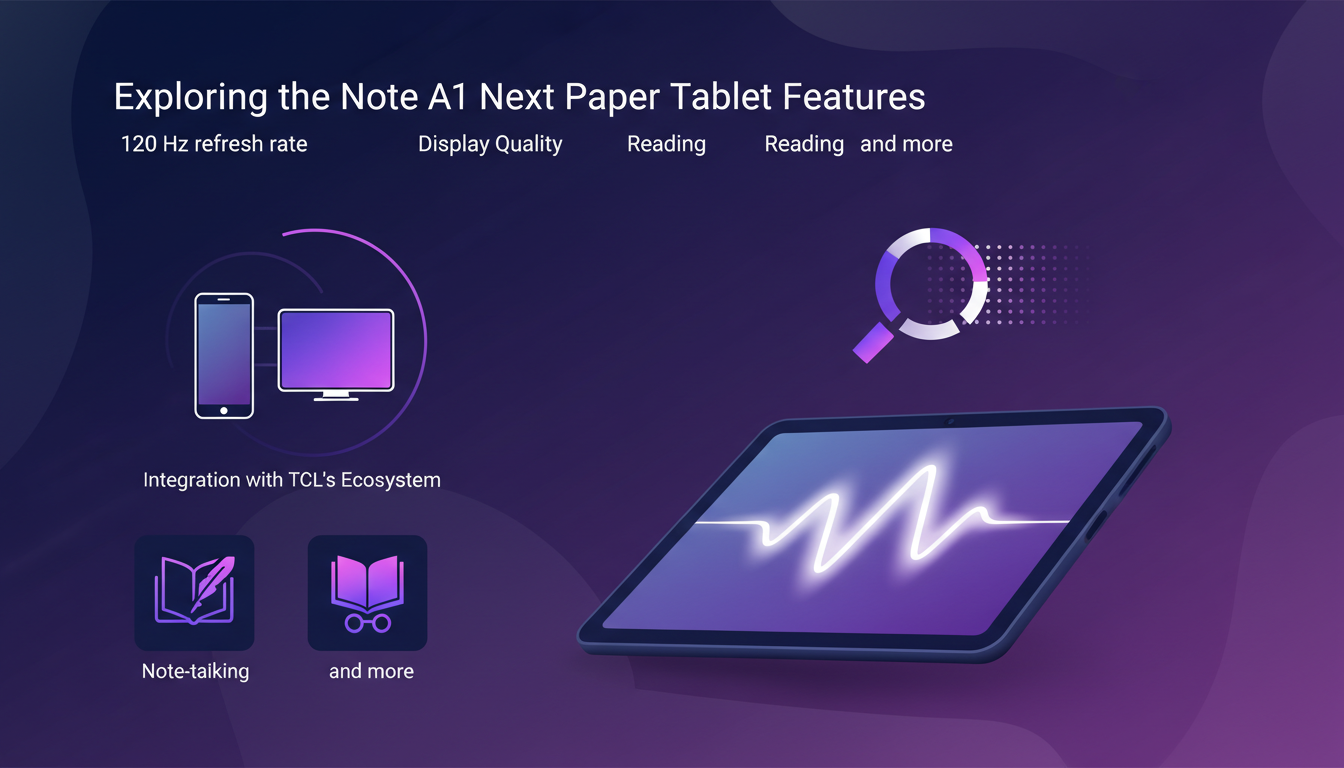
For note-taking and reading, it excels in portability and battery life. However, I've been caught by a few software quirks and the learning curve is there. But once mastered, it's a formidable tool.
- Excellent battery life and portability
- Seamless integration but learning required
- Expect a few software bugs
Market Availability and Future Prospects
The SQD TVs and Note A1 tablet are already available, and I have to say they're worth checking out. But with the announcement of the X11 TV in 2026, it might be worth waiting if you want the latest and greatest. These advancements are sure to shake up the market.
For consumers, I recommend assessing current needs. Sometimes, it's better to jump on a solid offer now rather than waiting for technology that's not yet available. Ultimately, it's about timing and priorities.
- Current availability of SQD TVs and Note A1
- Anticipation for X11 TV in 2026
- Strategic advice: assess current vs future needs
Diving into TCL's Super Quantum Dots TV, I found myself at the forefront of display tech. First, the 10,000 nits brightness and 20,000 discrete zones are a real game changer for color accuracy and image clarity. But, don't overlook the energy cost and setup complexity that might be hurdles. Then there's the Note A1 Next Paper tablet, offering incredible reading comfort, but watch out for performance limits on more demanding tasks. TCL's vertically integrated approach with SQD tech could yield efficiency gains, but it requires real investment. Looking ahead to 2026, the X11 TV could shake things up even more. Ready to explore this next wave of display technology? I recommend checking out the "Super Quantum Dot TV" video to dig deeper before making your move. Link to YouTube video.
Frequently Asked Questions

Thibault Le Balier
Co-fondateur & CTO
Coming from the tech startup ecosystem, Thibault has developed expertise in AI solution architecture that he now puts at the service of large companies (Atos, BNP Paribas, beta.gouv). He works on two axes: mastering AI deployments (local LLMs, MCP security) and optimizing inference costs (offloading, compression, token management).
Related Articles
Discover more articles on similar topics
Elevating TV Saturation: RGB miniLEDD
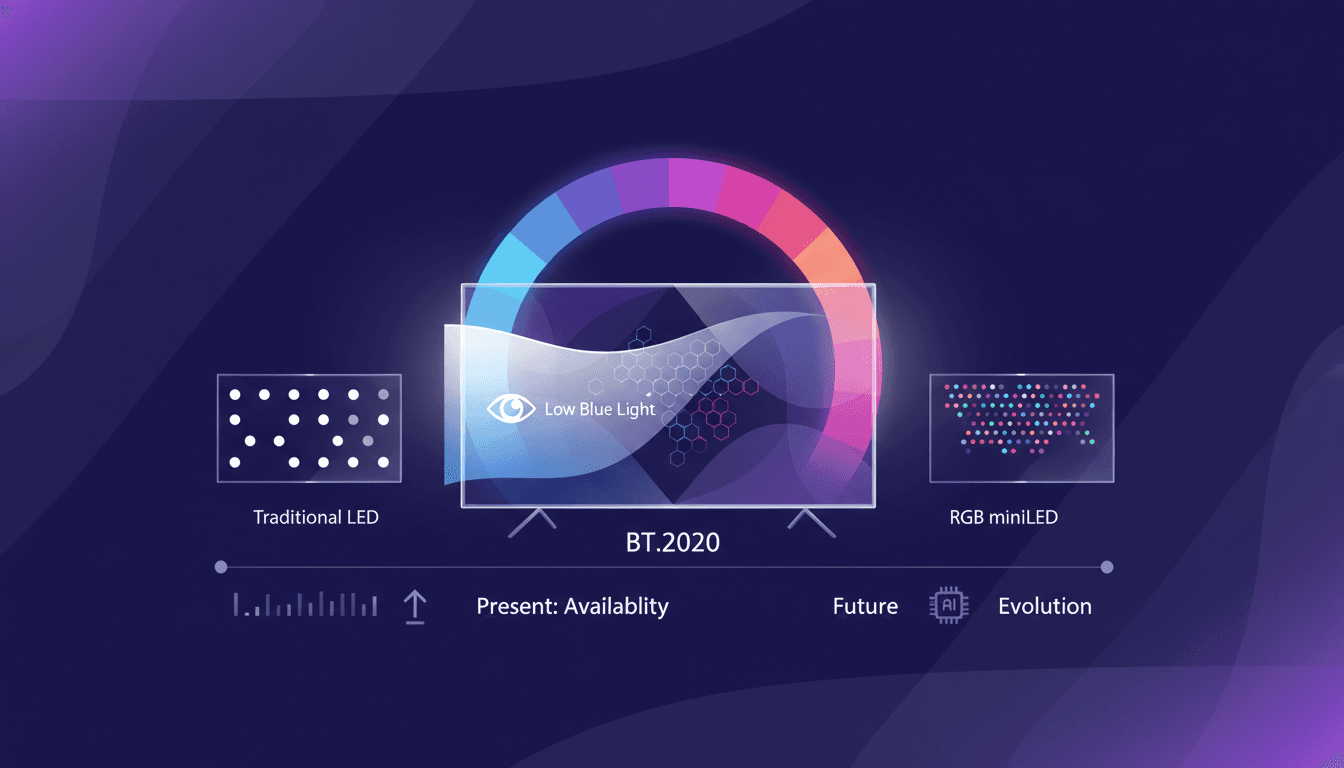
I remember the first time I hooked up a High Sense RGB miniLEDD TV. The difference was night and day. Let me walk you through how this technology elevates TV saturation and why it’s a game changer. We're talking about covering 110% of the BT 2020 color space—a remarkable feat that reshapes how we perceive color and light. But there are technical nuances to grasp, particularly in reducing blue light emissions. Finally, a glance at market availability and what the future holds for this tech. Stick with me to see how to orchestrate this in your own living room and get the most out of it.
Adam's NBA Experience: Dream to Reality
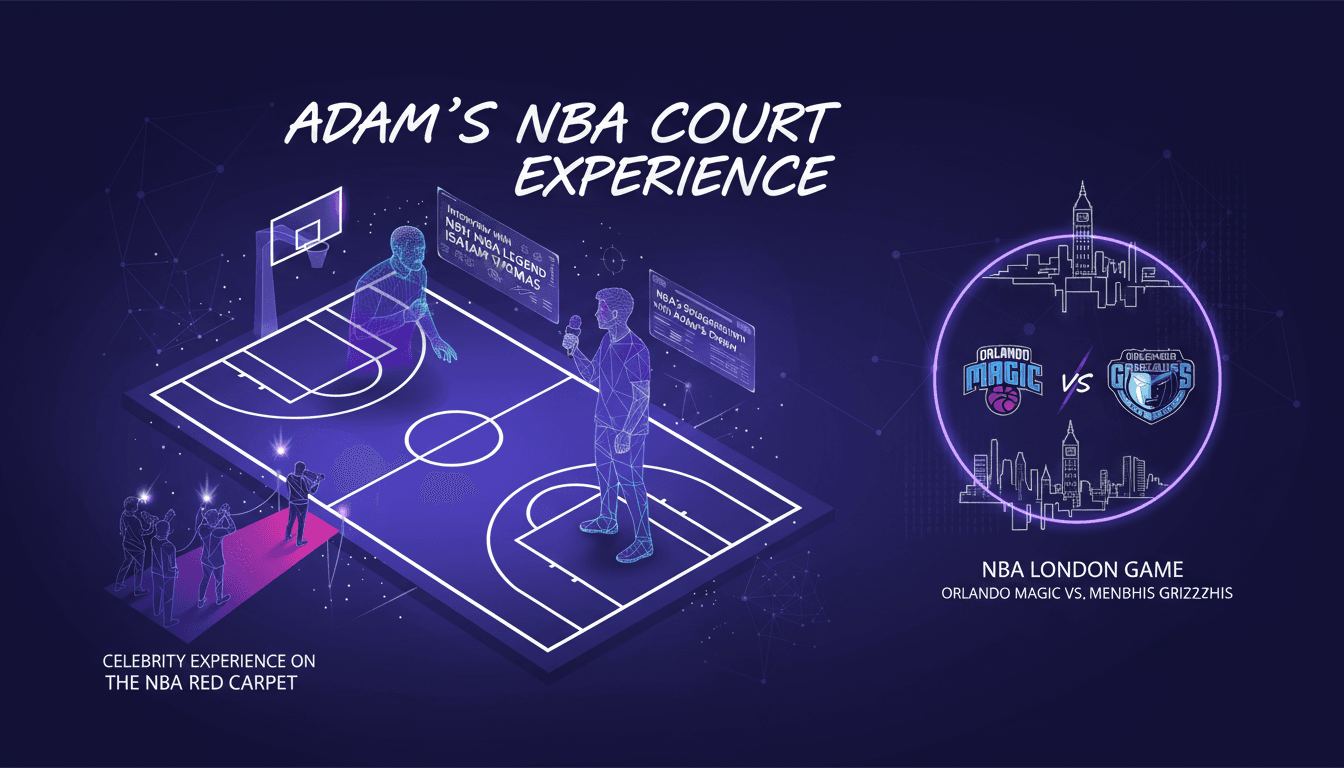
Stepping onto the NBA court felt like a dream come true, one I vividly remember as if it were yesterday. It wasn't just about the game; it was about immersing myself in the NBA dream, a seemingly distant reality that became tangible. And it didn't stop there. I interviewed NBA legend Isaiah Thomas on my podcast, a once-in-a-lifetime opportunity. Plus, the NBA London Game: Orlando Magic vs. Memphis Grizzlies and the red carpet — a celebrity experience. Let me take you through this journey, from the first step on the court to meeting legends.