Vending at CES 2026: Strategies and Insights
I still remember setting up my vending booth at CES 2026, right in the middle of that buzzing hive of innovation. It was more than just a sales opportunity; it was a chance to connect directly with tech enthusiasts and industry leaders. But let's be real, vending at an event this massive isn't just about showing up. I had to navigate logistical hurdles, understand the constant flow of visitors (and not just hand out flyers). From setup to ongoing conversations with potential clients, every step was a lesson in optimizing presence and maximizing impact. If you think it's just about the tech, you're missing the point. It's a complex dance between strategic preparation and on-the-ground agility.
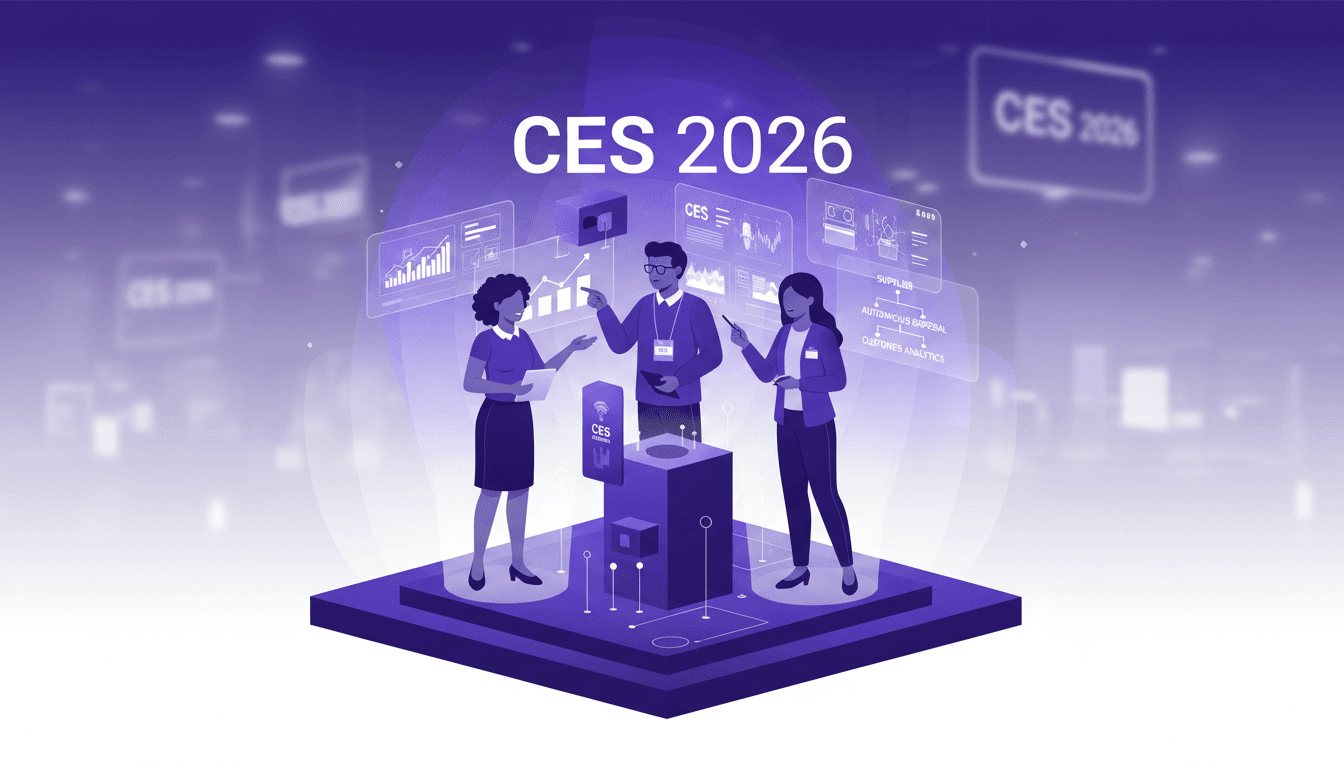
I remember setting up my vending booth at CES 2026, surrounded by the buzz of innovation. It was more than just a sales opportunity; it was a chance to connect directly with tech enthusiasts and industry leaders. But let's be real, vending at such a massive event isn't just about showing up. I had to juggle logistical challenges, anticipate the constant flow of visitors (and not just hand them flyers). From setup, I realized the key was ongoing interaction with potential clients. Every step taught me to optimize my presence and maximize the impact of my booth. At CES, it's not just about the tech; it's a complex dance between strategic preparation and on-the-ground agility. Navigating this sea of innovations requires more than a good product; it demands a nuanced understanding of the ecosystem and an ability to forge lasting connections.
Understanding CES 2026: The Landscape
When I think of the CES (Consumer Electronics Show), it’s a true global stage for innovation. Vending there means having the chance to showcase your expertise to a tech-savvy audience. But beware, such exposure doesn't come without preparation. Understanding the scale of the event and the type of audience you'll meet is crucial. I made the mistake of underestimating the preparation needed during my first participation. Since then, I've learned to organize myself to make the most out of these encounters.
Each year, CES gathers over 170,000 attendees from 160 different countries. This staggering number reminds us of the importance of standing out in such a crowd. My experience taught me that the key lies in personalizing my approach and anticipating visitors' expectations. In the end, it's not just about displaying a product but creating a memorable experience for each visitor.
The Vending Process: Setup and Execution
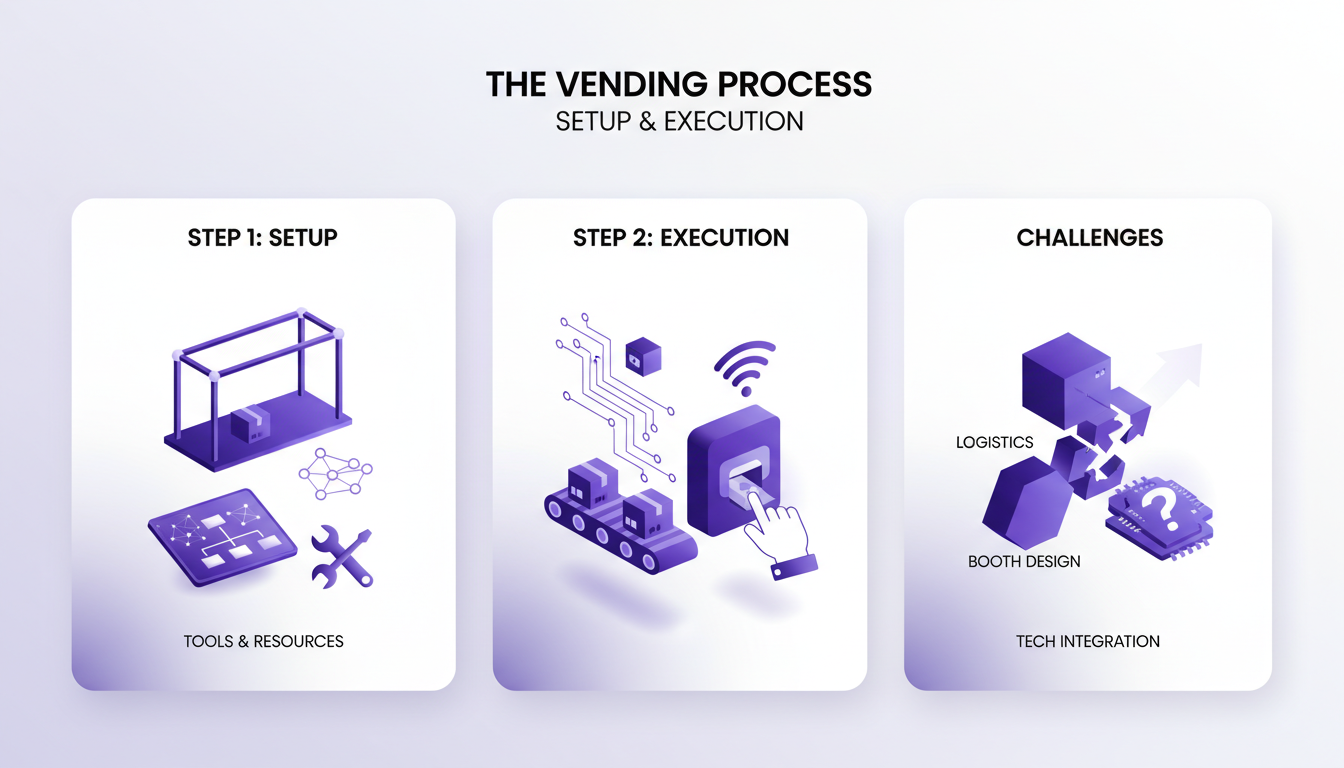
When setting up a booth at CES, several steps shouldn't be overlooked. First, choosing a strategic location is crucial. Then, I ensure I have all the necessary tools for a quick and efficient installation. Among the resources I use, a project management software to coordinate the team and an augmented reality tool to simulate the booth layout. But watch out, logistics can be a real headache.
As for booth design, I opt for a modern, sleek style that attracts the eye without being too cluttered. For tech integration, I found that using interactive tablets to showcase products is much more engaging than simple paper brochures. However, too much technology can be overwhelming, so I make sure to keep a balance.
Personal Connection: Involving My Daughter
Involving my daughter in the booth setup process was a revelation. She brought a fresh perspective and managed to engage visitors in ways I never imagined. Her involvement added a personal touch to our presentation, which strengthened our connection with the audience.
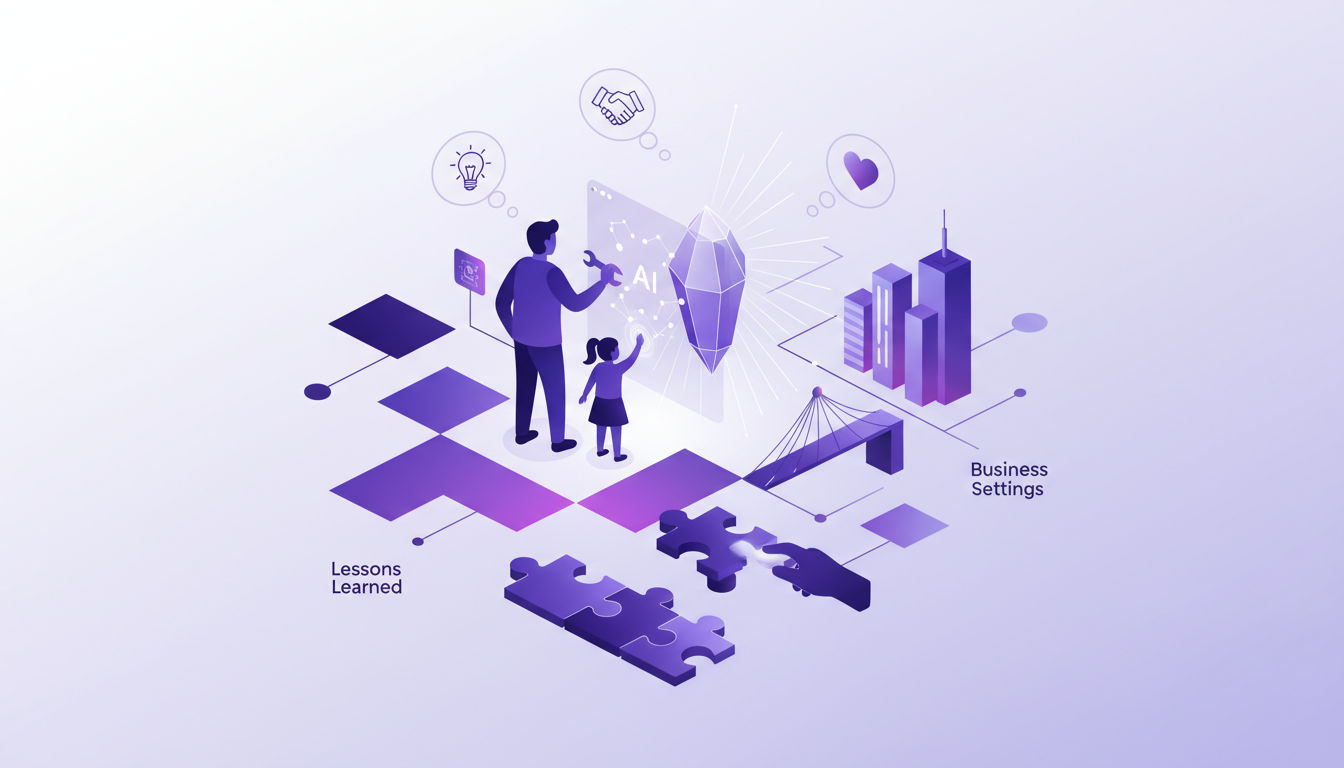
Integrating family members into a professional project also teaches valuable lessons. I realized that personal and familial engagement can be a significant asset in the business world, but clear boundaries must be set to avoid tensions.
Project Discussions: Engaging with CES Attendees
To initiate conversations with potential clients, I learned to be direct but also open. Asking targeted questions about their needs and sharing personal anecdotes were effective approaches. In every exchange, I strive to maintain interest by varying topics and linking them to their projects.
However, it's crucial to find a balance between personal engagement and automation. Sometimes, automated follow-ups are more efficient for managing a large volume of contacts, but nothing replaces genuine human interaction to seal a relationship.
Future Prospects: Continuing the Conversation
After an event like CES, it's crucial to maintain the relationships established. For this, I use customer relationship management (CRM) tools to track conversations and schedule follow-ups. I've also set up personalized email campaigns that have allowed me to turn contacts into business opportunities.
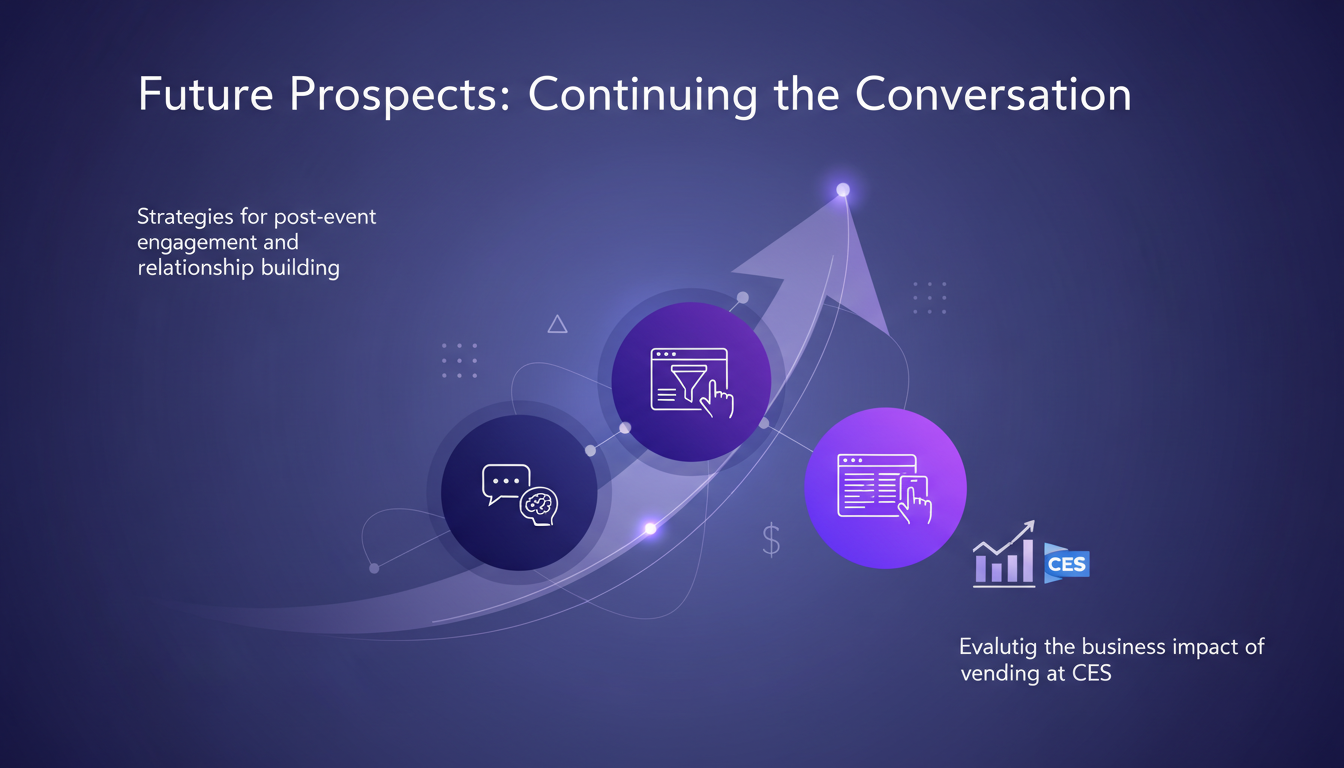
Ultimately, evaluating the business impact of my presence at CES involves analyzing the data collected and adjusting my strategies accordingly. Participating in such an event is a significant investment, but when well-orchestrated, it can be extremely rewarding.
For more insights on related topics, check out my $25,000 offer story or discover how Reddit grew my SaaS.
Vending at CES 2026 was an intense but incredibly rewarding journey. Here are a few key takeaways from my experience:
- Thorough preparation: Before even setting foot in Vegas, I had every logistic detail nailed down. Saved me from a lot of headaches.
- Personal engagement: Once there, it was all about real conversations. Ditch the rigid script, just be genuine.
- Strategic follow-ups: Post-event, I implemented a rigorous follow-up process that turned leads into real clients.
CES can be a true game changer if you play your cards right, but remember, it takes time and energy. So, ready to take on CES or a similar event? Start planning your strategy today, and remember, it's not just about vending—it's about building connections. For a deeper dive into my journey, check out the full video here: Vending at CES 2026. It's worth your time!
Frequently Asked Questions

Thibault Le Balier
Co-fondateur & CTO
Coming from the tech startup ecosystem, Thibault has developed expertise in AI solution architecture that he now puts at the service of large companies (Atos, BNP Paribas, beta.gouv). He works on two axes: mastering AI deployments (local LLMs, MCP security) and optimizing inference costs (offloading, compression, token management).
Related Articles
Discover more articles on similar topics
Buying a Restaurant: My $25,000 Offer Story
Ever tasted something so incredible you wanted to own the place? That's exactly what happened to me. I stumbled upon this unassuming spot, and the chef's talent blew my mind so much that I ended up offering $25,000 to buy the restaurant. Yes, it went that far. In this article, I'll walk you through how a simple pasta dish spiraled into negotiating restaurant ownership. We dive into the challenges, emotional impact, and discussions with the current owner. Spoiler: it was a rollercoaster ride!
Elon Musk's Predictions: AI and Energy Future
I've been closely following Elon Musk's ventures, and his latest interview at Davos really got me thinking about the practical steps we need to take to prepare for an AI-driven future. With SpaceX and Tesla leading the charge, Musk isn't just dreaming of Mars, but also of sustainable abundance powered by AI and renewable energy. But watch out, there are technical limits to consider. For instance, rocket reusability might reduce space access costs, but it's not without challenges. AI might surpass human intelligence one day, but before that, let's focus on the actionable steps we can take today to harness this tech revolution. Ready to dive into Elon Musk's predictions? Let's go.
How Reddit Grew My SaaS to $34K/Month
I transitioned from being a mechanical engineer to running a SaaS pulling in $34K a month. My secret weapon? Reddit. I remember those late nights diving into threads, asking questions, and engaging with a community that gave me raw, unfiltered feedback. With Reddit, I tested ideas, refined my product, and turned criticism into growth levers. In this article, I share my strategies for leveraging Reddit as a powerful marketing tool to boost your SaaS. But beware, navigating between positive comments and trolls requires skill. My journey proves that even without prior marketing experience, success is possible through the power of a well-leveraged community.
Investing in Backpacks: ROI and Financial Hurdles
I remember standing there with just a backpack idea and $3,000. I knew this could be huge, but turning it into a million-dollar business? That was a journey full of lessons on investment, cash flow, and marketing. This article takes you through the practical steps and challenges I faced while launching a product promising a 456% return on investment. From securing financial backing to managing cash flow and creating product hype, here’s how I orchestrated it all.

Building Reusable Rockets: Challenges and Wins
When I first thought about building reusable rockets, I was starting from zero. No roadmap, no precedent—just a belief that it could change the game. Back then, nobody was tackling it, the industry wasn't even trying. But I knew it was something worth pushing for. So we took that crazy idea and turned it into reality. Of course, it wasn't without challenges. Starting a space company isn't child's play, especially when you're one of the first to believe that reusing rockets is possible. I'll walk you through how we tackled these obstacles, from the initial conviction to the crucial entrepreneurial decisions. It's a story of perseverance, innovation, and believing in ideas that, on paper, seemed impossible.