DSPI: Revolutionizing Prompt Engineering
I've been diving deep into DSPI, and let me tell you, it's not just another framework — it's a game changer in how we handle prompt engineering. First, I was skeptical, but seeing its modular approach in action, I realized the potential for efficiency and flexibility. With DSPI, complex tasks are simplified through a declarative framework, which is a significant leap forward. And this modularity? It allows for optimized handling of inputs, whether text or images. Imagine, for a classification task, just three images are enough to achieve precise results. It's this capability to manage multimodal inputs that sets DSPI apart from other frameworks. Whether it's for modular software development or metric optimization, DSPI doesn't just get the job done, it reinvents it.
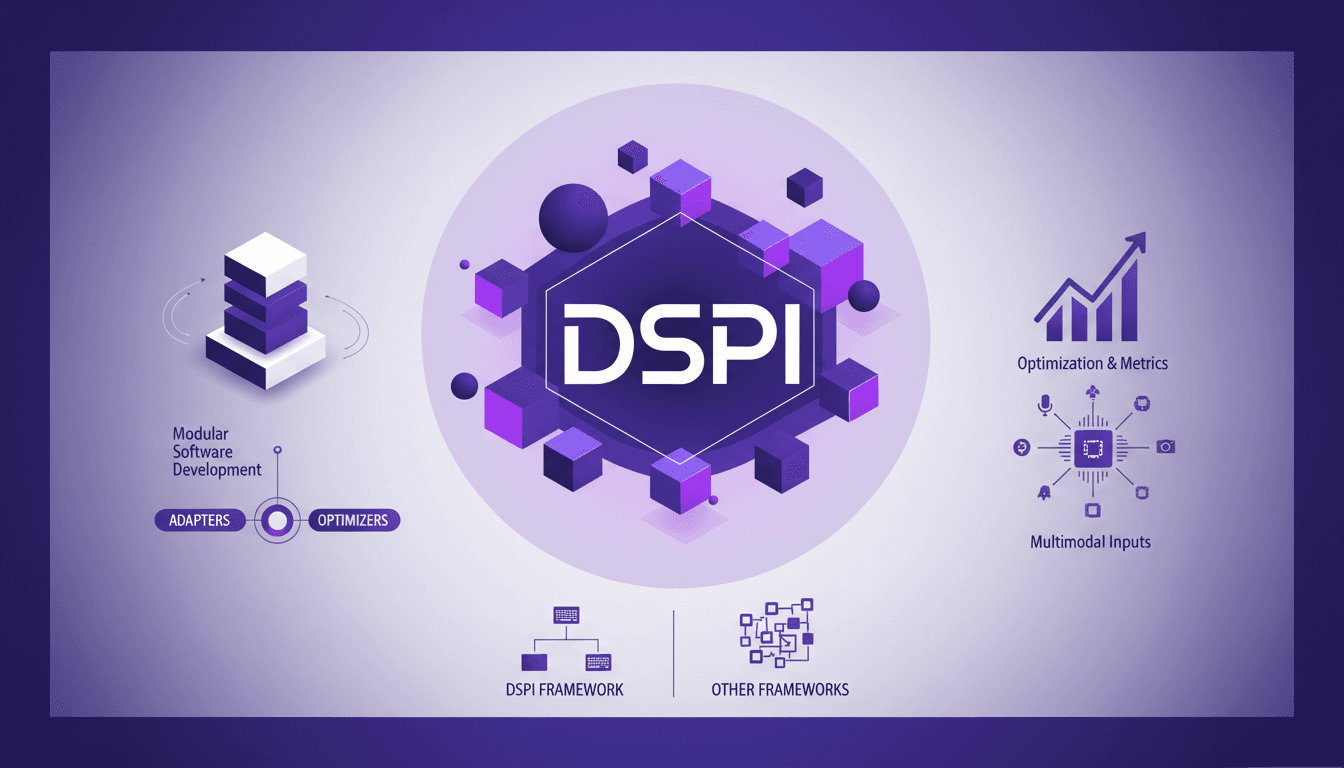
I've been diving deep into DSPI recently, and frankly, it's not just another framework floating around. DSPI is truly a game changer for prompt engineering. At first, I've got to admit, I was a bit skeptical. But seeing its modular approach in action, I quickly realized its potential for gaining efficiency and flexibility. Imagine: for a simple classification task, you only need three images to get precise results. DSPI simplifies complex tasks with a declarative framework that revolutionizes how we work. Its secret? The modularity that allows for optimized handling of inputs, whether textual or visual. Compared to other frameworks, DSPI stands out in its ability to handle multimodal inputs, with adapters and optimizers that transform the user experience. So, if you're looking to transform your software development approach or optimize your metrics, DSPI doesn't just get the job done, it reinvents it.
Understanding DSPI's Core Capabilities
As a practitioner, I have to vouch for DSPI as a declarative framework that streamlines prompt engineering. Imagine structuring your Python programs without spending hours tweaking strings. DSPI allows us to build programs that treat LLMs (Large Language Models) as first-class citizens, a significant shift from traditional methods.
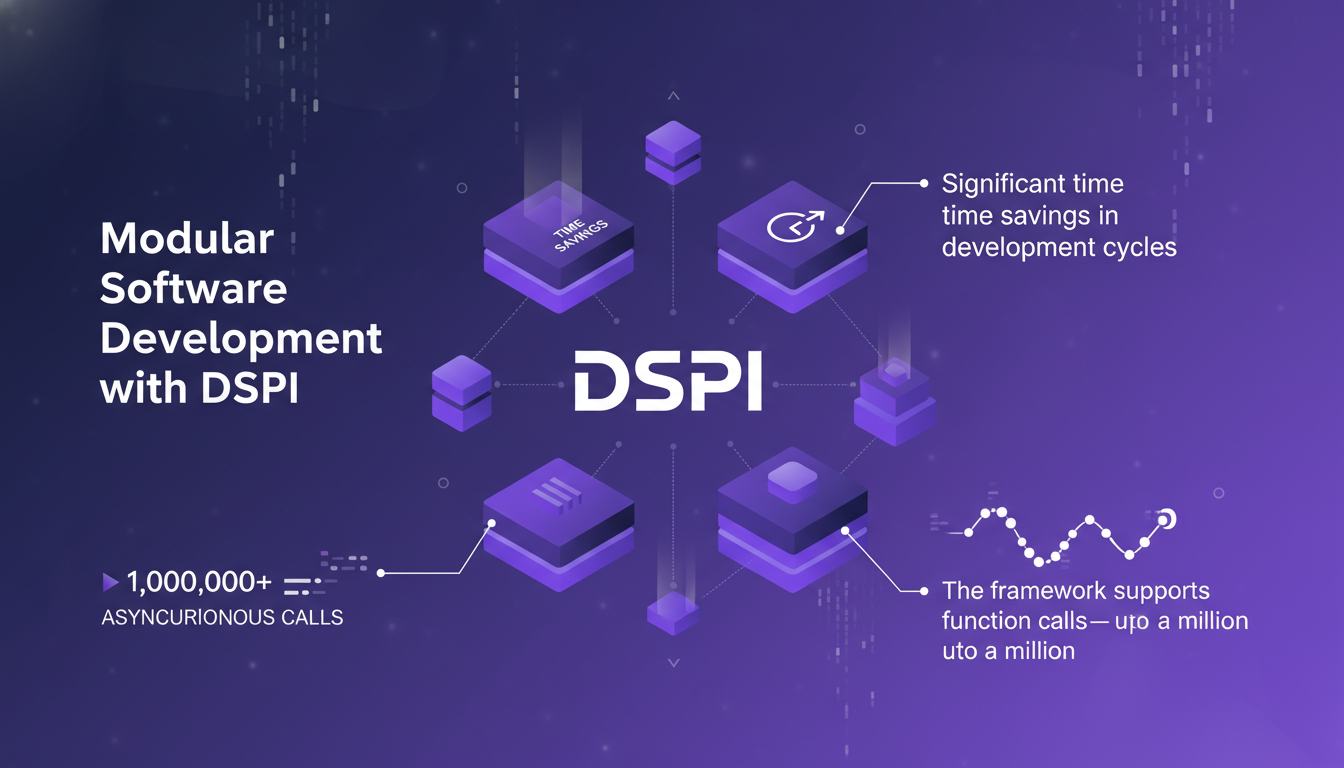
I found DSPI's modular software development approach refreshing. Adapters and optimizers play a crucial role in this framework's flexibility, and its ability to support multimodal inputs makes it incredibly versatile for various tasks. Whether analyzing images or processing text, DSPI adapts and it's a game changer.
Modular Software Development with DSPI
With DSPI, modularity is not just a concept—it's a reality I have experienced. Integration and scaling become a breeze. In my projects, the time savings in development cycles have been significant. DSPI supports asynchronous function calls, up to a million, which is simply massive. But watch out, managing multiple modules can quickly become complex and requires good organization.
Here's what I've learned to orchestrate effectively with DSPI:
- Easy integration due to modularity.
- Time savings in development cycles.
- Massive asynchronous calls possible.
- Increasing complexity with more modules.
Adapters and Optimizers: The DSPI Advantage
Adapters in DSPI streamline the integration of various inputs, a real plus when working with heterogeneous data. Optimizers, on the other hand, enhance performance, especially in classification tasks. I've experimented with different configurations to find the sweet spot between optimization and resource usage. That's where the art lies: optimizing without overconsuming.
My recommendations are:
- Use adapters for smooth input integration.
- Optimize wisely for specific tasks.
- Find the right balance to avoid resource overuse.
DSPI vs. Other Frameworks: A Comparative Look
DSPI stands out with its declarative approach and modularity. I've compared this framework with others and noted efficiency gains. The handling of multimodal inputs is more seamless with DSPI, which is a significant advantage in complex projects. However, there are trade-offs, particularly in terms of the learning curve and initial setup.
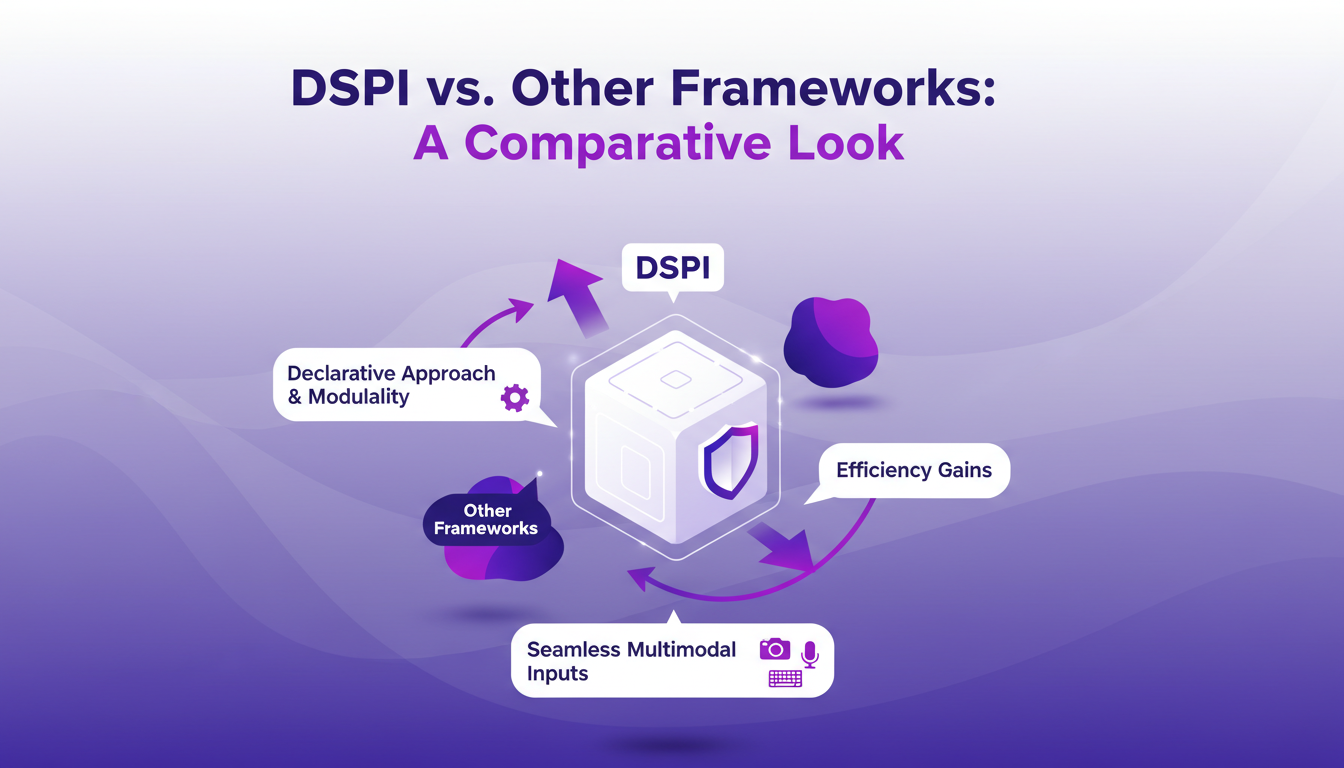
Here's a comparative table:
| Criterion | DSPI | Other Frameworks |
|---|---|---|
| Approach | Declarative | Variable |
| Modularity | High | Medium |
| Multimodal Inputs | Excellent | Medium |
| Learning Curve | Moderate | Variable |
Practical Applications and Use Cases of DSPI
Real-world applications demonstrate DSPI's versatility. I implemented DSPI in a project with multimodal inputs and it worked like a charm. Classification tasks particularly benefit from DSPI's optimization capabilities, but you need to keep an eye on metrics to ensure you're hitting performance targets.
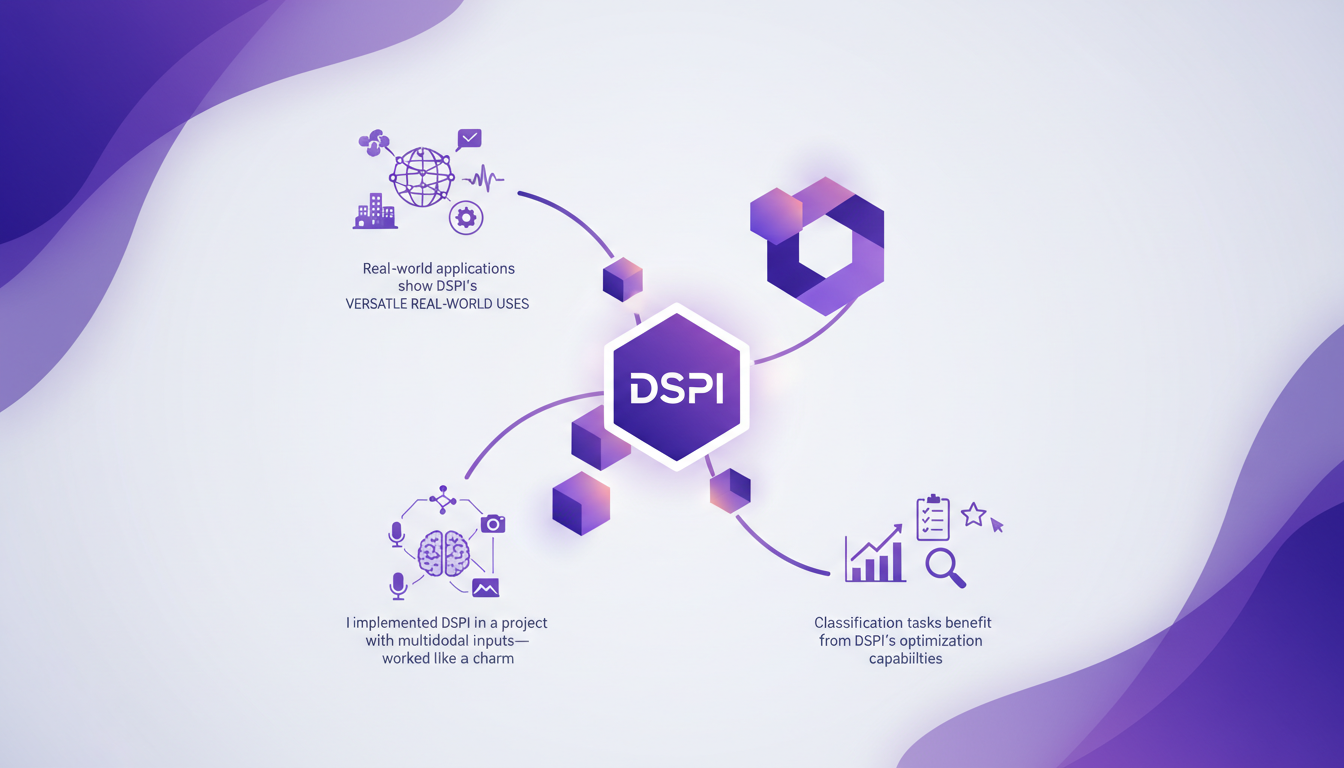
Here are some concrete applications:
- Projects with multimodal inputs: proven efficiency.
- Classification tasks: increased optimization.
- Track metrics to ensure performance.
In summary, DSPI presents itself as a powerful and versatile tool for developers looking to make the most of language models. To dive deeper, I recommend checking out the article Learning DSPy (2): Understanding the internals - The Data Quarry.
DSPI has seriously changed how I approach prompt engineering. Its modular and optimized framework is a game changer, but let's be clear, it's not without its quirks. For instance, in classification tasks, it works well with 41 classes using just 3 images as input. That's impressive, but keep an eye on history – better keep it down to 2 to avoid any mess.
- DSPI offers a modular approach that makes tweaking and optimizing workflows a breeze.
- Built-in adapters and optimizers give unmatched flexibility, but watch out for usage limits.
- Compared to other frameworks, DSPI stands out for its efficiency, although it requires a solid grasp.
Ready to dive into DSPI? It's time to experiment with its modular features and see how it can optimize your workflows. I highly recommend checking out the original video for a deeper understanding: DSPy: The End of Prompt Engineering - Kevin Madura, AlixPartners. You won't regret it.
Frequently Asked Questions

Thibault Le Balier
Co-fondateur & CTO
Coming from the tech startup ecosystem, Thibault has developed expertise in AI solution architecture that he now puts at the service of large companies (Atos, BNP Paribas, beta.gouv). He works on two axes: mastering AI deployments (local LLMs, MCP security) and optimizing inference costs (offloading, compression, token management).
Related Articles
Discover more articles on similar topics
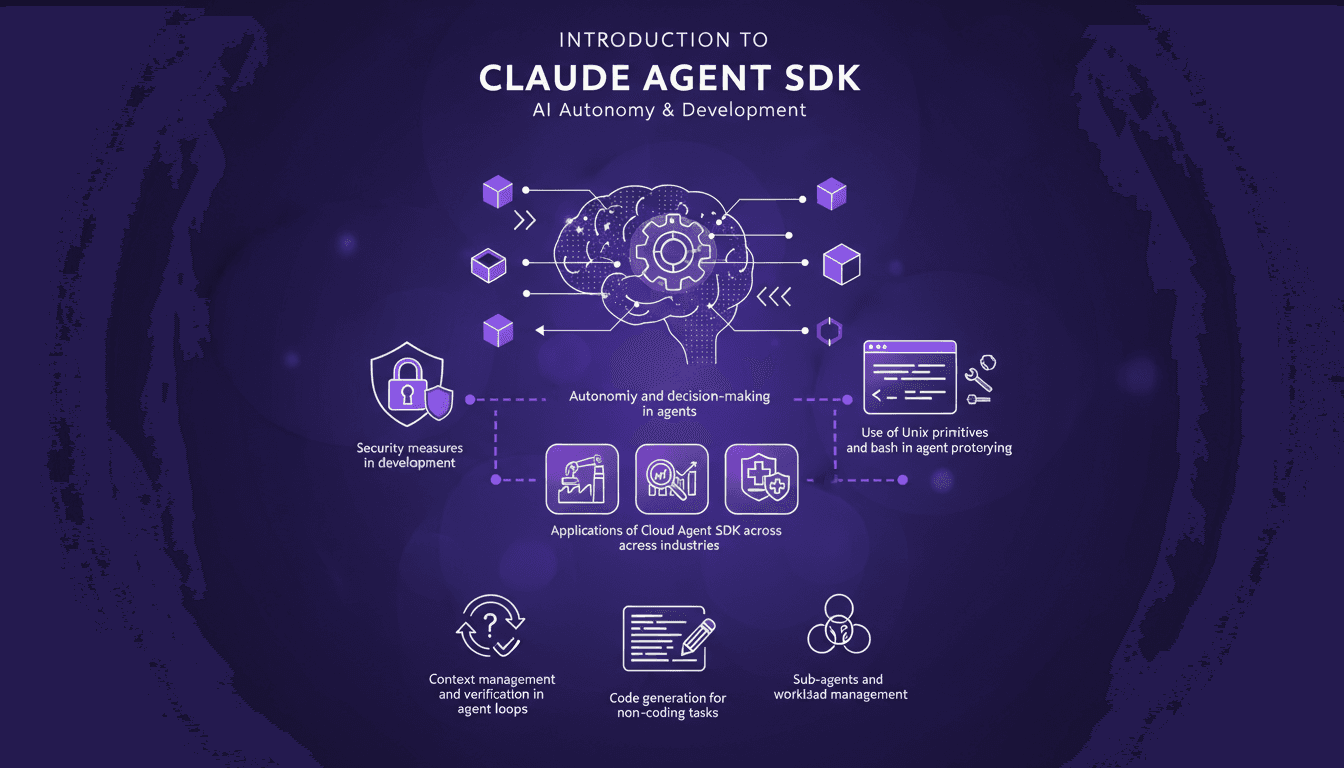
Mastering Claude Agent SDK: Practical Guide
Ever tried orchestrating a team of sub-agents with Unix commands and felt like you were herding cats? I’ve been there. With Claude Agent SDK, I finally found a way to streamline decision-making and boost efficiency. Let me walk you through how I set this up and the pitfalls to avoid. Claude Agent SDK promises autonomy and decision-making power for agents across industries, but only if you navigate its complexities correctly. I connect my agents, manage their workload, and secure it all with Unix primitives and bash. But watch out, there are limits you'll need to watch. Ready to dive into the details?
Robotics and Physical AI: Revolutionizing the Field
I've been building robots for years, but integrating Physical AI has been a game changer. It's not just about making them smarter; it's about giving them a sense of the physical world. Imagine a robot that perceives heat and reacts accordingly. That's exactly what I've managed to orchestrate in my projects. Join me as I walk you through this journey where Physical AI is redefining how we design robots, making them truly interactive with their surroundings.
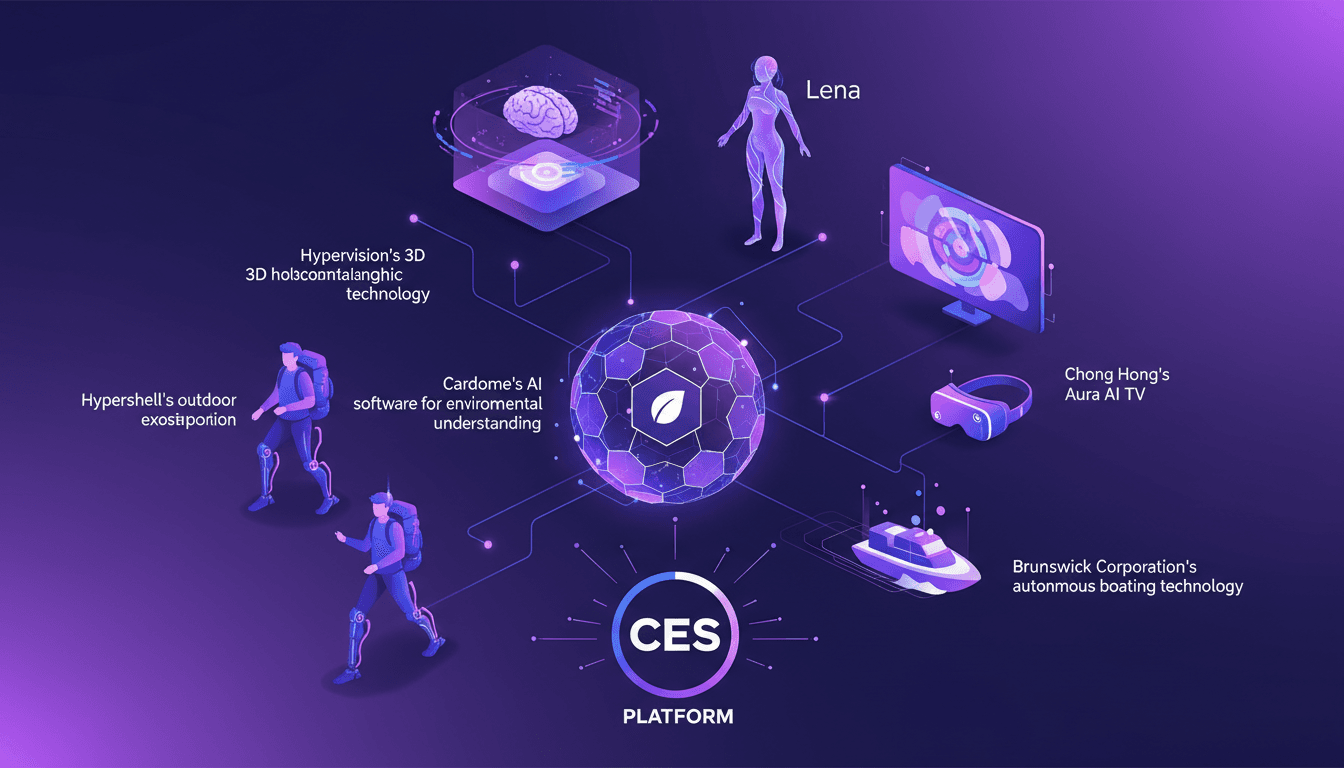
CES 2026's Coolest Tech: My Hands-On Experience
I walked into CES 2026 expecting the usual tech fanfare, but what I encountered was a display of innovations ready to redefine our daily lives. Cardome's AI software for environmental understanding, Hypervision's 3D holographic technology with AI assistant Lena—this isn't science fiction. Chong Hong immerses us in a new dimension with its Aura AI TV and VR experiences, while Hypershell introduces an outdoor exoskeleton for adventure. And let's not forget Brunswick Corporation, taking autonomous boating to a whole new level. CES is the stage where these technologies aren't just concepts but disruptions ready to make their mark.
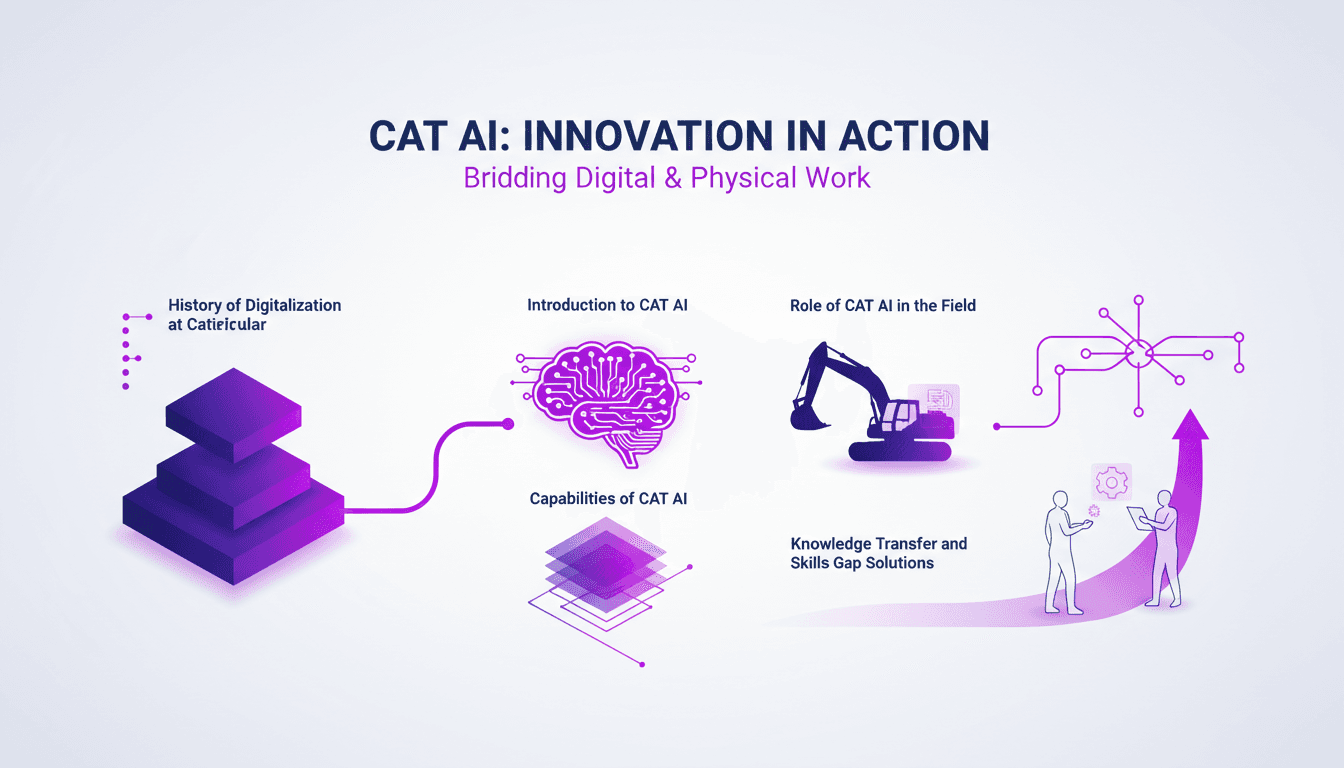
Digitalization at Caterpillar: Revolutionizing the Jobsite
I've been on the jobsite long enough to see the shifts that digitalization brings. When Caterpillar started integrating AI, I was skeptical. But after witnessing CAT AI in action, it’s clear how it bridges knowledge and execution. This revolution isn't just about new tech; it reshapes how we work. Let’s dive into the history of digitalization at Caterpillar, explore CAT AI, its capabilities, and its role in the field. Most importantly, we'll see how it merges digital and physical work environments and tackles the challenges of knowledge transfer and skills gaps.
Xperi's Role in Future Immersive Entertainment
I've been in the tech trenches long enough to spot a seismic shift, and Xperi's work in immersive entertainment is exactly that. They're reshaping in-car experiences with AI and sound that genuinely surpasses the usual hype. In this article, I'll guide you through how Xperi is integrating entertainment across connected platforms, with a spotlight on their vehicle innovations. From Jeff Jury's insights to the future of ride sharing, we'll explore how AI is central to these advancements. Don't miss this dive into the future of automotive entertainment.