Cloud Code Source Leak: Implications Unveiled
I was knee-deep in debugging when the news hit: Cloud Code's source code had leaked. My first thought? This changes everything. As someone who's worked with similar architectures, I get the stakes. Let's dive into the architecture, security implications, and what the future holds for AI coding tools. 512,000 lines of code converted overnight, and over 41,000 copies already circulating. It's time to see how we, as builders, need to adapt to this new reality.
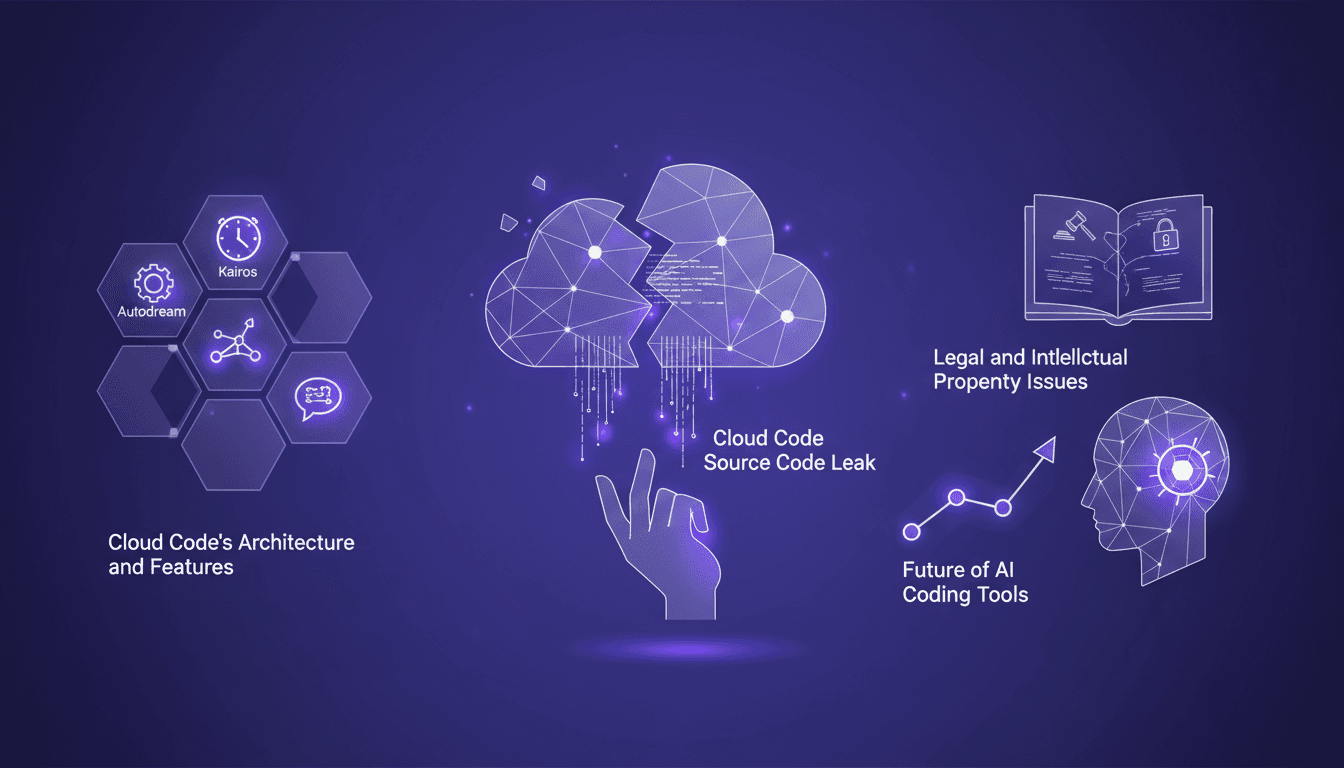
I was knee-deep in debugging when the news hit: Cloud Code's source code had leaked, and it's INSANE. As a builder who's gotten my hands dirty with similar architectures, I know the stakes. My first thought? This changes everything. We're diving into the architecture, the security implications, and what this means for the future of AI coding tools. We're talking about 512,000 lines of code converted overnight, and over 41,000 copies circulating already. It's time for us builders to see how we need to adapt to this new reality. But watch out, let's not underestimate the security issues and human error. We'll also tackle Kairos and Autodream functionalities, as well as the legal and intellectual property challenges. So, ready to dive into these turbulent waters?
Unpacking the Cloud Code Leak
I remember the exact moment I heard about the Cloud Code source leak. The world’s most used AI programming tool had its entire source code splashed across the internet. Over 512,000 lines of code were copied more than 41,000 times before Anthropic took action. This wasn’t just a technical oversight; it was human error—a 60 MB debugging file mistakenly left in an update. This incident starkly revealed security vulnerabilities and sent developers into a frenzy. Trust was shaken, but the incident served as a crucial lesson: always double-check your build configurations. A single missing line can expose everything. To prevent this, I strongly suggest automating configuration checks using CI/CD scripts.
Deep Dive into Cloud Code's Architecture
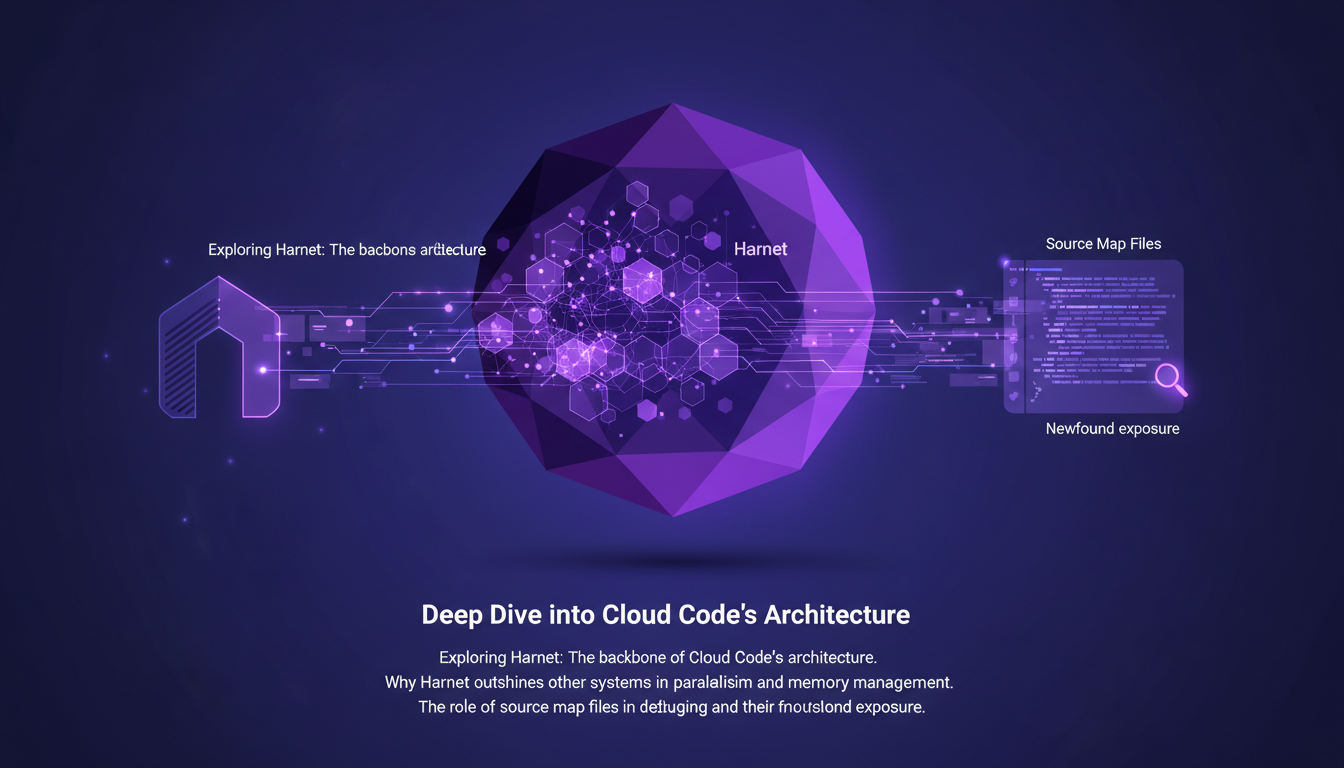
Cloud Code isn’t just a simple AI model. It’s built on a complex system called Harnet, which wraps around the model and enhances its power. Harnet is what sets Cloud Code apart from its competitors, thanks to advanced parallelism and memory management. Think of it as a harmonious orchestration where each agent works in tandem, sharing the same cache resources. It’s this balance that allows Cloud Code to handle multiple tasks simultaneously without overload. However, be careful not to overload the system with too many agents, or you might see a drop in performance.
Another crucial aspect revealed by the leak is the exposure of source map files. These files, which aid debugging by linking readable source code to distributed code, were made accessible to everyone. Mishandling these files can lead to exposure of your internal configurations. Always remember to exclude these files during packaging.
Kairos and Autodream: Enhancing AI Autonomy
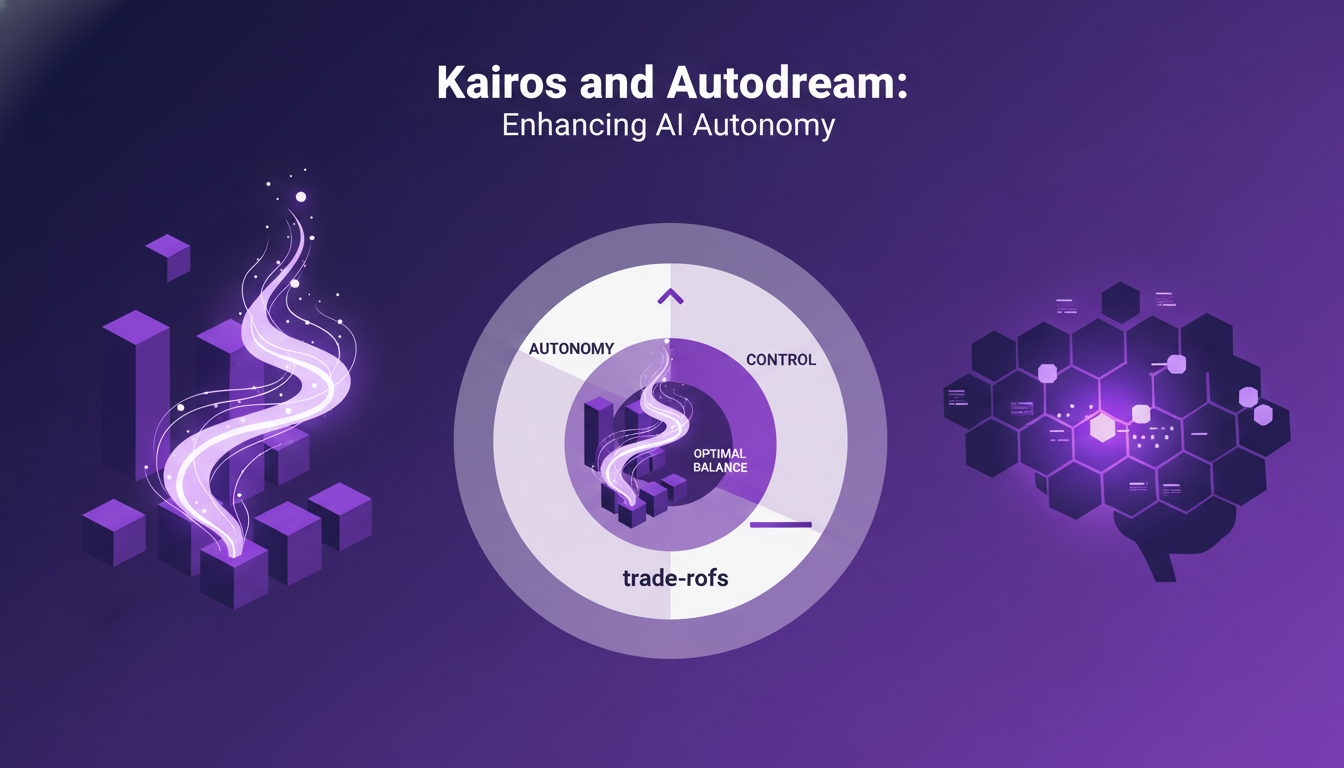
With Kairos, Cloud Code transforms into an autonomous agent. Kairos allows static code to become dynamic, adapting to contextual changes in real-time. I’ve seen it in action, and it’s a genuine game changer. Combine this with Autodream, which optimizes AI during downtime, and you have a system that never sleeps. Autodream uses these moments to refine and improve its models, ensuring your AI is always ready for the challenges ahead. However, this increased autonomy raises questions about control. It’s crucial to set clear boundaries to prevent the AI from acting unpredictably.
Legal and Intellectual Property Concerns
The incident raised significant legal questions regarding code conversion and intellectual property challenges. When source code is exposed, it can lead to disputes over ownership rights. Clean room engineering becomes crucial for protecting your innovations. This approach, which involves recreating functionalities without relying on the original code, can help navigate the legal maze. To protect your code, consider patenting your innovations and implementing strict confidentiality agreements.
The Future of AI Coding Tools Post-Leak
The Cloud Code leak might just redefine the future of AI coding tools. With more transparency and security, new features could emerge to better protect sensitive data. Balancing innovation with security will be crucial. Developers might be tempted to integrate autonomy features inspired by Kairos and Autodream while bolstering security measures. Innovation in AI must always be accompanied by ethical considerations regarding data use and intellectual property protection.
For more on AI evolution, check out our article on NVIDIA GTC 2026: Unveiling New Platforms or discover how LangChain & Nvidia: Create Your AI Agent.
Let's face it: the Cloud Code source code leak is a wake-up call for our industry. Here’s what I’m taking away:
- The lightning-fast conversion of 512,000 lines of code overnight showcases the power and speed we can achieve, but be careful, there's a security cost.
- We're talking about 60MB of potentially vulnerable data - a reminder that every line of code must be secured.
- Copied over 41,000 times, this code risks ending up where it shouldn't.
So, what do we do with this? We anticipate. We adapt our workflows, staying vigilant on security. I'm convinced we can build smarter, more secure systems by learning from these mistakes.
Check out the original video to really dive into the topic. "Claude Code just leaked... and it's CRAZY" on YouTube is a must to understand the full scope of these issues. Let's share our experiences and build smarter together!
Frequently Asked Questions

Thibault Le Balier
Co-fondateur & CTO
Coming from the tech startup ecosystem, Thibault has developed expertise in AI solution architecture that he now puts at the service of large companies (Atos, BNP Paribas, beta.gouv). He works on two axes: mastering AI deployments (local LLMs, MCP security) and optimizing inference costs (offloading, compression, token management).
Related Articles
Discover more articles on similar topics
NVIDIA GTC 2026: Unveiling New Platforms
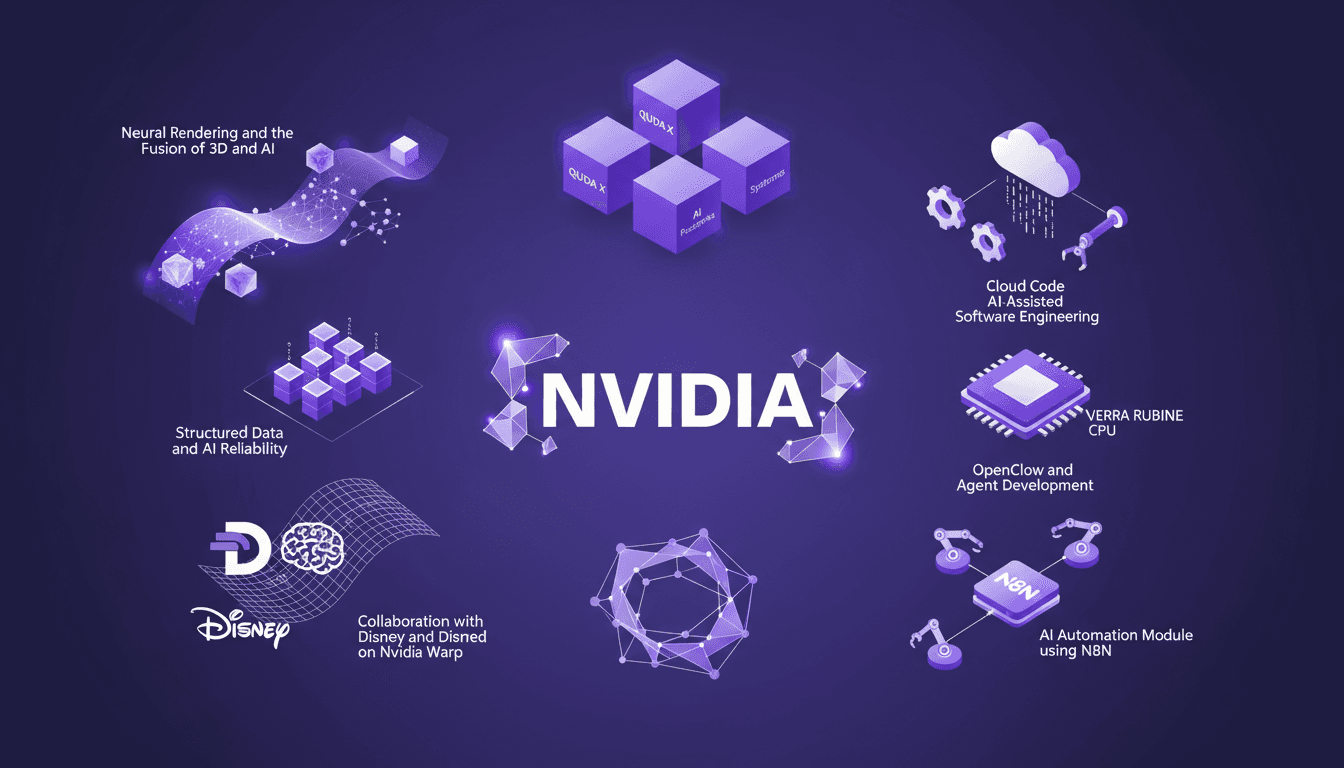
I've attended countless conferences, but NVIDIA's GTC 2026 was a real game changer. They unveiled platforms that are set to redefine AI and computing. Picture CPUs that transform how we code, neural rendering that fuses 3D and AI, and collaborations with Disney and Deep Mind on Nvidia Warp. It's massive, and the impact on us builders is direct. We're talking about QUDA X, AI-assisted software engineering, and even 45° water-cooled systems. We've got years of work ahead, but also incredible opportunities. Let's dive into what was unveiled.
LangChain & Nvidia: Create Your AI Agent
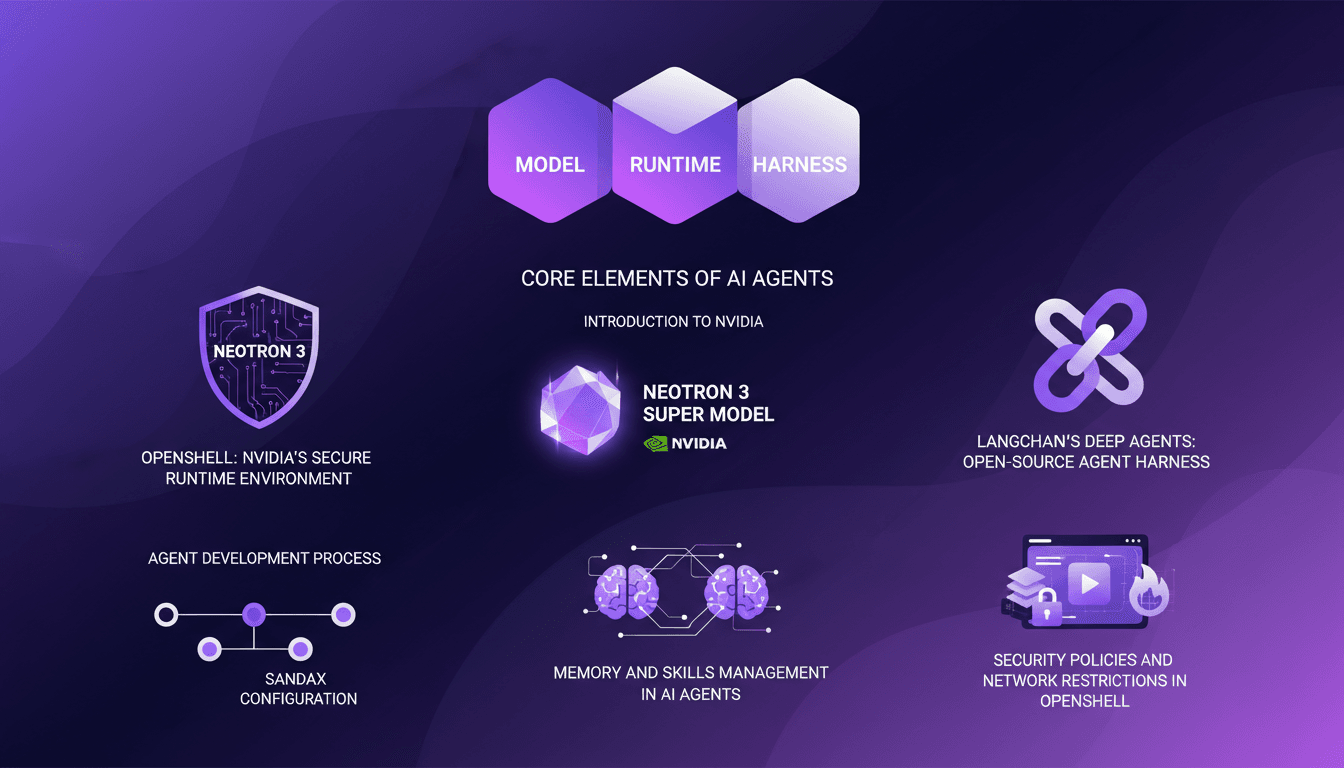
I dove headfirst into building AI agents using LangChain and Nvidia's latest tech, and it's been a game changer. First, I connected my Neotron 3 model, then secured the runtime with OpenShell. LangChain's Deep Agents helped me craft an open-source harness, and juggling the agent's memory and skills was both complex and fascinating. But watch out, the security policies and network restrictions in OpenShell can be tricky. If you're looking to build your own AI agent, I break down how I orchestrated it all.
AI Improvement: Cutting Costs and Time
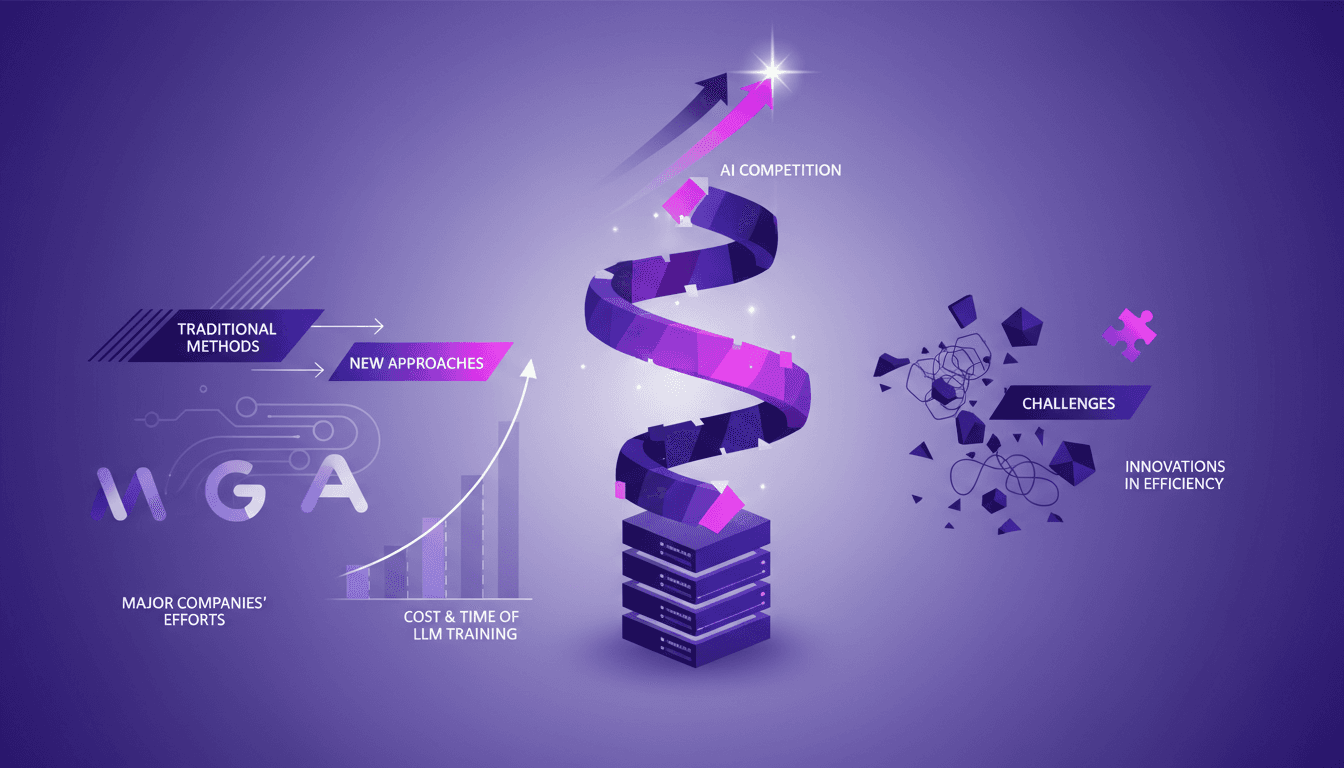
I remember the first time I heard about 'recursive self-improvement' in AI—it sounded like sci-fi. But diving into it, I realized it's the future—if we can manage the costs and time. Training an LLM costs hundreds of millions and takes months. I'm right in the thick of this race to develop faster and cheaper solutions. Let's break down how we're tackling this, the challenges in model training, and why traditional methods just won't cut it anymore. Trust me, this is practical stuff, not corporate fluff.
North Pole Shift: Tech Impact and Navigation
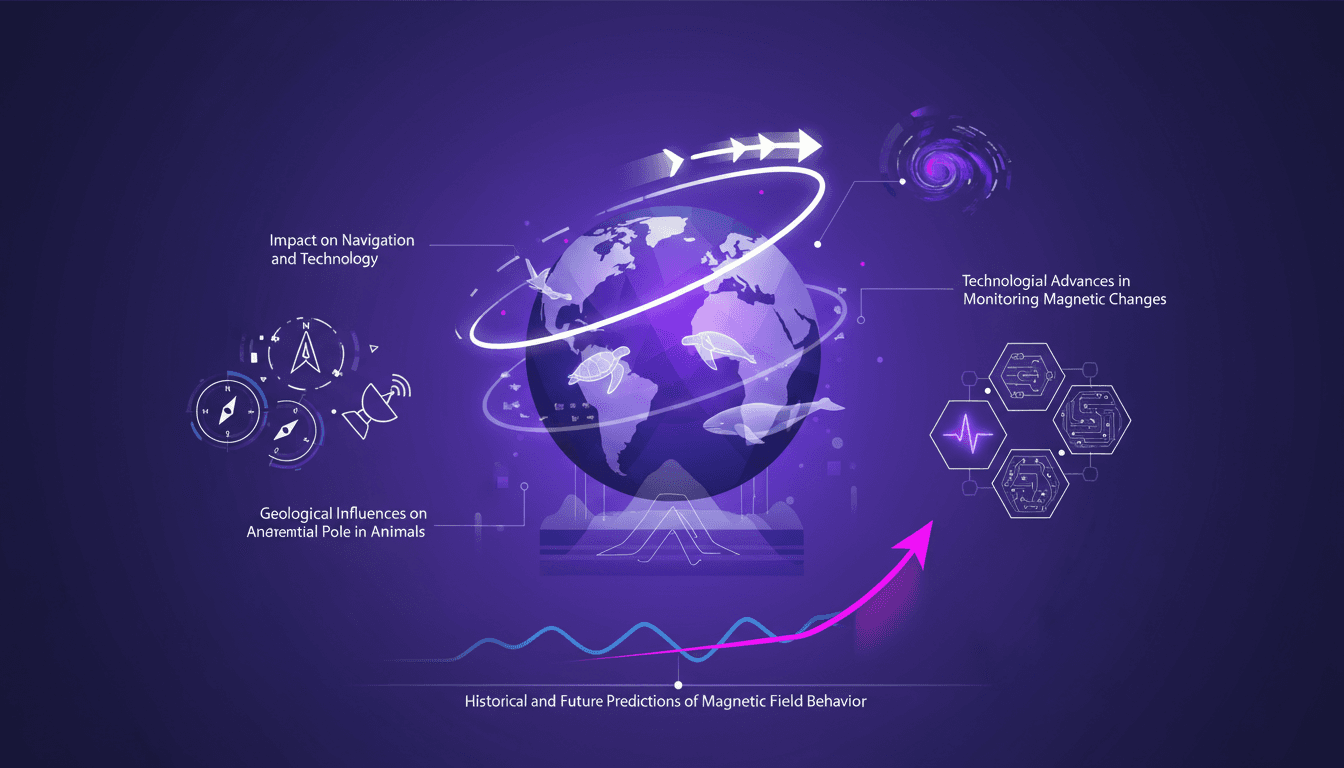
I remember the first time I realized the magnetic north pole was on the move. It was a quiet day at the lab, and suddenly, our navigation systems were off by several degrees. That's when I knew something big was happening. The magnetic north pole isn't just a curiosity for geologists; it's a critical component of our navigation systems and technology. As it moves, the implications ripple through various industries and even nature itself. Imagine having to repaint 150 kilograms of numbers on US airport runways. That's what a rapid pole shift means. In this article, I'll share the impacts of this phenomenon on navigation, technology, and even animal life, while exploring the geological influences on Earth's magnetic field.
Harnessing Solar Energy for Space Exploration
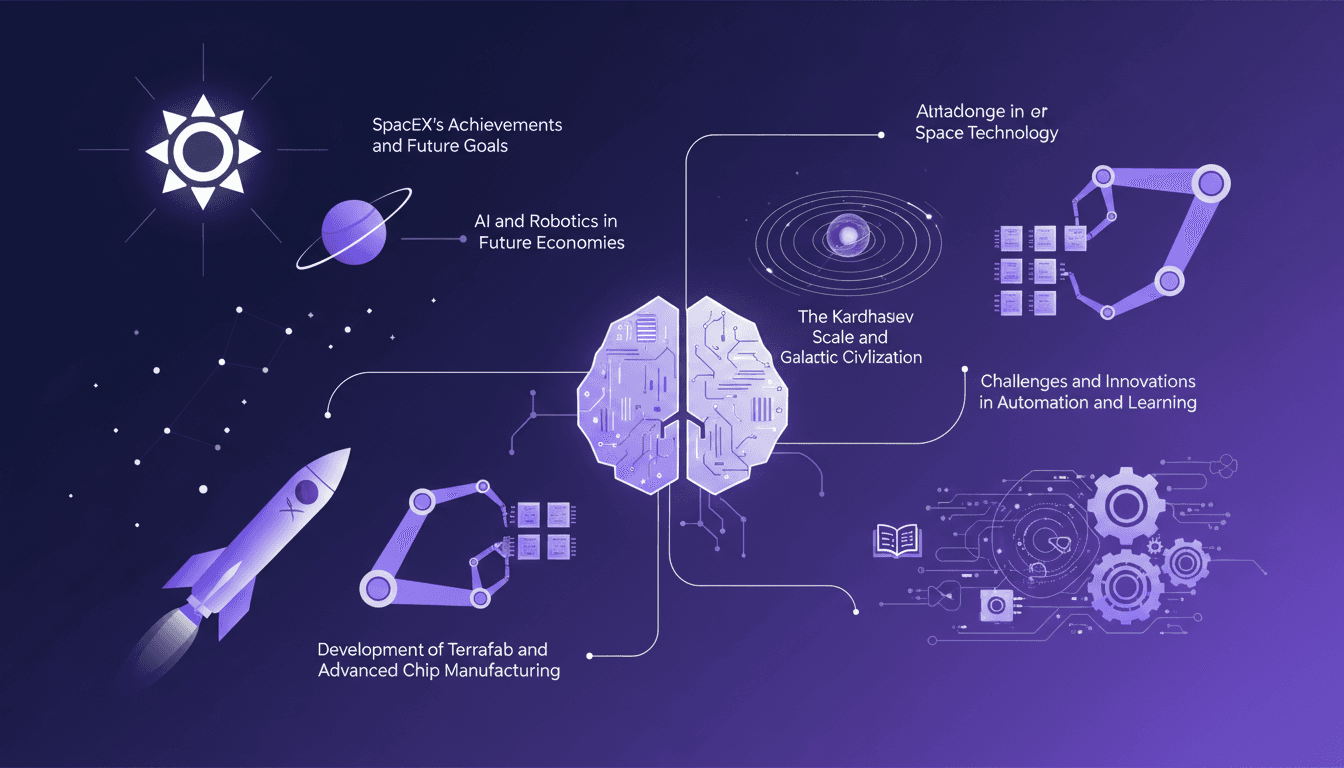
I was there at the TERAFAB conference when Elon Musk went beyond the limits. Picture this: harnessing solar energy in space—it's not just sci-fi anymore. We're talking about 1 TW of potential energy, a figure that could redefine our future. But watch out, the technological challenges are immense, from advanced chip manufacturing to AI-driven automation. SpaceX isn't just dreaming; they're doing it. Our task is to understand how these innovations integrate into our daily lives. This is a future where an AI-based economy could multiply our current world. Buckle up, we're exploring the next frontier.