North Pole Shift: Tech Impact and Navigation
I remember the first time I realized the magnetic north pole was on the move. It was a quiet day at the lab, and suddenly, our navigation systems were off by several degrees. That's when I knew something big was happening. The magnetic north pole isn't just a curiosity for geologists; it's a critical component of our navigation systems and technology. As it moves, the implications ripple through various industries and even nature itself. Imagine having to repaint 150 kilograms of numbers on US airport runways. That's what a rapid pole shift means. In this article, I'll share the impacts of this phenomenon on navigation, technology, and even animal life, while exploring the geological influences on Earth's magnetic field.
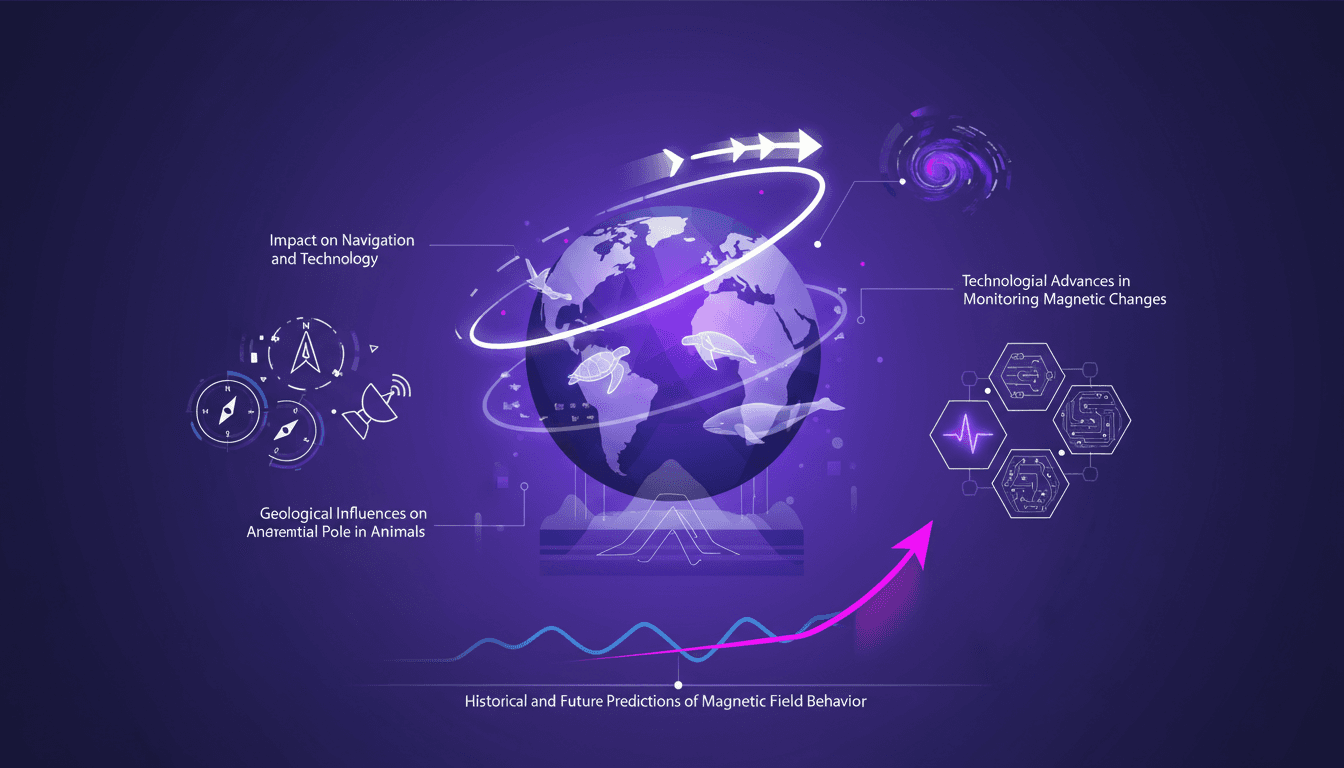
I remember the first time I realized the magnetic north pole was on the move. It was a quiet day at the lab, and suddenly, our navigation systems were off by several degrees. That's when I knew something big was happening. The magnetic north pole isn't just a curiosity for geologists; it's a critical component of our navigation systems and technology. Imagine having to replace 100 panels in Geneva just to keep up. This phenomenon has direct impacts on navigation, technology, and even the animal kingdom. In this article, I'll share how this rapid shift is affecting different sectors and what technological advances allow us to monitor these changes. You'll also see how animal biology is influenced by these movements, along with magnetic field anomalies that could even hint at a pole reversal. We're also diving into past and future predictions of Earth's magnetic field behavior. So buckle up, because the north pole is taking us on a fascinating journey.
Understanding the Magnetic North Pole
The magnetic north pole is not fixed; it shifts due to changes in the Earth's core. Historically, it drifted about 5 km per year, but since the 1990s, this movement has accelerated dramatically. It reached speeds of up to 55 km per year in the early 2000s. Back in 1831, when the magnetic north pole was first located, it was about 1600 km from where it is today. This continuous movement poses challenges, particularly for navigation tools like the World Magnetic Model, which needs regular updates to remain accurate.
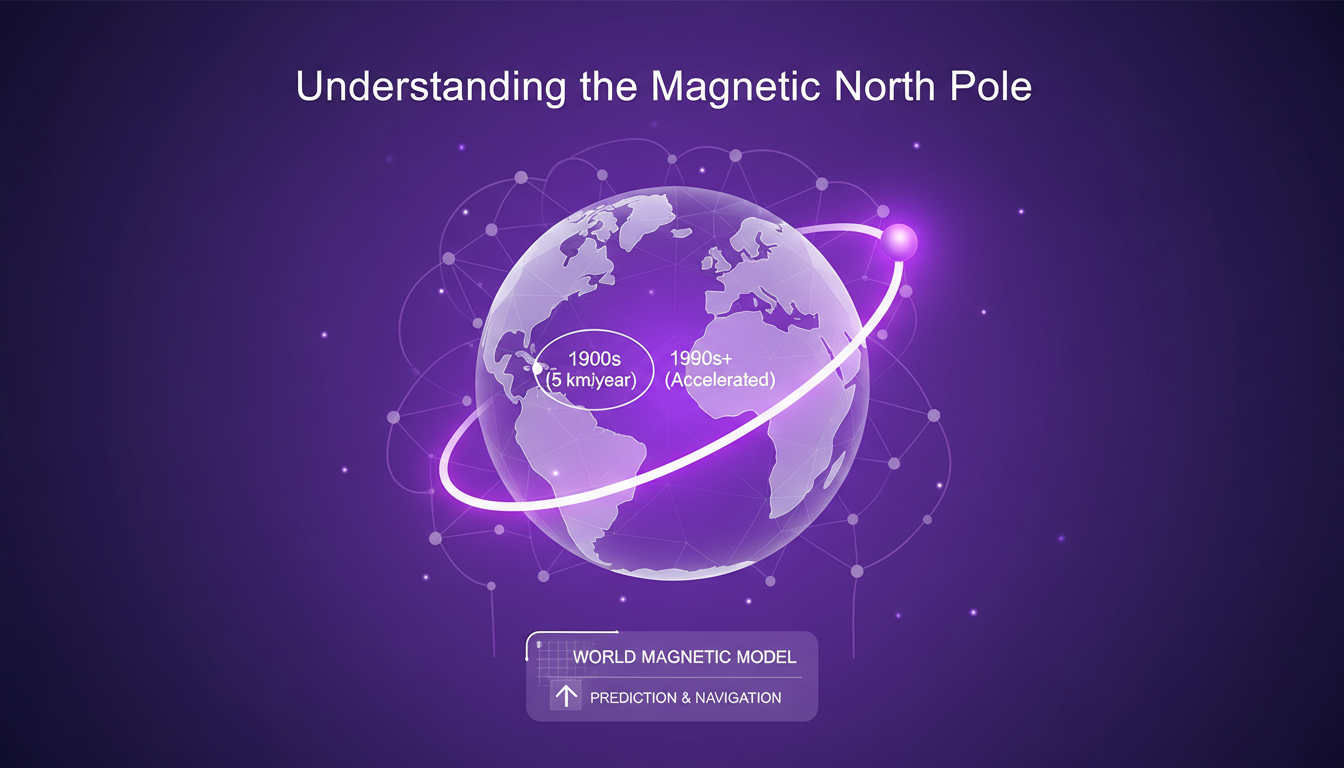
In my work, I frequently recalibrate equipment to account for these shifts. Incorrect calibration could lead to costly errors, especially in aviation or maritime navigation.
Impact on Navigation and Technology
The movement of the magnetic north pole significantly impacts navigation. For instance, in 2009, Fairbanks International Airport in Alaska had to rename its runways because the magnetic headings no longer matched reality. In Geneva, 100 panels were replaced to update navigation data. This is no small feat: technological systems must be updated regularly to accommodate these changes, which involves considerable costs and effort.
I recall implementing a software update to keep our systems accurate. This drift affects everything from GPS systems to smartphone compasses. An uncorrected drift could lead to significant navigation errors, critical for flight or maritime applications.
Biological Navigation and Geological Influences
Animals also use the Earth's magnetic field for navigation, affecting their migration patterns. The geodynamo processes in the Earth's core drive these magnetic changes. One concerning region is the South Atlantic Anomaly, where the magnetic field is weaker.
In my animal migration studies, I've observed disruptions due to these changes. Understanding geological influences is crucial to predicting future magnetic shifts. These changes impact not only animals but also human technology.
Monitoring Magnetic Changes: Tools and Techniques
Technological advances allow us to track magnetic changes more precisely. Satellites and ground-based observatories provide critical data. Significant updates were made to navigation systems globally in 2009.
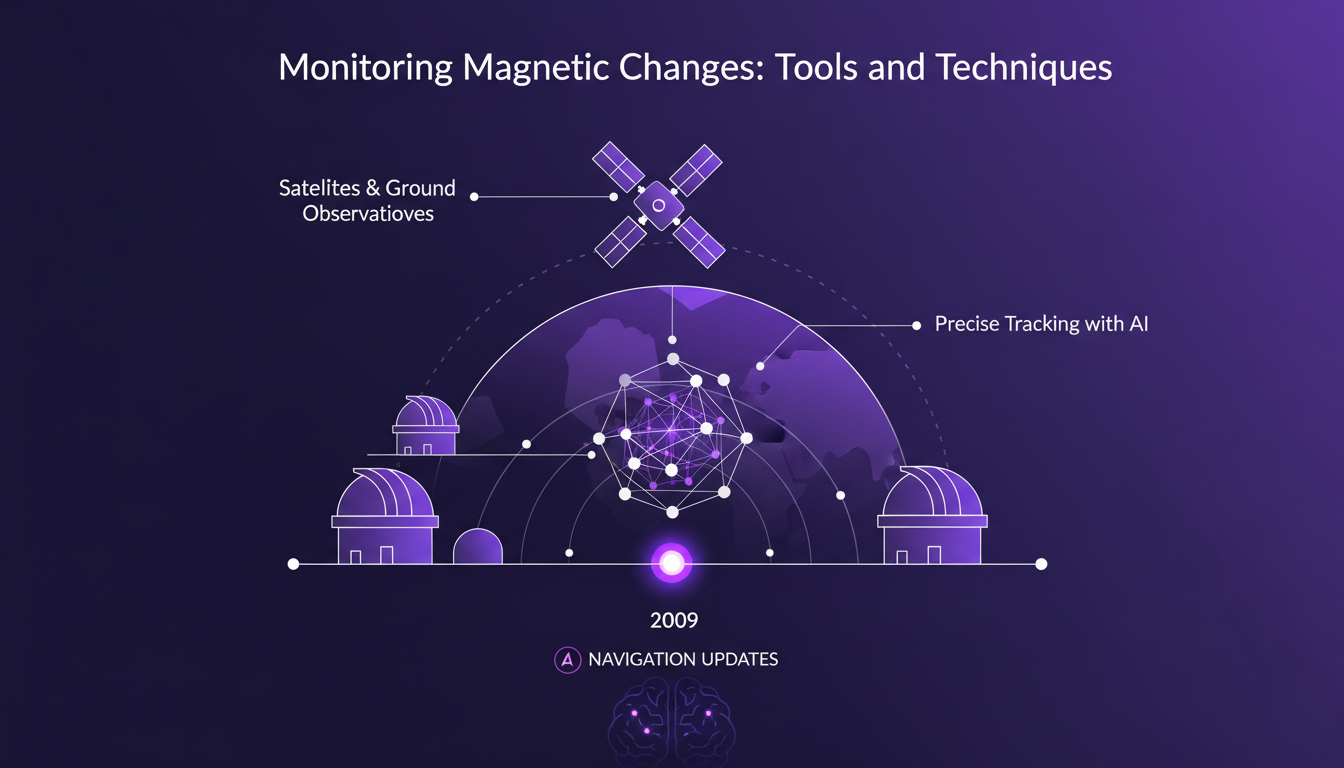
I rely on real-time data feeds to adjust our navigation models. Staying updated with the latest monitoring tools is crucial to avoid costly mistakes and ensure safety.
Future Predictions and Preparing for Change
Historical data helps predict future magnetic field behavior. A potential pole reversal could have significant global impacts. I prepare by continuously updating our predictive models. This involves trade-offs, including the costs of updating infrastructure and systems.
Being proactive in monitoring and adjusting systems is key to coping with these changes. Continuous observation and rapid adaptation are essential to avoid major disruptions.
In this context, it's crucial to distinguish useful information from noise and focus on what truly matters to remain effective.
First, I realized that the rapid movement of the magnetic north pole isn’t just a scientific curiosity but a real driving force impacting navigation and technology. We’ve all seen the tangible effects: in 2009, Fairbanks International Airport in Alaska had to adapt, and in Geneva, 100 panels were replaced—no small feat. Then, for animals navigating using Earth's magnetic field, these changes can be a real headache. But watch out, don't underestimate the geological influences shaking things up. What I take away is that we need to keep our systems updated and constantly monitor data, or we risk getting lost in a world where magnetic north is always on the move. It's a game changer, but you need to orchestrate it well. To see how all this fits together, I strongly recommend you watch the full video here: The North Pole is Changing and We Don't Know Why.
Frequently Asked Questions

Thibault Le Balier
Co-fondateur & CTO
Coming from the tech startup ecosystem, Thibault has developed expertise in AI solution architecture that he now puts at the service of large companies (Atos, BNP Paribas, beta.gouv). He works on two axes: mastering AI deployments (local LLMs, MCP security) and optimizing inference costs (offloading, compression, token management).
Related Articles
Discover more articles on similar topics

AI in Sales: Why AI Beats Humans
I've been in sales for over a decade, juggling client details until AI completely redefined my approach. Picture this: I could hold four things in my head, but AI can manage thousands. It's been a real game changer. In this article, I'll walk you through how AI's cognitive capabilities and precision execution are transforming sales strategies, drawing from my own experiences and industry experts' insights. We'll dive into the cognitive constraints of humans versus AI, AI's memory capacity, and its knack for language nuances.
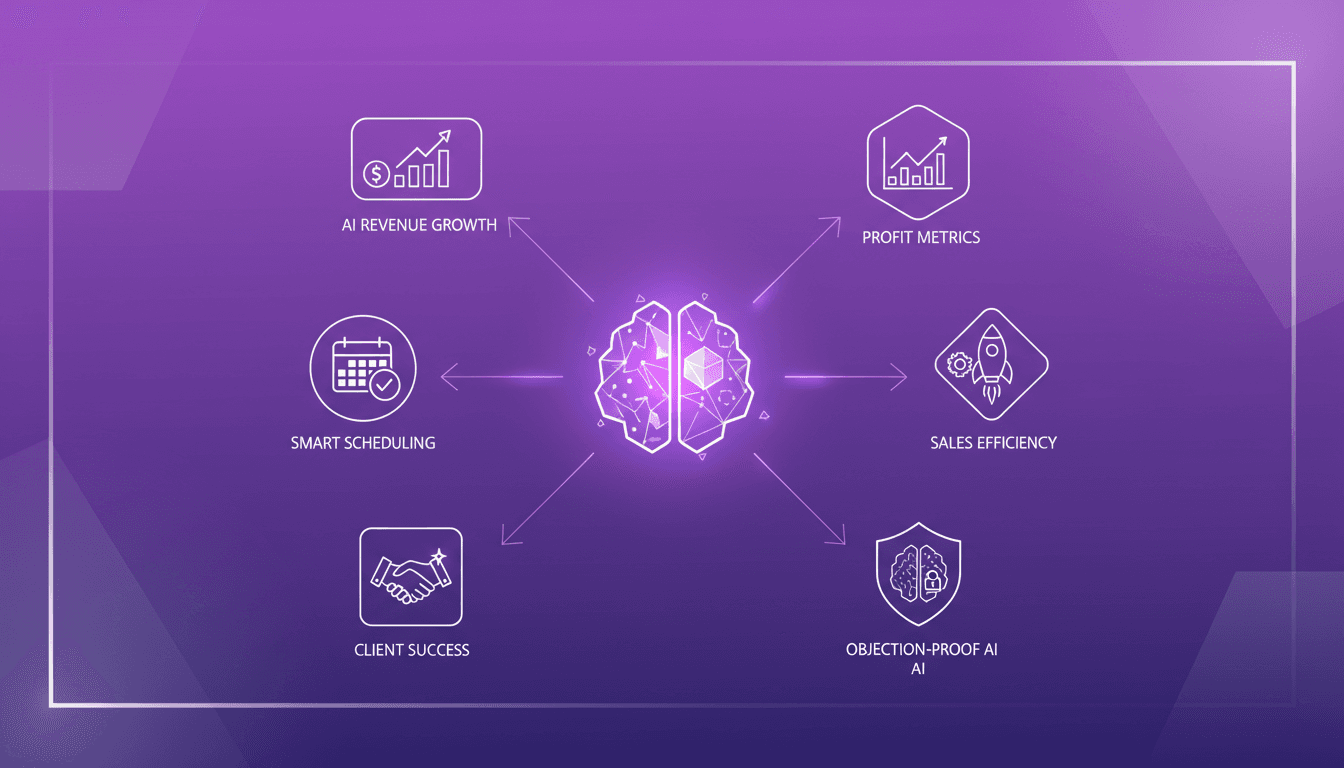
How AI Booked $1.2M: My Revenue Journey
I was pretty skeptical at first. But when AI booked $1.2 million in revenue for us, I knew we hit on something big. This isn't just about automating tasks; it's about transforming our sales approach. AI in appointment scheduling has redefined efficiency and effectiveness in sales processes. Imagine thousands of closings in just a few weeks, with revenue pouring in. In this article, I'll take you behind the scenes of this digital revolution, sharing client success stories and objection-proof strategies. Don't get lost in the buzz; dive into the concrete.
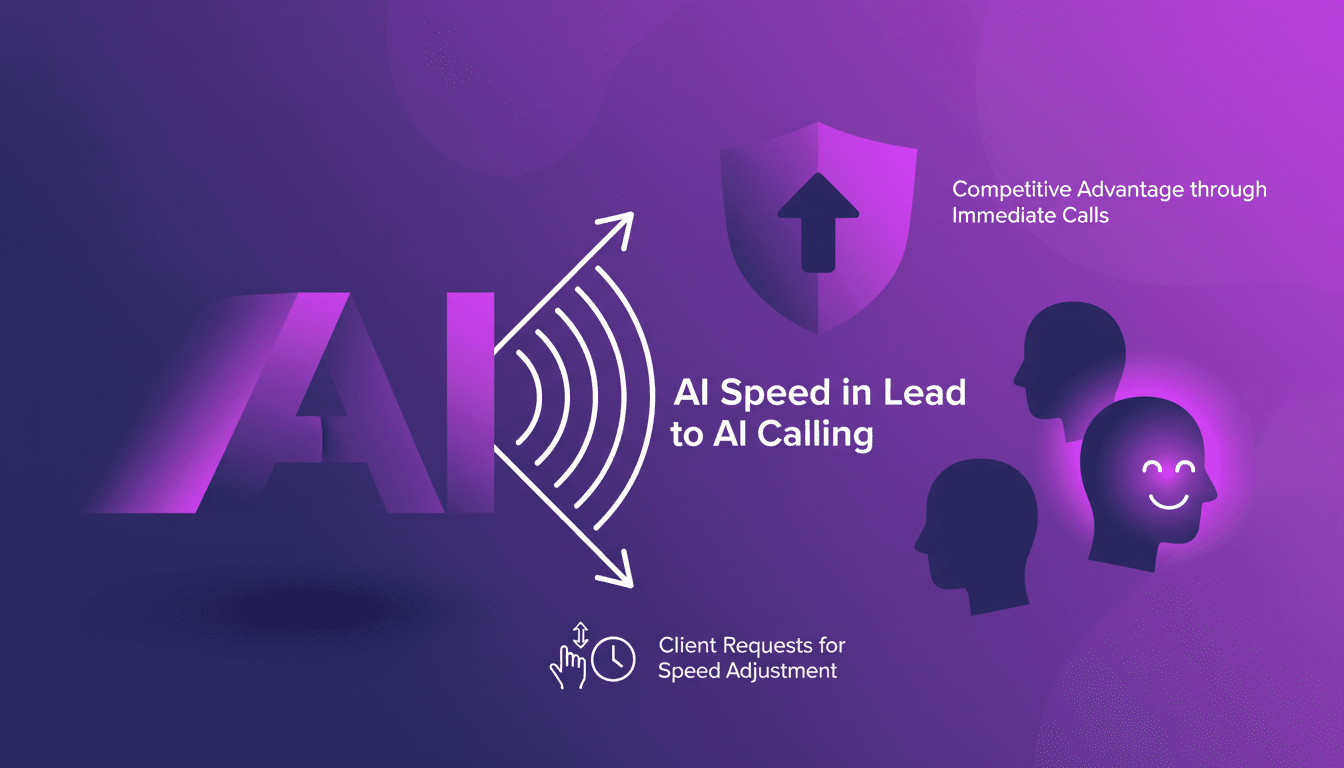
AI Lead Calls in 8 Seconds: Advantage or Disaster?
I remember the first time I set up an AI to call leads. It was a game changer—calls made in 8 seconds flat. But not everyone was thrilled. The catch? Speed isn't always the hero in sales. In a world where responsiveness is key, AI promises to revolutionize lead engagement. However, this rapidity can also backfire. As a practitioner, I've found that clients often want to tweak this speed to better match their specific needs. Let's dive into the world of AI calls: the competitive edge, client reactions to blistering speed, and how to balance responsiveness with client satisfaction.
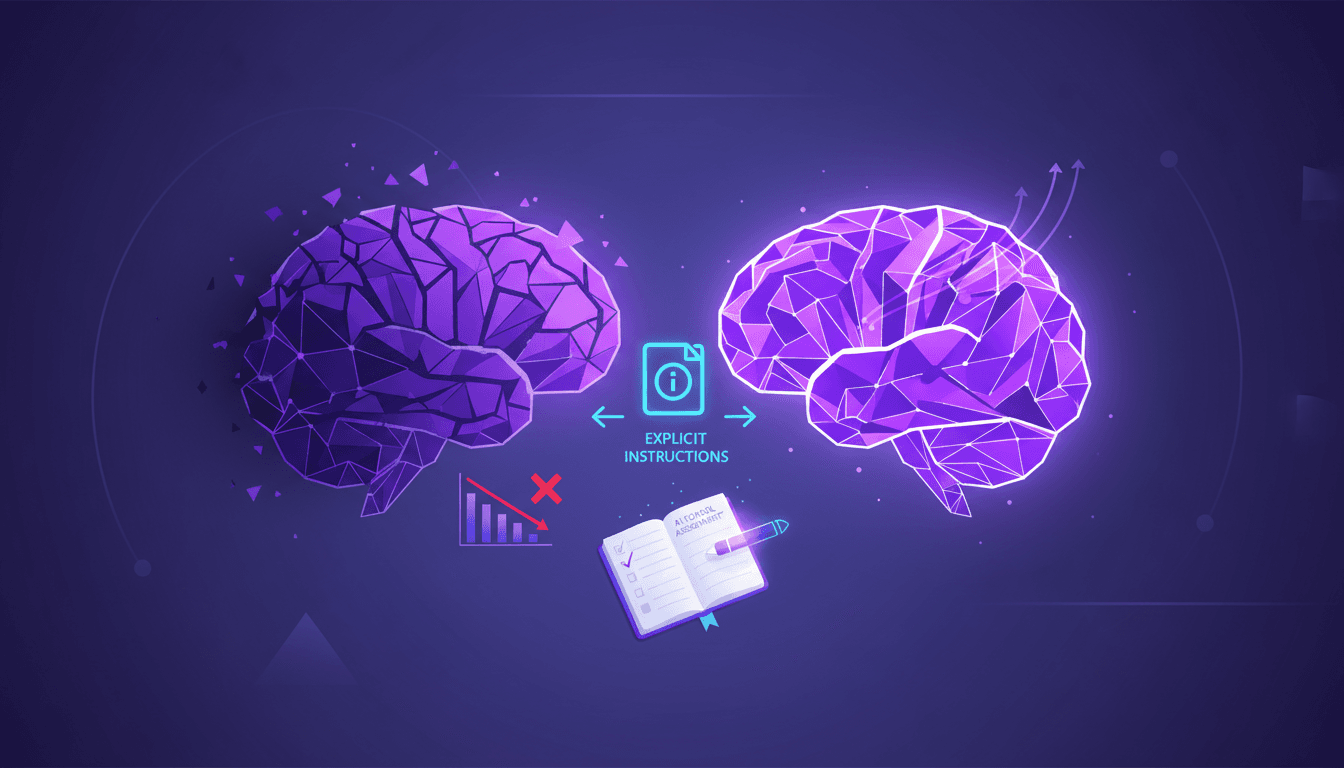
Understanding AI: Stupidity and Genius in Sales
I've been there, watching AI spit out answers that make you scratch your head. It's both a genius and a fool, and I've learned to navigate this dual nature in my sales workflows. AI can be a game changer in sales, but only if you understand its quirks. Let me show you how I train AI with clear instructions and handle flawed data to get results that actually make sense.
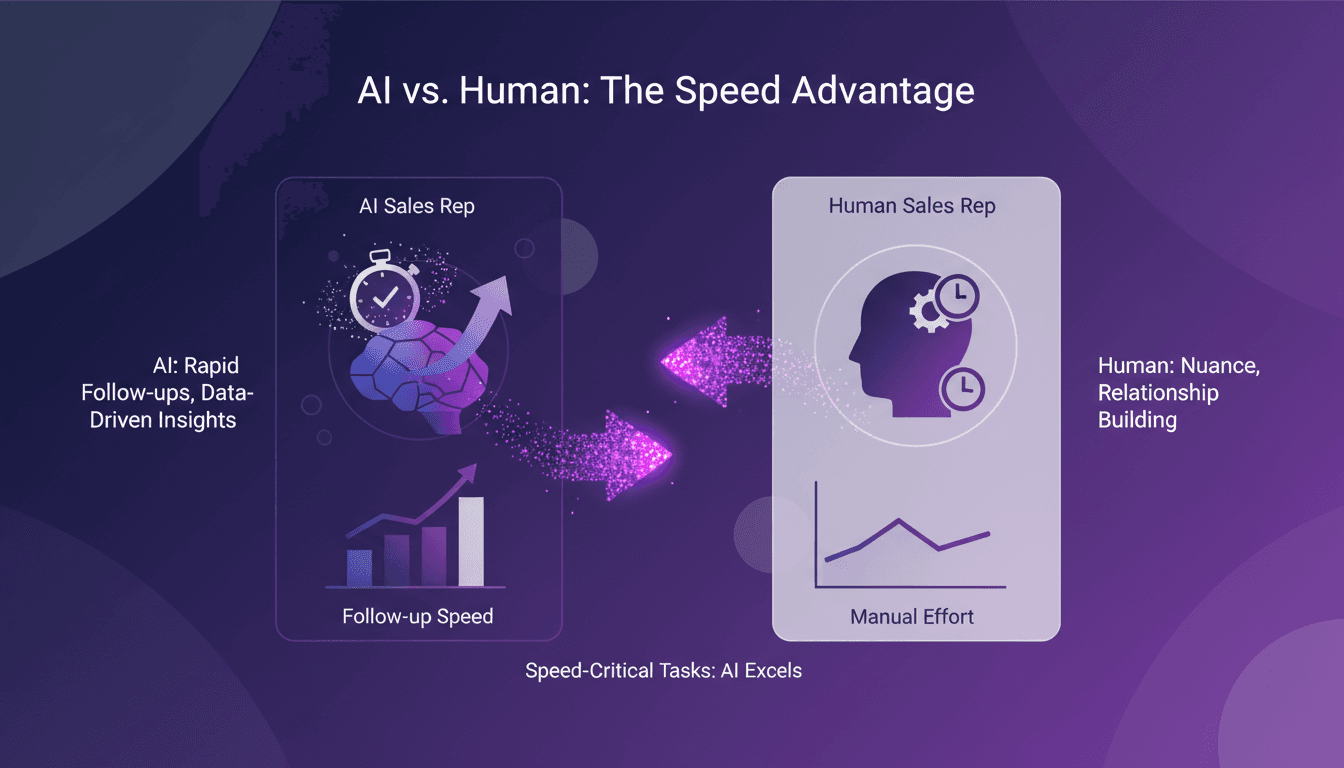
AI in Sales: Can It Outsell Humans?
I remember the first time I let AI handle my sales follow-ups. I was skeptical, but the speed was undeniable. In today's sales environment, where speed and efficiency are crucial, AI promises to revolutionize how we manage sales tasks. But can it truly outperform a human sales rep? In this podcast, I delve into AI's speed advantage in sales tasks, its ability to outdo humans in follow-ups, and the nuances between AI and human capabilities. Watch out for the limits of human effort in speed-critical tasks. We compare AI and human reps to see who's really on top.