Industrial Capabilities on the Moon: Key Insights
I've spent years tinkering with tech on Earth, but moving operations to the moon? That’s a game changer. Imagine extracting silicon, aluminum, iron, and titanium directly from the lunar surface. With 3D printing using molten regolith, we can build complex structures without ever leaving lunar orbit. And Y Combinator is right in the mix, playing a crucial role in these space projects. Let me show you how we’re building these industrial capabilities in space, and why it’s not just sci-fi anymore.
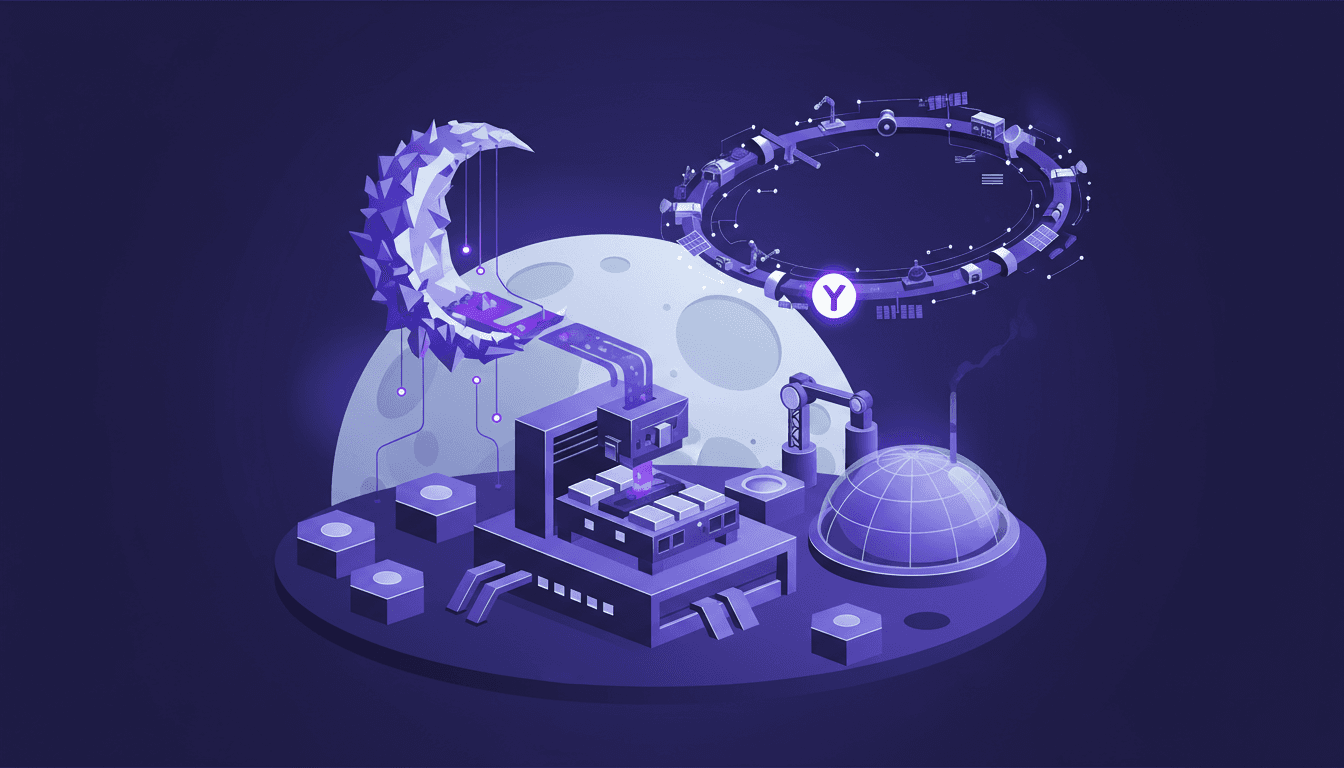
I've spent years tinkering with tech on Earth, but moving operations to the moon? That’s a game changer. Imagine being able to extract silicon, aluminum, iron, and titanium directly from the lunar surface. With 3D printing using molten regolith, we can build complex structures without ever leaving lunar orbit. But beware, nothing is straightforward; I got burned a few times before mastering the electrolysis process for extracting these materials. And Y Combinator is right there, playing a crucial role in pushing these space projects forward. Today, I'll walk you through how we’re building these industrial capabilities in space, and why it’s no longer just sci-fi. You'll see, the impact is direct, both in terms of efficiency and cost reduction.
Vision for Lunar Industry: Where We Start
First, let me set the stage: envisioning industrial capabilities on the Moon. It's not just a wild idea, it's a strategic vision. The Moon is ideal for extracting materials like silicon, aluminum, iron, and titanium. Why? Because these materials are crucial for space manufacturing. They're essential for building robust structures in space. However, logistical challenges are plenty. Transporting equipment and managing energy up there is another ballgame. Thankfully, startups like Star Cloud are at the forefront of these pioneering efforts. Adi Oltean, co-founder and chief engineer, is a key player in this arena. He envisions data centers in space, which shows the direction the industry is heading.
With materials like these, we can envision lighter and more efficient space constructions. The Moon then becomes a sort of springboard for further exploration. But watch out, every kilo counts in space, so every logistical decision is crucial.
Extracting Raw Materials: The Workflow
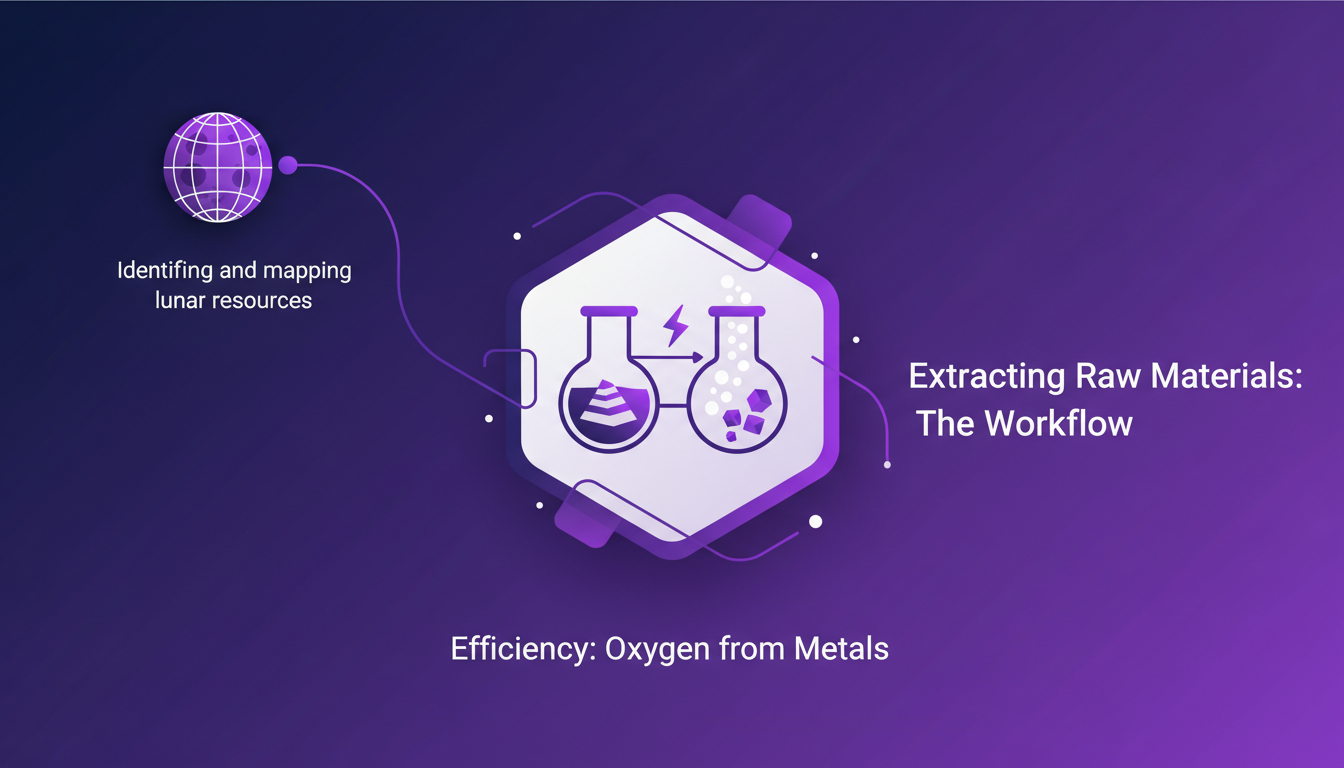
We start by identifying and mapping lunar resources. This is the first, fundamental step. Then, we use advanced tech for extraction, and here, electrolysis comes into play. Why electrolysis? Because it's efficient for separating oxygen from metals. That's a real technological advancement. But watch out, power supply is a major challenge up there. Solar panels need to be ultra-efficient and resistant to extreme conditions. We plan to overcome these challenges with current tech, optimizing every available watt.
3D Printing with Molten Regolith: My Setup
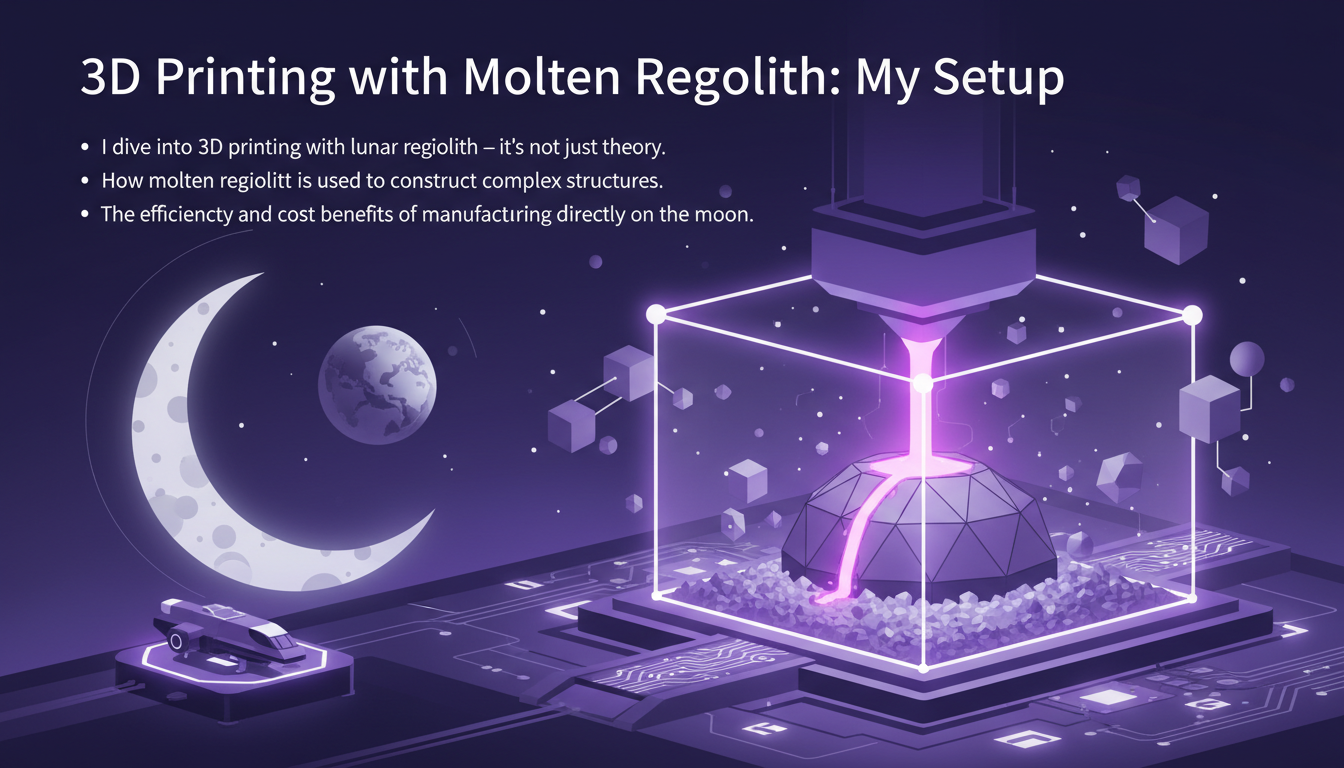
Now, let's talk about 3D printing with lunar regolith. It's not just theory, it's concrete. Molten regolith is used to construct complex structures, directly on-site. The efficiency and cost benefits of manufacturing directly on the Moon are clear: making things there avoids transporting from Earth. But watch out, temperature control is a real headache. I got burned several times during early prototypes. I've learned not to neglect material tests and thermal simulations. These lessons are crucial for success.
Efficiency of Space-Based Manufacturing
Why is space manufacturing a game changer for resource efficiency? First, we reduce the need for costly Earth-to-moon transport. Then, we leverage the Moon’s low gravity for easier assembly. However, initial setup costs are high, a trade-off to consider. But with partners like Y Combinator, these projects gain feasibility. Y Combinator’s interest in these space projects shows it's not just sci-fi. Partnerships allow for risk reduction and speed up development.
Role of Y Combinator: Boosting Space Projects
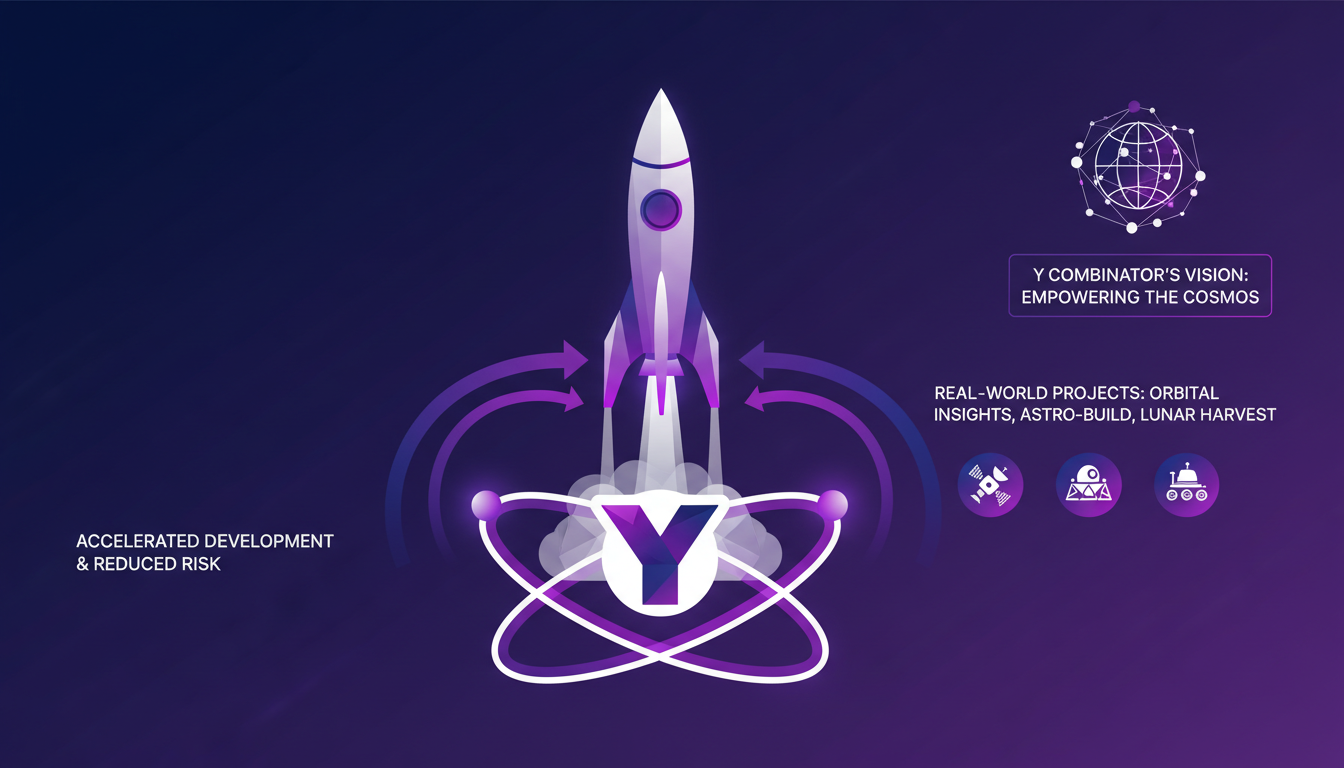
Y Combinator's interest in space projects is a game changer for us. Their support helps accelerate development and reduce risk. Real-world examples of projects benefiting from their backing already exist. The impact on innovation and bringing concepts to market faster is undeniable. But be aware, not all projects fit their model. Their support is targeted, but when it clicks, the potential is enormous.
Building industrial capabilities on the moon isn't just a concept—it's actively happening. I've been diving into 3D printing with molten regolith, and this tech lets us construct complex structures right there, on the moon. Extracting raw materials like silicon, aluminum, iron, and titanium is a real game changer for space manufacturing. But watch out, the workflow is intricate and requires the right partners and tech.
- 3D printing enables creating complex structures directly on the moon.
- Silicon, aluminum, iron, and titanium are raw materials to be extracted in space.
We're already shaping the future, and it's thrilling to see where this journey takes us. If you're ready to join the lunar industrial revolution, let's connect and explore how you can be part of this groundbreaking journey.
For an even deeper dive and some inspiration, I encourage you to watch the original video: Watch on YouTube. Together, we can push the boundaries!
Frequently Asked Questions

Thibault Le Balier
Co-fondateur & CTO
Coming from the tech startup ecosystem, Thibault has developed expertise in AI solution architecture that he now puts at the service of large companies (Atos, BNP Paribas, beta.gouv). He works on two axes: mastering AI deployments (local LLMs, MCP security) and optimizing inference costs (offloading, compression, token management).
Related Articles
Discover more articles on similar topics
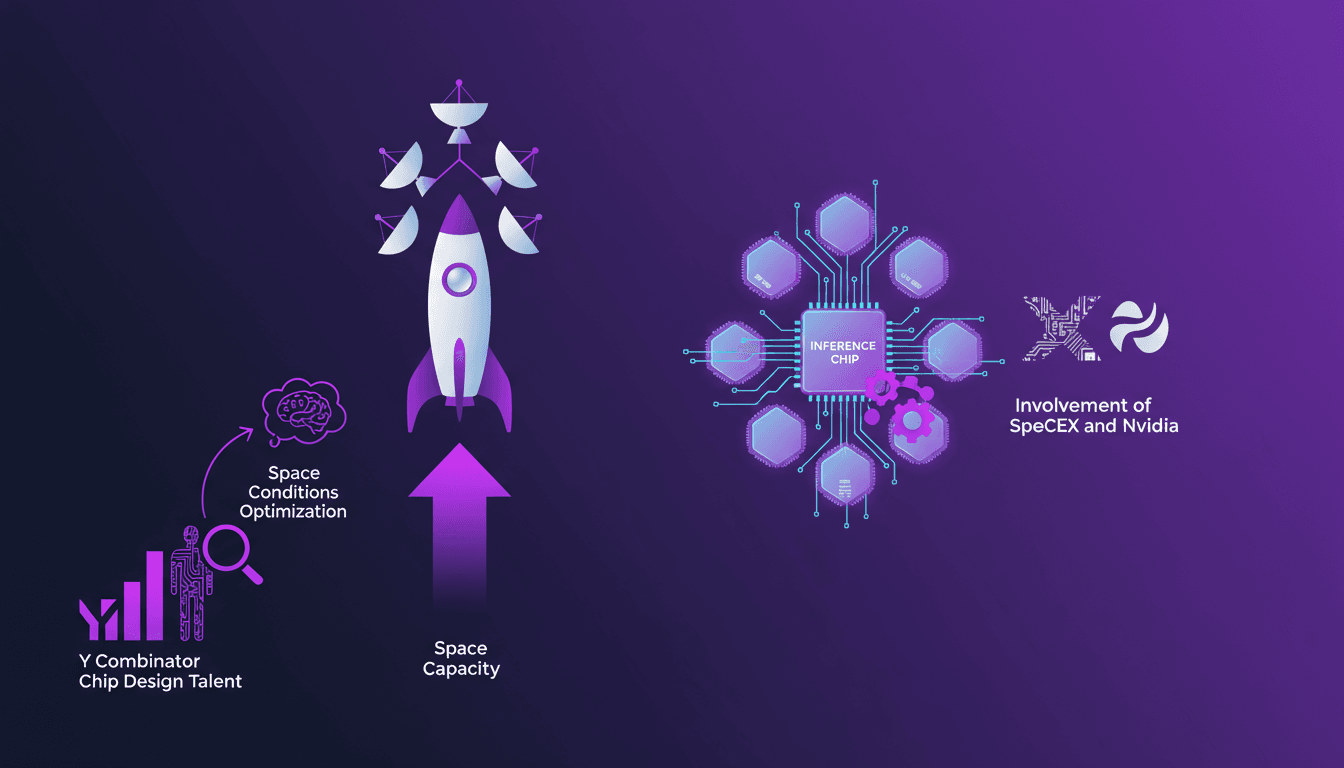
Reusable Rockets: Unlocking Space Capacity
I remember the first time I witnessed a reusable rocket launch. It was a game-changer for space capacity. Now, as we push the boundaries of compute power in space, the demand for specialized chips is skyrocketing. With companies like SpaceX and Stoke Space at the forefront, reusable rockets are transforming our approach to space capacity. But it's not just about getting there—it's about what we do once in orbit. That's where inference chips come into play, optimized for unique space conditions. Let's dive into how we're optimizing electronics for the harsh realities of space.
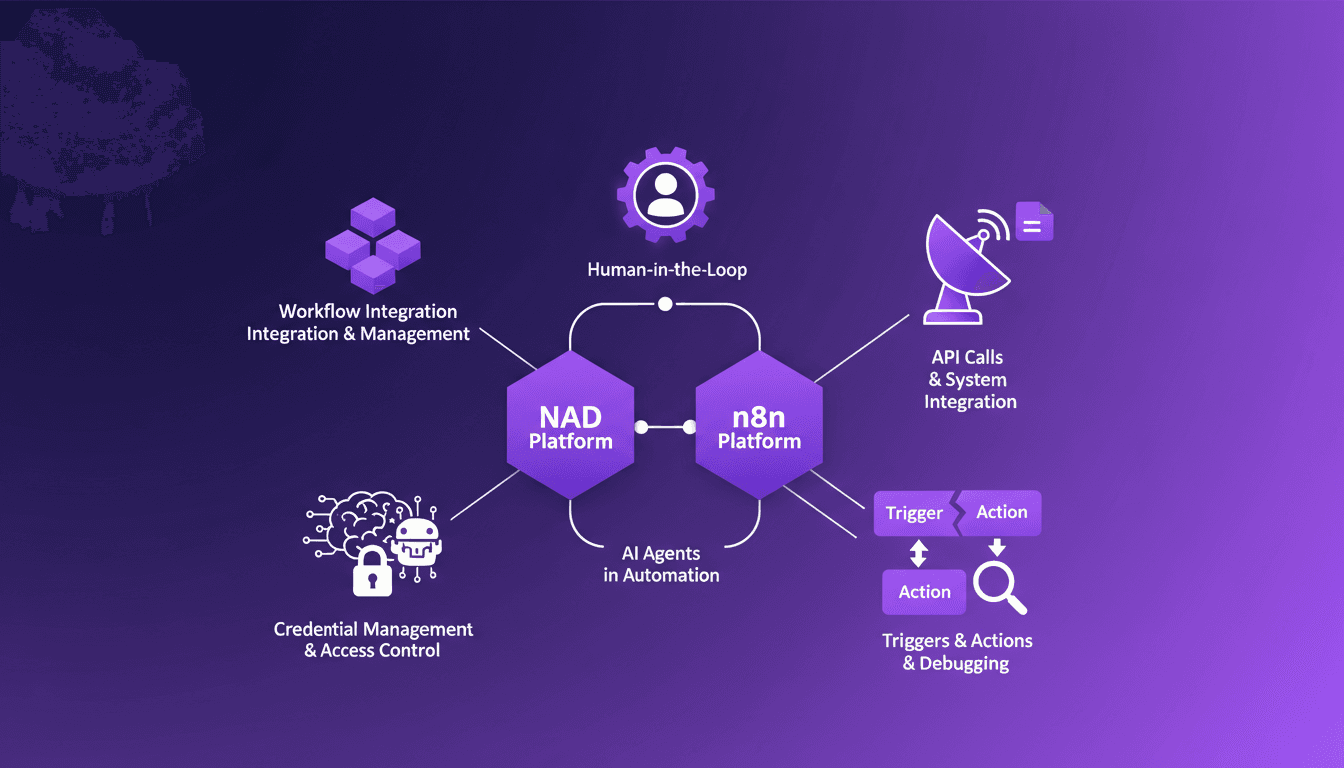
Human-in-the-Loop with n8n: Practical Integration
I dove into n8n and NAD to streamline my workflows, and let me tell you, it's been a game changer. But watch out, every tool has its quirks and limits. In this article, I'll show you how I integrate human-in-the-loop automation using these platforms. Automation isn't just about machines doing all the work. Sometimes you need a human touch to guide the process. That's where human-in-the-loop automation comes in, especially when using platforms like n8n and NAD. We'll explore API integrations, error management, and how to juggle AI agents in your workflows.
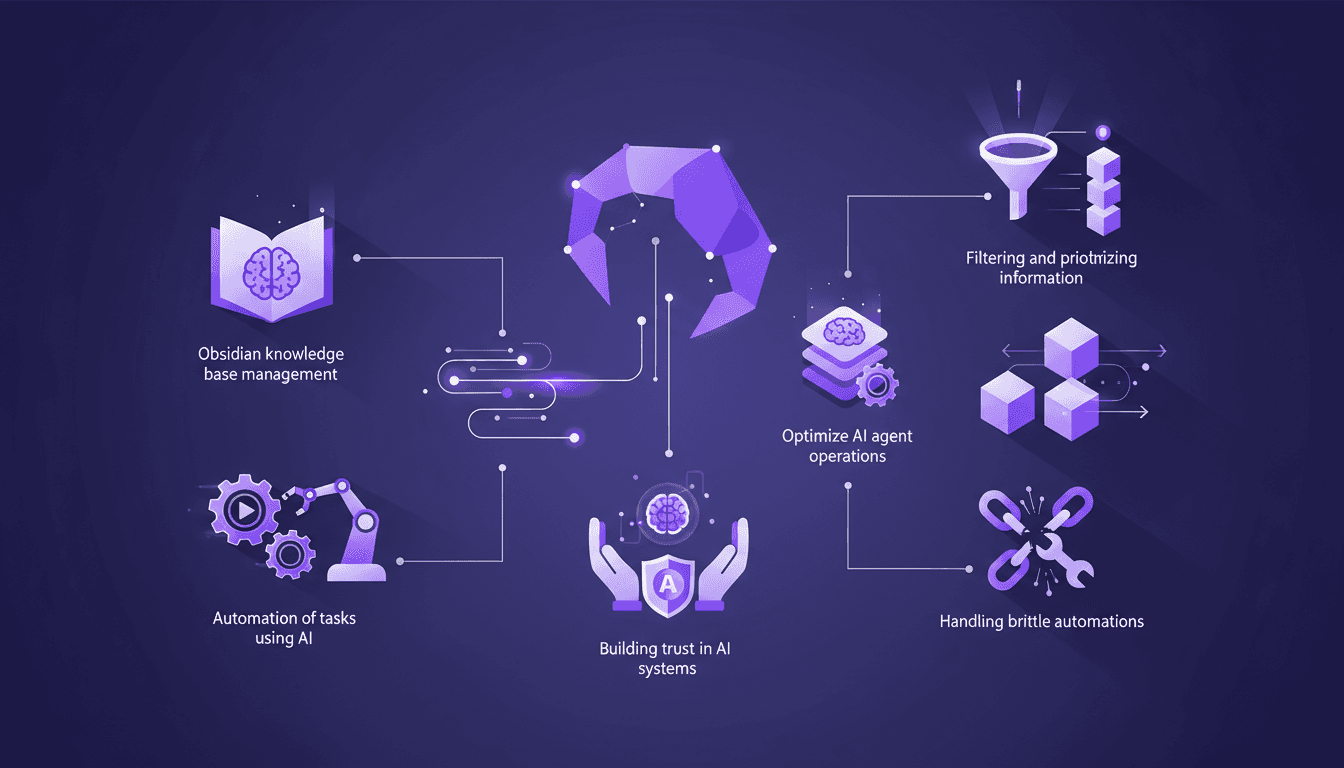
Integrating OpenClaw: Optimizing Daily Life
I handed over the keys to my life to an AI agent. Sounds risky, right? Yet, integrating OpenClaw transformed my daily routine in remarkable ways. Picture managing a 3,000-page Obsidian knowledge base, with tasks kicking off at 4 a.m. I’m sharing how I optimized my life with AI, from data management to building reliable routines. Fixing a Netflix payment failure in five minutes made me realize the potential of these tools. But beware, you need to filter and prioritize information, and handle sometimes brittle automations. Ultimately, it's a fascinating journey toward an AI-optimized life.
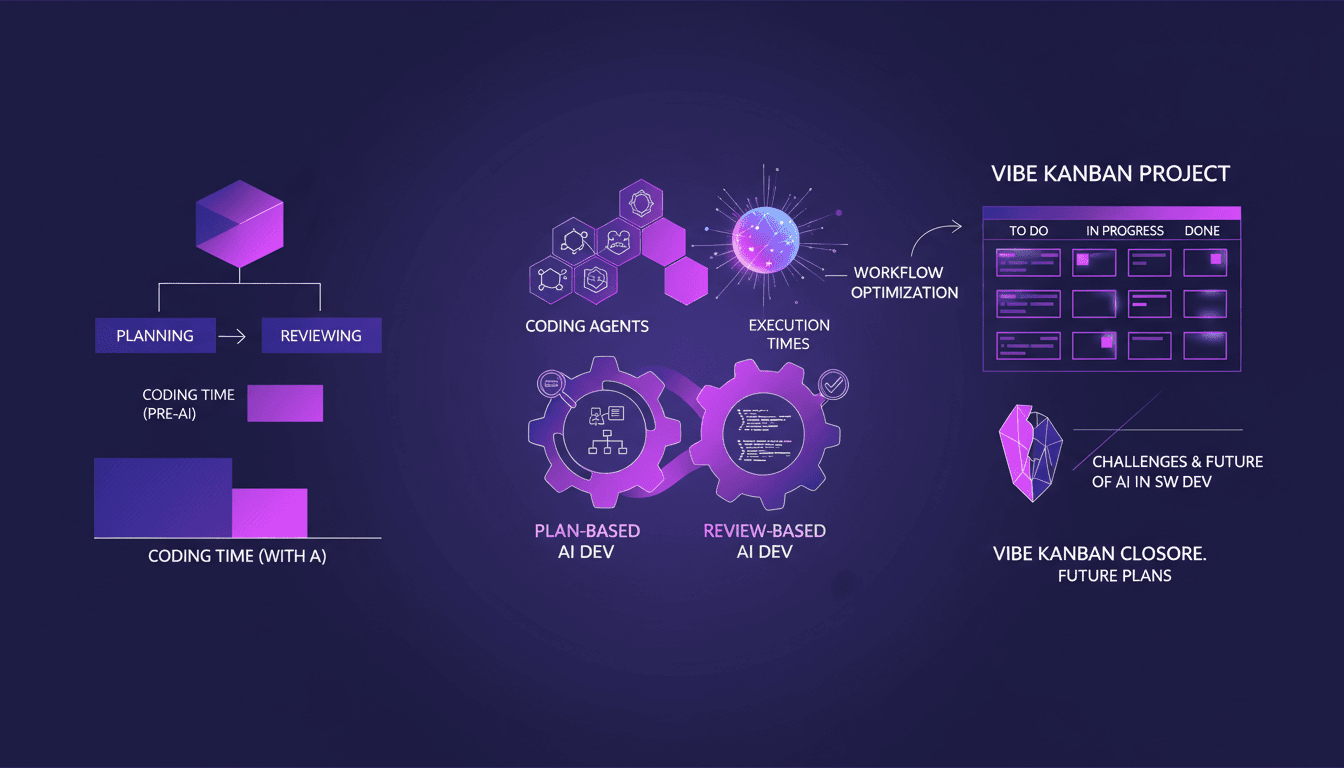
Planning and Reviewing: Software Engineering Revolution
I remember when coding meant diving headfirst into lines of code for hours. But now, with AI tools, it’s all about planning and reviewing. Let me take you through this seismic shift and how Vibe Kanban played a pivotal role in optimizing our workflows. Software engineering is transforming, and I've witnessed it firsthand. We're moving from hands-on coding to strategic planning, backed by tools that save us hours. With Vibe Kanban, I learned to orchestrate planning that saves us 20 minutes for every half an hour of coding. This isn't just theoretical—it’s a real change I experience daily.
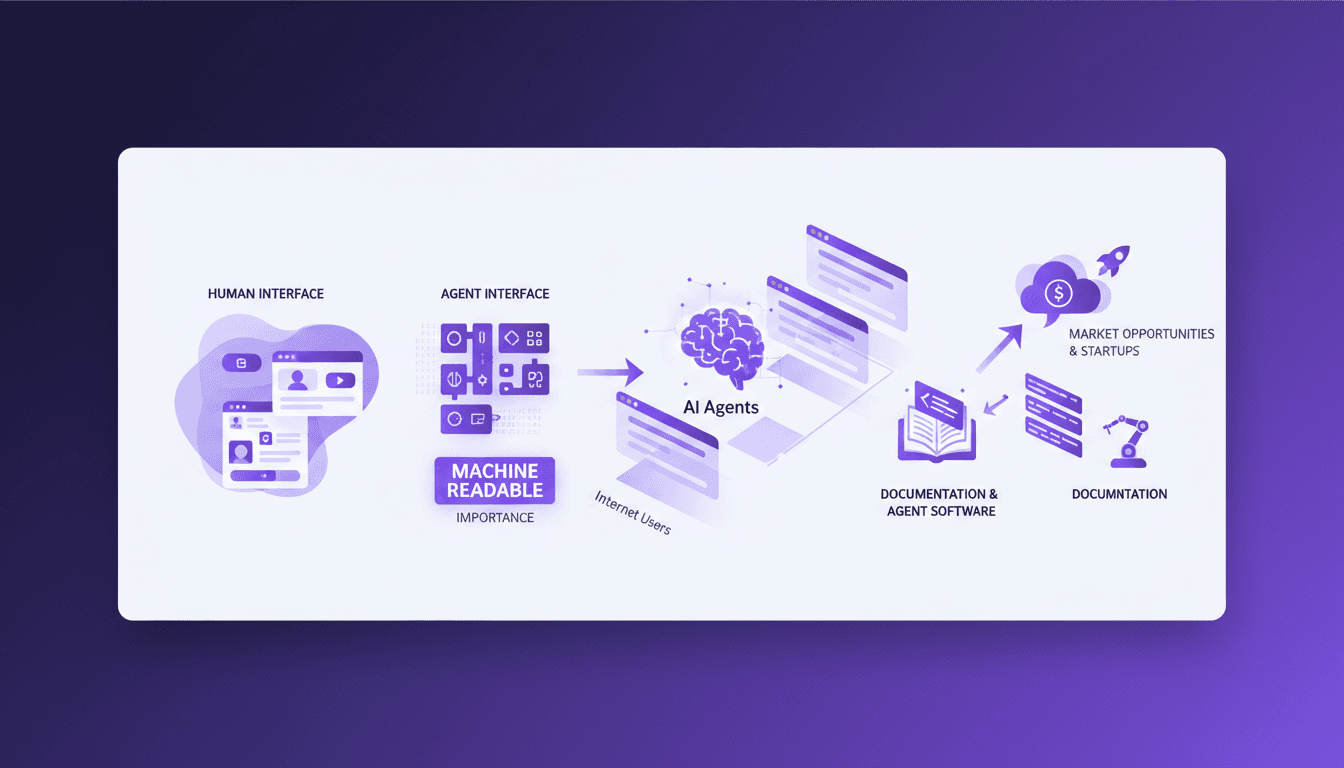
Software for Agents: Designing for the Future
I still remember the moment I realized the next trillion internet users wouldn't be human—it would be AI agents. It hit me during a conference and shifted my whole approach to software design. Gone are the days when human-centric design was enough. Now, it's the era of agents, which means we need to rethink everything—from the interfaces we use to the market opportunities for startups. Machine-readable interfaces like APIs, MCPs, and CLIs are becoming crucial, and clear documentation is no longer optional. If you want to stay ahead, now's the time to pivot and think agent-first. Otherwise, you risk falling behind in this digital revolution.