Build AI Apps Fast: Gemini Models in Action
I dove headfirst into AI-powered app development with Google DeepMind's Gemini models. These models, with their rapid release and robust capabilities, are true game changers. But watch out, they come with their own set of challenges. In this article, I share my journey with Gemini's multimodal capabilities, AI Studio tools, and the integration of AI in video, image, and real-time applications. We'll explore practicalities, potential pitfalls, and how these cutting-edge technologies can transform your projects.
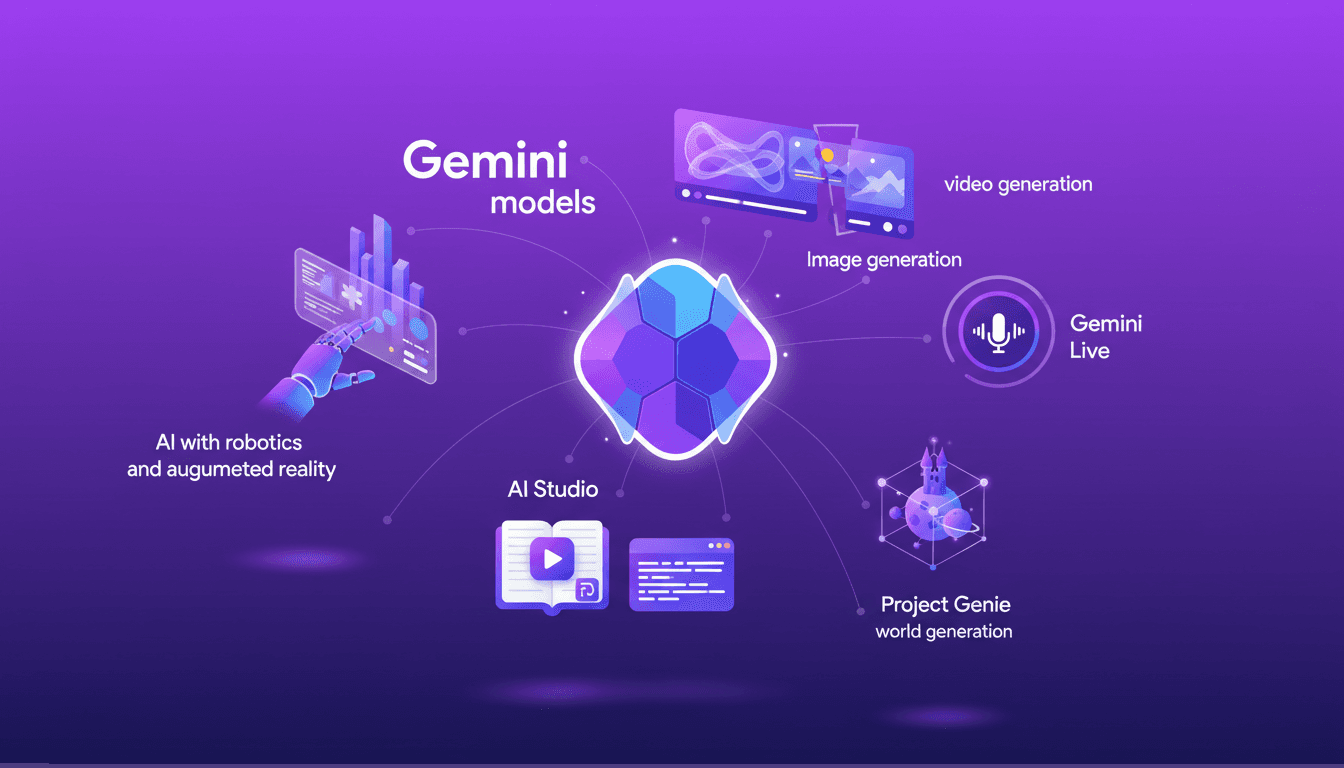
I dove headfirst into AI-powered app development with Google DeepMind's Gemini models. Imagine, in just a few weeks, transforming ideas into reality with their multimodal capabilities. I connected Gemini to my projects, and trust me, it's a game changer. But watch out, every silver lining has its cloud. I got burned on a few technical details before understanding how to orchestrate them effectively. In this article, I'll share my experience with Gemini models, AI Studio tools, and how I integrated them into video and image applications. We'll also explore how these technologies apply in real-time through Gemini Live and the impact it can have, particularly in music generation with LIIA 3. The potential is huge, but there are pitfalls to avoid. Join me for a practical, hands-on tour of these cutting-edge technologies.
Unpacking Gemini Models: Multimodal Power
I started by diving into the multimodal capabilities of the Gemini models, and it's quite a game changer in how we process data. These models handle video, image, and text seamlessly, opening up limitless application possibilities. But watch out, there are limits. When working with large datasets, performance can dip. I got burned initially, thinking more data meant better results. Rookie mistake!
The free tier gives a taste of what Gemini models can do. However, as soon as you scale, costs escalate quickly. Another impressive feature is Gemini Live, enabling real-time interaction. To leverage it fully, robust infrastructure is a must. Pro tip: Don't underestimate the technical demands.
AI Studio: Your Sandbox for Creativity
AI Studio became my go-to for experimenting with Gemini models. It's a sandboxed environment perfect for safe code execution. I used the one-click deploy to Cloud Run—a real time saver. Tools like VO3.1 Light and LIIA 3 are amazing for video and music generation. But balancing creativity with resource constraints is key. Don’t get carried away with endless possibilities without keeping an eye on the costs.
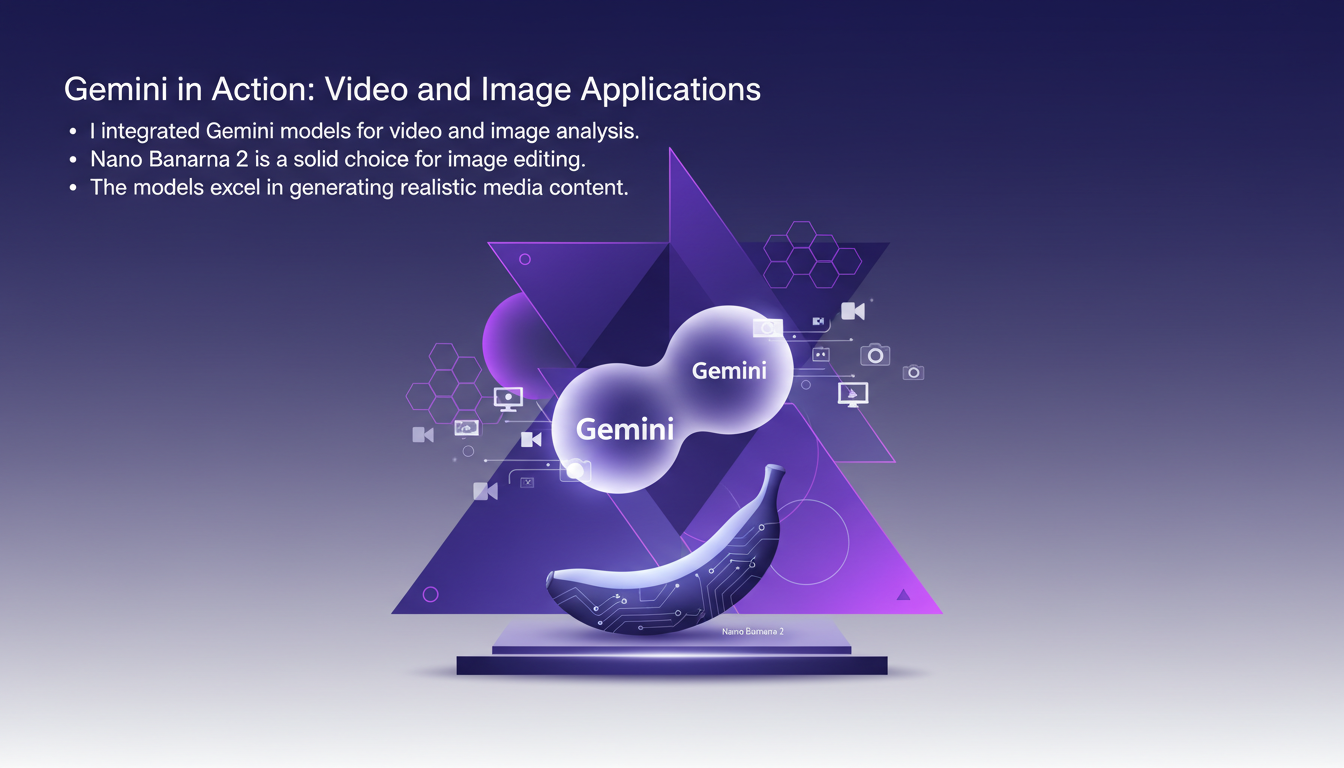
Gemini in Action: Video and Image Applications
Integrating Gemini models for video and image analysis was a no-brainer. I opted for Nano Banana 2 for image editing, and the results were stunning. The models excel in generating realistic media content, but performance can be hit-or-miss depending on data complexity. Keep an eye on token usage to manage costs effectively. Sometimes it's quicker to simplify your data than to increase resources.
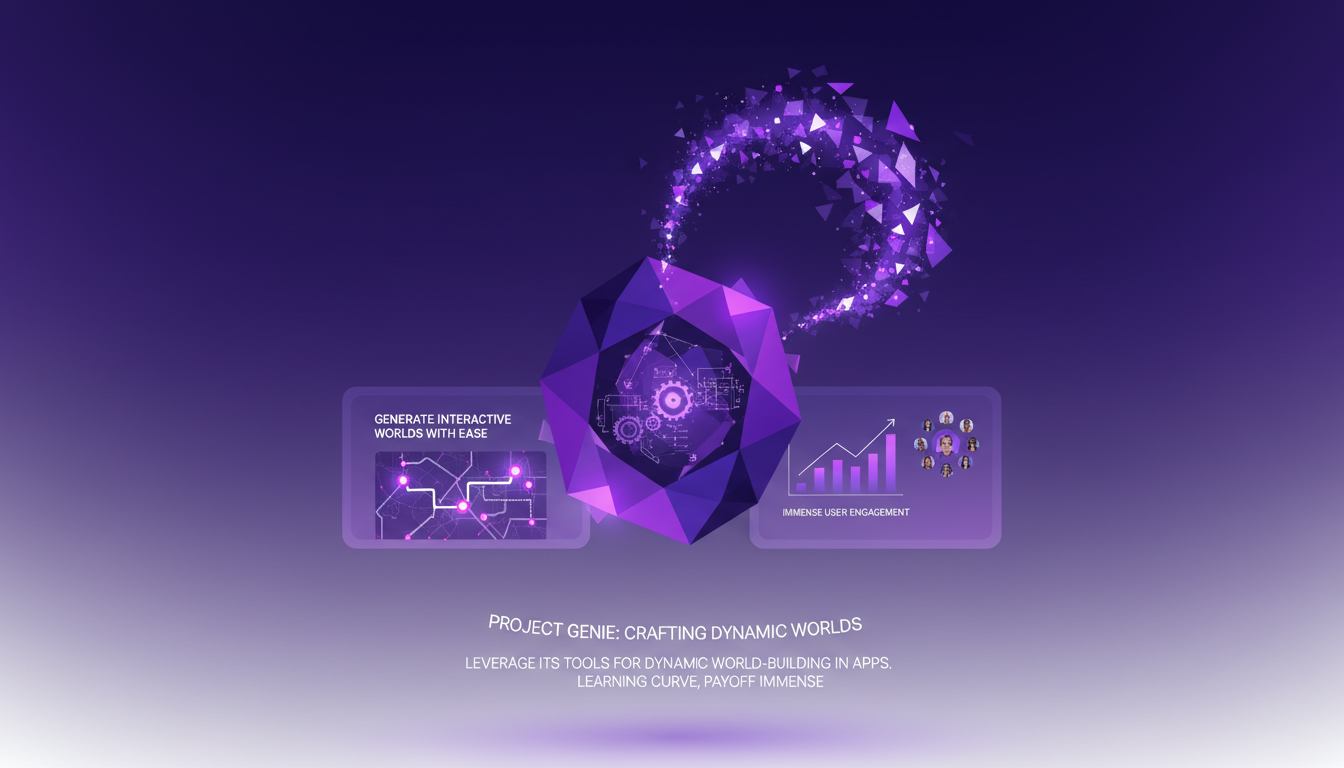
Project Genie: Crafting Dynamic Worlds
Project Genie lets you generate interactive worlds with ease. I leveraged its tools for dynamic world-building in apps, and while there's a learning curve, the payoff in user engagement is immense. A word of caution: integration with other systems can be tricky. Plan ahead to avoid pitfalls. There are trade-offs between complexity and performance, and managing them is crucial.
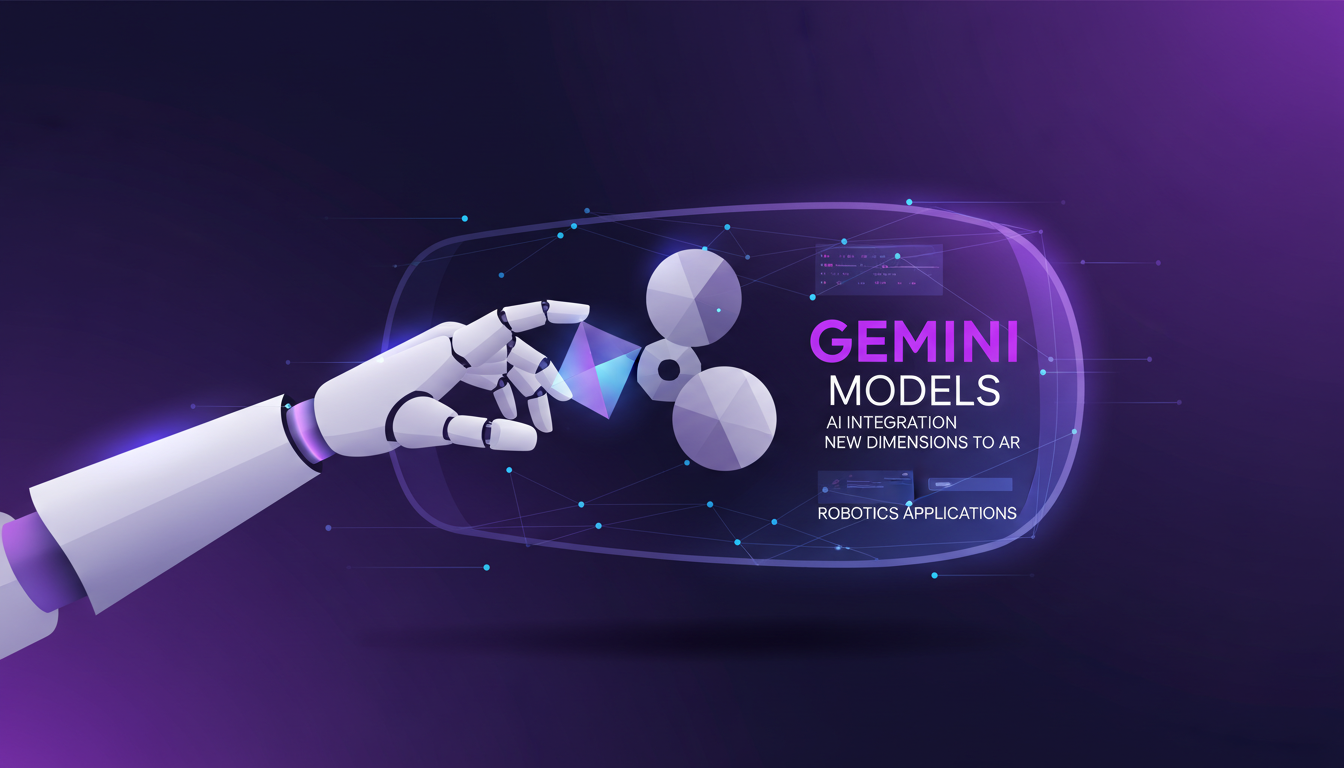
AI Meets Robotics and Augmented Reality
I explored AI integration with robotics and augmented reality (AR). Gemini models bring new dimensions to AR experiences. Robotics applications benefit from real-time data processing, but challenges include latency and hardware compatibility. The potential for innovation is huge, but it requires careful orchestration. Don’t get swept up in the hype without laying the groundwork.
Harnessing Gemini models and AI Studio has truly transformed the way I build and deploy AI-powered applications. I always start by tapping into the multimodal capabilities of Gemini models, like VO3.1 Light for video generation and LIIA 3 for music. From there, I make sure to orchestrate these tools effectively to maximize impact. But watch out, understanding the trade-offs, especially with the free tier of Gemma models, is key.
- Leverage multimodal capabilities for richer applications.
- Orchestrate tools for maximum efficiency is crucial.
- Be mindful of the free tier limits of the models.
The future looks promising: these tools can be a game changer for our projects, but they require strategic usage. Ready to dive into AI app development? Start experimenting with Gemini models and AI Studio. And for a deeper dive, check out the original video by Paige Bailey from Google DeepMind here: YouTube.
Frequently Asked Questions

Thibault Le Balier
Co-fondateur & CTO
Coming from the tech startup ecosystem, Thibault has developed expertise in AI solution architecture that he now puts at the service of large companies (Atos, BNP Paribas, beta.gouv). He works on two axes: mastering AI deployments (local LLMs, MCP security) and optimizing inference costs (offloading, compression, token management).
Related Articles
Discover more articles on similar topics
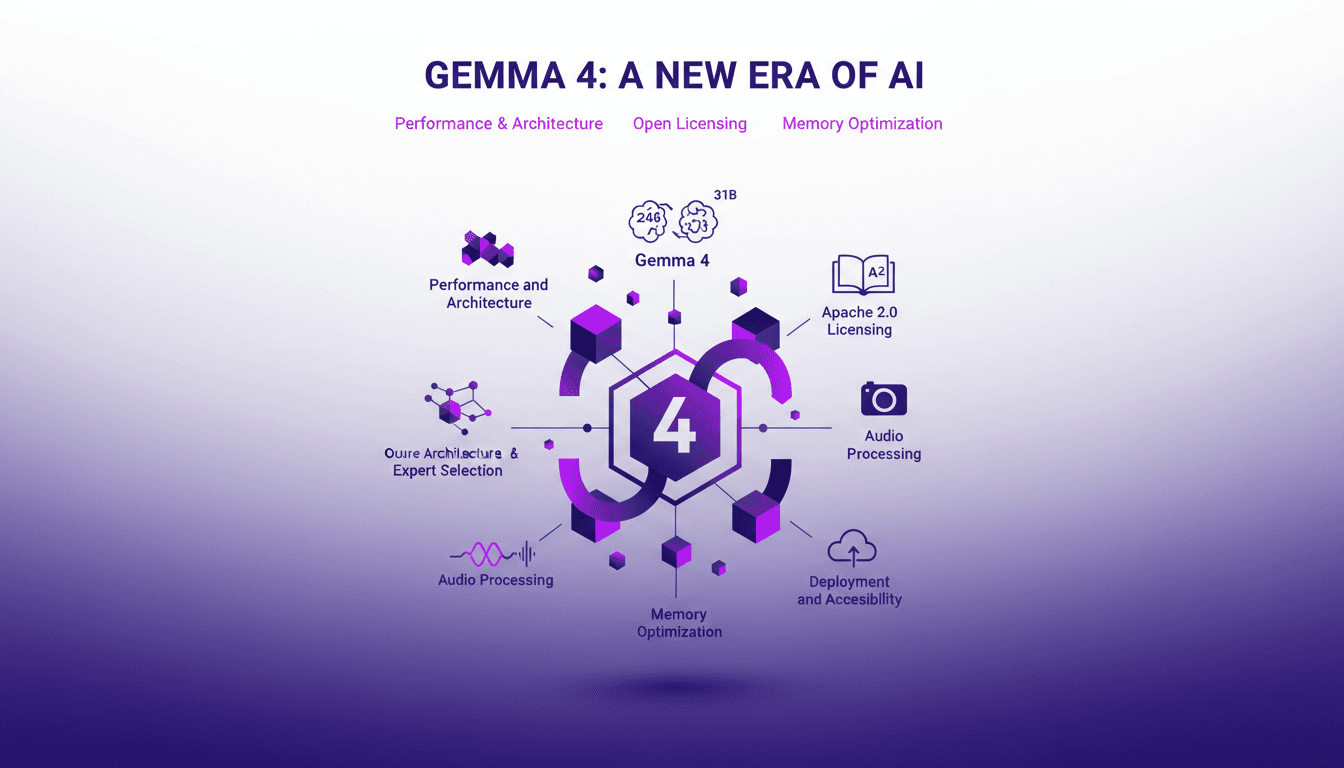
Gemma 4: Open Models and Accessibility
I dove into Gemma 4, the latest gem from Google DeepMind's open models, and it's like stepping into a new realm of possibilities. With its 26B and 31B models, we're talking about performance that's potentially a game changer (especially with its Apache 2.0 licensing making all this super accessible). Let me walk you through how I leveraged its architecture and why it matters for us builders. We'll discuss Oure architecture, multimodal capabilities, memory optimization with PLE, and even its audio processing prowess. Don't miss how these models can be deployed and made accessible for everyone.
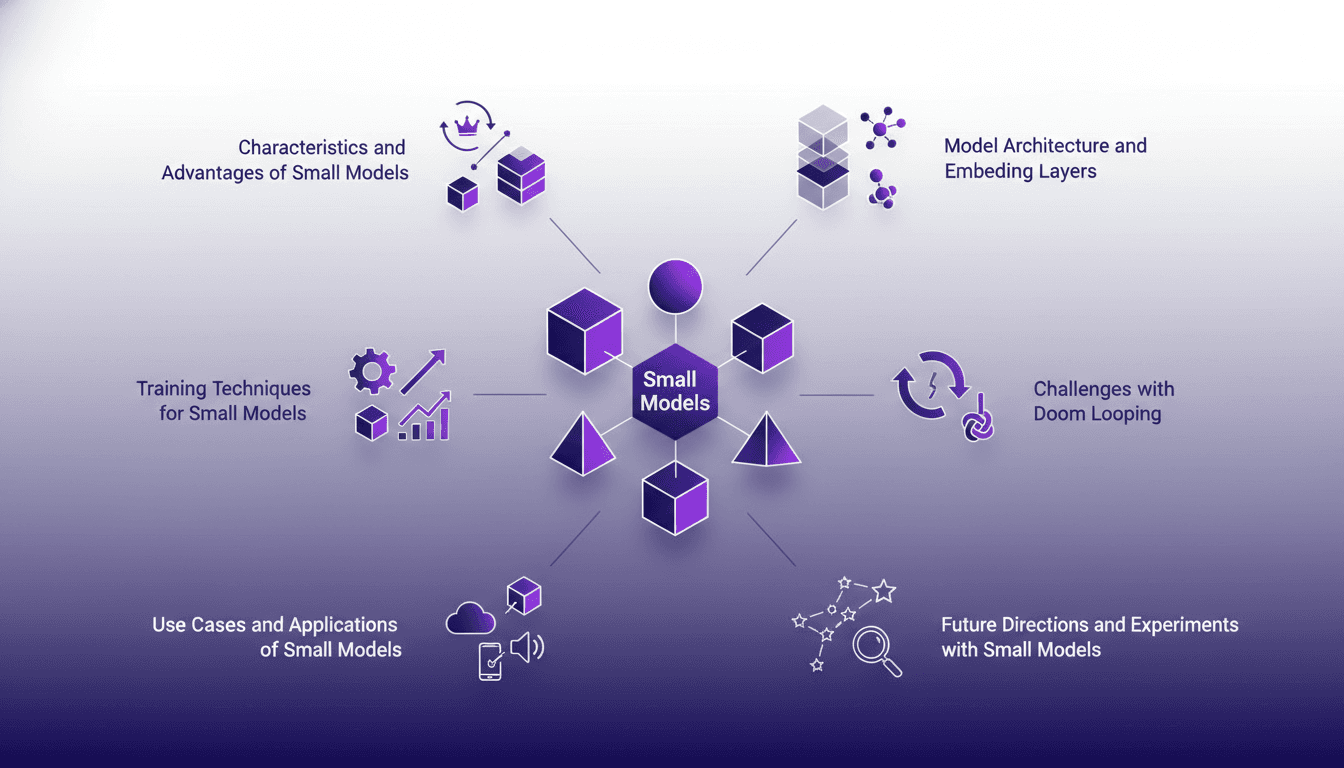
Characteristics and Advantages of Small Models
When I first delved into training small models, I thought, 'How hard could it be?' Turns out, it's a nuanced dance between efficiency and capability. Let me walk you through what I've learned. In the AI world, small models are gaining traction for their efficiency and specialized applications. I unpack my journey with these models, from architecture to real-world applications. We'll dive into characteristics, advantages, training techniques, challenges like doom looping, and future experiments. Essentially, a comprehensive look at small models, their power, and their limits.
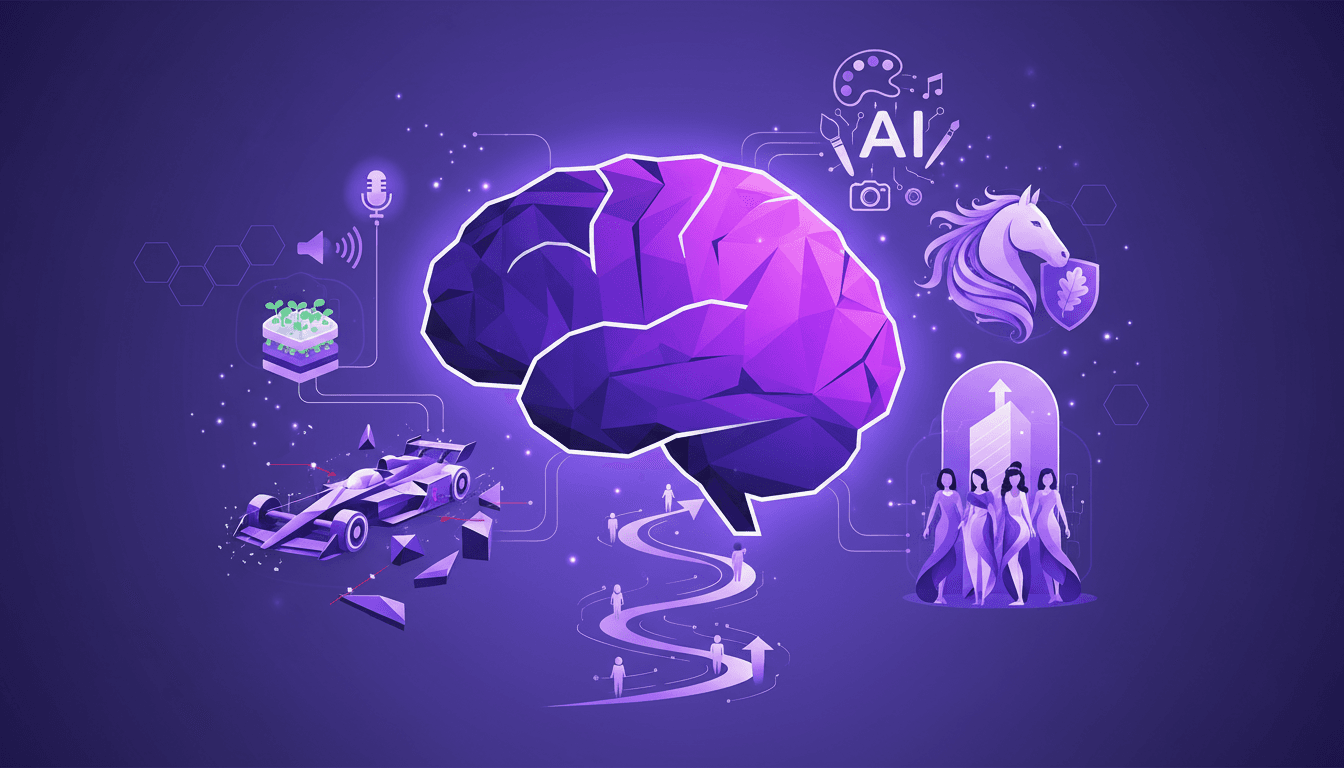
DreamLIVE in London: Turning Dreams into Reality
Ever stood in a room with 600 dreamers? I did at DreamLIVE in London, where aspirations meet action. We dove deep into topics ranging from micro greens to AI-driven creativity. This wasn't just talk; it was a blueprint for building the future. We examined personal aspirations, sustainable food production, the challenges in motorsports, preservation of native horse breeds, and empowering ethnic minority women in corporate spaces. The diversity of journeys and visions turned this gathering into a true wellspring of inspiration, and I left with renewed energy to build my own dreams.
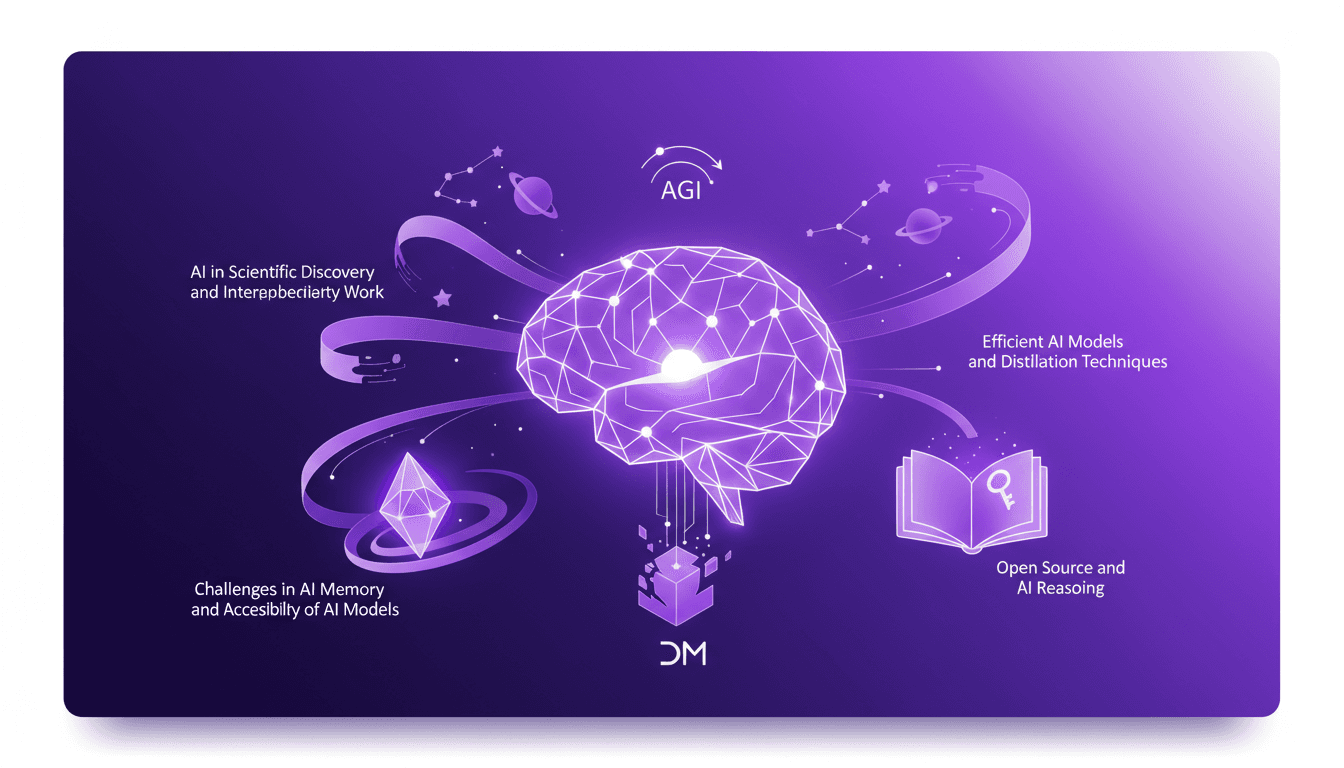
Building AGI: Techniques and Challenges
I've been in the AI trenches for over 30 years, and building the future isn't just a catchphrase—it's a daily grind. We're talking about Artificial General Intelligence (AGI), something that's not just on the horizon but already reshaping our workflows. Guided by Deep Mind's milestones, we're diving into efficient AI models and distillation techniques, alongside the interdisciplinary work pushing boundaries. Building AGI is a marathon, not a sprint. Let's get going, one model at a time.
Mastering Generative AI: A Practical Guide
I still recall diving into AI coding, thinking generative AI was just another buzzword. Then I realized it’s a real game changer, but only if you know how to harness it. First, I immersed myself in its fundamentals—understanding how these tools transform how we code. Engineers spend barely two hours a day on actual coding; the rest is orchestration. And that’s where AI steps in, boosting productivity and redefining our roles. I’ll walk you through how I navigated this complex landscape, from the environmental impact of AI technologies to prompt engineering and context management. Let's explore how mastering generative AI can revolutionize our approach to software development.