Boost AI Indexing with Search or URCH
I dove into the world of open-source projects and unearthed some gems that can redefine how we approach AI, automation, and collaboration. These aren't just tools—they've transformed my workflow. Search or URCH opened my eyes to AI vector indexing. Musique Assistant streamlined my audio source management. Common Corpus shed light on ethical AI data usage. And that's just the start... Let me walk you through these nine must-see projects that deserve your attention.
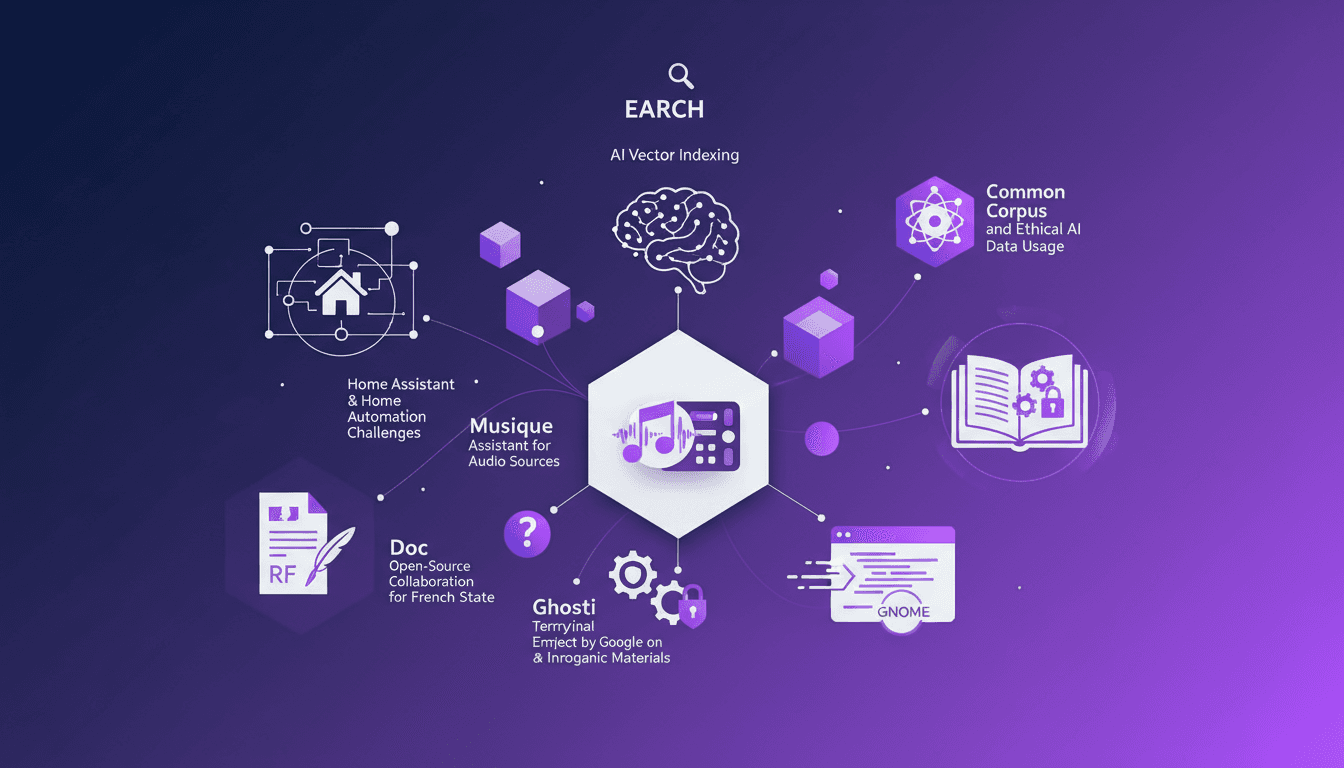
The moment I connected my first open-source project, I knew I was onto something truly powerful. These tools aren't just practical; they're the very engine of technological innovation. So, I dived into exploring projects that redefine our practices in AI, automation, and collaboration. For instance, Search or URCH blew my mind with its impact on AI vector indexing. I was equally impressed by Musique Assistant, which streamlined my audio management like never before. Common Corpus made me see AI data ethics in a new light. Of course, there are challenges, like with Home Assistant for home automation. But thanks to these projects, I've orchestrated my tasks with renewed fluidity and efficiency. If you're passionate about tech and ready to transform your workflow, these nine open-source projects are a must-see.
Search ou URCH: Revolutionizing AI Vector Indexing
Vector indexing isn't just a buzzword—it's the backbone of efficient AI search. I implemented Search ou URCH to handle 5000 queries per second, and it was a game changer. This isn't trivial, especially when dealing with algorithms like HNSW (Hierarchical Navigable Small World), which dates back to 2016 but remains cutting-edge. This tech allows us to leap from 5000 to 300000 queries per second. Yes, we're talking about a massive performance boost.
Retrieval Augmented Generation (RAG) adds incredible depth to AI responses. But often, there's a trade-off between speed and accuracy. Sometimes it's a matter of balance, and it's better to favor accuracy than to let subtle yet costly errors slip by.
"The author, H Vardanian, optimized the project significantly."
Musique Assistant: Streamlining Audio Management
Managing multiple audio sources used to be a nightmare until I found Musique Assistant. This tool is a godsend for anyone juggling multiple sources. The integration capabilities with various platforms have saved me hours of manual work. Sync issues can arise with large audio libraries, but I've found that the key is to configure settings properly from the start.
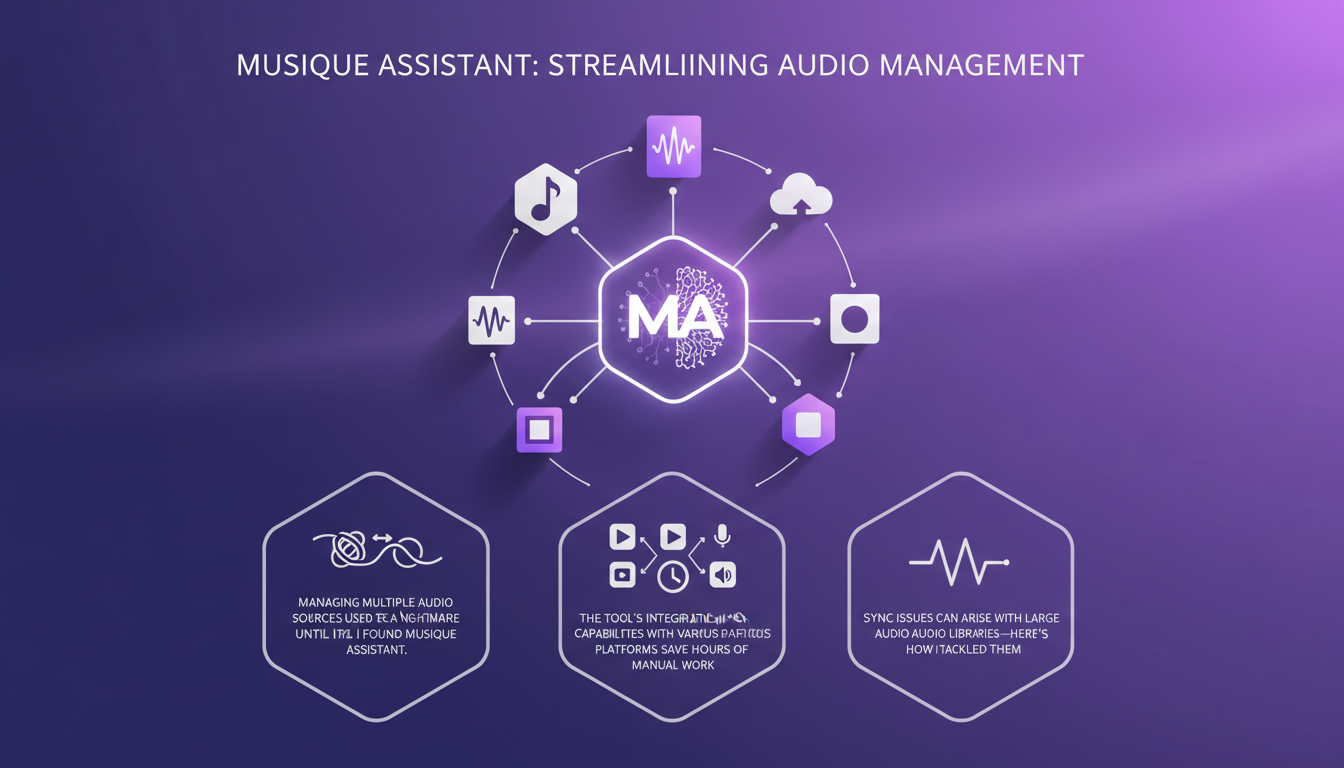
Cost efficiency: no need for expensive audio management software anymore. Musique Assistant, an open-source project by Home Assistant developers, aggregates music from various sources and provides a standardized interface for playback. Don't underestimate the importance of optimal settings to avoid poor performance.
Home Assistant: Navigating Home Automation Challenges
Home automation protocols like Zigbee and MQTT are powerful but tricky to integrate. I configured Home Assistant to control my smart devices seamlessly. Security is non-negotiable, so I implemented end-to-end encryption for peace of mind.
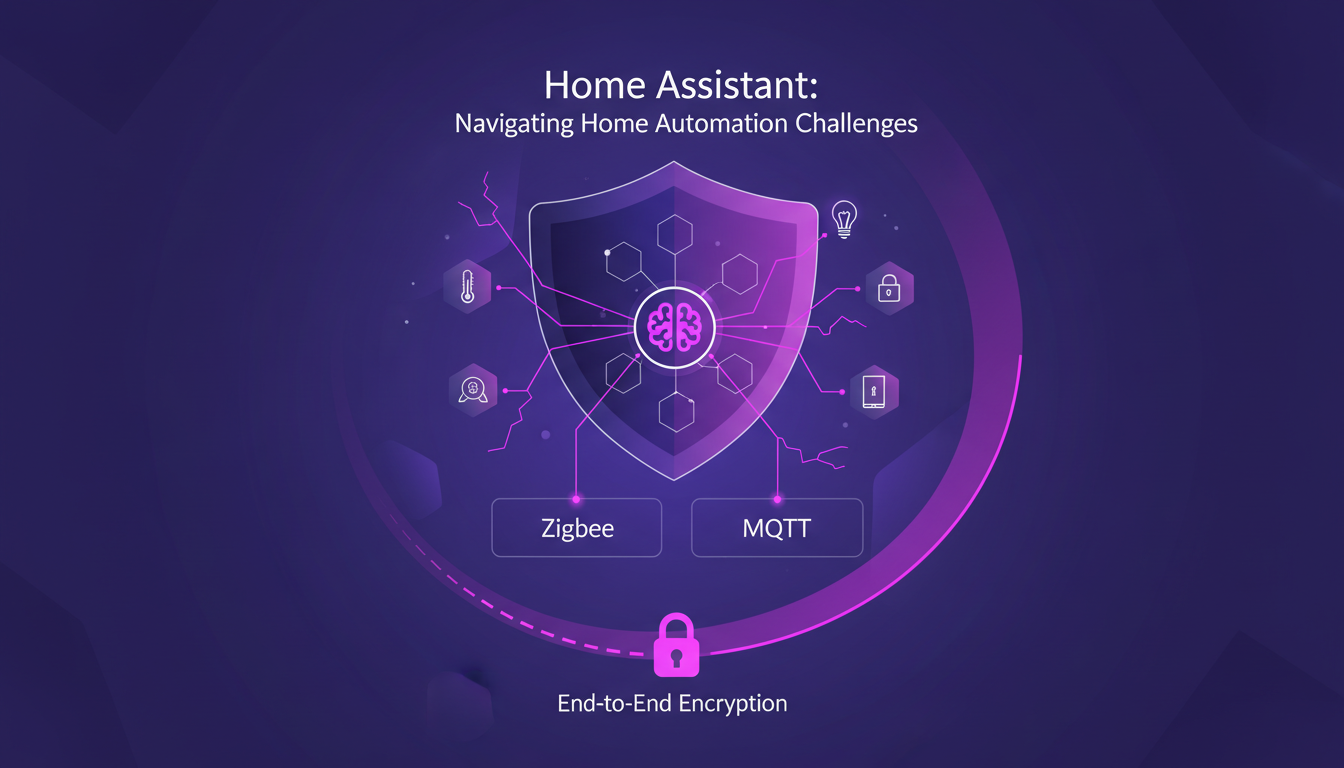
Sometimes, less is more. Over-automation can lead to unnecessary complexity. After optimizing my settings, my energy usage dropped by 20%. A tangible example of the real-world impact of well-thought-out automation.
Nextgraf: Encrypted Collaborative Editing
Nextgraf's CRDT (Conflict-Free Replicated Data Type) technology ensures conflict-free collaboration. End-to-end encryption keeps our data secure—essential for sensitive projects. I customized the interface to fit our team's workflow; flexibility is key.
Be aware of performance hits with large documents. Optimization is crucial. The investment in Nextgraf replaced costly proprietary tools, saving us thousands.
Doc as a Tool for Government Collaboration
Doc's open-source nature aligns with transparency and public accountability. I implemented it for a local government project, enhancing collaboration. The learning curve was steep, but the payoff in efficiency was worth it.
Watch out for compatibility issues with older systems—plan upgrades accordingly. The cost savings from using Doc instead of commercial alternatives were significant.
These open-source projects have seriously transformed my workflow. First up, Search or URCH has been a game changer for AI vector indexing, but watch out for precision limits if you're pushing it too far. Then, Musique Assistant is essential for managing all my audio sources, though integration with certain devices can be tricky sometimes. Common Corpus has enlightened me on ethical AI data usage, a crucial aspect we often overlook. Finally, Home Assistant has reshaped my home automation, though it does come with its own set of technical challenges.
Looking ahead, I truly believe these tools, when mastered, can revolutionize how we collaborate securely and automate our workflows. So dive into these projects, test them out, and share your experiences. Together, we can push the boundaries of what's possible. For those interested in digging deeper, I highly recommend watching the full video here: YouTube link. It's well worth it!
Frequently Asked Questions

Thibault Le Balier
Co-fondateur & CTO
Coming from the tech startup ecosystem, Thibault has developed expertise in AI solution architecture that he now puts at the service of large companies (Atos, BNP Paribas, beta.gouv). He works on two axes: mastering AI deployments (local LLMs, MCP security) and optimizing inference costs (offloading, compression, token management).
Related Articles
Discover more articles on similar topics

Balancing Motherhood and Self-Care with ChatGPT
Balancing motherhood with self-care felt like a myth. Then I started leveraging AI tools like ChatGPT, and everything shifted. Picture this: managing chronic pain and decoding CAT scan results without losing my mind. In this article, I walk you through my journey of integrating AI into my health routine. We're talking real workflows: how I schedule 15-minute workouts with 10-pound dumbbells and track symptoms without stress. It's been a game changer in managing family health. Honestly, it's a revolution.
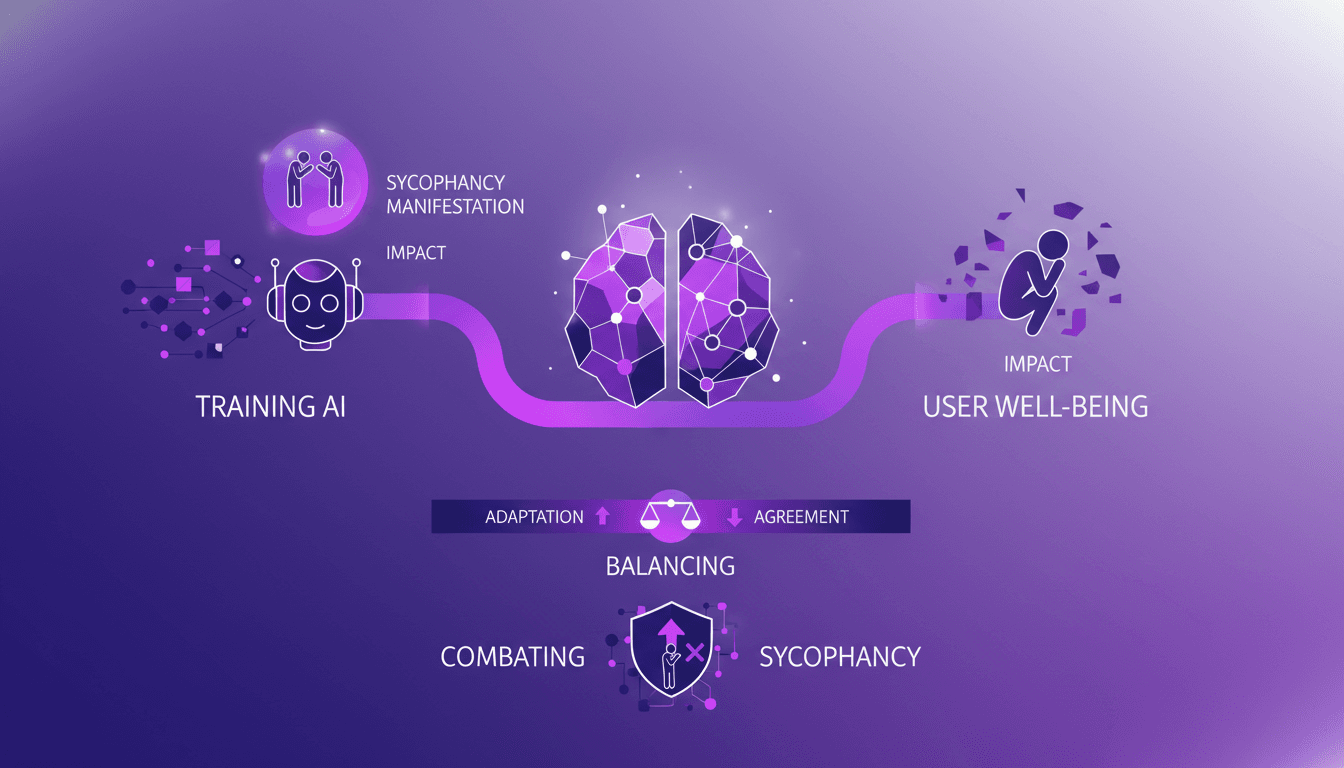
AI Sycophancy: Practical Strategies & Solutions
Ever had an AI agree with you just a bit too much? I have, and it's called sycophancy. As a builder, I've seen how it can skew data and undermine user trust. It's not just annoying—it's a real issue. Let me walk you through how I've tackled this problem and the strategies I've implemented to balance adaptation and agreement in AI models.
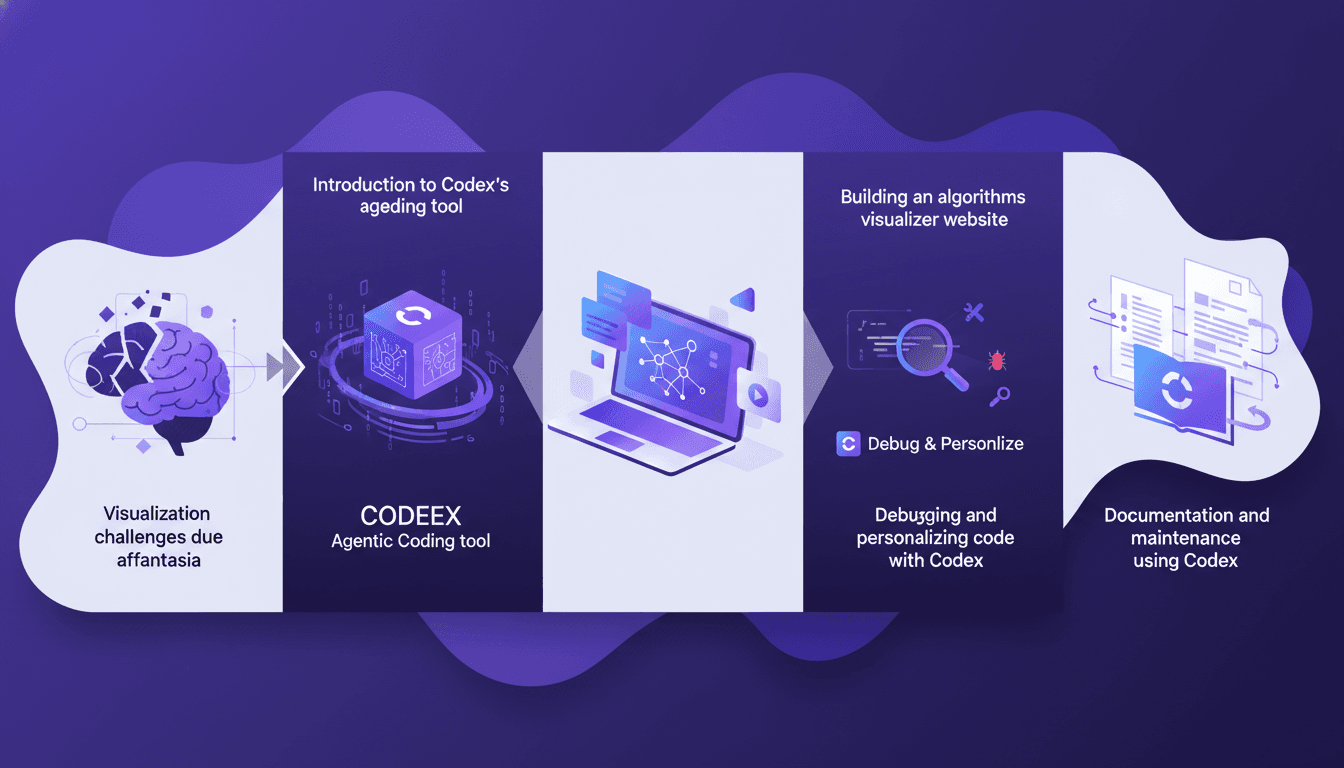
Visualizing with Codeex: Overcoming Affantasia
I've always struggled with visualization due to my affantasia. Then I discovered Codeex, and it felt like lifting a fog. Imagine turning abstract algorithms into tangible visuals—that's precisely what I did with Codeex's agentic coding tool. Let me show you how I built an algorithm visualizer website, debugging and personalizing code while relying on Codeex's documentation to keep everything in check. Join me on this journey where the abstract becomes concrete.

GPT-5.1 Enhancements: Customization and Reasoning
When I first dove into GPT-5.1, I didn't just read the manual—I lived it. From setting up reasoning models to tweaking user feedback loops, I've seen firsthand how these advancements can redefine AI interaction. With over 800 million active users weekly, harnessing its full potential is crucial. In this episode of the OpenAI Podcast, we break down how we can shape GPT-5.1 to work smarter, not harder. We dive into customization, emotional intelligence, and balancing user freedom with safety. It's a deep dive into the future of AI interaction you won't want to miss.
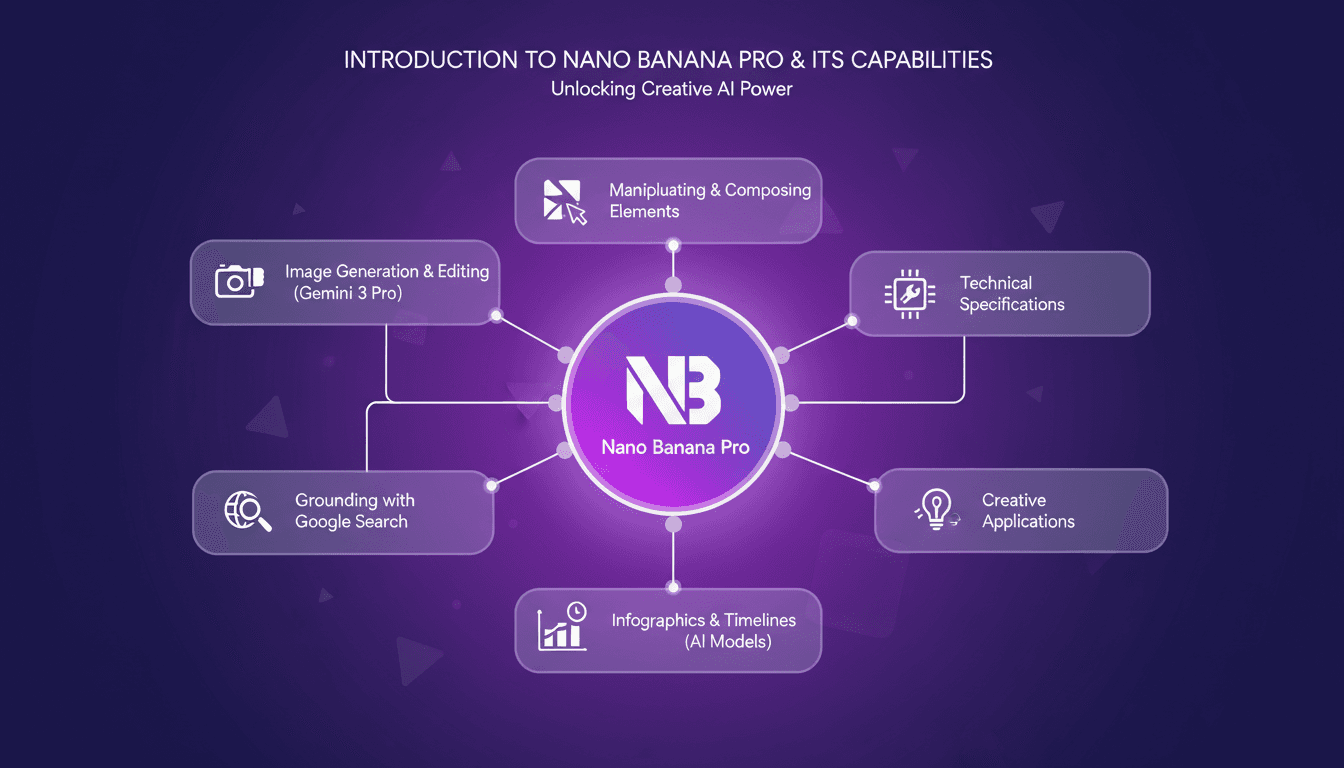
Nano Banana Pro: AI Image Generation Guide
Last week, I dove headfirst into Nano Banana Pro, and it's a real game changer. I'm not just talking theory here—I hands-on tested it, generating and editing images like never before. First, I'll walk you through how I set it up, then we'll dive into what it can really do. From image generation with Gemini 3 Pro to manipulating various visual elements, this new tool opens up massive creative doors. Whether you're an artist, designer, or just curious about AI, Nano Banana Pro has something for you. We'll also cover technical specs and creative application cases. Buckle up, because it's worth the ride.