Alibaba's AI: Open Source Revolution or Risk?
I've spent the last week diving deep into the latest AI advancements, and let me tell you, Alibaba's open-source model is shaking things up. But it’s not just Alibaba; from Cloud Opus 4.7 to interactive 3D models, the AI landscape is evolving faster than ever. With major players like Google and OpenAI also making significant strides, whether you’re a developer, a data scientist, or just an AI enthusiast, these changes demand your attention. Picture this: models capable of generating real-time interactive 3D worlds! The open-source versus proprietary models debate is becoming increasingly relevant. I've navigated these updates with the excitement of a kid in a candy store, but beware, there are pitfalls to avoid.
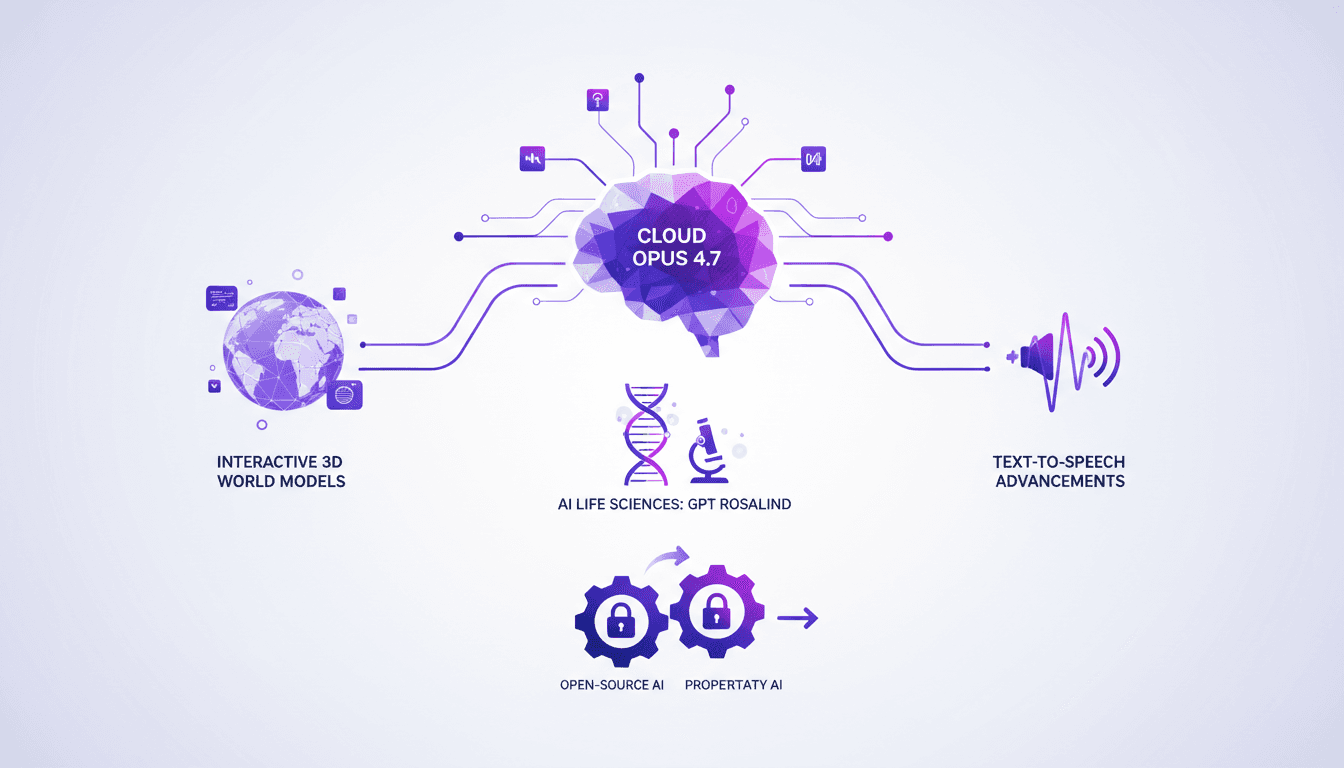
I’ve just spent an entire week diving deep into the latest AI advancements, and let me tell you, Alibaba's open-source model is turning everything upside down. Imagine 3 billion assets per token with the Queen 3.6 35B A3B model. But that's not all; interactive 3D models capable of generating worlds in real-time are redefining what's possible. We're also looking at Cloud Opus 4.7 hitting an impressive 87.6% on the SW bench. As a developer, I'm always on the lookout for what can give me an edge, and these innovations might just be that springboard. But beware, every tech revolution comes with its own set of risks. Whether you’re a developer, a data scientist, or just curious, these changes demand your attention and maybe a re-think of your current strategies. Between open-source and proprietary models, the battle is on, and it's crucial to understand where you stand.
Alibaba's Open-Source AI Model: Game Changer?
Alibaba's open-source model, boasting 3 billion active parameters per token, is indeed a powerhouse. In my projects, this model has enabled customization and innovation that are hard to achieve with proprietary solutions. However, integrating such a model isn't without its challenges. The flexibility of open-source is enticing, yet it requires a careful balance with security concerns. I've often found myself weighing the benefits of being able to tweak the models against the potential security risks.
In practical applications, this model allowed me to explore vision and audio algorithms by integrating features that would have been impossible with proprietary models. Yet, this flexibility often demands continuous maintenance. Don't underestimate the effort needed to keep these models updated and functional, especially in a rapidly evolving landscape.
Unpacking Cloud Opus 4.7: Capabilities and Costs
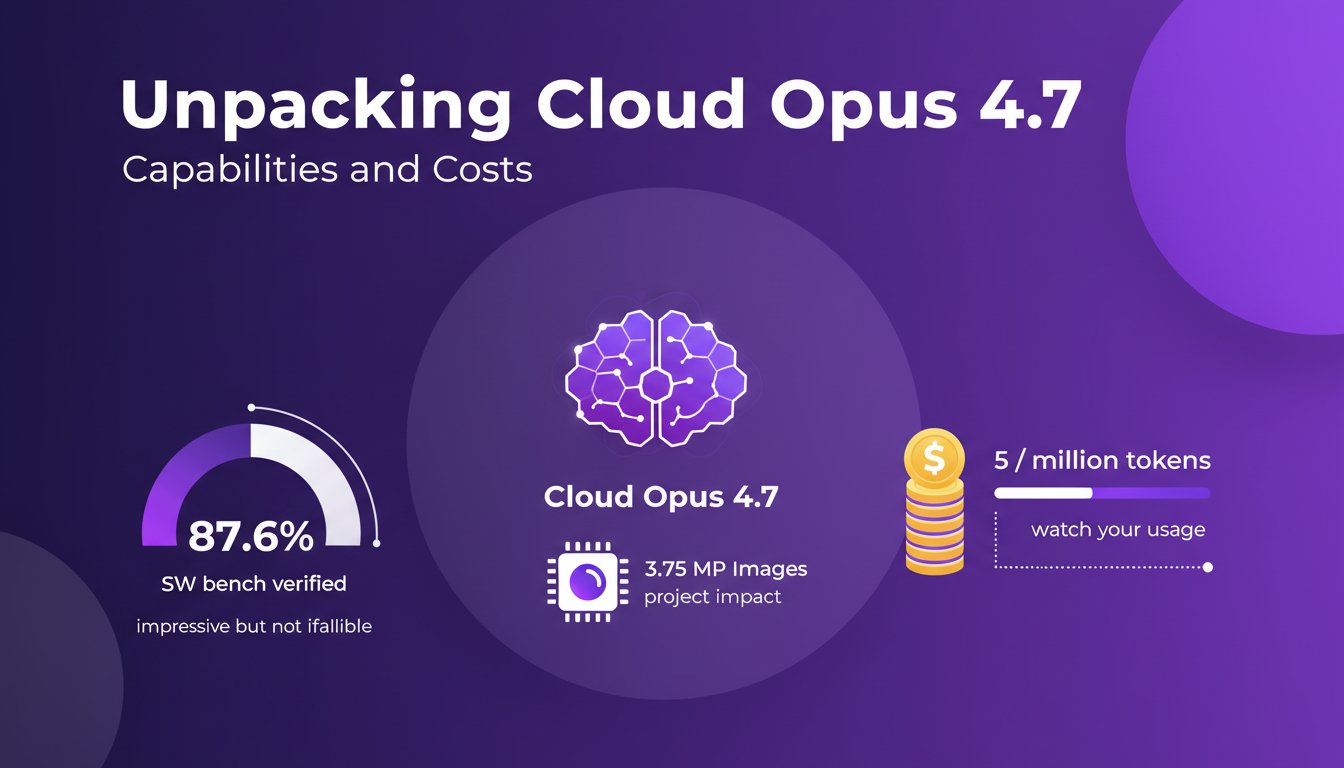
Cloud Opus 4.7 scored an impressive 87.6% on the SW bench verified. For projects that require image support, this model handles images up to 3.75 megapixels. That's a significant advantage for applications needing high resolution. For me, integrating Cloud Opus 4.7 into my workflow was a real time-saver. However, it's crucial to keep an eye on token usage, as $5 per million tokens can quickly add up.
Understanding context limits is crucial here. Sometimes it's faster to break down tasks into smaller chunks rather than cramming too much data into a single prompt. I've seen colleagues fall into this trap more than once.
Exploring Interactive 3D World Models
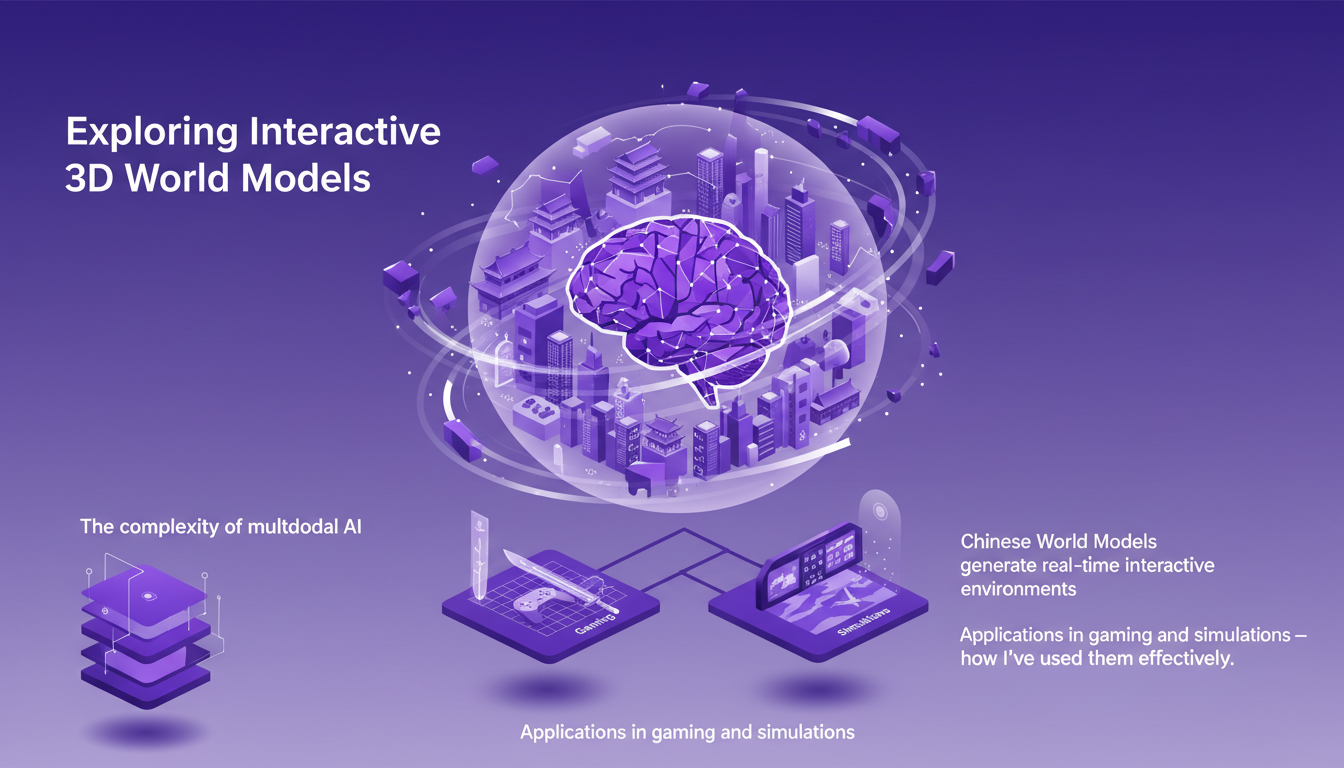
The Chinese World Models can generate real-time interactive environments, which is a huge asset for gaming and simulations. In my projects, these models have enabled me to create immersive environments that respond in real-time to user actions. However, the complexity of multimodal AI cannot be underestimated. Balancing realism with computational demands is a tricky task.
Real-time interaction can quickly drain resources if not managed properly. This is a lesson I learned the hard way when attempting to implement complex interactions without adequate optimization.
AI in Life Sciences: GPT Rosalind and Beyond
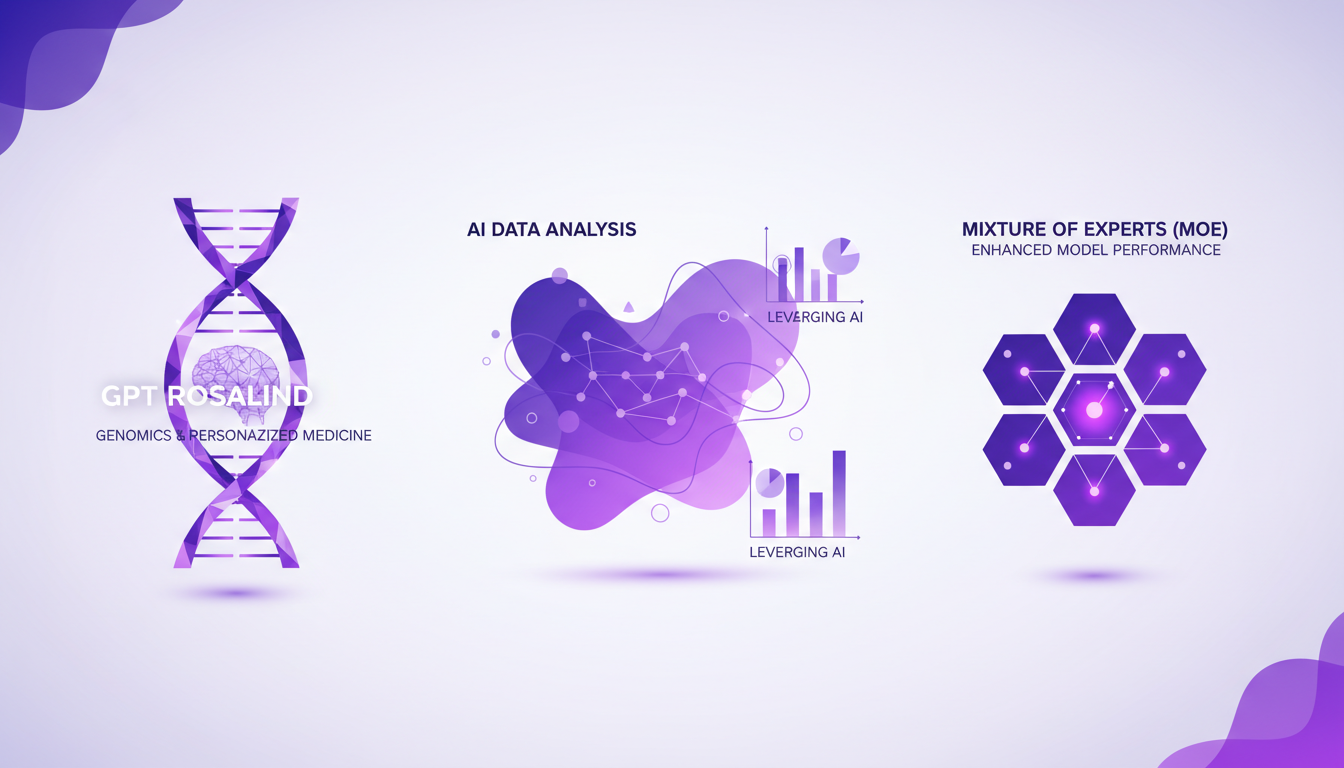
GPT Rosalind is making a significant impact on genomics and personalized medicine. In my work, I've leveraged AI for complex data analysis in life sciences, revolutionizing our research approach. The role of Mixture of Experts (MOE) is crucial here for enhancing model performance.
But beware of the trade-offs: high accuracy comes with a high computational cost. In my projects, I've had to choose between precision and cost, which isn't always straightforward. Future directions in AI-driven medical research are opening fascinating doors, but it's essential to keep an eye on the evolving models and their practical applications.
Advancements in Text-to-Speech Technology
The latest Text-to-Speech (TTS) technologies have immense practical applications. I've integrated TTS into customer service solutions, providing a more natural experience for users. However, balancing naturalness with processing speed remains tricky.
Cost implications are not negligible. To optimize for budget constraints, it's crucial to calibrate TTS usage carefully. However, watch out for over-reliance on TTS, as it can sometimes lead to unnatural interactions if poorly configured.
"Open-source models offer unparalleled flexibility, but at what cost in terms of maintenance and security?"
In conclusion, advances in AI technologies, from Alibaba's open-source models to TTS solutions, offer exciting opportunities for innovation. But each technological choice must be weighed carefully, considering costs, resources, and the real impact on the project.
In just a week, AI has leapt forward in ways that could redefine entire industries. With Alibaba's open-source model, it's amazing to see how we can juggle 3 billion assets per token on the Queen 3.6 35B A3B. Then there's Cloud Opus 4.7, scoring 87.6% on the SW bench verified — that's serious power. And let’s not forget the interactive 3D world models creating real-time environments. But watch out, with all this power, careful orchestration is crucial.
- Alibaba's model can transform how we handle massive data.
- Cloud Opus 4.7 offers impressive performance, but requires careful integration.
- Interactive 3D models open doors for immersive applications, but demand significant resources.
The future is now, and it's time to build it. Experiment, iterate, and integrate these advancements into your workflows. To dive deeper, I highly recommend you check out the full video: AI Just Flipped in 7 Days (and Nobody's Talking About It). You'll see, the implications are huge.
Frequently Asked Questions

Thibault Le Balier
Co-fondateur & CTO
Coming from the tech startup ecosystem, Thibault has developed expertise in AI solution architecture that he now puts at the service of large companies (Atos, BNP Paribas, beta.gouv). He works on two axes: mastering AI deployments (local LLMs, MCP security) and optimizing inference costs (offloading, compression, token management).
Related Articles
Discover more articles on similar topics
Robotics Breakthroughs: A 10-Day Revolution
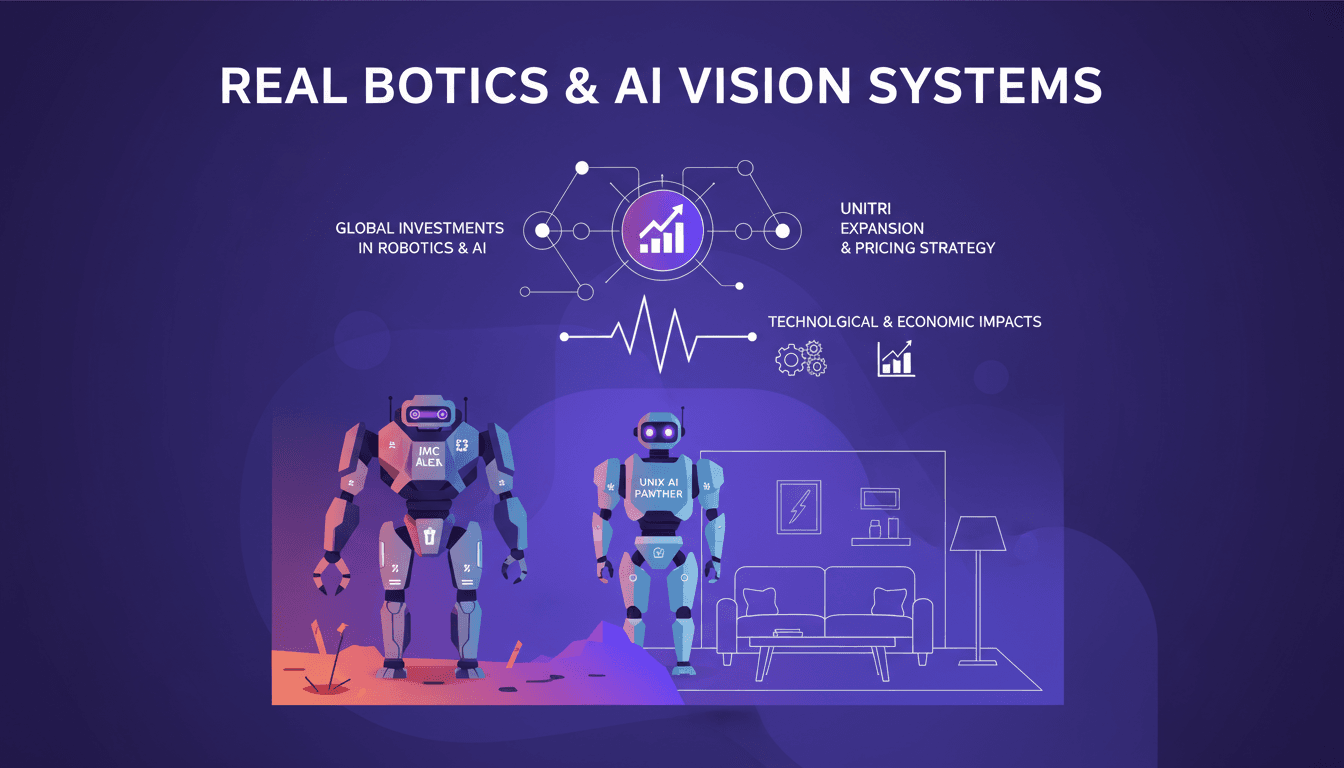
I've been in the robotics game for years, and let me tell you, the last 10 days have been wild. We’re talking about a seismic shift in humanoid robotics that nobody's really discussing yet. In this article, I'll walk you through what's happening on the ground: incredible advancements in humanoid robotics, the real tech behind AI vision systems, and what all this means for our industry. From Real Botics to Unitri, companies are pushing the boundaries of what robots can do, and it's not just tech talk—it's about real-world applications and market dynamics.

Helping Family Through Content Creation
A few years ago, I learned the hard way that a four-year-old phone can be a real barrier when trying to help family. In a world where content creation can be a game changer, choosing the right tech isn't a luxury, it's a must. This is the story of a young man determined to support his mom through content creation. It's also about the unexpected kindness of a stranger and the critical impact of a good camera on content quality. Sometimes, a simple tech upgrade can change a life.
AI's Impact on Dev: Insights from Linear
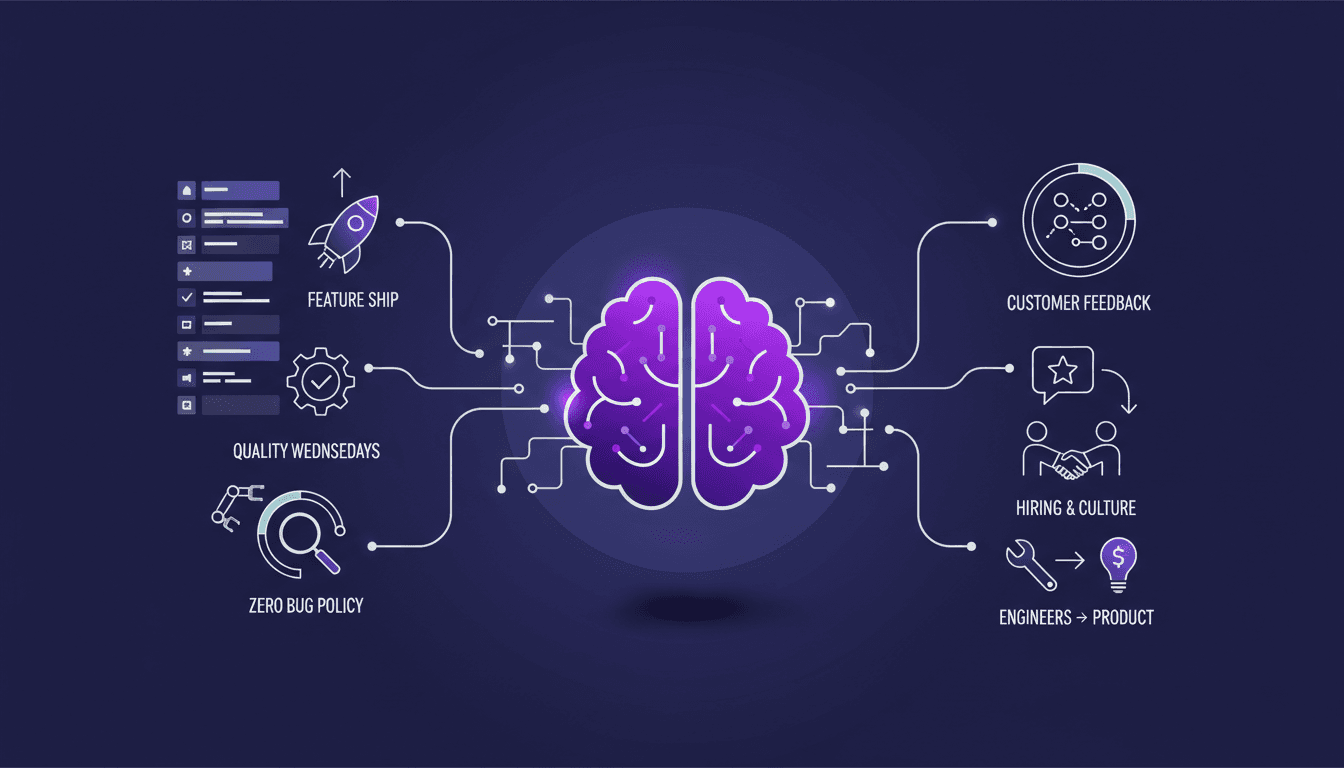
I remember the first time AI dramatically sped up our feature shipping at Linear. It was a game changer, but not without its quirks. In this conversation, Tuomas Artman, CTO of Linear, and Gergely Orosz delve into AI's impact on software development. We explore how Linear leverages AI for bug fixing while upholding a zero bug policy. And trust me, 'Quality Wednesdays' is more than just a catchphrase. We also discuss the importance of customer feedback in shaping our product development. Lastly, we touch on our hiring culture and how we balance speed with quality.
TSLP Prioritization: Speeding Up Research
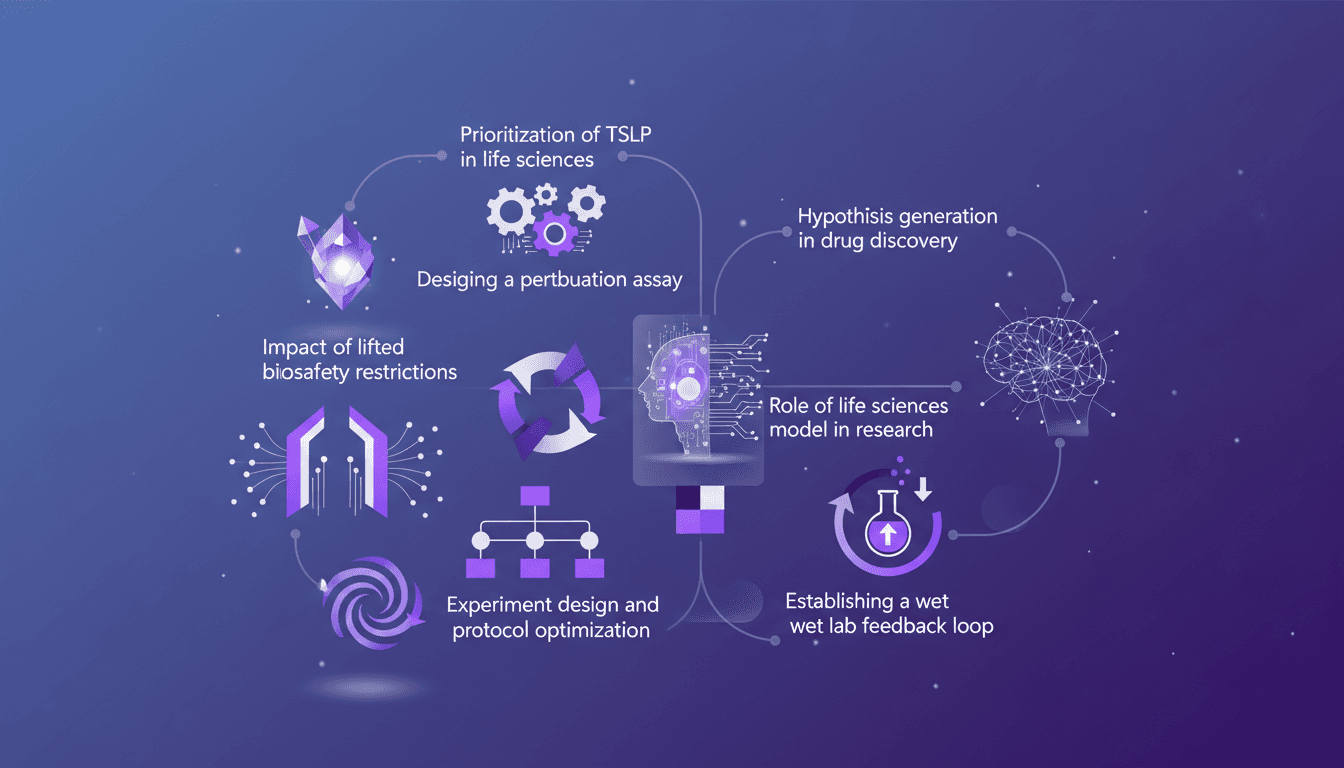
I remember the day we finally prioritized TSLP in our life sciences model. It was a game changer. Suddenly, our experiments were not just faster but smarter. In this article, I walk you through how we did it and why it matters. In the fast-paced world of life sciences, designing efficient experiments is crucial. With the lifting of biosafety restrictions, there's a new frontier of possibilities. I'll guide you through prioritizing TSLP, designing a perturbation assay, the impact of new biosafety freedoms, and optimizing experimental protocols. Don't miss how to establish a wet lab feedback loop and generate hypotheses in drug discovery.
Integrating Data: IL-33, TSLP, IL-1 RA1 Targets
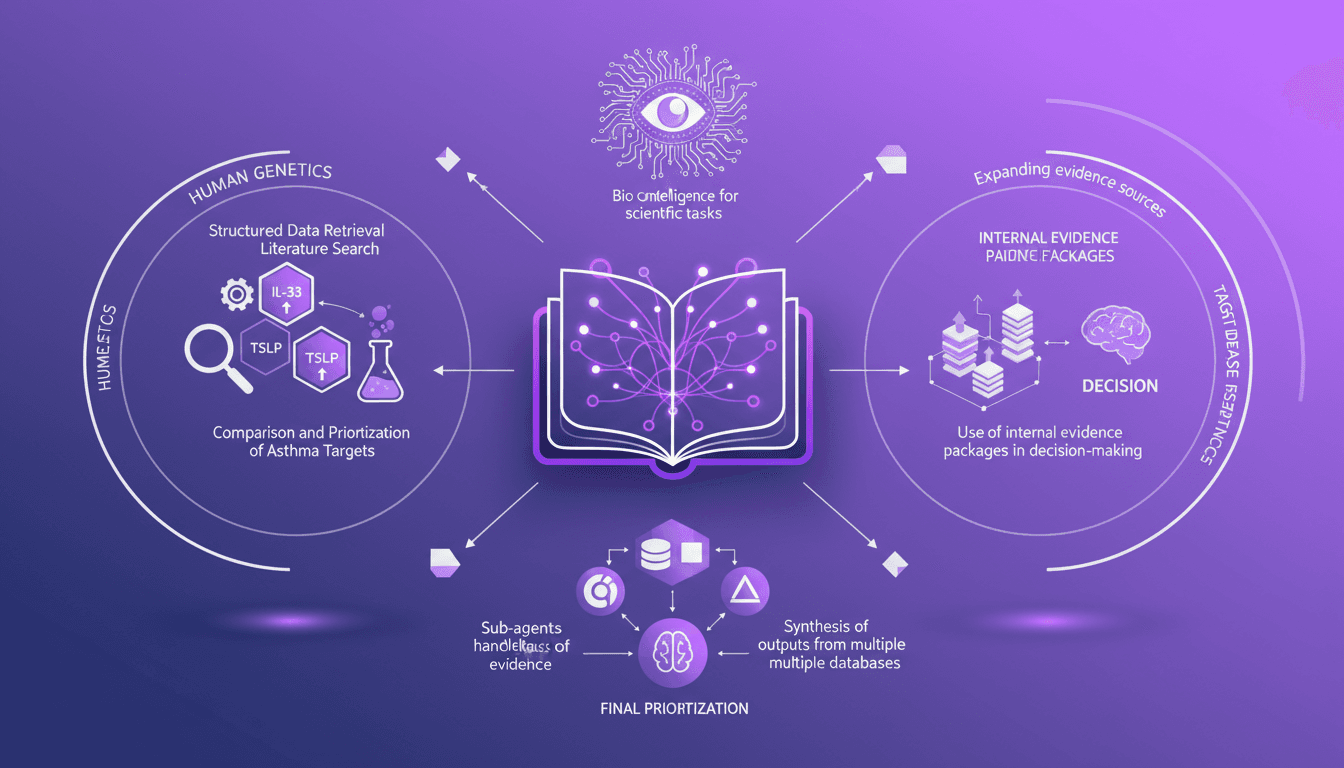
I've been knee-deep in data chaos, trying to make sense of disparate evidence in life sciences. Using Codex, I've turned this mess into actionable insights. In this video, I'll walk you through how I integrated structured data retrieval with scientific analysis to compare asthma targets like IL-33, TSLP, and IL-1 RA1. I share my workflow, using internal evidence packages to make informed decisions. It's a technical deep dive, but I'm here to guide you through each step.