AI Transformation Challenges: Overcome Them
I've been deep in the trenches of AI transformations, and let me tell you, it's anything but plug-and-play. You can't just sprinkle a bit of AI on your systems and expect magic to happen. The promises of AI transformations are big, but they often fall short. Why? Because the key is building AI-native systems and having the right champions to lead the charge. I'll walk you through how I navigate these turbulent waters, with a four-step roadmap, and how to avoid common pitfalls. Whether you're under pressure from stakeholders to adopt AI or need to redesign your business systems with AI, understanding these challenges is crucial for success. Ready to dive in?
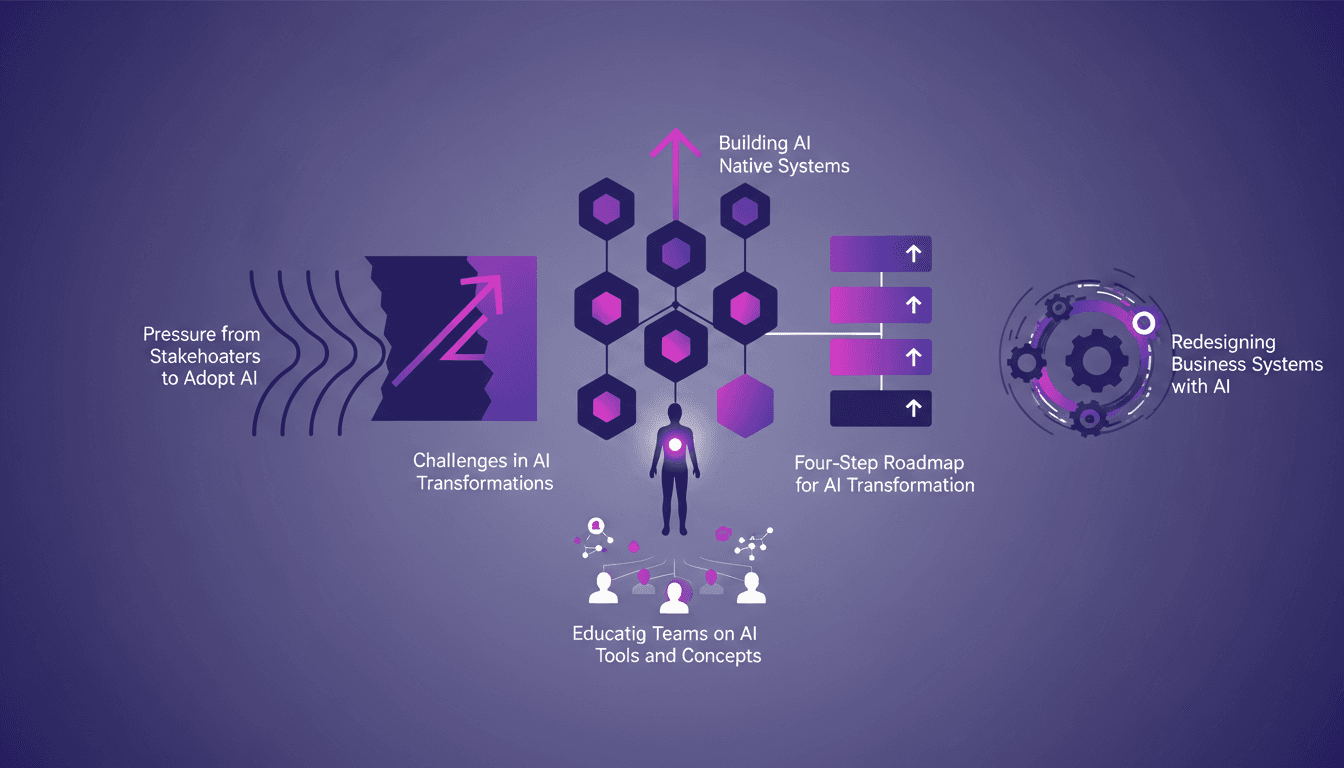
I've been in the trenches of AI transformations, and let me tell you, it's not just plug-and-play. You can't just sprinkle AI on your existing systems and expect magic. AI transformations promise a lot, but they often fall short. From my experience, success means building AI-native systems and having the right champions. I've seen leaders from Google, Microsoft, and others get burned trying to force AI into systems that weren't designed for it. So, how do I do it? I've got a four-step roadmap to navigate these complex waters, avoid common pitfalls, and redesign business systems with AI. And importantly, you need to educate your team on AI tools and concepts so they truly get it. Under pressure from stakeholders to adopt AI? Here's how I ensure these transformations don't derail.
Understanding AI Transformation Challenges
In today's world, AI transformations are not mere tech upgrades; they're seismic cultural shifts. I've witnessed companies dive headfirst into AI without clear goals, driven by stakeholder pressure—investors, board members, competitors, and even customers. This lack of unified vision often leads to teams pulling in five different directions, wasting time and resources with little to no progress.
Undefined roles and responsibilities frequently stall transformations. I've seen projects grind to a halt because no one knew exactly who was responsible for what. AI transformations require a strategically orchestrated approach; otherwise, you get lost in the noise of generic solutions.
- Avoid generic solutions, prioritize clear objectives.
- Align initiatives with a common vision.
- Clearly define roles from the start.
Building AI Native Systems
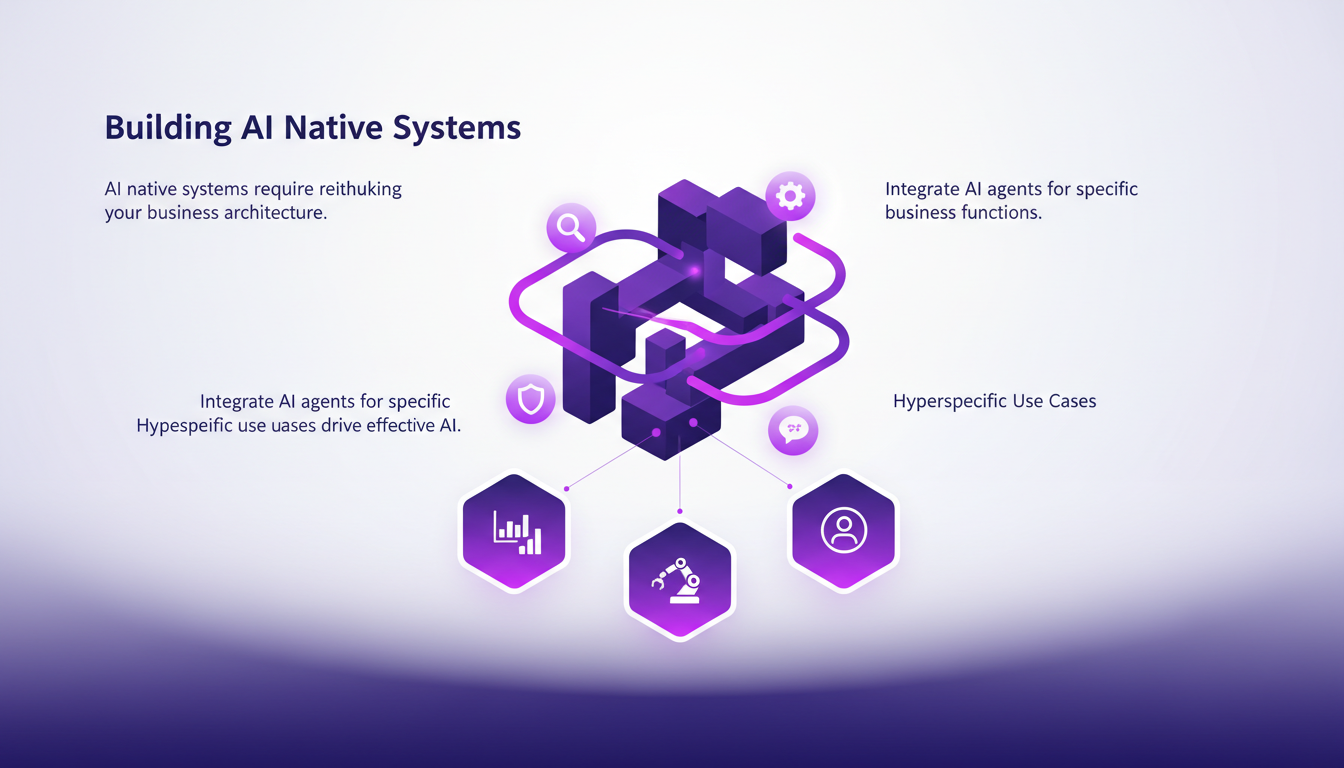
Building AI native systems requires rethinking your business architecture. Personally, I focus on integrating AI agents that enhance specific business functions. The use of hyperspecific use cases is crucial for effective AI application. In my projects, automating non-coding tasks has often streamlined operations. But watch out: overcomplicating with AI can lead to more issues than solutions.
AI native systems are not about merely adding a tool to your current business practices. It's about redesigning your systems to fully leverage what this new technology can offer. For instance, I've automated two non-coding tasks that previously consumed hours of my team's time.
Key takeaways:
- Integrate AI agents for specific functions.
- Don't overcomplicate with AI.
- Automate non-coding tasks to optimize operations.
The Role of AI Champions
AI champions are pivotal in driving transformation from within. They bridge the gap between technical teams and business leaders. In my experience, champions need both technical acumen and strategic vision. I've seen champions rally teams towards a common AI goal, but be careful: without support, even the best champions can falter.
AI champions must be able to educate and promote AI adoption within teams. I've often found that the success of a transformation heavily relies on their ability to motivate and guide teams.
- Promote AI education and adoption.
- Ensure continuous support for champions.
- Rally teams around a common AI goal.
Four-Step Roadmap for AI Transformation
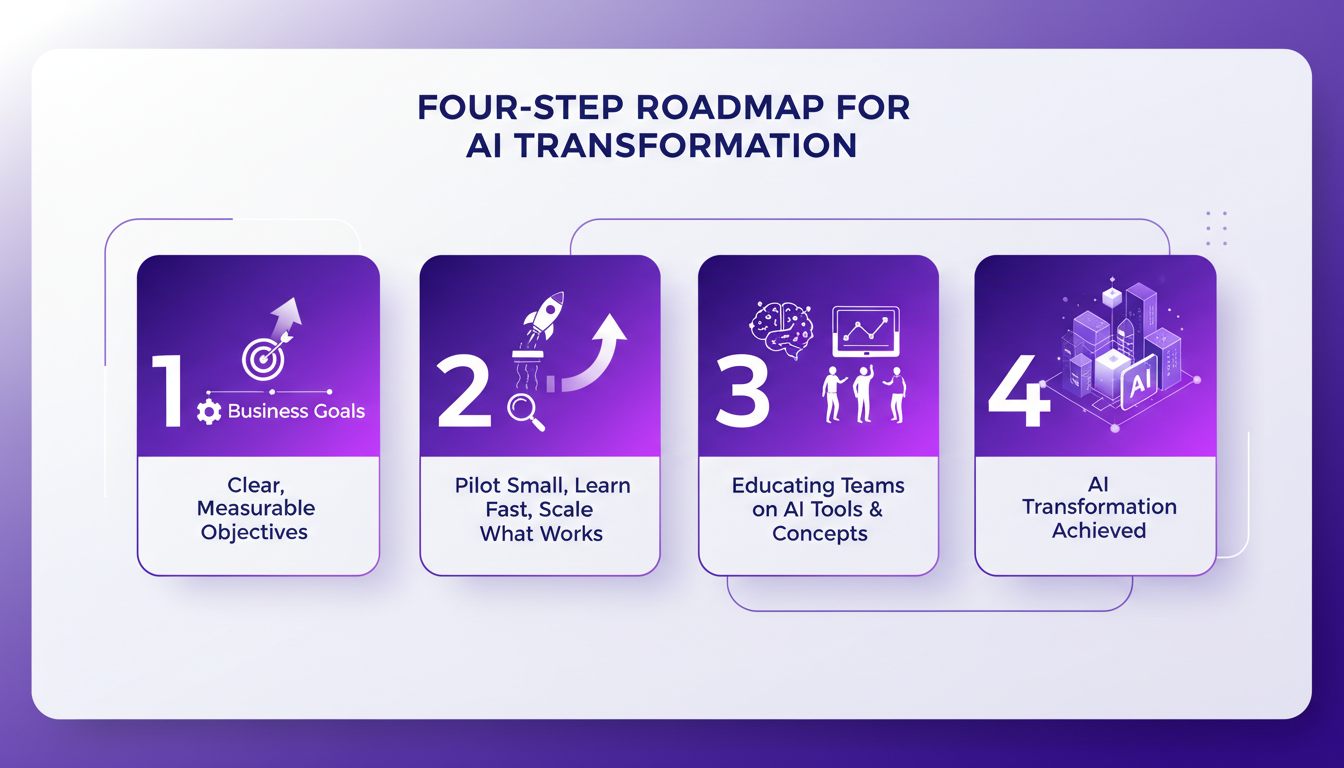
To successfully navigate AI transformation, start with clear, measurable objectives aligned with business goals. My mantra for success is pilot small, learn fast, and scale what works. Educating teams on AI tools and concepts is non-negotiable. Use MCP and agent skills to build robust AI capabilities.
Remember: flexibility is key. Adapt your roadmap as you learn. I've seen leaders from Google and Microsoft adopt these approaches successfully, significantly reducing manual work hours.
- Clear and measurable objectives.
- Pilot small and learn fast.
- Educate teams on AI tools.
Redesigning Business Systems with AI
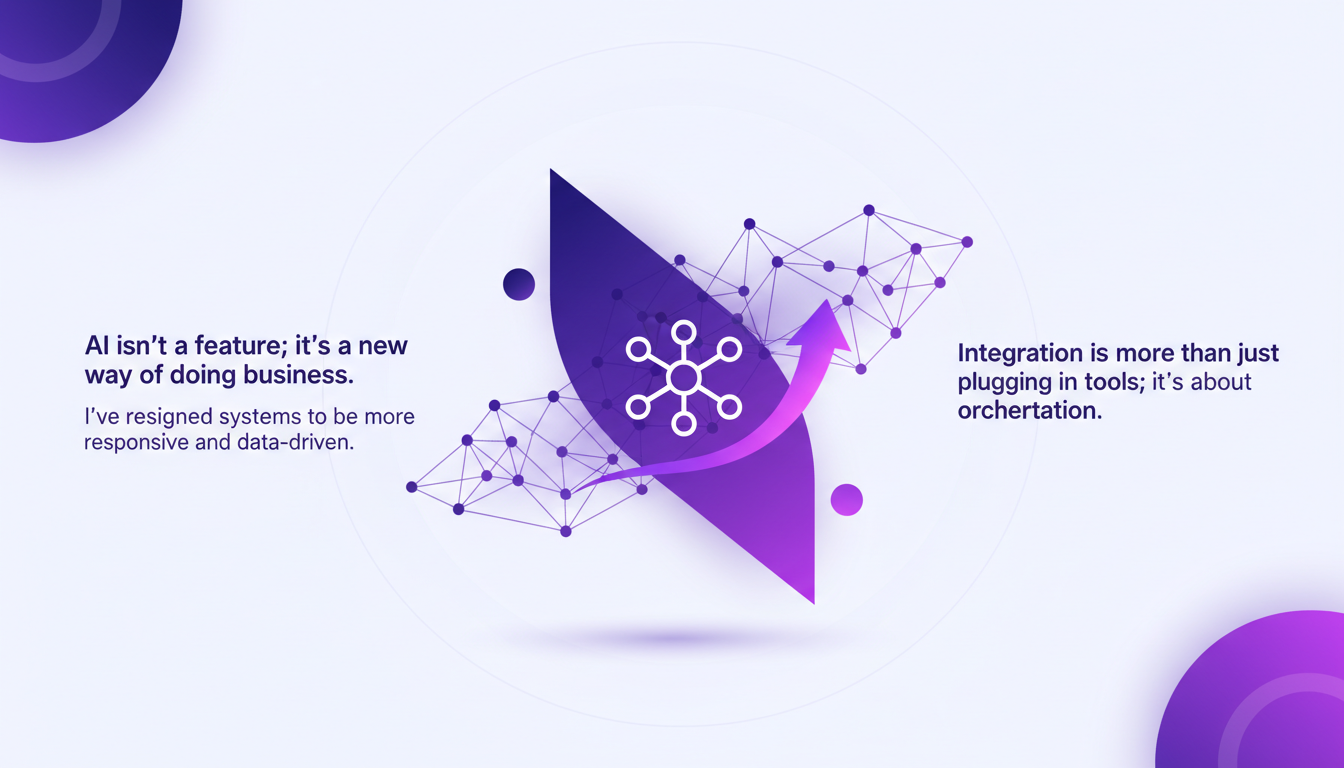
AI isn't just a feature; it's a new way of doing business. I've redesigned systems to be more responsive and data-driven. Integration is more than just plugging in tools; it's about orchestration. Cost can be a barrier, but efficient redesigns offer ROI in the long run. Sometimes, simpler solutions are more effective than AI.
In my experiences, successful AI integration required revisiting job descriptions to focus on outputs, shifting mindsets towards owning outcomes in AI transformations.
- Data-driven and responsive redesigns.
- Orchestrated integration for long-term ROI.
- Adopt simpler solutions when more effective.
So, here's what I've gathered diving into AI transformations. First off, forget the flashy tech. It's the strategic and cultural shift that truly matters. I've seen companies turn potential failures into real successes by starting small and learning fast. It's crucial to always keep your business goals in sight. Next, when building AI-native systems, automate non-coding tasks—I’ve automated two myself and the results speak for themselves. And never underestimate the role of AI champions in your team. They guide the process, help you avoid pitfalls. Finally, follow the four-step roadmap; it’s your GPS for navigating this journey.
The future of AI is promising, but you need to approach it with realism. It's a game changer, but watch out for the pitfalls. Ready to transform your business with AI? Identify your champions and set clear goals. Watch the full video for deeper insights: https://www.youtube.com/watch?v=SZIDsKDBq2c. Let's connect and discuss?
Frequently Asked Questions

Thibault Le Balier
Co-fondateur & CTO
Coming from the tech startup ecosystem, Thibault has developed expertise in AI solution architecture that he now puts at the service of large companies (Atos, BNP Paribas, beta.gouv). He works on two axes: mastering AI deployments (local LLMs, MCP security) and optimizing inference costs (offloading, compression, token management).
Related Articles
Discover more articles on similar topics
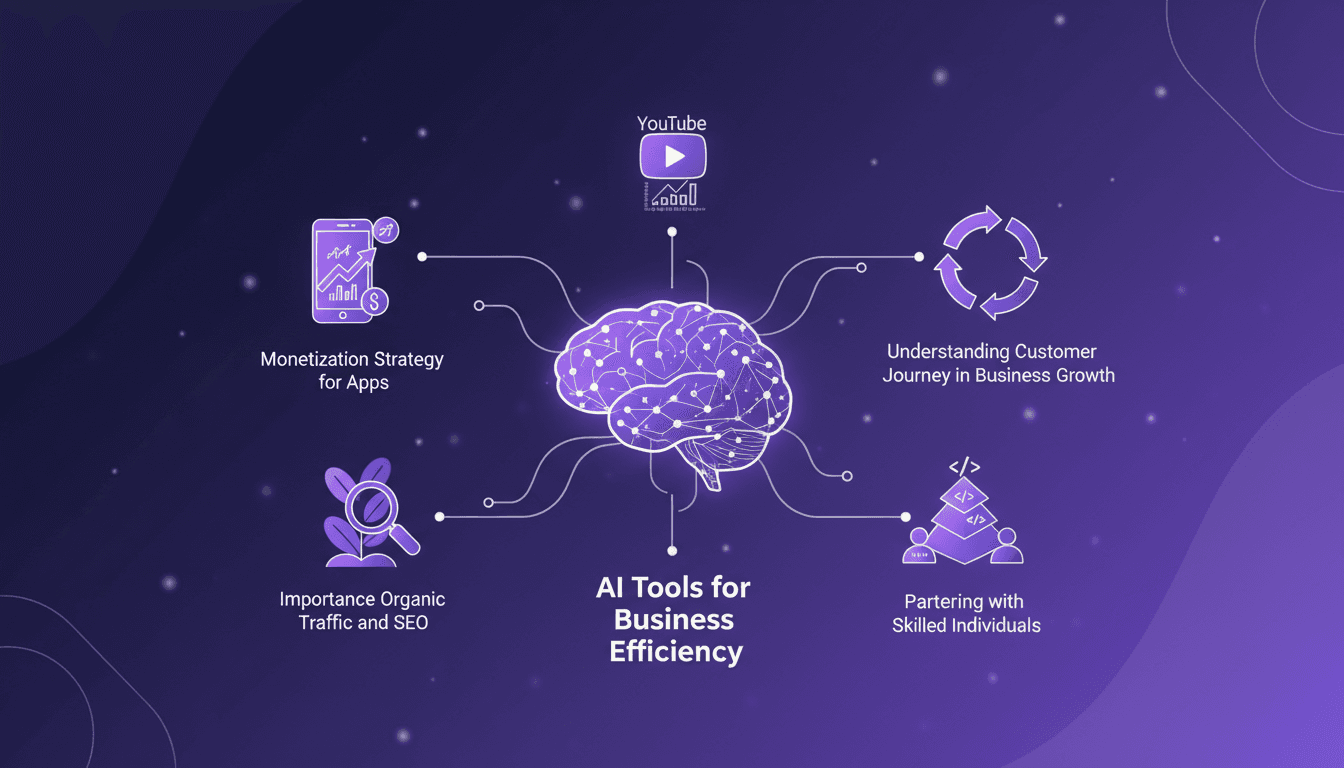
Monetization Strategy: Earn $17K/Month
Ever wondered how I rake in $17K a month with just one strategy? Let me take you through my journey—no ads, just organic growth and smart tech choices. In a world dominated by paid ads, I've tapped into the power of organic traffic and savvy SEO. This isn't theory; it's what I do daily to keep the cash flowing. I'll break down the steps, tools, and partnerships that work. With 82,000 users on Follow Buddy, it's effective. So, if you're ready to explore a different but effective approach, let's dive into the world of smart monetization.
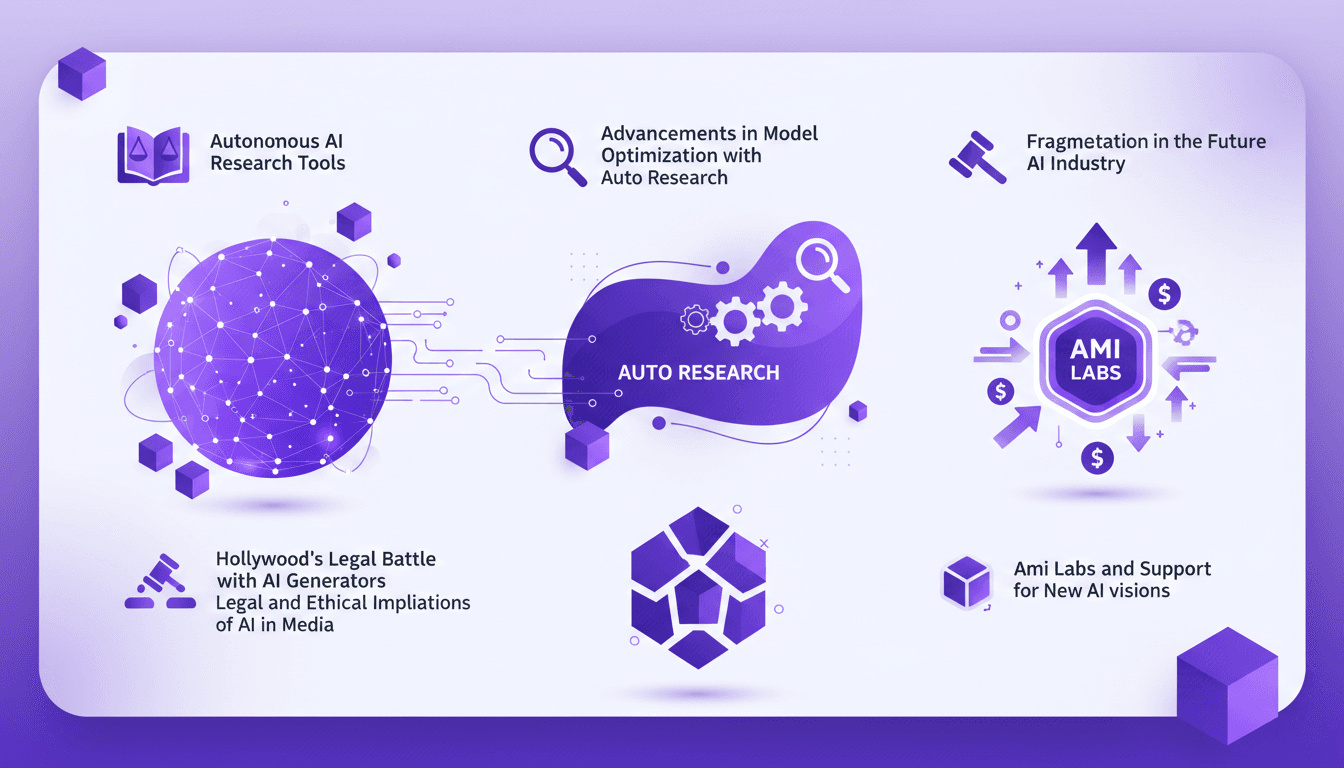
AI Tools: Hollywood Blocks, China Reacts
I've been in the trenches with AI tools, and when Hollywood throws a wrench into the works, it's more than a headline—it's a wake-up call. Hollywood just slammed the brakes on AI video generators, and it's sending shockwaves through the tech world. Meanwhile, China is fuming, and autonomous AI research tools are shifting how we build and deploy our models. With Ami Labs and other players pushing boundaries, this is a pivotal moment for our industry. Let's dig into what's happening, from legal implications to advancements in model optimization, and how this could redefine how we work with AI.
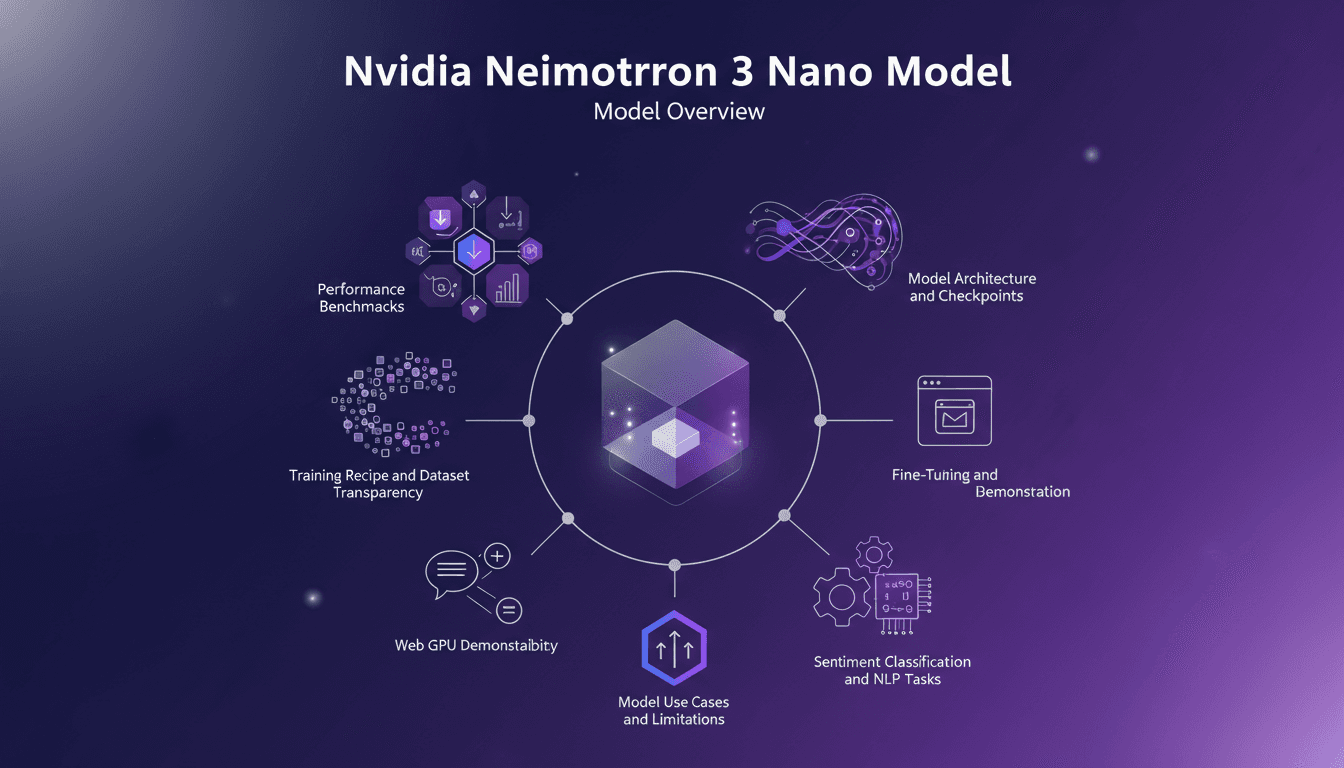
Nvidia Neimotron 3 Nano: LLM for the Edge Explained
I got my hands on the Nvidia Neimotron 3 Nano, and it's a game changer for edge computing. With 4 billion parameters, this model is set to push the boundaries of edge AI. But beyond the hype, how does it truly perform? I'll take you through setting it up, what worked, and what to watch out for. We'll delve into the model architecture, performance benchmarks, and I'll share insights on use cases and limitations. Get ready to dive into the world of the Neimotron 3 Nano and see how it stacks up against models like the Quen 3.5, with a 10 percentage point better performance on ifbench.
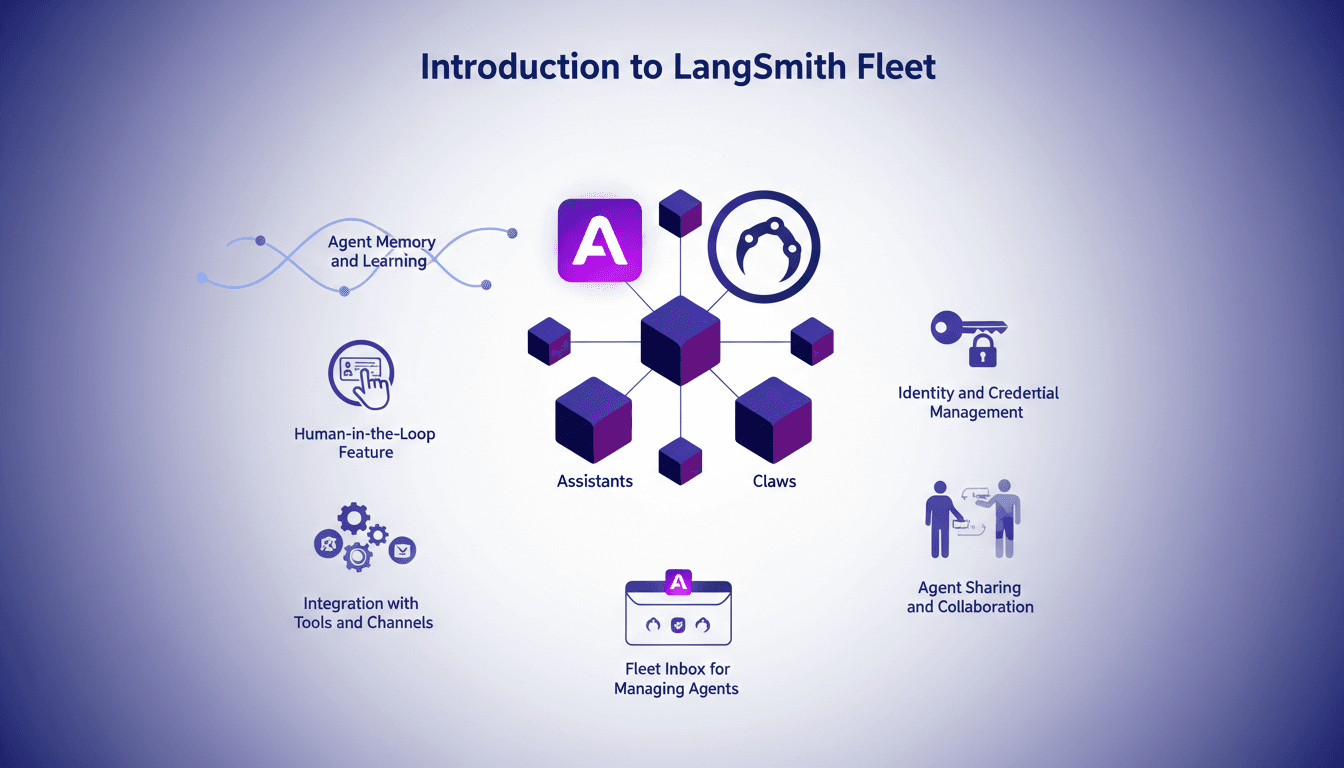
LangSmith Fleet: Quick and Efficient Start
I jumped into LangSmith Fleet thinking it was just another tool. But once I integrated it with my workflow, I realized it was a game changer. Let me walk you through how I set it up, the pitfalls I encountered, and the efficiencies I gained. LangSmith Fleet offers a robust platform for managing AI agents, whether you're dealing with assistants or claws. Understanding agent memory, leveraging human-in-the-loop features, integrating with tools and channels... This isn't theoretical; it's practical with a direct impact on your daily workflow.

Crafting Effective Soundscapes in Videos
I still remember the first time I realized the power of sound in a video. It was a simple project, but the moment I added background music, everything transformed. That's when I knew audio wasn't just an accessory; it was a game changer. Today, in the media landscape, sound plays a pivotal role in shaping viewer perception. Whether through subtle theme repetition or strategic use of music, audio elements can make or break your content. In this video, I share how I crafted effective soundscapes and the impact of auditory repetition on atmosphere creation.