AI Tools: Hollywood Blocks, China Reacts
I've been in the trenches with AI tools, and when Hollywood throws a wrench into the works, it's more than a headline—it's a wake-up call. Hollywood just slammed the brakes on AI video generators, and it's sending shockwaves through the tech world. Meanwhile, China is fuming, and autonomous AI research tools are shifting how we build and deploy our models. With Ami Labs and other players pushing boundaries, this is a pivotal moment for our industry. Let's dig into what's happening, from legal implications to advancements in model optimization, and how this could redefine how we work with AI.
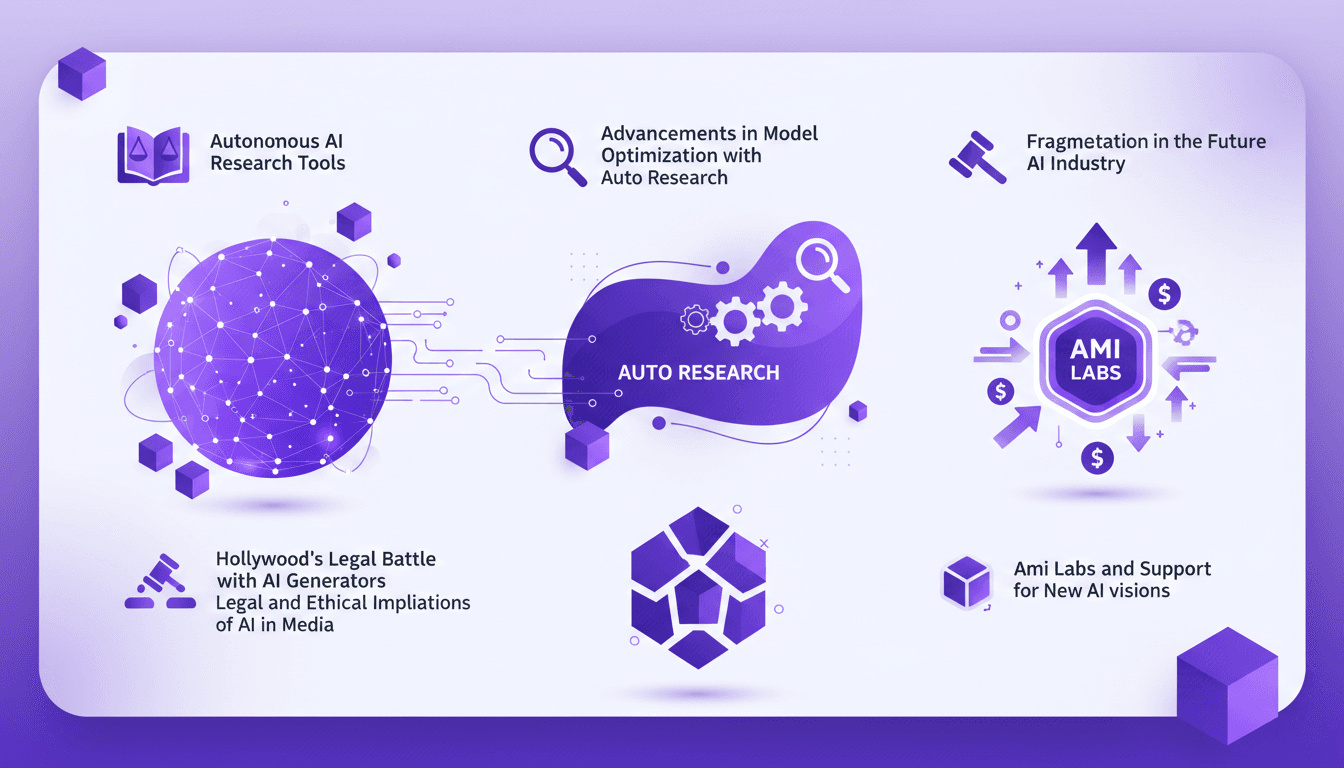
I've been knee-deep in AI tools, connecting, orchestrating, optimizing, and let me tell you, when Hollywood decides to put the brakes on AI video generators, it's a game-changer. It's not just a flashy headline—it's a wake-up call for everyone in our field. China's fuming on the sidelines, and autonomous AI research tools are beginning to reshape how we build and deploy models. Hollywood's legal battles have triggered fragmentation in the AI industry that could have significant ramifications. Meanwhile, labs like Ami Labs are pushing the boundaries, fueled by massive investments and growing support. As we delve into this narrative, we uncover not just the legal and ethical implications of AI in media, but also how massive collaborative research can open new vistas for AI. Get ready to explore this pivotal moment where technology, ethics, and law intersect in unprecedented ways.
Autonomous AI Research Tools: A Game Changer
Integrating autonomous tools into my workflow has been a real game changer. Imagine a research lab that operates while you sleep. That's exactly what I've experienced using Andr Carpati's open-source tool. With just 630 lines of code, this tool turns any computer with a GPU into an autonomous research lab. The results are staggering: over 30,000 stars on GitHub in a week. It's a perfect example of the power of peer-to-peer distributed networks in AI research.
However, integrating such technologies requires balancing with legal and ethical considerations. Innovation must always be tempered with responsibility. For instance, Carpati's tool, while impressive, raises questions about the total autonomy of research and its ethical implications. I've had to revise some of my practices to ensure that innovation doesn't cross legal red lines.
Hollywood vs. AI: The Legal Showdown
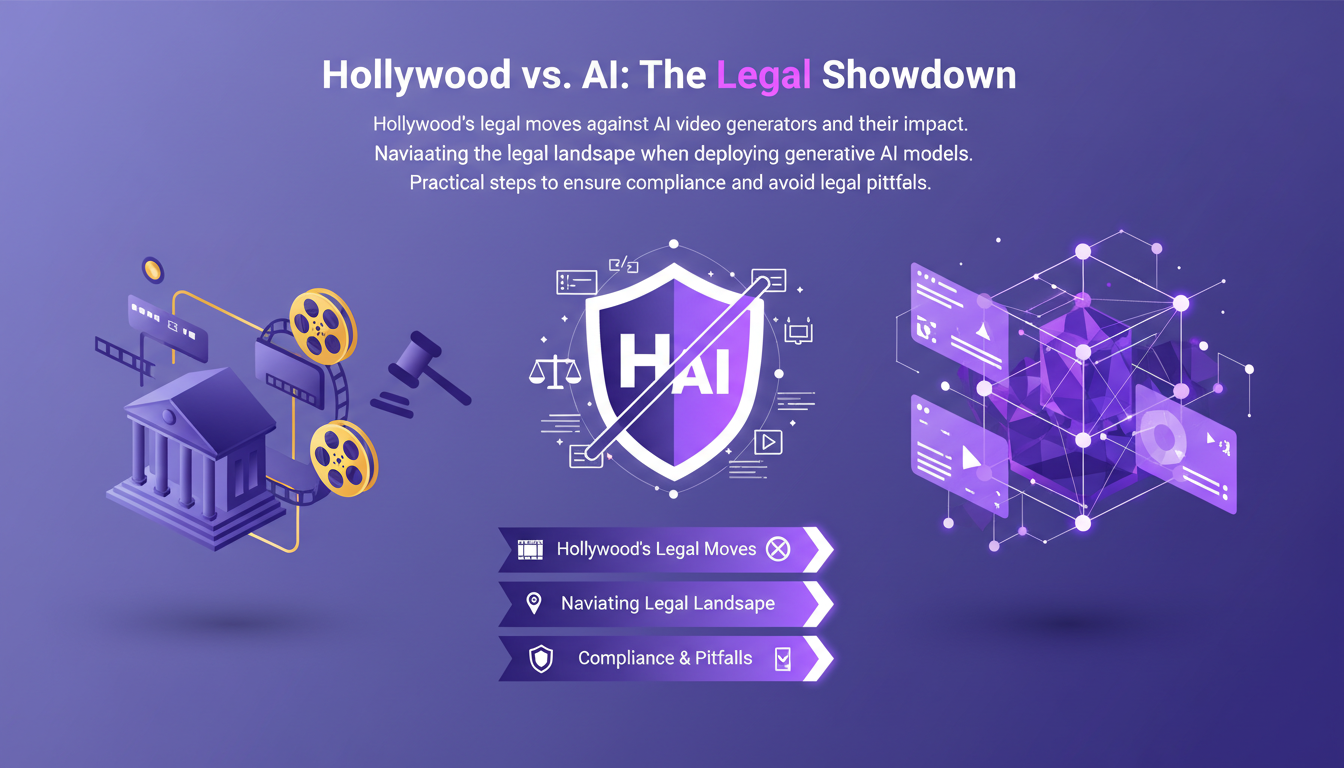
The AI world is clashing head-on with Hollywood. With the launch of Sit Dance 2.0 by By Dance in China, generating alternate content for series like "Game of Thrones", studios are panicking. The model, accused of deliberate digital pillaging by Disney, has led to the suspension of its international rollout. This case illustrates how AI video generators are challenging existing legal frameworks.
To avoid legal pitfalls, I've adopted a proactive approach. First, I ensure my models respect intellectual property rights. Then, I implement safeguards to prevent potential violations. These measures are crucial to navigating the complex legal landscape surrounding generative AI.
- Always check for legal compliance before deploying AI models.
- Anticipate implications for creators and developers in the media industry.
For more details on the global impact of AI, see Open Clow's GitHub surge and global impact.
Advancements in Model Optimization
Auto Research, with its 40 lines of natural language requirements, is transforming scientific research. Imagine an AI agent capable of forming hypotheses and modifying code without human intervention. I've seen models optimized more efficiently than with traditional manual methods. But be careful, there are trade-offs in terms of speed vs. accuracy.
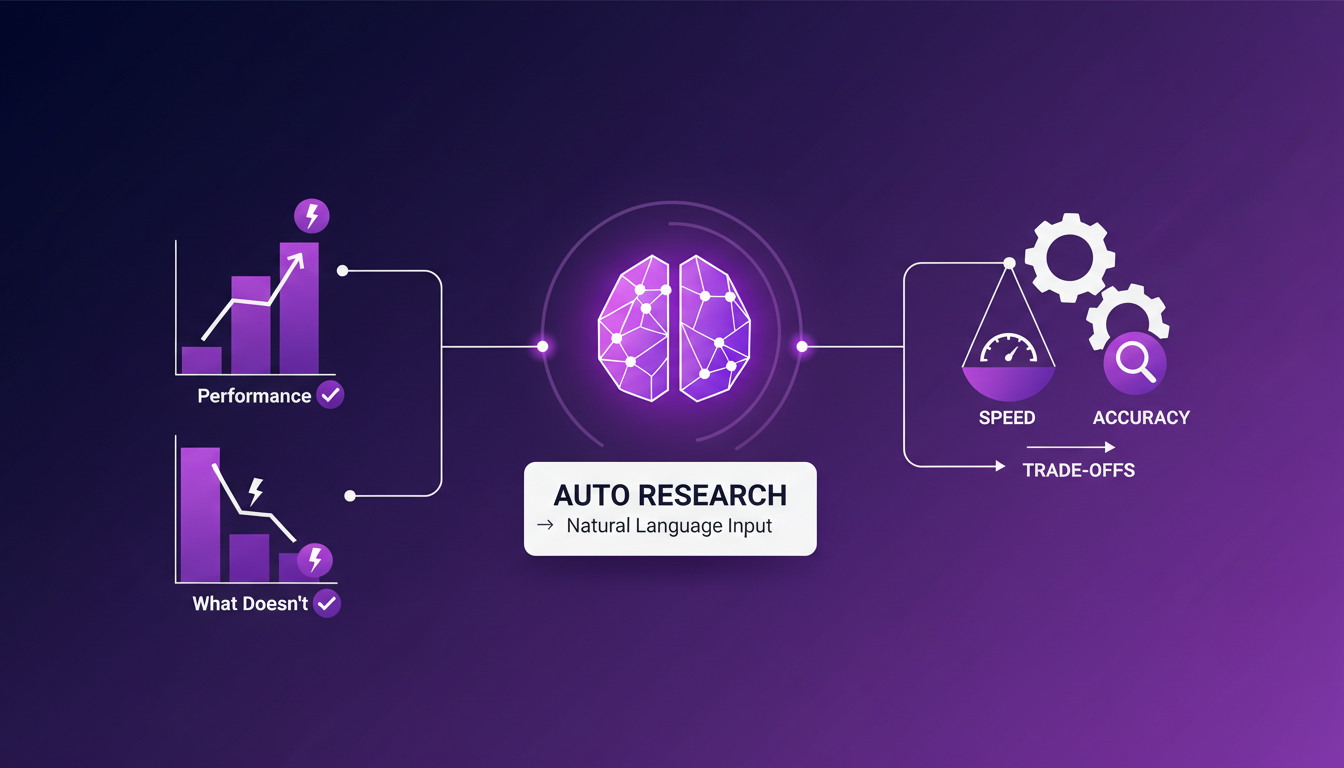
In testing approaches, I've found that certain optimizations can significantly reduce training time, sometimes up to 11% improvement compared to ChatGPT-2. However, it's crucial not to overuse these techniques, or you risk degrading overall performance.
Ami Labs and the Billion-Dollar Vision
Yan Lecquin raised $1 billion for Ami Labs, reflecting the enormous potential of AI. As a practitioner, I see this initiative as a step towards massive collaborative AI research. Ami Labs focuses on learning the laws of physics, an approach that could redefine AI development.
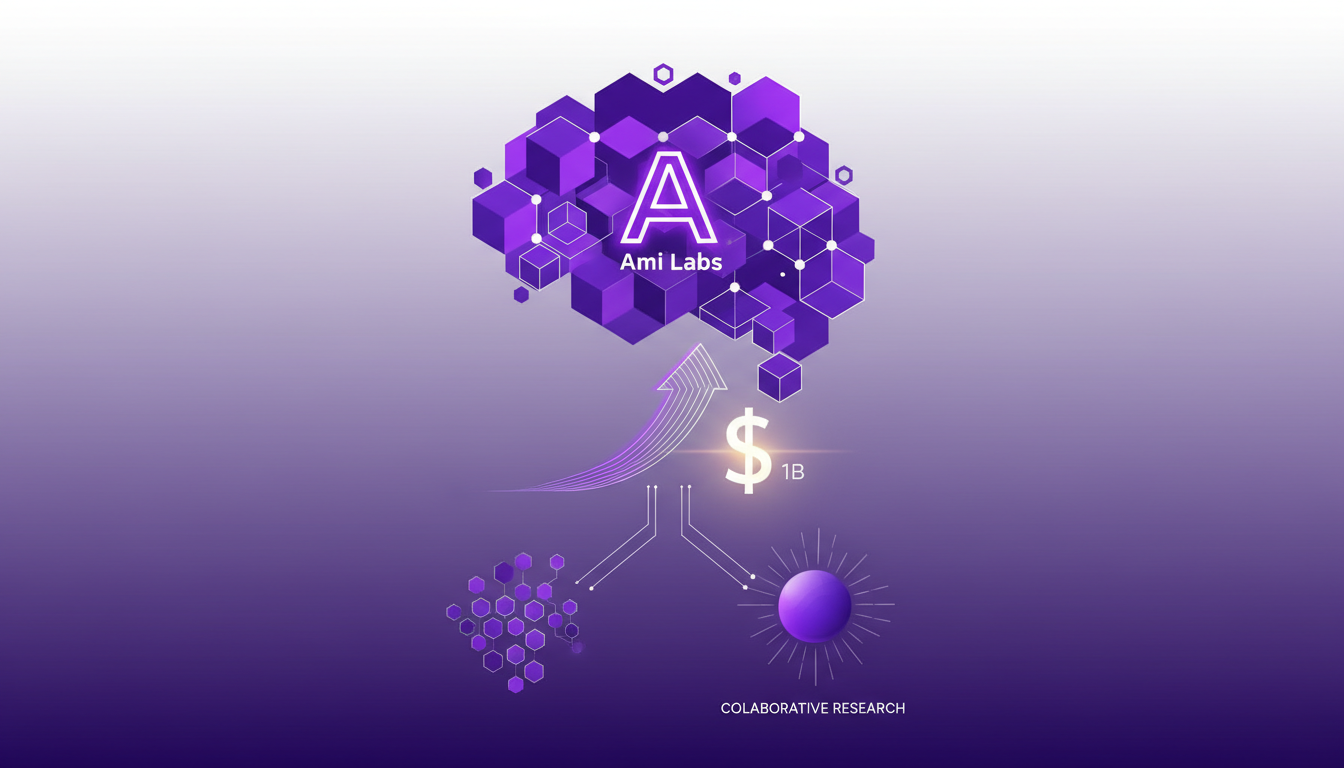
The prospects for AI development are immense, but it's essential to remain vigilant in the face of growing industry fragmentation. I am convinced that large-scale collaborations are the key to overcoming these challenges.
To learn more about AI orchestration, read about integrating Prompt Fu at OpenAI.
Fragmentation in the AI Industry: Challenges Ahead
The increasing fragmentation in the AI industry presents major challenges. With competing visions of what AI should be, it's crucial to navigate carefully. I've found that while collaboration is essential, it must be balanced with competition to foster innovation.
It's important to recognize the impacts of divergent views on AI development. To navigate this fragmented landscape, it's essential to develop flexible strategies and stay informed of current advancements and trends.
- Foster collaboration while maintaining healthy competition.
- Stay informed about new trends and technologies.
- Adapt your strategies based on industry developments.
To dive deeper into these issues, explore the awakening of digital neurons.
Navigating today's complex AI landscape requires more than just technical chops. It demands an understanding of legal, ethical, and collaborative dynamics. As a practitioner, I've experienced firsthand how these elements can make or break a project. Here are my key takeaways:
- Autonomous AI Research Tools: They're transforming how we work, but watch out for industry fragmentation that can stifle collaboration.
- Hollywood's Legal Battle: The scrutiny on AI generators serves as a reminder to stay vigilant on the legal front.
- Model Optimization with Auto Research: A game changer, but be careful not to sacrifice model quality for speed.
With a Nobel laureate raising a billion dollars, 630 lines of code can drive change, and repositories like Guitub hitting 30,000 stars in a week. Now’s the time to gear up for the next breakthroughs and, most importantly, keep building. I invite you to watch the full video for a deeper dive: Hollywood's Legal Battle with AI Generators.
Frequently Asked Questions

Thibault Le Balier
Co-fondateur & CTO
Coming from the tech startup ecosystem, Thibault has developed expertise in AI solution architecture that he now puts at the service of large companies (Atos, BNP Paribas, beta.gouv). He works on two axes: mastering AI deployments (local LLMs, MCP security) and optimizing inference costs (offloading, compression, token management).
Related Articles
Discover more articles on similar topics
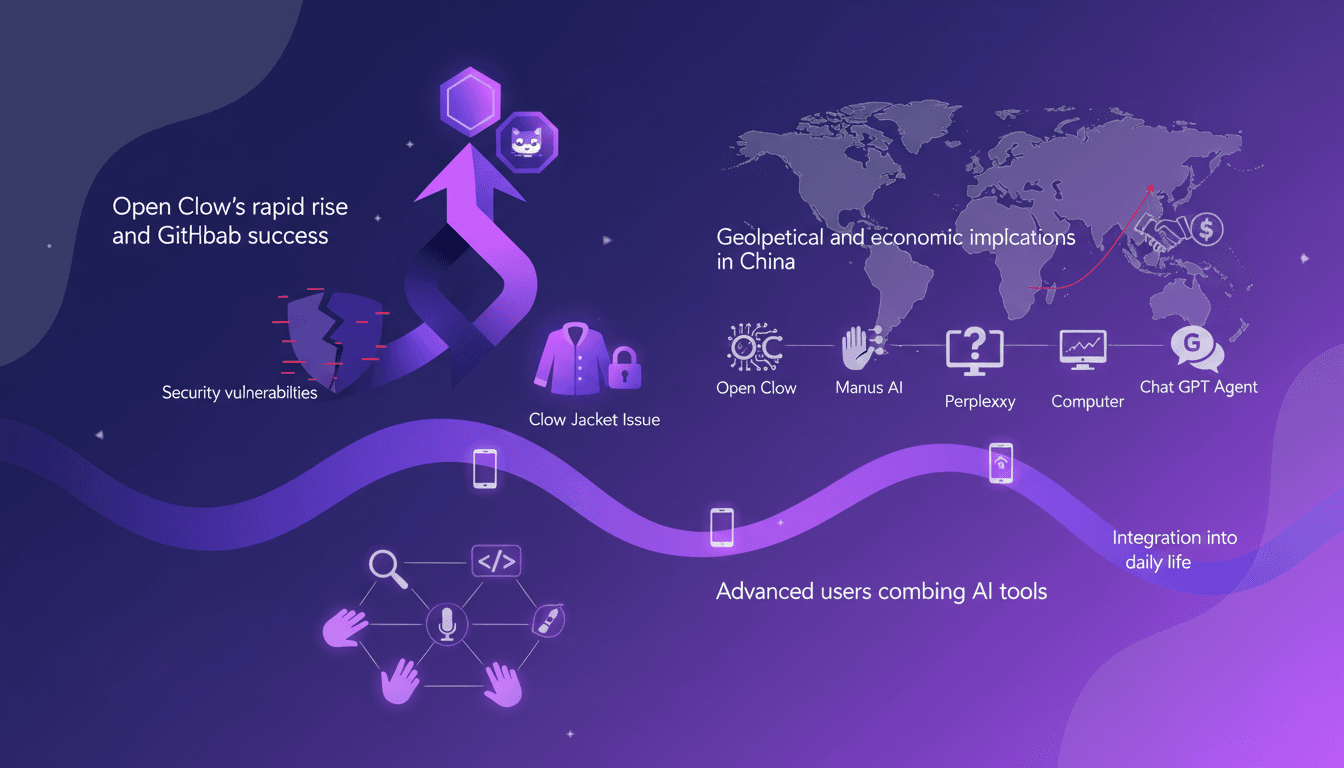
Open Clow's GitHub Surge and Global Impact
I watched Open Clow skyrocket to 250,000 GitHub stars in just 90 days, and it was clear something big was unfolding. As a builder, I'm asking what this means for our AI tools. Open Clow isn’t just about numbers—it's a game changer with serious security and geopolitical implications. China has already jumped on this, issuing 10 alerts in March. Let's dive into how this impacts our daily work and compare it to platforms like Manus AI and Chat GPT Agent. This is a pivotal moment for advanced users blending various AI tools, and I'm here to guide you through this tech maze.
Brain Emulation: Awakening Digital Neurons
I remember the first time I saw human neurons playing Doom. It was a game-changer. Watching neurons interact with digital environments isn't sci-fi anymore—it's a reality reshaping AI and neuroscience. We're witnessing a seismic shift: from biological computing to digital brain emulation. But hold on, it's not just cool tech—understanding the brain's architecture and the ethical implications of artificial consciousness is key. In this article, I'll dive into the technical nitty-gritty: advancements in biological computing, digital emulation of a fly's brain, and the connectome hypothesis. We'll also tackle the challenges, potentials, and future prospects of brain emulation in medicine and AI. Ready to explore?
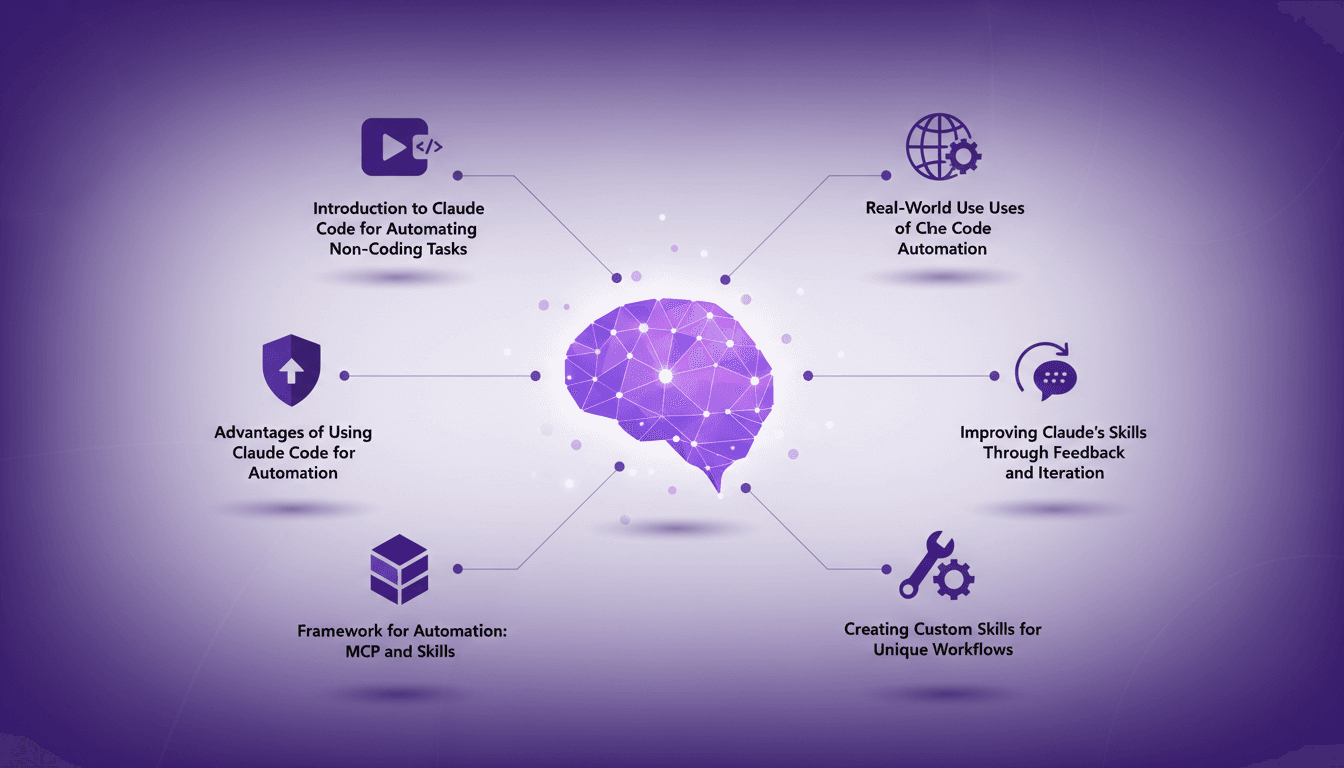
Automate Without Coding Using Claude Code
I still remember the moment I realized I could automate my tasks without writing a single line of code. It felt like uncovering a secret weapon. With Claude Code, I turned repetitive tasks into efficient workflows, saving time and reducing errors. In this article, I'll show you how I did it, covering the frameworks, real-world applications, and how you can tailor it to your unique needs. If efficiency is your goal, you won't want to miss this.
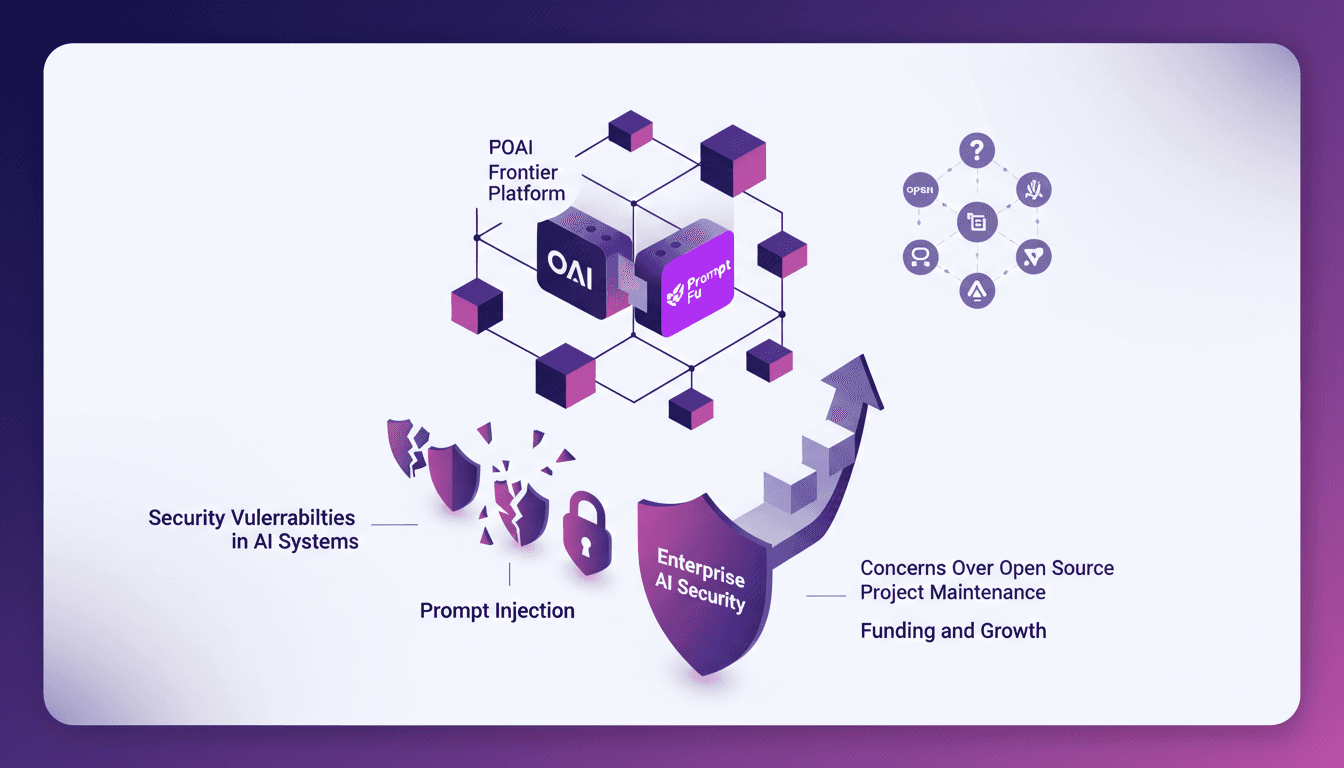
Securing AI: Integrating Prompt Fu at OpenAI
I remember the first time I encountered a security breach in an AI system. It was a wake-up call that security wasn't just a checkbox but a critical component of AI deployment. OpenAI's acquisition of Prompt Fu feels like a game changer. By integrating Prompt Fu into their Frontier platform, OpenAI is set to enhance security and redefine how we protect AI. With over 125,000 developers using Prompt Fu and a quarter of the Fortune 500 companies trusting it, this strategic move promises to transform AI system security, addressing concerns over open-source project maintenance and prompt injection vulnerabilities.
Profitable AI Agent: Strategies and Tools
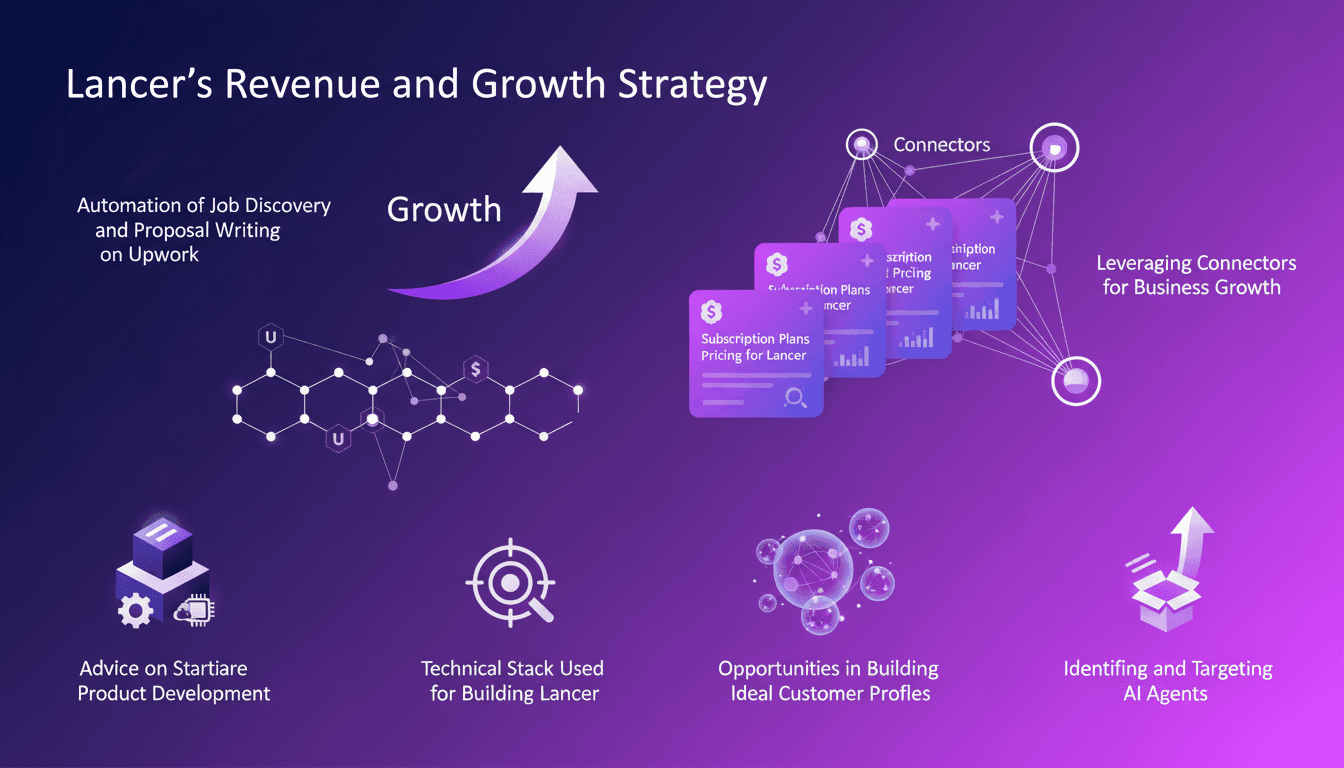
I built an AI agent that rakes in $10K a month without spending a dime on ads. Sounds crazy? Here’s how I did it. In a world where efficiency and automation are key, I developed Lancer, an AI agent that transforms how freelancers and agencies operate on platforms like Upwork. By automating job discovery and proposal writing, Lancer has revolutionized our approach. I share how I leveraged connectors for business growth, crafted subscription plans and pricing, and the opportunities I discovered in building AI agents. I'll also explain the mistakes I made, the tools I used, and how you can start your own software product development.