Agent Memory Management: Key Approaches
Imagine if your digital assistant could remember your preferences like a human. Welcome to the future of AI, where managing agent memory is key. This article delves into the intricacies of explicit and implicit memory updating, and how these concepts are woven into advanced AI systems. Explore how Cloud Code and deep agent memory management are revolutionizing digital assistant capabilities. From CLI configuration to context evolution through user interaction, dive into cutting-edge memory management techniques. How does Langmith fit into this picture? A practical example will illuminate the fascinating process of memory updating.
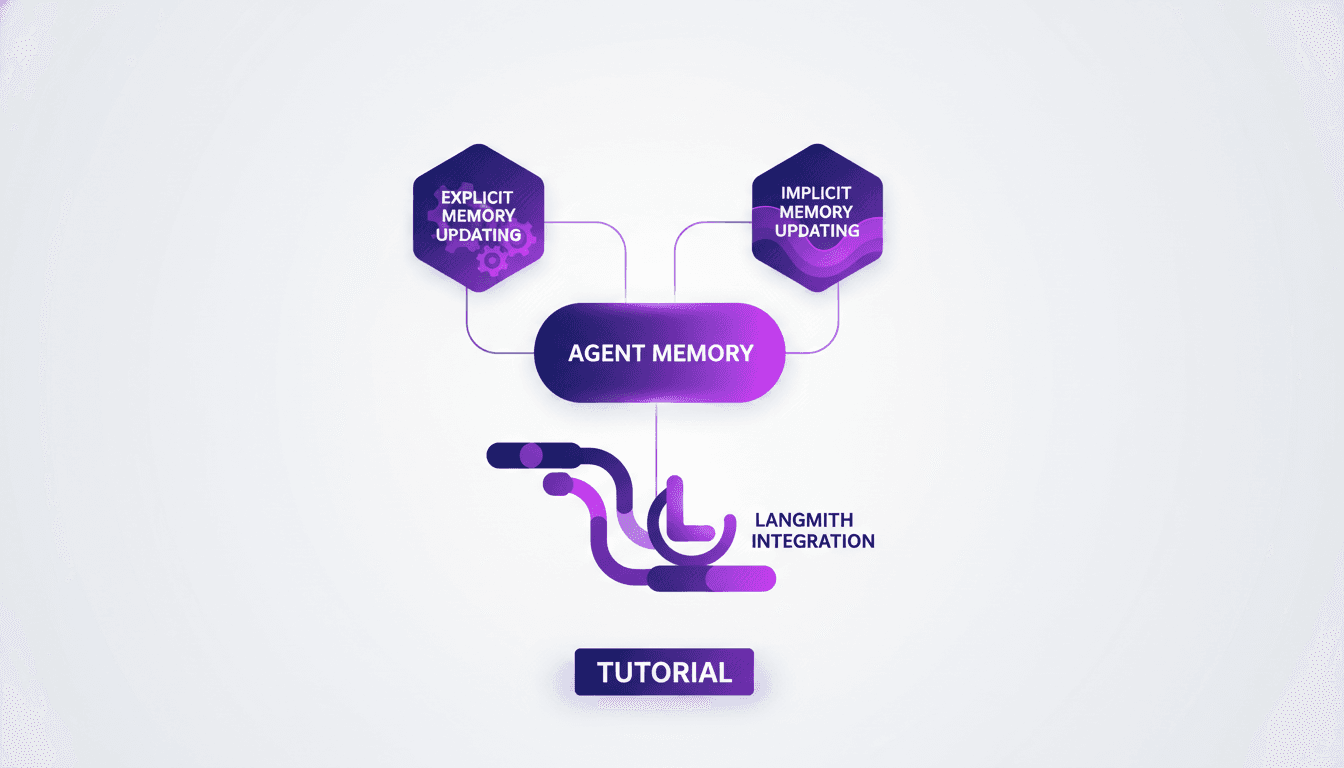
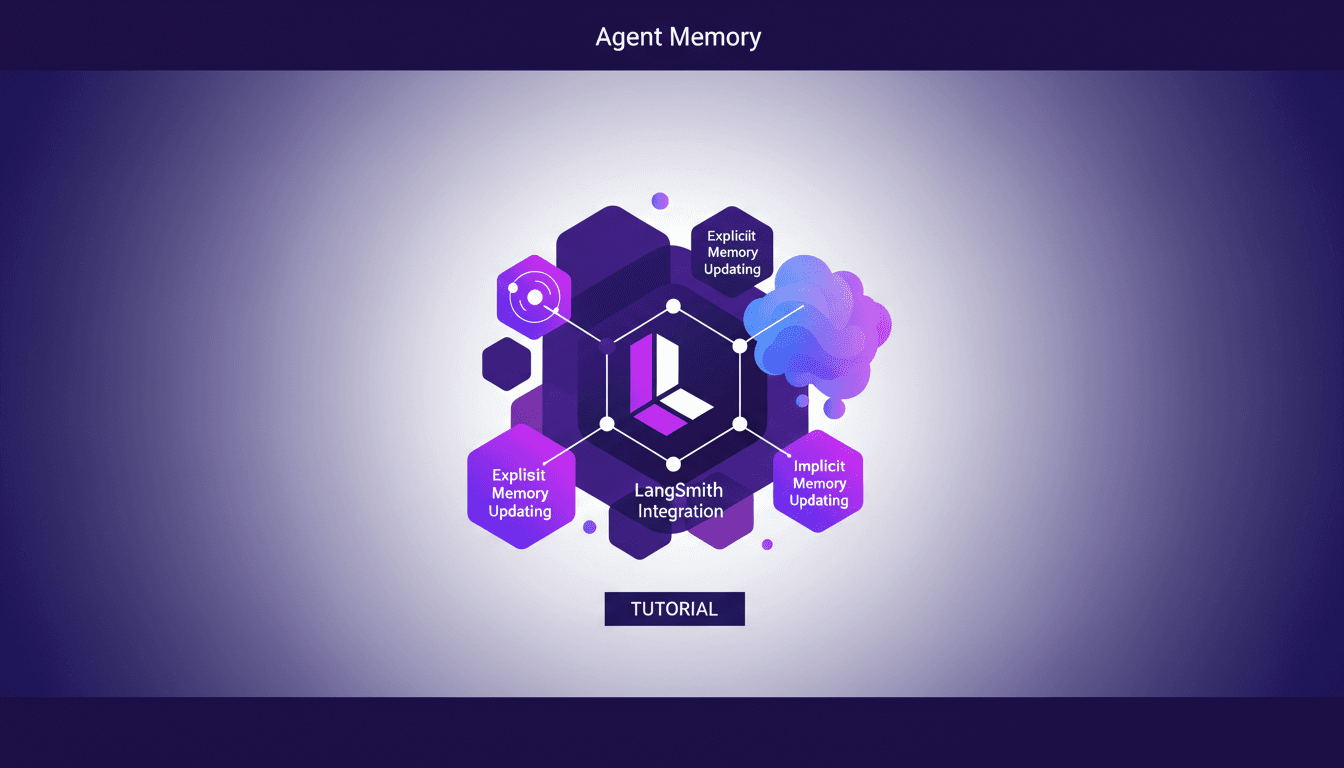
Imagine if your digital assistant could remember your preferences just like a human. Intriguing, right? Managing agent memory might just be the cornerstone of creating smart, responsive AI systems. In this article, we dive into the intricacies of explicit and implicit memory updating. These aren't just theoretical concepts; they are the backbone of the advanced AI systems we use today. Cloud Code and deep agent memory management are reshaping how digital assistants understand and anticipate our needs. From configuring via Command Line Interface (CLI) to updating memory through user interaction, every element is critical. What about context evolution and session persistence? Langmith also plays a role in this complex equation. A practical example will show you how it all works together to create memorable user experiences. Stick with us to discover how this revolutionary technology is changing the game.
Understanding Explicit Memory Updating
Explicit memory updating is a process where an AI agent alters its memories in direct response to a specific interaction or event. This ensures that information is updated in real time and immediately available for future interactions.
Cloud code plays a crucial role in managing these explicit updates. For example, previously, a shortcut was necessary to indicate to the system that a memory update was desired. Now, updates can be made directly through natural language commands.
Explicit memory updates are beneficial as they ensure predictable agent behavior. For instance, if a user indicates a preference for cats over dogs, this preference is recorded and can influence future interactions.
Explicit Memory Scenarios
A concrete example of explicit memory is when a user asks a virtual assistant to remember a specific event or task. This involves a direct and conscious update to the agent's memory.
However, maintaining explicit memory can pose challenges, particularly regarding the capacity to manage large amounts of data and update it efficiently without information loss.
- Explicit updating ensures accurate responses.
- It requires direct user intervention.
- Updates are immediate and transparent.
Implicit Memory Updating Through Interaction
Unlike explicit updating, implicit memory updating occurs more subtly and naturally. It often emerges from the continuous interactions between a user and an agent, without direct intervention.
User interactions serve as triggers for these updates. For example, if a user frequently asks about cooking recipes, the agent may implicitly understand this interest and adjust its future suggestions.
A key advantage of implicit memory is that it fosters adaptive learning. This allows the agent to adapt to the user's changing preferences without needing a complete reset.
Comparison with Explicit Memory Updating
While explicit memory requires intentional action, implicit updating is often passive. Both methods have their advantages, but implicit offers increased flexibility for modern AI systems.
- Implicit updating is often invisible to the user.
- It allows personalization based on observed behavior.
- It can reveal hidden preferences.
Reflection and Context Evolution
Reflection in agent memory is a process where an agent analyzes its past experiences to learn from them. This process is crucial for context evolution, where an agent's context adapts and changes based on new information.
Agents use reflection to improve their decision-making. For example, after analyzing past interactions, an agent can identify patterns and adjust its responses accordingly.
Context evolution has a significant impact on user experience, as it allows the agent to provide more relevant and personalized responses.
Real-World Applications of Context Evolution
In the real world, context evolution is used in applications such as personal assistants that adjust their suggestions based on a user's history.
- Reflection allows continuous improvement of agents.
- Context evolution enriches user-agent interaction.
- It is essential for increased personalization.
Session Logs and Memory Persistence
Session logs play a crucial role in tracking memory changes. They record each interaction, allowing for memory persistence that ensures continuity across interactions.
Memory persistence is crucial for maintaining a narrative thread in conversations. Without it, agents might forget essential information from one session to the next.
Maintaining persistent memory involves efficiently managing stored data and ensuring timely updates.
Uses of Session Logs
Session logs are used to help agents learn from each interaction, thereby improving their future performance.
- Ensure continuity of interactions.
- Allow agents to learn and improve.
- Essential for robust AI systems.
Integrating Langmith with Deep Agents
Langmith is a powerful tool that, once integrated with deep agents, can significantly enhance their capabilities. Langmith offers advanced features that complement existing agents.
Integrating Langmith with deep agents offers several benefits, including better memory management and increased efficiency in data processing.
The technical integration process involves several steps, including configuring agents and setting up best practices to maximize performance.
Enhancing Agent Performance
With Langmith integration, agents can process more information and offer more natural and seamless interactions, thereby increasing user satisfaction.
- Langmith enriches agents' features.
- It improves agents' memory management.
- Examples of successful integration with Langmith are numerous.
Understanding and managing agent memory is pivotal for the development of intelligent AI systems. Here are key takeaways:
- Explicit and implicit memory updates enhance agent performance.
- Tools like Langmith are crucial for optimizing agent memory.
- User interaction facilitates implicit, continuous memory updates. Looking ahead, the integration of advanced memory management techniques in AI systems could revolutionize their learning and adaptation capabilities. Don't miss the chance to stay ahead in AI technology. Watch the full video for a deeper understanding of agent memory management: YouTube Link.
Frequently Asked Questions

Thibault Le Balier
Co-fondateur & CTO
Coming from the tech startup ecosystem, Thibault has developed expertise in AI solution architecture that he now puts at the service of large companies (Atos, BNP Paribas, beta.gouv). He works on two axes: mastering AI deployments (local LLMs, MCP security) and optimizing inference costs (offloading, compression, token management).
Related Articles
Discover more articles on similar topics
LangChain Academy: Start with LangChain
I dove into LangChain Academy's new course to see if it could really streamline my AI agent projects. Spoiler: it did, but not without some head-scratching moments. LangChain is all about building autonomous agents efficiently. This course promises to take you from zero to hero with practical projects and real-world applications. You'll learn to create agents, customize them with middleware, and explore real-world applications. For anyone looking to automate intelligently, it's a game changer, but watch out for context limits and avoid getting lost in module configurations.
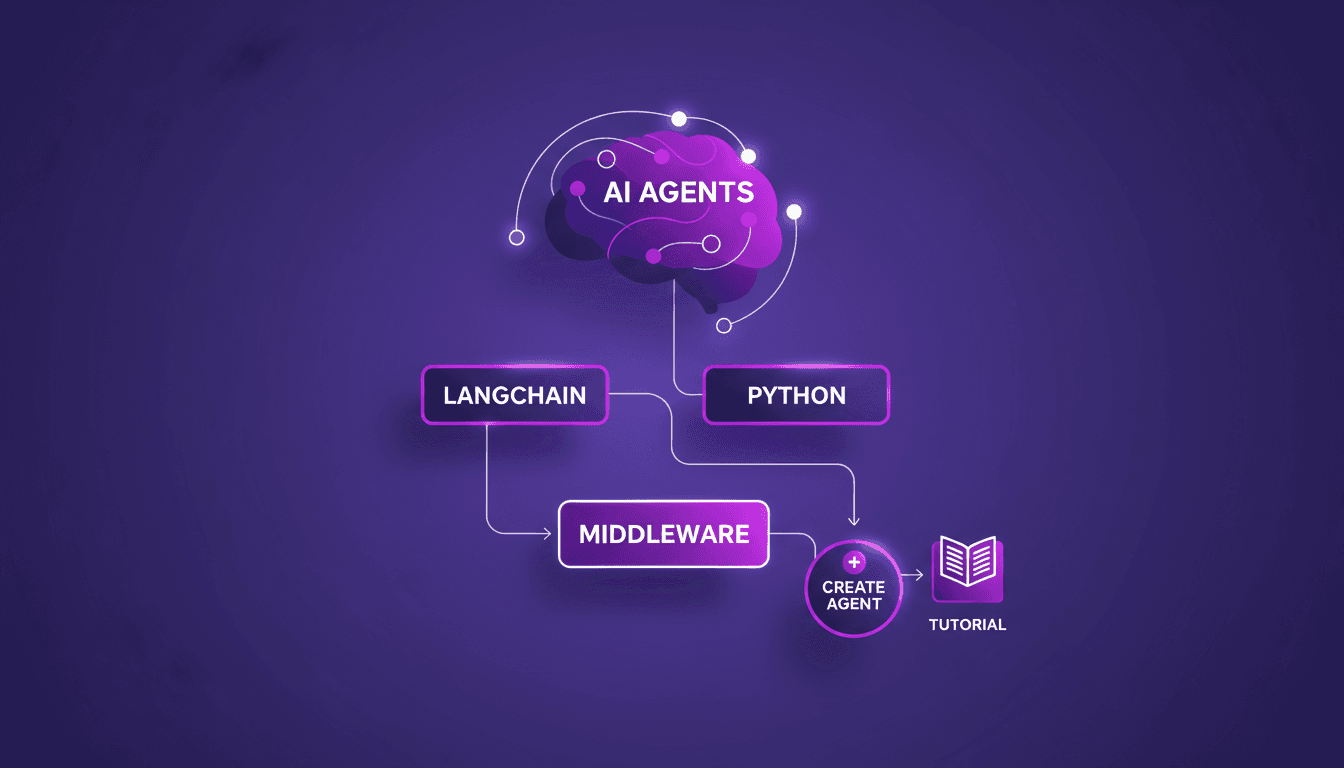
Introduction to LangChain: AI Agents in Python
Imagine a world where AI agents handle your daily tasks effortlessly. Welcome to LangChain, a powerful tool in Python that makes this a reality. LangChain is changing how developers craft AI agents. Explore the new LangChain Academy course, designed to arm you with the skills to build sophisticated AI systems. Learn to create customized agents with the 'create agent' abstraction and refine their behavior with middleware. This course guides you through practical modules and projects to master this groundbreaking technology. Don't miss the chance to revolutionize how you interact with AI!
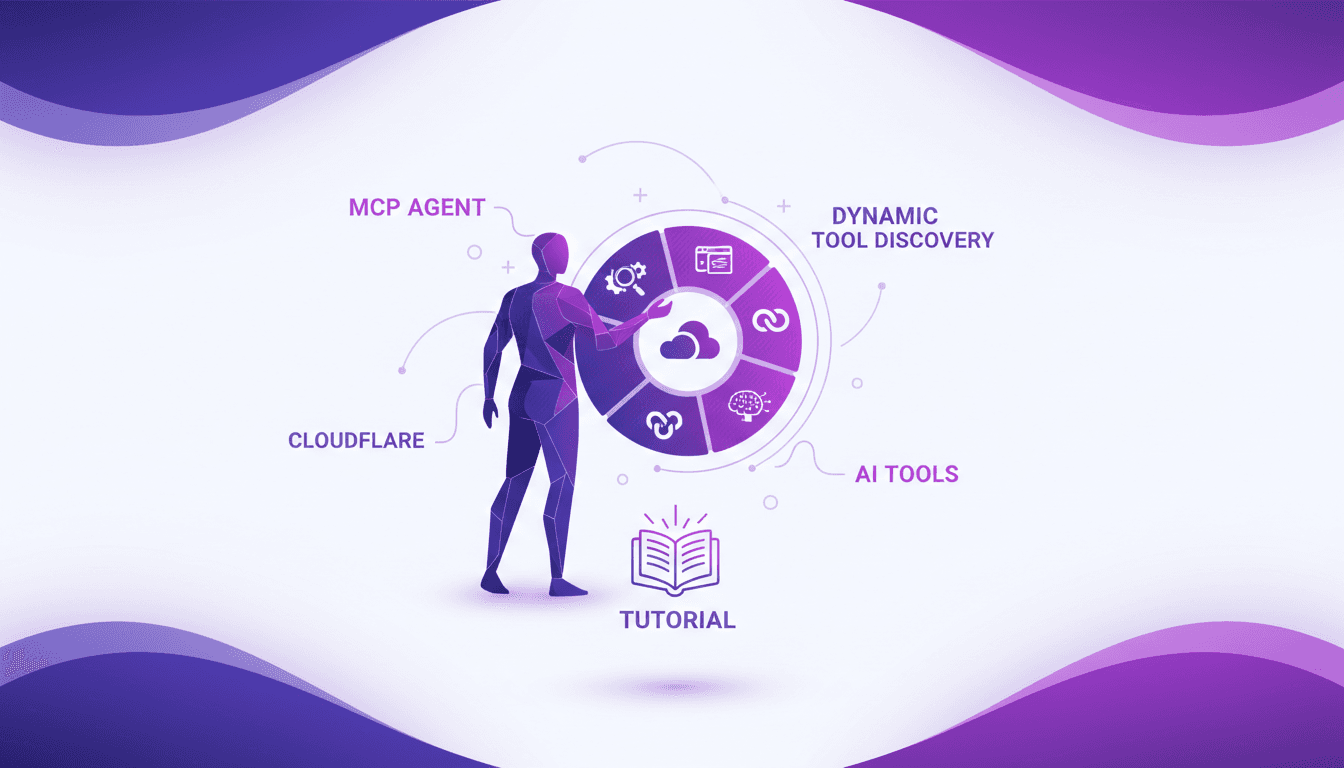
Build MCP Agent with Claude: Dynamic Tool Discovery
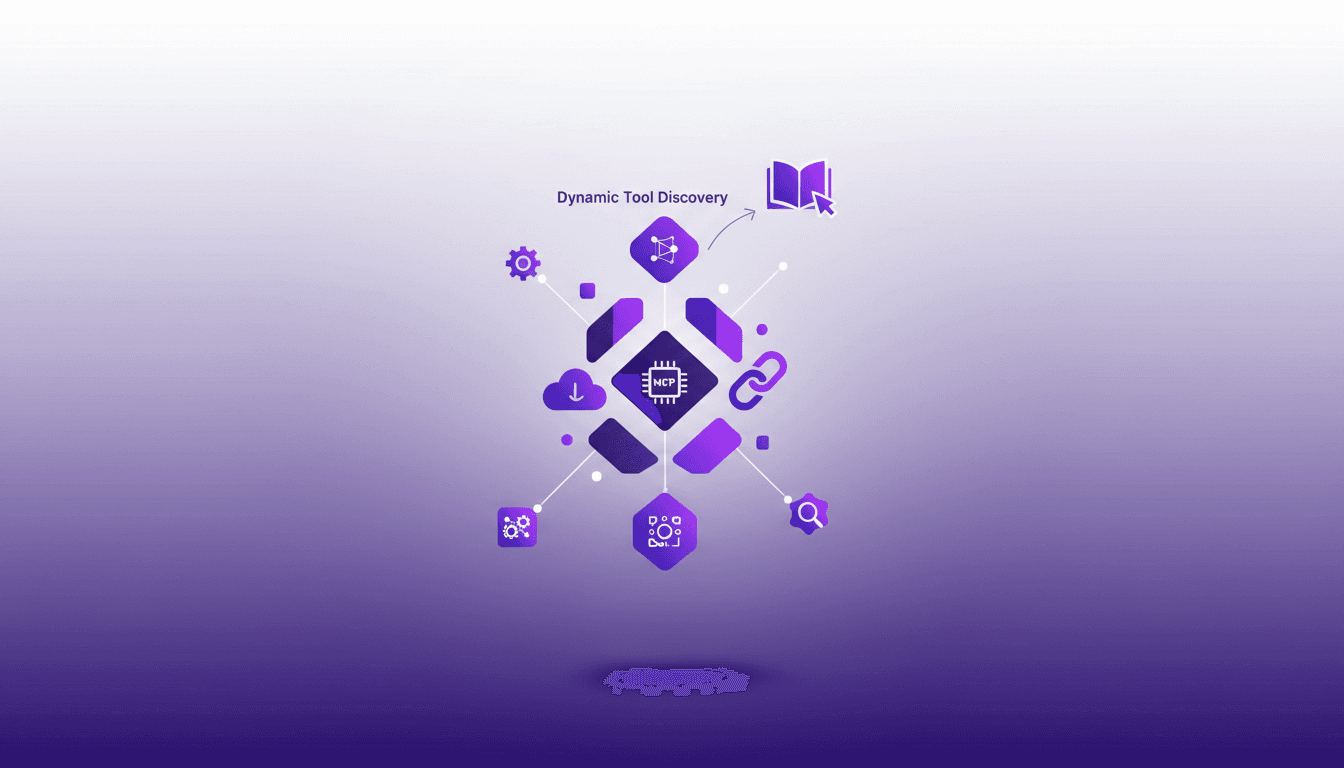
I dove headfirst into building an MCP agent with LangChain, and trust me, it’s a game changer for dynamic tool discovery across Cloudflare MCP servers. First, I had to get my hands dirty with OpenAI and Entropic's native tools. The goal? To streamline access and orchestration of tools in real-world applications. In the rapidly evolving AI landscape, leveraging native provider tools can save time and money while boosting efficiency. This article walks you through the practical steps of setting up an MCP agent, the challenges I faced, and the lessons learned along the way.
Native Tools: Build a Cloudflare MCP Agent
Imagine harnessing the full power of cloud platforms with just a few clicks. Welcome to the world of MCP agents and native provider tools. As AI technology evolves, integrating tools across multiple cloud platforms becomes essential. This tutorial explores building a Cloudflare MCP agent using Langchain, making complex integrations seamless and efficient. Discover how native tools from OpenAI and Entropic transform your cloud experience. Dive into dynamic tool discovery, integration, MCP server connections, and the advantages of using native tools. Let's explore practical scenarios and envision how these tools shape the future of AI applications.
Managing Agent Memory: Practical Approaches
I remember the first time I had to manage an AI agent’s memory. It was like trying to teach a goldfish to remember its way around a pond. That's when I realized: memory management isn't just an add-on, it's the backbone of smart AI interaction. Let me walk you through how I tackled this with some hands-on approaches. First, we need to get a handle on explicit and implicit memory updates. Then, integrating tools like Langmith becomes crucial. We also dive into using session logs to optimize memory updates. If you've ever struggled with deep agent management and configuration, I'll share my tips to avoid pitfalls. This video is an advanced tutorial, so buckle up, it'll be worth it.
Managing Agent Memory: Practical Approaches
I remember the first time I had to manage an AI agent’s memory. It was like trying to teach a goldfish to remember its way around a pond. That's when I realized: memory management isn't just an add-on, it's the backbone of smart AI interaction. Let me walk you through how I tackled this with some hands-on approaches. First, we need to get a handle on explicit and implicit memory updates. Then, integrating tools like Langmith becomes crucial. We also dive into using session logs to optimize memory updates. If you've ever struggled with deep agent management and configuration, I'll share my tips to avoid pitfalls. This video is an advanced tutorial, so buckle up, it'll be worth it.
Continual Learning with Deep Agents: My Workflow
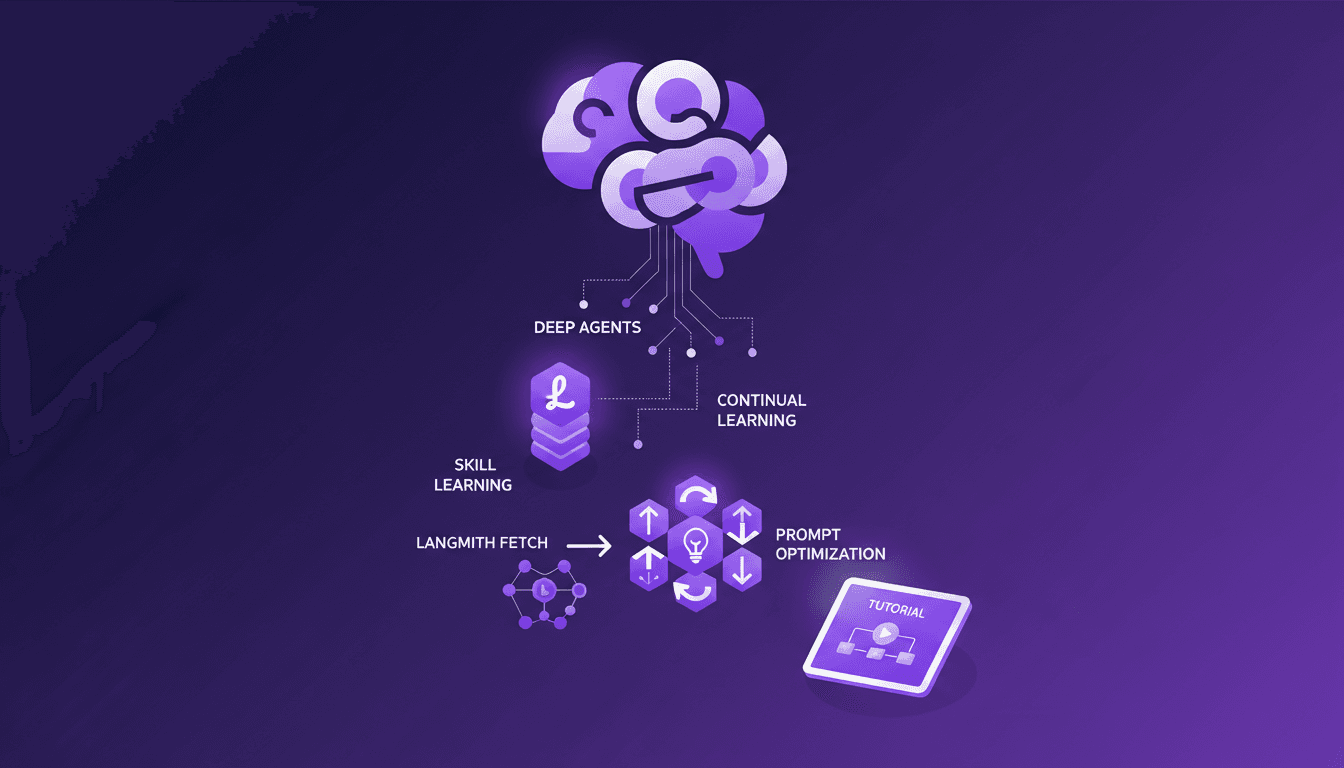
I jumped into continual learning with deep agents, and let me tell you, it’s a game changer for skill creation. But watch out, it's not without its quirks. I navigated the process using weight updates, reflections, and the Deep Agent CLI. These tools allowed me to optimize skill learning efficiently. In this article, I share how I orchestrated the use of deep agents to create persistent skills while avoiding common pitfalls. If you're ready to dive into continual learning, follow my detailed workflow so you don't get burned like I did initially.