Integrate GPT Realtime-2 into Your Voice Agents
I've been hands-on with GPT Realtime-2, and let me tell you, it's a game changer for voice agents. When I first integrated it, the fluidity and responsiveness blew me away. As someone who's in the trenches with AI models, I know the pain points of latency and lack of expressiveness. GPT Realtime-2 directly addresses these, and it's not just hype. The bidirectional duplex communication and improved tone expressiveness are significant. Responses are more empathetic, conversations more lifelike. Compared to previous models, it's a leap forward. In customer service, the potential applications are vast. Integrated into the GPT 5 family, this model redefines the limits of what voice agents can achieve.
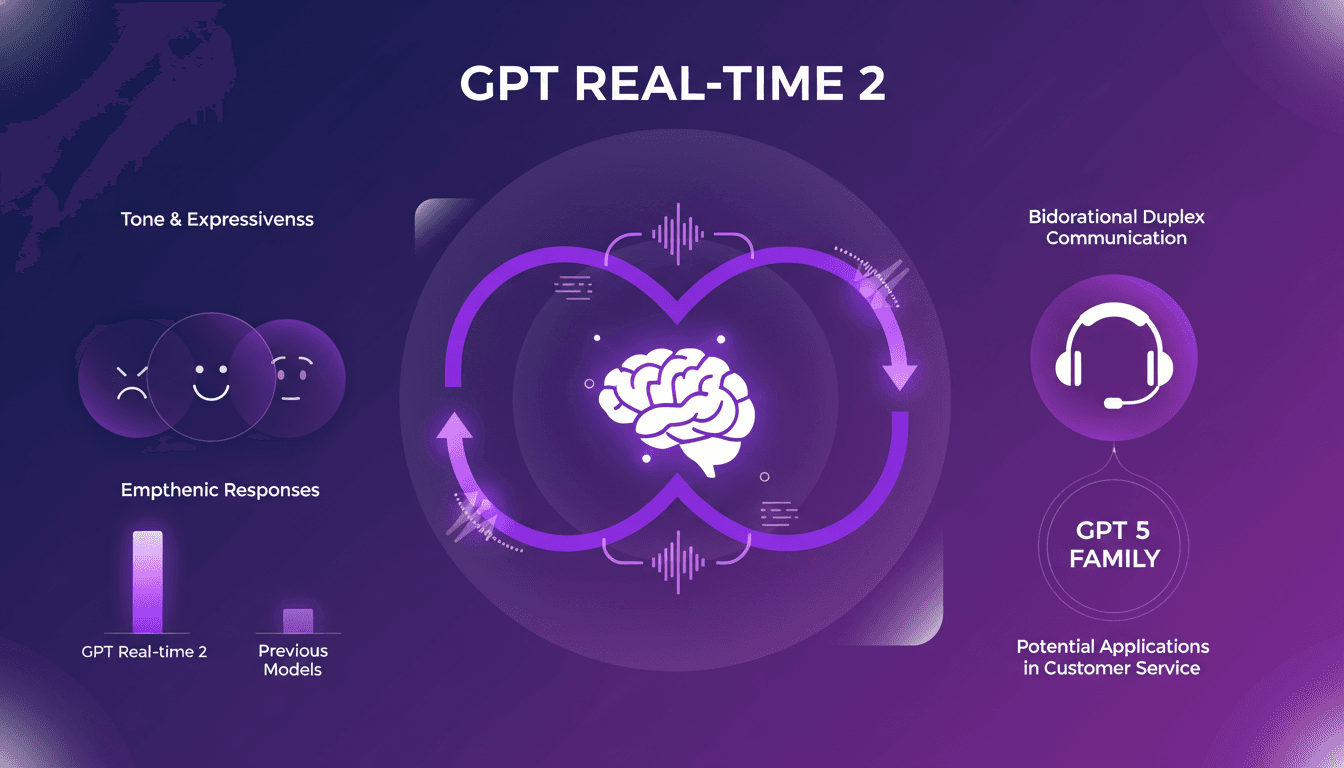
I've been hands-on with GPT Realtime-2, and let me tell you, it's a game changer for voice agents. The first time I integrated it, the fluidity and responsiveness blew me away. Being deep in the trenches with AI models, I know the pain points of latency and lack of expressiveness. GPT Realtime-2 tackles these head-on. We're talking about bidirectional duplex communication, noticeable improvements in tone expressiveness. Responses are more empathetic, conversations more lifelike. I recall the limitations of previous models... this is a whole new level. The potential applications in customer service are huge, and integrated into the GPT 5 family, this model redefines what's possible with voice agents. If you're ready to push your voice agents to the limit, this is the tool to get your hands on.
Unpacking GPT Realtime-2 for Voice Agents
I dove into the capabilities of GPT Realtime-2, and let me tell you, it's impressive. This model, part of OpenAI's GPT 5 family, is the first capable of real-time communication. The integration into voice agents is not only seamless but also remarkably powerful. It's like finding the missing piece of my tech puzzle. What stands out is the bidirectional duplex communication, allowing effortless two-way interaction. I've observed a significant reduction in latency, directly enhancing the user experience.
With OpenAI audio models, I'm already noticing an improvement in the flow of interactions. Latency, often a nightmare in this field, is significantly reduced. We're talking milliseconds gained, which in this context is a game changer. But watch out, it's crucial to monitor overuse as it can lead to unnecessary complications.
The Magic of Bidirectional Duplex Communication
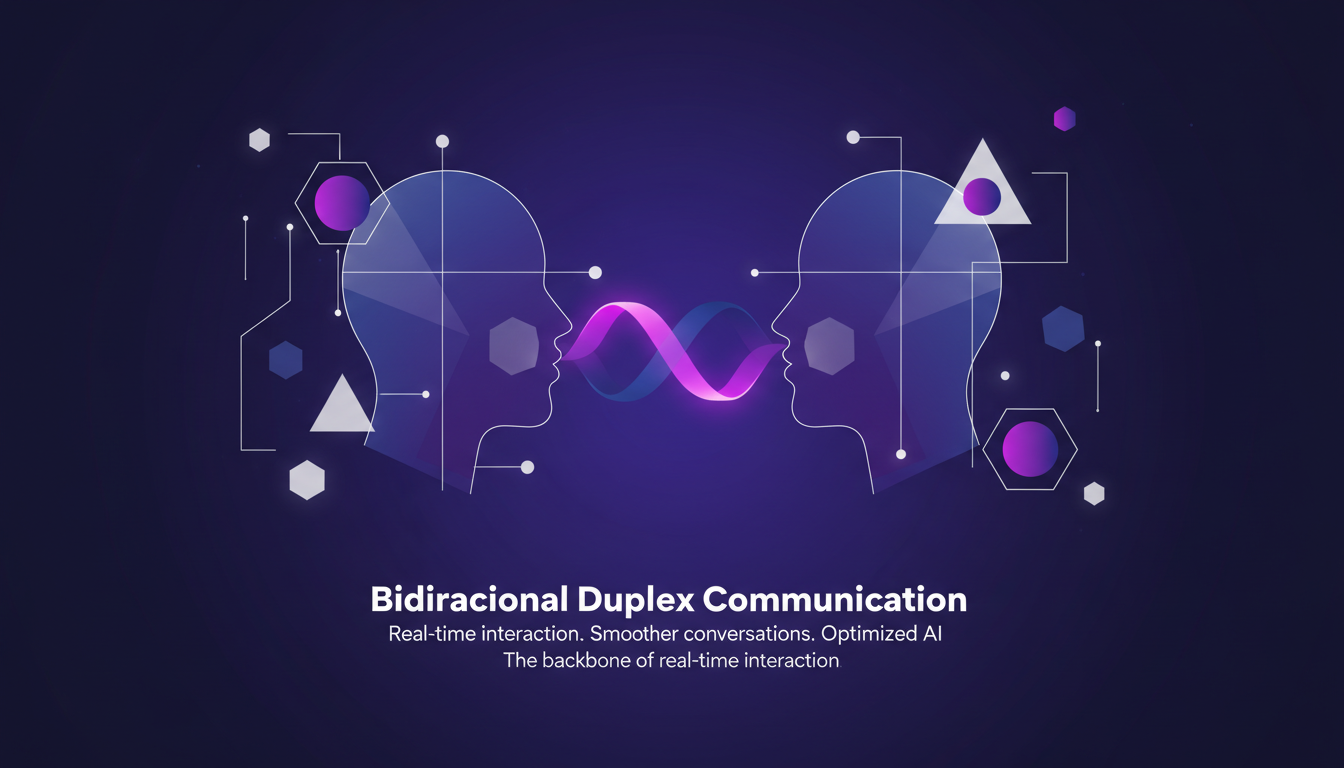
Make no mistake, bidirectional duplex communication is not just a buzzword. It's the backbone of real-time interaction. Thanks to this technology, I've seen unmatched fluidity in conversations. Imagine an exchange where responses are instantaneous, without any noticeable delay. That's what I've been able to observe during my tests with GPT Realtime-2.
To make the most of this technology, understanding its fundamentals is key. Bidirectional communication allows synthetic voices to respond in real-time, but don't overuse it. Too much complexity can hurt overall performance and unnecessarily burden the system.
- Optimization: Know the technical limits to avoid overloads.
- Simplicity: Don't complicate the architecture unnecessarily.
- Monitoring: Track performance to adjust if necessary.
Expressiveness and Empathy: A New Era in AI
With GPT Realtime-2, we're entering a new era of expressiveness in AI interactions. I've orchestrated scenarios where empathy simulation had a huge impact. It's like the AI can now understand and react with emotional nuance. Tone adjustments make conversations feel much more natural, almost human.
However, be cautious with tone settings. They can affect performance. Too much empathy or poorly calibrated expressiveness can slow down responses or make them inappropriate. It's a delicate balance to maintain.
Comparing GPT Realtime-2 to Previous Models
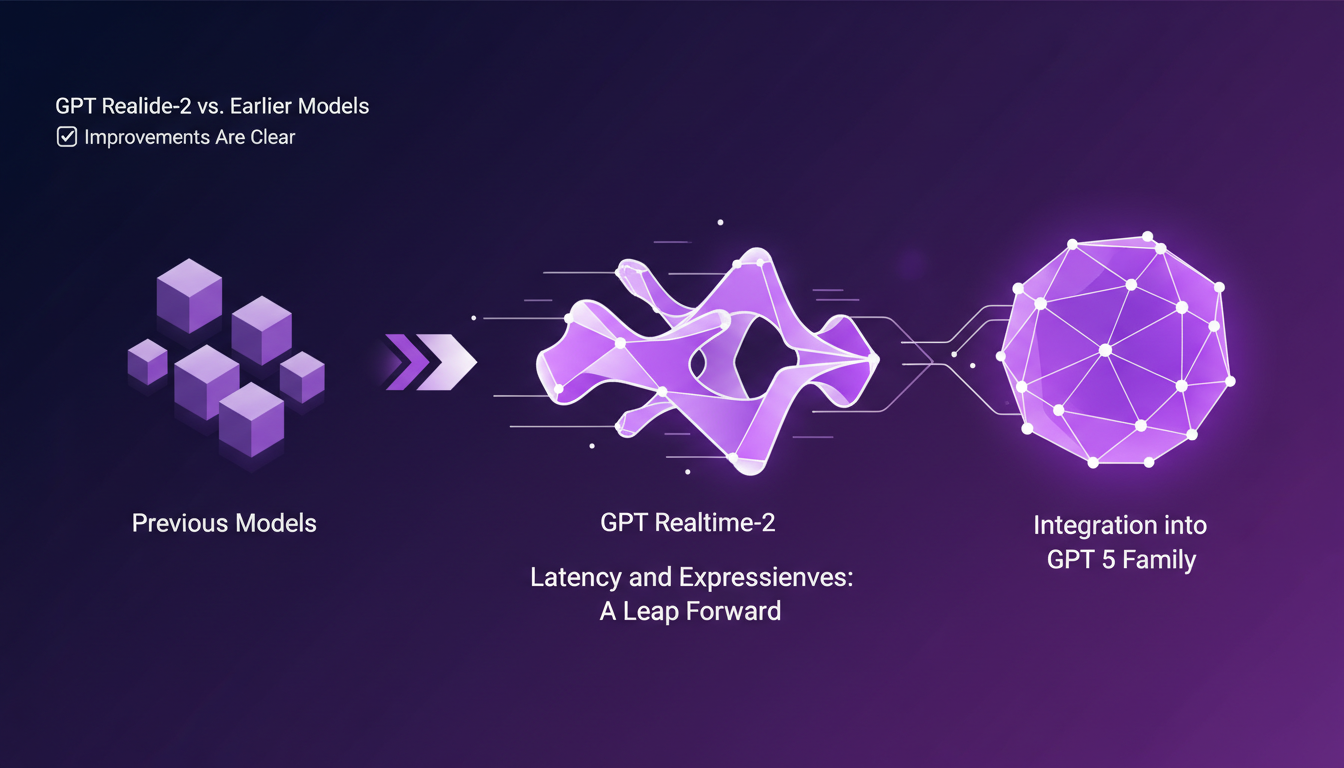
In comparing GPT Realtime-2 with previous models, the improvements are clear. Latency and expressiveness are where it truly shines. Its integration into the GPT 5 family marks a significant evolution. Yet, there are trade-offs. It's not always the best fit for every use case.
For instance, in low-demand applications, the impact of reduced latency is less noticeable and may not justify the extra cost.
Practical Applications in Customer Service
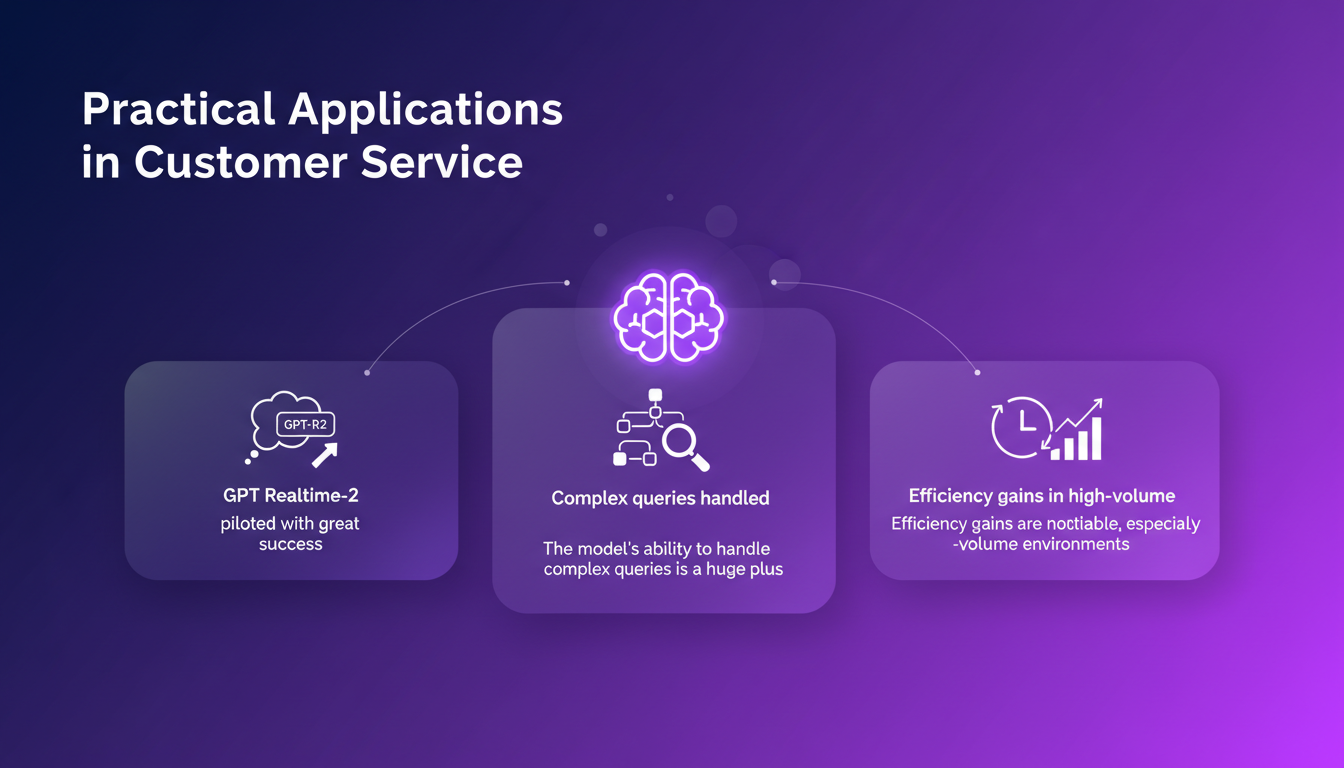
I've piloted GPT Realtime-2 in customer service settings, and the results are promising. Its ability to handle complex queries is a huge plus. Imagine a call center where the virtual agent can handle multiple requests in parallel, without loss of quality. The efficiency gains are undeniable, especially in high-volume environments.
But don't overuse it. Sometimes, simpler models can be more cost-effective. The integration of something as advanced as GPT Realtime-2 needs to be justified by a clear need and measurable ROI.
- Efficiency: Reducing response time and increasing the number of queries handled.
- Complexity: Ability to manage complex requests without human intervention.
- Cost: Ensure you're using the right technology for the right use case.
GPT Realtime-2 is a real step forward for voice agents. I've integrated this tech into several projects, and the difference is clear. First, real-time interactivity is a game changer. No more frustrating delays; we're talking smooth, engaging conversations. Then, the improved expressiveness makes interactions feel a lot more natural. But watch out, it's not all perfect. You need to balance its use, especially considering costs and performance.
- Real-time interactivity for more responsive voice agents.
- Improved expressiveness, making interactions more human.
- Proven practical applications in several use cases.
Looking ahead, I see GPT Realtime-2 as an essential tool, but you need to use it wisely. If you're serious about enhancing your voice agents, dive into GPT Realtime-2. Check out the original video for all the details: #OpenAI GPT-Realtime-2 is here for Advanced Voice Agents.
Frequently Asked Questions

Thibault Le Balier
Co-fondateur & CTO
Coming from the tech startup ecosystem, Thibault has developed expertise in AI solution architecture that he now puts at the service of large companies (Atos, BNP Paribas, beta.gouv). He works on two axes: mastering AI deployments (local LLMs, MCP security) and optimizing inference costs (offloading, compression, token management).
Related Articles
Discover more articles on similar topics
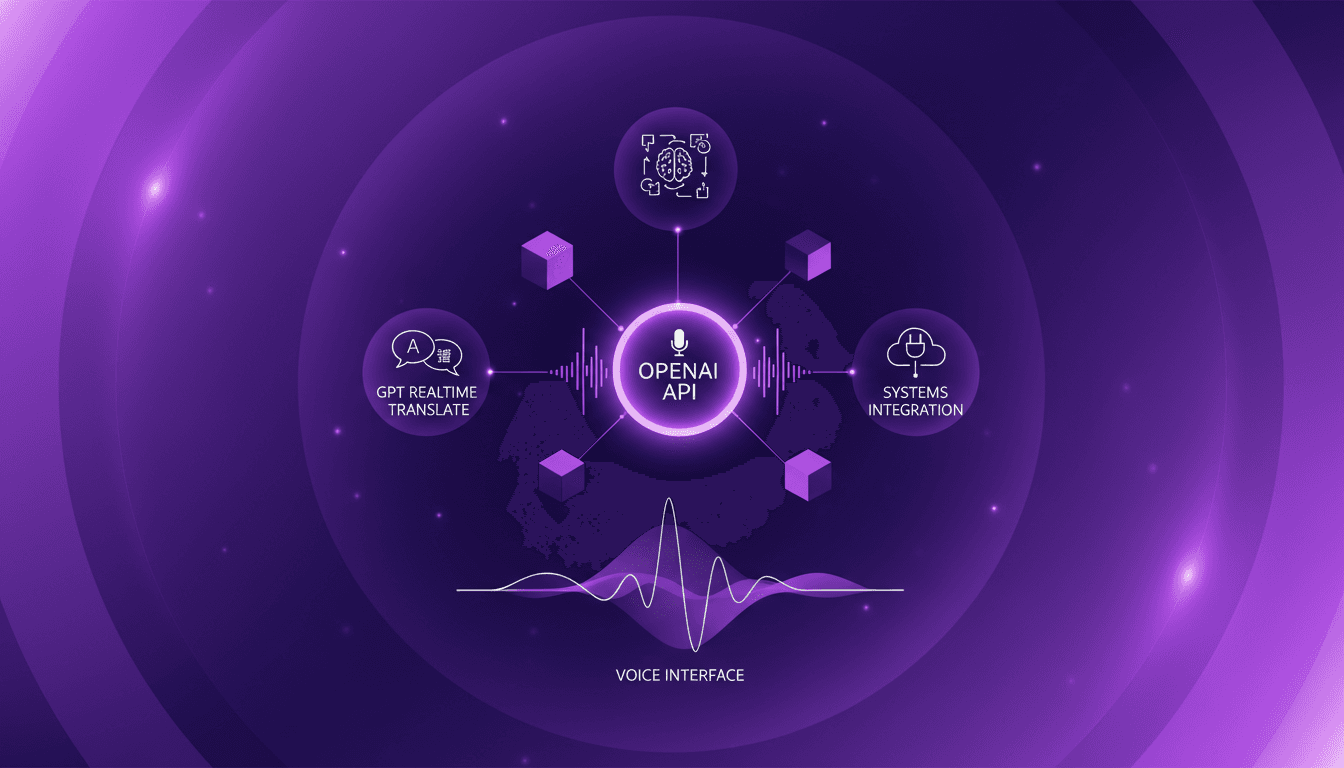
OpenAI Audio Models: Real-Time Integration
I still remember the first time I integrated voice models into my system. It was utter chaos, but the results were a game changer. Now, with OpenAI's new real-time audio models, we're taking it to a whole new level. Imagine translating across 70 languages live or using voice agents with intelligent reasoning. In this article, I'll show you how these models can revolutionize your workflow. From real-time translation to intelligent voice agents, every integration step is crucial. Watch out for technical terms and language switching—it can become a headache if mishandled. But when orchestrated well, voice becomes the primary interface for interaction. Ready to transform your system? Let's dive in!
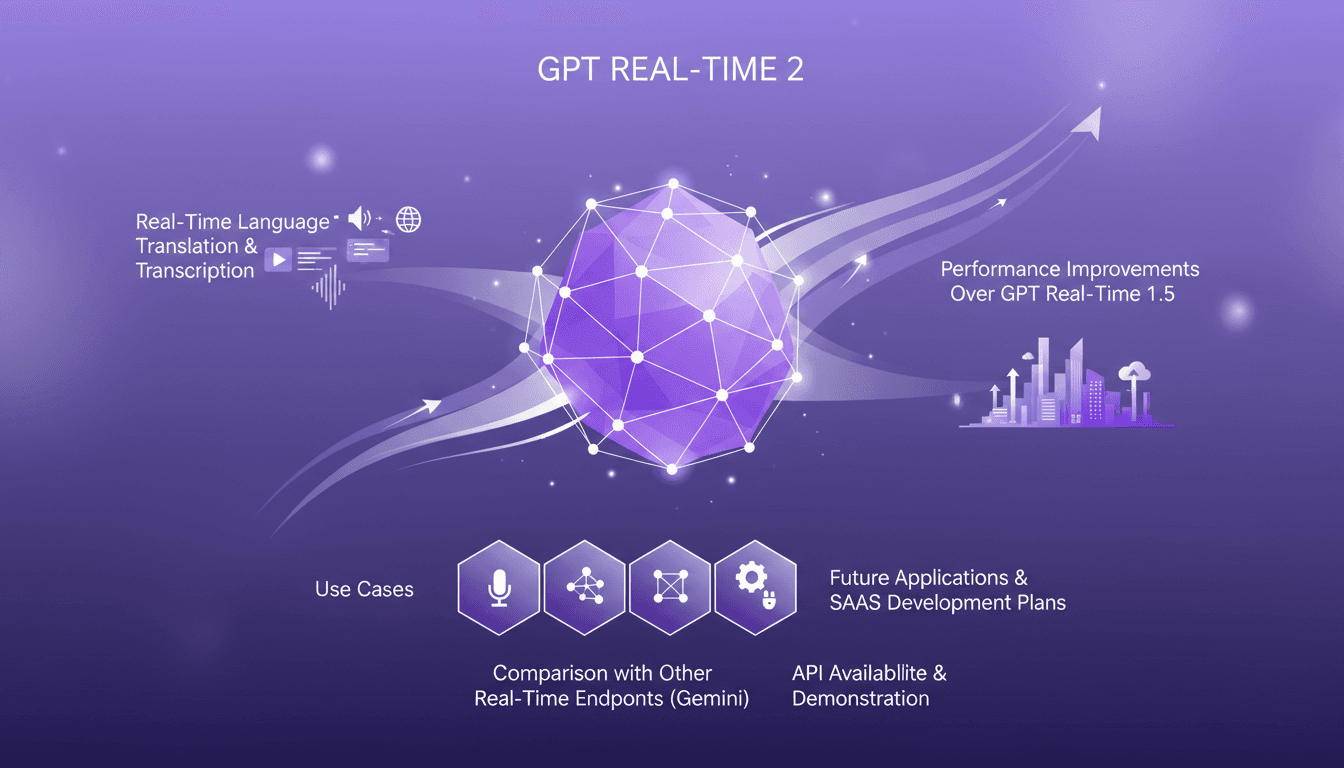
GPT Real-Time 2: Performance Boosts and Use Cases
I still remember the first time I tested OpenAI's GPT Real-Time 2 model. It was like upgrading from a bicycle to a sports car—everything was faster, smoother, and just plain better. With this model, I can finally orchestrate real-time translations without a hitch and seamlessly integrate instant transcriptions into my apps. But watch out, it's not without its limits, especially when dealing with heavy loads. In this article, I'll show you how I use this model in real-world scenarios, comparing it with other options like Gemini. We'll also talk about the API, its future applications, and what it means for SaaS development.

IBM Granite ASR: Setup and Optimization
I dove into IBM's Granite Series ASR models to see if they're as fast as they claim. Spoiler: they're impressive, but let's break it down. With AI-driven ASR models becoming crucial for real-time applications, IBM's Granite Series promises speed and accuracy. But how do they really perform in a practical setup? I connect my environment, set up the technical requirements, and put the Granite Speech 4.1 model to the test. Result: a 5.33 word error rate and 95% accuracy. But watch out, there are trade-offs. Set it up right or you'll get disappointed. It's a balancing act between performance and resources.
GPT-5.5 Instant: What's New and Improved
I dove into the new GPT-5.5 Instant, and let me tell you, it's a game changer. But like any tool, it has its quirks. Transitioning from GPT-5.3 to 5.5 isn't as straightforward as it seems. I'll break down how I navigated this technological leap. With this update, OpenAI is pushing us further into AI capabilities. Whether you're a free or paid user, these changes have a direct impact on our everyday applications. Let's dissect the new features of the 5.5 model, the performance enhancements, and I'll share my tips for getting the most out of this advancement.
GPT 5.5 Instant: Revolution and Comparison
I've been diving deep into OpenAI's latest release, the GPT 5.5 Instant model. It's not just another upgrade; it's a genuine game changer in the AI world. Let me walk you through what I've discovered. With its multimodal capabilities and performance enhancements, the promises are big. But how does it really stack up against its predecessors? I'll show you how it performs in benchmark tests, how its API might revolutionize our future use cases, and why it might just outdo the Claude Haiku 4.5 model. Get ready, because this journey is intriguing.