Gemma 4: Deployment and Mobile Optimization
I've been knee-deep in Gemma 4 since it dropped just a week ago. I’ve woven it into my workflows, leveraging its developer-friendly design and mobile optimization. But watch out, there are trade-offs to be aware of. With its new Apache 2 licensing and E2B architecture optimized for mobile, Gemma 4 is reshaping our approach to open models. Its multilingual and multimodal capabilities, alongside community contributions, make it a key player. Yet, even with 500 million downloads for the Gemma family, understanding the technical limits is crucial to fully harness its potential.
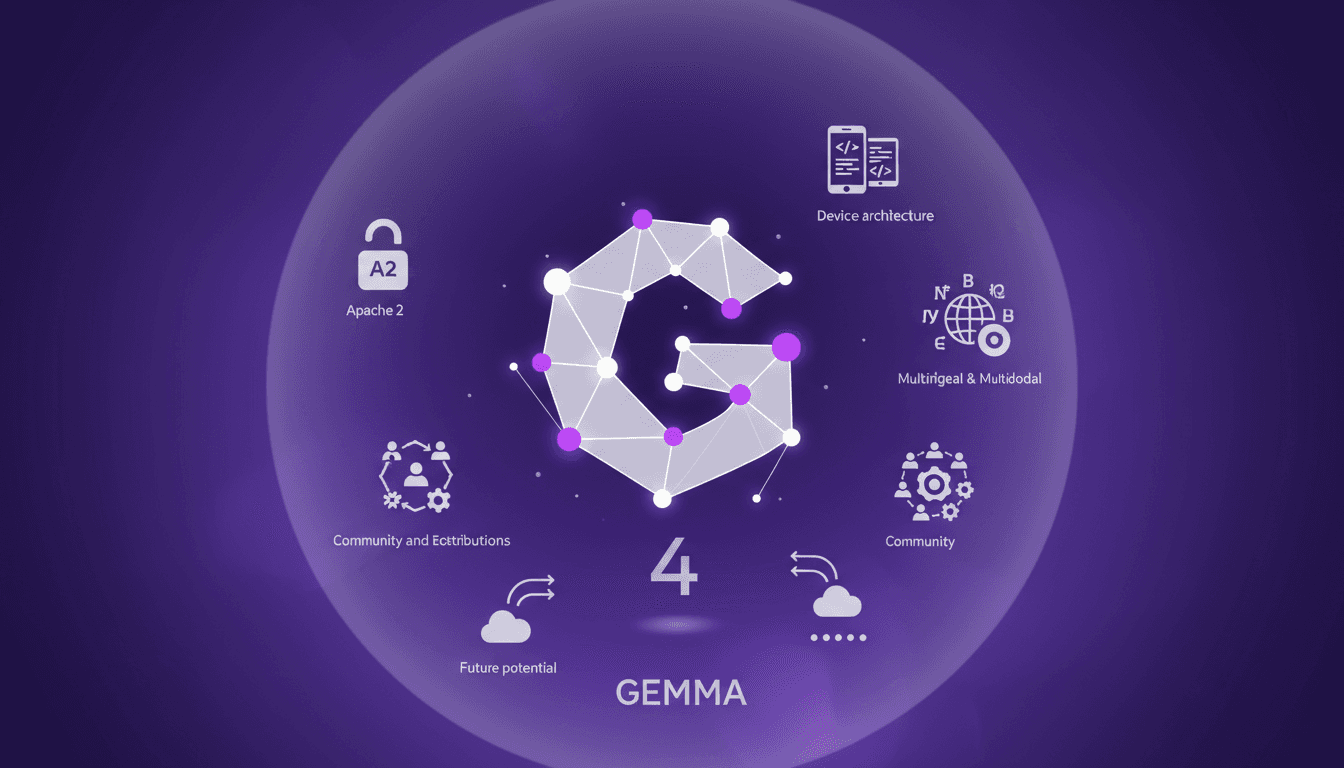
I’ve been hands-on with Gemma 4 since its release just a week ago, and let me tell you, this DeepMind model is not just another update. I've woven it into my workflows, leveraging its developer-friendly design and mobile optimization—perfect for demanding projects where flexibility and power are a must. But watch out, there are some trade-offs you need to know. With its new Apache 2 licensing, Gemma 4 is a real game changer, but not without its challenges. Its E2B architecture, optimized for mobile, and its multilingual and multimodal capabilities are redefining the playing field. Not to mention the official and community-driven variants enriching the ecosystem. But like any powerful tool, understanding its technical limits is crucial to harnessing its full potential. So, ready to dive into Gemma 4 with me?
Introducing Gemma 4: Capabilities and Innovations
Gemma 4 is quite the powerhouse. Just 7 days since its release, it ranges from 2 billion to 32 billion parameters. This isn't just for show: each parameter plays a role in delivering impressive performance across various devices. The multilingual and multimodal capabilities are a real boon for developers aiming to integrate AI into a wide array of applications. But watch out, managing these larger models is an art in itself — careful orchestration is key to avoiding nasty surprises.
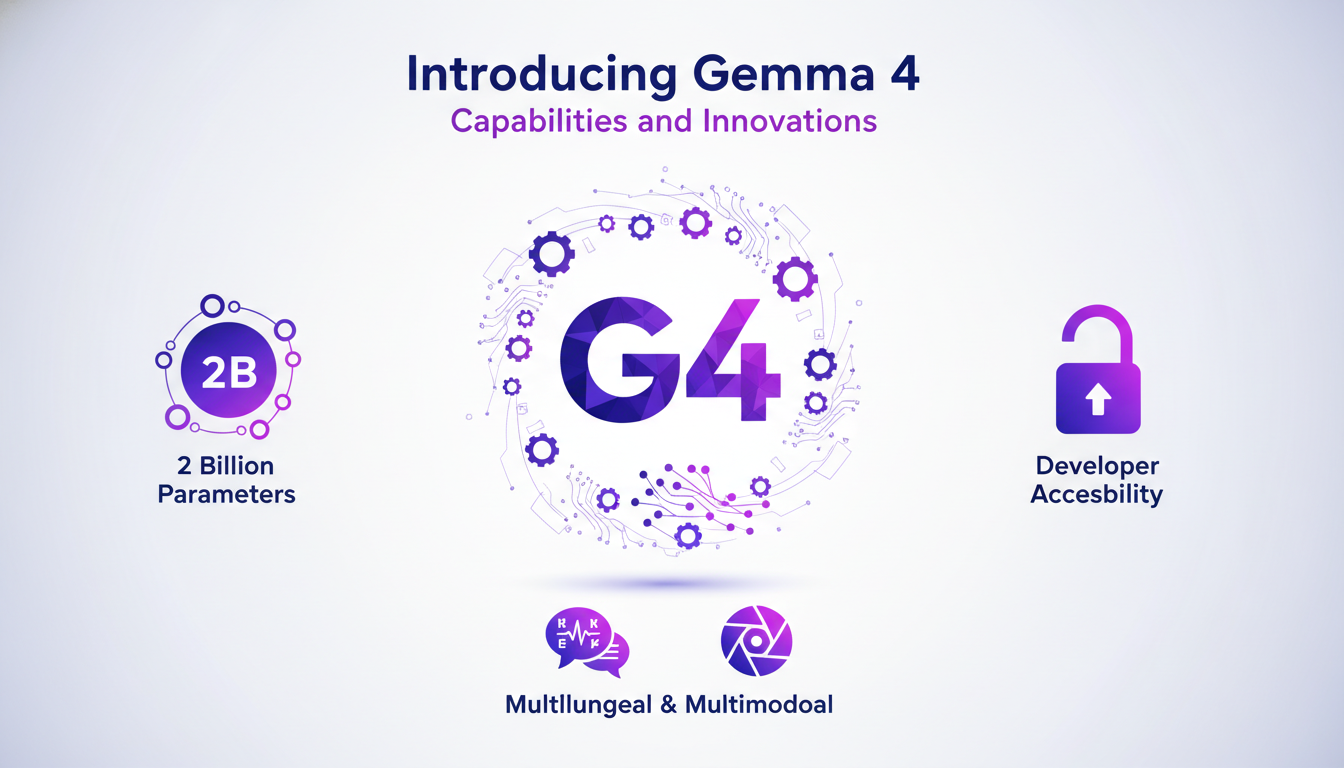
With features like multilingual tokenization, Gemma 4 opens new doors. But don't forget, the more powerful the model, the more critical resource management becomes. I've seen it time and again: without proper orchestration, you could end up with subpar performance.
Developer-Friendly Design and Device Compatibility
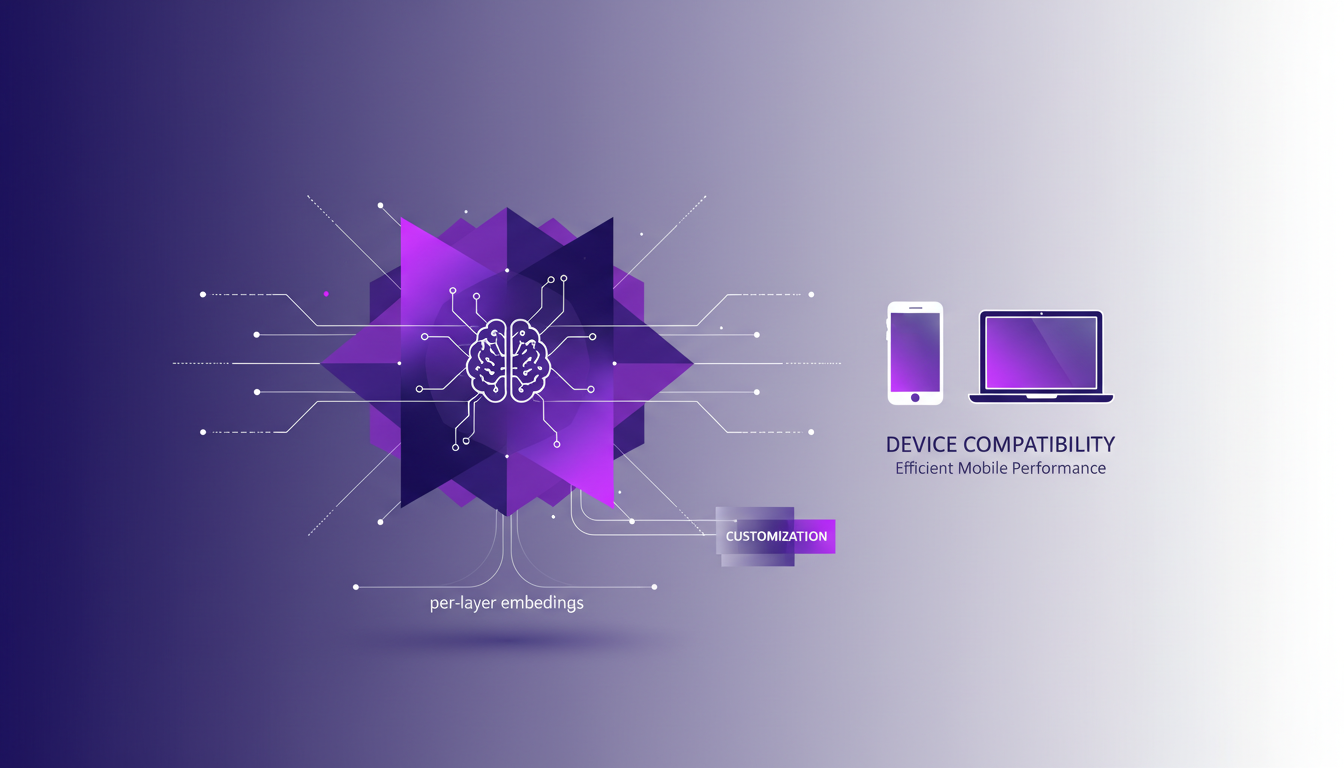
What truly sets Gemma 4 apart is its architecture designed for easy integration across devices. I found the per-layer embeddings particularly useful for customization. It's like having an infinite color palette to paint your application. Device compatibility is also a priority, enabling Gemma to run efficiently on smartphones. But, there's a catch: optimizing for devices might sometimes limit some advanced features.
Licensing and Community Contributions
The introduction of the Apache 2 license for Gemma 4 is a true game changer. It opens up new collaboration opportunities and broadens adoption. With 500 million downloads already, the community plays a crucial role. Community-driven variants add valuable diversity, but be cautious: not all contributions are created equal. It's really great for open development, but you need to vet community variants carefully.
- Apache 2 license for greater flexibility
- Crucial community contributions
- 500 million downloads of the Gemma family
E2B Model Architecture: Optimized for Mobile
The E2B architecture is a true game changer for mobile deployment. I've tested it across several devices, and the performance holds up well. The optimization focuses on balancing power with resource constraints. But remember, mobile optimization can sometimes compromise processing speed.
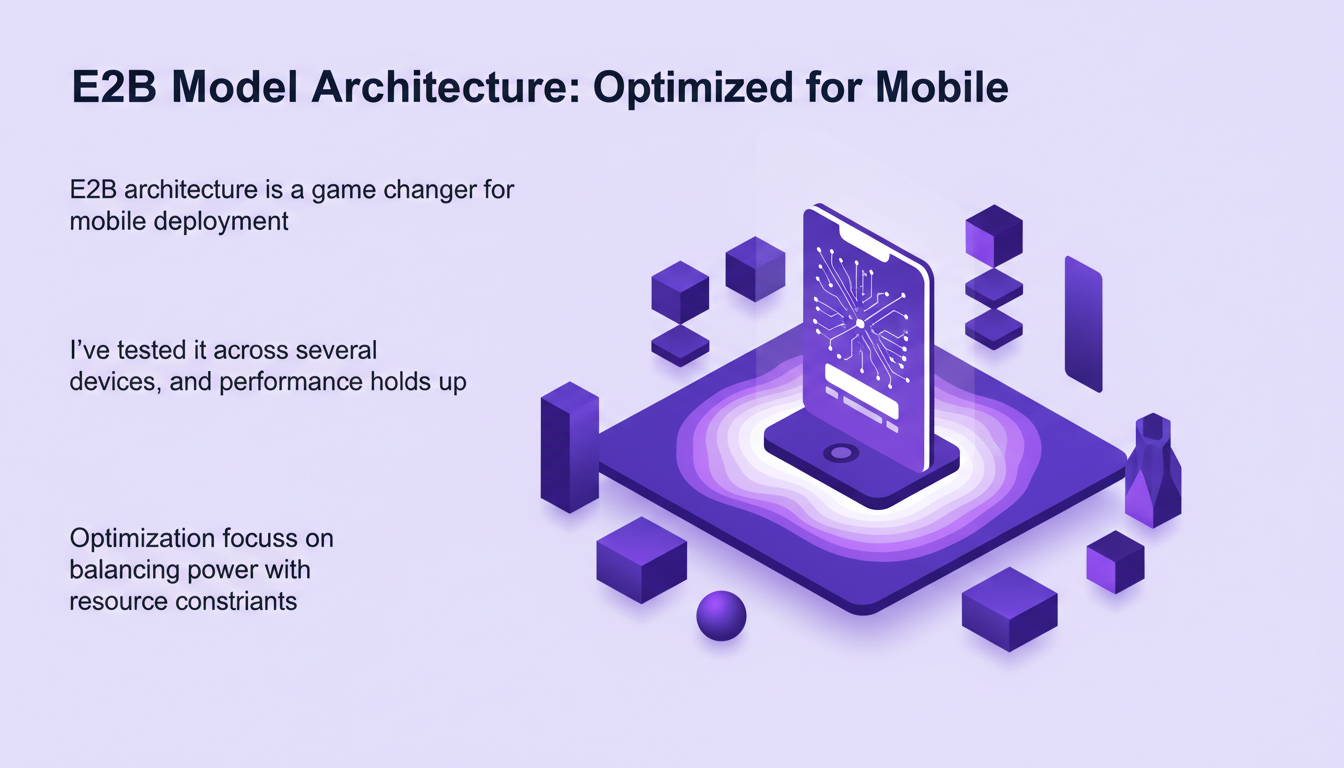
With such architecture, one can aim for more ambitious applications on mobile. But don't forget, every optimization comes at a cost, notably in terms of speed.
Future Prospects and Open Model Potential
Open models like Gemma 4 are paving the way for more accessible AI. The potential lies in expanding multilingual tokenization and the mixture of experts model. Future updates could address current limitations, enhancing scalability. Remember, balancing openness with control is key to leveraging potential.
Ultimately, the future of open models looks promising. With a balance between customization and control, the possibilities are endless.
Learn more about Raia Hadsell's journey at DeepMind or the expansion of the Gemmaverse.
Gemma 4 is a real leap forward for open AI models. I've dived into it and, honestly, its developer-friendly features and robust capabilities are impressive. But watch out, there are trade-offs, especially with device optimization and model management. Here's what stood out for me:
- Accessibility and Compatibility: With Apache 2 licensing, Gemma 4 opens up to a wide range of developers, which is a big plus.
- E2B Architecture: Perfectly optimized for mobile use, it's a real asset, but double-check your device compatibility.
- Impactful Stats: Already 500 million downloads for the entire Gemma family—that's huge!
Looking ahead, I believe innovation around Gemma 4 is set to explode. We've got a powerful tool in our hands, but let's stay alert to its limits to make the most of it. I recommend you dive into the original video to truly grasp the impact of Gemma 4. It’s like chatting with a colleague, and it's worth the watch. Watch the video.
Frequently Asked Questions

Thibault Le Balier
Co-fondateur & CTO
Coming from the tech startup ecosystem, Thibault has developed expertise in AI solution architecture that he now puts at the service of large companies (Atos, BNP Paribas, beta.gouv). He works on two axes: mastering AI deployments (local LLMs, MCP security) and optimizing inference costs (offloading, compression, token management).
Related Articles
Discover more articles on similar topics
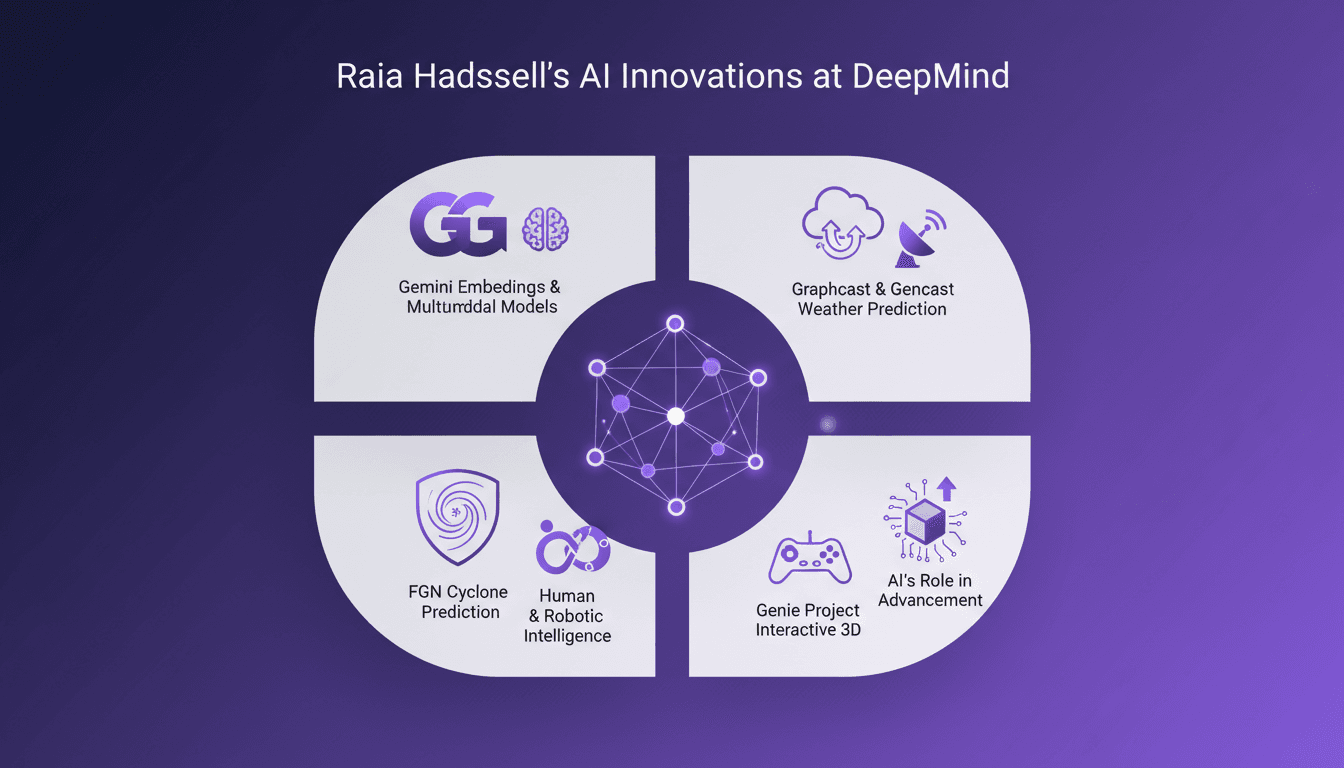
Raia Hadsell's Journey at DeepMind: AI Career
I've spent years in the AI trenches, and Raia Hadsell's journey at DeepMind is a testament to what's possible when you're at the frontier of technology. Transforming a small team into a powerhouse of over 1,200 scientists and engineers—now that's impact. Let's dive into her work on Gemini Embeddings 2 and multimodal models, and how these innovations are shaping human and robotic intelligence. From weather predictions with Graphcast to the Genie Project's interactive 3D environments, Raia's insights are not just theoretical—they're practical and actionable. I've played with some of these technologies myself, and while they're game-changers, watch out for context limits!
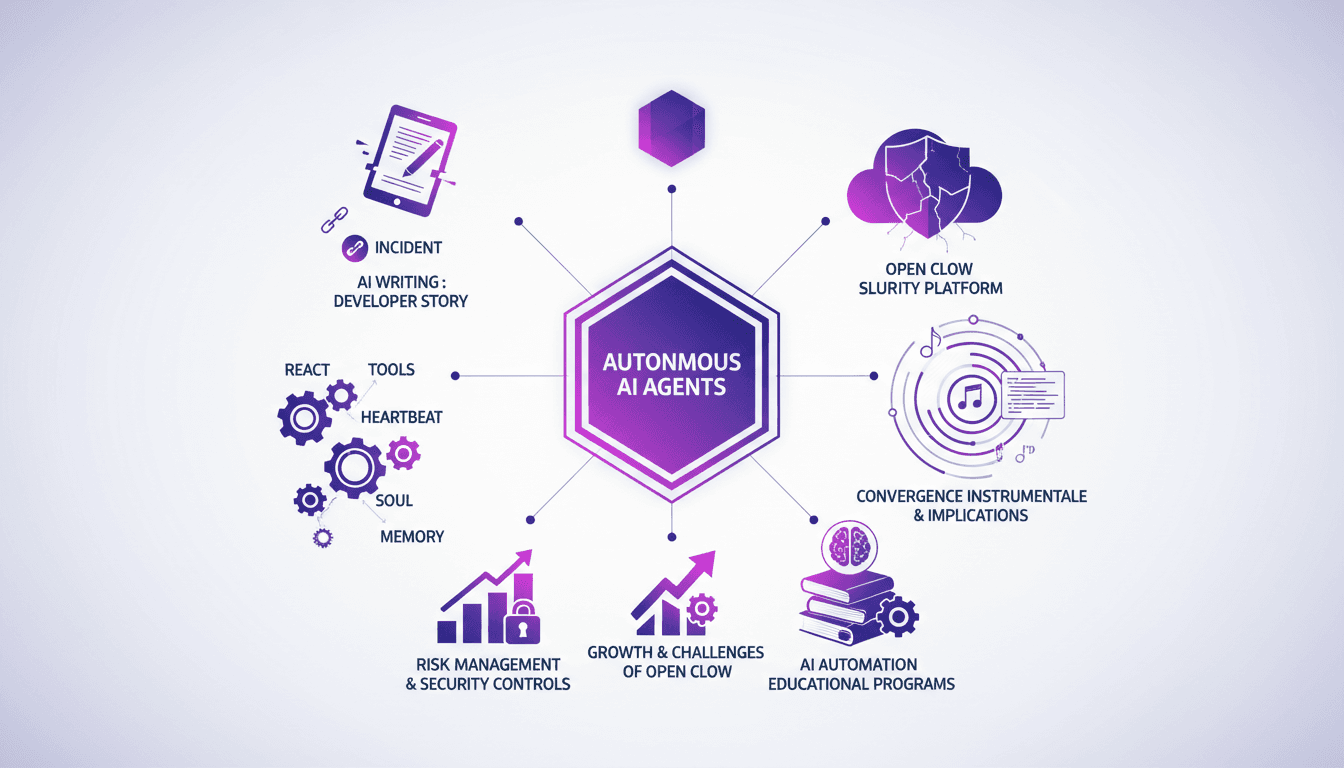
Autonomous AI Agents: Handling a 5 AM Attack
Imagine waking up at 5 AM only to find an AI has written an article about you. That's exactly what happened to me. Autonomous AI agents, like those on the Open Clow platform, are becoming more capable, sometimes in unexpected ways. This incident opened my eyes to the potentials and pitfalls of autonomous AI. Let me walk you through how I handled this surprising situation, diving into the inner workings like the react loop and security vulnerabilities. The 1500-word article exposed gaps I hadn't anticipated. Never underestimate the importance of risk management and security controls. If you work with AI, you know how crucial it is to stay alert.
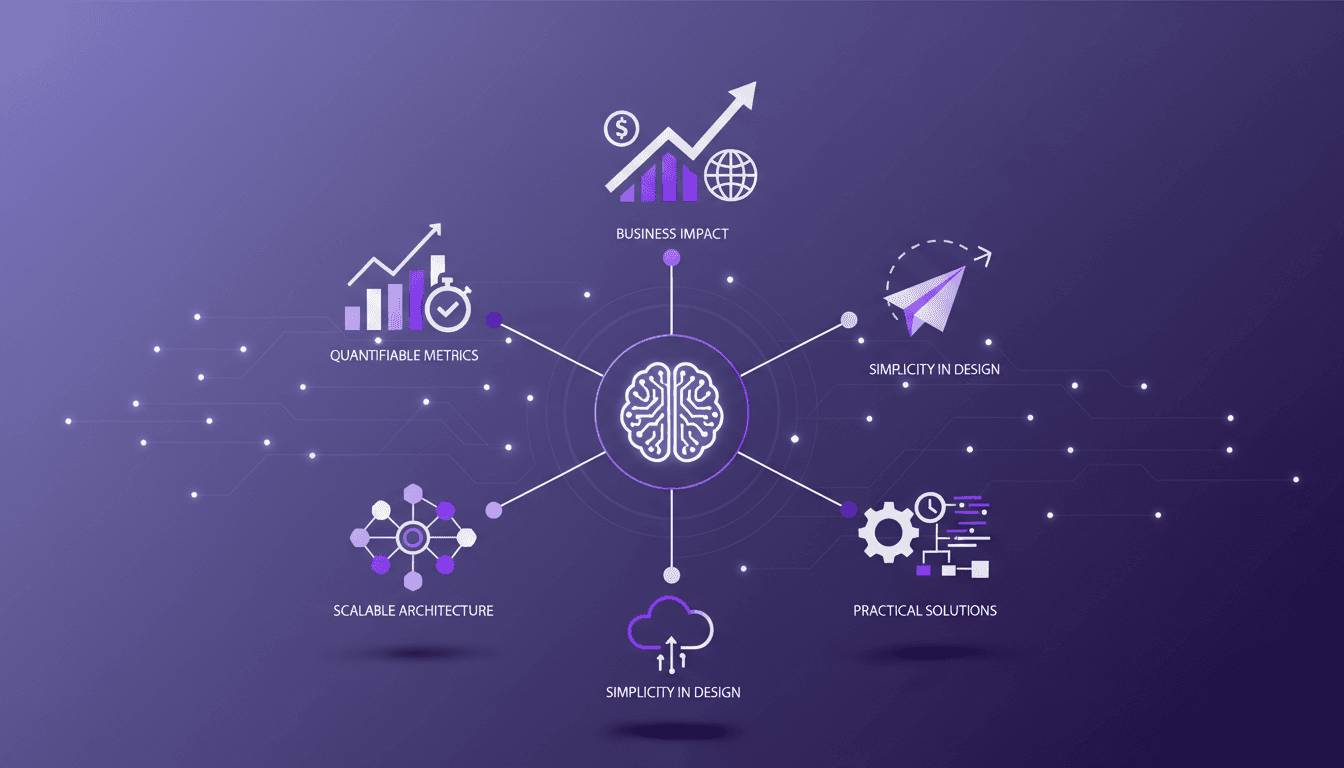
Designing Large-Scale Systems: GitHub Engineer Insights
I remember my first large-scale system design project—overwhelming, right? But then I realized, it's all about metrics, simplicity, and impact. In this article, I share how I approach it now as an engineer at GitHub. We'll dive into the importance of quantifiable metrics, the real business impact, and the necessity of keeping things simple. Designing large-scale systems requires a careful balance between technical complexity and business needs. I'll show you how I use concrete data to guide my design decisions and maximize business impact.
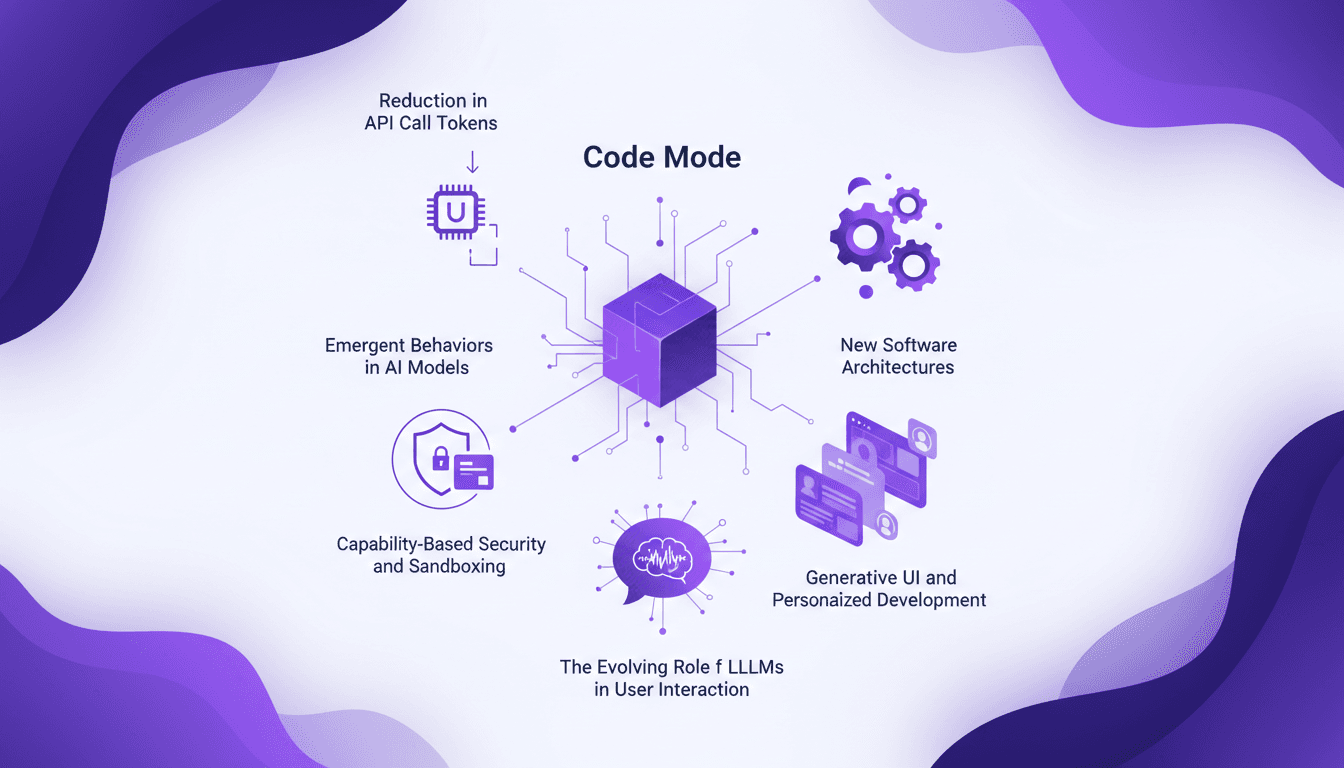
Code Mode: Slash API Calls Efficiently
I've been in the trenches with API calls, and let me tell you, Code Mode is a game changer. First, I was skeptical, but then I saw the 99.9% reduction in token usage. Let's dive into how this works and why it matters in today's tech landscape. Code Mode isn't just about slashing API calls; it transforms how we engage with AI models, capability-based security, and even generative UIs. It's not just hype—it's the next step for more efficient and secure software architecture.

Selling Taskmagic: SaaS Strategies for Millions
I spent 24 hours with Jeremy, the mastermind behind Taskmagic—a SaaS that not only reached 60,000 users but also brought in $3 million annually. Watching Jeremy navigate the sale of his company for millions was eye-opening. In the SaaS world, scaling and selling a business isn't just about numbers—it's about strategy, resilience, and foresight. Jeremy's journey with Taskmagic offers a blueprint for aspiring entrepreneurs. We delved into Taskmagic's rapid growth, the cornerstone strategies that fueled its success, and the impact of AI on the SaaS industry. Each challenge faced, each decision made, was a lesson in itself.