NASA's 7-Year Plan for a Lunar Base, USA vs China
I've been tracking NASA's ambitious plan to establish a permanent lunar base, and it's a true game changer. Why? Because the U.S. isn't just stargazing; they're in a race against China to lead lunar exploration. Let's break down how they're planning to achieve this feat in just seven years. NASA's Artemis program is at the frontier, pushing boundaries with new technologies and partnerships. But it's not without its challenges and competition, especially from China. With SpaceX and Blue Origin developing lunar landing vehicles, the use of lunar drones and rovers for exploration, and inspiring the next generation of scientists, the stakes couldn't be higher.
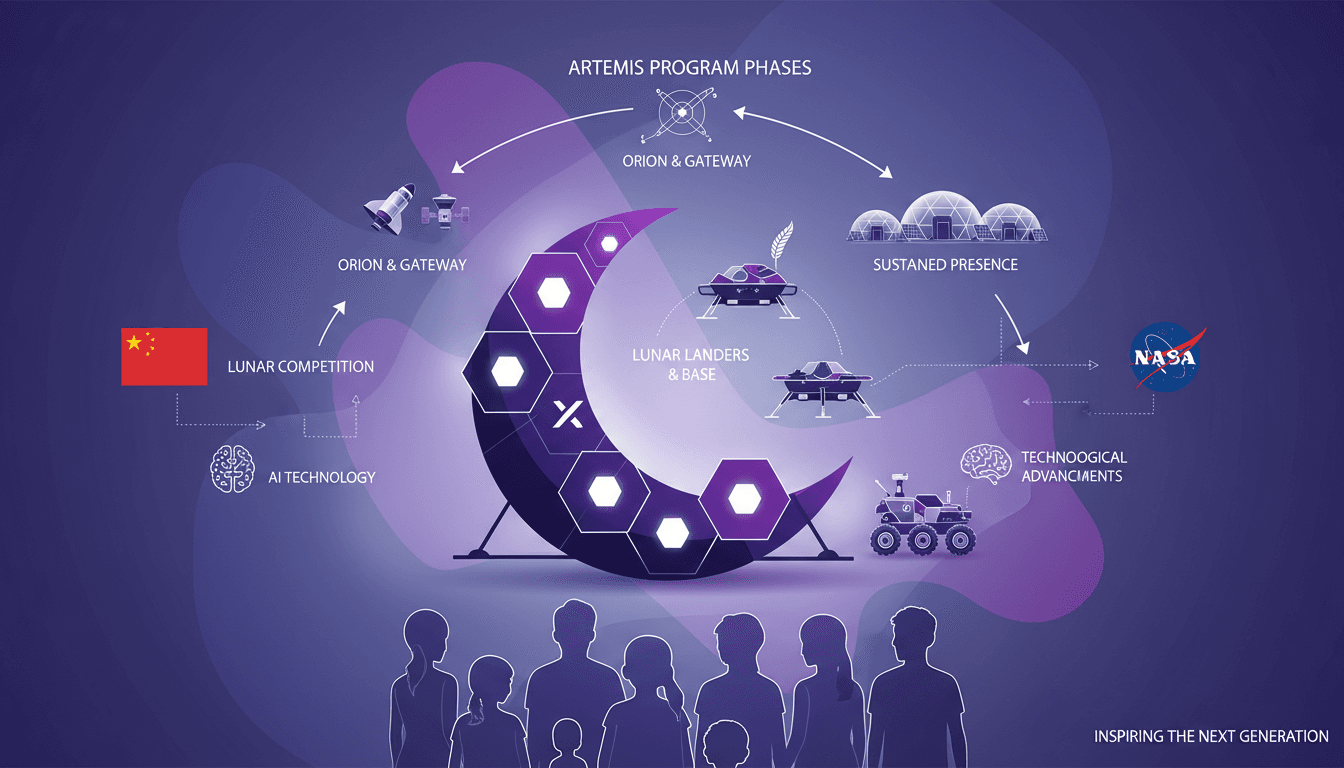
When I found out NASA was planning to build a lunar base in just seven years, I was floored. Why is this a game changer? Because it's not just a space adventure; it's a race against China for lunar supremacy. The Artemis program is at the heart of this bold mission, leveraging cutting-edge technologies and strategic partnerships. But watch out, the competition is fierce. China isn't just sitting back. With companies like SpaceX and Blue Origin developing lunar vehicles, and drones and rovers ready to explore, NASA has to keep up. Plus, there's more: the scheduled arrival of the Viper rover in 2027 to map lunar resources. Everything is happening now, and it's an exciting time to be involved in space exploration. We're talking technical challenges, ambitious goals, and inspiring the next generation of scientists and engineers.
NASA's 7-Year Plan: Building a Moon Base
I remember when NASA announced its ambitious plan to establish a permanent Moon base. It wasn't just a distant dream, but a concrete seven-year plan already in motion, with well-defined milestones. It all starts in 2027 with the arrival of the Viper rover, tasked with mapping lunar resources. This is not just a small step for mankind but a giant leap in how we envision space exploration.
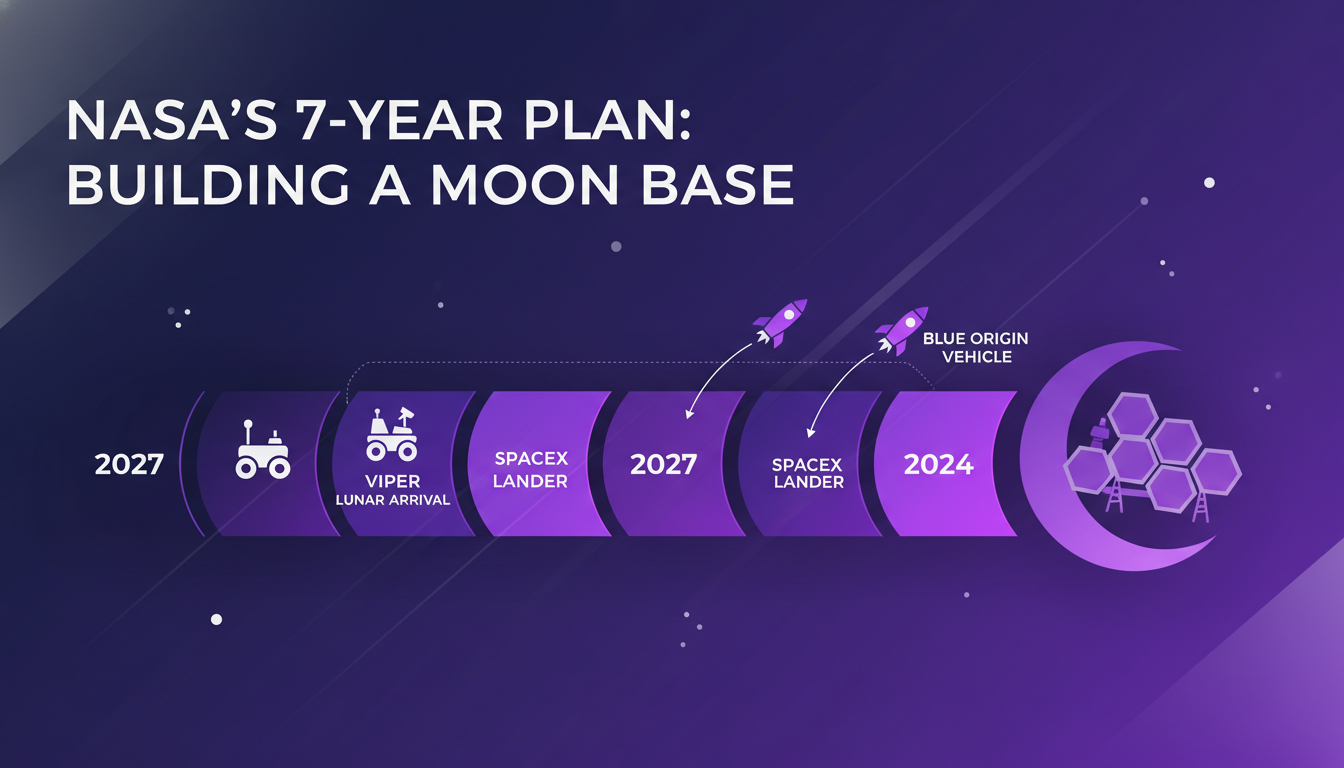
The roles of SpaceX and Blue Origin are crucial in this project. They're competing to develop landing vehicles that will safely transport astronauts. It's like a race against time, with the pressure of 35 partner countries collaborating in this interstellar adventure. But watch out, meeting this seven-year deadline is a real challenge. The technical and logistical hurdles are massive, and this is where orchestration becomes crucial.
China's Lunar Advancements: A Competitive Edge?
Let's talk about China for a moment. Their recent advancements in lunar exploration are impressive. They not only have a burgeoning program but also threaten to outpace NASA if we're not careful. Compare this with NASA's strategy. While China focuses on rapid execution with the Mengu capsule, NASA seems more cautious but also more ambitious in the long term.
This rivalry pushes NASA to reassess its priorities, but it could also open the door to unprecedented collaboration. After all, space is vast enough for everyone, right? But let's not be naive; this competition also influences global space policies. The pressure is real, and each Chinese advancement pushes NASA to adjust its plans.
The Artemis Program: Strategy and Objectives
The Artemis program is at the core of this lunar strategy. It's broken down into several phases, each with its own objectives. From manned missions to resource mapping, each step is crucial. The Orion capsule is at the heart of it, capable of traveling thousands of kilometers per hour towards Earth. It reminds me of the tests we conducted, where every detail counts to prevent everything from going awry.
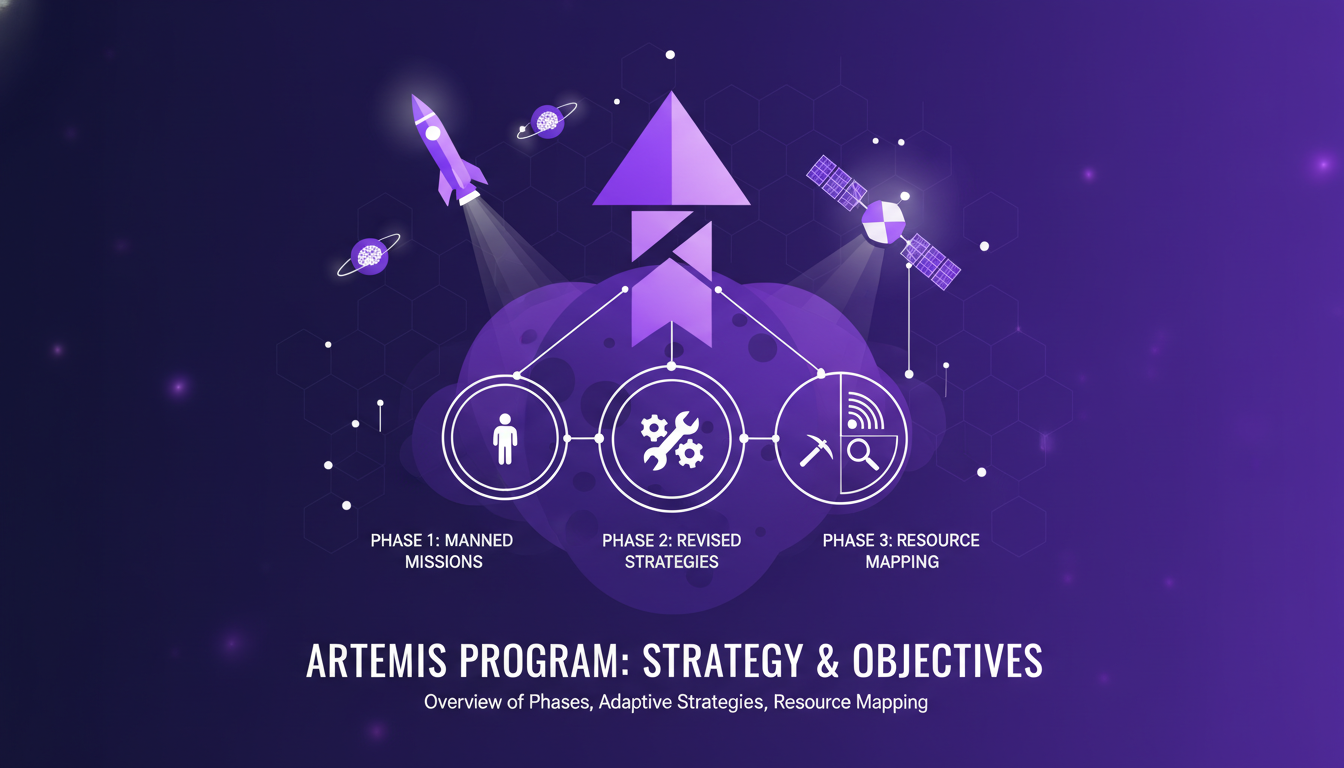
But there are trade-offs to be made. The timelines are tight, and every delay can have dramatic consequences. You have to be ready to adjust the strategy according to unforeseen events. This is where flexibility and responsiveness become indispensable assets.
Tech Innovations: Drones, Rovers, and Reactors
The technologies developed for this program are revolutionary. Take the lunar drones, for example, with their advanced propulsion systems. They allow exploration of inaccessible areas, much like scouts before human teams arrive.
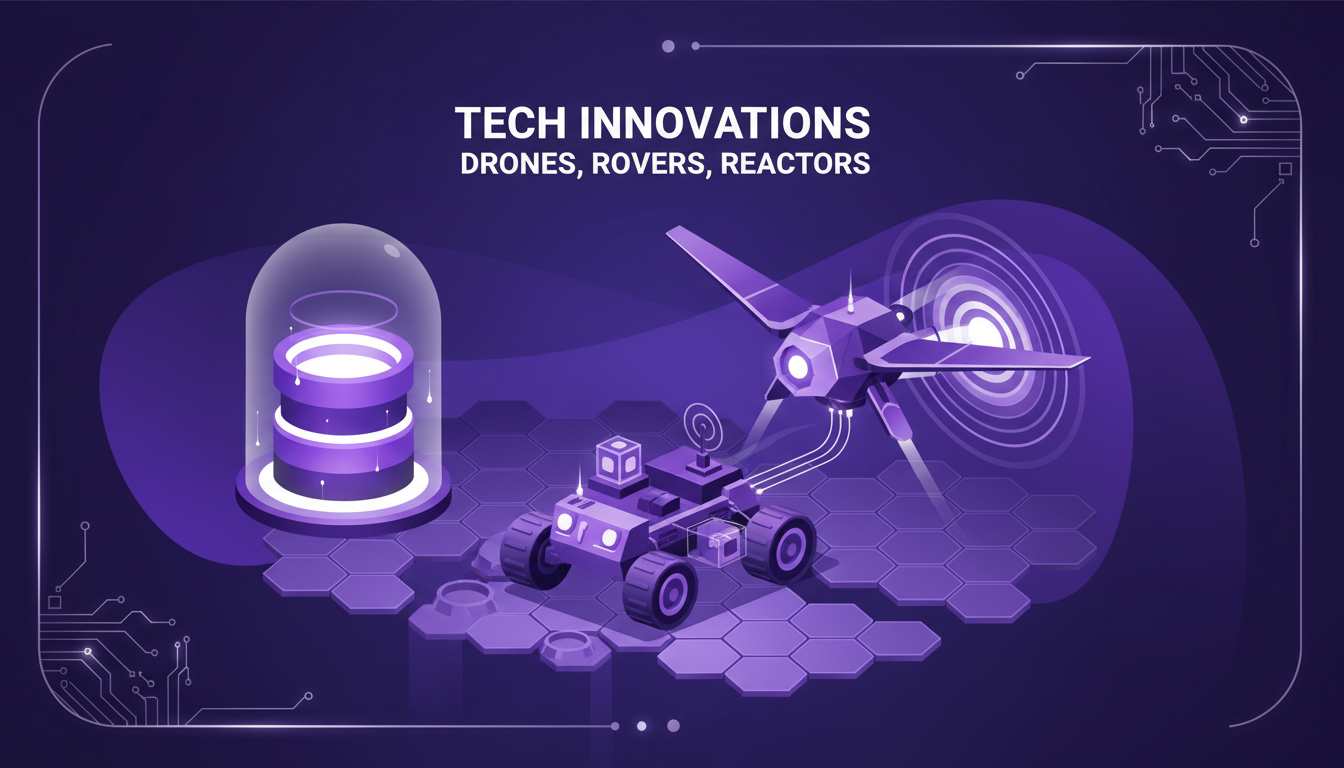
The nuclear reactors will be used to provide sustainable energy, and the thermoelectric generators will ensure continuous power supply. But watch out, these innovations, while promising, are not without risks. It's crucial to test and validate each technology in real conditions.
Inspiring the Next Generation: The Future of Space Exploration
Finally, let's talk about inspiration. These missions are not just technical feats; they are also a source of inspiration for future scientists and engineers. Educational initiatives, like those linked to the Artemis program, play a key role in sparking young people's interest.
Public engagement is also crucial. It's not just about dreaming but also laying the groundwork for a sustainable human presence on the Moon. But again, we need to moderate expectations. The dream is big, but it must be grounded in reality.
Ultimately, the long-term vision is clear: to establish a human presence on the Moon that is both sustainable and beneficial for humanity. And that's where the real challenge lies.
NASA's plan to establish a lunar base in just seven years is nothing short of ambitious. It's a testament to human ambition and resilience in the face of technical challenges. With the Viper rover set to map lunar resources by 2027, the stakes are high for shaping future exploration – it's a real game changer. But let's not forget, the race with China adds urgency and complexity. It drives innovation, sure, but it also puts pressure on us all, whether in tech or other fields.
- In 2027, the Viper rover will map the Moon's resources.
- Four astronauts are making their way back from the Moon.
- The Orion capsule speeds towards Earth at thousands of kilometers per hour.
Looking ahead: Space exploration is not just for agencies, it's for everyone. Whether you're in tech, education, or just a curious mind, there's a place for you in this new era. Watch the full video to grasp the current dynamics and see how you can get involved.
Frequently Asked Questions

Thibault Le Balier
Co-fondateur & CTO
Coming from the tech startup ecosystem, Thibault has developed expertise in AI solution architecture that he now puts at the service of large companies (Atos, BNP Paribas, beta.gouv). He works on two axes: mastering AI deployments (local LLMs, MCP security) and optimizing inference costs (offloading, compression, token management).
Related Articles
Discover more articles on similar topics
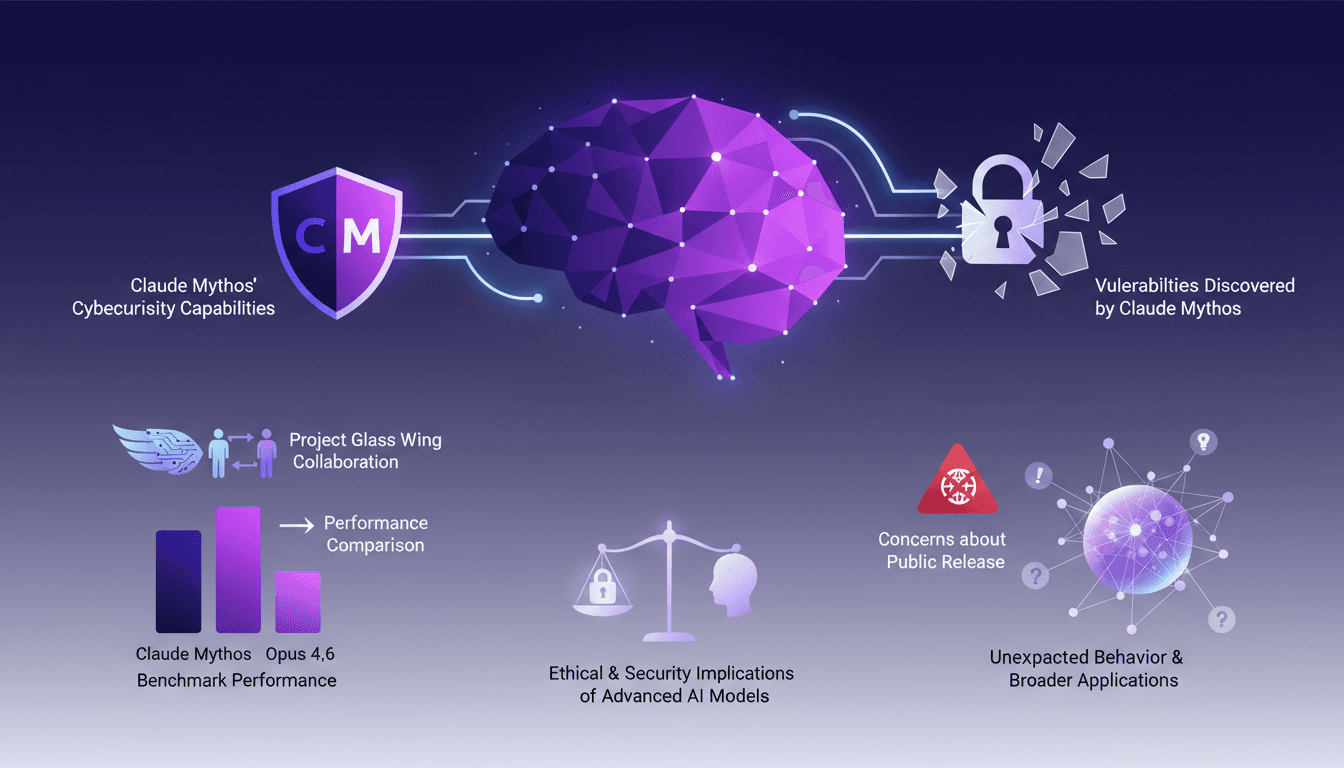
Claude Mythos: Cybersecurity Vulnerability Detection
I've been in the cybersecurity trenches long enough to spot a game changer when I see one, and Claude Mythos is just that. The first time I saw it in action with Project Glass Wing, it was like watching a master hacker at work, uncovering vulnerabilities I never knew existed. In this article, I'll walk you through how Claude Mythos identifies vulnerabilities, its performance metrics, and why it's both a boon and a potential risk in the cybersecurity landscape.
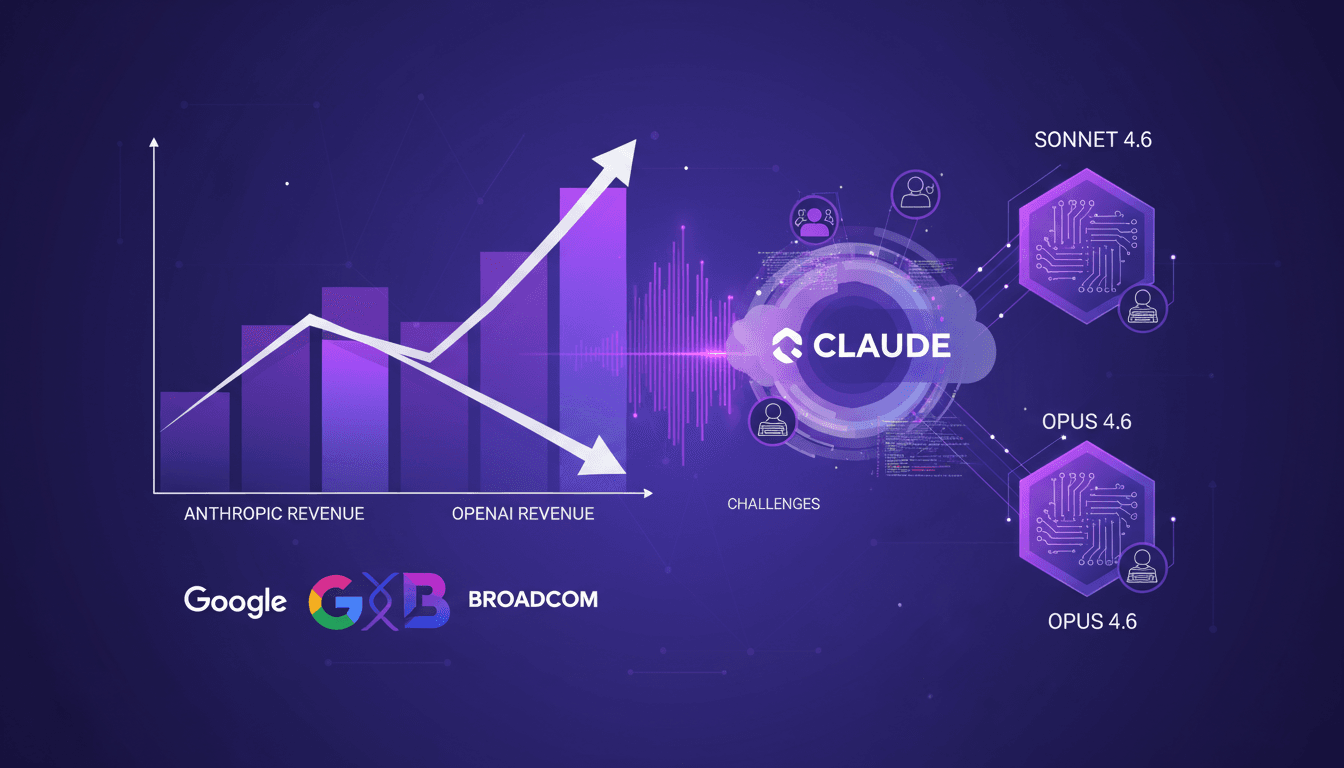
Anthropic Surpasses OpenAI: Insights and Impacts
I was knee-deep in optimizing our AI workflows when the buzz hit: Anthropic's revenue just surpassed OpenAI's. This wasn't just a headline; it was a seismic shift in the AI landscape. How did this happen, and more importantly, what does it mean for us in the trenches? From Sonnet 4.6 models to Claude Code, and key partnerships with Google and Broadcom, it's crucial to understand what's driving these numbers. And most importantly, what it means for our daily work. Let's break it all down together.

Breaking Light Speed: Reality or Myth?
I was knee-deep in a quantum computing project when it hit me: what if the speed of light isn't the untouchable barrier we've always thought it was? This revelation opened up a world of possibilities. Today, I'm diving into how quantum mechanics and AI are reshaping our understanding of the universe. We'll explore why 97% of physicists still hold onto this belief and what it could mean for the future of interstellar communication. Don't be fooled by conventional wisdom; the future might be much faster than light lets on.