Generous Tipping: Impact and Management
I remember a customer who wanted to speak to the manager—not to complain, but to leave a £300 tip! It got me thinking about tipping dynamics, restaurant expansion dreams, and the harsh realities of equity in the business. In the restaurant world, every decision—from generous tipping to planning new diners—impacts profitability and equity distribution. In this interview, we dive into how these elements play out in real life and what it means for those dreaming of expanding their culinary horizons.

One day, a customer insisted on speaking to the manager. Not for a complaint, but to leave a £300 tip. That really got me thinking. We often talk about tips as just small gestures, but in our industry, it goes way beyond that. It was then I started considering the broader implications—dreams of expanding my own restaurant chain across the UK and the harsh realities of equity within our businesses. Every decision, every generous tip directly impacts profitability and equity distribution. In this industry, you can't just daydream. You need to orchestrate every move with precision. In this interview, I delve into these dynamics, sharing field experiences—the successes, the failures, and the lessons learned. If you're like me, juggling between inspiration and economic reality, now's the time to explore how these puzzle pieces fit into our daily lives.
Generous Tipping: More Than Just Gratitude
Picture this: a customer asks to speak to the manager, and out of the blue, a £300 tip lands on the table. It's more than a monetary gift; it's a powerful message of customer satisfaction. I've seen firsthand how such gestures can boost team morale instantly.

But here's the rub: while a £300 tip can be a morale booster, it can also create financial imbalances if not managed well. From my experience, it's crucial to have a strategy for distributing large tips equitably among staff to avoid long-term issues.
- Immediate impact: Increased staff motivation.
- Risks: Potential financial imbalance.
- Advice: Have a fair strategy for handling large tips.
Dreams of Expansion: The Chef's Vision
The chef dreams of opening more diners across the UK. But let's be real, expansion isn't a walk in the park. I've watched brands stumble because they couldn't balance their ambitions with market realities.
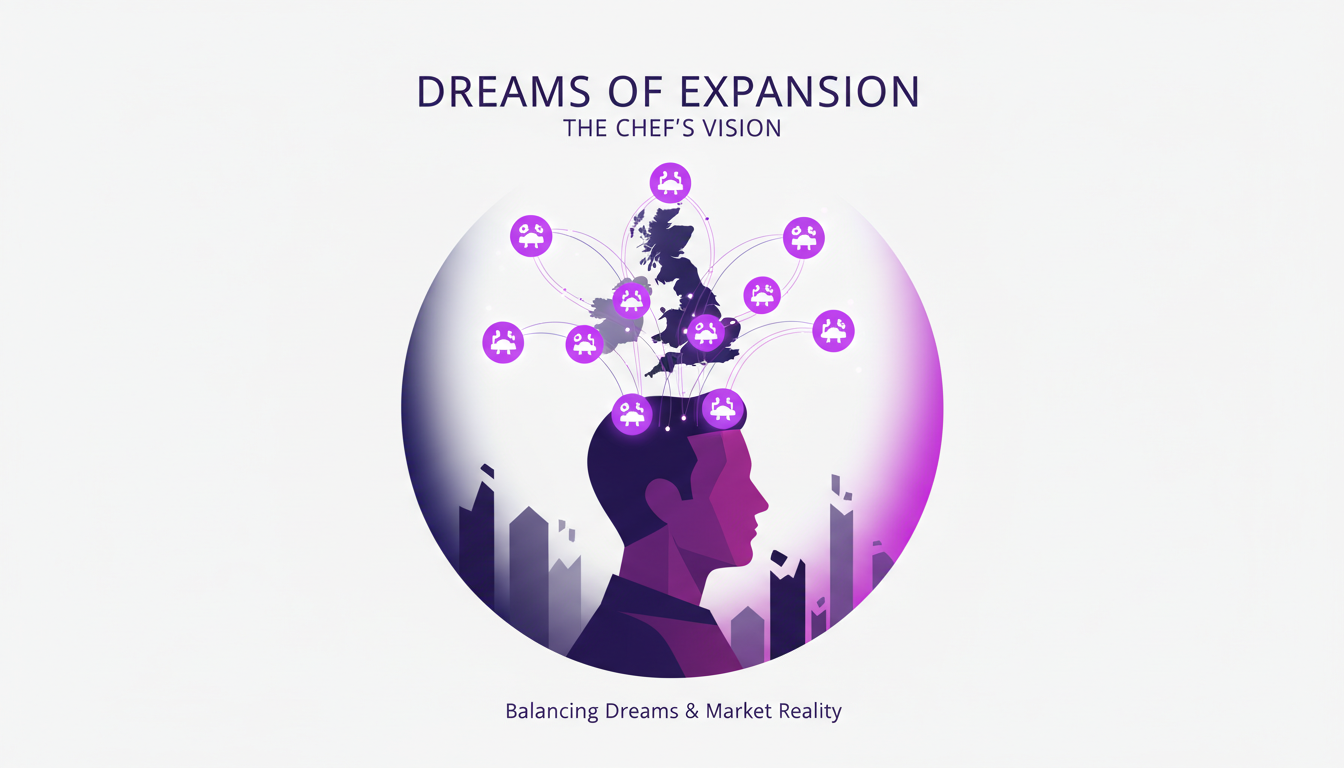
The key is maintaining the brand identity while adapting to new locales. I've found that successful expansion relies on thorough market research and the ability to tweak the concept without losing its essence.
- Challenge: Maintaining brand identity.
- Strategy: Market research and local adaptations.
- Advice: Don't sacrifice quality for quantity.
Profitability: The Backbone of Expansion
The restaurant's current profitability is a major asset, but expansion can quickly threaten this balance. I've been burned by trying to grow too fast. Tracking key metrics like cost of goods and operational efficiency is crucial.
A common mistake is assuming more locations will automatically lead to higher profits. Sometimes, it's the opposite. So, how to ensure sustainable growth? By orchestrating each new opening with an eye on efficiency and profitability.
- Key metrics: Cost of goods, operational efficiency.
- Pitfall: Over-expansion.
- Strategy: Sustainable, well-orchestrated growth.
Equity in Business: Who Really Benefits?
The chef's lack of equity in the business raises interesting questions about motivation and career choices. Equity can be a powerful tool to retain talent, but it also comes with risks.
In my experience, I've seen chefs become demotivated without a stake in their own success. An interesting case study is businesses that share equity and see increased engagement.
- Pros: Increased motivation.
- Cons: Loss of control.
- Advice: Negotiate equity carefully.
Inspiration vs. Reality: The Cautionary Tale
A drink that inspires opening a restaurant? Sounds romantic, but beware of reality. I've seen people jump in on a whim and hit walls that inspiration alone can't break down.
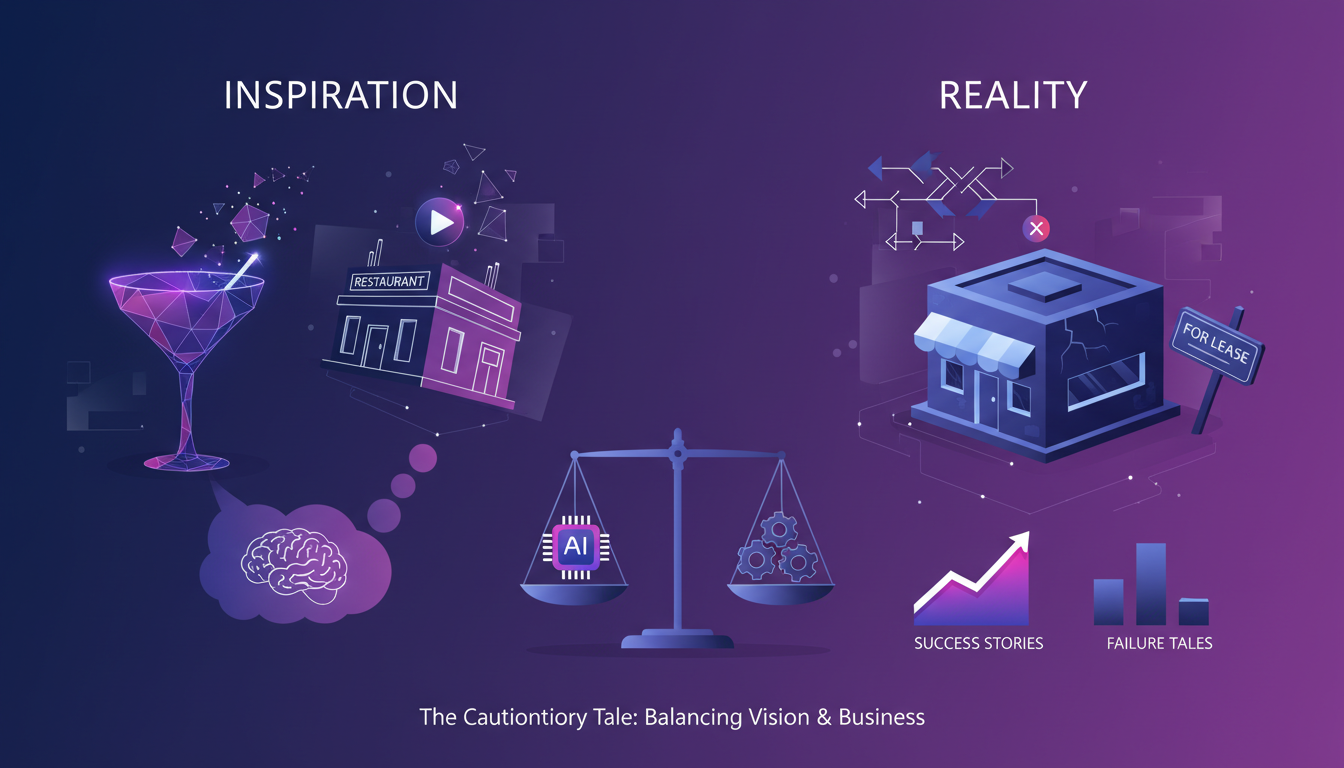
The key is to turn that inspiration into concrete steps, aided by mentorship and realistic goal-setting. I've often found that success hinges on good mentorship and meticulous planning.
- Trap: Jumping in without a plan.
- Solution: Mentorship and planning.
- Advice: Turn inspiration into actionable steps.
In the restaurant industry, generous tipping, like that £300 with an extra £31, can really shift your business dynamics. It not only boosts team morale but can also impact profitability. Then there's the dream of expansion—having ambitions like opening more diners in the UK is fantastic, but remember, it requires meticulous planning and resource management. Finally, the quest for equity is key; properly distributing shares in a successful business can be a game changer for team motivation. So, keep these points in mind, whether you're a chef, manager, or aspiring restaurateur. For a deeper dive, I strongly recommend watching the full video—it's like having a chat with a colleague over coffee. Watch the video here.
Frequently Asked Questions

Thibault Le Balier
Co-fondateur & CTO
Coming from the tech startup ecosystem, Thibault has developed expertise in AI solution architecture that he now puts at the service of large companies (Atos, BNP Paribas, beta.gouv). He works on two axes: mastering AI deployments (local LLMs, MCP security) and optimizing inference costs (offloading, compression, token management).
Related Articles
Discover more articles on similar topics
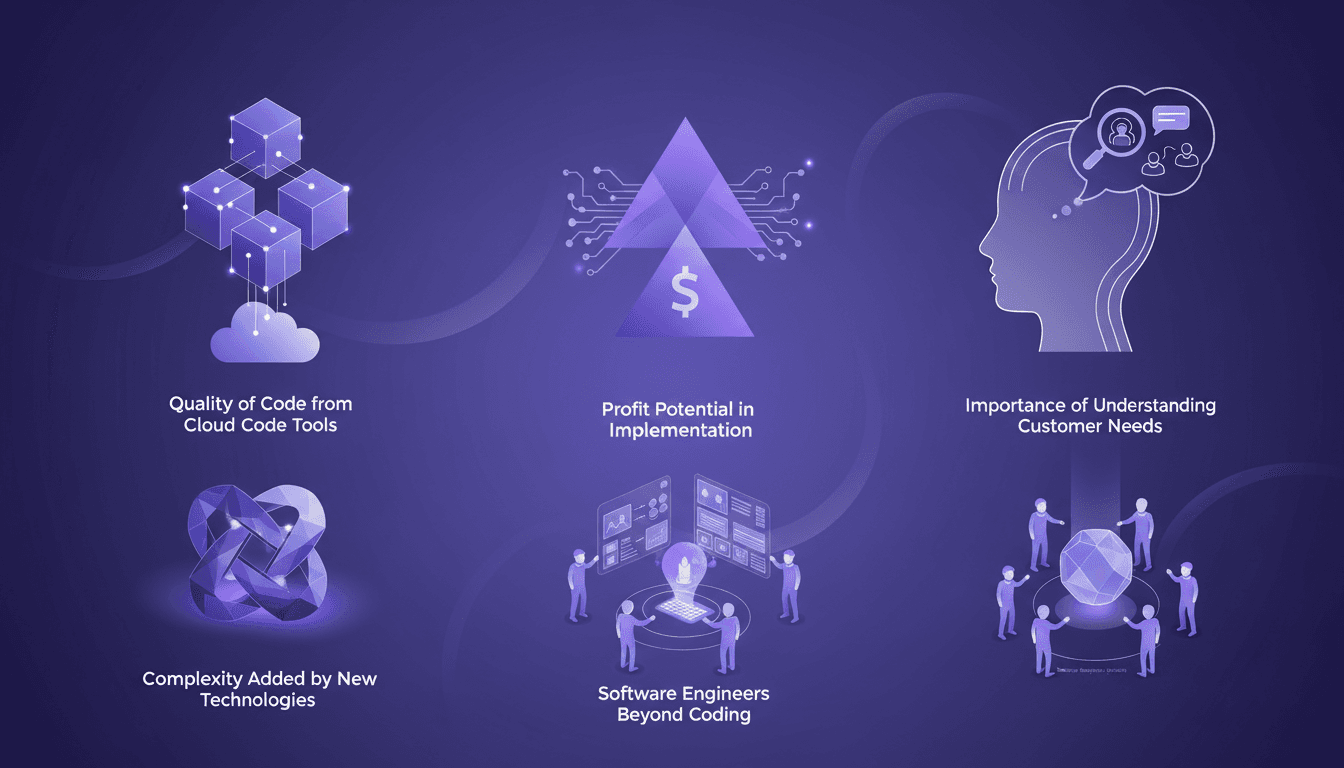
Mastering Cloud Code: More Than Just Coding
I remember the moment I realized writing code was just a fraction of my job. I was knee-deep in Cloud Code tools, believing I was optimizing, but in reality, I was merely scratching the surface. The true game-changer? Understanding the bigger picture. In a world where technology evolves at breakneck speed, a software engineer must wear multiple hats. It's no longer just about the code—it's about leveraging tools, grasping business needs, and driving profits. I've learned that mastering Cloud Code is far more than just coding. And what really shifts the game is the ability to turn lines of code into business impact.
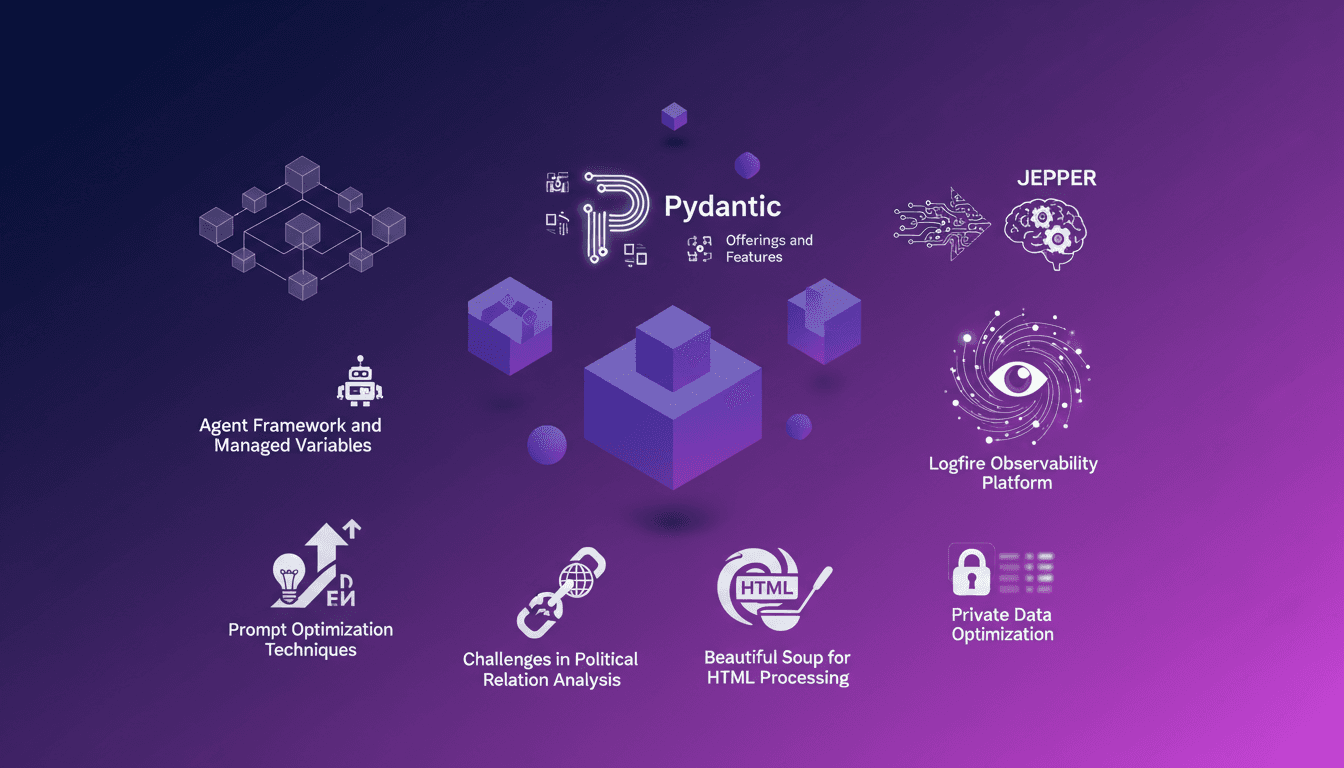
Optimizing Pydantic: Agents in Production
I dove into production with Pydantic, wrestling with agents and pushing performance limits. Optimizing our setup was no walk in the park, but each step, each tool — from Jepper to Beautiful Soup — transformed our approach. In the world of production environments, efficiency is king. Pydantic offers robust tools, but deploying them effectively requires finesse and optimization. I walk you through the subtleties of observability with Logfire, managed variables, and prompt optimization techniques. Some challenges had me sweating, like political relation analysis. But with the right tweaks, even private data can be optimized. A peek at the tools I integrated: two main tools registered with the main agent, and a tool called 'extract political relations'.
Boost Financial Modeling with GPT-5.5
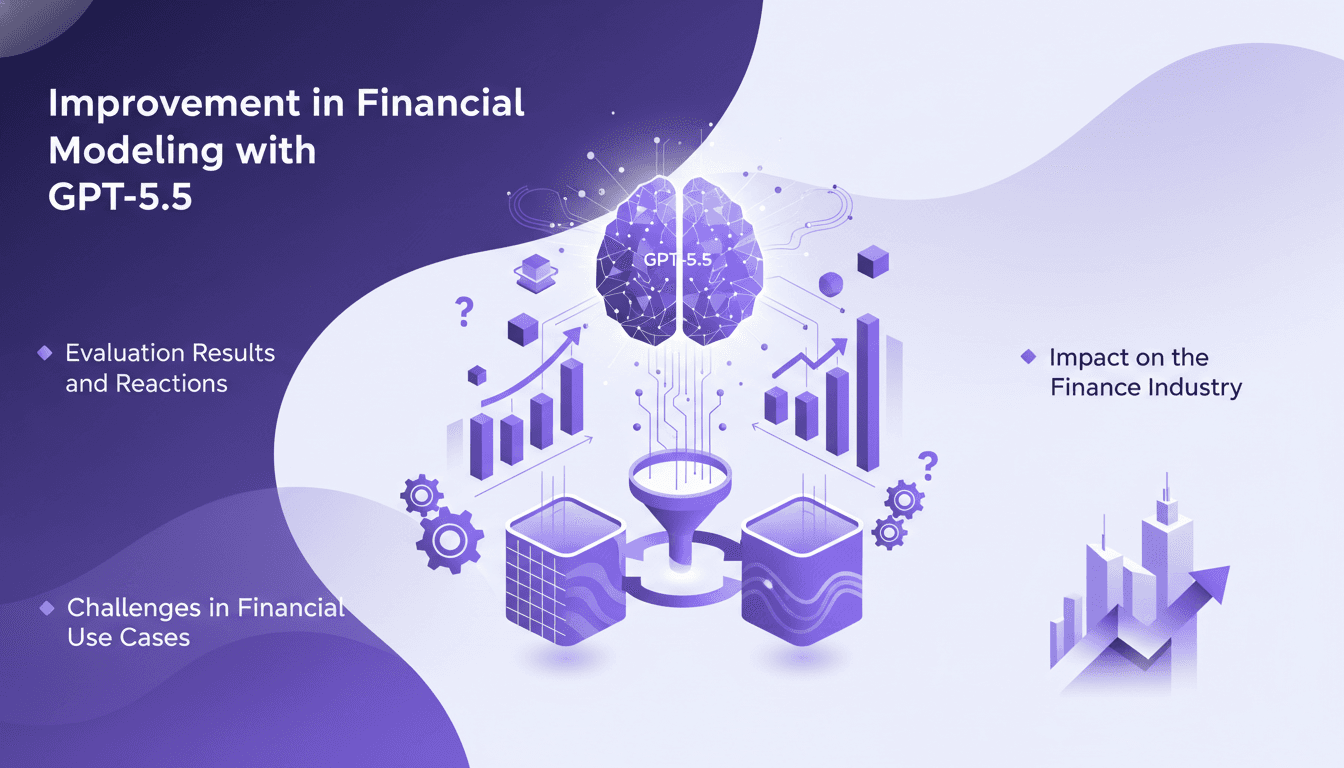
I dove into GPT-5.5 for financial modeling, and the results were nothing short of transformative. Jumping from GPT-4 to this version felt like a leap forward, with a 19 percentage point uplift. Let me show you how this model handles both structured and unstructured data more efficiently than ever. But watch out, it's not all smooth sailing: I ran into challenges, especially with complex financial use cases. Still, by orchestrating this tech properly, the impact on the finance industry is undeniable.

GPT 5.5: Transforming Finance Sector
When I first integrated GPT 5.5 into my workflow, it was like adding a turbocharger to a classic engine. Tasks that used to take hours were suddenly done in minutes, and the precision was off the charts. With the arrival of GPT 5.5, we're witnessing a paradigm shift in how AI handles complex reasoning and data tasks, especially in the finance sector. We're looking at a 19 percentage point improvement from the previous version, transforming our approach to daily efficiency and quality.
Evolving AI Models: Limits and Opportunities
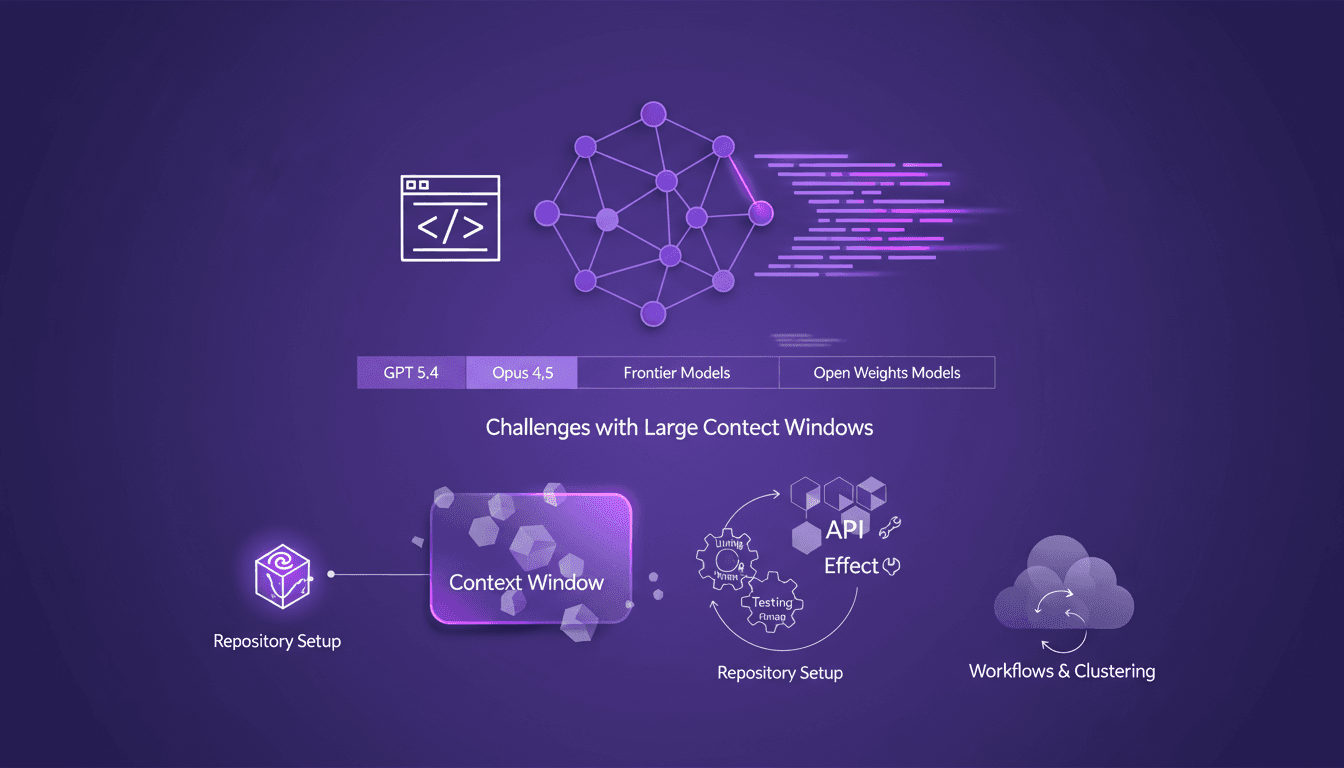
I still remember setting up my first repository for AI-driven code generation. It was a game changer, but also a minefield of potential pitfalls. In this talk, I'm diving into how AI models like GPT 5.4 and Opus 4.5 are reshaping our workflows and where they still stumble. Shifting from hand-coding to automated code generation is what I live daily in the field. But watch out—large context windows can be a real headache. Your repository setup is critical to avoid pitfalls, and I'll share how I use Effect and other tools for efficient API development. Buckle up, because understanding these models and their limitations is crucial for anyone navigating AI-assisted development.