Engineering Roles Evolving: Adapt or Become Obsolete
I still remember the moment I realized my engineering skills were becoming obsolete. It was a wake-up call that forced me to rethink my approach to system design and adaptability. In this ever-evolving tech world, the only constant is change. As engineers, we must adapt or risk being left behind. This article delves into how engineers can remain relevant by embracing continuous learning and tackling the challenges of scaling systems in modern organizations. It's imperative to integrate new system design skills and adjust to new realities to avoid falling behind.
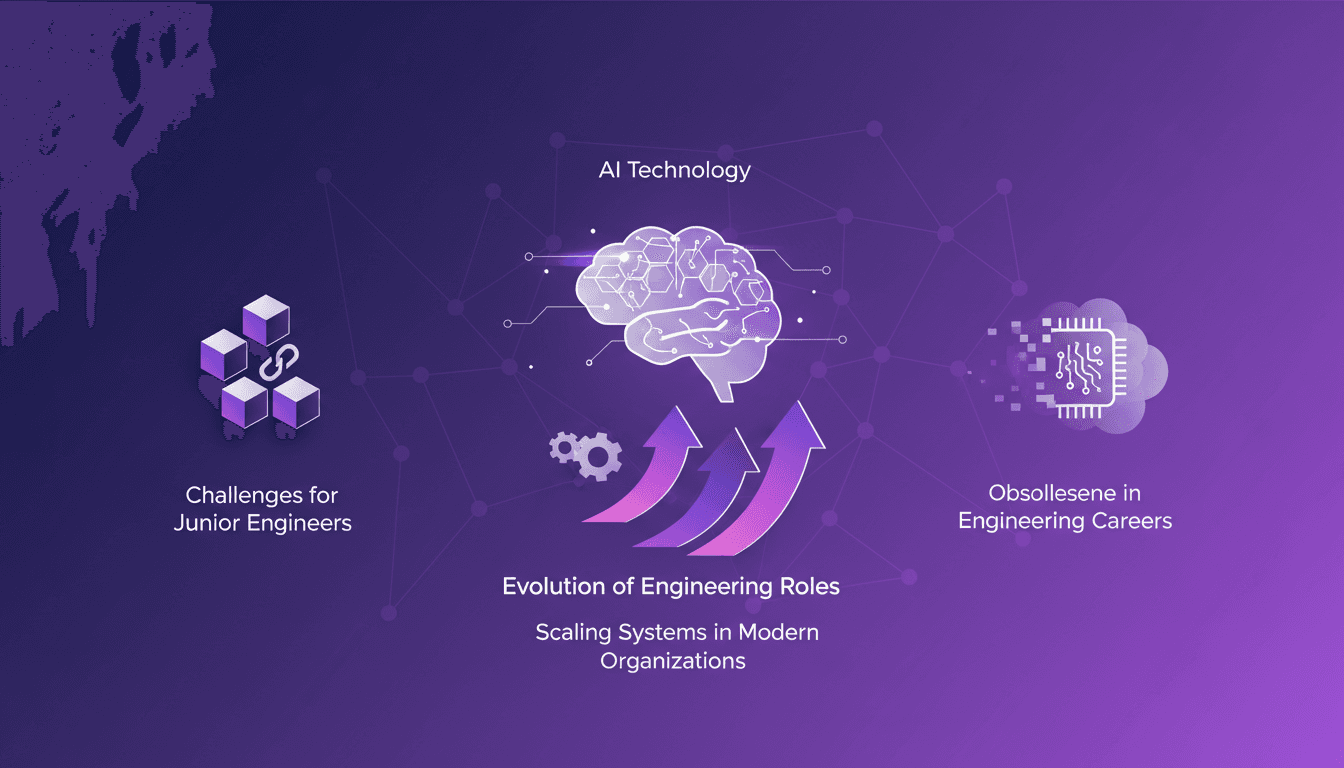
I remember the first time it hit me that my engineering skills were becoming obsolete. It was a wake-up call, believe me. That moment forced me to completely rethink my approach to system design and adaptability. In this fast-paced tech world, the only constant is change. And as engineers, if we don't evolve, we risk getting left behind. So, how do we stay relevant? This article dives into the evolution of engineering roles, highlighting the importance of system design skills and continuous learning. We also tackle challenges faced by junior engineers and the scaling issues in modern organizations. In short, if you don't want your engineering career to fall into obsolescence, it's time to act.
The Evolution of Engineering Roles
Engineering roles are no longer static; they demand dynamic skill sets. I first noticed the shift towards more collaborative, cross-functional teams. Engineers today must understand not only the technical aspects but also the business impacts of their work. Watch out for the trap of sticking to outdated methods. Adaptation is not optional; it's a survival skill. Those who can't evolve risk becoming obsolete quickly.
- Cross-functional teams are the norm.
- Business impact is as important as technical skills.
- Don't get stuck in old methods.
Mastering System Design Skills
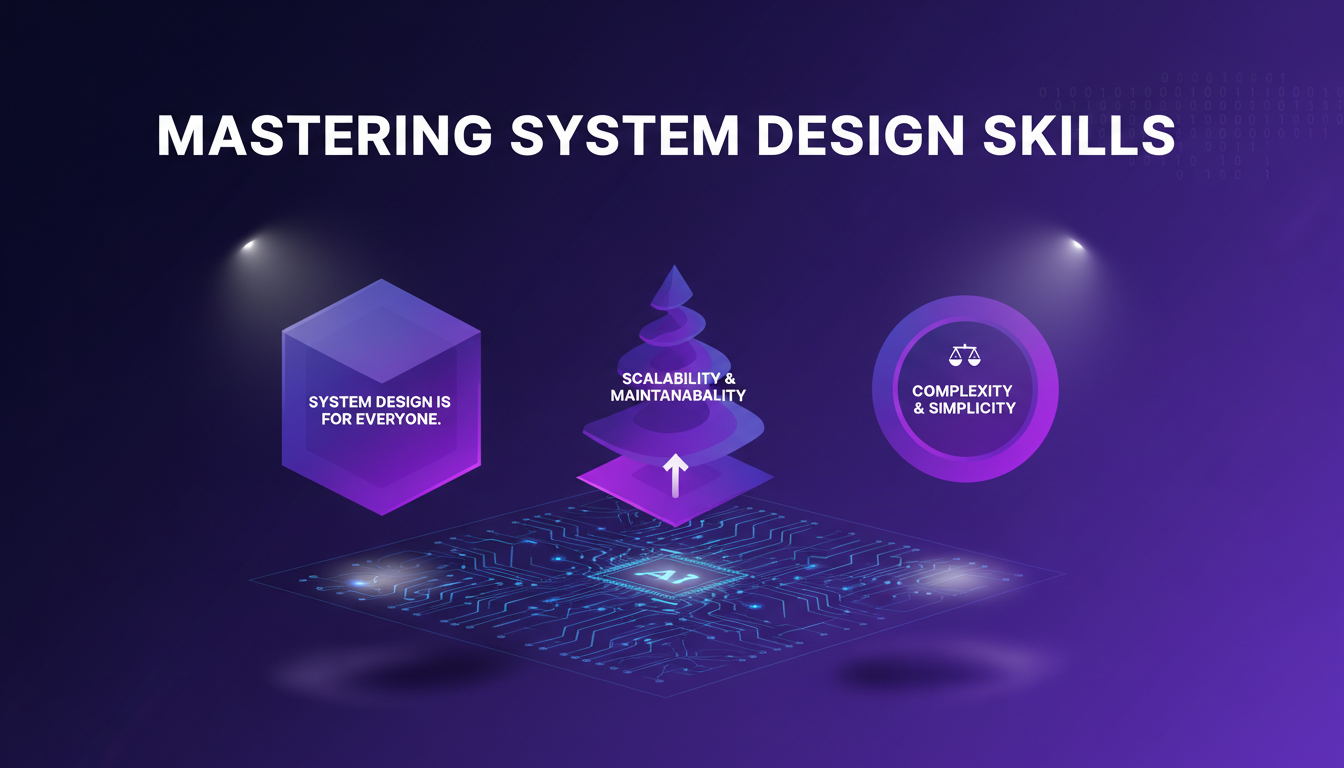
System design is no longer just a senior engineer's responsibility. I started by focusing on scalability and maintainability in my designs. Balancing complexity with simplicity is crucial. Don't over-engineer; it leads to inefficiencies. Real-world systems require practical, not just theoretical, design skills.
- Focus on scalability from the start.
- Avoid unnecessarily complex designs.
- Prioritize practical design skills.
Adaptability and Continuous Learning
Continuous learning is indispensable in tech. I set aside regular time for learning new tools and languages. First, identify knowledge gaps; then, fill them strategically. Watch out for burnout—balance learning with execution.
- Identify knowledge gaps.
- Balance learning and execution to avoid burnout.
- Adopt a continuous learning mindset.
Challenges Facing Junior Engineers
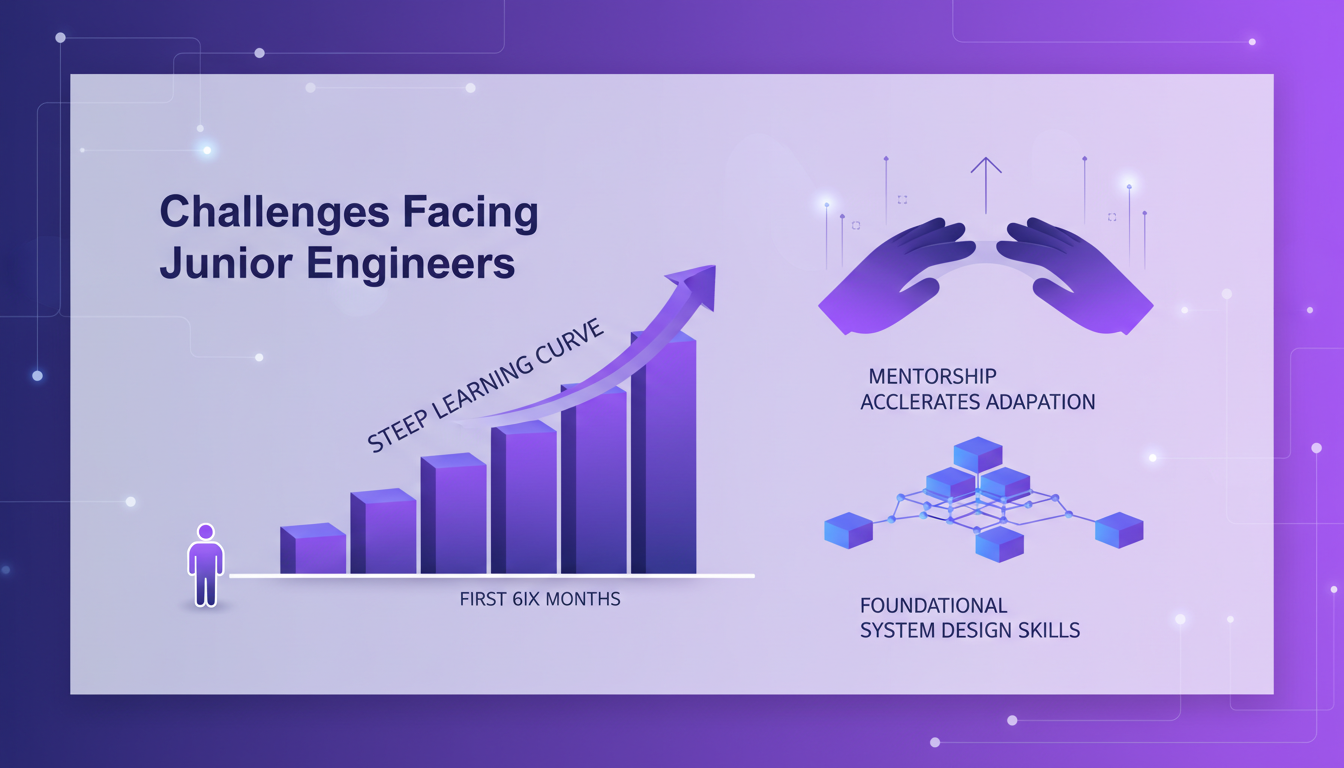
Junior engineers face a steep learning curve in the first six months. Mentorship can accelerate adaptation and skill acquisition. I encourage juniors to focus on foundational system design skills. Beware of over-reliance on senior engineers; foster independence.
- Focus on foundational design skills.
- Don't rely too much on seniors.
- Regularly seek feedback and iterate on it.
Scaling Systems in Modern Organizations
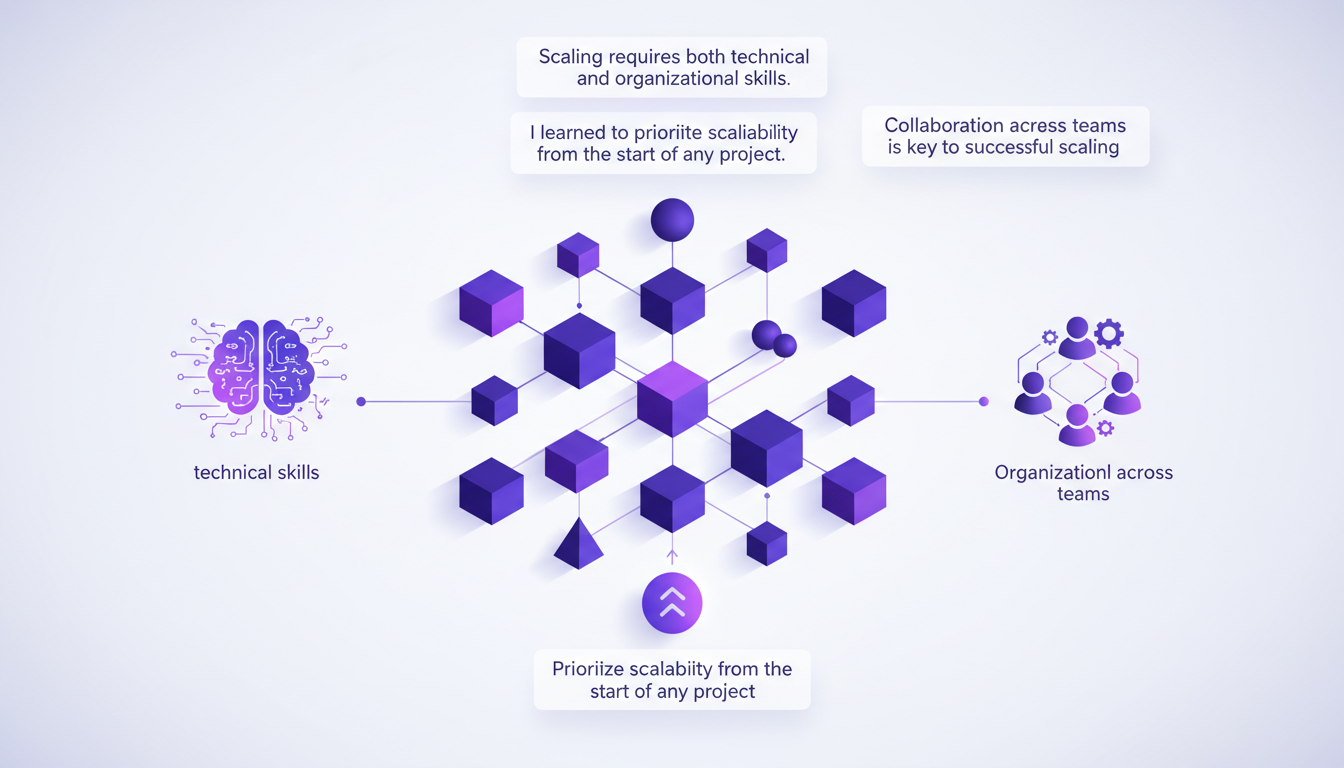
Scaling requires both technical and organizational skills. I learned to prioritize scalability from the start of any project. Collaboration across teams is key to successful scaling. Don't underestimate the cost of poor scalability decisions. Real-world scaling often involves trade-offs and compromises.
- Prioritize scalability early in projects.
- Collaborate across teams for success.
- Evaluate trade-offs in scalability.
In a world where engineering roles are constantly evolving, staying adaptable and mastering system design skills are critical. First, I dive into continuous learning to ensure my relevance and effectiveness in scaling modern systems. Then, I help junior engineers tackle their challenges head-on. It typically takes about six months for them to adapt, but this investment pays off in the long run. Lastly, I make adaptability my competitive advantage, especially in an ever-changing field. The future belongs to those who can adapt.
Check out the original video "The harsh truth about engineers who won't adapt" for deeper insights. Trust me, these takeaways are worth the watch: https://www.youtube.com/watch?v=NCFHagGIwJc.
Frequently Asked Questions

Thibault Le Balier
Co-fondateur & CTO
Coming from the tech startup ecosystem, Thibault has developed expertise in AI solution architecture that he now puts at the service of large companies (Atos, BNP Paribas, beta.gouv). He works on two axes: mastering AI deployments (local LLMs, MCP security) and optimizing inference costs (offloading, compression, token management).
Related Articles
Discover more articles on similar topics
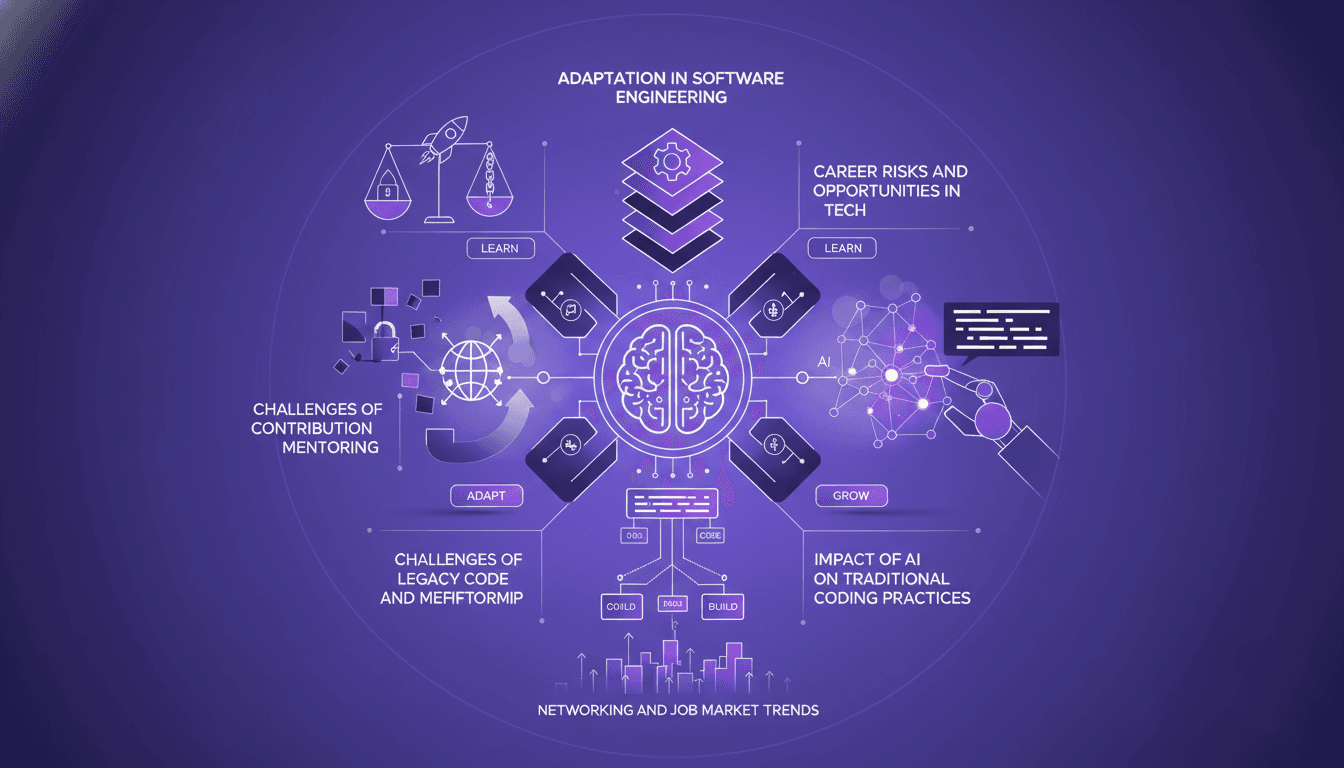
Adaptation in Software Engineering: Avoid Becoming Legacy
I've been in the trenches of software engineering long enough to see that if you can't adapt, you're on the fast track to becoming obsolete. The pace of change in the tech world is astonishing, and if you're not keeping up, you're getting left behind. Let's dive into the keys to staying ahead: continuous learning, the importance of open source contributions, and the role of mentorship. Simultaneously, we can't ignore the impact AI is having on traditional coding practices. It's time to reassess our work methods and ensure our careers don't become relics of the past.
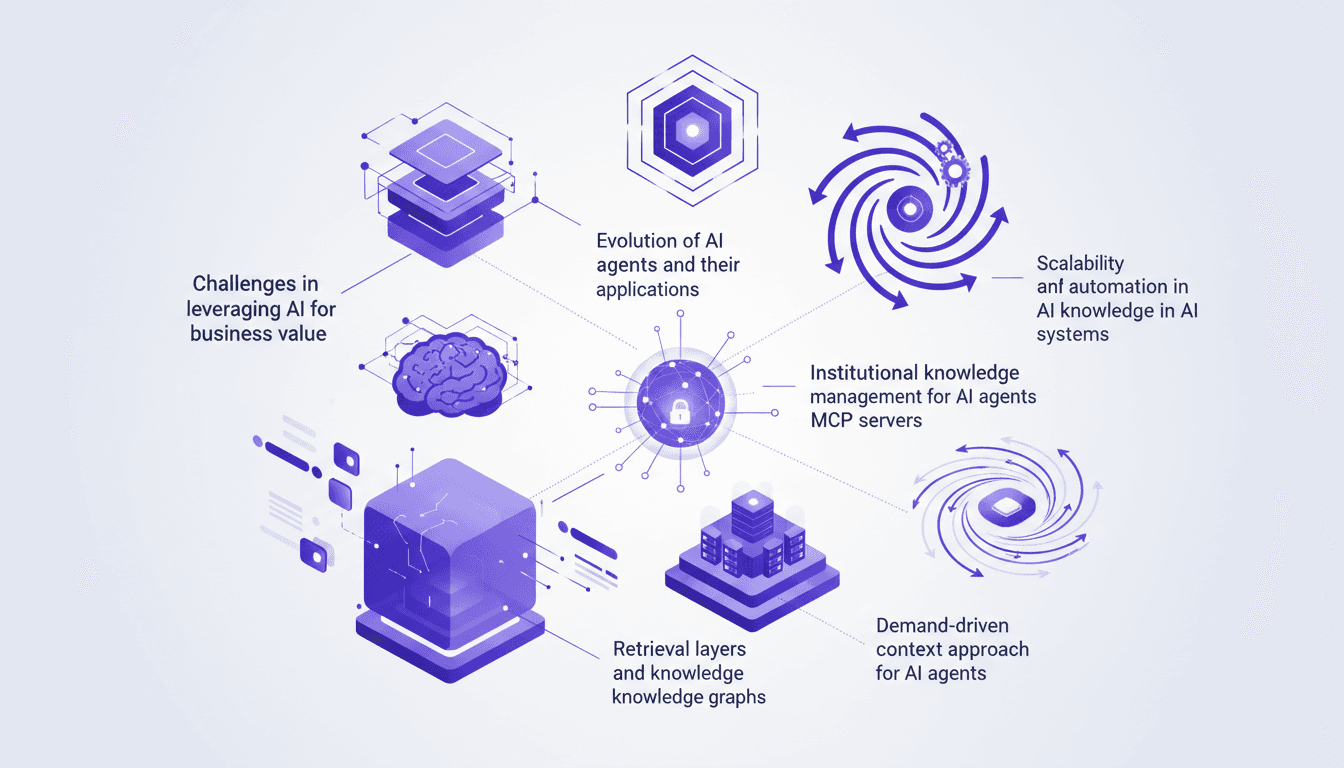
Optimizing AI Agents: Challenges and Solutions
I've been knee-deep in AI agents, wrestling with their intricacies and harnessing their potential. Dive into how I tackled the challenges of integrating AI for real business value. As I explore the evolution of AI agents, their applications, and effective enterprise management, I'm sharing my hands-on experiences. From institutional knowledge management to building MCP servers and a context-driven approach, I'll guide you through optimizing AI agents. Remember: only 20% of your documentation is truly useful, so let's make every word count.
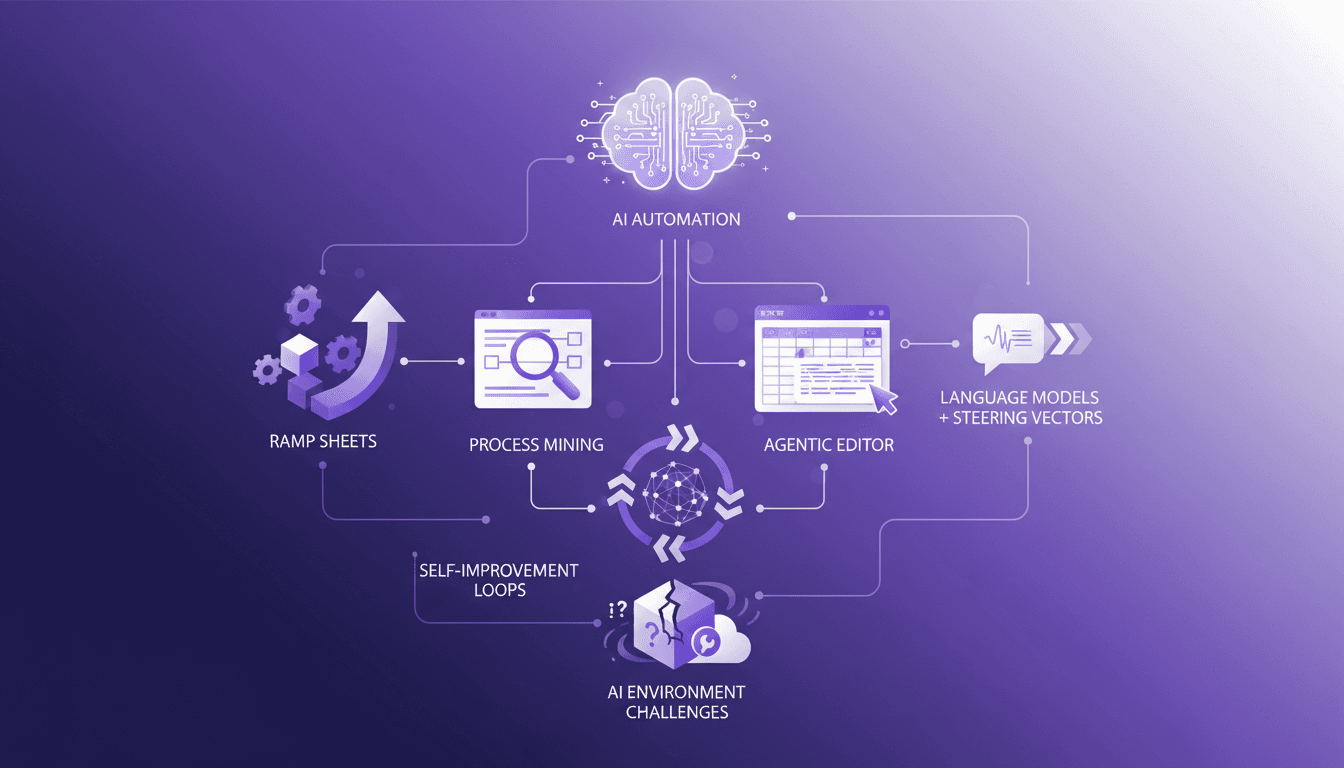
Automating Finance Tasks with RAMP Sheets
I've been knee-deep in spreadsheets, and let me tell you, RAMP Sheets is a game changer. I launched it in November, and it's been automating finance tasks in ways I didn't think possible. In the world of finance, 99% of the time is spent in spreadsheets. RAMP Sheets aims to cut that down by integrating AI directly into Excel, automating repetitive tasks, and allowing for smarter data manipulation. The agentic spreadsheet editor and its functionalities, self-monitoring and self-improvement loops in AI systems, and the challenges in building AI environments and evaluation are at the core of our discussion today. It's crazy how just five layers can change an entire paradigm.
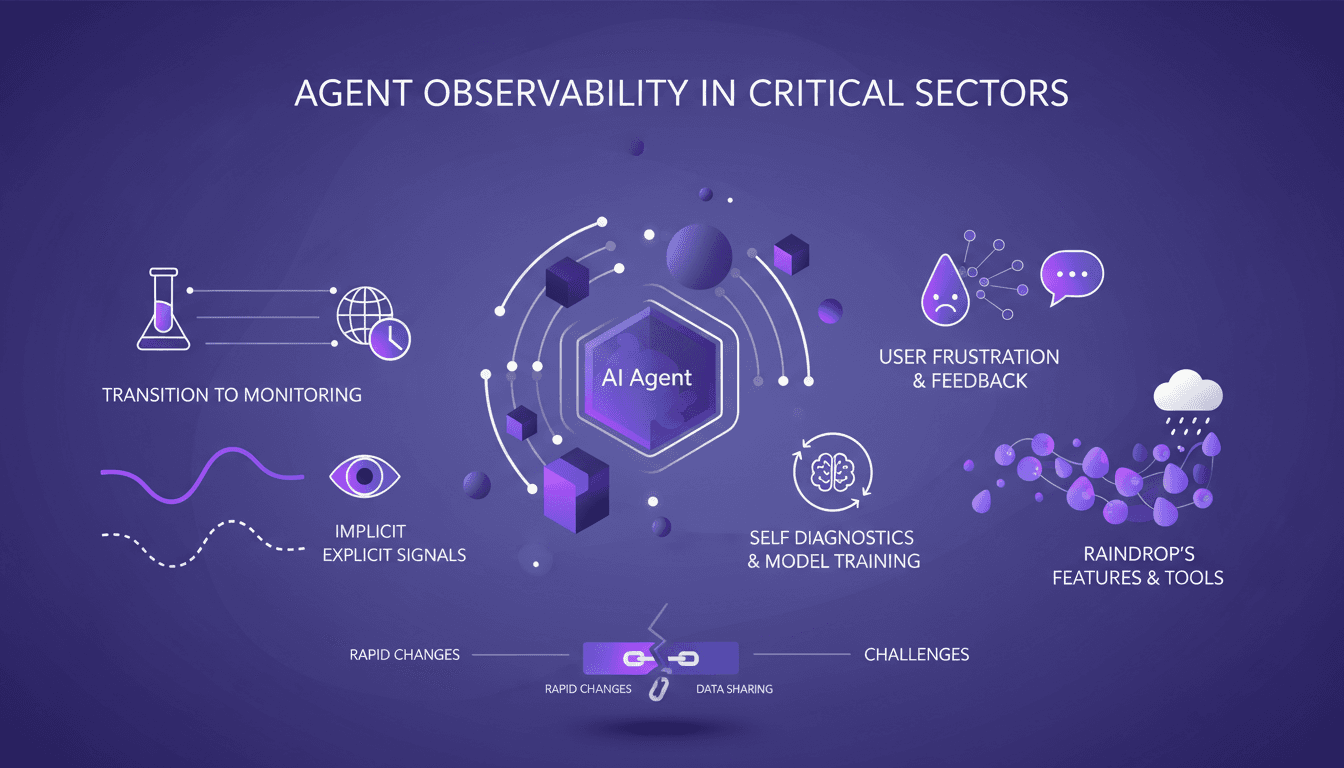
Mastering Agent Observability: Key Signals
I've been in the trenches with agent observability, and let me tell you, it's a game changer—but only if you get it right. Transitioning from testing to a full-on monitoring paradigm isn't just a step; it's a leap. In critical sectors like healthcare, finance, and even the military, agent observability is not just a luxury—it's a necessity. We're talking about systems that run for hours without human input, where catching issues early can save more than just time. In this talk, Danny Gollapalli and Ben Hylak from Raindrop break down the implicit and explicit signals for issue detection, user frustration monitoring, and the tools for self-diagnostics and model training. Get ready to master the key signals of agent observability.
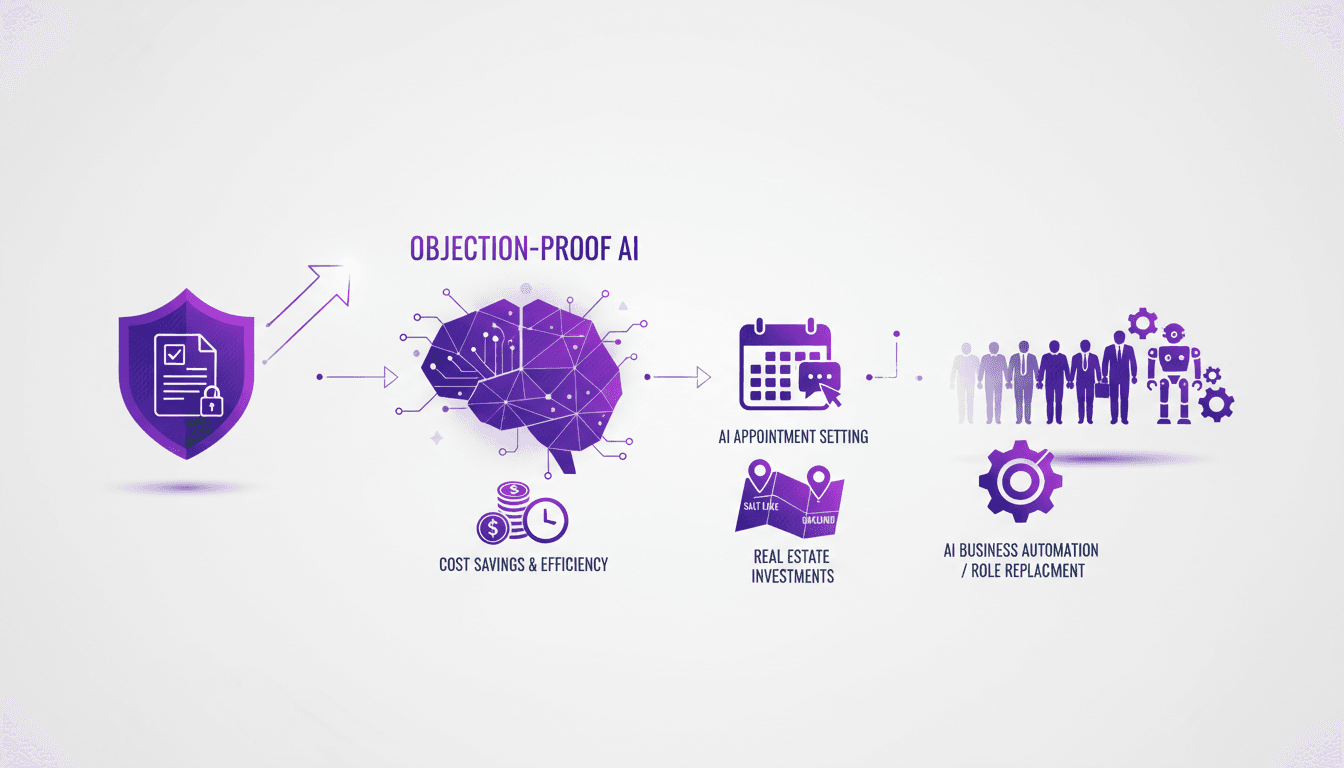
AI's Impact on Real Estate Contracts
I remember the first time I closed a deal using Objection Proof AI. It was a game changer. Suddenly, I had 17 contracts lined up, and my business was on a new trajectory. In the competitive world of real estate investing, efficiency and quick decision-making are crucial. AI isn't just a buzzword; it's a tool that can transform your operations if you know how to wield it effectively. With Objection Proof AI, I saved tens of thousands of dollars by replacing five staff members and saw my daily appointments jump to three or five new clients. Let me show you how this AI revolutionized my real estate operations in Salt Lake and Oakland.