Engineering Leadership: Beyond Coding Skills
I once thought mastering coding would skyrocket my career. But leading a team of ten engineers showed me it's only part of the equation. The real challenge? Understanding customer needs, leading with empathy, and weaving AI into our workflows. In today's world, being a great coder isn't enough. We need to grasp business needs, collaborate with product managers, and mentor others. Let's dive into what truly propels your engineering career forward.
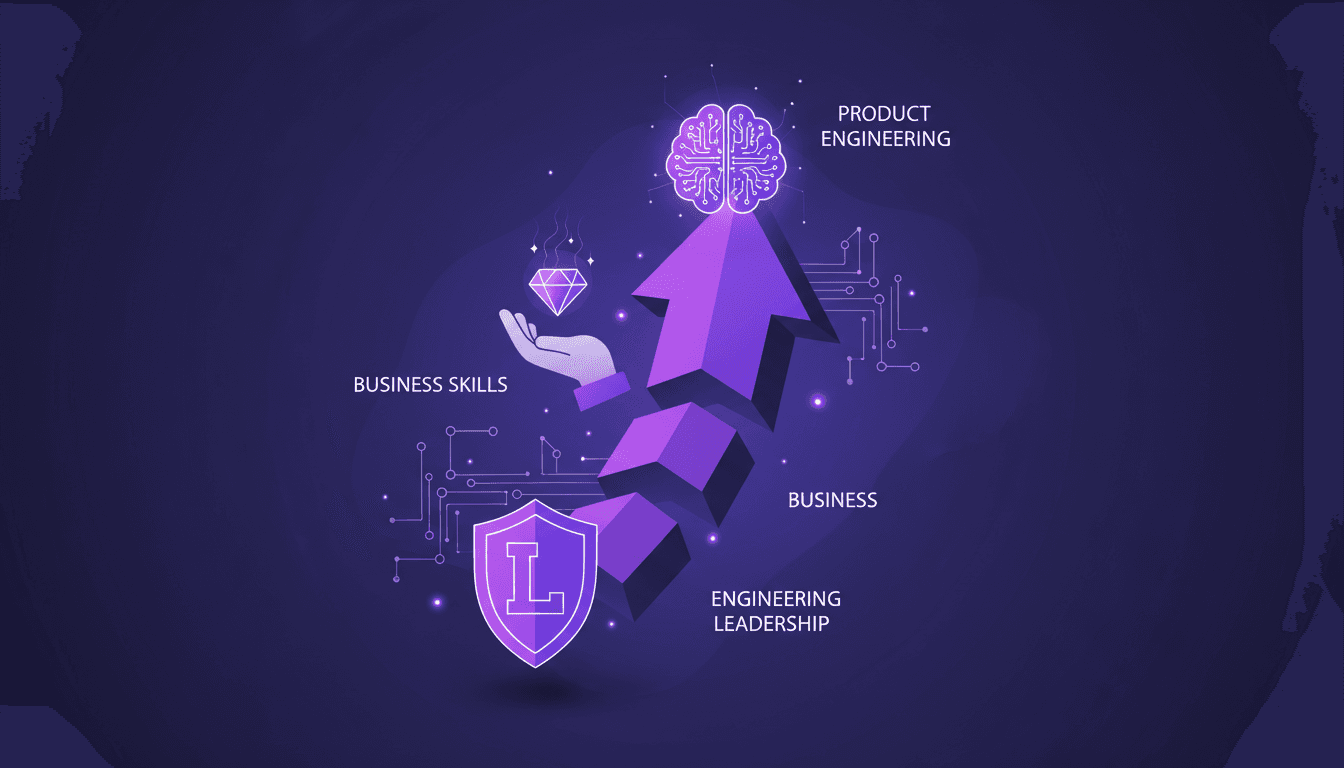
I remember thinking that mastering coding was my golden ticket to the top. But leading a team of ten engineers taught me I was way off. It's not just about the code. It's about leadership, understanding customer needs, and weaving AI into our workflows (and believe me, I got burned a few times). In today's engineering world, being a great coder won't cut it. As a forward-deployed engineer, you need to understand the business, collaborate with product management, and mentor others. Let's talk about the real foundations of career progression: engineering leadership, understanding customer problems, the impact of AI on engineering roles, and why curiosity and focus are essential traits. It's time to dive into what truly propels your career forward.
Leadership and Career Advancement in Engineering
When I transitioned from coding to leadership, I quickly realized that understanding team dynamics is essential. Leading a team of ten isn't just about management, it's about orchestration. First comes curiosity. It's this curiosity that drove me to ask questions, to understand the 'why' behind our actions. Next, mentorship was crucial. Having a mentor helped me avoid mistakes I would have made on my own. Finally, business acumen is the third pillar. It's not just about coding; it's about understanding how your work impacts the business. Watch out for the trap of focusing solely on technical skills. Leadership is broader than that.
- Curiosity: Ask questions, understand the 'why'.
- Mentorship: Find a guide, avoid common mistakes.
- Business Acumen: Understand the impact of your work on the company.
The Role of Product Engineers and Understanding Customer Problems
Product engineers are the bridge between customer needs and technical solutions. I spend about 20% of my time in direct customer interaction, and honestly, those insights are invaluable. It's not just about building features, it's about understanding the real issues users face. But, be wary of the disconnect between engineering and real-world application. I've seen teams go astray by not truly grasping what the customer really wants.
- Customer Interaction: Use every moment to understand their real needs.
- Disconnect: Ensure what you build makes sense to the end user.
Impact of AI on Engineering Roles
AI is reshaping how we approach engineering problems. I've incorporated it into my workflows to save time, but watch out for the learning curve. AI tools can augment our capabilities, but they also have limits. Don't over-rely on AI; human insight remains critical.
- AI: Use it to save time, but understand its limits.
- Learning: Don't underestimate the time needed to adapt to these new tools.
Importance of Business Understanding for Engineers
Understanding business goals aligns engineering efforts with company success. Technical project managers often act as the bridge—learn from them. Business acumen can differentiate you from other engineers. Avoid the pitfall of focusing solely on technical details without seeing the bigger picture.
- Business Acumen: It's what sets you apart.
- Technical Project Manager: Learn to become the bridge between tech and business.
Mentorship, Curiosity, and Creating a Winning Culture
Mentorship is crucial for junior engineers. Offer them support and guidance. Curiosity and focus drive innovation—cultivate these traits. Create a culture where ideas win, not just tenure. Be prepared to challenge the status quo; meritocracy should be the goal.
- Mentorship: Guide juniors, share your experiences.
- Culture of Ideas: Promote innovation through curiosity.
In summary, growing as an engineer isn't just about code. It's about orchestration, understanding customer needs, embracing AI, having business vision, and mentorship. Together, these elements form the foundation of a successful career.
Advancing in engineering isn't just about mastering code—I've learned it's about leadership, understanding the customer, integrating AI, and having a solid business grasp. First, step up as a leader. When I led a team of ten, it completely shifted my approach. Next, truly grasp your users' needs. Initially, I only spent 20% of my time on this, but realized it's crucial. And AI is a real game changer, but watch out for integration limits and biases.
Looking forward, balancing tech and business skills will be key. Take a moment to reflect on your current role. Where can you expand beyond coding? Embrace leadership opportunities, deepen your business insights, and mentor others to foster innovation.
I strongly recommend you check out the full video on YouTube here for a deeper dive into these ideas. You'll see how these elements can truly accelerate your career.
Frequently Asked Questions

Thibault Le Balier
Co-fondateur & CTO
Coming from the tech startup ecosystem, Thibault has developed expertise in AI solution architecture that he now puts at the service of large companies (Atos, BNP Paribas, beta.gouv). He works on two axes: mastering AI deployments (local LLMs, MCP security) and optimizing inference costs (offloading, compression, token management).
Related Articles
Discover more articles on similar topics
Understanding the AI Bubble: Economic Implications
Artificial intelligence has transformed our lives. But are we on the brink of stabilization or witnessing a looming economic bubble? In this article, we delve into the AI economy, shifting model preferences, and potential economic impacts. From infrastructure companies to new AI applications, we explore emerging trends and their effects on startups and innovation. What are the technical challenges ahead? Most importantly, what does the future hold for AI development? Dive into this compelling analysis with us.
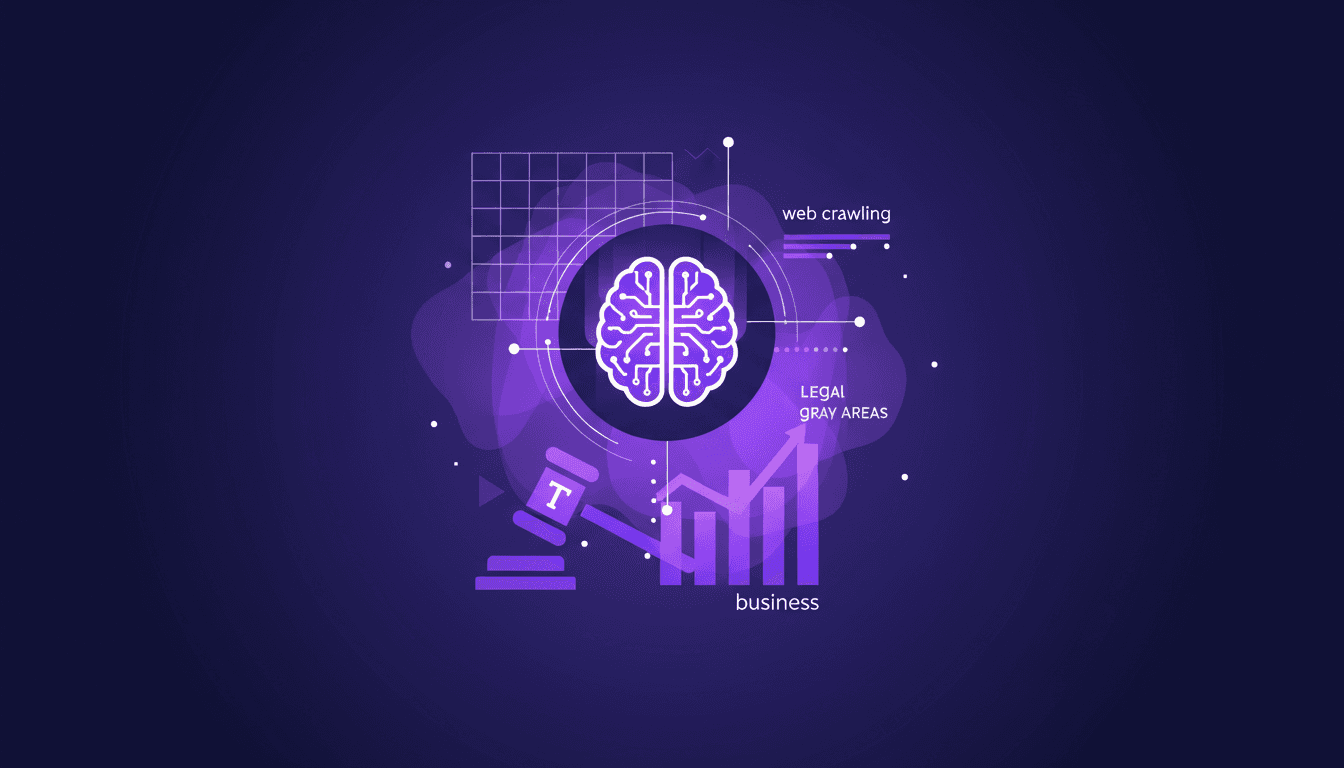
Startup Ideas: Legal Gray Areas & Opportunities
In a world where tech races ahead, laws lag behind. Startups seize the moment in these legal gray areas. Companies like Lyft and Open AI are rewriting the rules. They drive innovation while sparking legal change. Discover how these trailblazers navigate murky waters. Balancing innovation and legality is tricky. Yet, consumer benefits are undeniable. Dive into the riveting tale of technology versus legislation.

Amplitude's Journey: From AI Skepticism to Embrace
Imagine a world where AI skepticism turns into full adoption, revolutionizing a company's tech approach. This is Amplitude's story. A leader in product analytics, Amplitude initially approached AI cautiously. However, through strategic changes and mindset shifts, they embraced AI, transforming operations and product offerings. This article delves into their journey, challenges faced, and strategies implemented. Discover how Amplitude overcame AI integration hurdles, the role of skepticism in AI adoption, and the impact of this technology on software engineering and analytics.
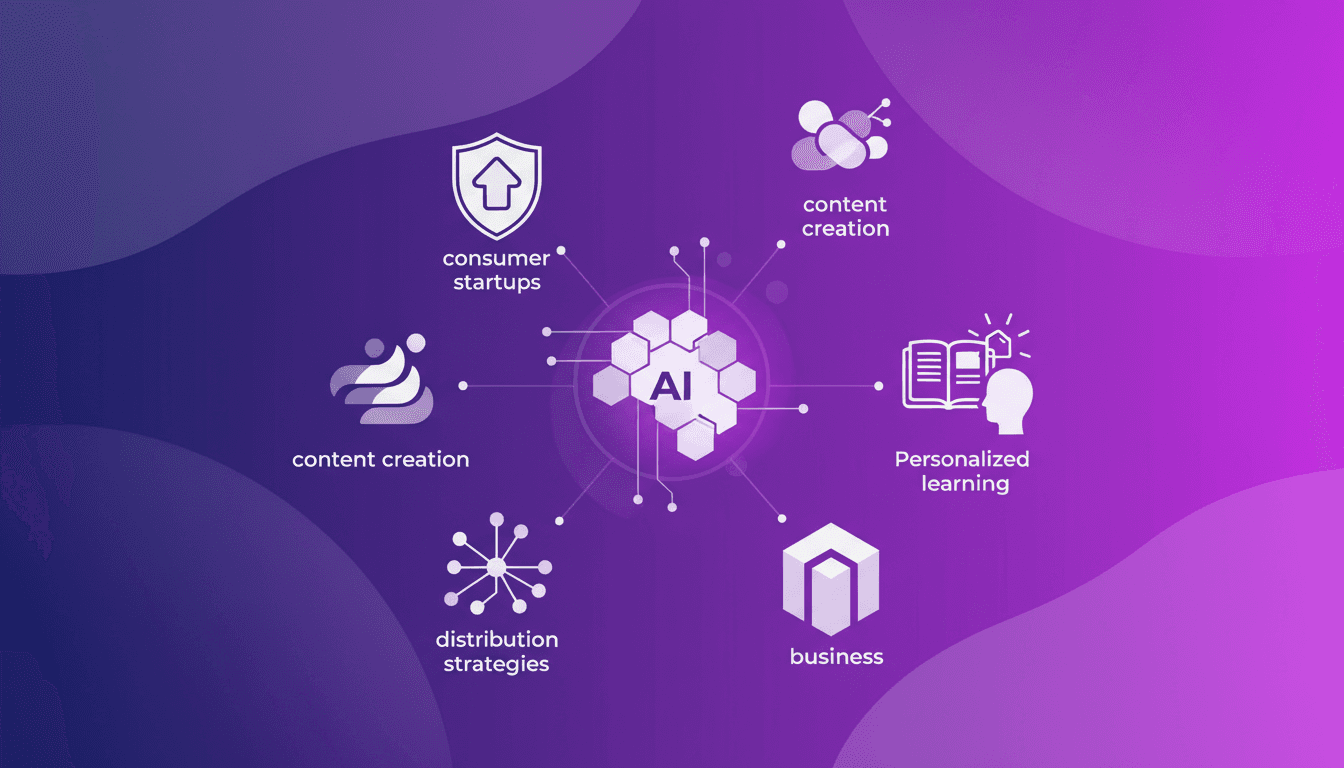
AI's Impact on Consumer Startups Today
Imagine a world where creating music is as easy as listening to it. Thanks to AI, that future is within reach. Consumer startups are breaking down traditional barriers. With insights from industry expert Mike McNano, we explore how AI is revolutionizing content creation and personalizing education. Platforms are evolving, distribution challenges are intensifying, but opportunities abound. Let's uncover how AI is redefining taste and craftsmanship in product development. Don't miss the untapped opportunities AI offers today.

Chasing Hard Problems in Innovation
In the fast-paced world of technology, the greatest innovations often arise from tackling daunting challenges. Are you ready to chase those hard problems? This article delves into the art of pursuing technically challenging ideas. It highlights how courage and sharp skills are essential for innovation. Avoid isolation: discover the vital importance of customer feedback in refining your products. Learn to balance product readiness with customer interaction. Read on to understand how the brightest minds of our time chase hard problems to shape the future.