Content Creator: Plan and Resist
I've been dreaming of becoming a content creator for years. Trust me, it's not just about picking up a camera. It's about orchestrating every detail, pushing back against those who say it can't be done. How did I plan, save, and resist authority to make my dream a reality? That's what I'm here to share. I fought for my Insta360, had meetings at Five Guys on Fridays, and documented every step of this wild journey. Never underestimate the power of saying no to those who hold you back.

I've always dreamed of breaking into content creation. But make no mistake, it's not just about picking up a camera; it's about having a vision. First, I had to save up for the right gear—my trusty Insta360. Don't think it was easy, between Fridays spent at Five Guys discussing strategy and sleepless nights juggling with a boss who thought I couldn't do it (I had to prove him wrong). I quickly learned that every step, from networking to documenting my experiences, was crucial. And trust me, saying no to those who tell you to stop is the only way to move forward in this business. So let's dive in, and I'll show you how I orchestrated this dream, despite the hurdles.
Dreaming Big: The Content Creation Journey
I've always dreamed of becoming a content creator, a passion that began humbly. Initially, it was about capturing moments with my smartphone, just for fun. But I quickly realized the importance of setting clear goals if I wanted to turn this hobby into a career. Understanding the content creation landscape was crucial. It's a world where trends shift rapidly and staying relevant is a constant challenge. The early stages were riddled with challenges: finding my voice, mastering the tech tools, and most importantly, standing out in a sea of creators.
Setting clear goals allowed me to navigate the initial hurdles. For instance, purchasing an Insta360 camera was a tangible goal that pushed me to plan effectively. If you're interested in content creation, I recommend reading this article on staying relevant in tech.
Planning and Saving for Equipment
Choosing the Insta360 camera was strategic. It offers exceptional 360° video quality, essential for standing out. But beware, these tools come at a cost. I had to devise an effective saving strategy. This involved cutting back on non-essential spending and investing in equipment that I knew would make a difference. It's a balance between quality and budget constraints that every creator must master.
Good equipment choices have a direct impact on content quality. Having the right tools allows you to produce more engaging and professional content, which is crucial for capturing attention in a saturated market. You can learn more about using Insta360 cameras in this B&H article.
Networking and Mentorship: Building Connections
Scheduling important meetings, like the one I had on a Friday at Five Guys, is essential for building a network. Finding mentors was a turning point. These individuals guided me, shared their experiences, and helped me avoid costly mistakes. Networking isn't just about in-person meetings; social media is a powerful tool. I was able to collaborate with other creators, learn from their successes and failures, and thus refine my skills.
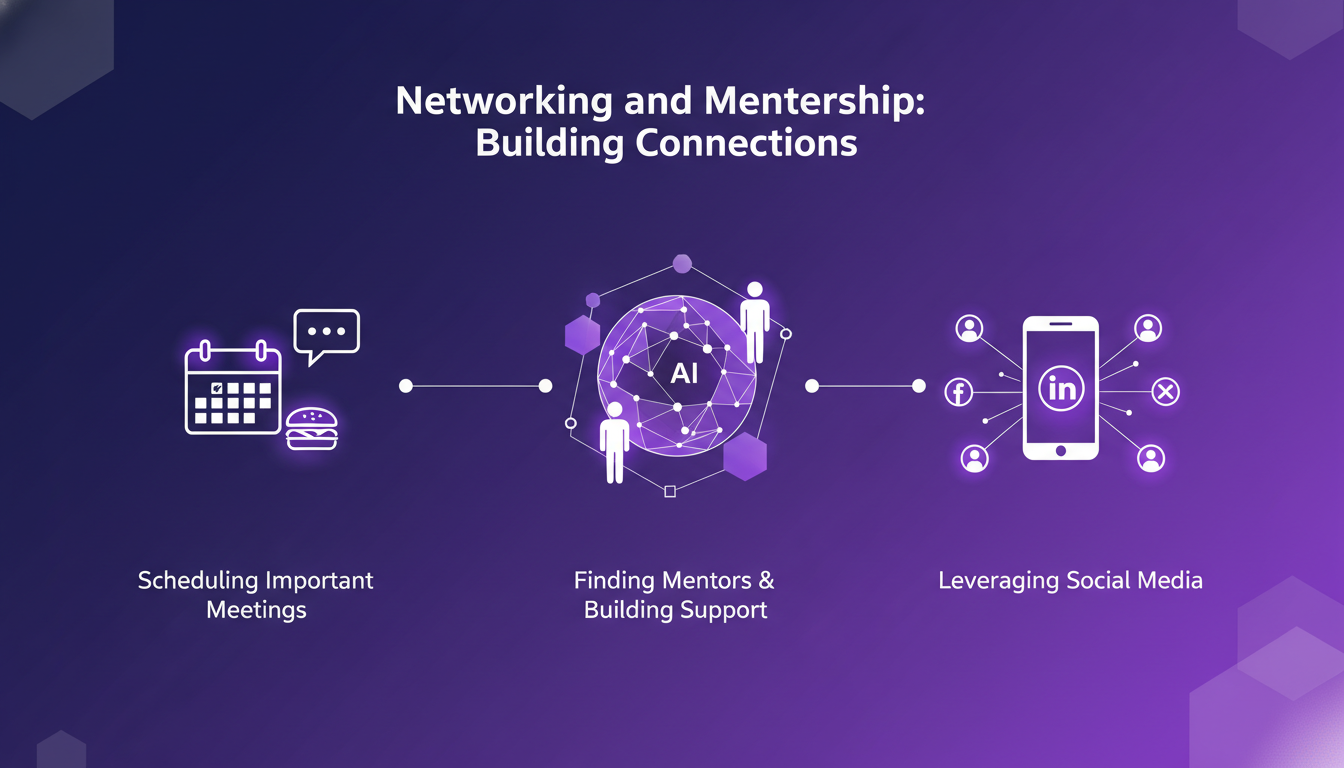
Collaboration is a cornerstone in content creation. It allows you to push creative boundaries and innovate. If you're looking to boost your skills, participate in hackathons, as I explain in my article on boosting skills through hackathons.
Creating Content That Breaks Rules
Pushing creative boundaries is often what distinguishes good content from exceptional content. I've learned to document my personal experiences and tell compelling stories. Storytelling is a powerful tool that resonates deeply with audiences. Breaking established rules may seem risky, but it has often produced the most engaging results for me.
Telling stories of resistance and overcoming offers a unique perspective that attracts viewers. For example, the idea of creating content about talking to strangers at Five Guys was a hit. For more inspiring examples, check out the Insta360 X5 YouTube channel.
Resisting Authority: Stories of Persistence
Let me share my stories of resistance. Authority can sometimes be a barrier to creativity. It's crucial to maintain your creative integrity and not be swayed by restrictive norms. Resisting authority also means learning to say no when necessary and standing up for your ideas. I learned that persevering in the face of opposition can lead to incredible outcomes.
The lessons from these experiences are invaluable. They taught me to stay true to my vision and never compromise my creativity to please any authority. For more insights on how to elevate your engineering with a resistance approach, check out my article on elevating engineering with Picnic.
So, if you're diving into content creation, it's not just about dreaming big, it's about taking real steps. First, I grab the right gear—it’s crucial. Like that insta360 camera, which is a game changer for capturing those 360-degree views, but watch out for the settings, they can trip you up. Then, planning is key—because making it in this field requires a solid plan. And sometimes, you have to break the rules to stay true to your vision. I often have strategic meetings, like our Friday sit-down at Five Guys, to refine my content plans. Now, if you're ready to start your journey, grab your camera, plan your path, and don't let anyone stop you. For more insights on why these steps matter, check out the original video where his boss is trying to stop his dream… 😕 @insta360. Here’s the link: YouTube.
Frequently Asked Questions

Thibault Le Balier
Co-fondateur & CTO
Coming from the tech startup ecosystem, Thibault has developed expertise in AI solution architecture that he now puts at the service of large companies (Atos, BNP Paribas, beta.gouv). He works on two axes: mastering AI deployments (local LLMs, MCP security) and optimizing inference costs (offloading, compression, token management).
Related Articles
Discover more articles on similar topics
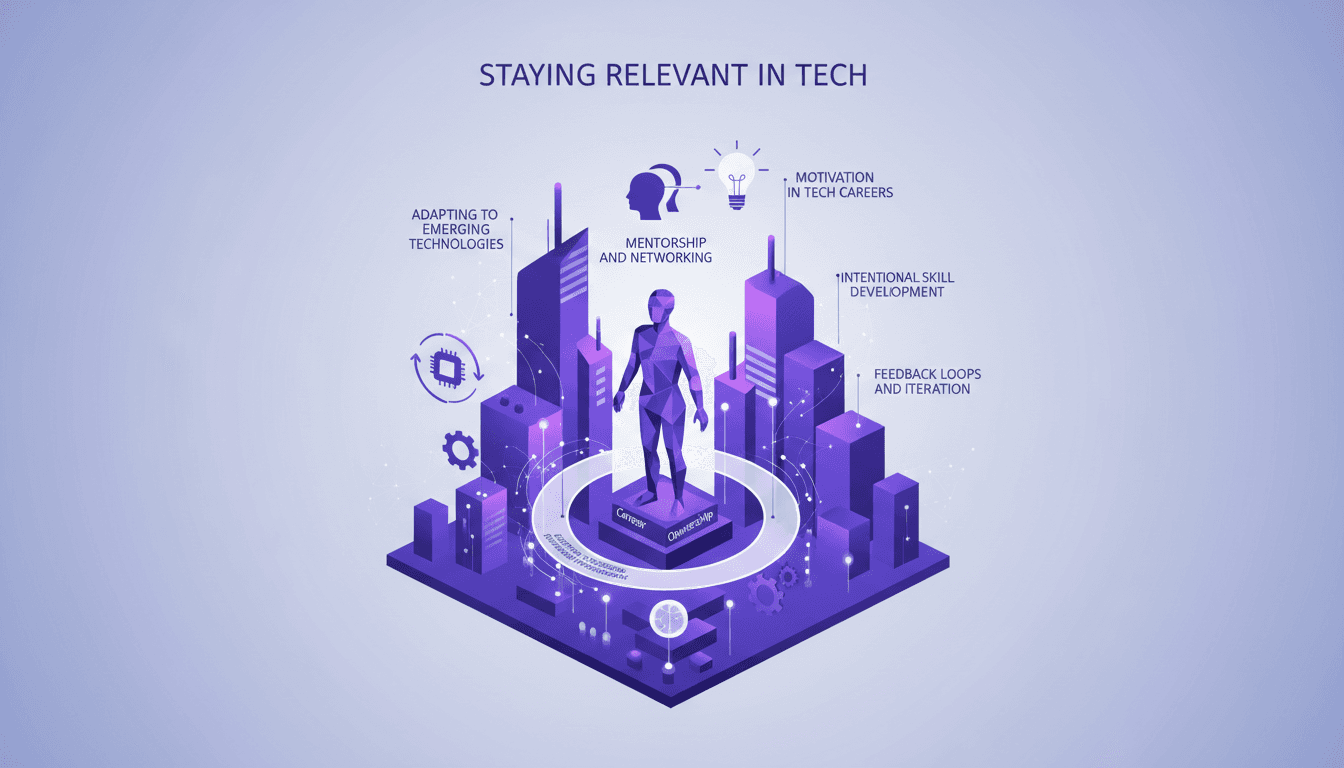
Staying Relevant in Tech: 25 Years of Lessons
I've spent over 25 years in the tech industry, and if there's one thing I've learned, it's that staying relevant means more than just keeping up with the latest languages or frameworks. It's about owning your career path, adapting to change, and continuously iterating on your skills. In this article, I share how I've managed to stay ahead in this ever-evolving field. Whether you're a newbie or a veteran, the tech landscape is always shifting. New technologies emerge, and the skills in demand today might not be tomorrow. This article isn't just about theory; it's a practical guide drawn from my personal journey and the lessons I've learned along the way.
Win 1k Live: Philosophy and Strategies
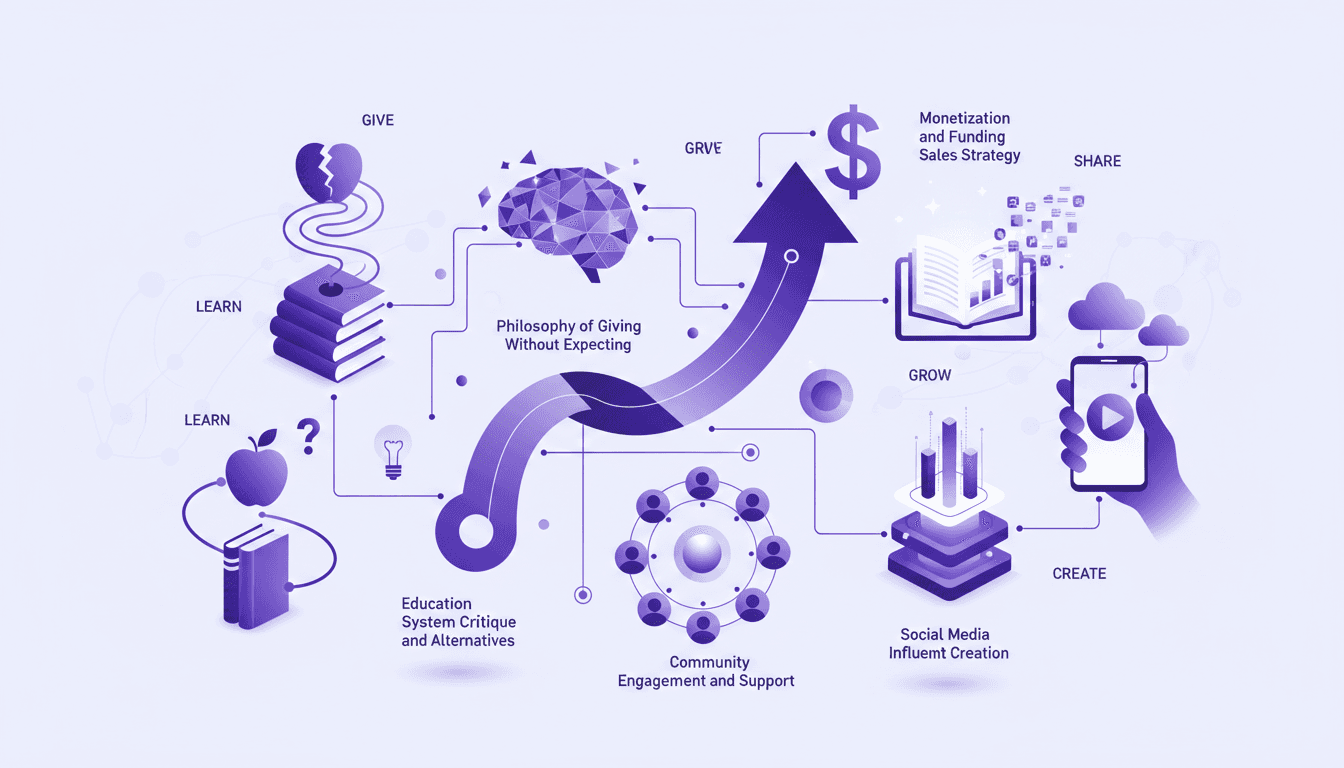
I've always believed in giving without expecting anything in return, but how does that translate into a sustainable strategy? As a practitioner, I orchestrated a live event where we gave away £2,000, explored book promotion tactics, and critiqued traditional education systems. Let me walk you through how I balanced monetizing my dreams with fostering community support. Between live engagement and sales strategies, I'll share what worked for me (and what didn't). Watch out for over-relying on traditional systems; sometimes you need to innovate to make things happen.
Setting High Expectations in Tech Teams: My Approach
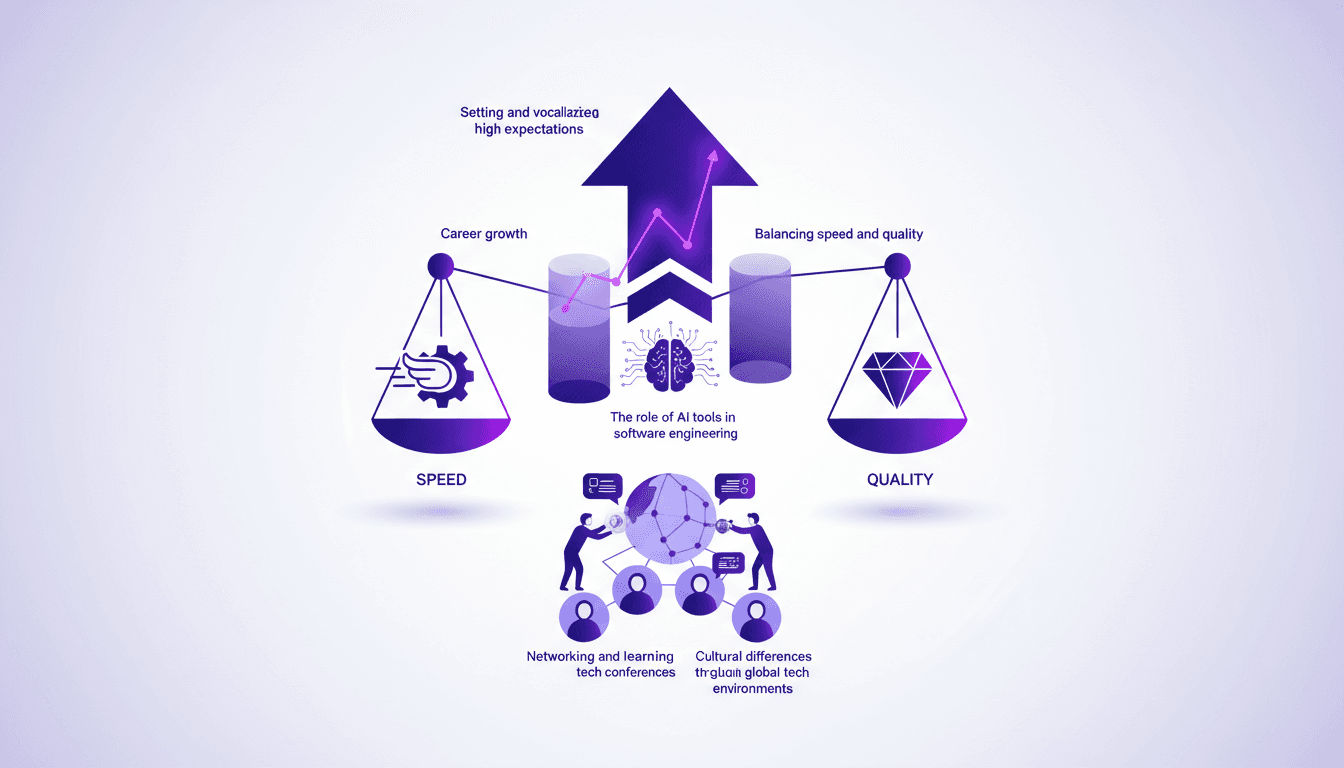
I've navigated the maze of promotions, salary negotiations, and leadership roles in tech. It's not just about coding; it's about setting high expectations, balancing speed with quality, and leveraging AI tools effectively. In this article, I share my firsthand experiences and strategies that have shaped my tech career. From team management to the smart use of AI tools, let's dive into what truly makes a difference.
Elevate Your Engineering with Picnic
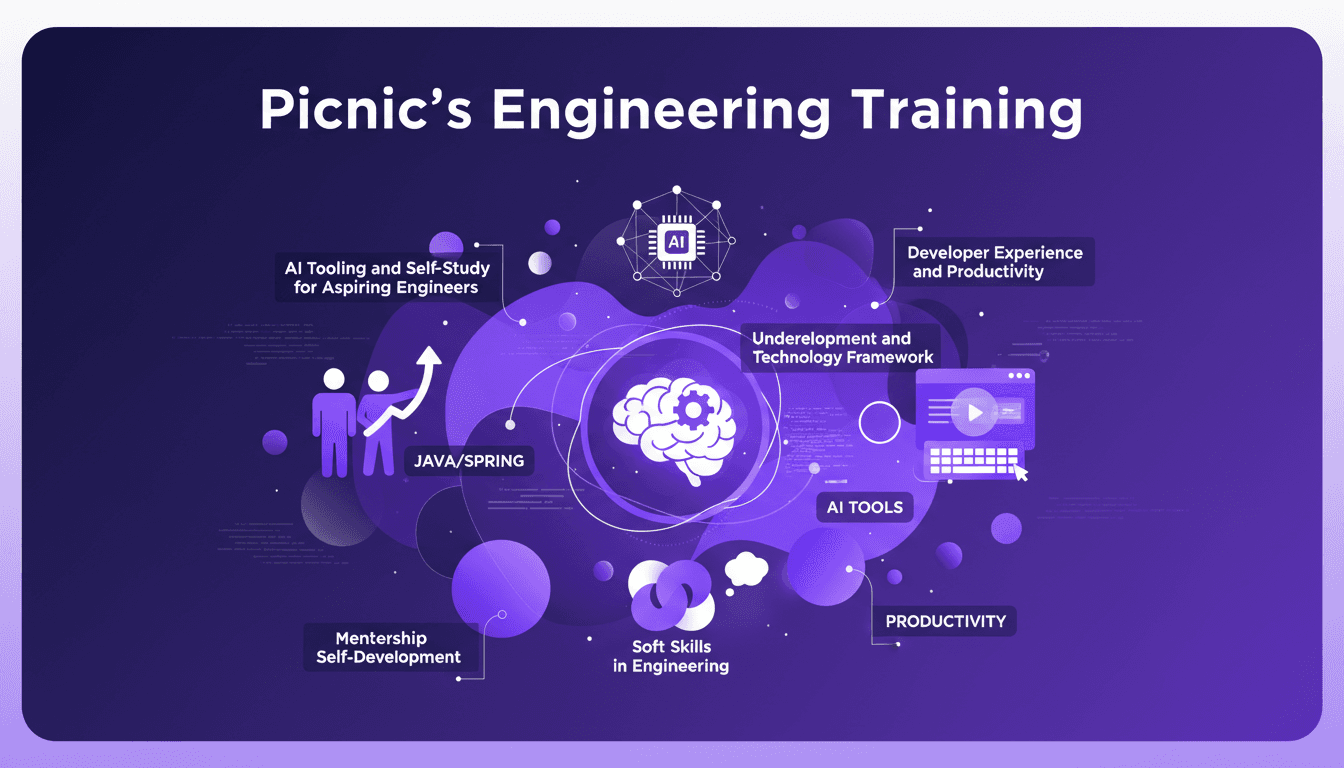
I remember the first time I walked into Picnic's training program. It was like stepping into a new world of engineering. The energy was palpable, and the focus on not just coding, but thinking like an entrepreneur, was a game changer. In the engineering world, standing out means more than just knowing your code. It's about mindset, continuous learning, and leveraging the right tools. Let's dive into how Picnic's approach bridges the gap between good and great engineers. We're talking Java, Spring Framework, and the importance of deeply understanding technology, not to mention soft skills and AI tooling for aspiring engineers.

Boost Your Skills through Hackathons
I've been through countless hackathons, and let me tell you, they're not just about caffeine-fueled coding marathons. They're a crash course in real-world problem-solving and innovation. At Booking.com, these events are a staple, offering a platform for collaboration, creativity, and even career advancement. Beyond the speed of coding, hackathons develop essential skills, both technical and soft. Whether you're a developer, designer, or data scientist, these intense sessions push you to iterate, test, and learn new technologies like AI. And the best part? It's a learning environment where mentorship and guidance are abundant. Dive into this world and see how these experiences can propel your career forward.