Analyzing Lyrics: Imagery and Emotions
I remember the first time I dissected a song's lyrics and realized how much imagery and emotion were packed into those lines. It was like uncovering a hidden tapestry of feelings and visuals. In this article, I share how I approach analyzing the emotionally and imagery-laden lyrics in music, focusing on themes of loss and departure. Music isn't just sound; it's a storytelling medium that uses lyrics to evoke emotions and paint vivid pictures. Understanding these elements can transform how you experience a song. So let's dive into these somber themes, where imagery of floating and wetness intertwines with a somber tone and mood, unveiling regrets and sadness.
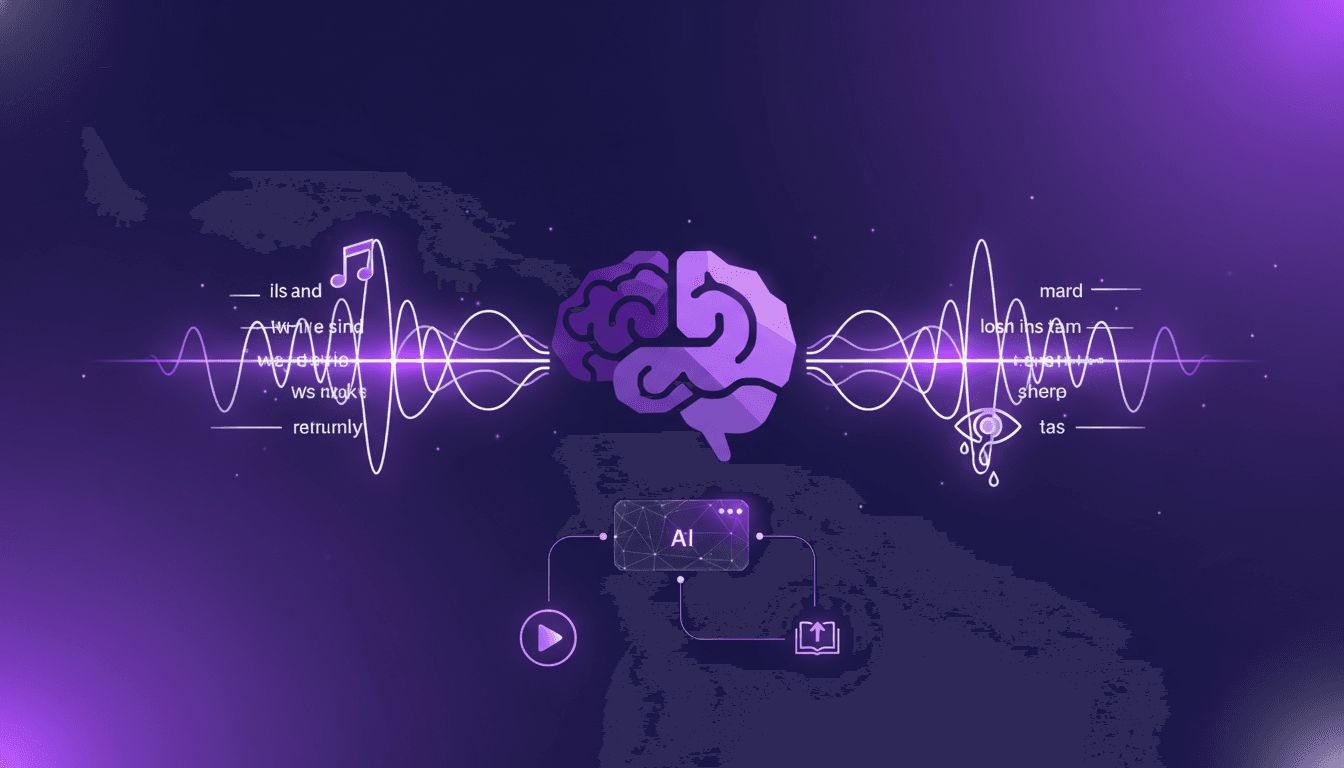
I remember the first time I really dissected a song's lyrics and got hit by how much imagery and emotion were packed into those lines. It was like uncovering a hidden tapestry of feelings and visuals. Since then, every time I dive into lyrics, I connect the words to emotions, often focusing on themes like loss and departure. Music isn't just sound. It's a storytelling medium that uses lyrics to evoke powerful emotions and paint vivid pictures. By analyzing these elements, you transform the way you listen. So, in this article, I'm going to show you how I approach this analysis – exploring somber themes, the imagery of floating and wetness, and the regrets that seep through music. Pay close attention, because I'm going to give you the keys to rediscover songs from a fresh perspective.
Emotional Themes in Lyrics: A Builder's Approach
When I dive into a song's lyrics, the first thing I do is identify the core emotions they convey. It’s like unraveling a complex situation to get to the heart of it. These emotions are often expressed through imagery, and that's where it gets interesting. For instance, recurring themes like loss and departure frequently pop up. But beware of overinterpreting. Sometimes, you're tempted to see things that aren't there, so I stick to what the lyrics explicitly convey.
- Identify the main emotions in the lyrics.
- Analyze how these emotions are expressed through imagery.
- Avoid excessive interpretations.
Imagery of Floating and Wetness: What It Means
Next, when we talk about floating, it's often a symbol of freedom or detachment. It's a powerful image that can transform the entire emotional landscape of a song. Wetness, on the other hand, can represent vulnerability or emotional overflow. In my practice, I map these images to the song's emotional landscape to better understand the nuances. But watch out for mixed metaphors that can confuse the narrative.
- Floating as a symbol of freedom or detachment.
- Wetness as a representation of vulnerability.
- Watch out for mixed metaphors.
Themes of Loss and Departure: Crafting the Narrative
Loss is a powerful theme that resonates universally. It has this ability to evoke deep and sometimes painful emotions. When we talk about departure, it can indicate change or the end of an era. I often connect these themes to personal experiences for deeper understanding. Consider the cultural context too, because sometimes it alters the interpretation.
- Loss as a universal theme.
- Departure as a symbol of change.
- Connect themes to personal experiences.
Somber Tones and Regrets: Setting the Mood
Somber tones are often achieved through specific word choices. It's like painting a picture, where every word counts. Regrets add depth and complexity to the narrative. I use these elements to build a mood board of the song. But be cautious of projecting your own emotions onto the lyrics, as it can cloud the analysis.
- Somber tones through word choice.
- Regrets for added depth.
- Create a mood board of the song.
Practical Takeaways: Enhancing Your Music Analysis
To enhance song interpretation, use imagery and emotional themes. Develop a workflow for analyzing lyrics systematically. Stay aware of the limits of interpretation and avoid assumptions. Efficiency in analysis can lead to a richer music experience.
- Use imagery to enrich interpretation.
- Develop an analytical workflow.
- Know the limits of interpretation.
By dissecting the emotionally and imagery-rich lyrics, I found a deeper understanding of music's storytelling power. Here's what I took away:
- First, emotional and imagery-laden lyrics immerse us in a powerful sensory universe, evoking themes of loss and departure that resonate with our own experiences.
- Then, the imagery of floating and wetness creates a somber tone that amplifies the song’s mood.
- Finally, this approach enriches our listening experience by creating a more intimate connection with the artist’s intent. Next time you listen to a song, try breaking down its lyrics with these techniques. You'll be surprised at the layers of meaning you uncover. For a deeper dive, I recommend watching the "ChatGPT Images" video on YouTube. It's a great resource for anyone looking to explore further.
Frequently Asked Questions

Thibault Le Balier
Co-fondateur & CTO
Coming from the tech startup ecosystem, Thibault has developed expertise in AI solution architecture that he now puts at the service of large companies (Atos, BNP Paribas, beta.gouv). He works on two axes: mastering AI deployments (local LLMs, MCP security) and optimizing inference costs (offloading, compression, token management).
Related Articles
Discover more articles on similar topics
ChatGPT and Voice: What's New and How to Use It
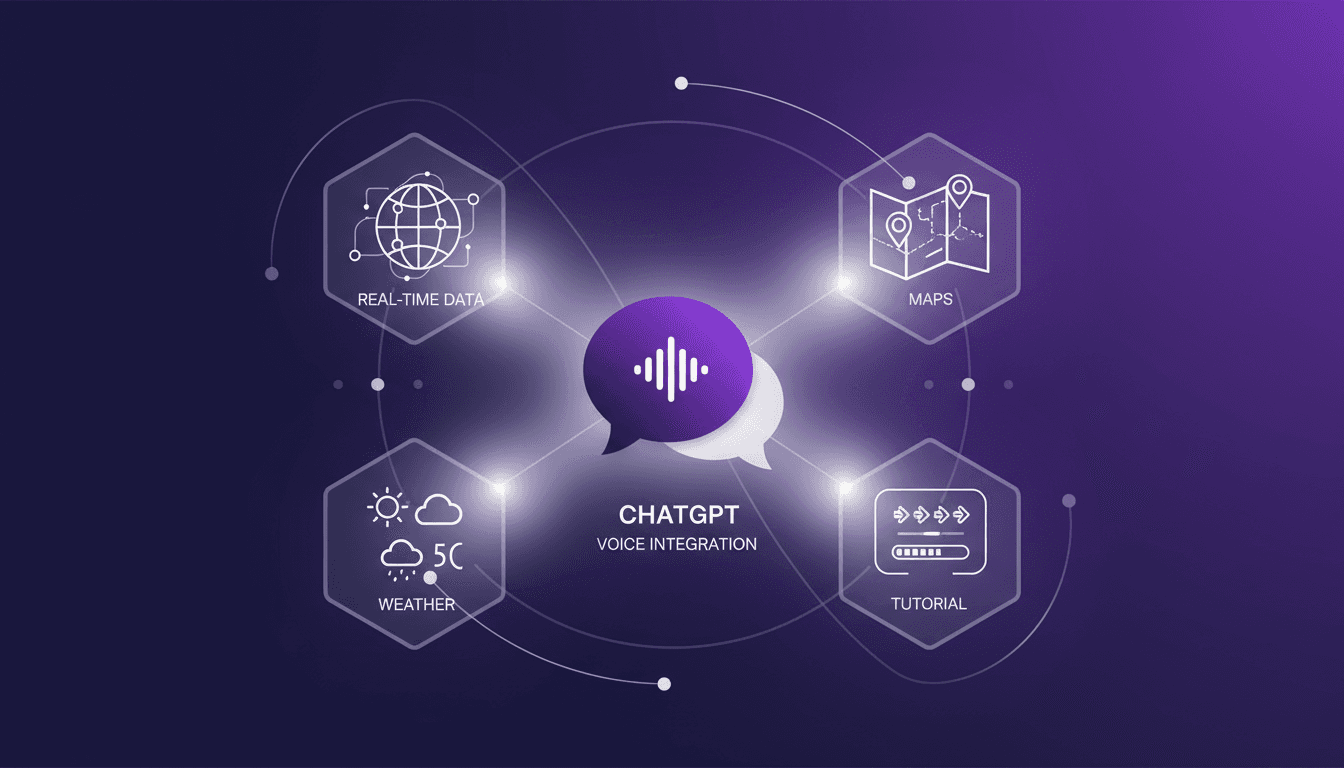
I started integrating voice into my chat apps last month, and it's been a real game changer. Voice integration isn't just a gimmick; it truly transforms user interaction. Imagine asking your chat app for real-time weather updates or directions to the best bakeries in the Mission District. We're talking about a whole new level of interaction. Real-time features like maps and weather add a dimension we couldn't dream of before. Let me walk you through how I set this up and how it can change your approach to chat platforms.
Optimizing AI Agent Memory: Advanced Techniques
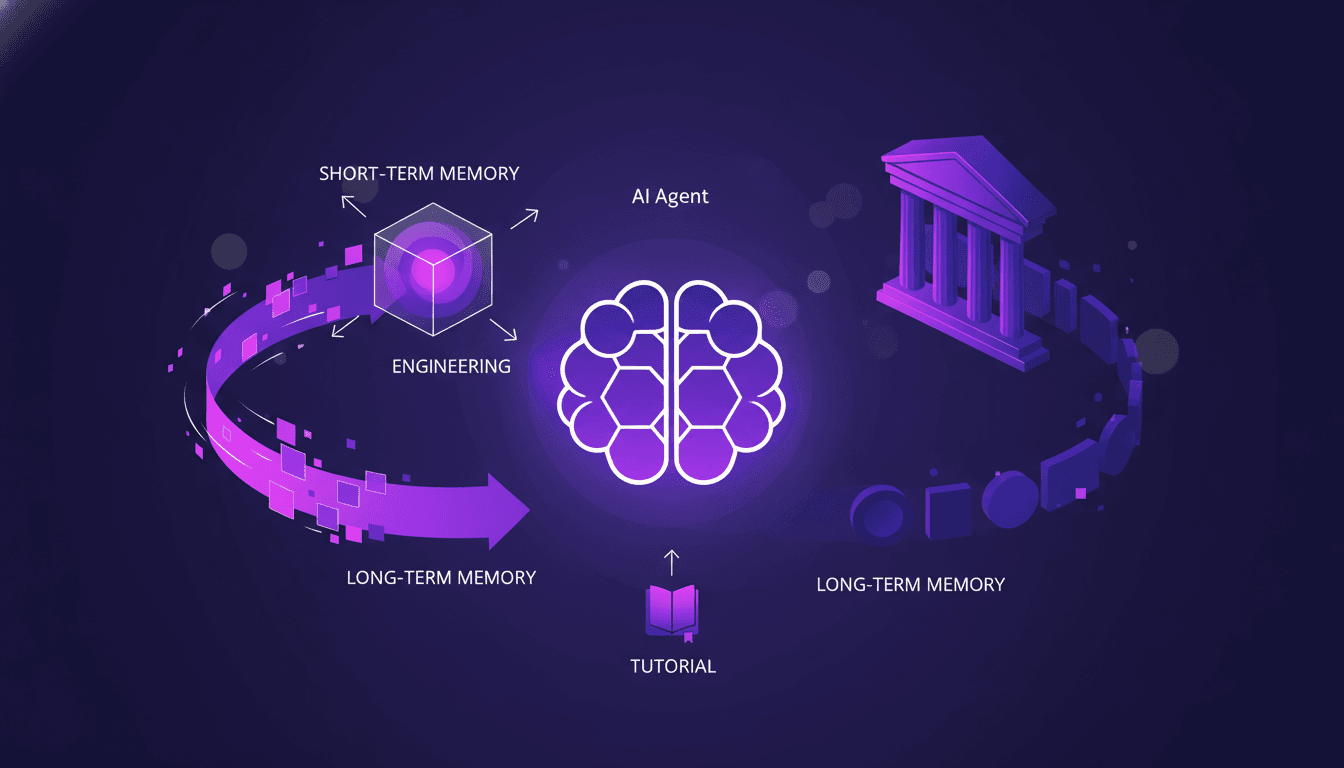
I've been in the trenches with AI agents, wrestling with memory patterns that can literally make or break your setup. First, let's dive into what Agent Memory Patterns really mean and why they're crucial. In advanced AI systems, managing memory and context is not just about storing data—it's about optimizing how that data is used. This article explores the techniques and challenges in context management, drawing from real-world applications. We delve into the differences between short-term and long-term memory, potential pitfalls, and techniques for efficient context management. You'll see, two members of our solution architecture team have really dug into this, and their insights could be a game changer for your next project.
Unlocking Gemini 3 Flash: Practical Use Cases
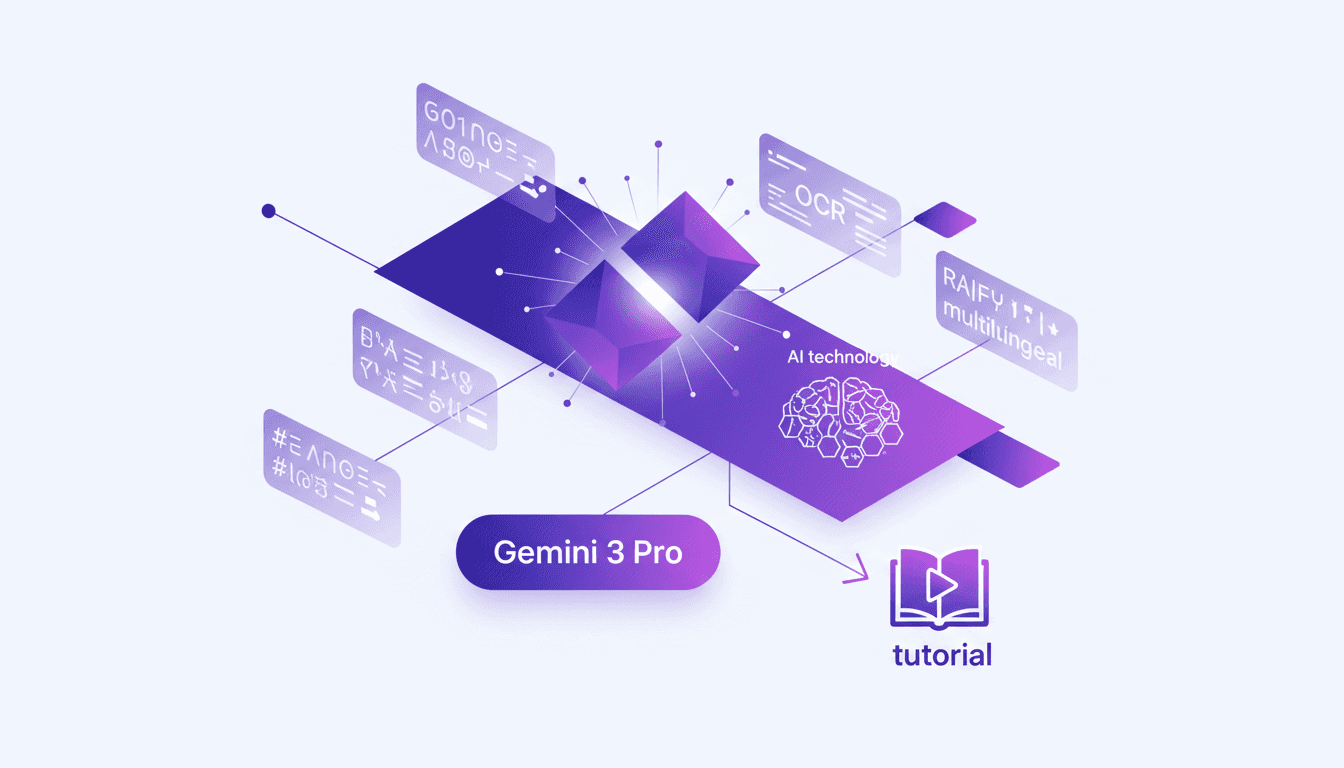
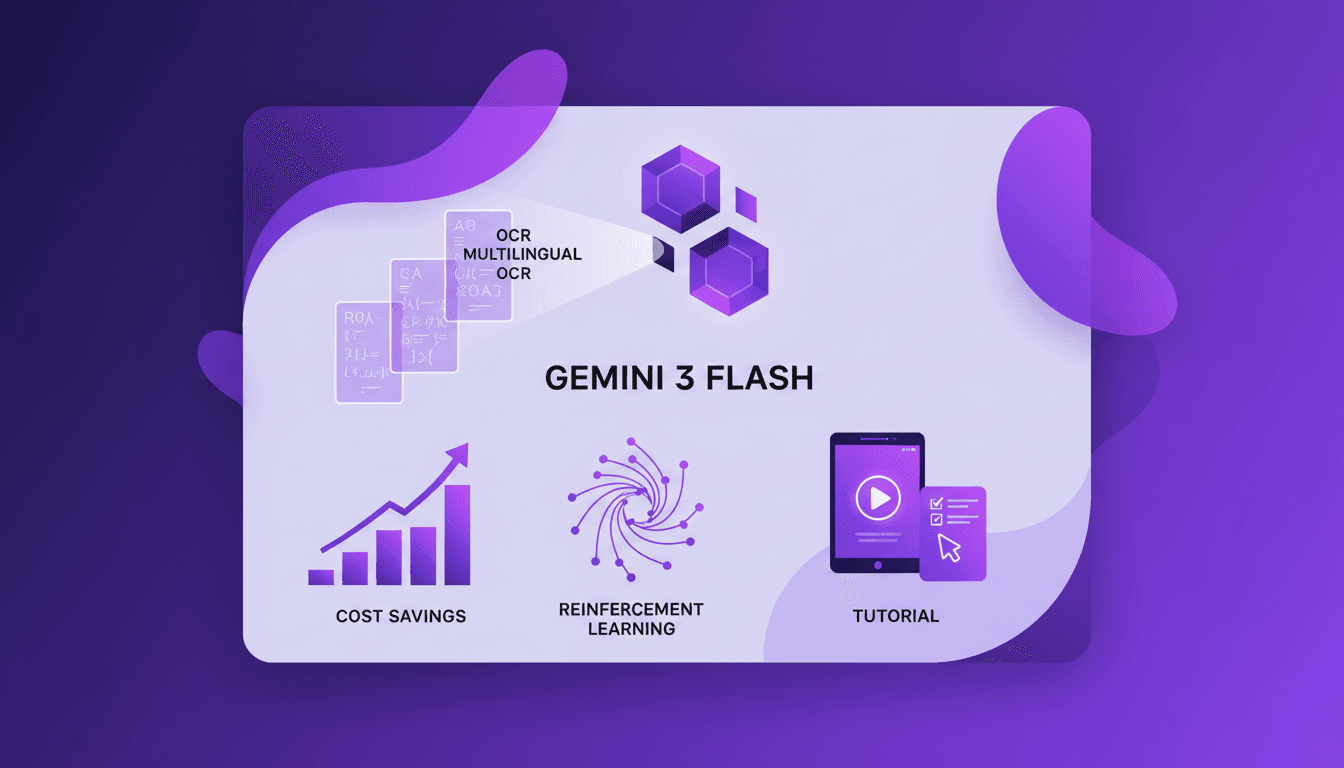
I dove into Gemini 3 Flash expecting just another AI tool, but what I found was a game changer for OCR tasks. This model, often overshadowed by the Pro, turns out to be a hidden gem, especially when you factor in cost and multilingual capabilities. In this article, I'll walk you through how Gemini 3 Flash stacks up against its big brother and why it deserves more attention. We're talking efficiency, technical benchmarks, and practical use cases. Spoiler: for certain tasks, it even outperforms the Pro. Don't underestimate this little gem; it might just transform your OCR handling without breaking the bank.
Harnessing Gemini 3 Flash: Cost Savings and OCR Performance
I remember the first time I switched to Gemini 3 Flash. We were drowning in document digitization costs, paying a premium for features we didn't fully exploit. That's when I decided to explore Gemini 3 Flash, and what I found was a game changer. In the world of OCR and document digitization, balancing cost and performance is crucial. Gemini 3 Flash offers a compelling, cost-effective solution, especially compared to its pricier sibling, Gemini 3 Pro. Priced four times cheaper, it's a boon for multilingual digitization projects. Let's dive into the OCR performance, the power of Gemini 3 Flash, and why it might just be the catalyst for your next project.
Optimizing Function Gemma for Edge Computing
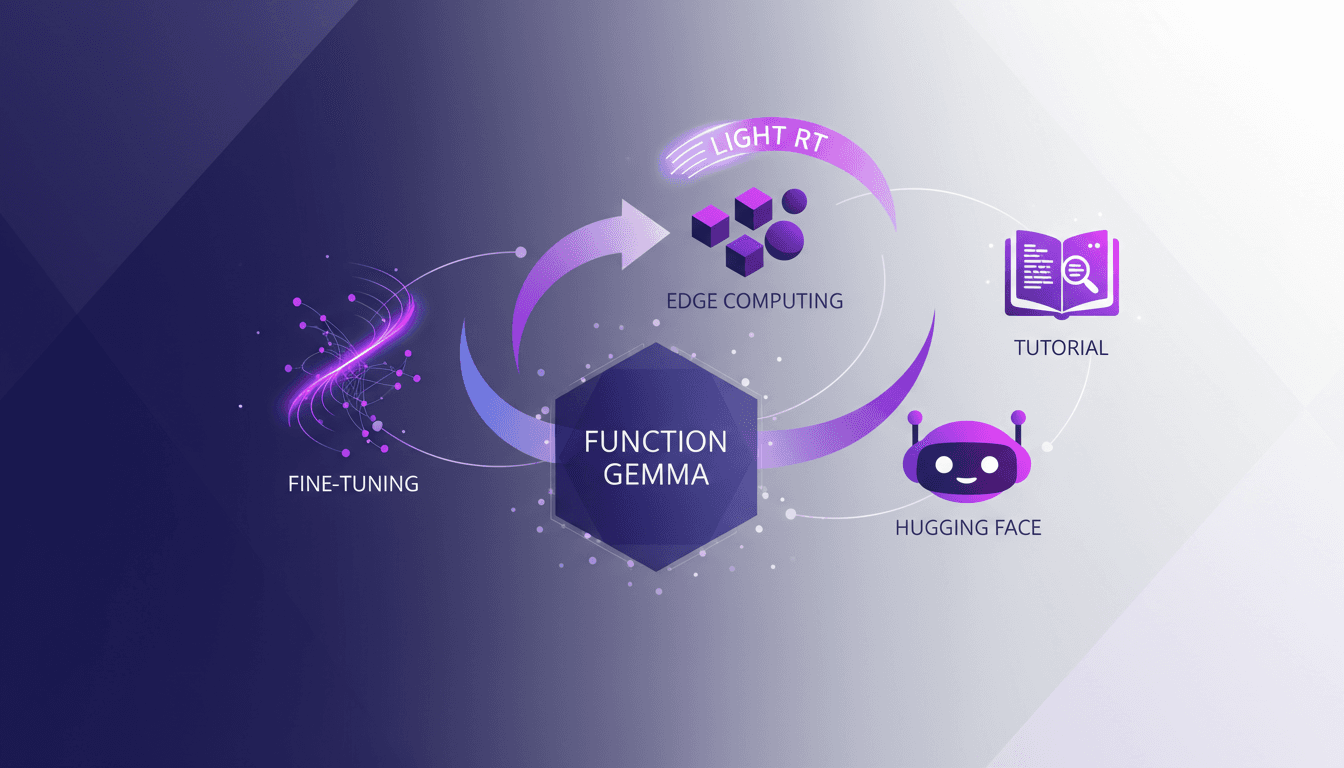
I remember the first time I deployed Function Gemma on an edge device. It was a game changer, but only after I figured out the quirks. With its 270 million parameters, the Gemma 3270M model is a powerhouse for edge computing. But to really leverage its capabilities, you need to fine-tune and deploy it smartly. Let me walk you through how I customized and deployed this model, so you don’t hit the same bumps. We're talking customization, deployment with Light RT, and how it stacks up against other models. You can find Function Gemma on Hugging Face, where I used the TRL library for fine-tuning. Don’t get caught by the initial limitations; improvements are there to be made. Follow me in this tutorial and optimize your use of Function Gemma for edge computing.