AI Cost Race: How I Stay Competitive
I've been in the AI game for a while, and believe me, the next six months are going to be pivotal. We're at a crossroads where cost, efficiency, and strategic choices will define who comes out on top. I've seen the trends, felt the pressure, and here's how I'm navigating this landscape. AI products are evolving fast, and the cost competition is fierce. Picture paying $80 per user for your company or $1000 a month for your team. It stings, right? As a practitioner, I have to orchestrate my choices smartly to stay competitive without getting burned. AI is reshaping industries, but it's not just about having the latest tools. It's about strategic, well-calculated opportunities.
I've been in the AI game for a while, and let me tell you, the next six months are going to be crucial. We're at a crossroads where cost, efficiency, and strategic moves will define who comes out on top. I've seen the trends and felt the pressure. To be clear, the cost competition around AI products is getting fierce. Imagine paying $80 per user for your company or $1000 a month for your team. It stings, right? As a practitioner, I have to orchestrate my choices smartly to stay competitive. AI is reshaping industries, but it's not just about having the latest gadgets. It's about making strategic choices in a competitive environment without getting burned. I've been skeptical of some AI promises, but advice from respected voices pushed me to explore the opportunities. Beware of potential pitfalls in AI development. Here's my take on leveraging AI while avoiding the traps.
Navigating AI Cost Competition
When it comes to AI, the first instinct is often to think in terms of performance. But in the real world, where every dollar counts, it’s also about juggling costs. First step, understand the financial landscape of AI tools. It’s a bit like playing chess: you have to anticipate your competitors’ moves who might offer an AI product at a significantly lower cost. I’ve evaluated new AI tools by focusing on their cost-effectiveness. Sometimes, spending $80 per user might seem excessive, but if the tool is 80% as effective as a more expensive solution, it might be worth it.
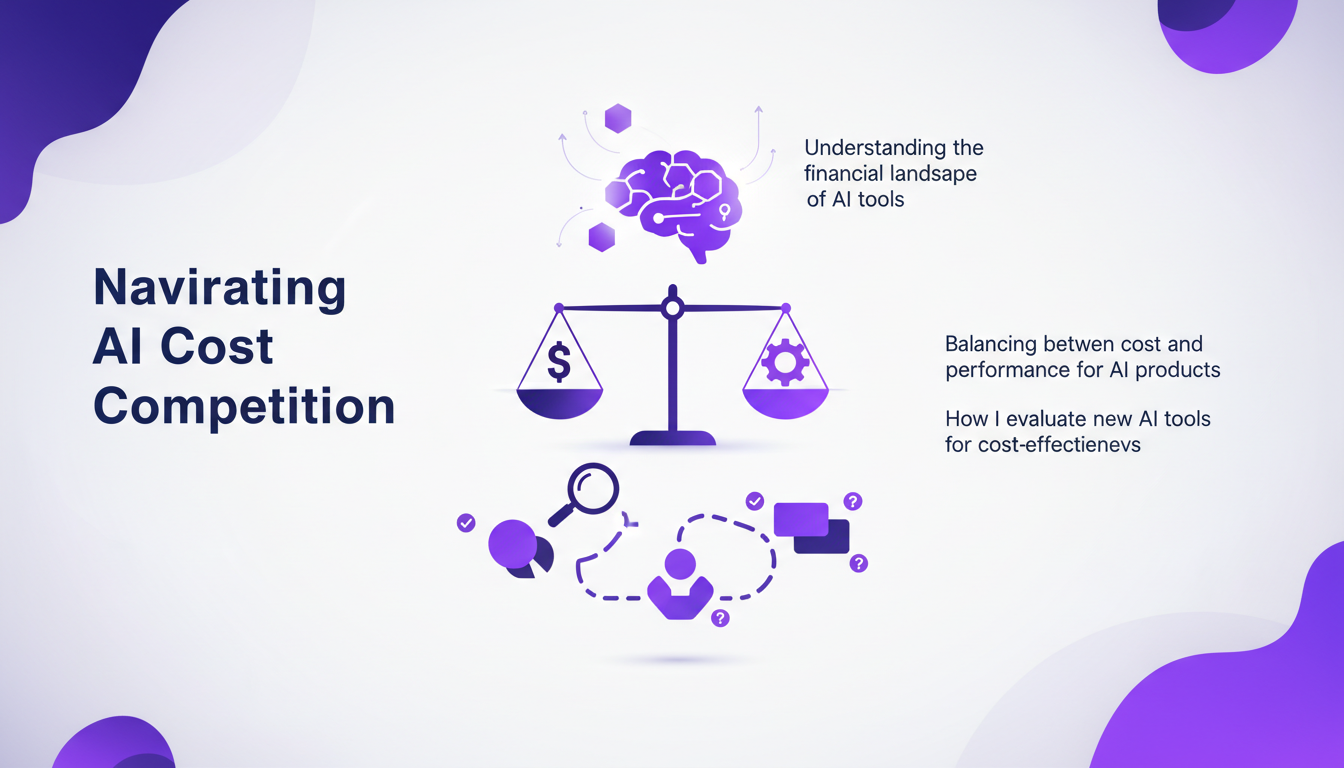
I remember a time when I had to weigh the benefits of a tool costing $1000 a month for my team. Pro tip: Optimizing AI expenses without sacrificing quality often requires piloting tools in trial phases before fully committing. This allows testing real performance and making informed decisions.
Facing the Threat of AI Obsolescence
As a practitioner, the threat of being replaced by an AI tool is very real. Recognizing the signs of obsolescence is crucial. I’ve always ensured my skills and tools are up-to-date. Integrating AI should never come at the expense of human expertise. A monthly investment of $1000 must be justified by tangible added value. Projections for 2025 show a rise in AI tools, but balancing automation with human oversight remains essential.
Strategy: Maintaining human oversight over AI prevents costly mistakes and ensures ethical and effective use of technologies.
Overcoming Initial AI Skepticism
I admit, I was skeptical at first. Discussions about AI seemed like distractions. What changed my perspective were the insights from industry veterans. They showed me how AI could transform my workflows. I started reviewing my calls and analyzing my data from a new angle thanks to AI.
Practical advice: To effectively embrace AI, staying in a continuous learning dynamic is crucial. This allowed me to move from distrust to proactive adoption.
Exploring AI's Strategic Business Opportunities
AI is not just a tool, it’s a strategic asset for business growth. To align AI initiatives with business goals, it's essential to understand your long-term needs. I’ve integrated AI into several projects, which significantly improved return on investment. Competition policy helped me identify opportunities and avoid pitfalls.
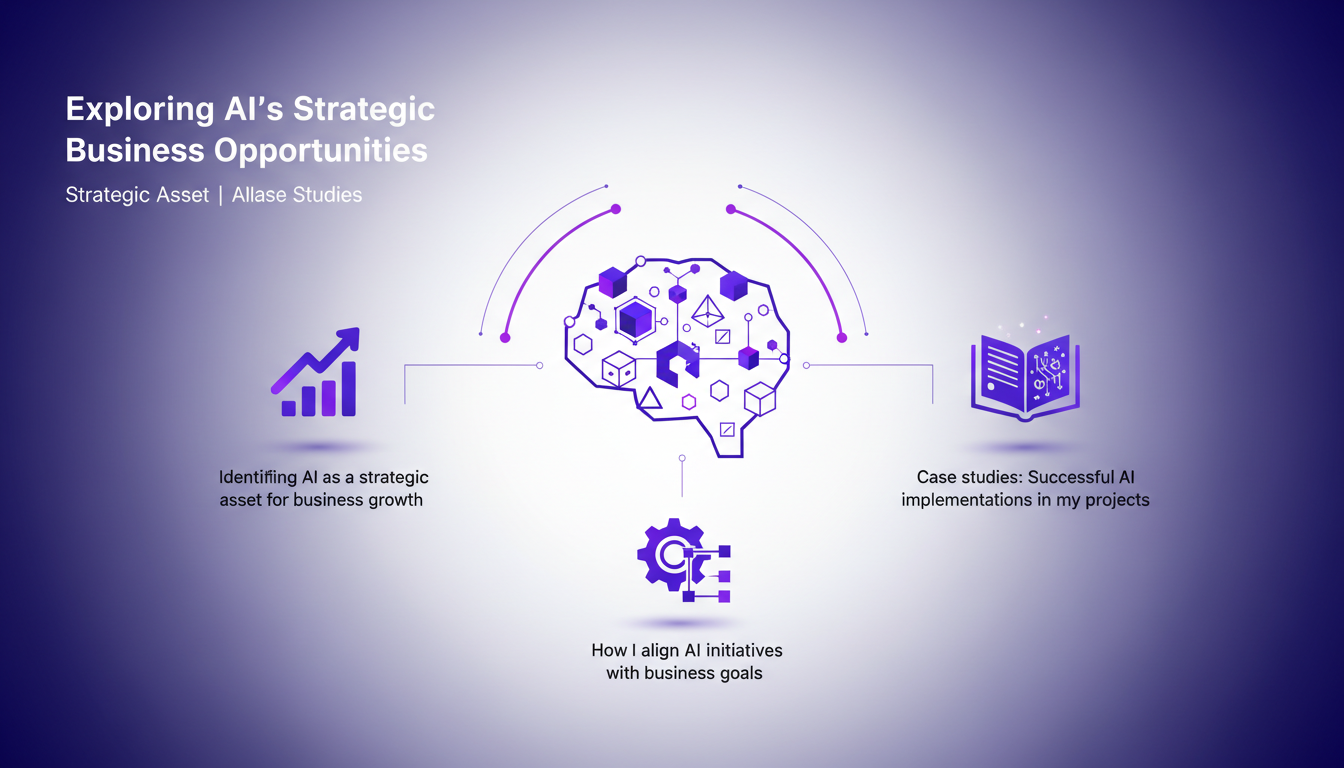
Ultimately, evaluating the ROI of AI investments is critical to justify these expenses and avoid potential pitfalls that can arise when integrating new technologies.
Addressing AI Development Drawbacks
AI development is not without its pitfalls. Common drawbacks include biases in algorithms and transparency issues. I’ve learned to mitigate these risks by implementing rigorous testing and ensuring total transparency in processes. Innovation must always be balanced with ethical considerations.
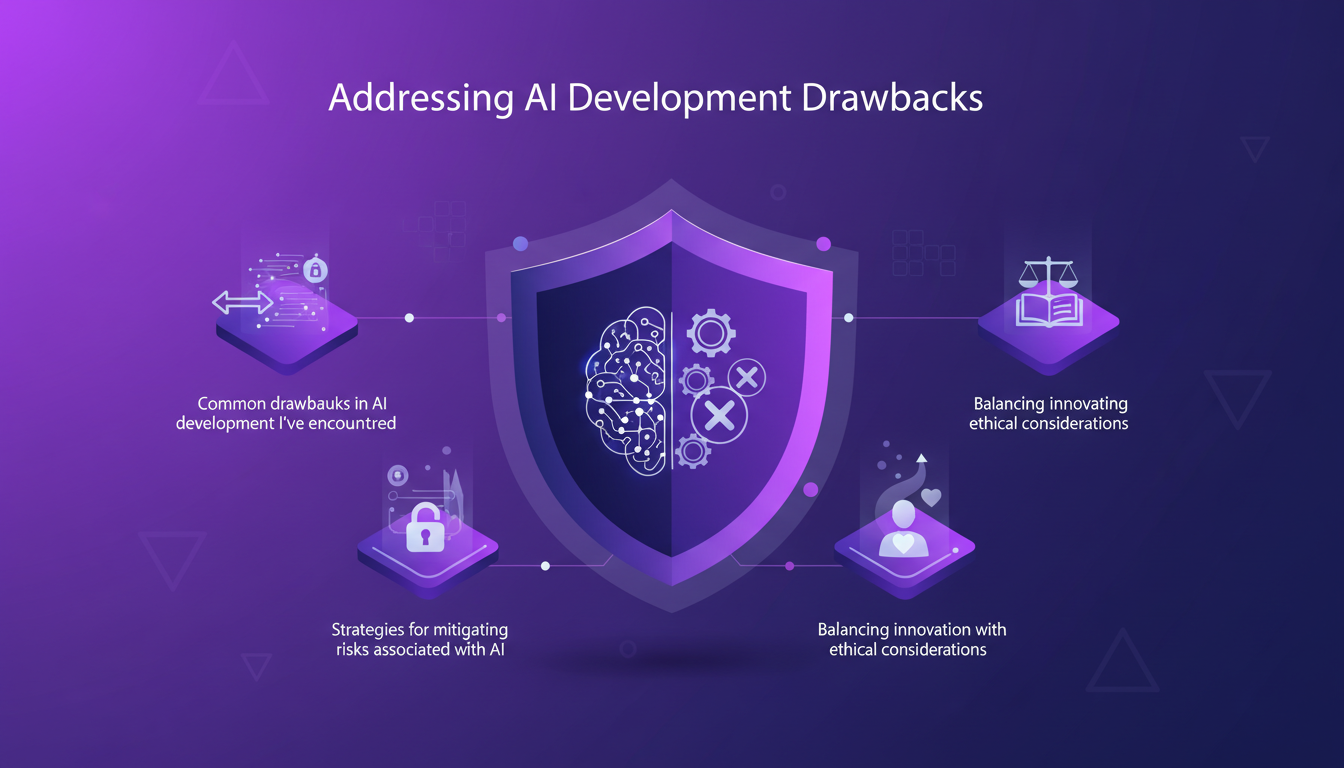
By learning from past mistakes, I’ve been able to improve future projects. Tip: Always document and analyze mistakes to avoid repeating them.
So here we are, facing a critical period for AI. First, let's not fall into the trap of the silver bullet. Sure, AI is a powerful tool, but it won't replace everything – it needs to be strategically aligned with our business goals. Next, I keep a close watch on cost management. Paying $80 per user is fine, but watch out for that snowball effect if we don't control expenses. Third, let's stay current with our skills. Obsolescence can hit fast with these AI tools, so we need to constantly reinvent ourselves. Finally, let's be pragmatic. AI is a game changer, but we must be realistic about its limits and costs. The next six months will be decisive. I'm eager to see how we adapt and innovate. So, stay informed, stay adaptable, and stay ahead. For more details, check out the full video – it's like chatting with a colleague about AI opportunities: https://www.youtube.com/watch?v=qyoEvCSPLms
Frequently Asked Questions

Thibault Le Balier
Co-fondateur & CTO
Coming from the tech startup ecosystem, Thibault has developed expertise in AI solution architecture that he now puts at the service of large companies (Atos, BNP Paribas, beta.gouv). He works on two axes: mastering AI deployments (local LLMs, MCP security) and optimizing inference costs (offloading, compression, token management).
Related Articles
Discover more articles on similar topics
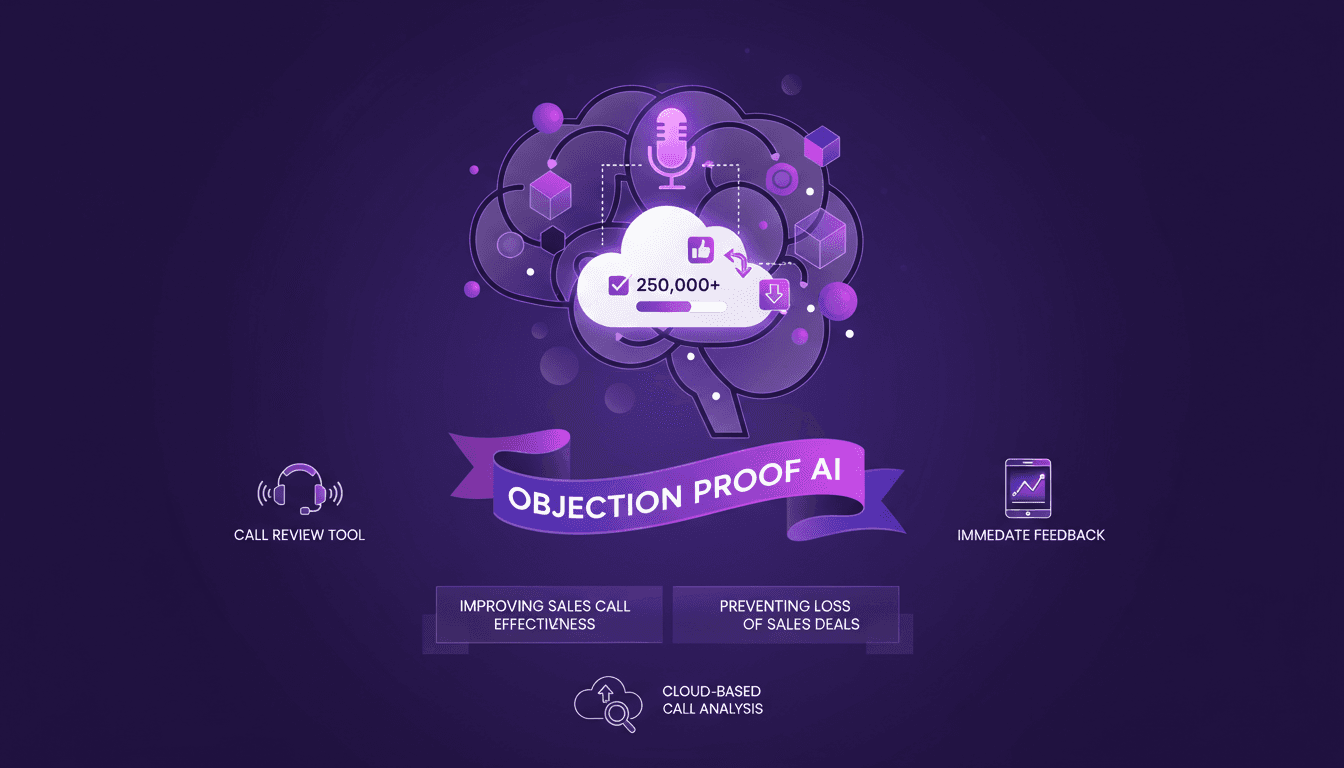
Review 250,000 Calls: Never Lose a Deal Again
I remember the moment I realized my sales team was losing deals simply because we weren't learning from our calls. That's when AI stepped in. I used Objection Proof AI to review 250,000 calls, and it was a game changer. First, I connected our call system, then orchestrated our strategy around the insights provided. This approach transformed how we handle sales, with immediate feedback on every client interaction. But watch out, you need to calibrate the tool properly to avoid getting bogged down in unnecessary details. The result: increased effectiveness and deals saved, thanks to cloud-based analysis that never sleeps.
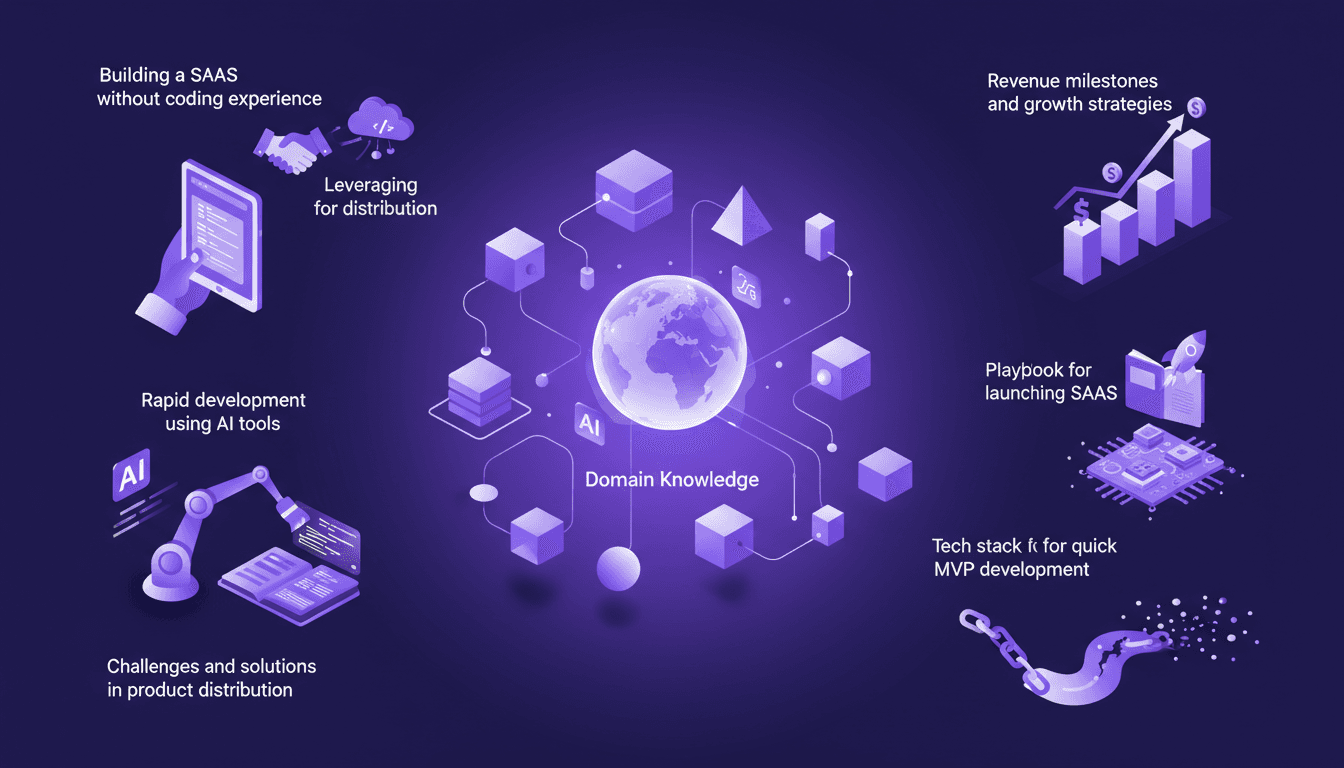
Building a SaaS Without an Audience: Key Strategies
I built my first SaaS with zero coding experience and no audience. Sound crazy? Let me walk you through how I hit $25K/month along the way. In today's digital age, building a SaaS might seem daunting, especially without technical skills or an existing audience. But with the right approach, domain knowledge, and leveraging AI tools, it's more achievable than ever. I'll share how I went from idea to MVP in 48 hours, the 1,000 hours of effort it takes, and the 10 to 12 failed projects before success. We'll talk partnerships for distribution, rapid development using AI tools, and growth strategies.

Balancing Motherhood and Self-Care with ChatGPT
Balancing motherhood with self-care felt like a myth. Then I started leveraging AI tools like ChatGPT, and everything shifted. Picture this: managing chronic pain and decoding CAT scan results without losing my mind. In this article, I walk you through my journey of integrating AI into my health routine. We're talking real workflows: how I schedule 15-minute workouts with 10-pound dumbbells and track symptoms without stress. It's been a game changer in managing family health. Honestly, it's a revolution.
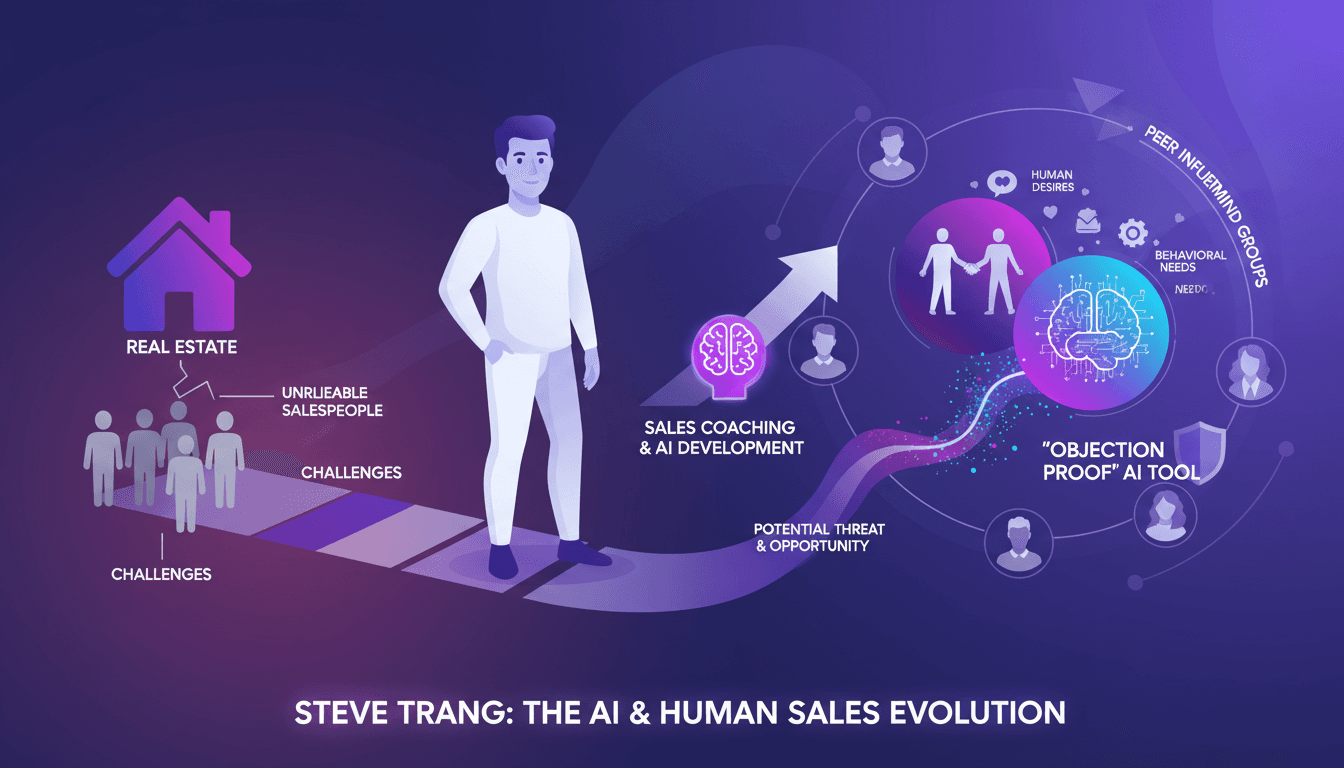
Mastering AI in Sales: Practical Strategies and Tools
I transitioned from real estate to AI-driven sales coaching, not to follow a trend, but because unreliable salespeople can sink a business. In the next six months, mastering AI in sales training will decide who wins the race. With a tool like 'objection proof', costing under $80 per user compared to $1,000 a month for training, you can train and understand human desires. AI might seem like a threat, but for me, it's an opportunity. Let's see how I turned this challenge into a competitive edge.
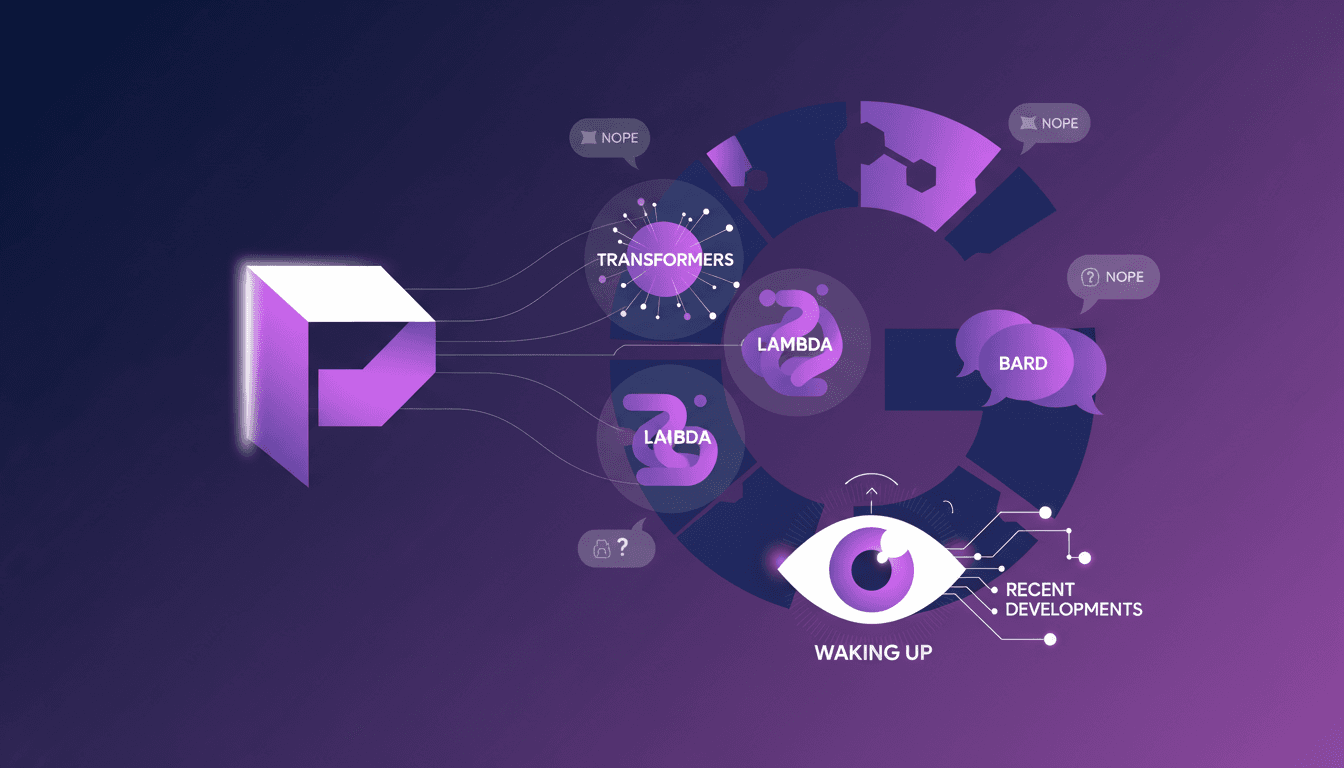
Perplexity Challenges Google: A Tech Awakening
I remember the first time I realized Google's search might not be the unchallenged king it once was. It was when Perplexity started making waves, and suddenly, Google's dominance didn't seem so ironclad. Fast forward three years, and Google's been busy—Transformers, Lambda, Bard—names that sound like something out of a sci-fi movie, but they’re shaping our tech landscape. From the trenches, I see how these projects could really shake things up. But watch out, not everything that glitters is gold. There's potential, sure, but also pitfalls to avoid. Let's dive into what's really in Google's hand and what's just noise.