AI Challenges 2026: Strategies to Overcome
I've been knee-deep in AI and energy for years, and let me tell you, the landscape is shifting under our feet. The financial struggles in AI are real—I've seen companies asking for $100 million just to stay afloat. In Paris, the buzz around nuclear energy is reshaping our tech ecosystem. Amid financial crises, energy constraints, and geopolitical shifts, understanding these changes is crucial for navigating turbulent waters. Let's talk about the potential deflation of the AI market bubble, concentration and acquisition risks for AI startups, and optimization of AI models. We're also dealing with hardware constraints and production challenges. Buckle up, as we dive into these challenges and explore how we can overcome the hurdles by 2026.
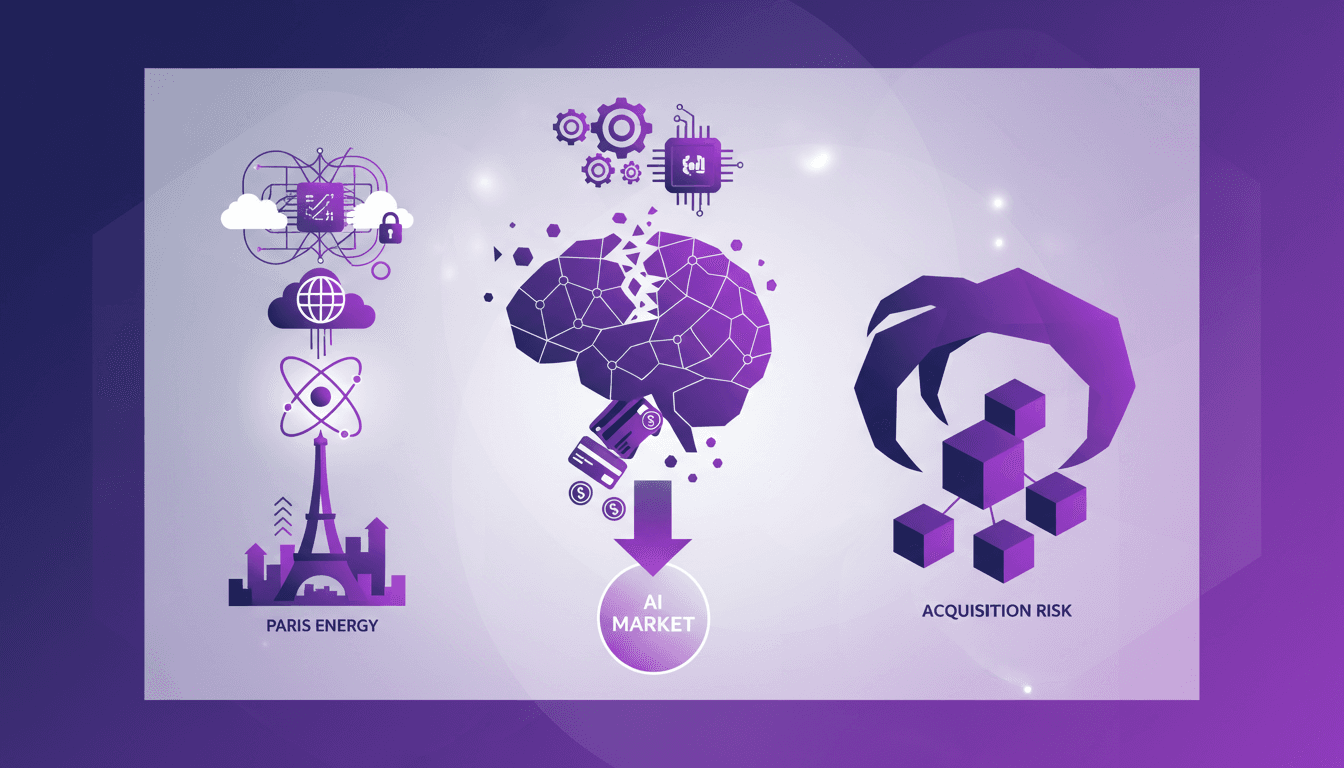
I've been knee-deep in AI and energy for years, and let me tell you, the landscape is shifting under our feet. First up, the financial struggles are real—I've seen companies asking for $100 million just to stay afloat. In Paris, the buzz around nuclear energy is reshaping our tech ecosystem. AI startups face concentration and acquisition risks, and the bubble might just burst. We're also dealing with hardware constraints and production challenges. Toss in a pinch of geopolitics and you've got an explosive cocktail to manage. We're diving headfirst into the nitty-gritty, talking about AI model optimization, and figuring out how we can overcome the hurdles by 2026. Strap in, it's going to be intense!
Navigating Financial Struggles in AI
First off, I've seen firsthand how major AI companies like OpenAI are grappling with financial hurdles. We're talking about budget requests reaching $100 million, which is no small feat. This directly impacts innovation and startup activity. There's a looming threat of concentration and acquisition risks that could swallow smaller startups whole. The pressure is relentless to avoid being gobbled up by the giants. Startups need to stay agile amidst these financial constraints to continue innovating.
"Startups must navigate a complex financial landscape to survive and thrive."
The potential deflation of the AI market bubble could reshape the landscape. It's crucial to implement strategies to stay competitive. Personally, I advocate for focusing on specialization and optimization. This can be a lifeline in a contracting market. But watch out, specializing also means accepting certain limits and making tough strategic choices.
The Resurgence of Nuclear Energy in Paris
Paris is witnessing a renewed interest in nuclear energy, with Flamanville's impressive 1600 MW output leading the way. And it's a game changer for tech companies. I've seen how this energy becomes a cornerstone for tech innovation in the region. Geopolitical influences are playing a significant role in this resurgence. For me, it's an opportunity to reevaluate our energy strategies.
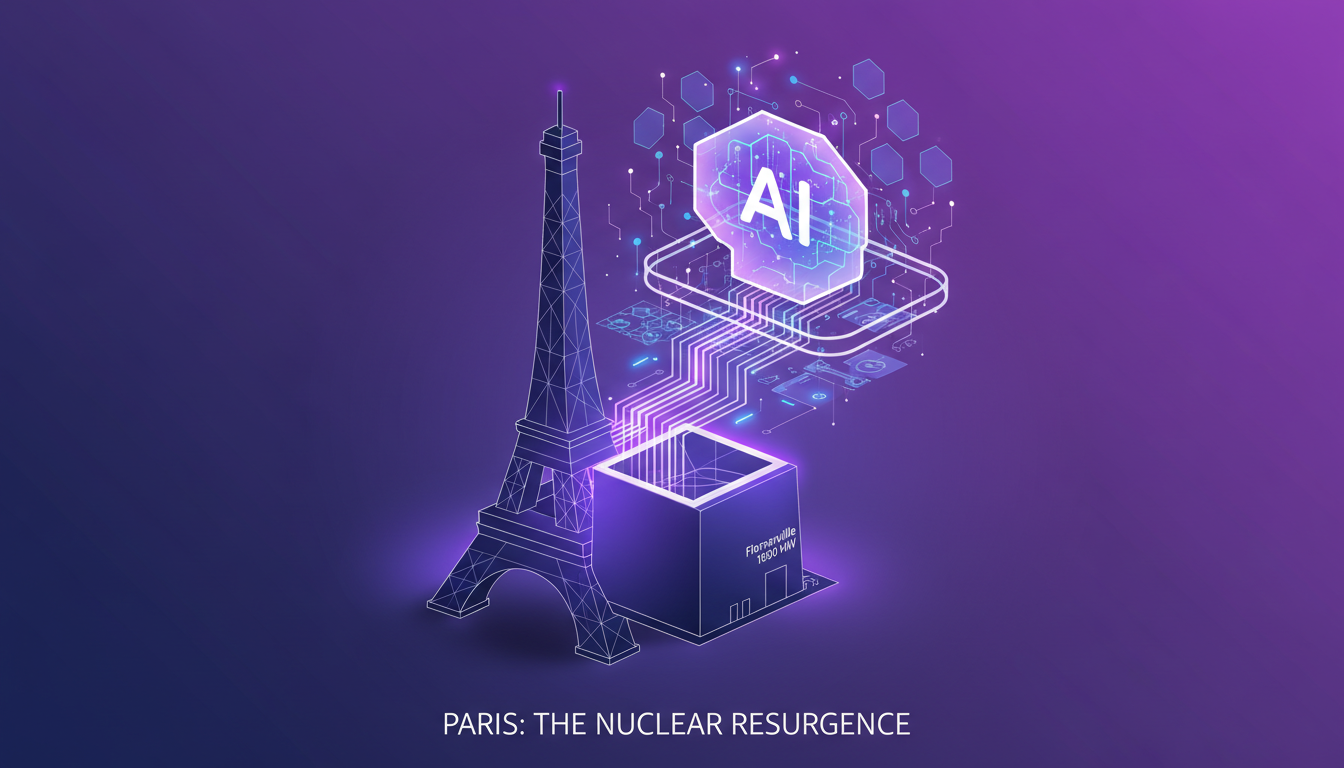
Balancing nuclear energy's potential with environmental concerns is crucial. I've often had to juggle these two aspects in my projects. It requires a thoughtful and well-orchestrated approach. Companies must anticipate and adapt to energy shifts to remain competitive. It's a challenge but also a unique opportunity.
Optimizing AI Models for Efficiency
Specializing and optimizing AI models is key to overcoming hardware constraints. Small Language Models (SLMs) are gaining traction for their efficiency and adaptability. I've optimized models for edge computing, and it's a balancing act between power and performance. That said, watch out for the growing environmental concerns in AI hardware development.
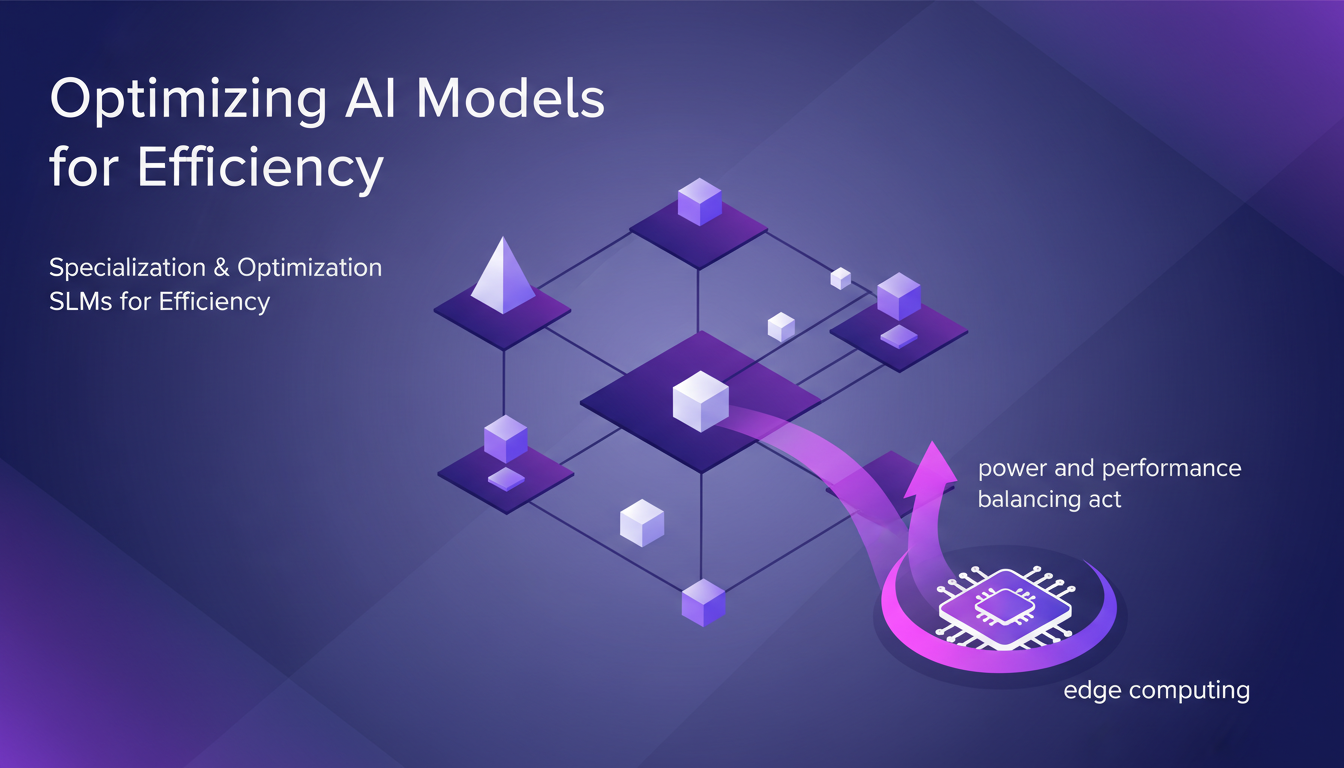
To maximize AI model efficiency without compromising performance, it's vital to focus on optimization. This often means reducing model size while maintaining their ability to adapt and learn. But be careful, sometimes it's faster to revert to simpler basics.
Energy Constraints and Geopolitical Considerations
Energy constraints are a major bottleneck for tech companies, especially in AI. Geopolitical factors are influencing energy policies and tech strategies globally. I've navigated these challenges by diversifying my energy sources and optimizing usage. The interplay between energy availability and tech innovation is more critical than ever.
To future-proof tech strategies against geopolitical shifts, one must anticipate and adapt. I've often had to reevaluate my strategies to ensure my projects can withstand global market turbulence. This requires a long-term vision and flexibility in execution.
Hardware Constraints and Production Challenges
Hardware production challenges are impacting the AI industry's growth trajectory. Activating six coprocessors for fabrication is just one example of the hurdles we face. To overcome these obstacles, I've streamlined production workflows and optimized resources. However, the balance between cutting-edge technology and production feasibility is delicate.
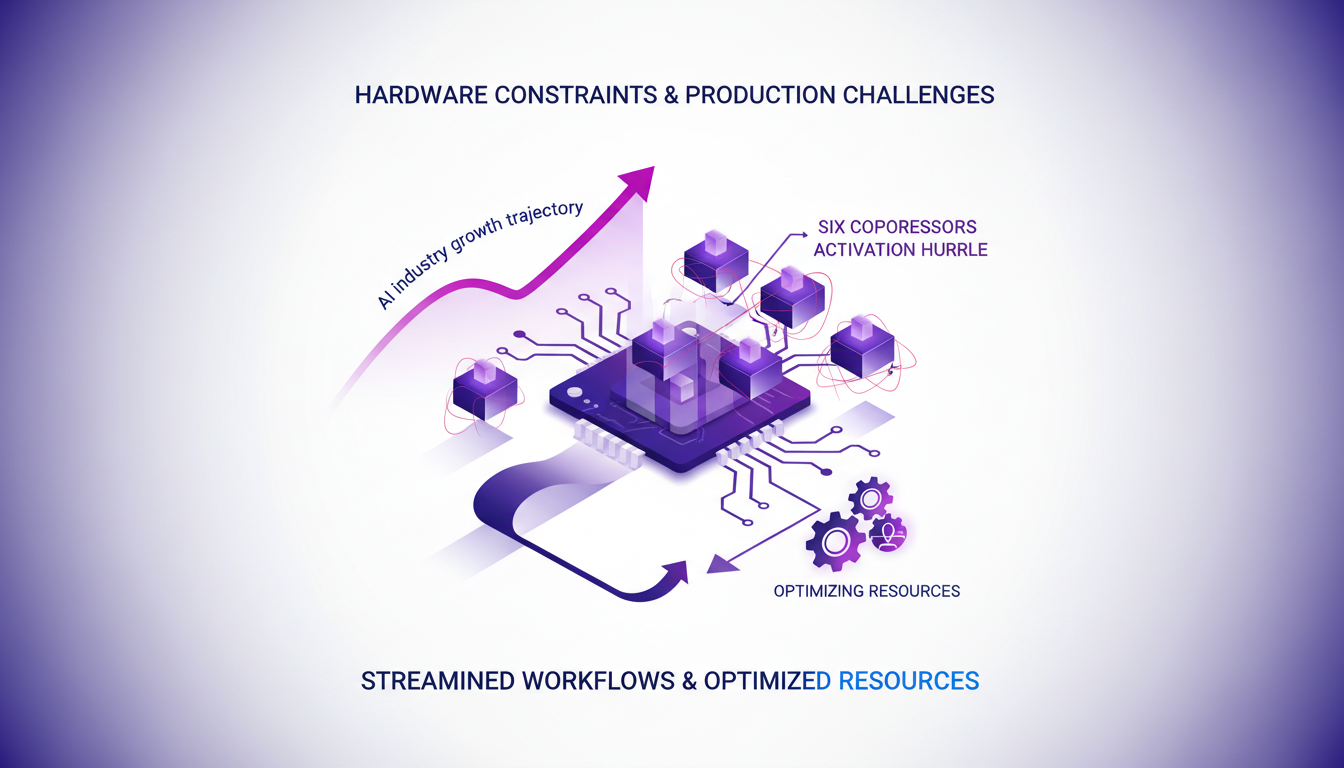
To maintain innovation momentum, it's crucial to develop strategies to overcome hardware constraints. This includes optimizing production chains and integrating more sustainable technologies. Again, be wary of over-optimizing at the cost of flexibility.
In conclusion, whether managing financial, energy, or hardware constraints, it's essential to stay agile and innovative. These challenges are opportunities to reinvent our approaches and strengthen our resilience against rapid market changes.
Navigating the future of AI and energy feels like balancing innovation with the hard realities. I've had to optimize my models to keep from blowing a 100-million budget. There's a buzz about nuclear energy making a comeback in Paris, and I get it—it’s a game changer, but watch out for geopolitical constraints. It's not all rosy for AI startups either, with market bubbles potentially deflating and acquisition risks piling up. My advice? Get a grip on the hardware challenges and keep your strategies flexible because the future waits for no one.
- Model Optimization: Spend the time to analyze your models to sidestep exorbitant costs.
- Understanding Geopolitical Impacts: Don't underestimate global influences that can shift the landscape.
- Hardware Challenges: Ensure you've got the right coprocessors activated to avoid getting stuck.
Stay ahead by adapting your strategies to these evolving challenges. Watch the full video "Tech 2026 - Le K.O. qui se profile?" for a deeper dive from a peer's perspective: YouTube link.
Frequently Asked Questions

Thibault Le Balier
Co-fondateur & CTO
Coming from the tech startup ecosystem, Thibault has developed expertise in AI solution architecture that he now puts at the service of large companies (Atos, BNP Paribas, beta.gouv). He works on two axes: mastering AI deployments (local LLMs, MCP security) and optimizing inference costs (offloading, compression, token management).
Related Articles
Discover more articles on similar topics
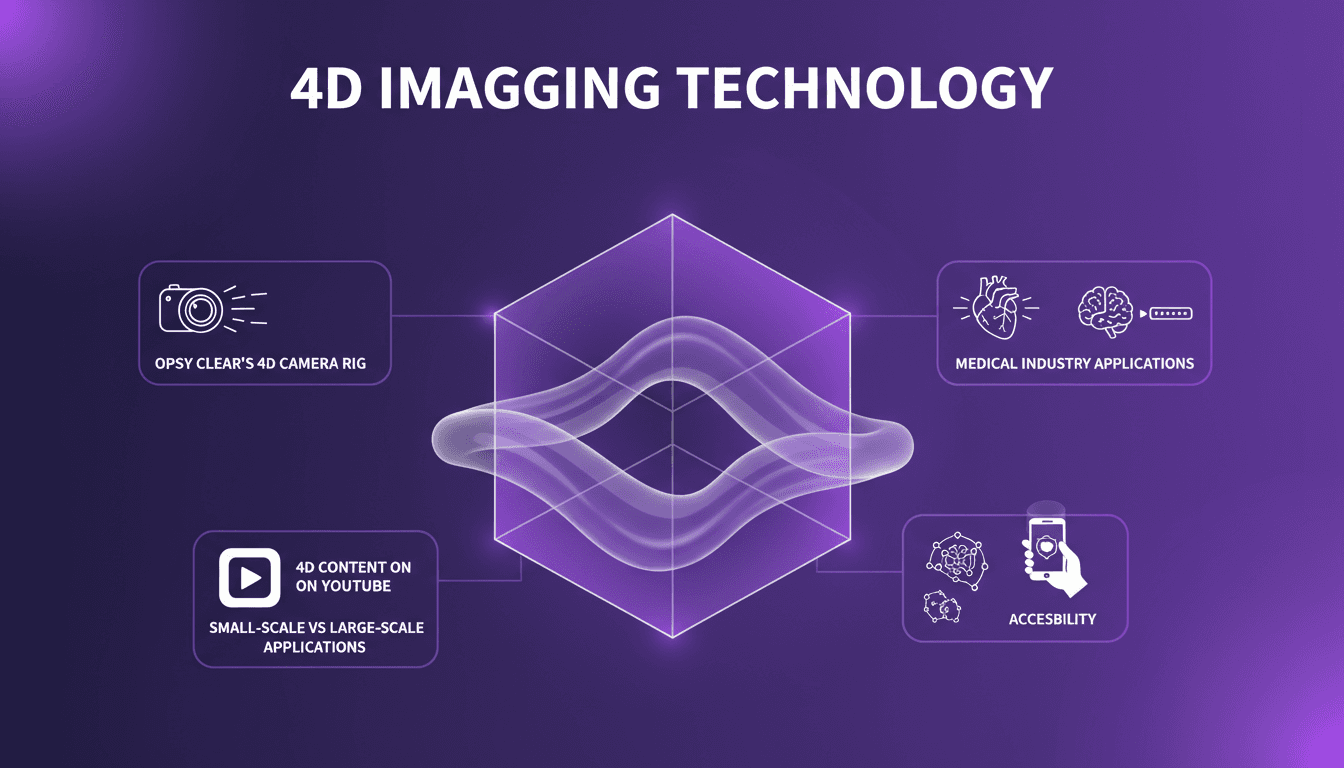
4D Imaging: Transform Your Workflow
I remember the first time I saw a 4D render—it felt like stepping into the future. But the real game changer was when I got my hands on Opsy Clear's 4D camera rig. This isn't sci-fi anymore, it's here, ready to revolutionize your workflow. Whether you're in the medical field or a YouTube content creator, mastering 4D imaging can truly set you apart. Let me walk you through this tech, from its medical applications to its potential on YouTube, and how it's accessible to everyone, regardless of your project's scale.
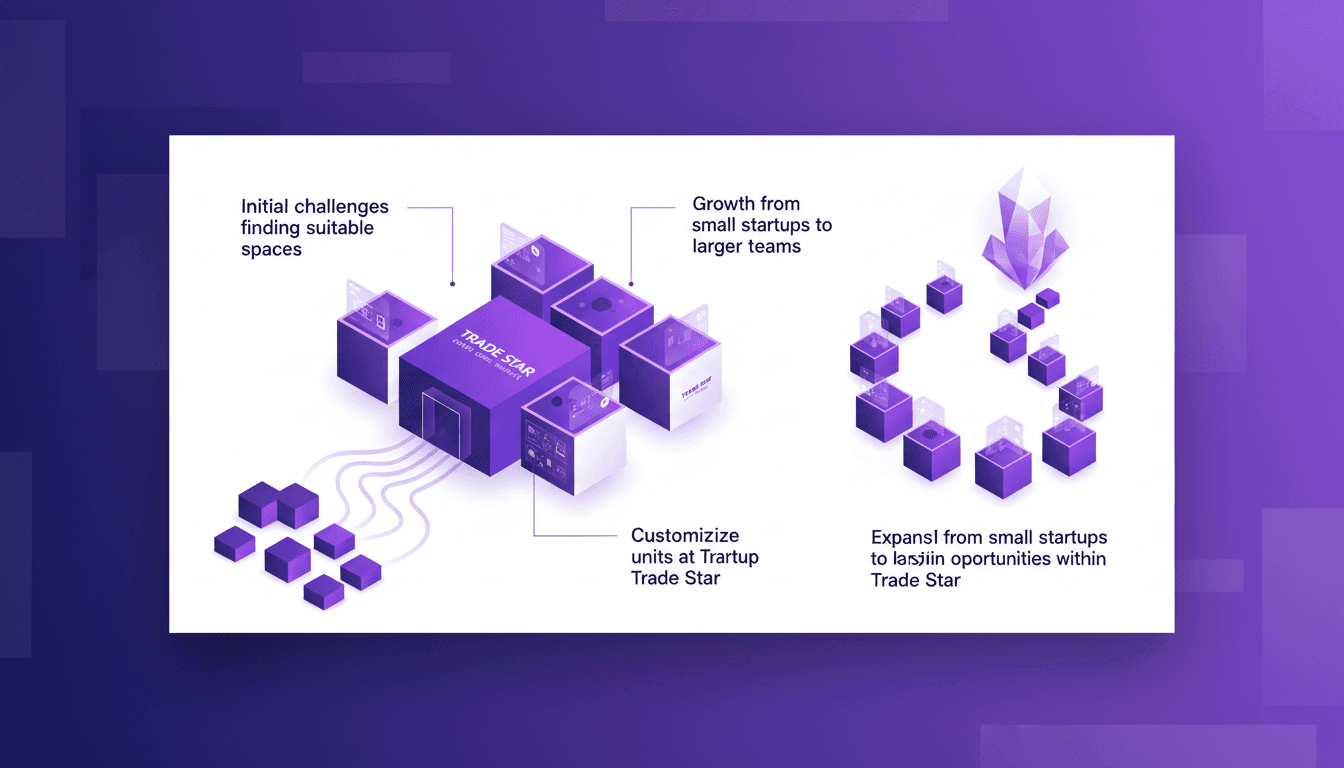
Building Entrepreneur Spaces: My Journey
I remember the day I realized there just weren't enough spaces for startups like mine. So, I decided to build Trade Star, a place entrepreneurs can call home. With customizable units, Trade Star grows with your evolving needs. Start small? No problem, you can expand to accommodate a 30-person team. It's a real game changer. But watch out, the journey isn't without its challenges. I had to juggle designing spaces and managing operational demands. Let me walk you through how I overcame these hurdles and turned Trade Star into a growth hub for startups.
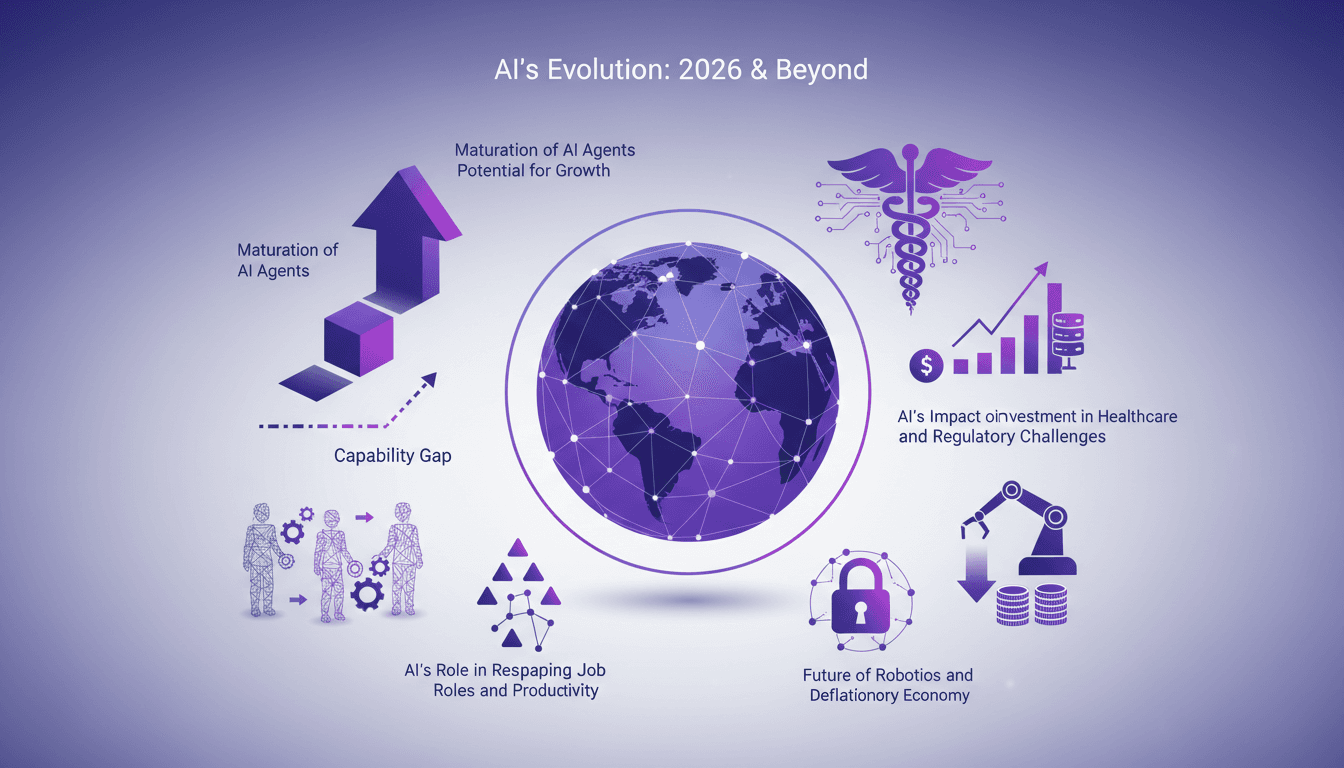
Maturing AI Agents and Systems by 2026
I've watched AI grow from simple scripts to complex systems, often finding myself orchestrating solutions with agents that, let's be honest, sometimes fell short. But we're talking about 2026 now, and I can sense something big is brewing. Multi-agent systems are getting refined, impacting real-world sectors like healthcare and startups. We have to discuss OpenAI's massive investments in compute power and the regulatory challenges ahead. As a builder, I see opportunities for us, especially for startups looking to carve out a spot in this rapidly evolving ecosystem. Buckle up, because AI agents are coming with a punch that will redefine productivity and job roles.
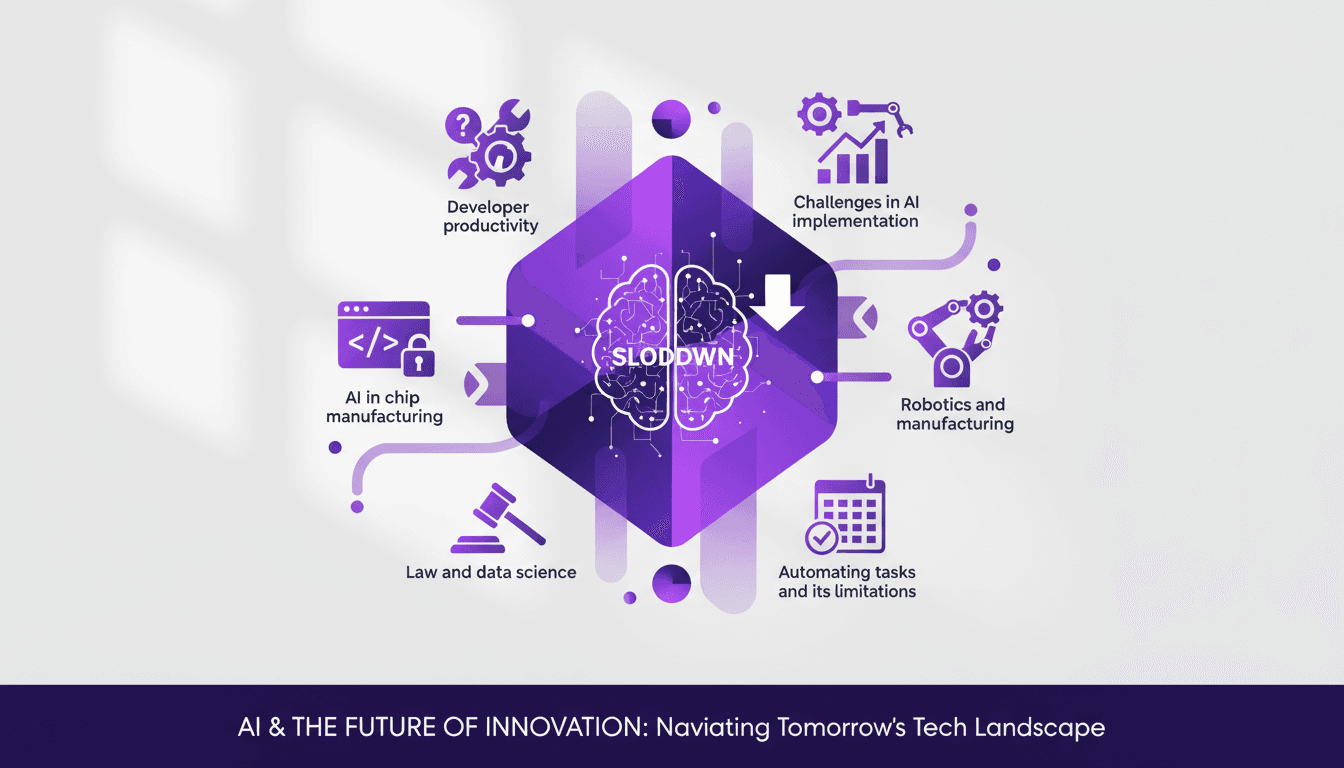
Measuring Dev Productivity with METR: Challenges
I've spent countless hours trying to quantify developer productivity, and when I heard Joel Becker talk about METR, it hit home. The way METR measures 'Long Tasks' and open source dev productivity is a real game changer. With 2030 looming as the potential year where compute growth might hit a wall, understanding how to measure and enhance productivity is crucial. METR offers a unique lens to tackle these challenges, especially in open source environments. It's fascinating to see how AI might transform the way we work, though it has its limits, particularly with legacy code bases. But watch out, don't overuse AI to automate every task. It's still got a way to go, especially in robotics and manufacturing. Joel shows us how to navigate this complex landscape, highlighting the impact of tool familiarity on productivity. Let's dive into these insights that can truly transform our workflows.
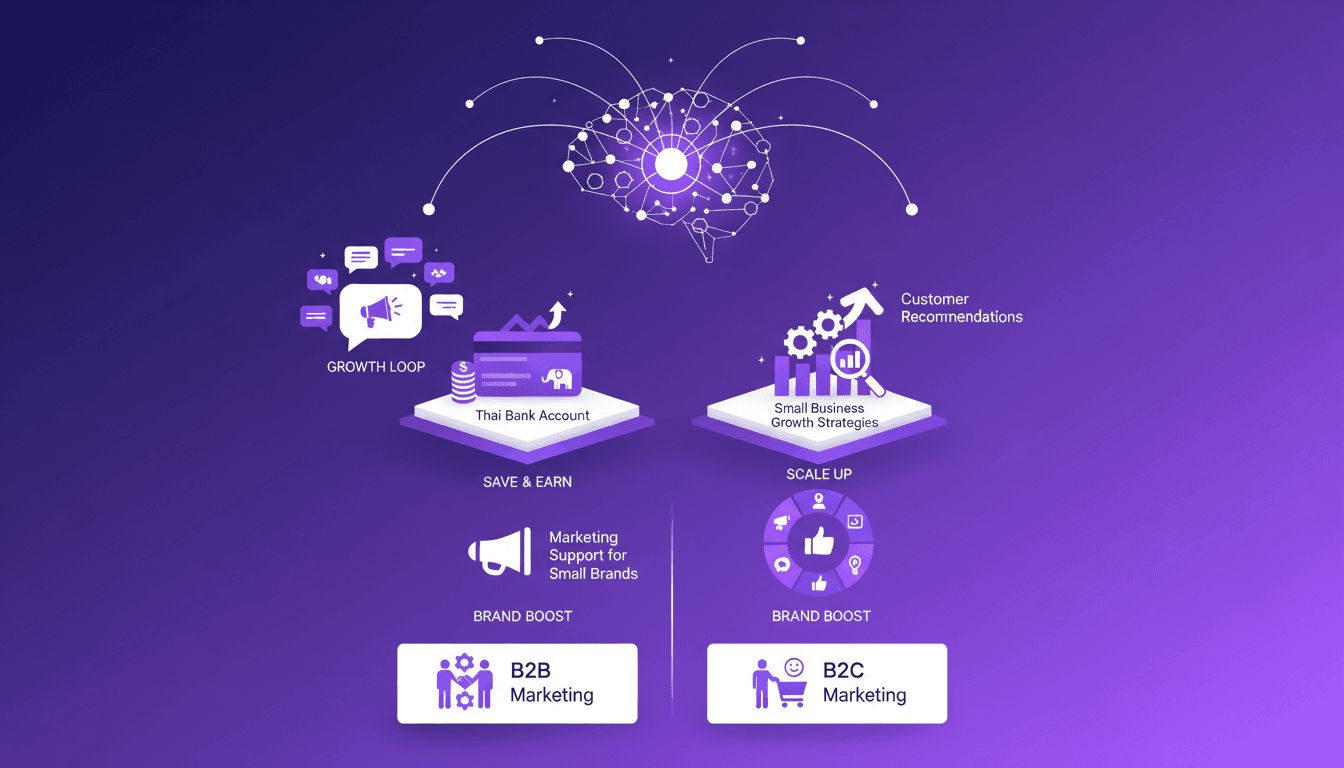
Customer Recommendations: Boost Your Business
I remember the first time a customer recommended my service—total game changer. Suddenly, I wasn't just offering a product or service; I became the go-to expert in my niche. In this article, I'm diving into why customer recommendations are crucial and how they can transform your business. We'll also break down the benefits of Thai bank accounts for cashback, and share marketing strategies to elevate your small business. Whether you're B2B or B2C, these practical insights can make all the difference.