Achieving 3M€ ARR: SaaS Strategies in 11 Months
I remember the moment we hit 3M€ ARR like it was yesterday. Transitioning from e-commerce to a thriving SaaS business wasn't a walk in the park, but every challenge was worth it. In just 11 months, we transformed our business model, leveraging influencer marketing and aligning our vision with key KPIs to drive growth. In this podcast, I share how we did it, the pitfalls to avoid, and the lessons learned along the way. Dive into our growth strategies, product development, the importance of market fit, and how to manage cash flow while ensuring profitability. It's a journey full of challenges, but incredibly rewarding for those willing to pivot and innovate.
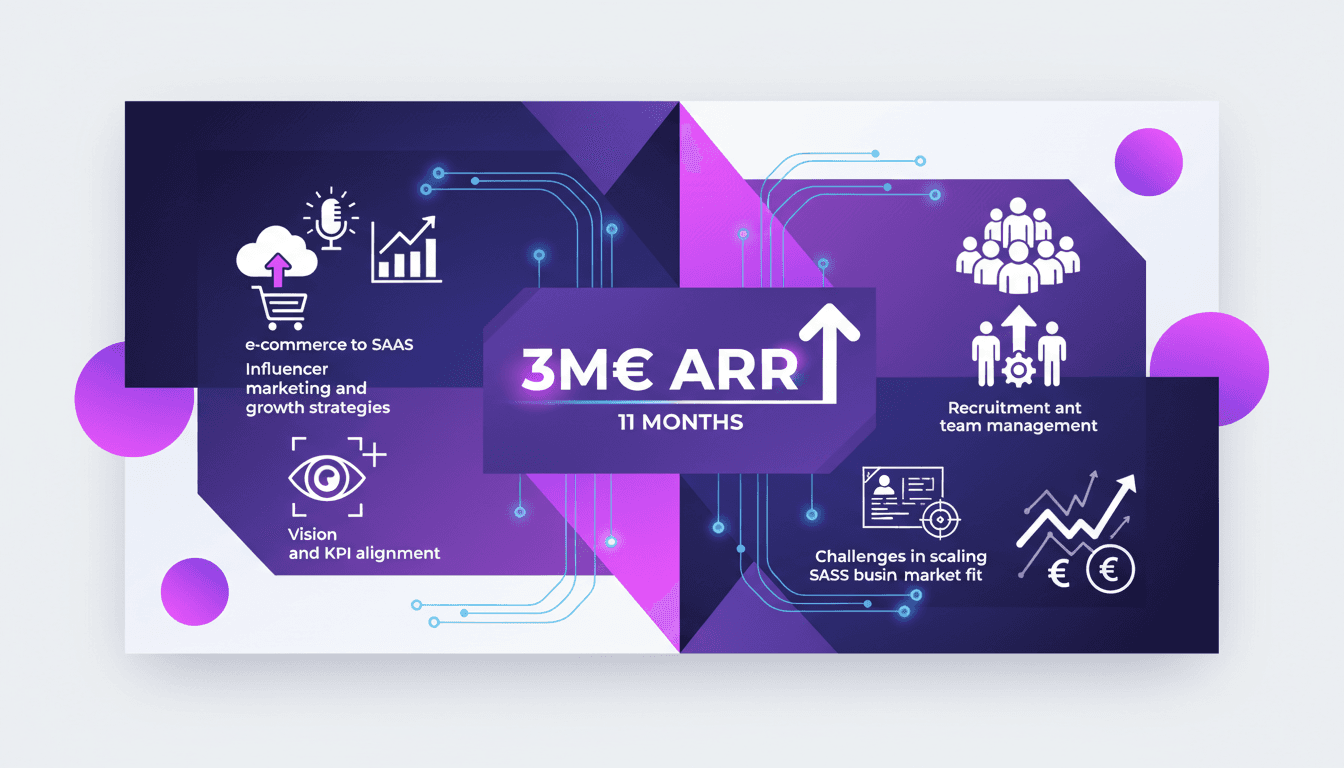
I remember the day we hit 3M€ ARR like it was yesterday. It was the culmination of strategic pivots, relentless execution, and a bit of calculated risk-taking. Transitioning from e-commerce to a thriving SaaS business wasn't a walk in the park, but it was worth every challenge we faced. In just 11 months, we transformed our business model, leveraging influencer marketing and aligning our vision with key performance indicators (KPIs) to drive growth. Here's how we did it, the pitfalls to avoid, and the lessons learned along the way. We dive into growth strategies, product development, the importance of market fit, and how to manage cash flow while ensuring profitability. It's a journey full of challenges but incredibly rewarding for those willing to pivot and innovate.
Transitioning from E-commerce to SaaS
Shifting from e-commerce to SaaS was primarily about two things: scalability and recurring revenue. Achieving 3M€ in ARR (Annual Recurring Revenue) within just 11 months shows the power of this model. However, the transition wasn't a walk in the park. The biggest challenge was the technical infrastructure. Our team, originally trained with an e-commerce mindset, needed to pivot to a "tech" long-term perspective. It was a paradigm shift.
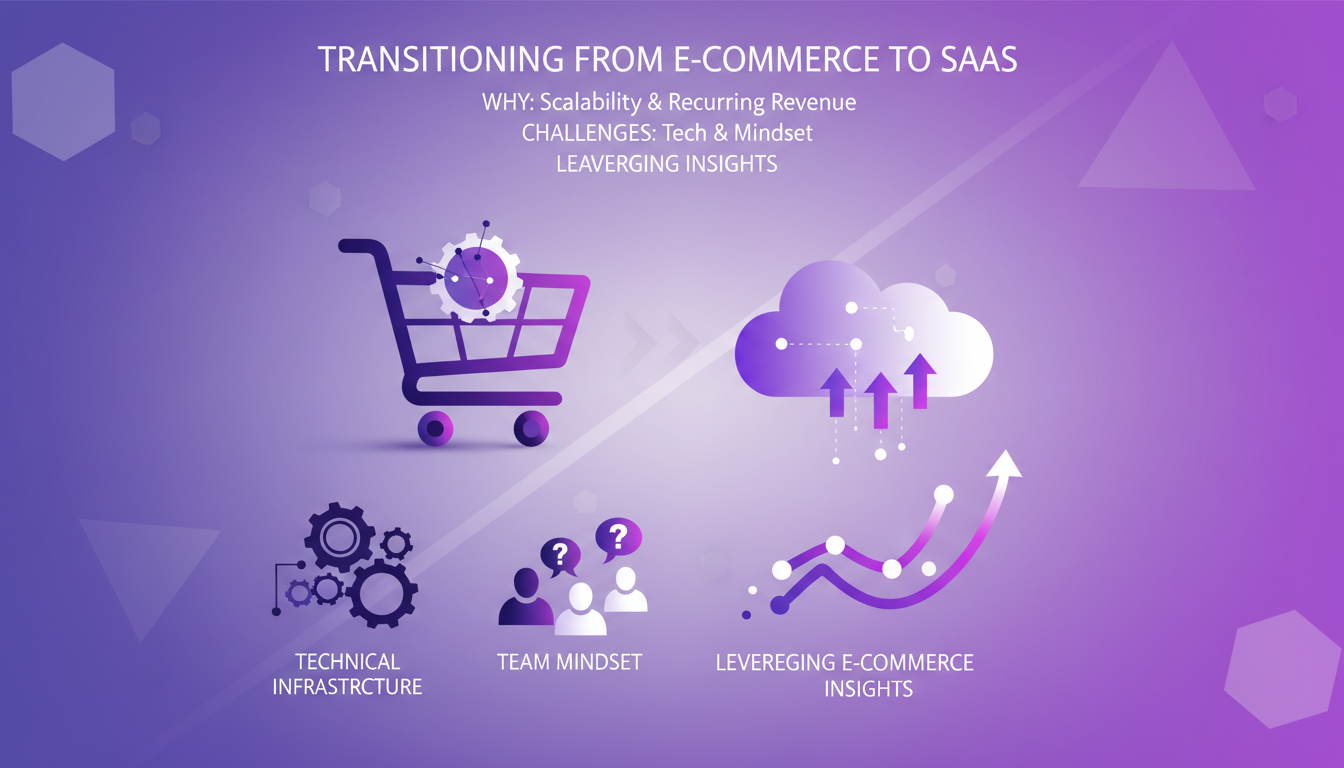
We leveraged our e-commerce insights to inform SaaS development. For instance, our ability to scrape high-quality data gave us an edge in understanding customer needs. But watch out, SaaS demands thorough market research to ensure product-market fit. You can't just "launch and hope"; it requires testing, adjusting, and retesting.
Influencer Marketing and Growth Strategies
Influencer marketing was a key lever in cutting our CPL (Cost Per Lead) by 20%. Choosing the right influencers is crucial: they must align with brand values and reach our target audience. I've found that small niche collaborations often yield better returns than big names.
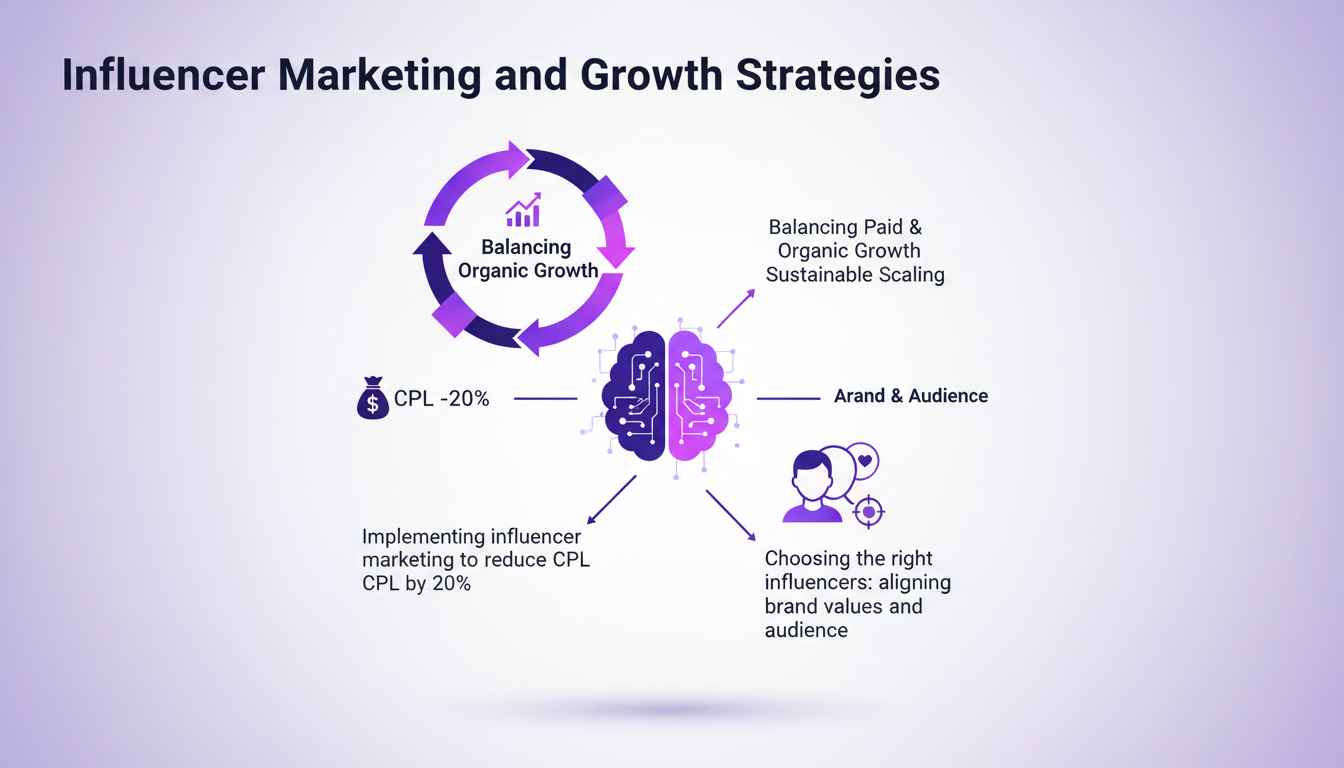
But watch out, don't over-rely on influencer marketing. It's tempting to lean heavily on it, but it can make growth unstable in the long run. Simultaneously, I balanced with organic and paid growth strategies, notably SEO and paid advertising. This ensures sustainable growth while diversifying channels.
Vision, KPI Alignment, and Team Management
Aligning vision with KPIs is essential for maintaining focus. We established measurable indicators that translate our vision into concrete objectives. In recruitment, the key is balancing creative and technical skills. I've often seen creative profiles work as effectively in 2 hours as a full week's work from a less suited profile.
Managing a remote team requires the right tools. I use platforms like Slack and Asana to structure work and maintain communication. But beware, avoiding recruitment mistakes is crucial. A wrong hire can quickly derail growth.
Product Development and Market Fit
Iterative product development is fundamental. Listening to customer feedback allows us to adjust our offerings. I've frequently used the freemium model to attract users, but it has its limits. Sometimes, a pivot is necessary to align the product with the market.
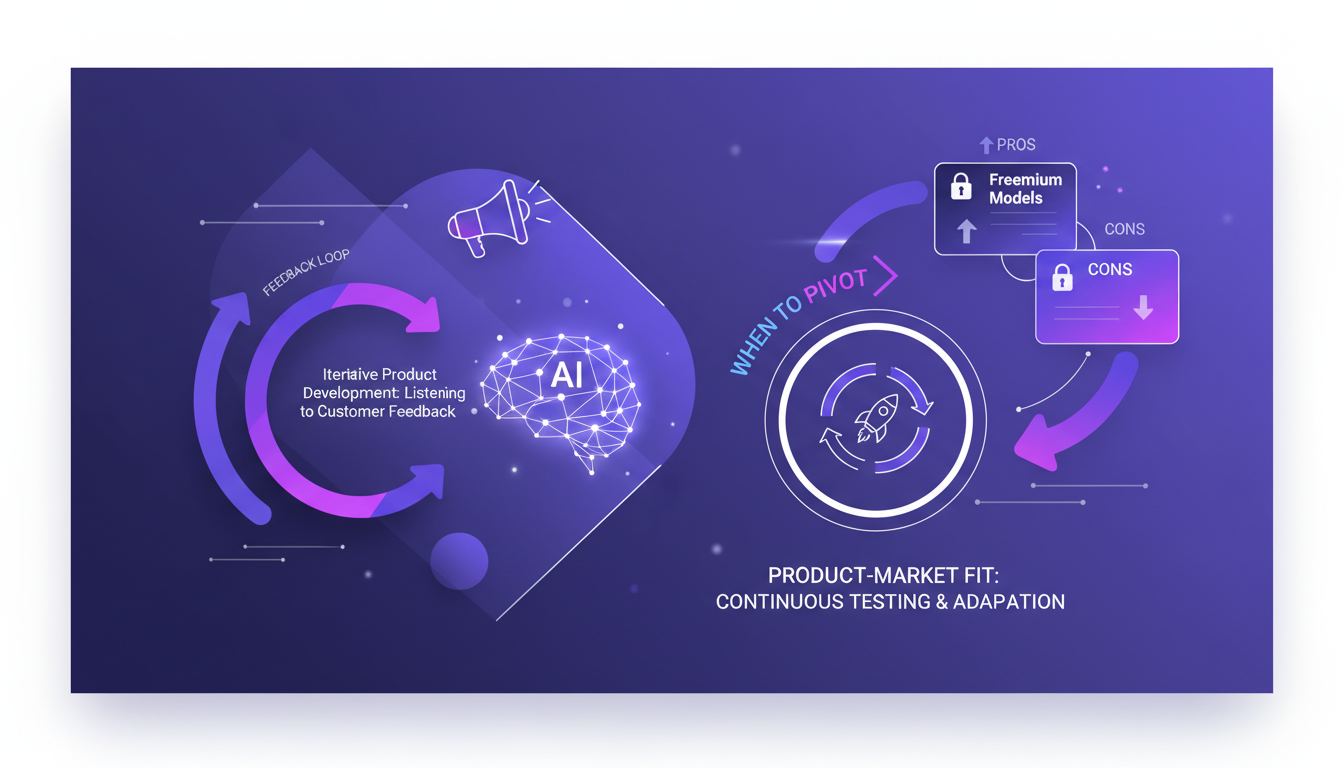
Customer support plays a crucial role in refining the product offering. It's often the support feedback that reveals improvement opportunities. Without good customer service, feedback can easily get lost.
Scaling Challenges and Cash Flow Management
Scaling presents its challenges, especially in terms of infrastructure and customer support. Managing cash flow is another critical aspect. Balancing growth with profitability requires precise financial forecasting and scenario planning. I've been burned by poor cash flow management before, and now I'm careful to maintain a good balance.
The lessons learned from these missteps are invaluable. For example, always keep a reserve for unexpected events and avoid over-investing in infrastructure before it's necessary. The key is to grow smartly and measuredly, to avoid the pitfalls of over-expansion.
Navigating the shift from e-commerce to SaaS in under a year and hitting that 3M€ ARR mark, that's no small feat. First, influencer marketing was our major weapon. I saw firsthand how two hours of high-impact work from a creative profile can outdo a full week. Second, team alignment on vision and KPIs — that really cemented our foundation. Lastly, the relentless focus on product-market fit dictated every move. But watch out, it wasn't without its challenges, especially managing cash flow in the early months. Looking ahead, I'm convinced this approach is a game changer, but it demands rigorous discipline. If you're considering a similar transition or facing growth challenges, let's chat. Watching the full video could offer you valuable insights on this journey. Check it out here: YouTube
Frequently Asked Questions

Thibault Le Balier
Co-fondateur & CTO
Coming from the tech startup ecosystem, Thibault has developed expertise in AI solution architecture that he now puts at the service of large companies (Atos, BNP Paribas, beta.gouv). He works on two axes: mastering AI deployments (local LLMs, MCP security) and optimizing inference costs (offloading, compression, token management).
Related Articles
Discover more articles on similar topics
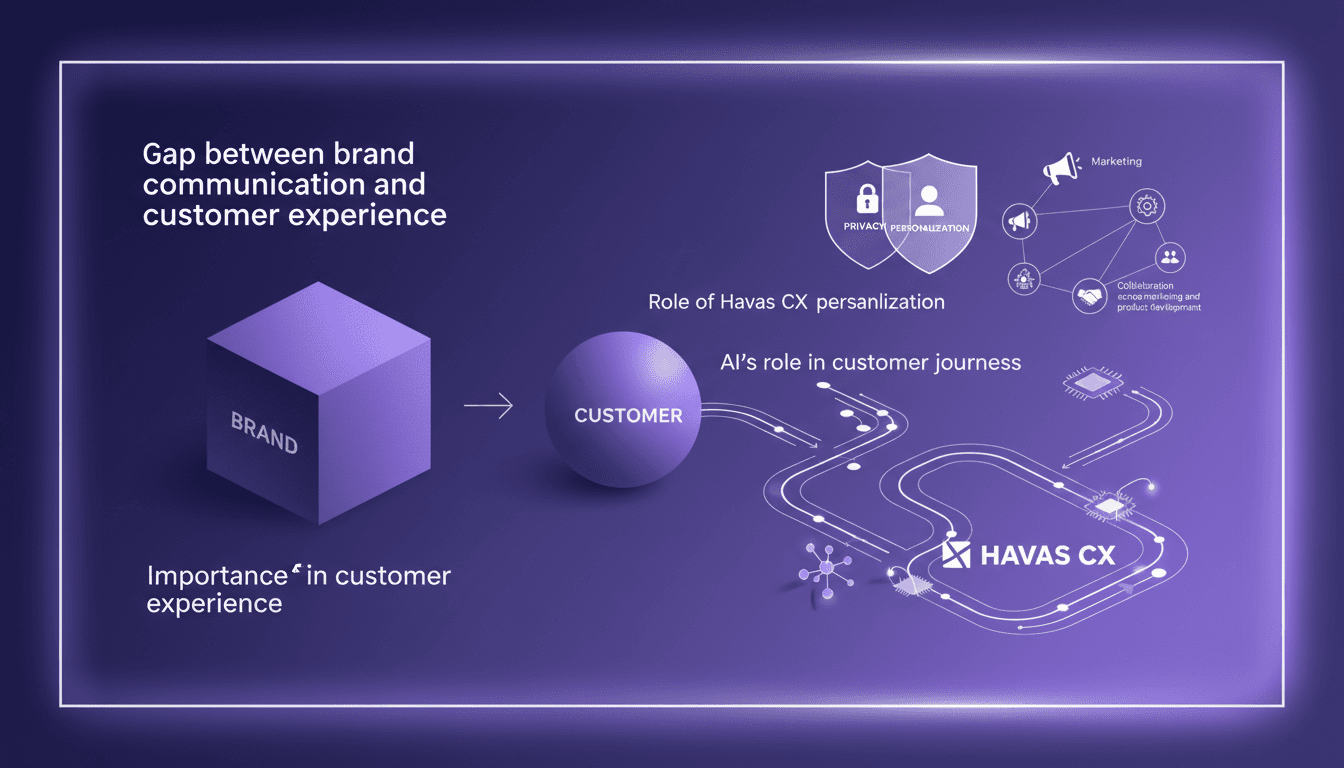
Boosting Customer Experience with AI and Havas CX
I remember being on hold for 45 minutes, realizing the chasm between brand promises and delivery. At Havas CX, we tackle this head-on. I've been on the front lines, crafting customer experiences that are not just intelligent but unmistakably human. In this article, we dive into how our team bridges that gap with AI while balancing privacy and personalization. We also discuss the importance of customer journeys, cross-department collaboration, and the impact of CX on marketing and product development. It's about more than just promises—it's about delivering real, authentic experiences.
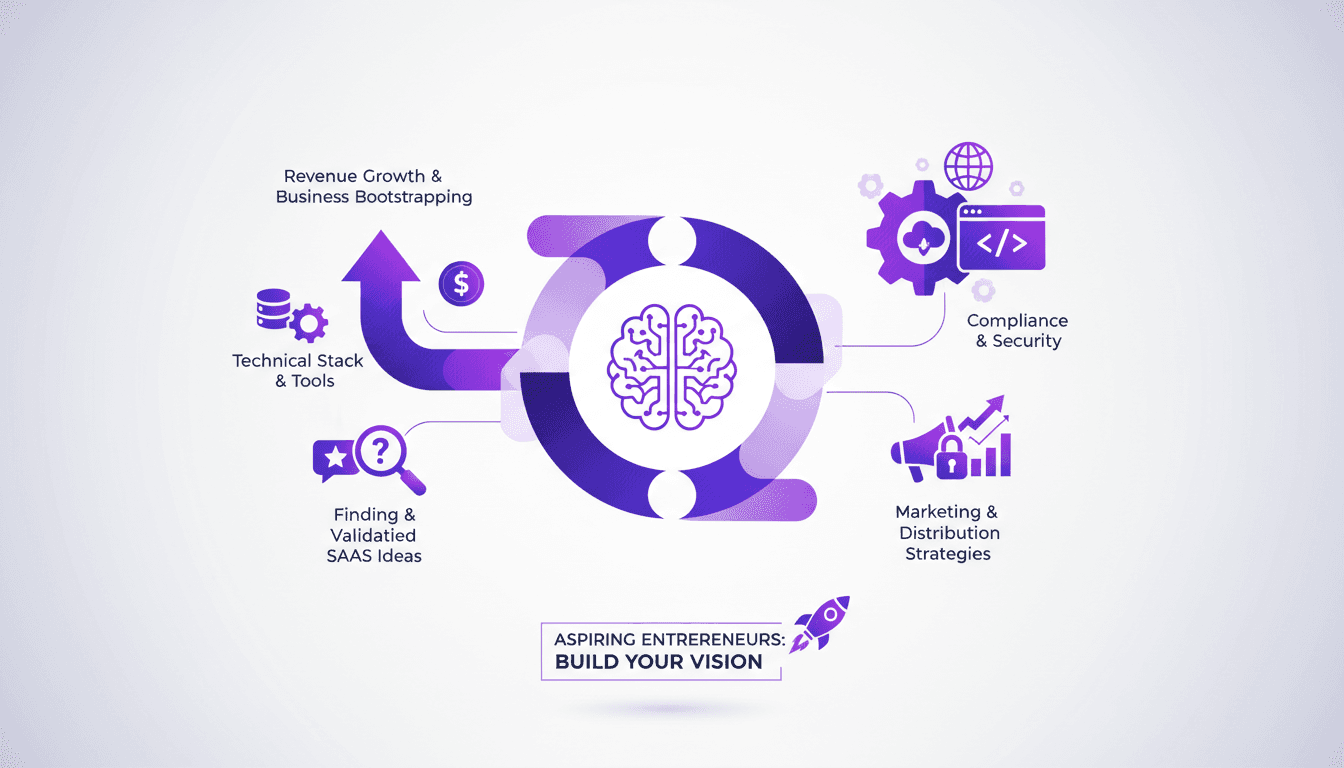
Building a $60K/Month SaaS: Strategies and Tools
I never thought a 'boring' SaaS could be this lucrative. But here I am, pulling in $60K a month with a niche product. It's not magic—it's strategy, iteration, and a bit of tech wizardry. In this piece, I'll walk you through the nuts and bolts of building a successful SaaS in a niche market, with a focus on revenue growth, technical stack, and the importance of customer feedback. You'll see how I've harnessed specific tools for SaaS development, strategies for finding and validating ideas, and why compliance and security are not to be overlooked. For aspiring SaaS entrepreneurs, there are lessons to be learned here.
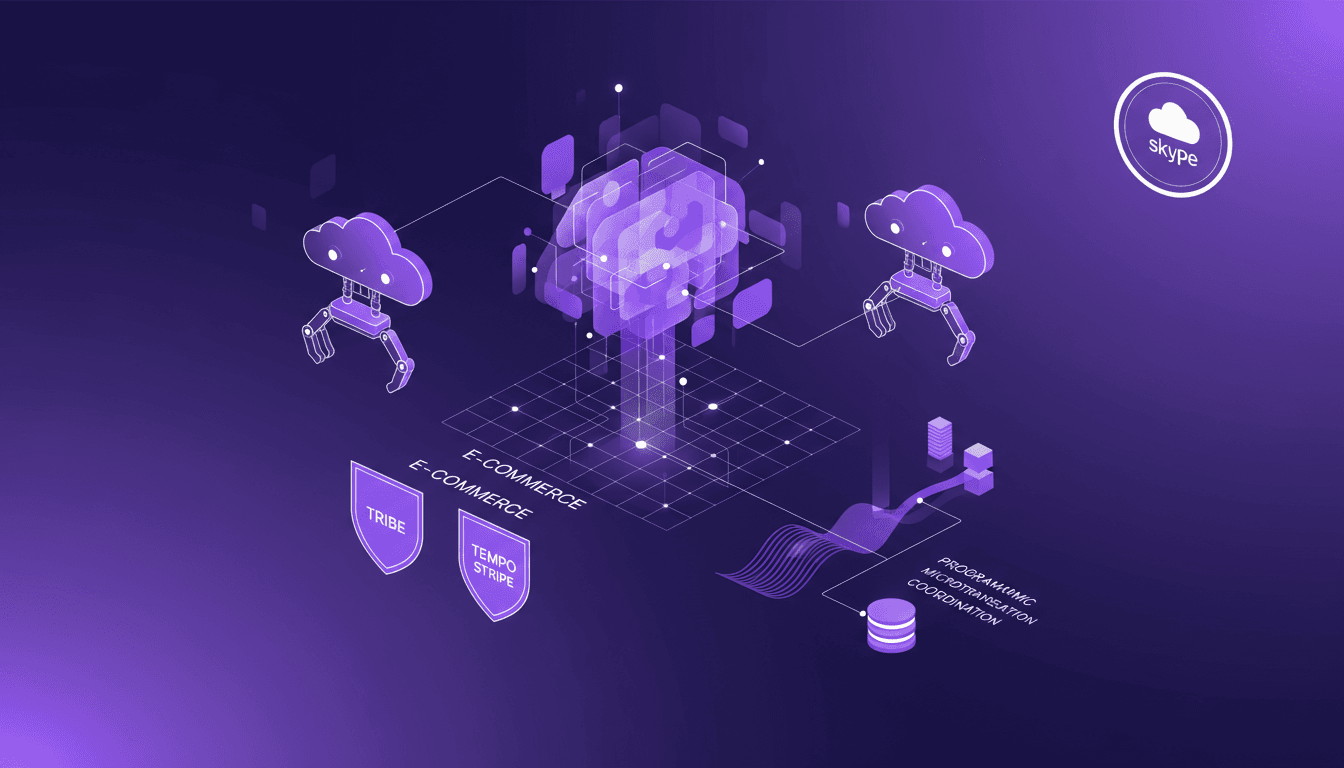
Machine Payments Protocol: AI Agents Take Charge
I still remember the first time I saw a cloudbot autonomously handle a transaction. The Machine Payments Protocol (MPP) isn't just a concept – it's a real game changer for agent-driven e-commerce. Co-authored by Tempo and Stripe, this protocol redefines how AI agents manage microtransactions, making human intervention obsolete. In this article, I'm diving into how the MPP revolutionizes efficiency and cost savings. We’ll talk about the launch by Tribe, the role of cloudbots and open claws, and Skype's significance as a major payment provider. Buckle up, we're diving into this new world.
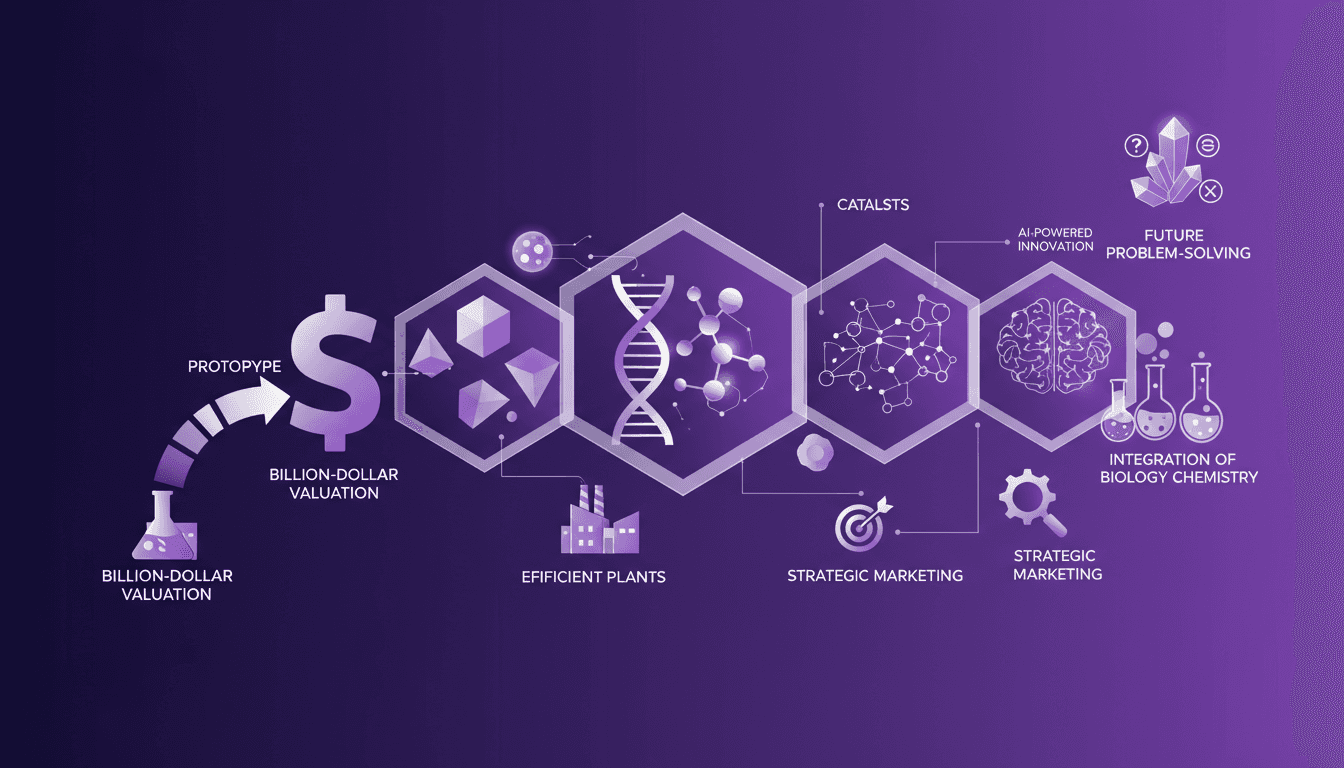
Cyogen: Reinventing the Chemical Industry
I remember the first time I heard about using enzymes from pancreatic cancer cells for chemical reactions. It sounded like science fiction. But at Cyogen, we've done it. We've turned this idea into a reality that's shaking up the trillion-dollar chemical industry. In this article, we take you through our journey from prototypes to a billion-dollar valuation. We reveal how we've integrated biology into chemistry to build efficient and cost-effective plants, and how we strategically target our customers to dominate the market. We also discuss the future, the challenges, and the solutions we're crafting with our catalysts.
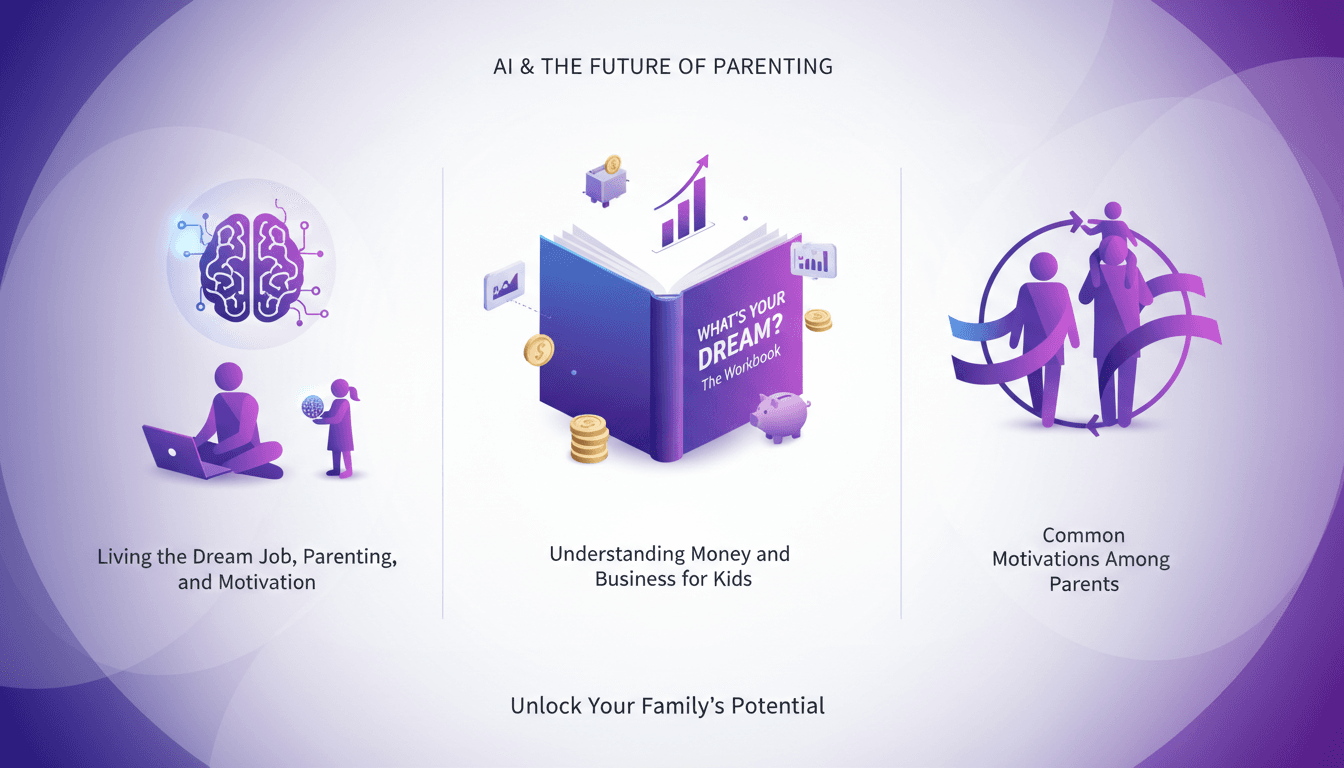
Living the Dream Job: A Practical Guide
I've always been fascinated by the concept of a dream job. In theory, it sounds fantastic, but let's be real—it takes more than just dreams to get there. When Tony and I sat down to discuss, we didn’t just chat about ideals; we dug into what truly makes a job fulfilling, especially when balancing parenting duties. In this article, I'll walk you through the practical steps and insights from our conversation, focusing on how to align your career with your personal motivations and parenting goals. We'll also touch on a crucial, often overlooked aspect: teaching kids about money and business. Get ready to discover how to live your dream job while raising kids who understand the business world.