Building a $60K/Month SaaS: Strategies and Tools
I never thought a 'boring' SaaS could be this lucrative. But here I am, pulling in $60K a month with a niche product. It's not magic—it's strategy, iteration, and a bit of tech wizardry. In this piece, I'll walk you through the nuts and bolts of building a successful SaaS in a niche market, with a focus on revenue growth, technical stack, and the importance of customer feedback. You'll see how I've harnessed specific tools for SaaS development, strategies for finding and validating ideas, and why compliance and security are not to be overlooked. For aspiring SaaS entrepreneurs, there are lessons to be learned here.
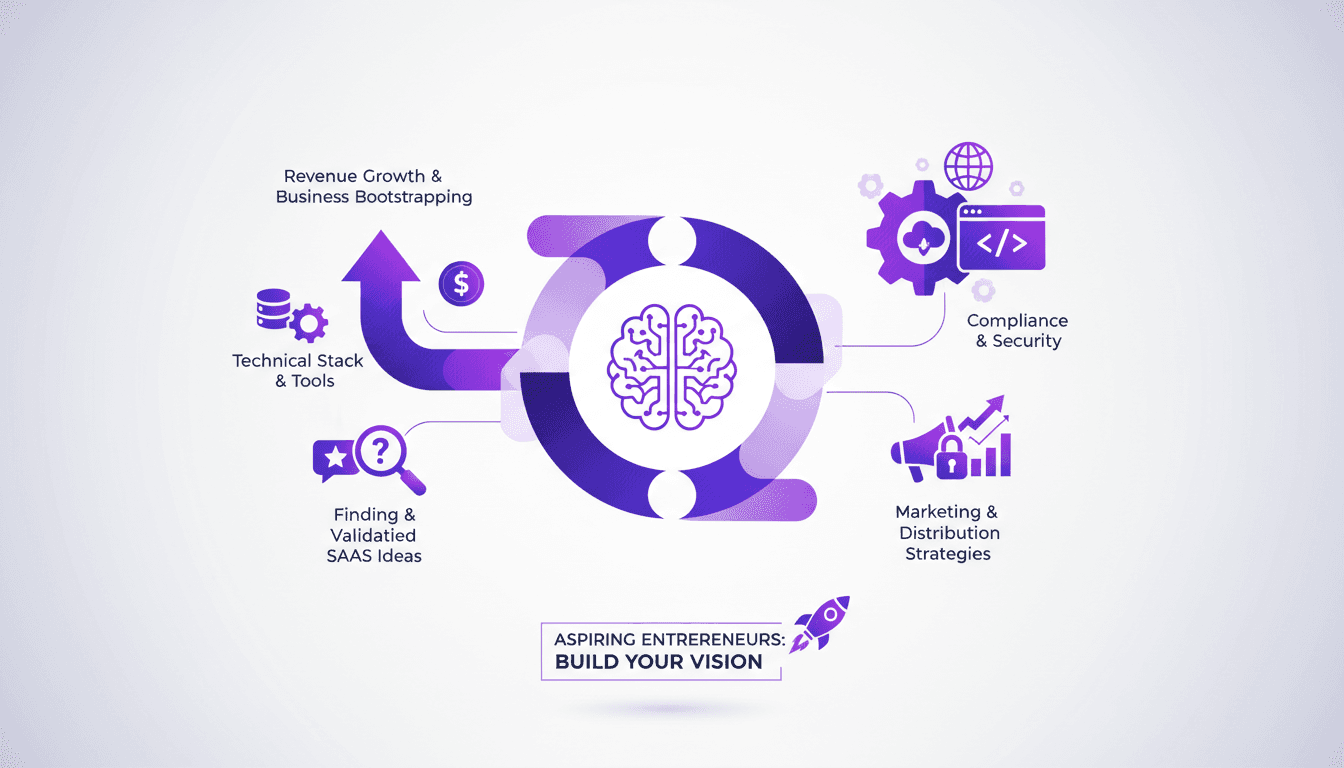
I always thought success was reserved for flashy SaaS products, but I was wrong. Now, I'm pulling in $60K a month with an app many would call 'boring'. But make no mistake, it's not just luck; it's the result of smart strategy, constant iteration, and a touch of tech wizardry. First, building a SaaS in a niche market starts with understanding your audience and their specific needs. I've orchestrated our tech stack using tools that maximize efficiency and minimize costs. But the biggest lever? Customer feedback. By listening and constantly tweaking, I've been able to refine the product. We'll also talk about the challenges of compliance and security, crucial for gaining user trust. For SaaS entrepreneurs, it's time to step off the beaten path and aim for niches where boredom can turn into gold.
Finding and Validating a SaaS Idea
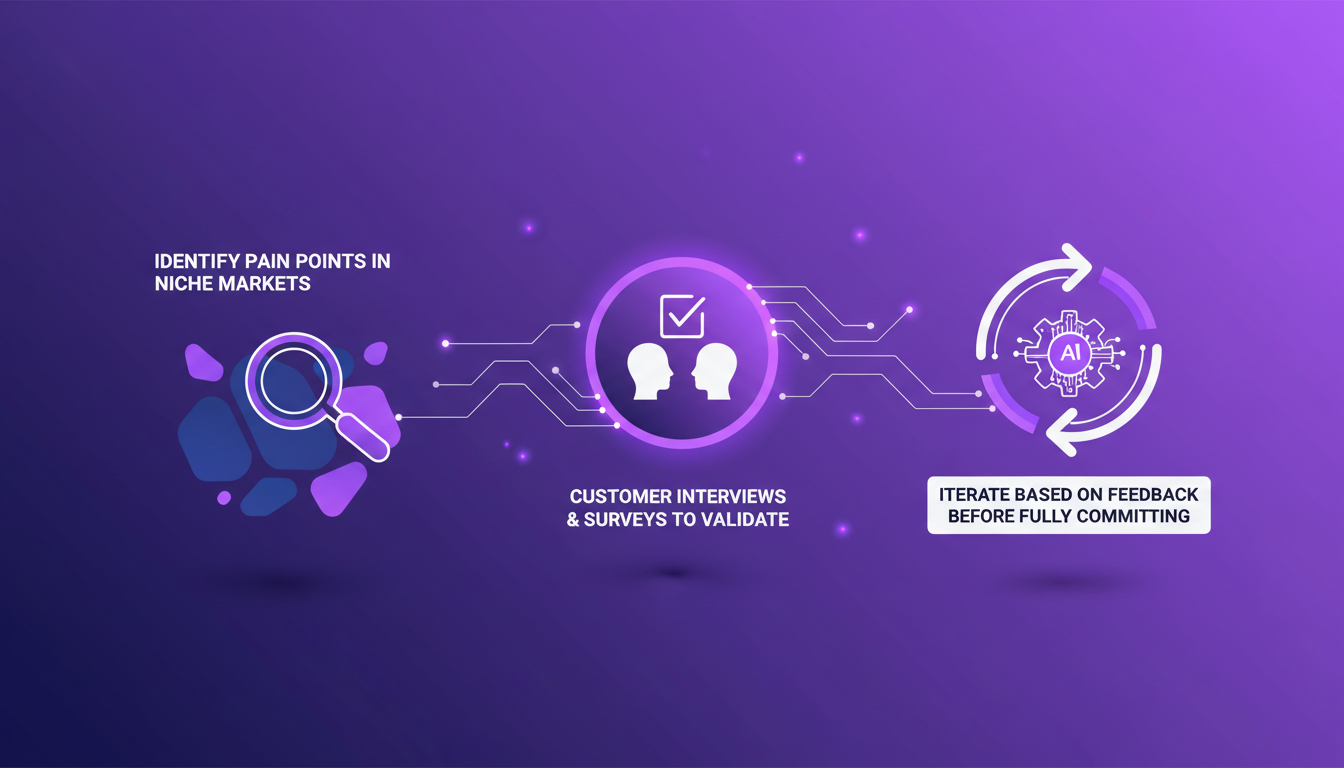
When I started searching for a SaaS idea, the first thing I did was dive into niche markets. Why? Because that's where the real unresolved problems are. I began by interviewing potential customers and conducting surveys to validate my idea. Trust me, there's nothing more valuable than direct feedback. It allowed me to iterate quickly before fully committing. But watch out, don't overanalyze everything. Sometimes, it's better to quickly build an MVP (Minimum Viable Product) and test it in the field.
Once the concept was validated, I set an initial subscription fee at $25 per month. It was the sweet spot to attract my audience while ensuring profitability. A little anecdote: when I got the first notification of a paying subscription, I knew I had found the right model.
"Idea validation is crucial, but don't get lost in it. Sometimes, you just need to build and see."
Building the Technical Stack
For development, I chose Bubble IO for rapid prototyping and frequent iterations. It's a no-code tool that allowed me to test features without wasting time on complex code. Then, I integrated GitHub Actions to automate my CI/CD pipeline, which truly simplified continuous deployment.
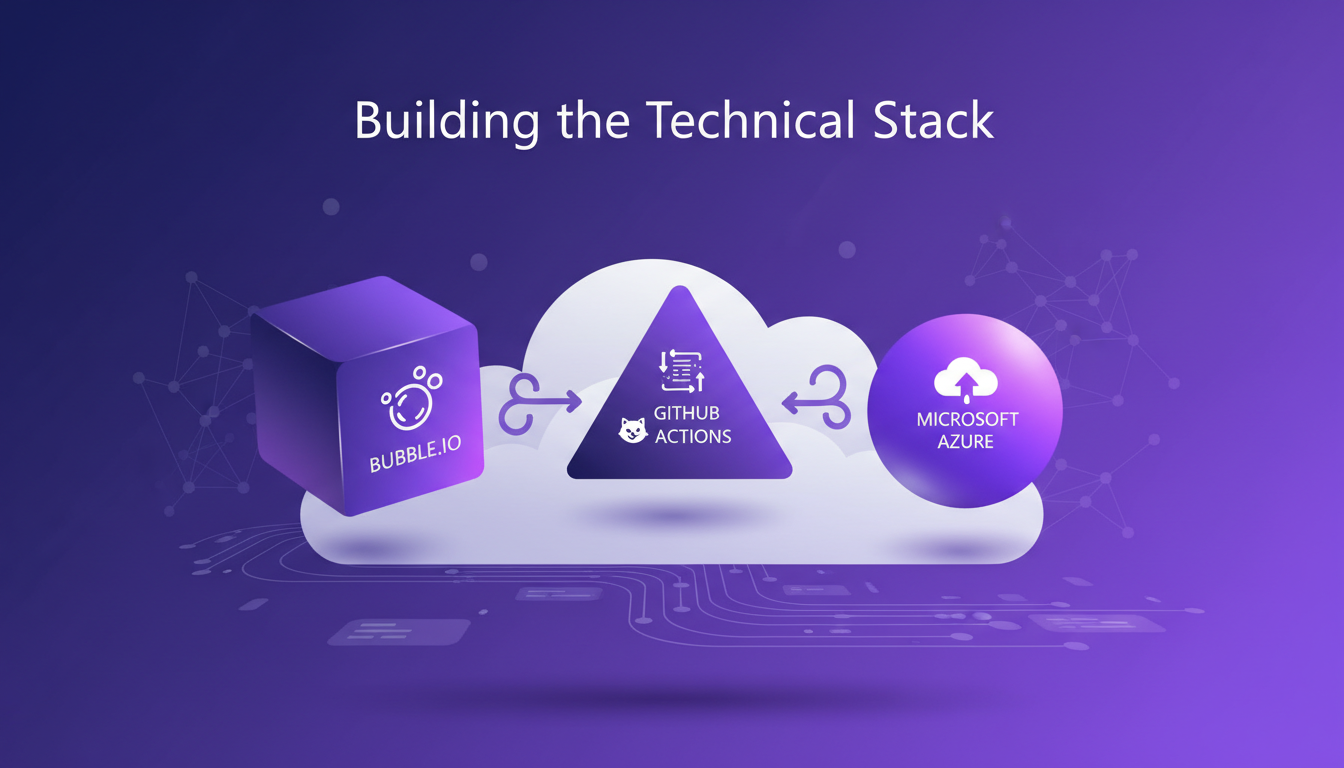
I opted for Microsoft Azure for scalability and compliance. Each tool was selected for its specific strengths, and it's crucial not to overcomplicate things. But be prepared for trade-offs between speed and flexibility. One lesson I've learned: sometimes it's quicker to adapt an existing tool than to create one from scratch.
Revenue Growth and Business Bootstrapping
One of the best decisions I made was to start my SaaS business through bootstrapping. This approach allowed me to retain control and scale sustainably. Through strategic pricing and upselling, revenue jumped from $447K to $910K.
Reinvesting profits into marketing and product improvements was crucial. But keep an eye on cash flow—scaling too fast can be risky. Don't forget to regularly review your pricing strategy to maximize growth.
The Role of Compliance and Security
Compliance isn't optional; it's a key trust builder. I used Microsoft Intune to efficiently manage security policies. Regular audits and updates kept us ahead of security threats.
Balancing security measures with user experience is crucial. Too much security can hurt usability, but not enough can compromise trust.
Advice for Aspiring SaaS Entrepreneurs
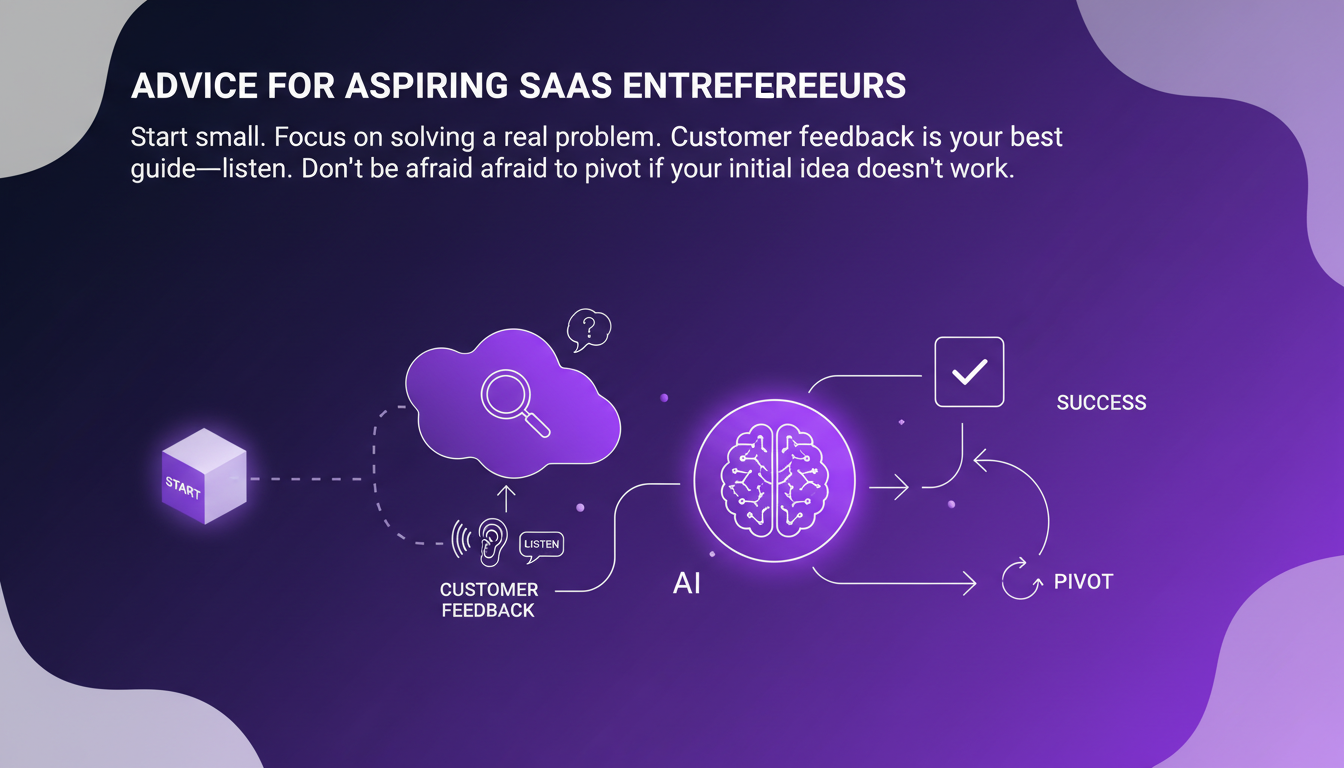
Start small and focus on solving a real problem. Customer feedback is your best guide, so listen to it closely. Don't be afraid to pivot if your initial idea doesn't work.
Networking with other SaaS founders can provide invaluable insights. Remember, it's a marathon, not a sprint. For more strategies, check out this article on bootstrapping your business.
- Start by identifying a niche.
- Use available tools to launch quickly.
- Iterate based on user feedback.
- Focus on sustainable growth.
- Balance security and user experience.
Building a $60K/month SaaS isn't about groundbreaking ideas. It's about executing, iterating, and deeply understanding your market. First, I identified a niche and leveraged the right tools to get started. Then, I iterated continuously, incorporating customer feedback to enhance the product. But watch out, don't underestimate the hidden costs of operations and maintenance. - A ‘boring’ idea can pull in $60K/month if you execute it well. - The key: deep understanding of your market and continuous connection with your users. - Growth also means knowing when and how to reinvest your revenue. Looking ahead, even the most mundane ideas can be game changers if you deliver real value to your users. Ready to dive into your own SaaS journey? Start small, iterate often, and keep your customers at the heart of your product. For more insights and real-world experience, I recommend watching the full video here: Watch the video to see how I did it.
Frequently Asked Questions

Thibault Le Balier
Co-fondateur & CTO
Coming from the tech startup ecosystem, Thibault has developed expertise in AI solution architecture that he now puts at the service of large companies (Atos, BNP Paribas, beta.gouv). He works on two axes: mastering AI deployments (local LLMs, MCP security) and optimizing inference costs (offloading, compression, token management).
Related Articles
Discover more articles on similar topics
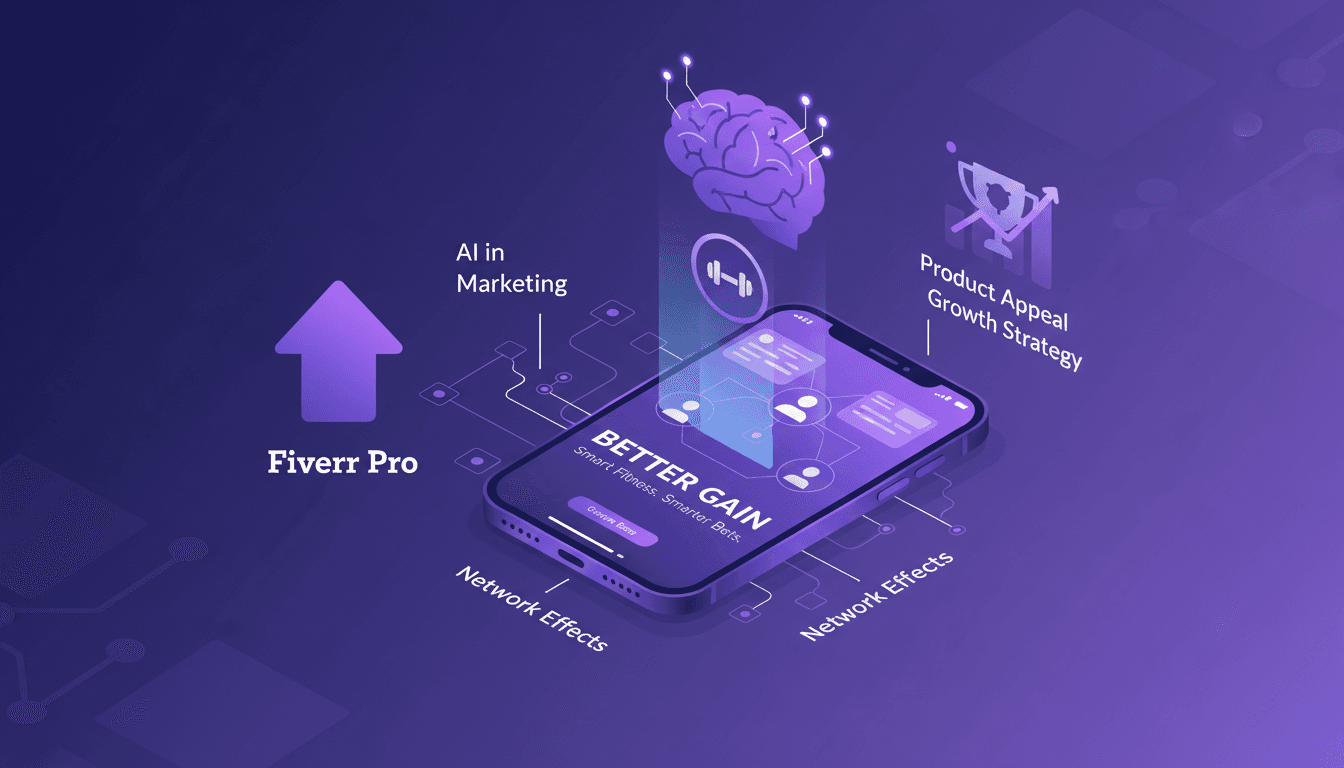
Betting App to Boost Fitness Engagement
I never thought I'd mix gambling with fitness, but here I am, developing a fitness betting app called 'Burners'. It's a wild ride, but a game-changer too. Let me walk you through how this concept came to life and the strategies I'm using to get it off the ground. In the world of app development, combining fitness with betting might sound risky, but the potential for engagement is huge. Navigating technical and marketing challenges, I've leveraged tools like Fiverr Pro for marketing. Product appeal and network effects are critical. As a developer, I know the importance of naming and branding the app. And AI? It's playing a key role in our marketing strategy.
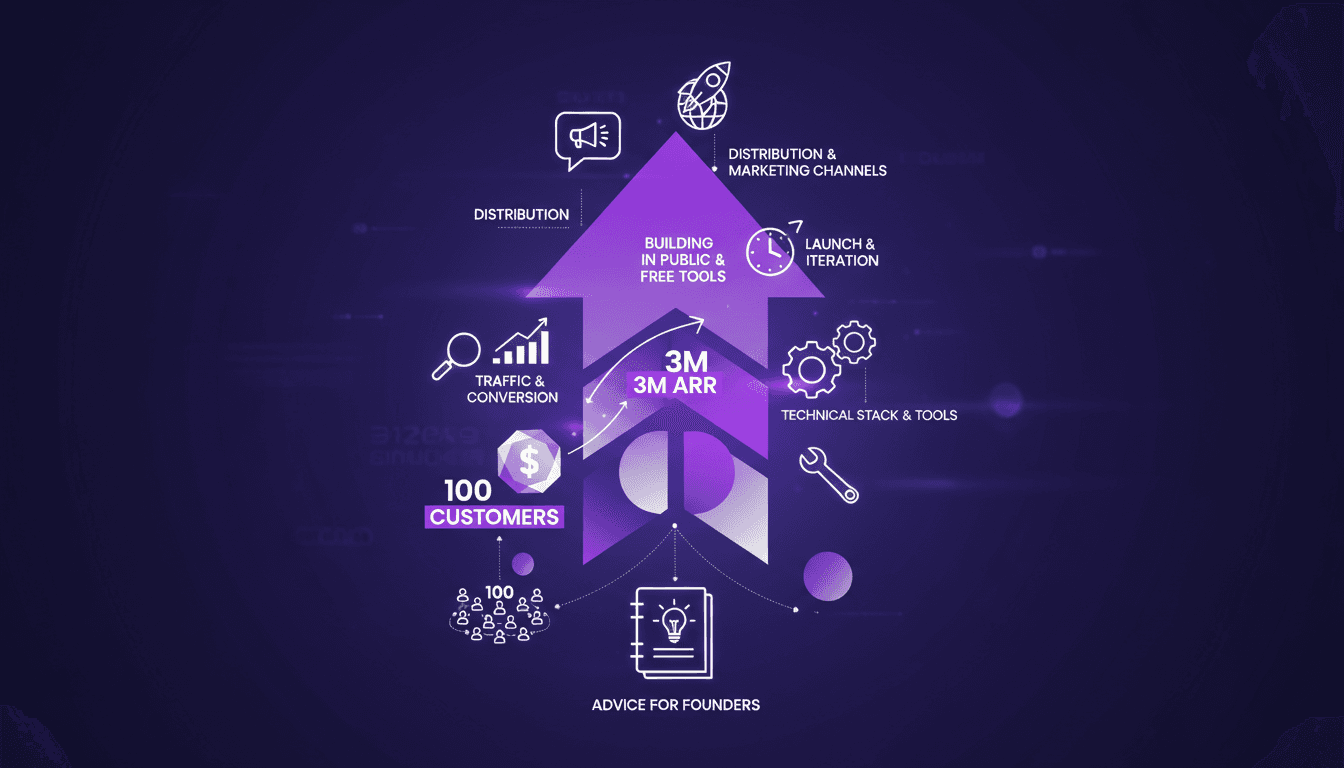
How I Got My First 100 SaaS Users: A Playbook
Hitting 100 users on my SaaS felt like conquering Everest. But it wasn't luck; it was precise tactics and relentless iteration. In this article, I'll break down how I scaled my SaaS to $3 million ARR. You don't need a groundbreaking idea, just solid execution, market understanding, and the right tools. I'm sharing my playbook: acquiring the first users, traffic and conversion strategies, and why early launch and iteration are crucial.
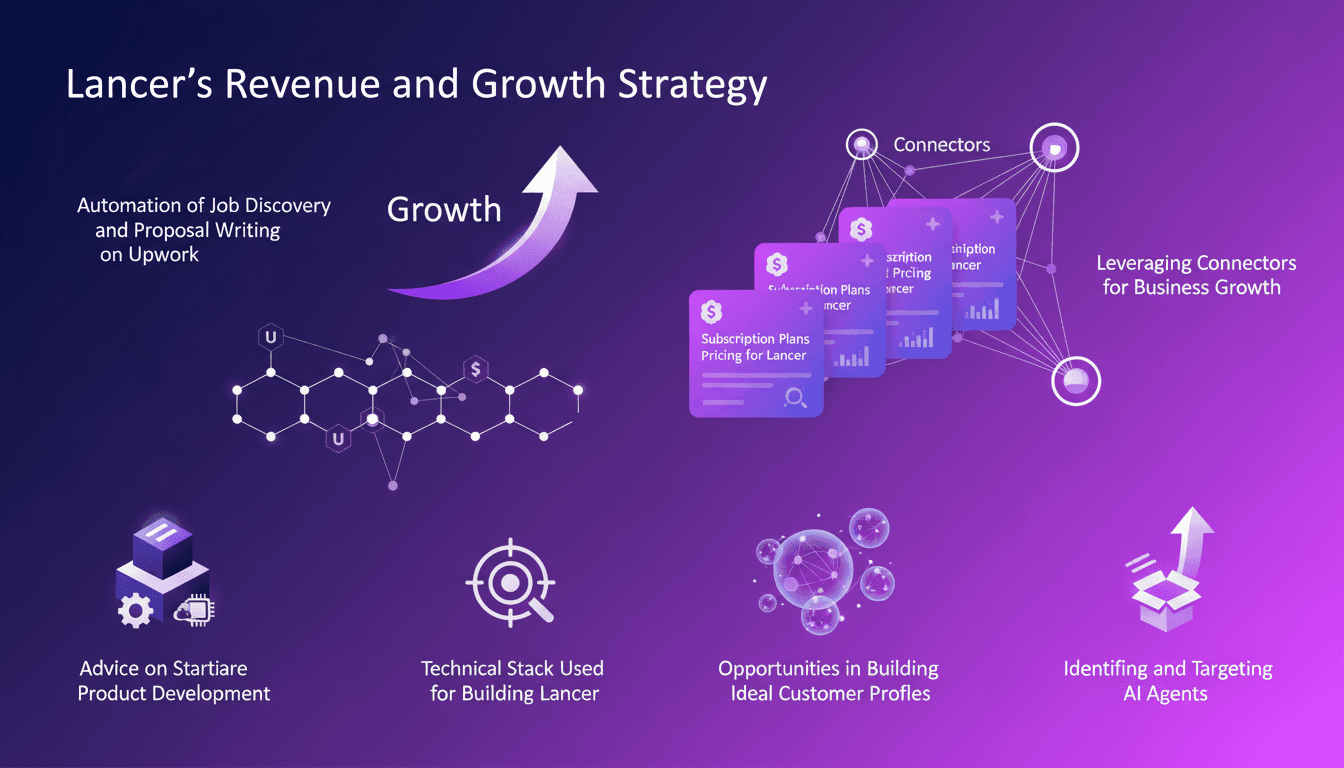
Profitable AI Agent: Strategies and Tools
I built an AI agent that rakes in $10K a month without spending a dime on ads. Sounds crazy? Here’s how I did it. In a world where efficiency and automation are key, I developed Lancer, an AI agent that transforms how freelancers and agencies operate on platforms like Upwork. By automating job discovery and proposal writing, Lancer has revolutionized our approach. I share how I leveraged connectors for business growth, crafted subscription plans and pricing, and the opportunities I discovered in building AI agents. I'll also explain the mistakes I made, the tools I used, and how you can start your own software product development.
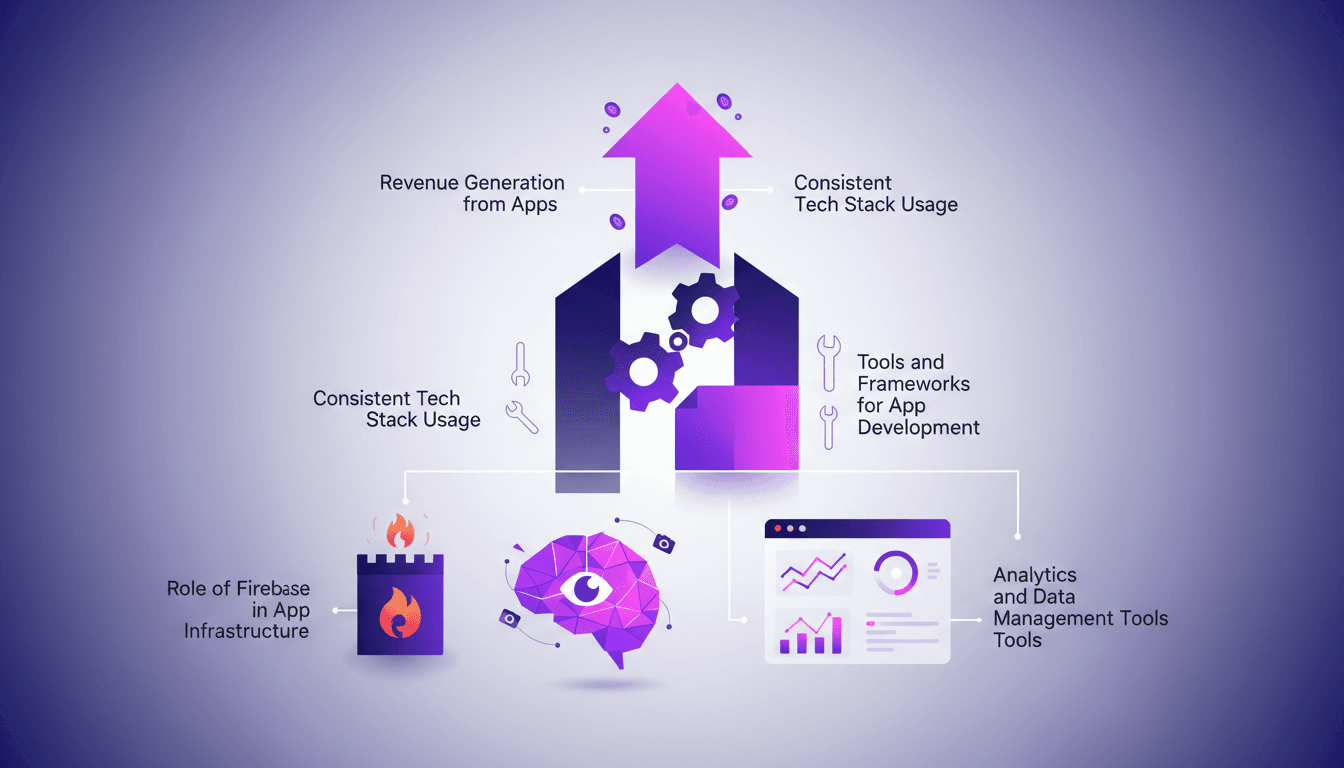
Generating $10K/month with 28 Apps: My Tech Approach
I clearly remember the first time I hit that $10K mark in a month with my apps. It was a real game changer. But it wasn't by accident. I built 28 apps using the same tech stack, and I'm going to explain how it worked for me. In this article, we'll dive into the tools, frameworks, and strategies that have consistently generated revenue. We'll discuss the role of Firebase, AI tools, and analytics in my app infrastructure. As a builder, I'll share my mistakes, my successes, and how to orchestrate it all for direct business impact.
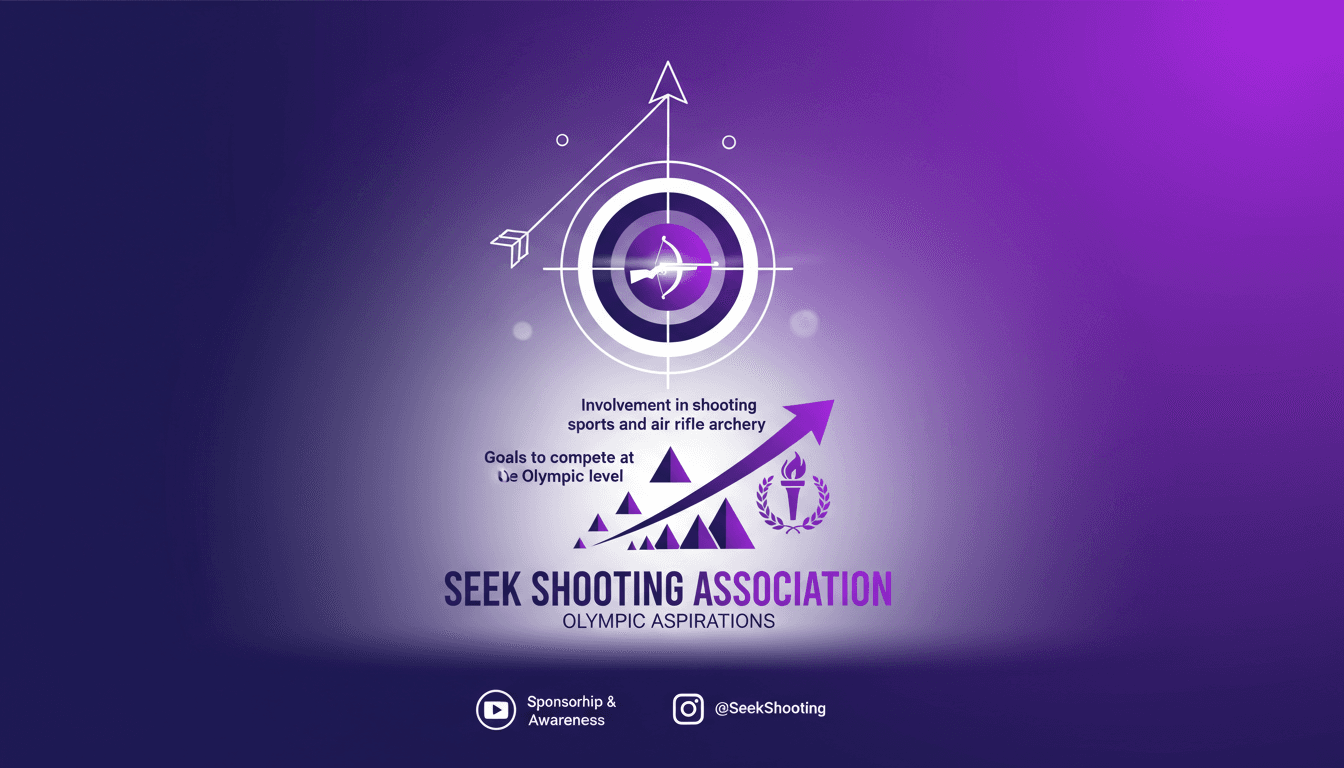
Aiming for Olympic Gold with Shooting Sports
I remember the first time I picked up an air rifle — the precision, the focus, it was exhilarating. That's how the Seek Shooting Association was born. We're 20 enthusiasts with our sights set on the Olympic stage. We're not just dreamers; we're doers. We've got a roadmap: build our Instagram presence, secure sponsorships, and keep our eyes on the prize. If you're curious about how we're planning to turn our passion into Olympic gold, join us on this journey.