Générer 150K$/mois: Stratégies d'apps clés
Je me souviens encore de ce moment où j'ai atteint pour la première fois les 150K$/mois avec mes applications. Ce n'était pas de la magie, mais un mélange de mouvements stratégiques, de maîtrise de ma pile technologique et d'un focus sans relâche sur la croissance organique. Dans cet article, on explore comment Katie Keith orchestre ses 19 applications pour générer 1,8 million de dollars par an. On discute de ses stratégies pour construire et faire croître plusieurs produits logiciels, de l'importance de la recherche organique et du marketing de contenu, et comment elle utilise l'IA et les outils technologiques pour le développement de produits.
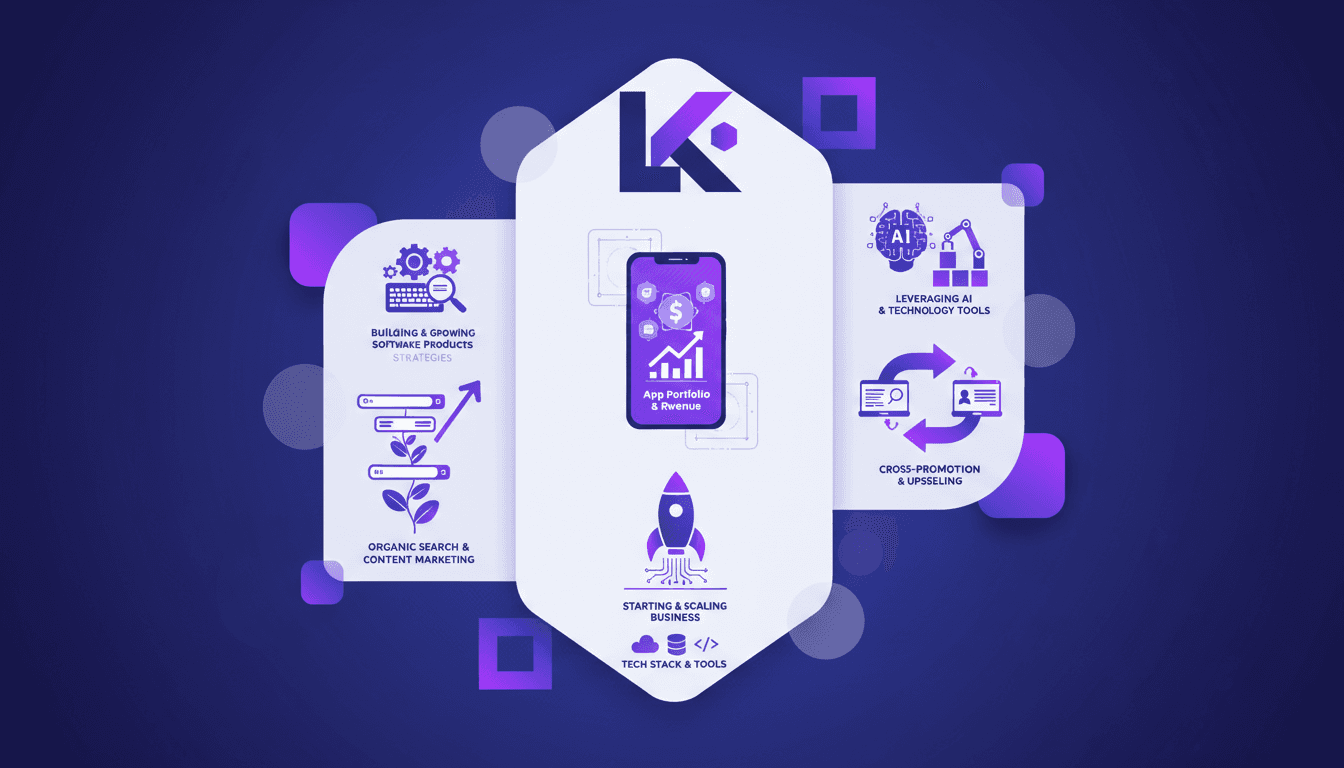
Je me souviens de la première fois où j'ai franchi le cap des 150K$/mois avec mes applications. Ce n'était pas de la magie, mais bien un savant mélange de mouvements stratégiques et une maîtrise technique aiguisée. Dans cet article, on plonge dans l'univers de Katie Keith qui, avec ses 19 applications, génère 1,8 million de dollars par an. Elle a su orchestrer son portefeuille d'applications grâce à des stratégies solides de création et de croissance de produits logiciels. L'importance de la recherche organique et du marketing de contenu est au cœur de sa réussite, tout comme l'utilisation judicieuse de l'intelligence artificielle et des outils technologiques. On parle aussi de techniques de cross-promotion et d'upselling, essentielles pour maximiser la portée de chaque application. Si vous cherchez à démarrer ou à faire évoluer votre entreprise de logiciels, cet article est une mine d'or de conseils pratiques issus de l'expérience d'une pro du secteur.
Poser les Bases : Trouver la Première Idée d'Appli
Je me souviens de mes débuts, chercher la bonne idée d'application n'était pas simple. D'abord, il faut identifier les lacunes du marché. Pour cela, rien de mieux que de scruter les forums spécialisés ou même de demander directement aux utilisateurs potentiels. C'est en écoutant attentivement que j'ai pu cerner des besoins non satisfaits. Ensuite, je me suis appuyé sur mes compétences et mes passions. Plutôt que de partir de zéro, j'ai utilisé ce que je savais déjà faire pour concevoir un MVP - Minimum Viable Product. C'est un moyen rapide et économique de tester la faisabilité d'une idée avant de se lancer dans un développement à grande échelle. Mais attention, il faut être prêt à pivoter en fonction des retours des premiers utilisateurs. J'ai moi-même dû ajuster plusieurs fois mon projet initial pour mieux coller aux attentes réelles du marché.

Pour résumer :
- Faire des recherches approfondies pour identifier les besoins non satisfaits.
- Utiliser ses compétences existantes pour créer un MVP.
- Être prêt à ajuster son produit en fonction des retours utilisateurs.
Construire le Portefeuille : Stratégies de Croissance
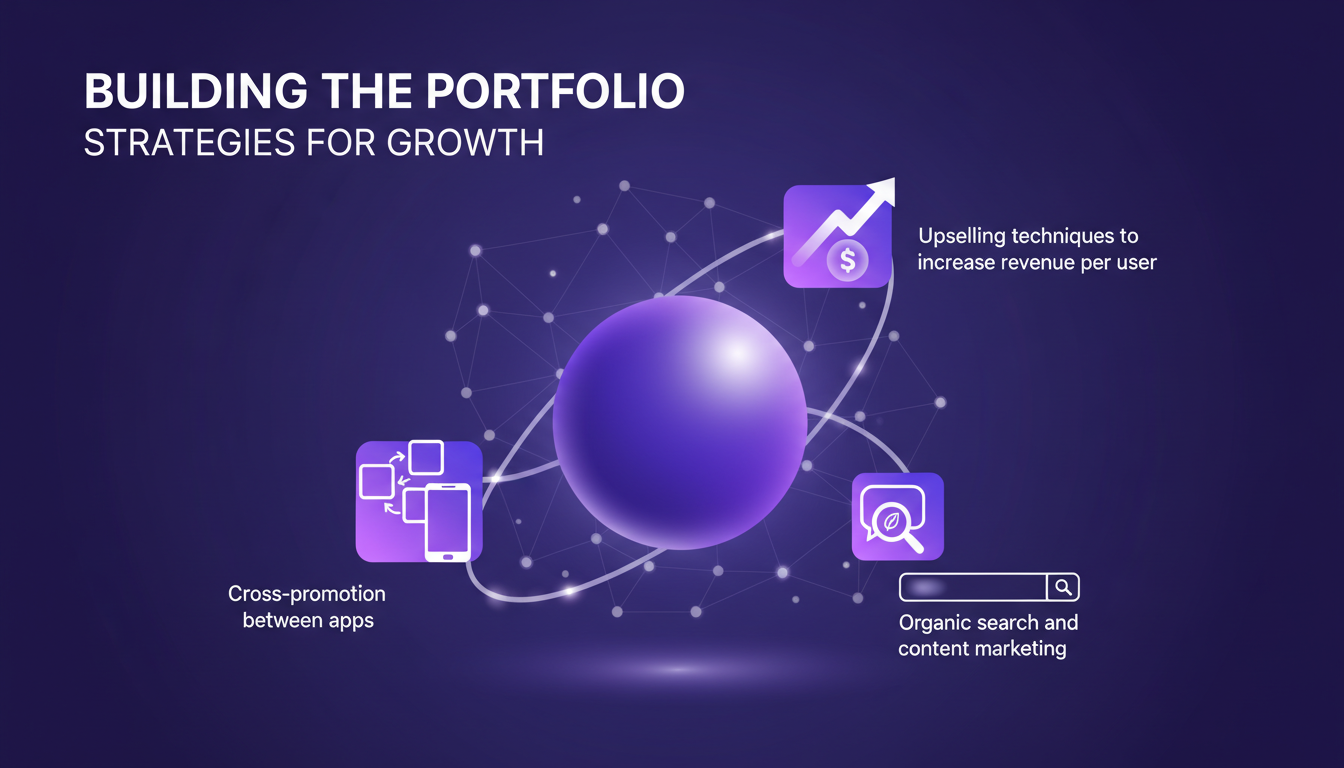
Une fois la première appli sur les rails, la question est de savoir comment faire croître son portefeuille. L'une des stratégies que j'ai adoptées est la cross-promotion. C'est tout simple : vendre plusieurs applis à un même client. Par exemple, si un client utilise déjà un de vos plugins, il sera probablement intéressé par un deuxième qui complète le premier. Ensuite, je me suis concentré sur des techniques d'upselling pour maximiser le revenu par utilisateur. Offrir des fonctionnalités premium ou des packages groupés peut faire toute la différence. Ne sous-estimez pas le pouvoir du marketing organique et du contenu pertinent. C'est grâce à cela que j'ai pu attirer la majorité de mes 17,000 clients payants.
Quelques clés pour grandir :
- Utiliser la cross-promotion pour vendre plusieurs applis à un client.
- Mettre en place des stratégies d'upselling efficaces.
- Investir dans le marketing organique pour attirer du trafic.
Exploiter la Technologie : Le Tech Stack et les Outils
Choisir le bon tech stack est crucial pour aligner vos objectifs business avec la scalabilité. Personnellement, j'ai opté pour des technologies qui me permettent d'intégrer facilement l'IA pour optimiser le développement de mes produits. Par exemple, j'utilise des outils IA qui accélèrent le processus de développement et réduisent les besoins en équipe d'ingénieurs. Mais attention aux dettes techniques ! J'ai déjà été piégé par l'accumulation de vieux codes qui freinent l'innovation.
Les outils à privilégier :
- Choisir un tech stack qui favorise la scalabilité.
- Intégrer l'IA pour améliorer l'efficacité du développement.
- Éviter l'accumulation de dettes techniques en gardant le code propre.
Passer à l'Échelle : De Startup à Business Durable
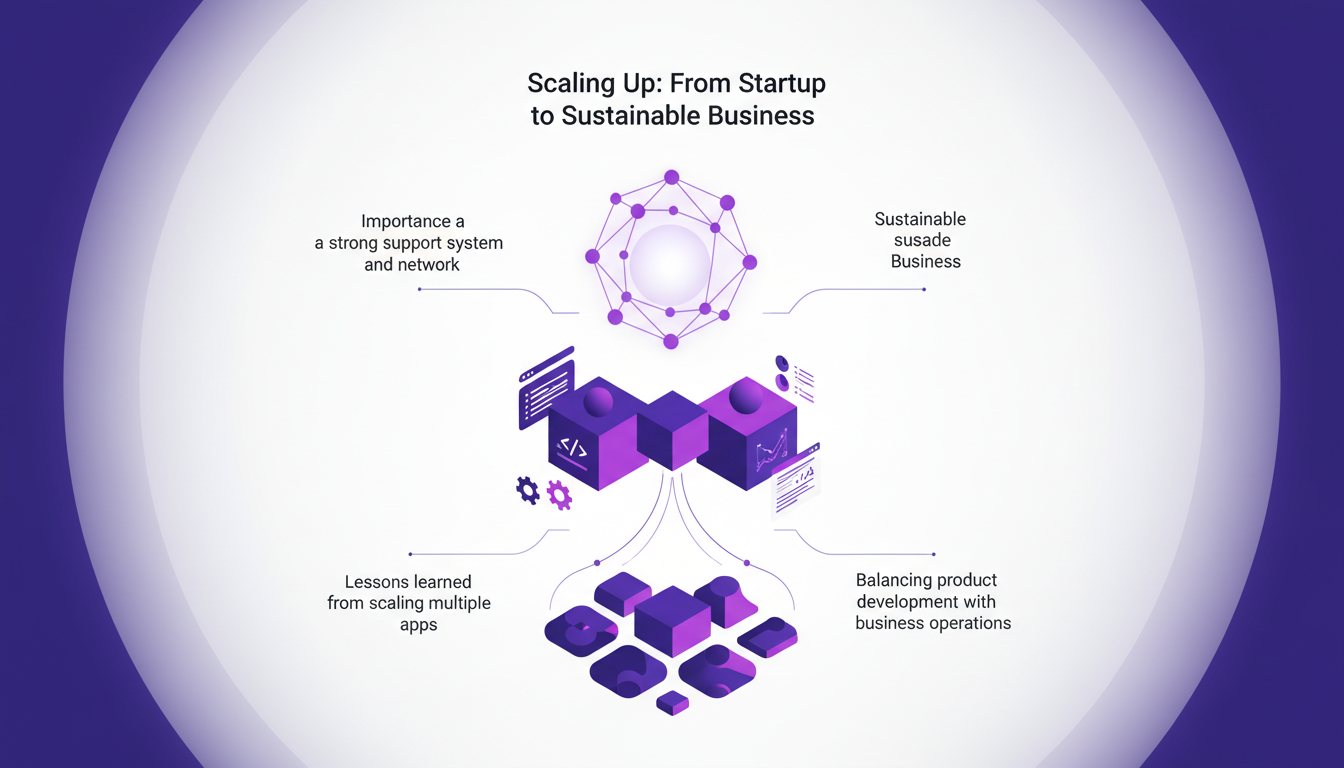
Passer de la startup à un business durable n'est pas qu'une simple question de chiffres. J'ai appris que le développement produit doit s'équilibrer avec les opérations business. Un support solide et un bon réseau sont indispensables. On n'arrive pas seul au sommet. Pour les nouveaux entrepreneurs, je conseille de se concentrer sur un produit à la fois et de bien maîtriser son lancement avant de passer au suivant.
Pour passer à l'échelle :
- Équilibrer le développement produit avec la gestion des opérations.
- S'entourer d'un réseau de soutien solide.
- Se concentrer sur un produit à la fois pour un lancement réussi.
Maximiser les Revenus : Stratégies Financières et Insights
Enfin, pour maximiser les revenus, il est essentiel de diversifier ses sources de revenus. Ne mettez pas tous vos œufs dans le même panier. Concentrez-vous aussi sur la rétention client et la valeur à vie du client. Ajustez régulièrement vos stratégies de prix en fonction des tendances du marché. Et surtout, n'abusez pas des extensions. J'ai vu des entreprises s'effondrer en voulant trop en faire.
Les stratégies à adopter :
- Diversifier les sources de revenus pour réduire les risques.
- Optimiser la rétention client et la valeur à vie.
- Réviser régulièrement les stratégies de prix.
Construire un portefeuille d'applications qui rapporte 150K$/mois, ce n'est pas juste une question de chance. C'est une affaire de stratégie, de bon choix techno et d'apprentissage continu. Voici comment j'ai procédé :
- J'ai misé sur la recherche organique et le marketing de contenu. En optimisant ça, j'ai vu mes applications grimper dans les classements sans dépenser un centime en pub.
- La promotion croisée et les techniques de vente additionnelle ont été mes alliées pour maximiser chaque téléchargement et achat. Cela demande une cohérence dans les produits, mais le retour sur investissement est là.
- J'ai développé 20 produits différents, et 19 applications génèrent ensemble 1,8 million par an. Ça prouve que la diversification, bien exécutée, est un vrai game changer.
Mais attention, la gestion d'un tel portefeuille nécessite une organisation de fer. Ne négligez pas la maintenance et l'innovation continue.
Prêt à faire passer votre développement d'applications au niveau supérieur ? Appliquez ces conseils et commencez à écrire votre propre success story. Pour une plongée plus profonde dans la méthode de Katie Keith, regardez la vidéo complète ici : YouTube.
Questions Fréquentes

Thibault Le Balier
Co-fondateur & CTO
Issu de l'écosystème startup tech, Thibault a développé une expertise en architecture de solutions IA qu'il met aujourd'hui au service de grands groupes (Atos, BNP Paribas, beta.gouv). Il intervient sur deux axes : la maîtrise des déploiements IA (LLM locaux, sécurisation MCP) et l'optimisation des coûts d'inférence (offloading, compression, gestion des tokens).
Articles liés
Découvrez d'autres articles sur des sujets similaires
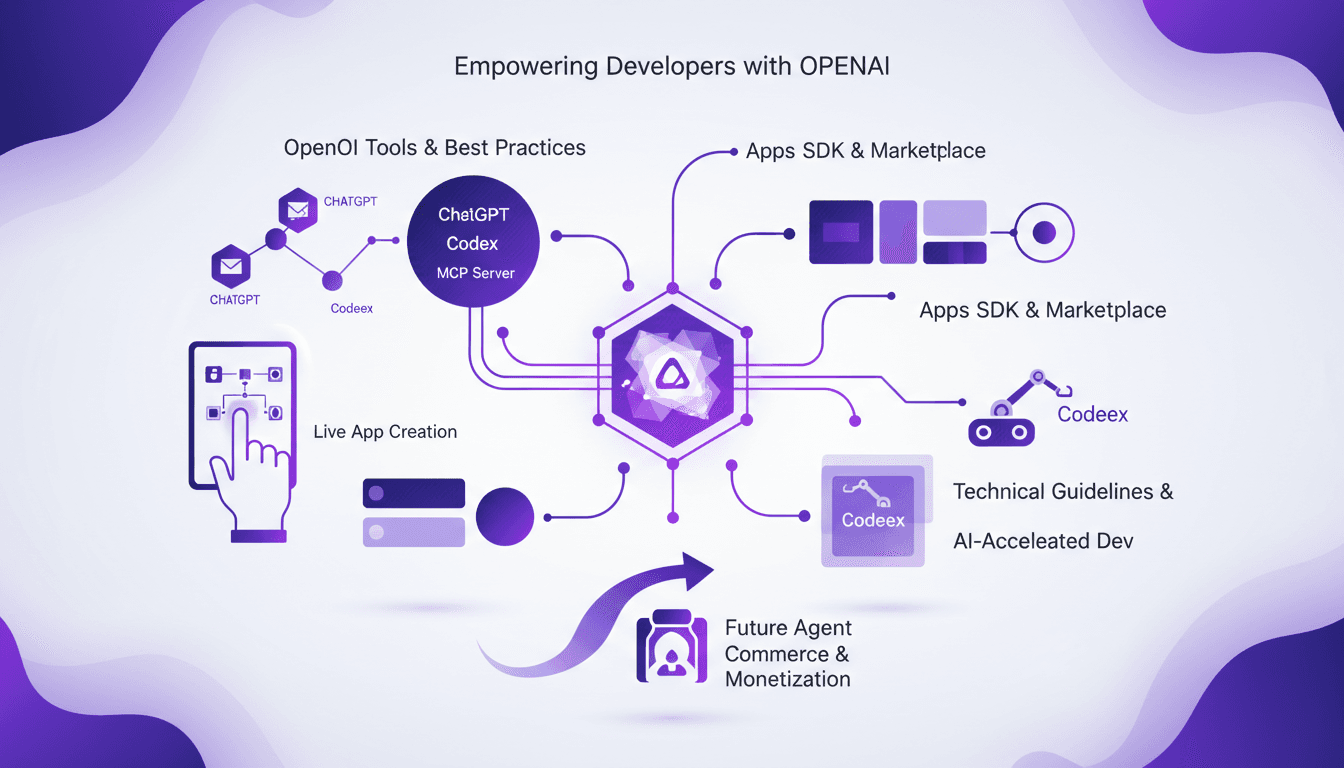
Construire des Apps avec ChatGPT: Guide Pratique
Je suis plongé jusqu'au cou dans l'écosystème OpenAI, et construire des applications dans ChatGPT, c'est comme préparer un espresso dynamique—rapide, efficace et tellement gratifiant. Avec Codeex et MCP, je simplifie tout le processus. Ces outils d'OpenAI sont des game changers pour les développeurs voulant intégrer l'IA dans leurs apps. Après des heures sur le terrain, je partage aujourd'hui mon workflow qui rend la création d'apps non seulement faisable, mais aussi efficace. De l'utilisation de l'OpenAI SDK à la démonstration en direct de la création d'apps, nous allons tout aborder. Je vous garantis que, dans deux minutes, Codeex vous donnera déjà une base de départ.
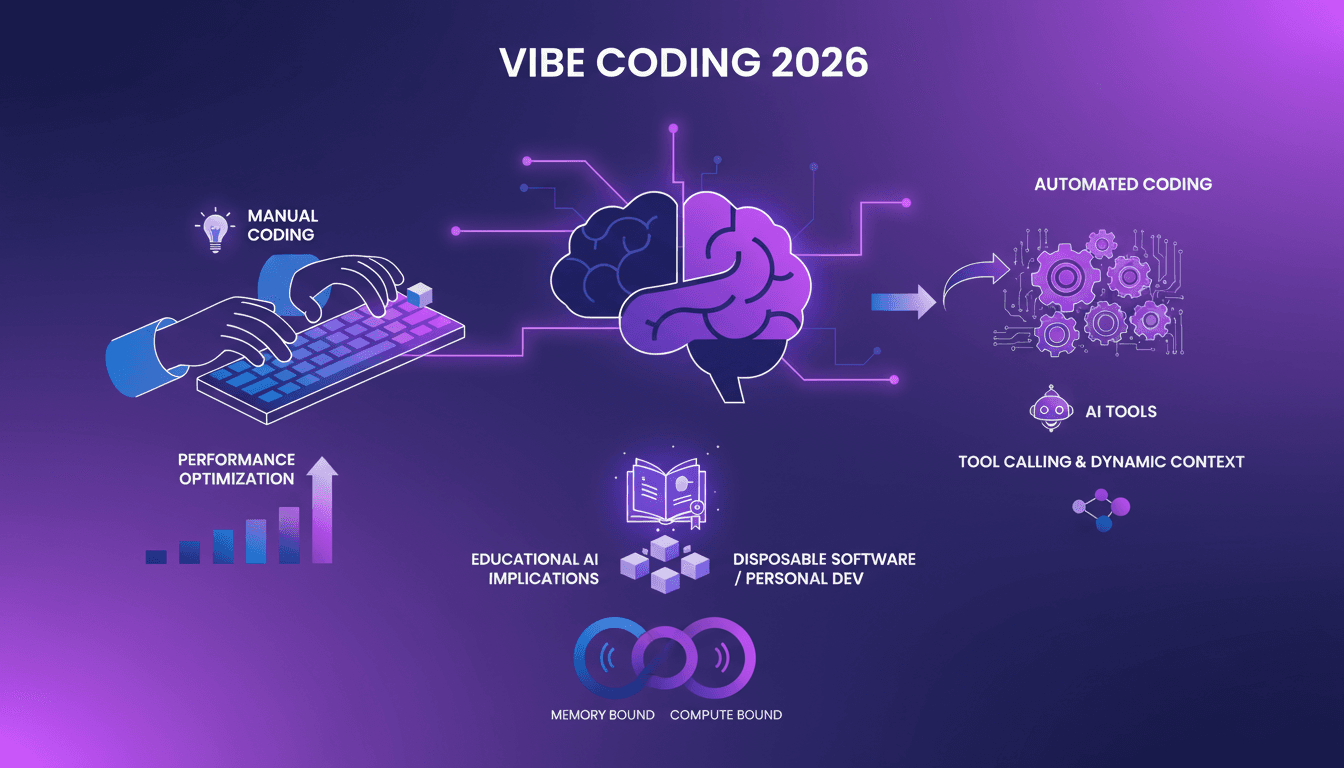
Vibe Coding 2026 : Outils IA pour Optimisation
Je me souviens du premier jour où j'ai entendu parler du vibe coding. C'était en 2026, et le monde du développement changeait à une vitesse folle. Les outils d'IA n'étaient plus seulement des assistants; ils devenaient des collègues indispensables. Mais attention, avec ce pouvoir vient une complexité accrue. Naviguer dans ces eaux ne se limitait pas à comprendre les outils, mais à les maîtriser. Dans cet article, je partage mes expériences terrain et les enseignements des leaders du secteur. On plongera dans les implications du vibe coding, les compromis techniques, et comment optimiser votre workflow avec ces outils. Vibe coding en 2026, c'est un monde où coder manuellement devient une exception, et où optimiser avec l'IA est la norme.
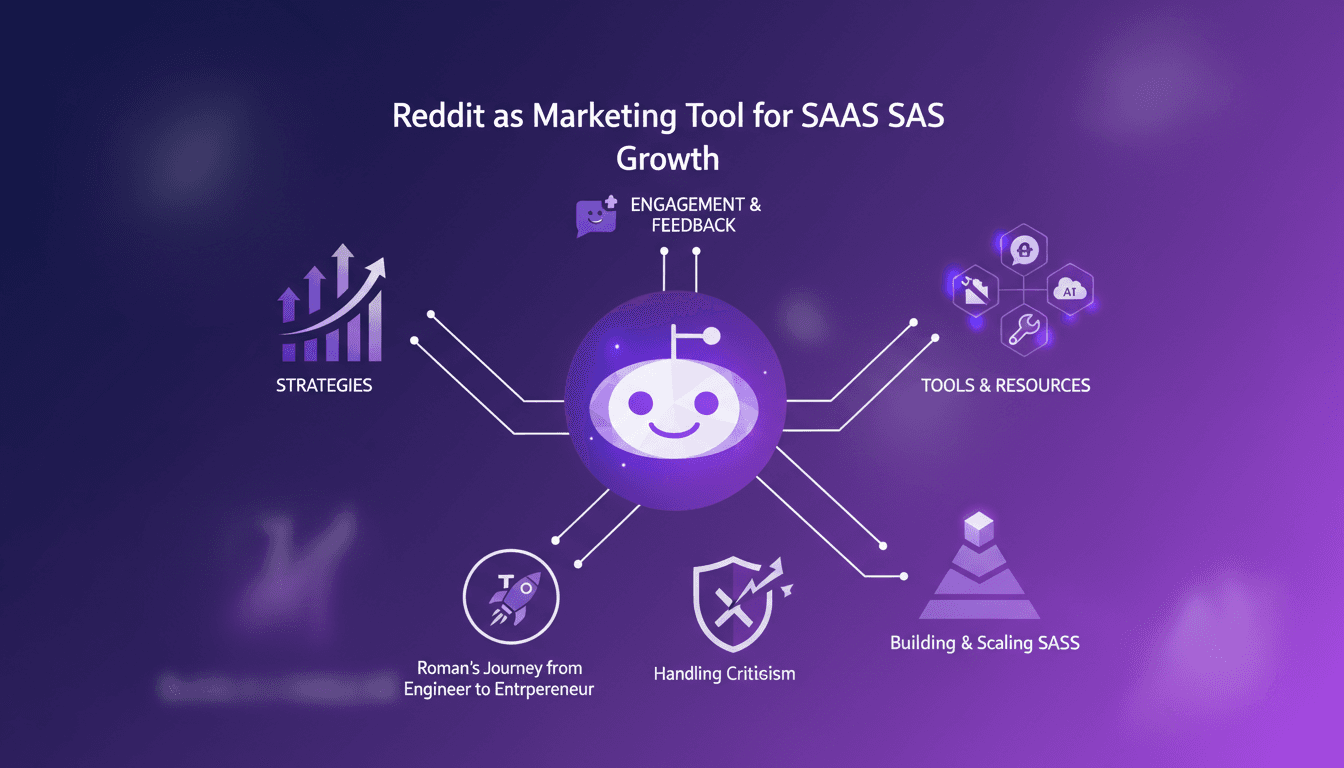
Utiliser Reddit pour Booster un SaaS à 34K€/mois
Je suis passé d'ingénieur mécanique à entrepreneur SaaS avec un revenu mensuel de 34K€. La clé de ce succès ? Reddit. Je me rappelle encore des nuits blanches passées à lire des threads, à poser des questions, à m'engager avec une communauté qui m'a donné des retours directs et sans filtre. Avec Reddit, j'ai pu tester mes idées, affiner mon produit et transformer les critiques en leviers de croissance. Dans cet article, je partage mes stratégies pour utiliser Reddit comme un véritable outil marketing pour booster votre SaaS. Mais attention, il faut savoir naviguer entre les commentaires positifs et les trolls. Mon parcours est une preuve que, même sans expérience marketing préalable, on peut réussir grâce à la puissance d'une communauté bien exploitée.
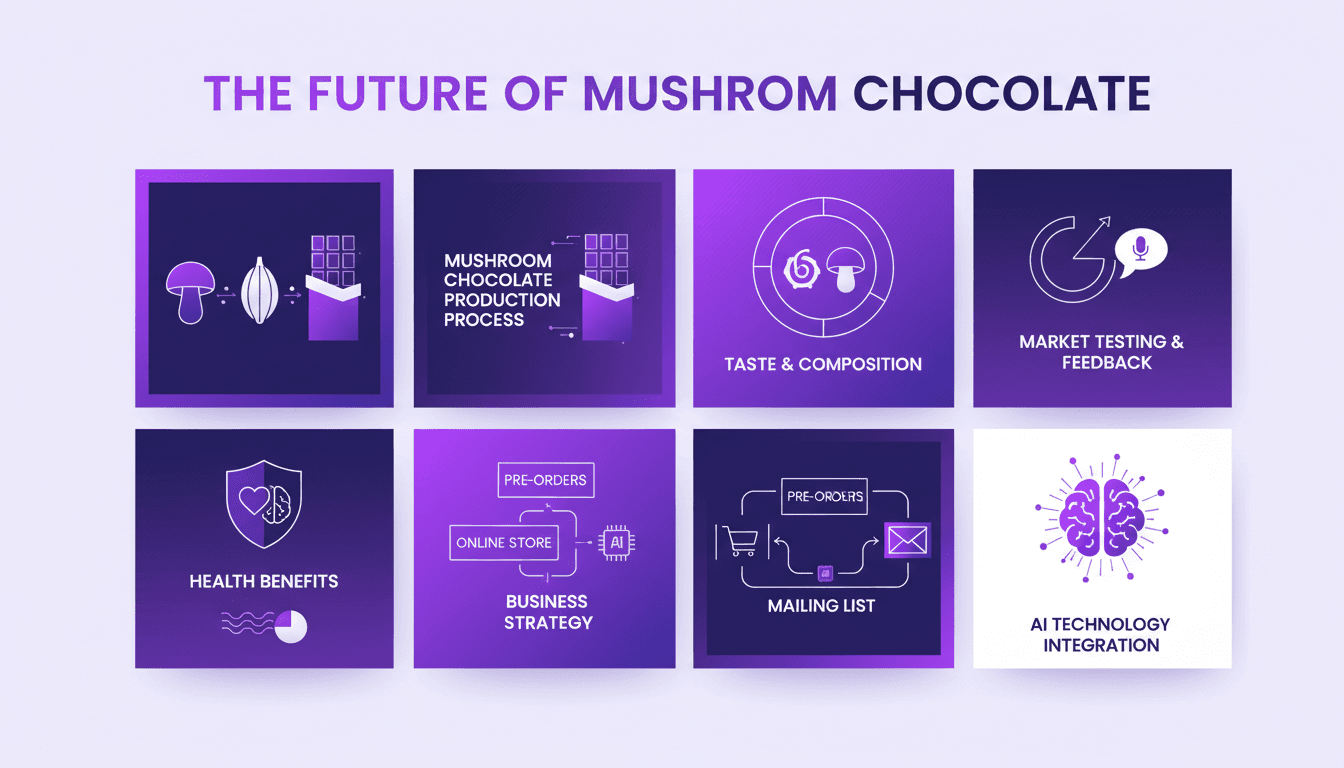
Chocolat aux champignons: lancement réussi
Jamais je n'aurais pensé que combiner des champignons avec du chocolat me mènerait à créer un business. Mais voilà, dans ma cuisine, l'idée a germé et ne m'a plus lâché. Trois jours pour produire ce chocolat unique, et la première commande de cinq tablettes est tombée. Entre la production, la stratégie de précommandes et la mise en place de ma boutique en ligne, j'ai appris à chaque étape. Un parcours semé d'embûches, mais passionnant, où j'ai dû jongler entre les tendances santé et les saveurs inédites pour me tailler une place sur le marché. C'est ici que je partage mon aventure entrepreneuriale, mes réussites, mes erreurs (et il y en a eu), et comment une simple idée s'est transformée en une réalité commerciale.
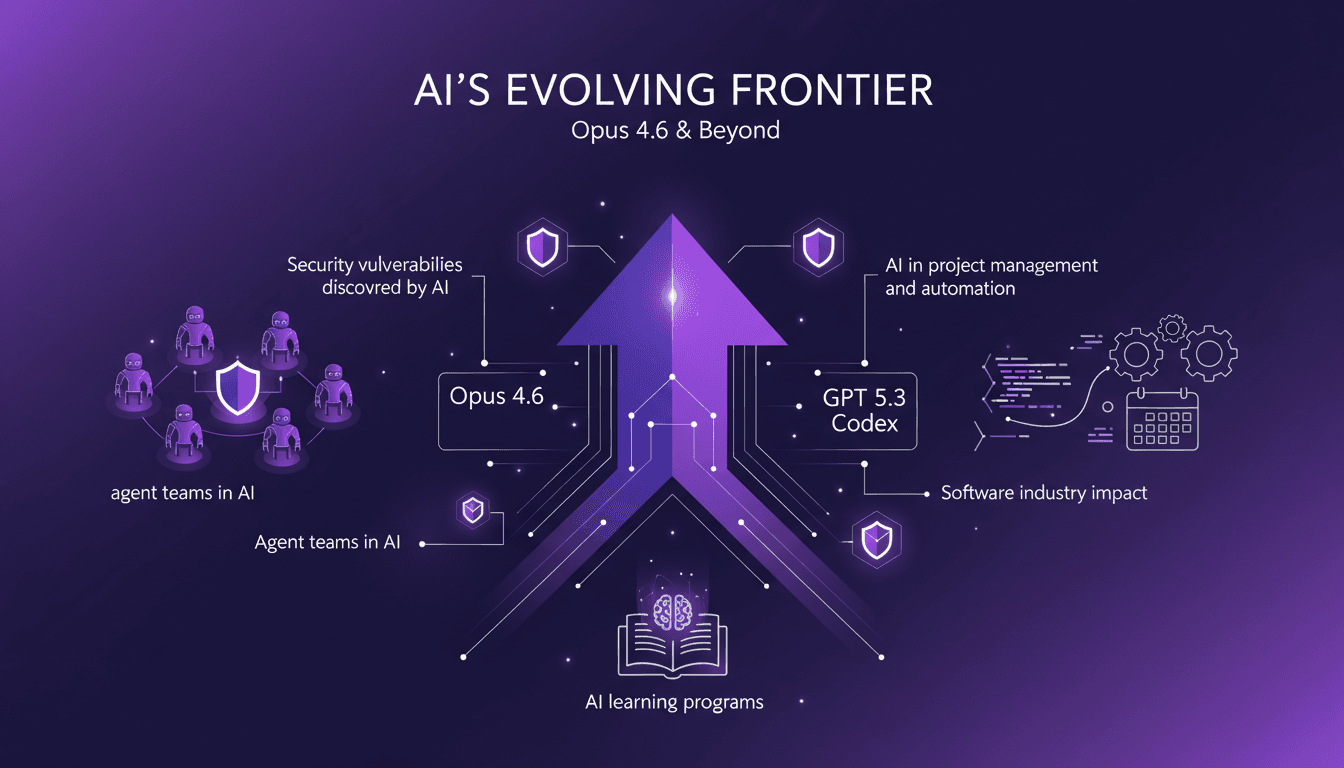
Impact de Claude Opus 4.6 sur les marchés financiers
Je me souviens encore du jour où j'ai compris l'impact qu'un nouveau modèle IA pouvait avoir sur les marchés financiers. C'était comme un démantèlement contrôlé : efficace, puissant, un peu terrifiant. Avec Claude Opus 4.6, on est dans le même registre, mais avec une précision chirurgicale. Ce n'est pas juste une mise à jour, c'est une onde de choc. On parle de 830 milliards évaporés en une semaine. Clairement, l'évolution technique est énorme, mais attention aux failles de sécurité : 500 découvertes avant même le lancement. Dans cette analyse, je décortique l'impact sur les marchés financiers, l'avancée technologique d'Opus 4.6 et GPT 5.3 Codex, et comment ces modèles redéfinissent la gestion de projets et le marché SaaS.