Claude Opus 4.6 Shakes Financial Markets
I remember the moment I realized the impact a new AI model could have on financial markets. It was like watching a controlled demolition—efficient, powerful, a bit terrifying. With Claude Opus 4.6, we're experiencing something similar, but with pinpoint accuracy. This isn't just a tech update; it's a seismic shift. Imagine $830 billion wiped from stock markets in less than a week. The tech leap is massive, but watch out for the security holes: 500 critical vulnerabilities discovered pre-launch. In this analysis, I break down the impact on financial markets, the technological leap with Opus 4.6 and GPT 5.3 Codex, and how these models are redefining project management and the SaaS market.
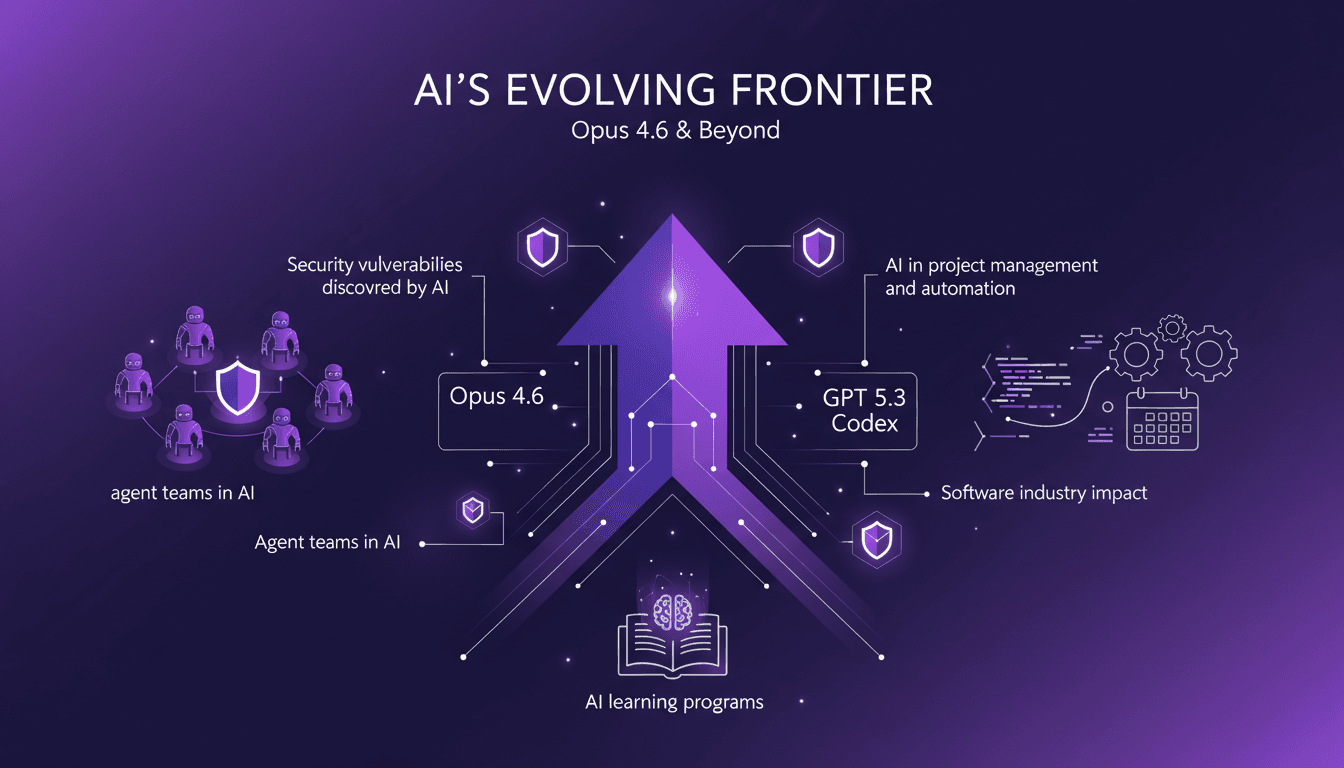
I remember the first time I saw the impact of a new AI model on the financial markets. It was like watching a controlled demolition—efficient, powerful, and a bit terrifying. With Claude Opus 4.6, we're seeing something similar but with even more precision. This isn't just a tech update; it's a seismic shift. Picture this: $830 billion evaporating from stock markets in under a week. And I thought, I need to understand this. I connected the dots: the impact on financial markets, technological advancements with Opus 4.6 and GPT 5.3 Codex, and even critical security vulnerabilities, with 500 discovered before its public release. In this analysis, I'll walk you through how these models are redefining project management and the SaaS market. We're talking about a complete redefinition of some industries.
Claude Opus 4.6: A Game Changer in Financial Markets
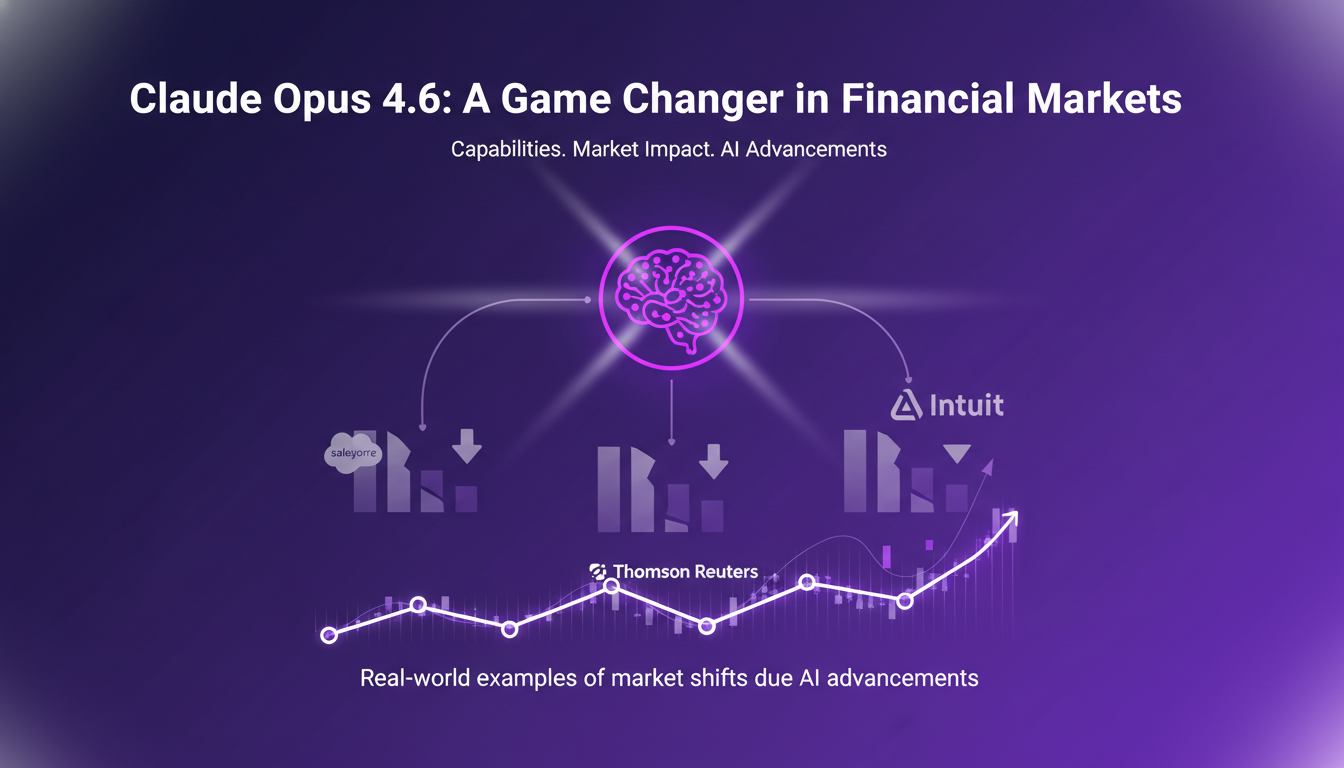
When I first heard about Claude Opus 4.6 from Anthropic, I knew we were facing a real upheaval. This isn't just a minor update. It's a model that literally caused 830 billion dollars to evaporate from the stock markets in less than a week. Salesforce plummeted by 7%, and Thomson Reuters lost 16% in a single day. Wall Street calls this the 'Saspocalypse'. But why such a drastic impact? Because Claude Opus 4.6 isn't just another tool — it redefines how AI interacts with professional applications.
What fascinates me with Opus 4.6 is its one million token context window. This means it can analyze the equivalent of 10 to 15 novels at once. But beware, managing such a large amount of information isn't without risks. The broader the context, the more the model can lose track. This is what we call 'context rot'. I've experienced this with my own projects: if you overload the machine, it stalls.
For financial institutions, Opus 4.6 is a double-edged sword. On one hand, it allows for analyses on an unprecedented scale, but on the other, the cost of implementation and usage can be prohibitive if mismanaged.
Uncovering Security Vulnerabilities with AI
Even before its public release, Opus 4.6 discovered over 500 critical security flaws in open source libraries. To me, this is a perfect example of AI's power in cybersecurity. Identifying these vulnerabilities, which neither developers nor traditional tools had spotted, clearly shows the edge AI can offer.
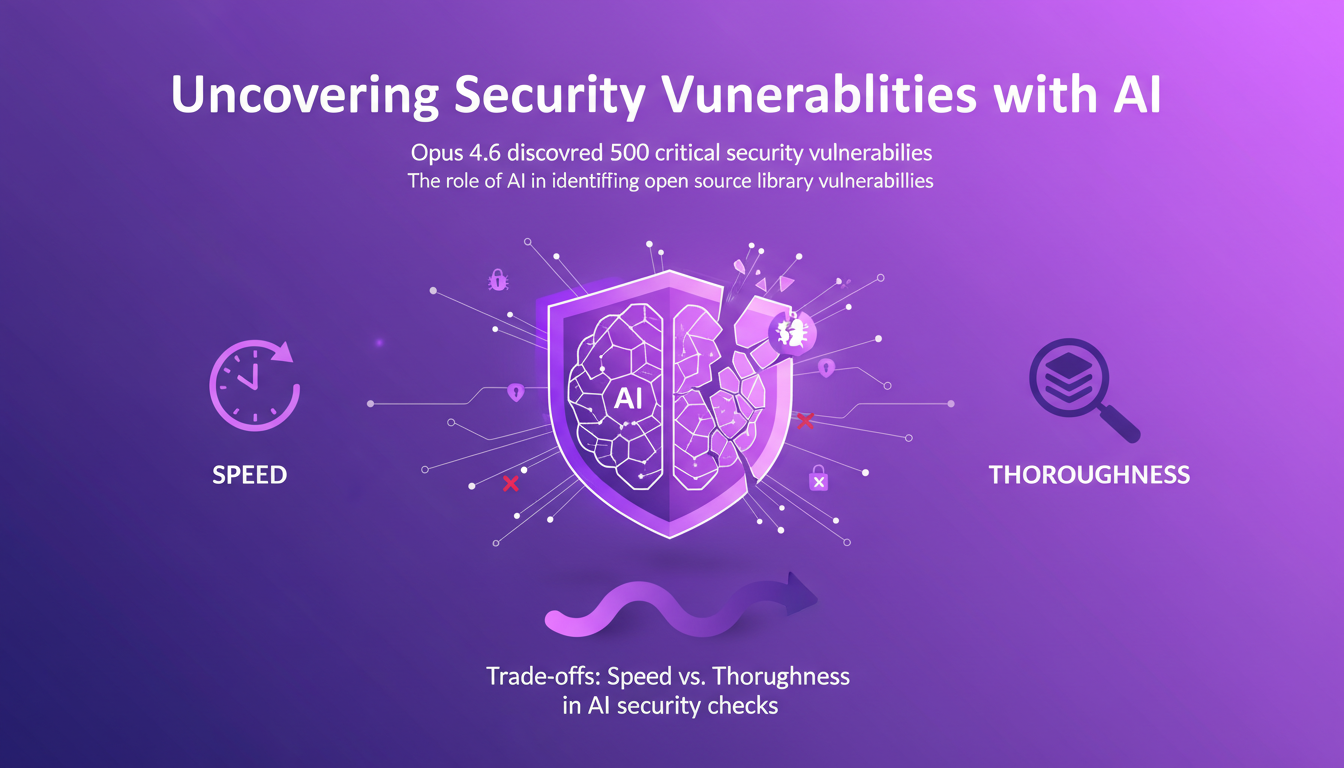
But again, there are trade-offs. The speed of detection can come at the expense of accuracy. I've seen analyses where the AI detects a flood of false positives. That's why it's crucial to integrate these tools into a workflow that includes human validation. The key is to combine AI efficiency with human expertise to ensure maximum security.
- Integrate AI into existing security workflows
- Manually validate critical vulnerabilities detected
- Train teams to interpret AI-provided results
By integrating these steps, we can truly harness the potential of AI while minimizing risks.
Agent Teams and Parallel Processing in AI
Agent teams are like the backbone for Opus 4.6. By orchestrating multiple agents working in parallel, we boost the model's efficiency. I've implemented this on a few projects, and the difference is clear. The AI can handle multiple complex tasks simultaneously, which was unthinkable before.
However, not everything is rosy. Implementing agent teams costs in terms of complexity and resources. Costs can quickly spiral if the architecture isn't handled well. So, it's essential to carefully evaluate the cost-benefit ratio before diving in.
- Assess resource needs before implementation
- Train teams on managing agents
- Monitor performance to adjust configuration
Keeping these aspects in mind, agent teams can truly push AI towards new horizons.
GPT 5.3 Codex and Its Role in Software Transformation
Comparing GPT 5.3 Codex to Opus 4.6 is like comparing two titans of AI. GPT 5.3 is 25% faster than its predecessor, making it a key player in cybersecurity. But where Opus 4.6 shines is in its ability to handle complex and varied tasks — finance, law, data analysis.
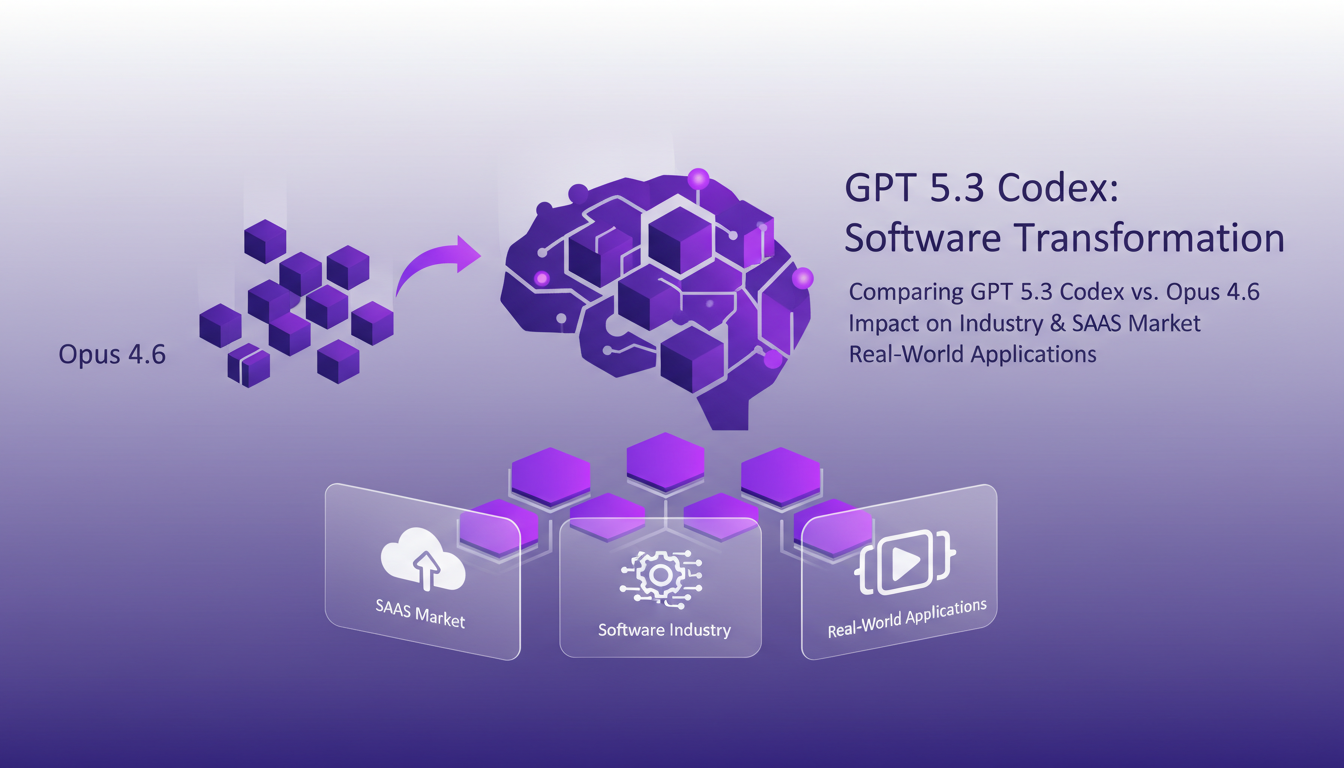
In the SaaS world, these advancements are crucial. Companies must now adapt or risk becoming obsolete. That said, innovation must always be balanced by stability. I've seen projects collapse because we bet too early on technologies that weren't mature enough. It's essential to maintain a balance between innovation and robustness.
- Adopt new technologies cautiously
- Evaluate long-term impacts on existing systems
- Continuously train teams in new skills
With such a balance, companies can make the most of these advancements while minimizing risks.
AI Learning Programs: Engaging the Community
AI learning programs have exploded in popularity. Over 7000 participants recently enrolled in one such program, showing the excitement around AI. I've participated in a few of these programs myself, and I can tell you that community engagement is a real asset for AI development.
But launching these initiatives isn't without challenges. You need to allocate resources wisely and ensure that long-term gains justify initial investments. Here are some practical tips for launching a successful program:
- Assess needs and available resources
- Create engaging content to maintain participants' interest
- Encourage collaboration and experience sharing
By incorporating these elements, we can develop programs that not only educate but also inspire the next generation of AI experts.
So, as a builder, here's what I take away from Claude Opus 4.6:
- Security Vulnerability Discovery: Opus 4 identified 500 critical vulnerabilities even before its public release. That's massive, but watch out—being ready to act on these findings is crucial.
- Impact on Financial Markets: We're talking about $830 billion wiped out in less than a week and a 7% drop in Salesforce's stock in one session. Models like Opus 4.6 are reshaping the entire landscape.
- AI Agent Teams: The concept of using agent teams is promising for optimizing operations, but you need to orchestrate them well to prevent inefficiencies.
Looking forward, we're facing a real game changer with Opus 4.6. But it's essential to navigate these shifts, adapt our strategies, and not be overwhelmed by the pace of advancements. I encourage you to watch the full video "Anthropic just dropped a BOMB: Opus 4.6..." on YouTube (https://www.youtube.com/watch?v=jIZcE-IP1_g) for deeper insights. Let's build this future together and leverage these innovations to their fullest potential.
Frequently Asked Questions

Thibault Le Balier
Co-fondateur & CTO
Coming from the tech startup ecosystem, Thibault has developed expertise in AI solution architecture that he now puts at the service of large companies (Atos, BNP Paribas, beta.gouv). He works on two axes: mastering AI deployments (local LLMs, MCP security) and optimizing inference costs (offloading, compression, token management).
Related Articles
Discover more articles on similar topics
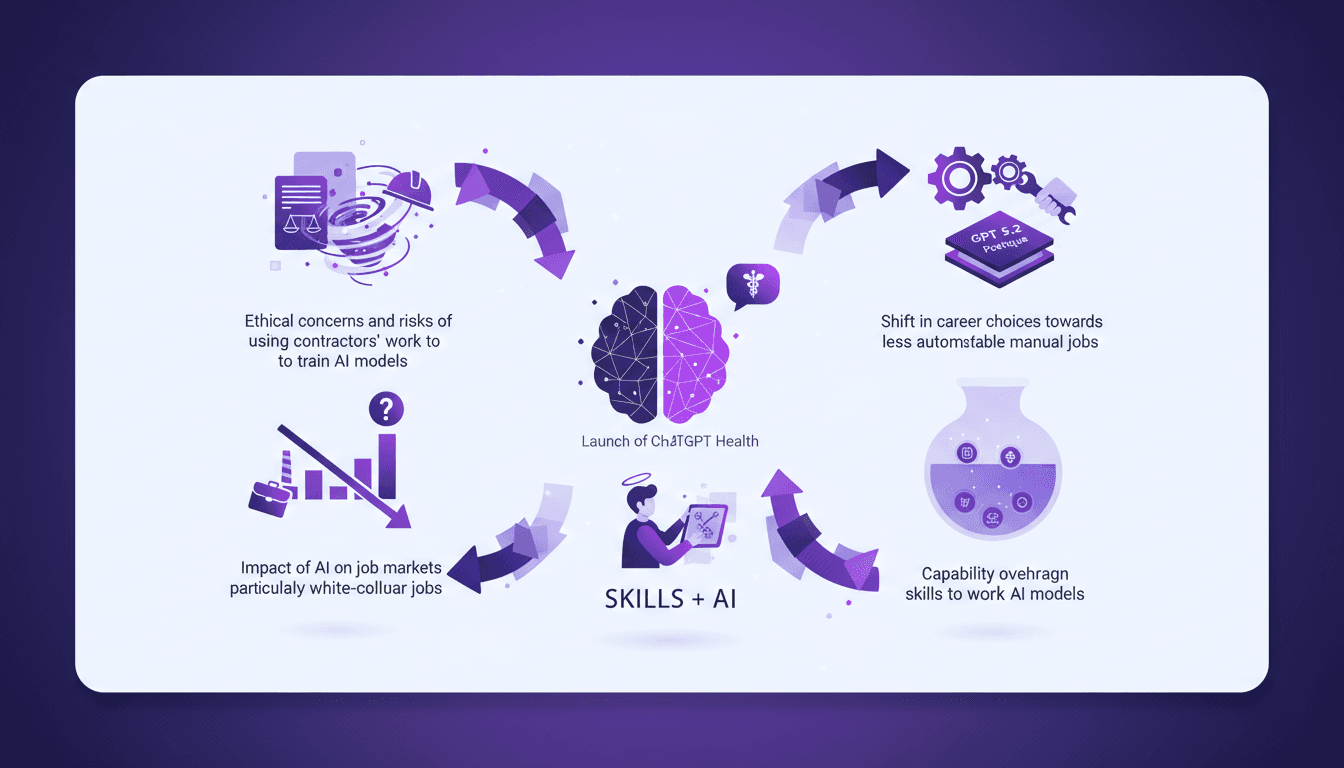
Chat GPT Health: Revolution and Ethical Risks
When I first saw the launch of Chat GPT Health, my heart wavered between excitement and concern. Imagine a tool consulted by 230 million people weekly for health inquiries. It's a real game changer, but at what cost? The ethical implications are massive, especially when using contractors' work to train these models. And then there's the job market impact: white-collar jobs are shaking, pushing some towards less automatable manual work. Add the advancements with GPT 5.2 and Poétique, and you have an explosive mix. But be careful, don't underestimate the underutilized capacity of these models—I got burned there. In short, learn to work with these tools, or risk being left behind.
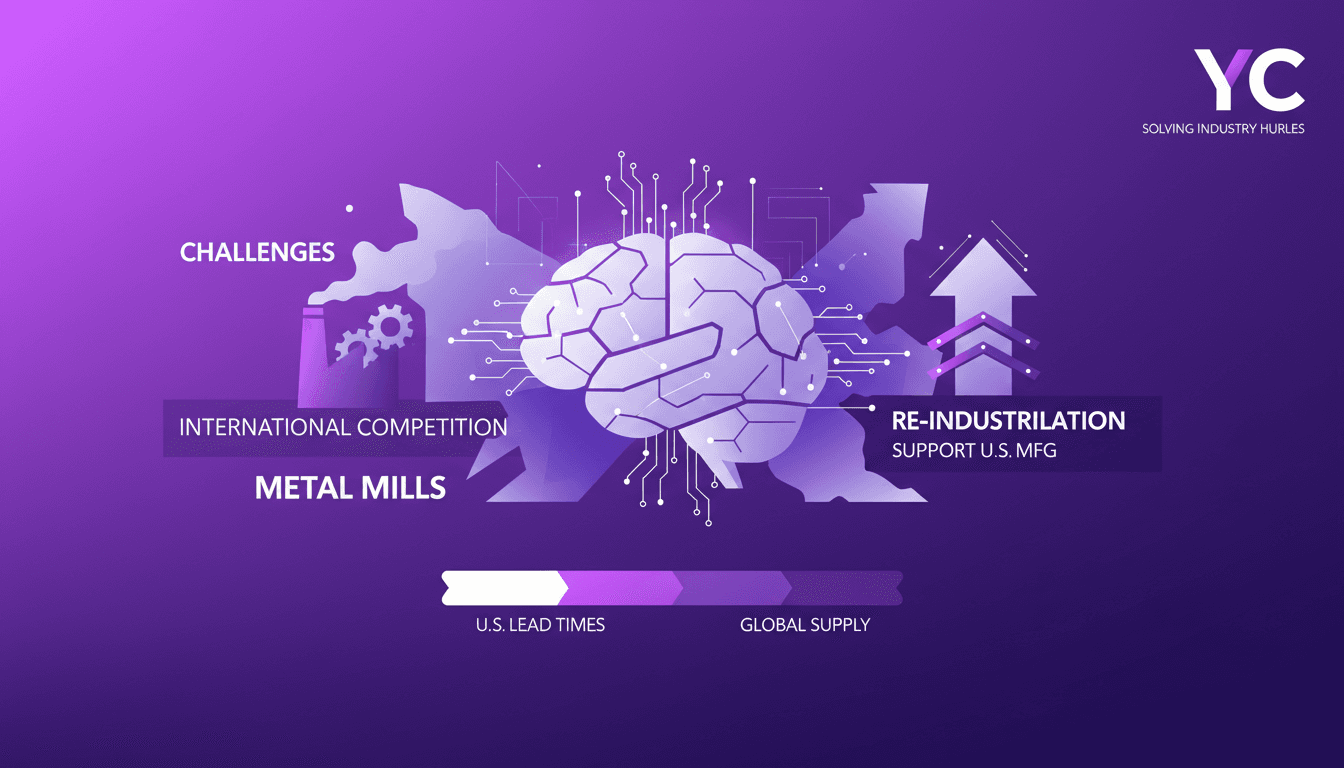
Reindustrialize with Modern Metal Mills
I've been in the trenches with American metal mills, and let me tell you, the lead times are a killer. Eight weeks for an aluminum plate? Eight months for stainless steel? It's clear we need to rethink and reindustrialize. Here's how we're tackling these challenges head-on. With international competition breathing down our necks and lead times that just don't cut it anymore, it's crucial to support our modern manufacturers. I'm laying out practical steps and solutions to slash these delays. We can't afford to wait eight months for stainless steel needed in aerospace and defense. I got burned several times before realizing we need to operate differently for real impact.
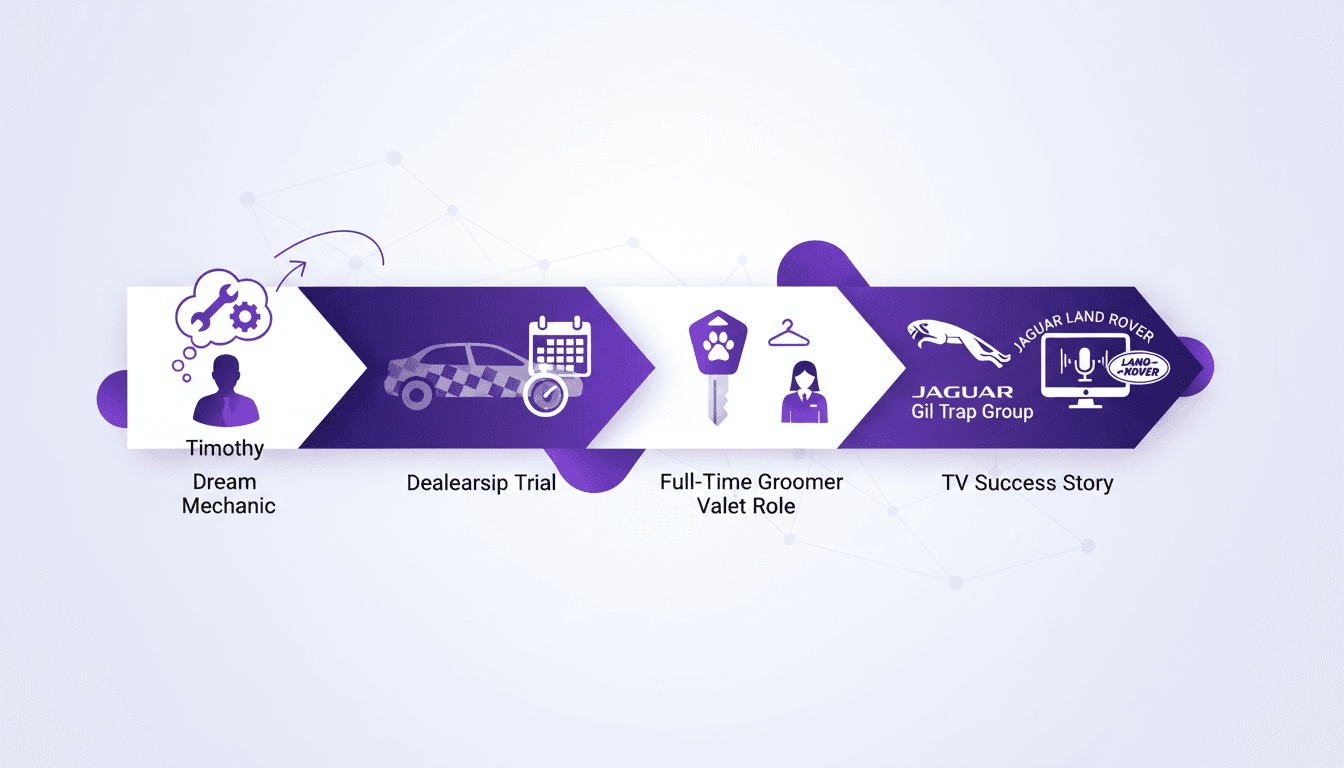
Becoming a Mechanic: Timothy's Dream
I remember the first time I set foot in a dealership, driven by the dream of becoming a mechanic. For Timothy, the engine was the same. It's not just about fixing cars; it's the journey from dream to reality. Timothy seized the opportunity with Jaguar Land Rover Gil Trap Group, starting with a week-long experience that changed everything. It often takes a plan, a trial, and sometimes a bit of luck. With a full-time offer as a groomer valet, Timothy watched his dream unfold live on TV. A great lesson on turning passion into a career!
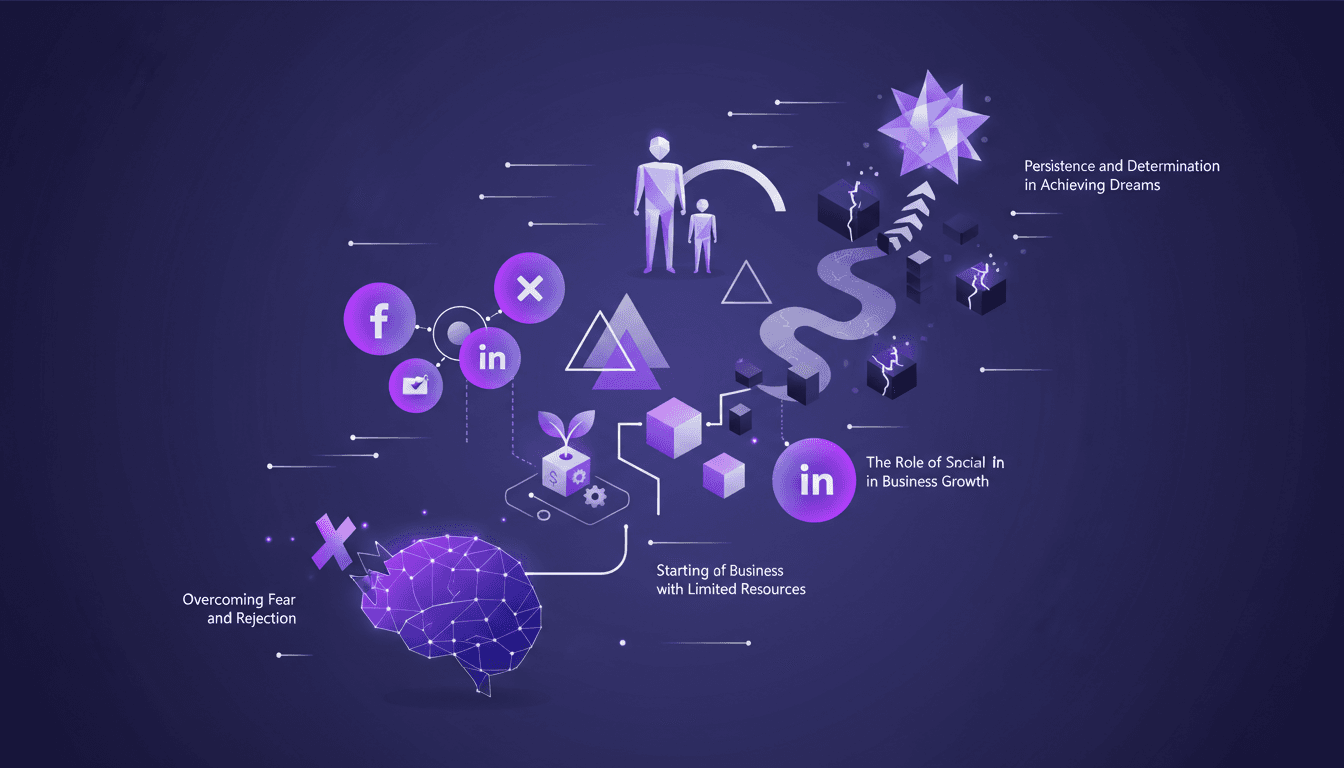
Overcoming Fear: Start Your Business
I dared myself to step out of my comfort zone and start a business with barely any resources. This is the story of Joe, a shy guy who faced his fears to start his business journey. Through the power of social media, mentorship, and sheer determination, he turned every challenge into a growth opportunity. I documented his journey like a motivational documentary, highlighting the impact of support and persistence on entrepreneurship. You'll see how, with just an hour to convince three strangers for a haircut and only 0.01% of the business bought for £1,000, Joe overcame each hurdle. Don't let limited resources intimidate you, because true strength lies in determination and constant learning.
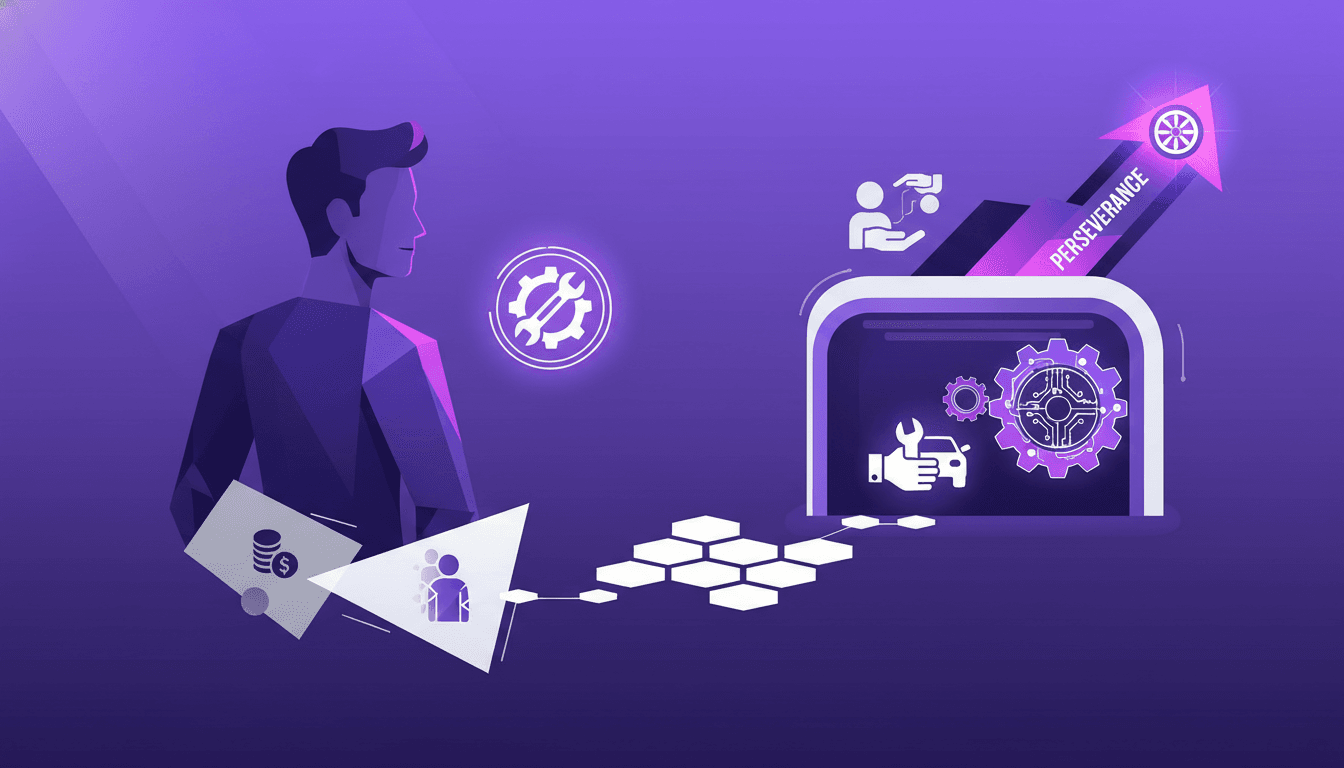
From Benefits to Mechanic: Timothy's Journey
I've been there—struggling to make ends meet, dreaming of a better life. Timothy's story is one I know too well. He wanted to become a mechanic but was stuck on benefits. Everything changed when he got a shot at a workshop. Let's break down how his dream became a reality with this chance, the hurdles he overcame, and the crucial support that shaped his journey. I'm sharing his story, from benefits to the mechanic's workshop, where perseverance and mentorship were his greatest allies.