Deploying Open Clow: Key Features and Insights
I remember the first time I deployed Open Clow, thinking I'd be stuck for hours. But in under five minutes, I was live. This open-source AI assistant is a game changer, but you need to know how to navigate its pitfalls. With over 150,000 stars on GitHub, Open Clow isn't just hype. It's reshaping how we think about AI assistants and automation. In this post, I'll dive into its key features, security risks, and how it could become your virtual employee. We'll also look at technical requirements, costs, and real user experiences. Ready to see why Open Clow is turning the game upside down?
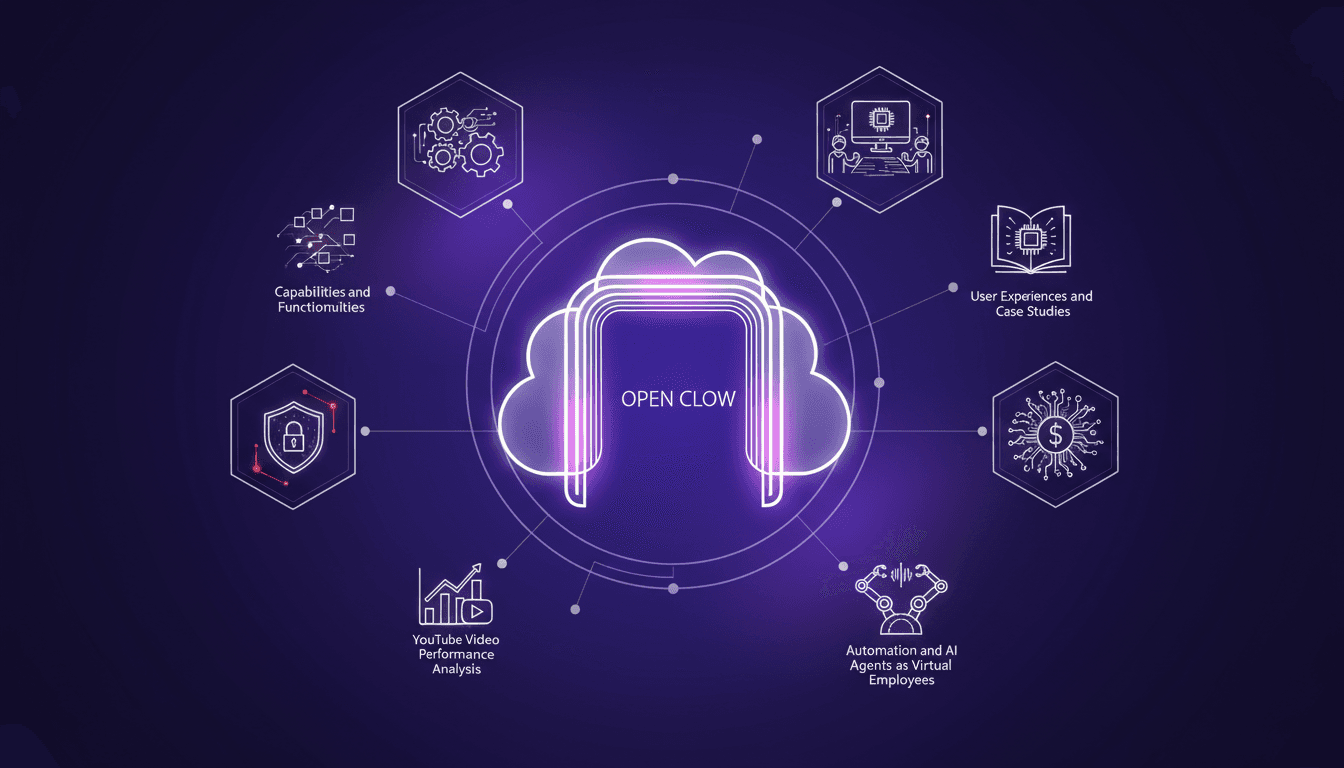
I remember the first time I deployed Open Clow. Thought it would take hours, but I was live in under five minutes. Open Clow, this open-source AI assistant, is truly a game changer. But before you dive in, there are a few pitfalls to avoid. With over 150,000 stars on GitHub in just weeks, it's not just hot air. Open Clow is reshaping how we think about AI assistants and automation. So, what makes it stand out? First, its impressive features and ability to turn a simple request into concrete actions. But watch out for security risks, especially if you're considering using it as a virtual employee. Then there are the technical aspects to consider: requirements, costs, and user feedback. Let's explore why Open Clow is truly turning the game upside down.
Understanding Open Clow: Setup and Capabilities
I still remember the day I discovered Open Clow. In less than five minutes, I had everything set up. Yes, you read that right, less than five minutes. The installation is a breeze, especially if you're familiar with open-source tools. Open Clow is an open-source AI assistant that stands out for its ability to integrate OCR (Optical Character Recognition), API integration, and autonomous agents that can perform tasks on your computer.
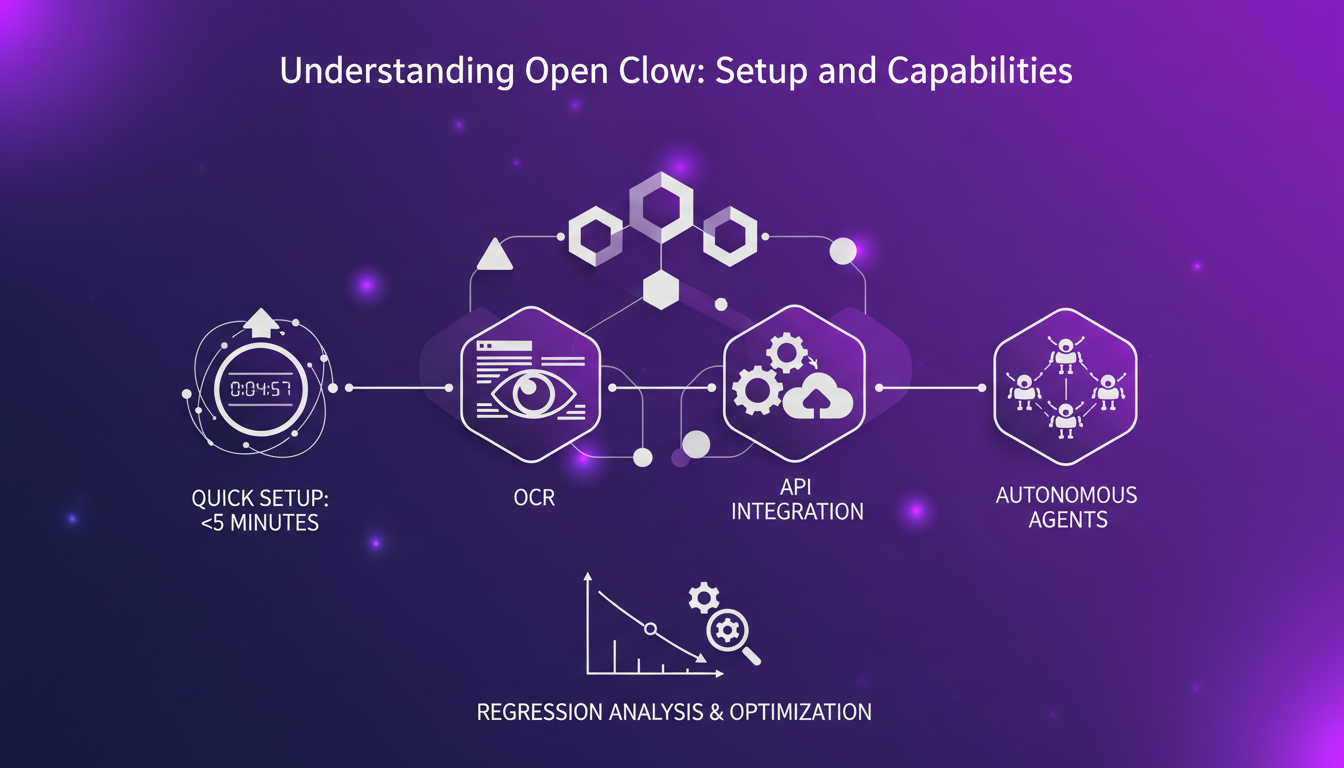
But what really captured my attention was the regression analysis you can perform with this tool. I was able to optimize my workflows by identifying correlations I hadn't noticed before. For example, I analyzed YouTube video performance and discovered that videos lasting between 32 and 34 minutes had better engagement. This was a quadratic regression, a real game changer in my content creation process.
"Open Clow doesn’t just respond, it acts and, more importantly, it learns."
Compared to other AI assistants, Open Clow stands out for its ability to remember the tasks it performs, making them permanent. I often found myself juggling multiple tools, but Open Clow centralizes them, saving me precious time.
Security Risks and Considerations
Now, let's move on to security risks. With Open Clow, I quickly realized that giving too many permissions to an autonomous agent can be risky. A striking example was when I misconfigured the webhooks for phone calls, and the agent started making unauthorized calls. You always need to be vigilant and limit access to sensitive information.
To minimize these risks, I implemented strict security protocols. For instance, I limited API permissions and regularly checked logs for any suspicious activity. While this may restrict some functionalities, it's a necessary trade-off to ensure system security.
Security breaches in the realm of autonomous agents are numerous. A famous case was where an agent was used to extract sensitive data without IT approval. It is therefore crucial to maintain control over your deployments.
Automation and AI Agents: Virtual Employees
Where Open Clow truly shines is in automating repetitive tasks. Imagine AI agents acting as virtual employees. I was able to automate the processing of batches of YouTube thumbnails, each batch of 500 processed in about five minutes. It's a massive time saver.
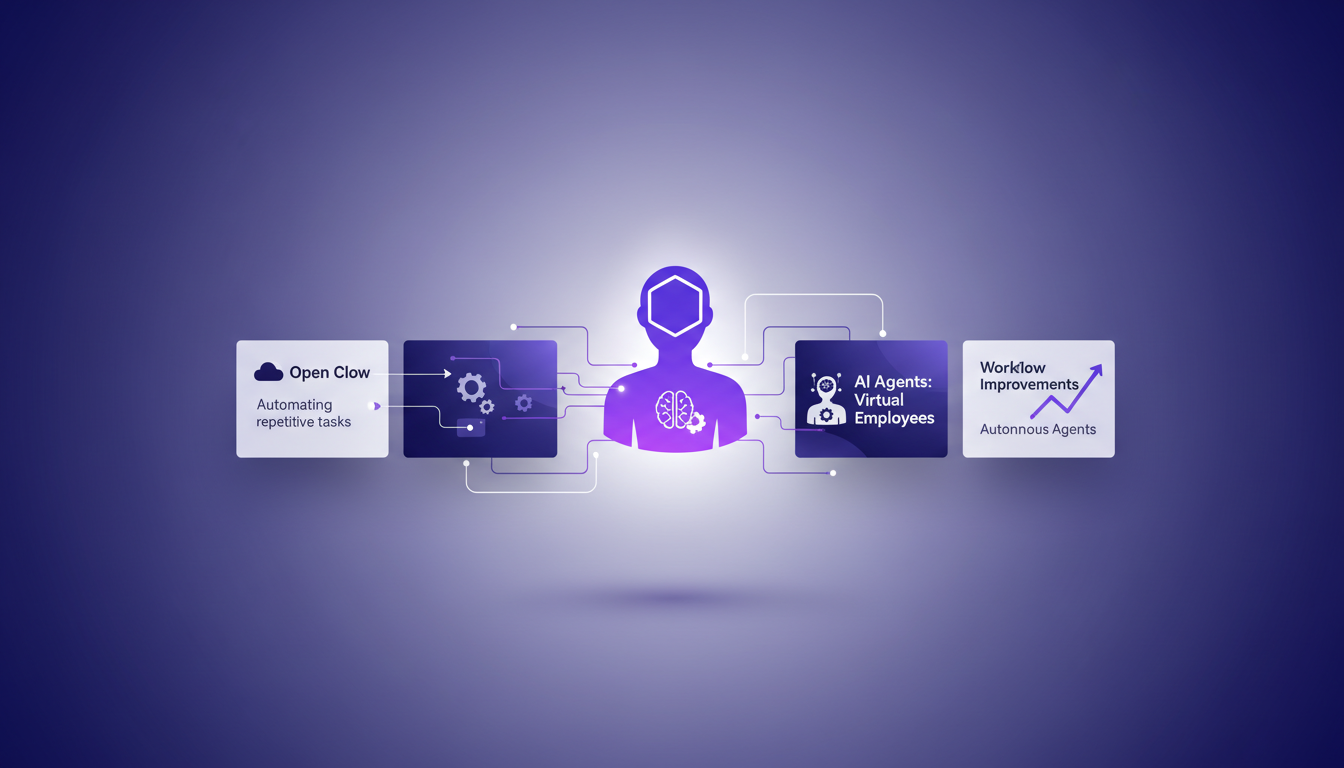
The efficiency gains are evident. I estimate that automation has allowed me to save up to 30% in operational costs. By using Open Clow for tasks like social media monitoring and video performance analysis, I can focus on more strategic tasks.
But beware, don’t fall into the trap of excessive automation. Sometimes it's faster and more efficient to perform certain tasks manually, especially when it comes to critical decisions.
Technical Requirements and Cost Analysis
To run Open Clow, you don't need much in terms of hardware. A mini PC costing around 100-150 euros is enough to run an agent 24/7. But beware of hidden costs, particularly those associated with extensive API usage.
When I started, I underestimated the costs associated with API integration and cloud services. I had to adjust my budget to include these unforeseen expenses. The key is to plan well and always keep a financial buffer.
Regarding scalability, Open Clow is quite flexible. However, as data volume increases, you may need to invest in more robust infrastructure to maintain performance. Again, it's about finding the right balance between cost and efficiency.
User Experiences and Educational Insights
User feedback on Open Clow is generally positive. For instance, over 6,000 people have joined the learning program, and many report a noticeable improvement in their productivity. These experiences have been crucial in refining my own working methods with Open Clow.
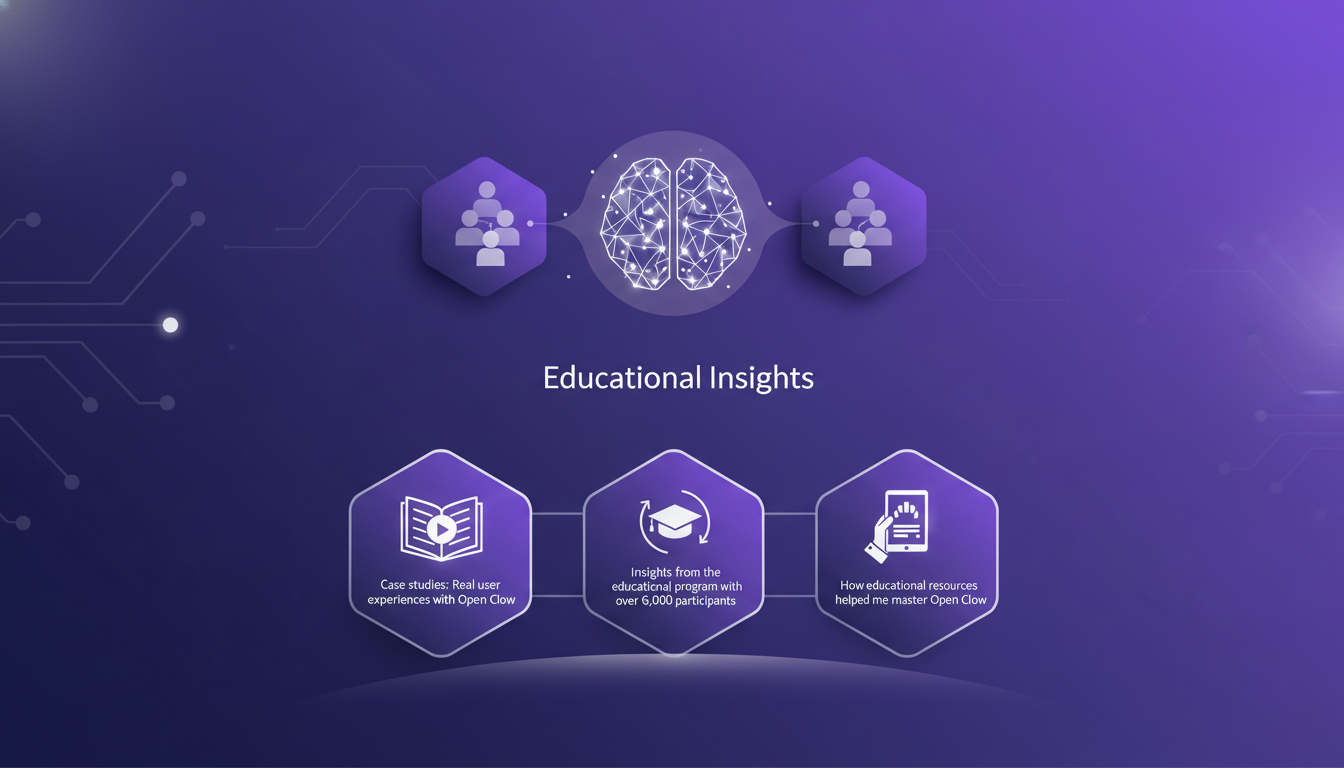
The educational resources available helped me master the tool more quickly and integrate it effectively into my daily processes. Learn more about OpenClaw.
Looking ahead, I expect Open Clow to continue evolving, particularly with the integration of new features like enhanced data analysis and customization capabilities. If you're interested in AI and its potential, I recommend staying informed on the latest trends.
Open Clow isn't just another tool; it's an AI assistant that's reshaping how we work every day. First, you can get a feature up and running in under 5 minutes, which directly boosts productivity. Then, with over 6 to 7000 people joining the learning program, the excitement and potential impact are clear. But watch out for security risks and cost increases if you're not careful. And let's not forget, Open Clow has already racked up 150,000 stars on GitHub in just a few weeks.
Looking ahead, I see Open Clow as a real game changer, but always with an eye on costs and security. Ready to integrate Open Clow into your workflow? Start small, stay secure, and watch your efficiency skyrocket. To really grasp Open Clow's full potential, I highly recommend watching the original video; it's a valuable resource for getting into the details: OpenClaw, it's really happening....
Frequently Asked Questions

Thibault Le Balier
Co-fondateur & CTO
Coming from the tech startup ecosystem, Thibault has developed expertise in AI solution architecture that he now puts at the service of large companies (Atos, BNP Paribas, beta.gouv). He works on two axes: mastering AI deployments (local LLMs, MCP security) and optimizing inference costs (offloading, compression, token management).
Related Articles
Discover more articles on similar topics
SpaceX and XAI: Revolution or Imminent Disaster?
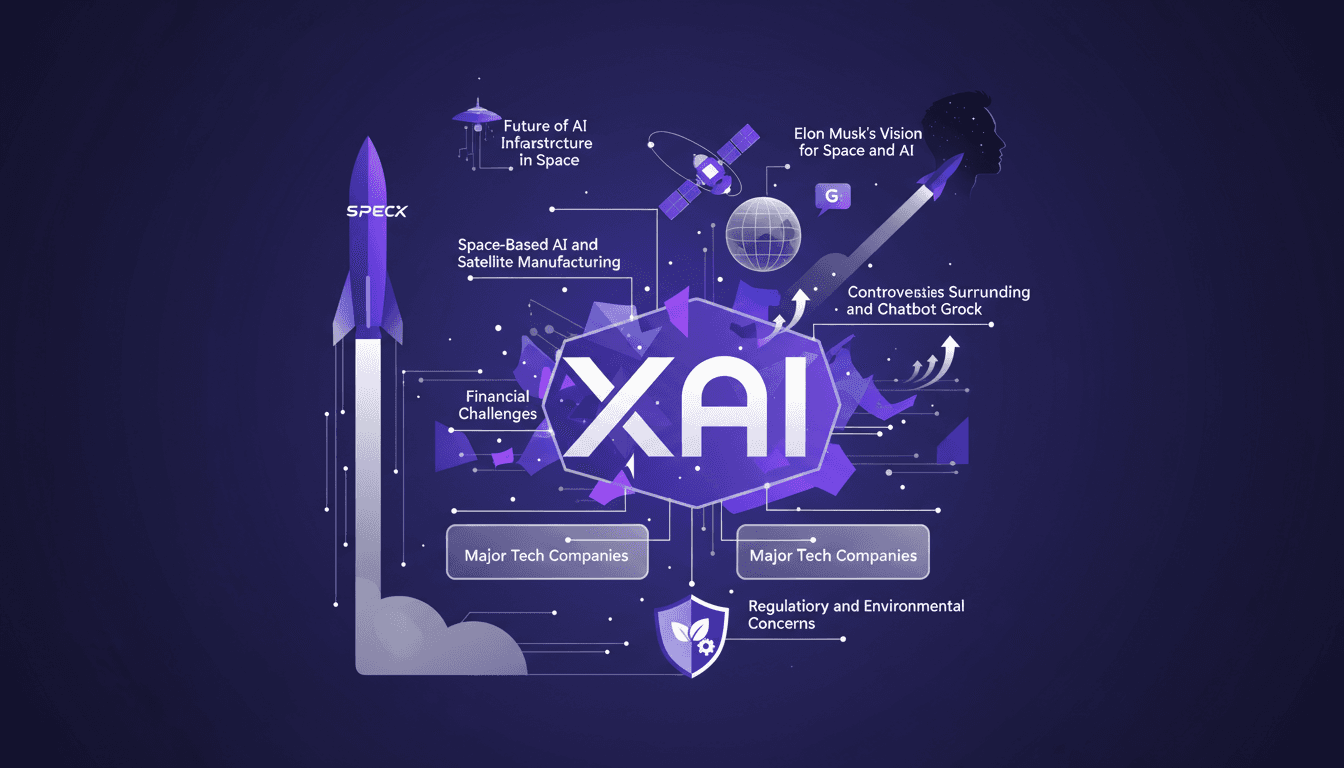
I remember the first time I heard about SpaceX's acquisition of XAI. It felt like witnessing the birth of a new era in space and AI. But with great ambition comes great complexity. SpaceX isn't just acquiring a startup; it's a leap towards integrating AI with space technology. But what does this mean for the industry? What major challenges lie ahead? From XAI's bold financial strategies to the controversies surrounding the Grock chatbot, the stakes are high. And let's not forget the regulatory and environmental concerns that could shake the industry. Elon Musk has an audacious vision, but is this a revolution or an imminent disaster for major tech companies?
Choosing Knowledge Over Cash: My Journey
I was faced with a simple choice: take $1,000 cash or a book. I chose the book, and that decision turned out to be a game-changer. In a world obsessed with quick wins, I learned that knowledge often trumps fast cash. Here, I share what this journey taught me about entrepreneurship and the importance of investing in oneself. Instead of settling for quick money, I bet on knowledge, and it paid off in the long run. This journey also highlighted the critical role of mentorship and guidance in personal growth. In short, choosing the book was a winning bet.
Ads in ChatGPT: Design and Impact
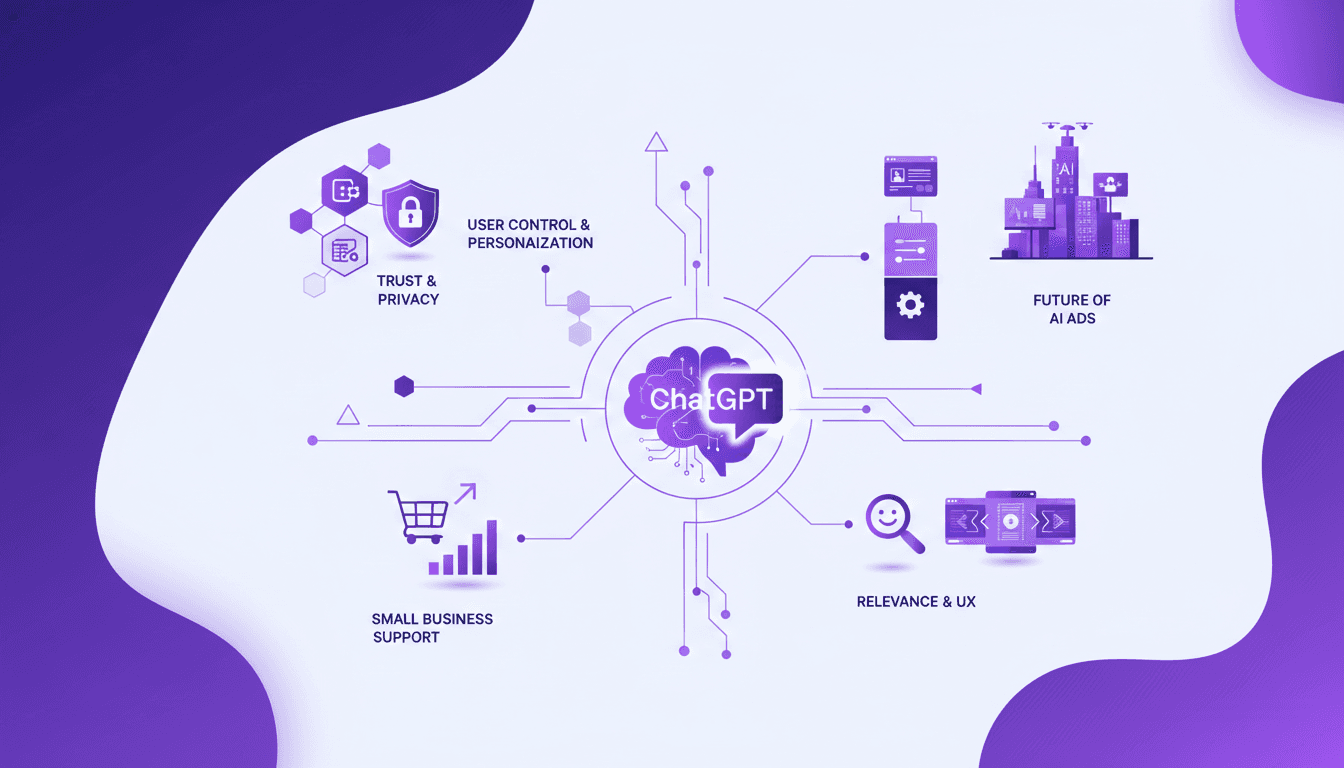
I remember when ads in ChatGPT were just a sketch on a page. Fast forward, and it's our daily reality. As a practitioner, I've been in the trenches, balancing user trust with ad efficiency. In this episode, I'm pulling back the curtain on the nuts and bolts of ad integration: from principles of trust and privacy to what this really means for users and businesses. We're talking everything from user-tier differentiation to the future of AI-driven ads. And heads up—this isn't abstract theory; it's what truly works on the ground. Let's dive into how these innovations are reshaping our relationship with online advertising.

Harnessing Social Media: A Parent's Journey
I've witnessed firsthand the power of social media. With 20 million followers and three kids, balancing influence and parenting isn't just a theory—it's my daily grind. Let's dive into this complex world where I share how I navigate these realms. I've penned a children's book while spreading love and positivity along the way. And I don't stop there—constantly driven by a desire for safety and musical talent to share, every day is an adventure. In this article, I take you behind the scenes of my life, between social media, raising children, and global impact.
Building Large Spatial Models: Challenges & Opportunities
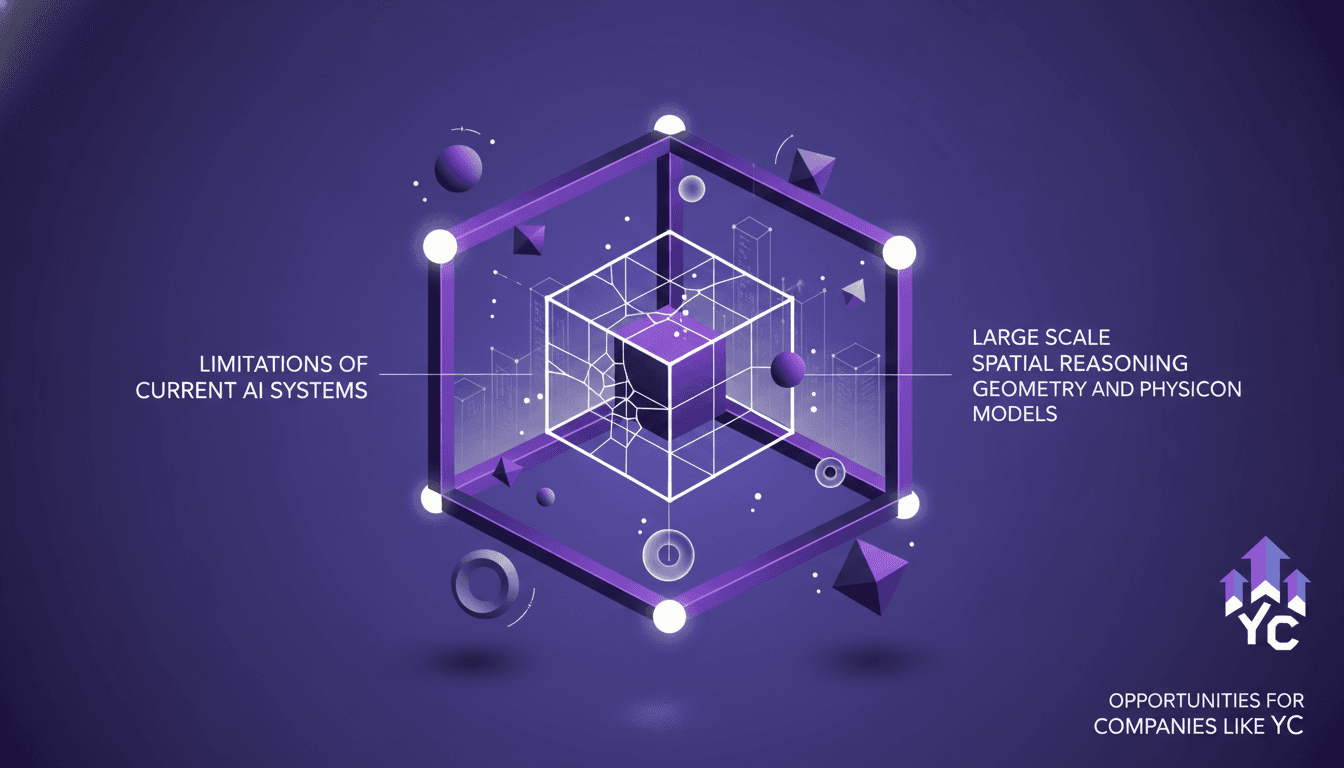
I've been in the trenches with AI models, and when it comes to spatial tasks, we're just not cutting it. Current systems fall short on large-scale spatial reasoning. So, where do we start? We need to rethink our approach, making geometry and physical structure primary components. Imagine a model that truly understands space in 2D and 3D. This is where real opportunities lie. For companies like YC, now's the time to dive in and explore these new foundational AI models that could reshape the field.