Vox Media: Building Trust in a Fragmented Economy
I still remember when I first realized the power of a well-crafted media brand. It was like flipping a switch—suddenly, the fragmented attention economy didn’t seem so daunting. At Vox Media, we've mastered the art of building trust and engaging audiences in ways that cut through the noise. In today's ever-evolving media landscape, standing out requires more than just great content. It demands a robust strategy that integrates trust, innovation, and adaptability. Let’s dive into how Vox Media navigates these waters, discussing our business model, the role of trust in podcasting, and the challenges of podcast advertising. Get ready to see how Vox Media builds its reputation in a fragmented economy while captivating Gen Z and Gen Alpha.
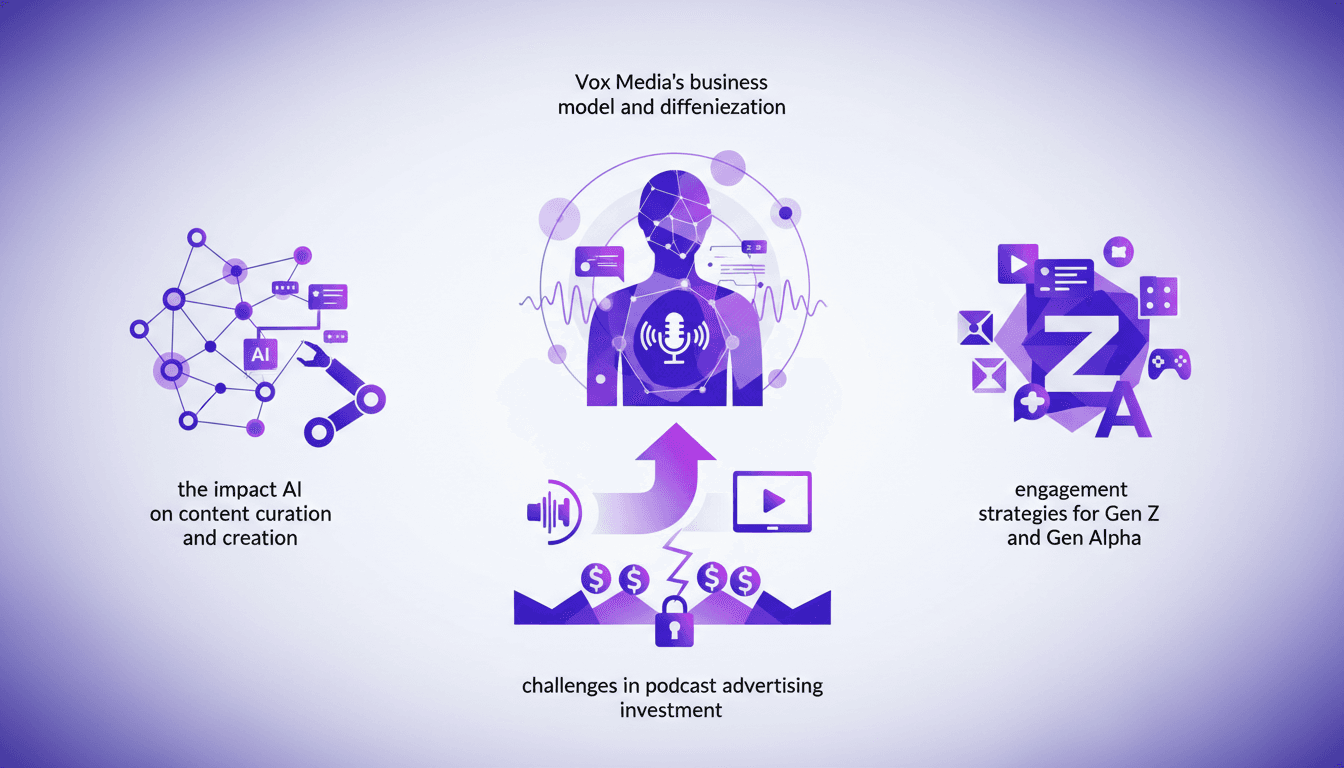
I remember the first time I truly grasped the power of a well-built media brand. It was like flipping a switch—suddenly, the fragmented attention economy didn’t feel so overwhelming. At Vox Media, we don't just churn out content; we orchestrate strategies that build enduring trust and genuinely capture our audiences. In a media landscape that evolves at lightning speed, standing out requires an integrated approach that marries innovation, trust, and adaptability. First, I connect with audiences through podcasts that transcend just audio, then I adapt strategies to engage Gen Z and Gen Alpha. But watch out, podcast advertising is a tricky field—you've got to navigate smartly. And AI? It's redefining content curation. So let's step behind the scenes at Vox Media, where building trust is an art we’ve mastered, even in a fragmented economy.
Mastering the Omni-Channel Strategy
First, I mapped out Vox Media’s diverse content channels. Understanding how each channel engages our audience is crucial. Omni-channel expression is more than a buzzword; it's a reality for effective engagement. But watch out, extending resources without focus can be a pitfall. I quickly learned that quality trumps quantity. Our triple-digit live events showcase our commitment to audience engagement—a way to keep audiences captivated.
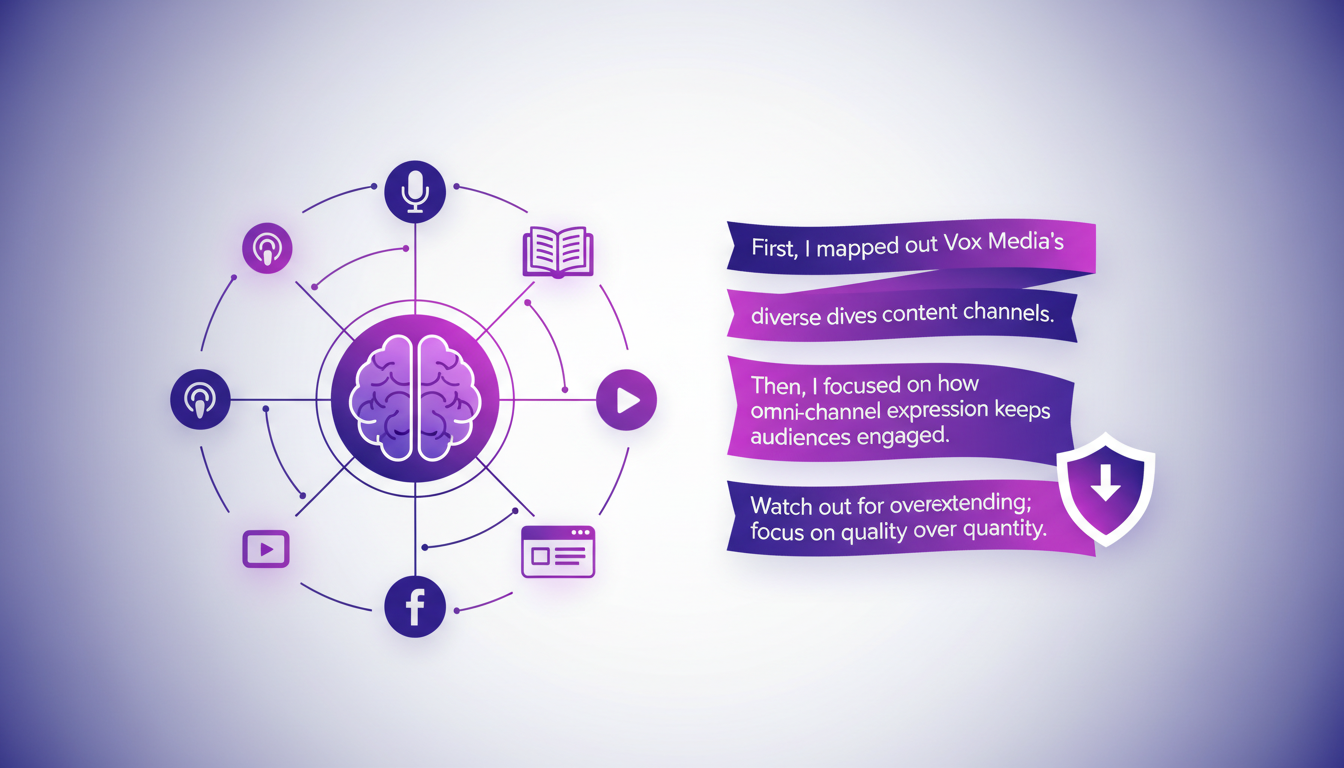
Implementing an effective omni-channel strategy requires meticulous orchestration. Each channel must offer unique value while seamlessly integrating with the others. This involves strategic thinking and constant evaluation of channel performance.
The Role of Trust and Parasocial Relationships
I explored how podcasts foster parasocial relationships. Often underestimated, these relationships are crucial for building trust. By maintaining consistency and authenticity in our content, we've managed to establish a real connection with our listeners. I've noticed that listeners value this personal connection far more than polished perfection. A familiar host voice can create incredible brand loyalty.
The key here is consistency. If you don't consistently deliver authentic content, you risk losing this precious connection. Listeners seek authenticity, and that's what keeps them coming back.
AI in Content Curation: Balancing Act
Integrating AI in content curation is a real game changer, but it's important to tread carefully. I integrated AI tools to enhance efficiency without losing the human touch. AI can automate many tasks, but it shouldn't replace human judgment. There are limits to AI, especially when it comes to editorial judgment and taste. Balancing AI and human input is key to maintaining high editorial standards.
Ultimately, AI can be a powerful tool, but it must be used judiciously and always under human supervision.
Navigating Podcast Evolution: Audio to Video
Shifting from audio to video isn't just a trend; it's a necessity. I adapted our content strategies to embrace visual storytelling. But watch out, production costs soar with video formats. This transition requires rethinking audience engagement tactics. It's crucial for staying relevant in an ever-evolving media landscape.
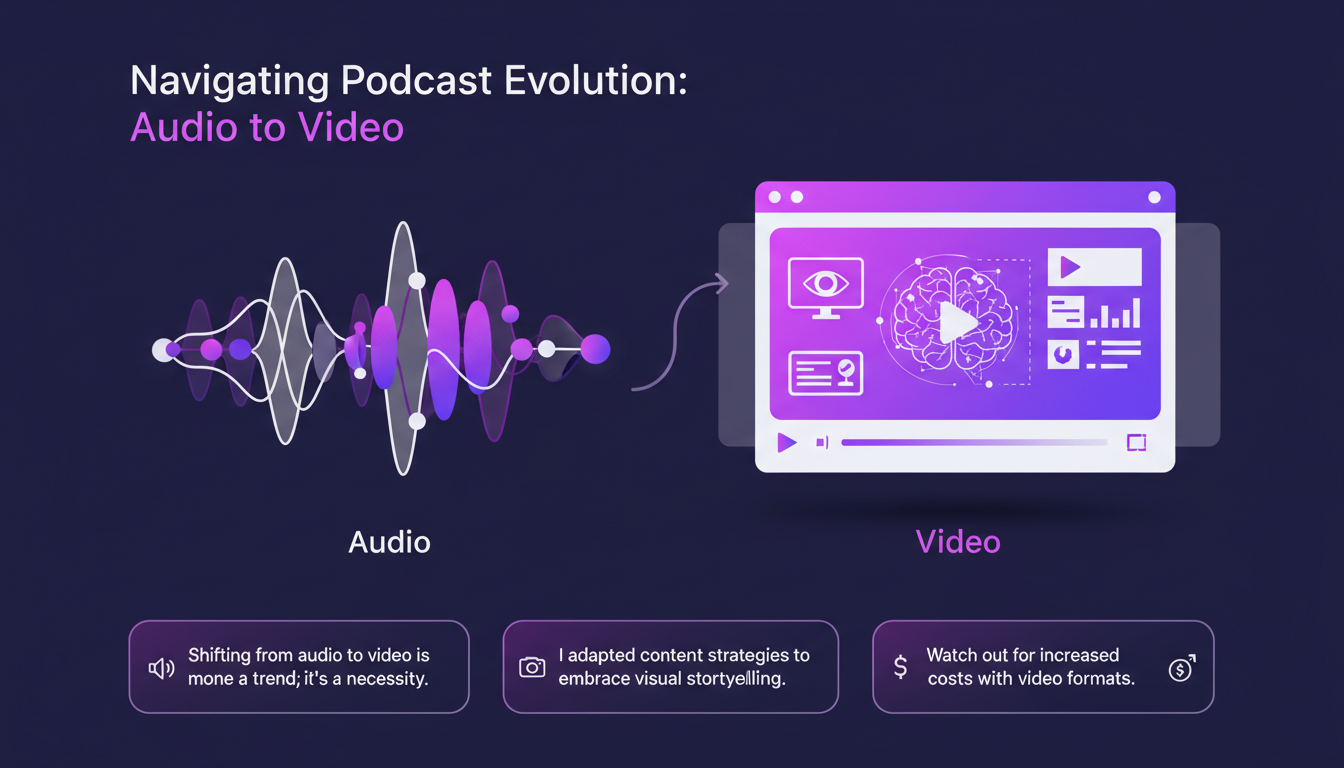
Video podcasts offer a richer interaction with the audience but demand increased technical expertise and investment.
Aligning Advertising with Podcast Consumption
Podcast advertising investment needs to match consumption patterns. I analyzed data to optimize ad placements and returns. Don't chase trends blindly; focus on audience insights. Building advertiser trust is as crucial as audience trust.
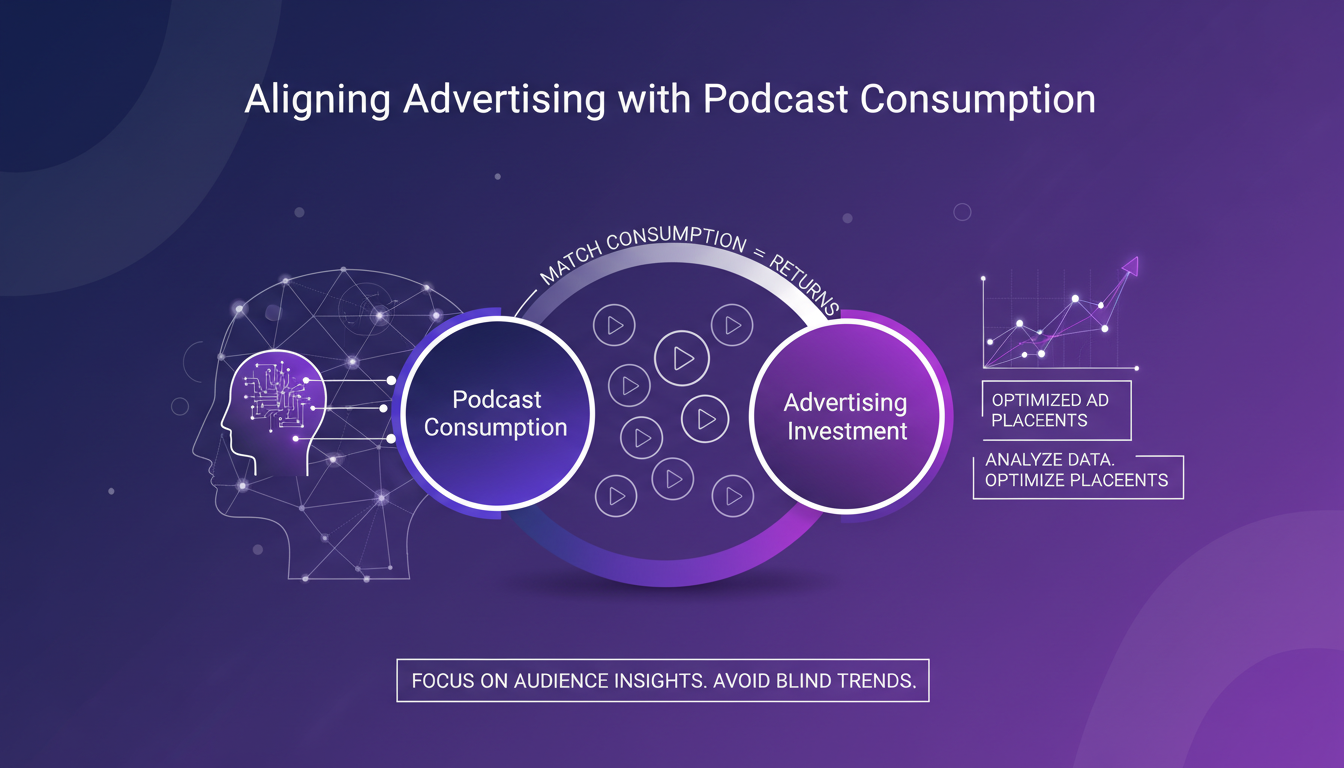
Proper advertising alignment can transform a simple placement into a long-term strategic partnership.
In conclusion, the future of media as I see it for 2026 is filled with optimism. By continuing to adapt and differentiate, we can successfully navigate the challenges and opportunities of the media landscape.
In my work with Vox Media, I've found three key takeaways. First, the power of strategic innovation; balancing omni-channel strategies while integrating AI judiciously is crucial. Second, parasocial relationships in podcasting really build trust – essential for audience loyalty. Finally, shifting podcasts from audio to video has changed how we approach content, allowing us to host triple-digit live events, always with a focus on quality. But be careful, integrating AI needs careful consideration to avoid biases in content curation. Looking forward to 2026, I'm convinced these practices will continue transforming media consumption. Ready to rethink your media strategy? Dive into these practices – the video "Vox Media: Building Trusted Media Brands in a Fragmented Attention Economy" is a great starting point. Check it out here: https://www.youtube.com/watch?v=dZytuOZq0CA
Frequently Asked Questions

Thibault Le Balier
Co-fondateur & CTO
Coming from the tech startup ecosystem, Thibault has developed expertise in AI solution architecture that he now puts at the service of large companies (Atos, BNP Paribas, beta.gouv). He works on two axes: mastering AI deployments (local LLMs, MCP security) and optimizing inference costs (offloading, compression, token management).
Related Articles
Discover more articles on similar topics
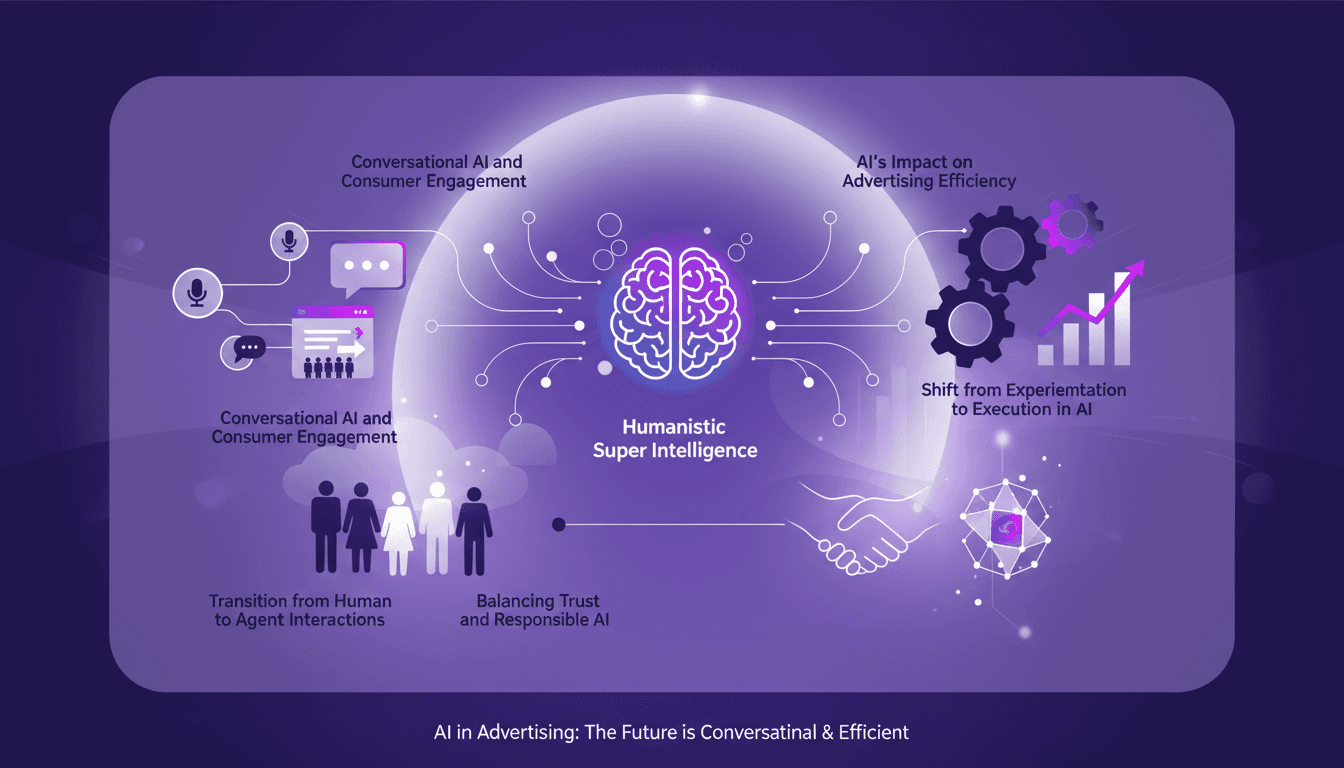
AI in Microsoft Ads: Efficiency and Trust
I've been in the trenches with Microsoft Advertising for over two years, and let me tell you, AI isn't just a buzzword—it's revolutionized our approach to digital ads. I've experimented with Conversational AI and piloted brand agents; the journey has been anything but straightforward. The impact is undeniable: some retailers have seen conversion rates double or triple thanks to these agents. But watch out, with such power comes the responsibility to balance trust and responsible execution. Let's dive into how this transformation is reshaping the advertising landscape.

Boosting Ad Measurement with AI and Trust
I remember the first time I realized the chaos in digital advertising metrics. It was a mess of false positives and wasted impressions. That's when I knew a change was needed. Partnering with IAS and Mastercard, I saw firsthand how we could rebuild trust through independent verification and precision. In the rapidly evolving advertising landscape, trust and precision are paramount. This article delves into how AI, scale, and transparency can transform advertising effectiveness, particularly in the realm of CTV. It covers building trust through independent verification and measurement, the role of AI in reducing false positives, the importance of scale and precision in processing ad data, and ethical AI practices.
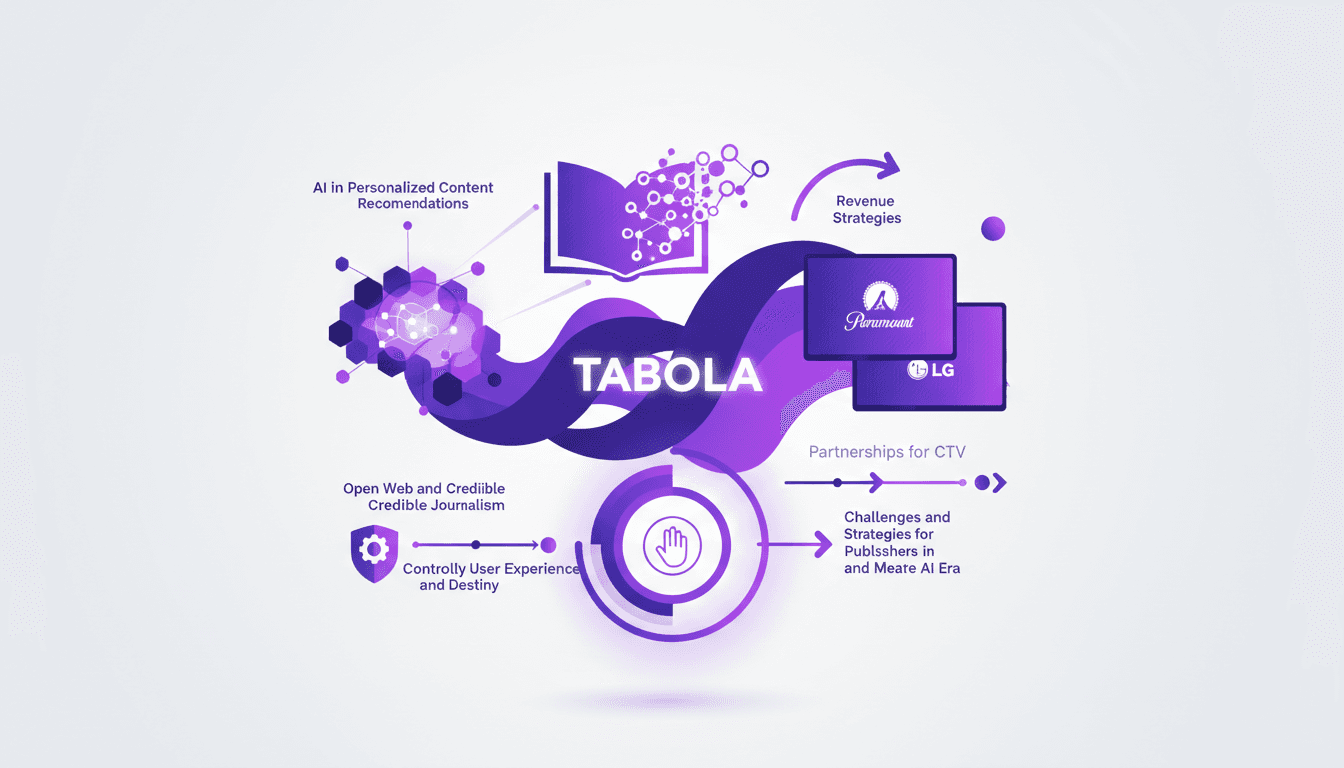
Taboola's CTV Move: Redefining Performance Advertising
I remember the first time I realized just how powerful AI could be in advertising. It was like flipping a switch—everything clicked. That's exactly what Taboola is doing with CTV and performance marketing. They're not just playing the game; they're setting the rules. With over 600 million interactions daily, Taboola aims to become the fourth pillar in performance advertising. Their strategy? Harnessing AI to tailor content and leveraging partnerships with media giants like Paramount and LG. Let's dive into how they're orchestrating this shift and what it means for the industry.
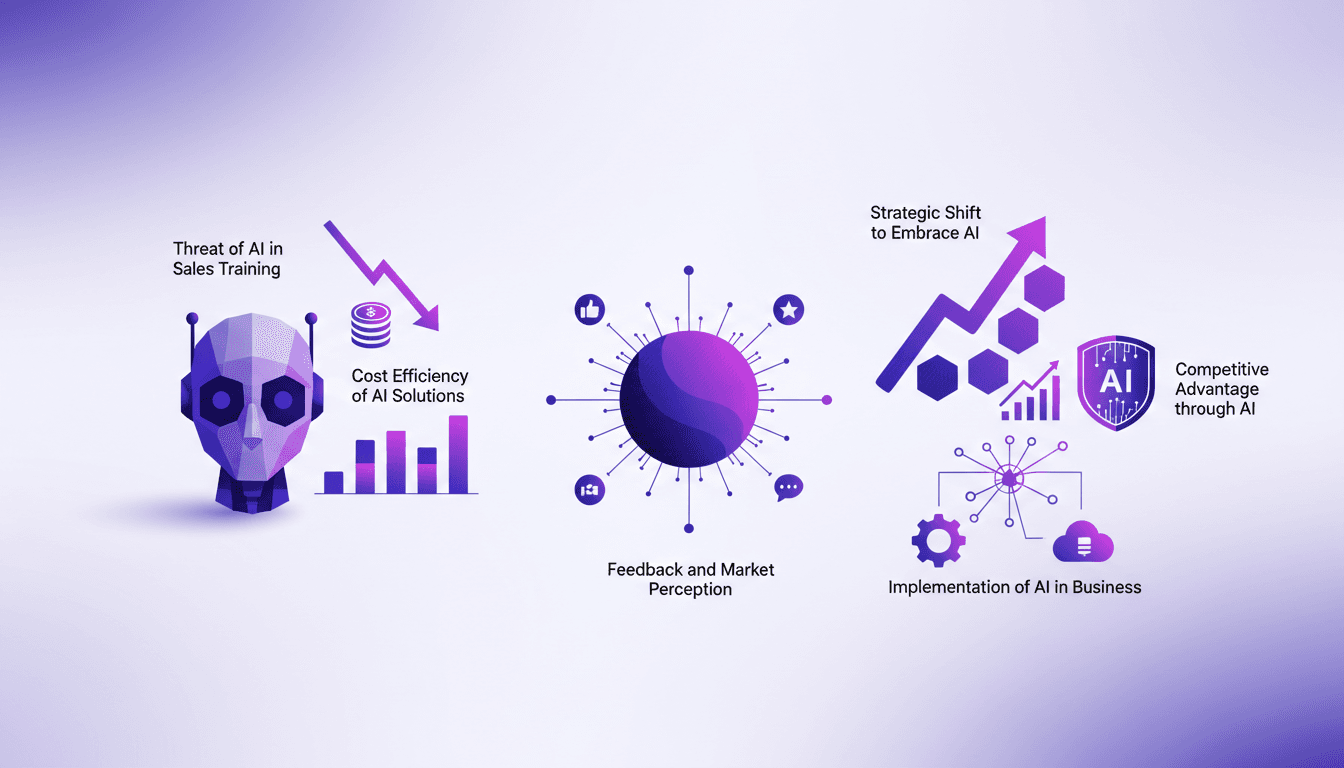
AI Advantage: Transform Your Sales Training
I remember the first time I realized AI could completely transform how we train our sales team. It was like flipping a switch from manual to automatic. The cost savings and efficiency were immediate, and I couldn't ignore the competitive edge it gave us. While many see AI as a threat, I'll show you how it can become your best ally. I've implemented AI solutions in my business, faced challenges, and reaped significant benefits. You're about to find out how you can do the same to revolutionize your business.
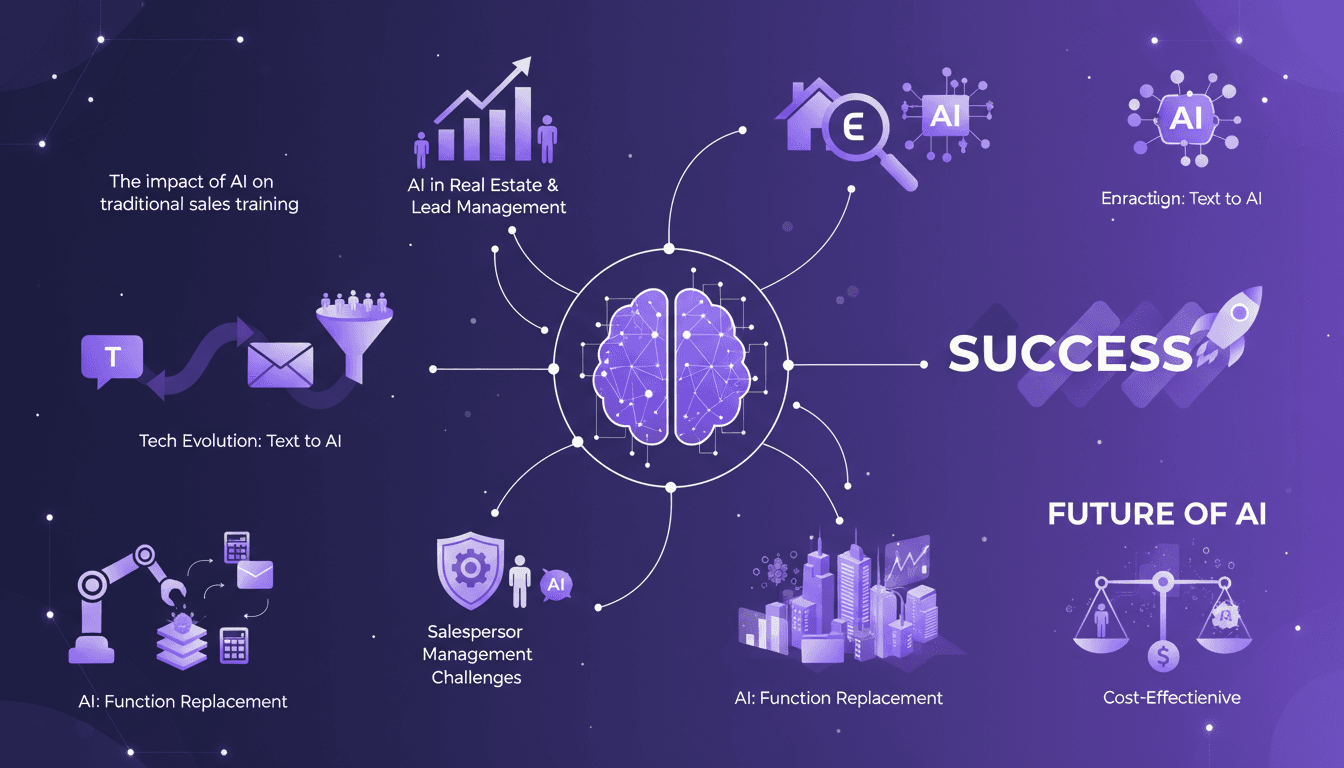
AI's Impact on Sales Training & Real Estate
I used to think AI was just another buzzword until it completely transformed how we handle sales and real estate. Picture this: 1,000 consecutive calls to potential clients without lifting a finger. That's where AI becomes a real asset. In this article, I show you how AI is reshaping traditional sales training and disrupting real estate lead management. We're talking about increased efficiency and dramatically reduced costs. But watch out, there are limits to be aware of. Too often, businesses miss these opportunities because they don't grasp AI's tangible impact. And if I told you three people have already suggested I start my own AI company? That's the scale of the potential. AI isn't just a tool; it's a genuine game-changer for business.