Super Lubricity: Material Revolution from Experience
I still remember the first time I heard about super lubricity. It sounded like sci-fi. But when I saw that 10^-6 friction coefficient in action, I knew we were onto something big. Material science is on the brink of a revolution, and these breakthroughs aren't just theoretical. They're redefining entire industries. In this article, I'll show you how super lubricity and other quantum advancements are practically transforming our material world. We'll dive into economic implications, challenges in quantum mechanics interpretations, and the role of AI in material discovery. In short, we're entering a world where what seemed impossible yesterday is becoming our everyday reality today.
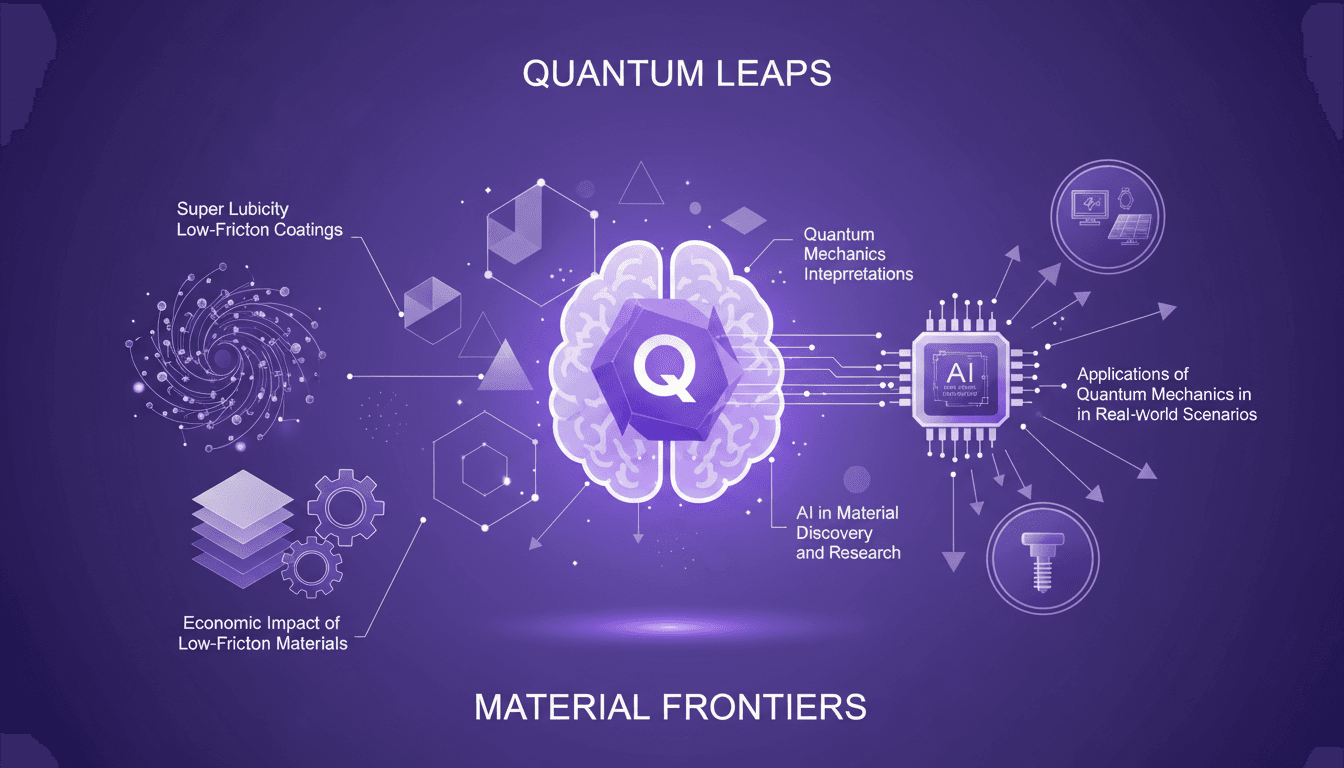
I remember the first time I heard about super lubricity—it was like stepping into a sci-fi novel. But when I saw that 10^-6 friction coefficient come to life in a Beijing lab, I realized we were dealing with something revolutionary. Material science is on the cusp of a major transformation, and these advancements are far from just theoretical—they're already redefining entire sectors. In this article, I'll break down how phenomena like super lubricity and Quantum Darwinism are woven into our tech-driven lives. We'll delve into low-friction coatings, electronic friction control, and the vital role AI plays in material discovery. And let's not forget the economic impact; it's not just theory—it's an industrial paradigm shift. So if you're ready to explore these new frontiers, stick with me.
Super Lubricity: A New Era in Material Science
Super lubricity is like finding the Holy Grail for material engineers. Imagine achieving a friction coefficient of 10^-6, which is 10,000 times less than the friction of an ice skate on ice. This isn't just theory. It's what was measured in February 2026 in a Beijing lab. After 20 years of research, this groundbreaking result was published in Physical Review Letters. I must say, it's a real turning point in our field.
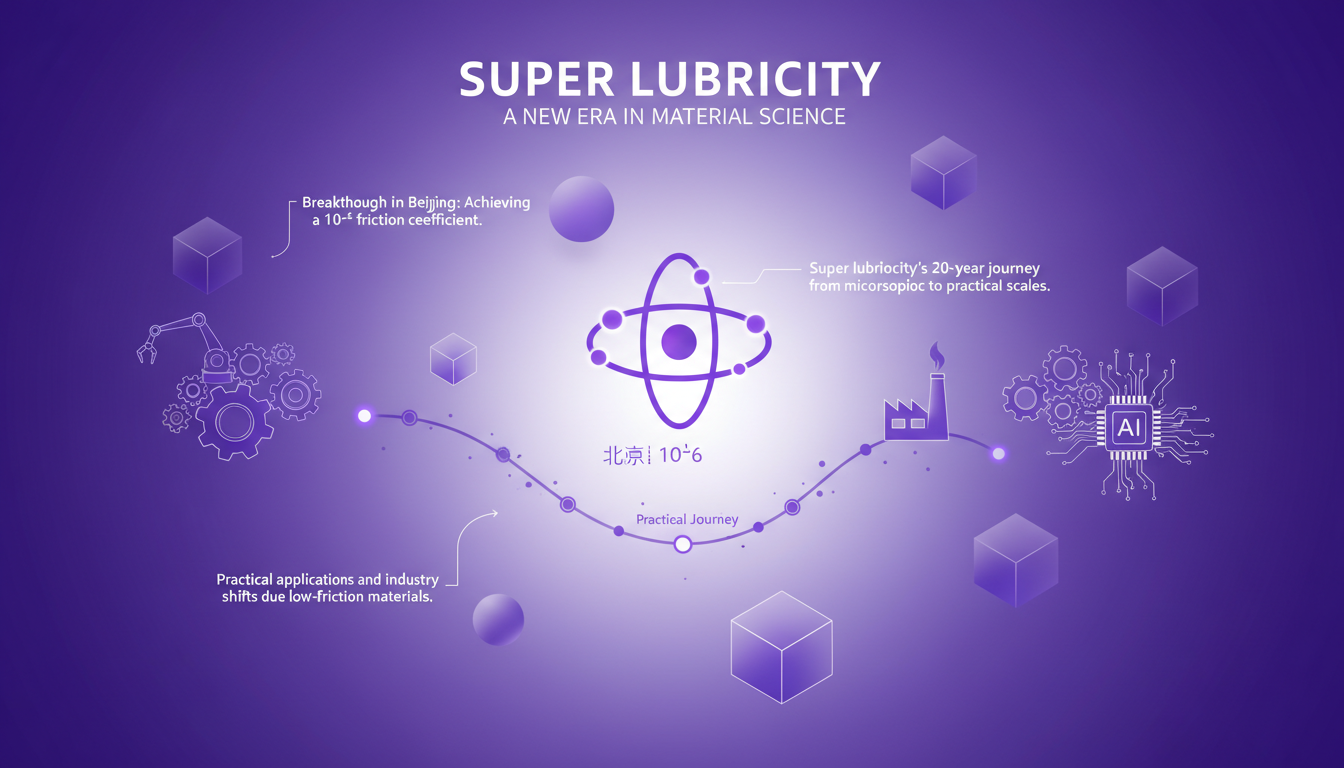
Super lubricity has moved from microscopic scales to practical ones. It took two decades, but the potential is enormous: less wear, less energy lost as heat, and machines that last much longer. But watch out, not all materials are equal when it comes to super lubricity. Conditions must be optimized, requiring investment in R&D.
"The friction coefficient measured between two graphite surfaces in Beijing is 10^-6, 10,000 times lower than the friction of a skate on ice."
Quantum Darwinism: Bridging Quantum and Classical Worlds
Quantum Darwinism is a fascinating concept. Imagine each quantum interaction leaving a trace in the environment, like invisible fingerprints. This is how classical objectivity can emerge from a quantum world, akin to how the best ideas survive in biological Darwinism. This isn’t just theoretical fluff. In 2025, researchers demonstrated this 'natural selection' on quantum superconducting circuits.
However, interpreting quantum mechanics remains a puzzle. We juggle between quantum complexity and classical simplicity, but results can sometimes be contradictory. It's like two people looking at a piece of art and seeing two different paintings.
Economic Impacts of Low-Friction Materials
Reducing friction is a powerful economic lever. Imagine entire industries transformed by reduced friction costs and increased efficiency. The global market for low-friction coatings is already at $3.5 billion and is expected to exceed $5 billion by 2035.
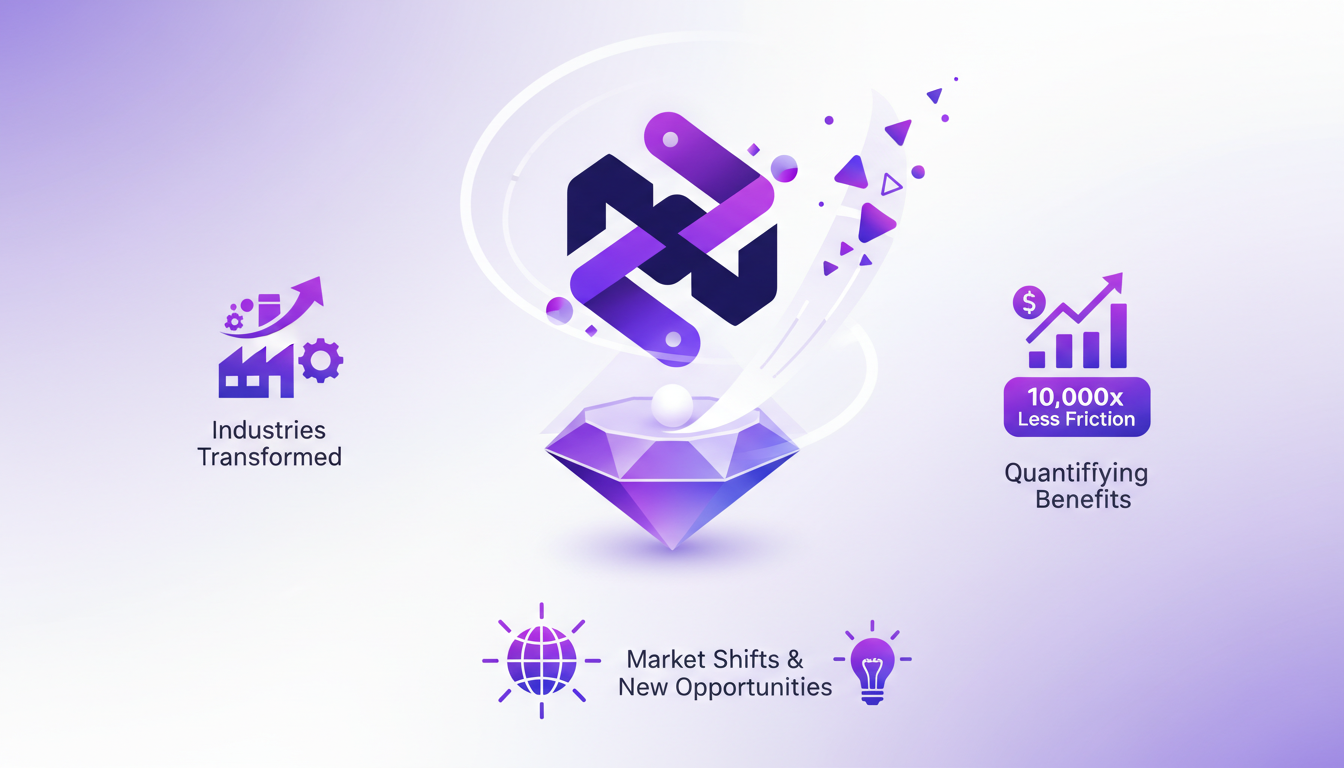
But beware of the initial costs. Adapting existing systems to these new materials can be expensive and complex. Companies must weigh the cost of initial investments against long-term efficiency gains.
AI's Role in Material Science Transformation
AI has completely revolutionized material science research. With over 6,000 participants joining learning programs, AI is speeding up the discovery process. I've seen cases where AI optimized material properties in weeks, something that would have taken months otherwise.
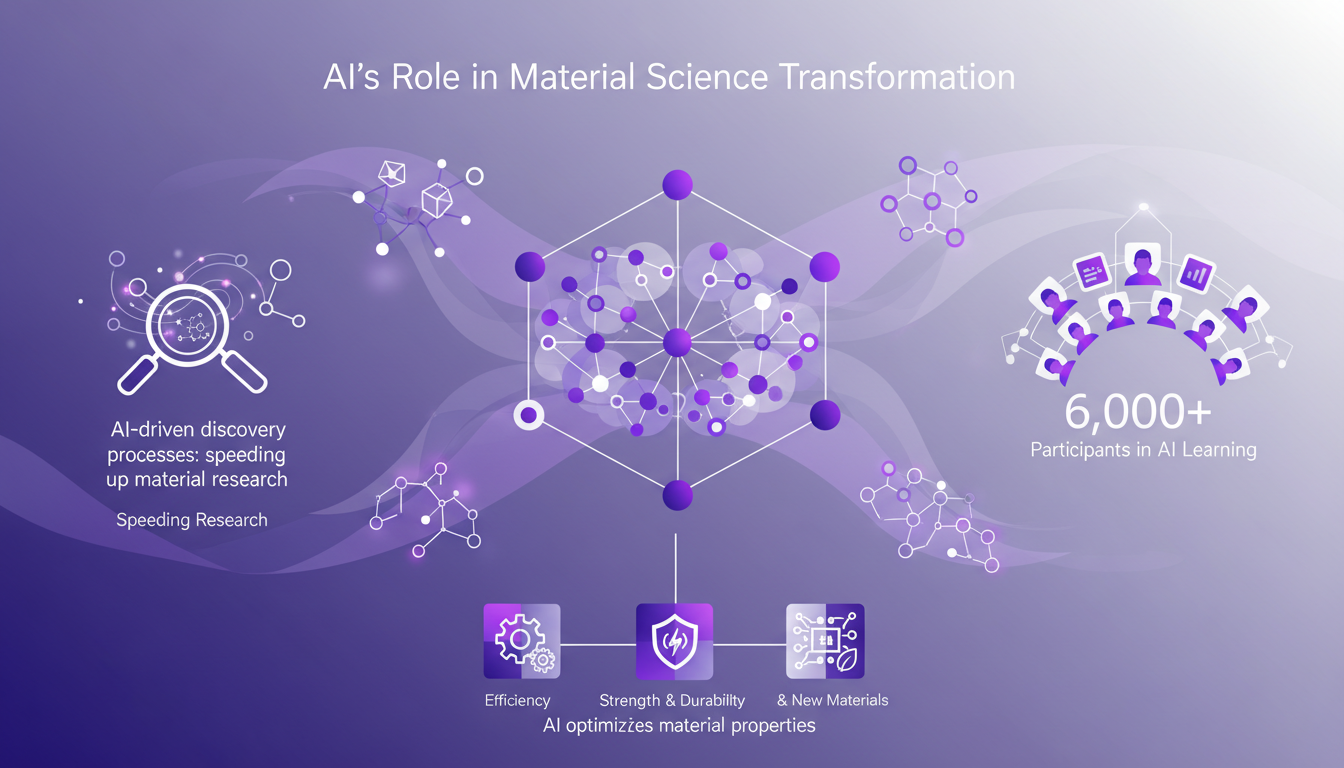
But there's a catch: over-reliance on AI can lead to errors. Critical nuances can be overlooked, and human validation remains crucial. It’s a delicate balance between automation and human expertise.
Navigating Challenges in Quantum Mechanics
Quantum mechanics is a complex universe. Understanding its interpretations is a challenge, even for the seasoned. Transitioning from theory to practice requires navigating between theoretical advancements and practical constraints. I've often seen promising concepts stumble on unforeseen practical details.
It’s vital to stay vigilant. Theoretical advancements must be confronted with practical realities. Sometimes, the simplest solutions are the most effective. Keeping a critical eye and staying flexible is essential to overcoming obstacles.
Diving into the fascinating world of super lubricity and AI in material science is like opening an endless toolbox for a builder. First, we see the super lubricity effect, long stuck at microscopic levels, starting to make its way into industrial applications. Then, AI is a game changer in material discovery and research, with thousands joining learning programs to leverage these technologies. But watch out, every advance comes with its limits — for instance, the impressive 10^-6 friction coefficient is a lab feat, not yet in mass production. We also have to balance the trade-offs inherent in new technologies. So, to go further and adapt your strategies to these breakthroughs, don't miss the original video. It offers a deep and concrete dive into these topics. Stay informed, it's the key to harnessing these advances in your field.
Frequently Asked Questions

Thibault Le Balier
Co-fondateur & CTO
Coming from the tech startup ecosystem, Thibault has developed expertise in AI solution architecture that he now puts at the service of large companies (Atos, BNP Paribas, beta.gouv). He works on two axes: mastering AI deployments (local LLMs, MCP security) and optimizing inference costs (offloading, compression, token management).
Related Articles
Discover more articles on similar topics
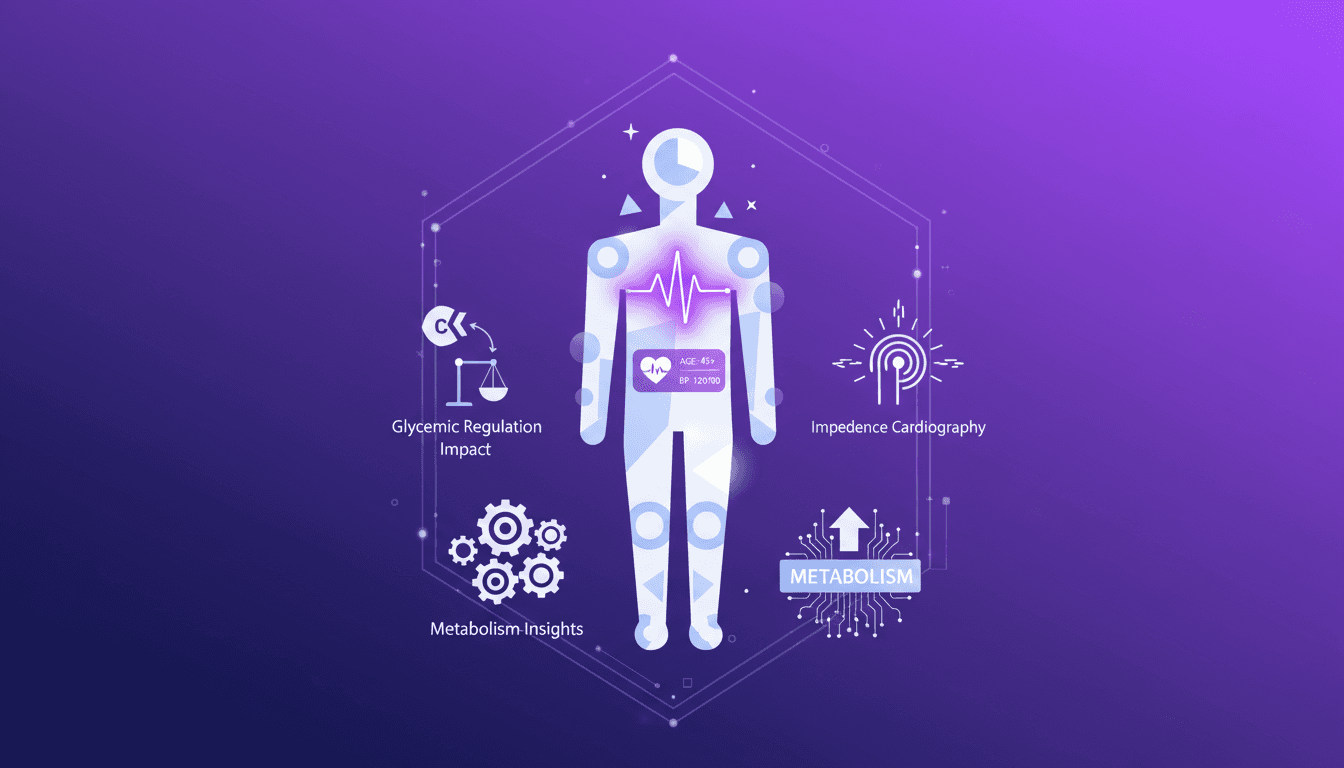
Segmental Body Composition: A Builder's Guide
The first time I brought Withings' advanced health metrics into my daily routine, it was a game-changer. At CES 2026, Withings showcased features that could genuinely transform how we track our well-being. We're talking segmental body composition analysis, six leads ECG, and more. This isn't just theory—these are practical tools I use every day. But there are pitfalls. Let me walk you through how I set it all up and what to watch out for.
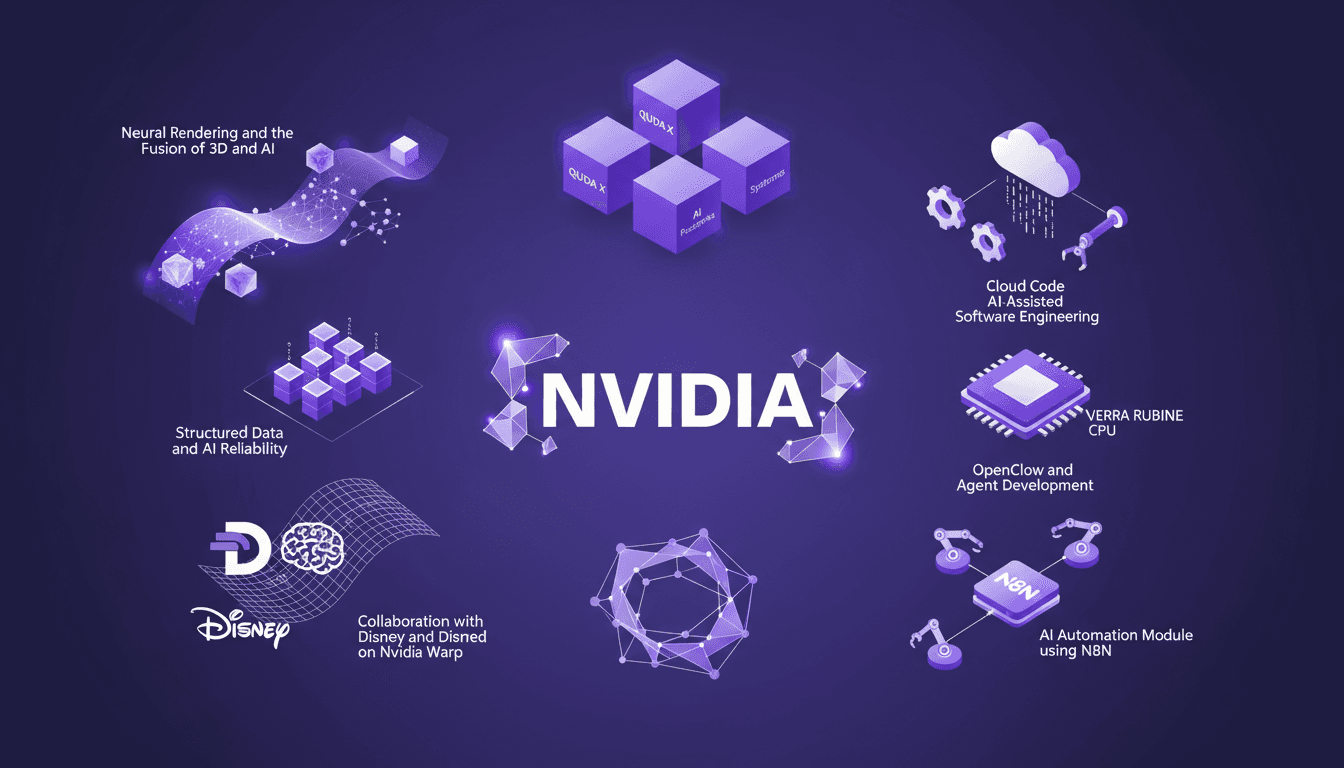
NVIDIA GTC 2026: Unveiling New Platforms
I've attended countless conferences, but NVIDIA's GTC 2026 was a real game changer. They unveiled platforms that are set to redefine AI and computing. Picture CPUs that transform how we code, neural rendering that fuses 3D and AI, and collaborations with Disney and Deep Mind on Nvidia Warp. It's massive, and the impact on us builders is direct. We're talking about QUDA X, AI-assisted software engineering, and even 45° water-cooled systems. We've got years of work ahead, but also incredible opportunities. Let's dive into what was unveiled.
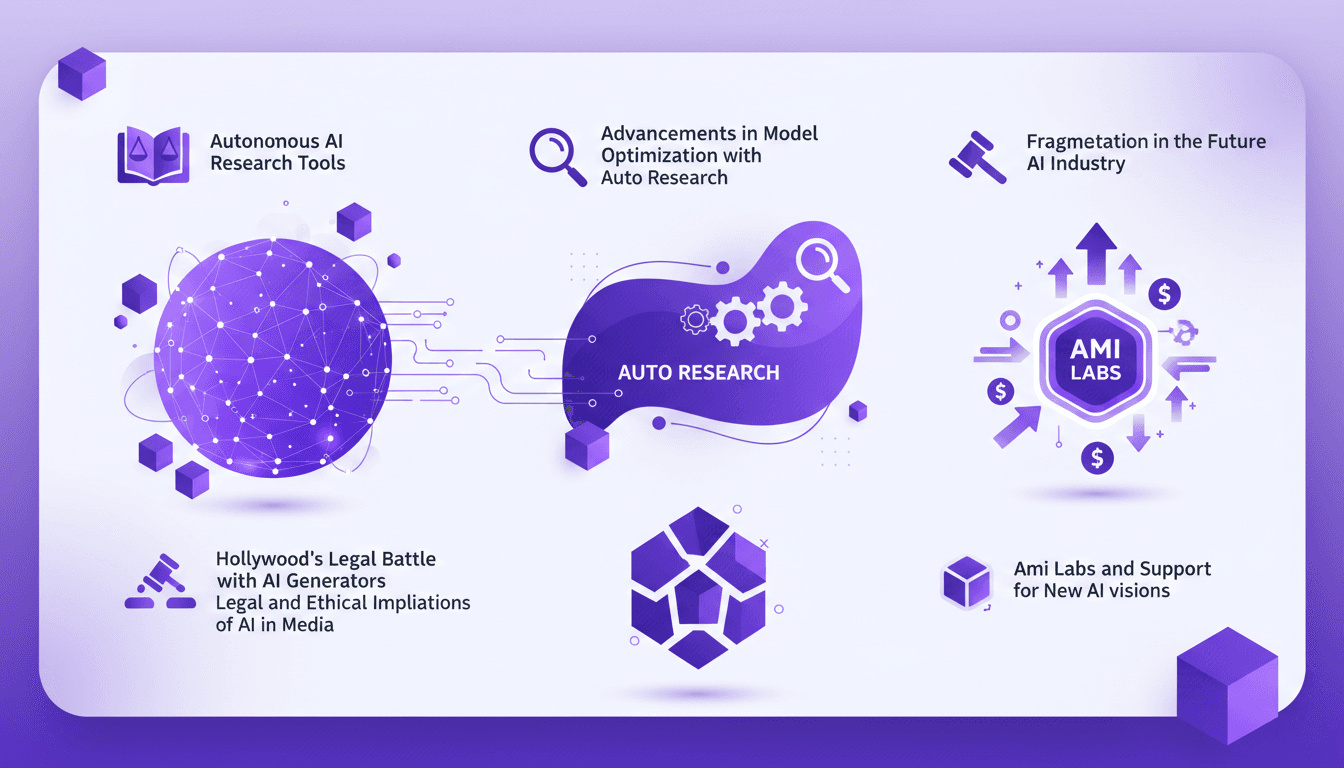
AI Tools: Hollywood Blocks, China Reacts
I've been in the trenches with AI tools, and when Hollywood throws a wrench into the works, it's more than a headline—it's a wake-up call. Hollywood just slammed the brakes on AI video generators, and it's sending shockwaves through the tech world. Meanwhile, China is fuming, and autonomous AI research tools are shifting how we build and deploy our models. With Ami Labs and other players pushing boundaries, this is a pivotal moment for our industry. Let's dig into what's happening, from legal implications to advancements in model optimization, and how this could redefine how we work with AI.
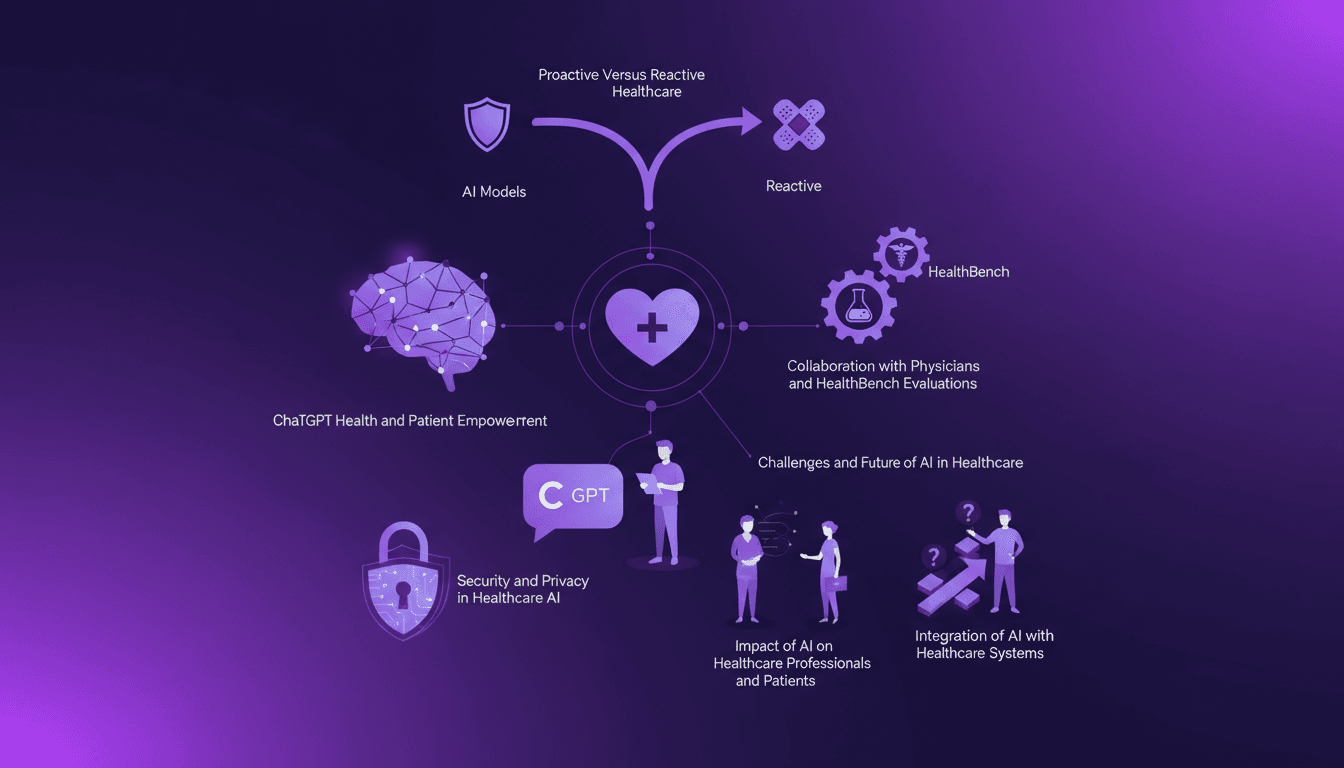
Training AI for Proactive Healthcare
I've been diving into the world of AI in healthcare, and trust me, it's not just about algorithms—it's about reshaping how we think about care. When I first started training AI models for healthcare, the potential was clear, but so were the challenges. Building AI that truly makes a difference in the medical field is quite the journey. From integrating AI models into healthcare systems to protecting patient data, every step demands attention. And then there's ChatGPT Health, which is a game changer for millions of patients every day. With a cohort of 250 physicians, we're evaluating solutions that are not just reactive, but proactive. Want to know how we get there? That's exactly what I'm diving into here.
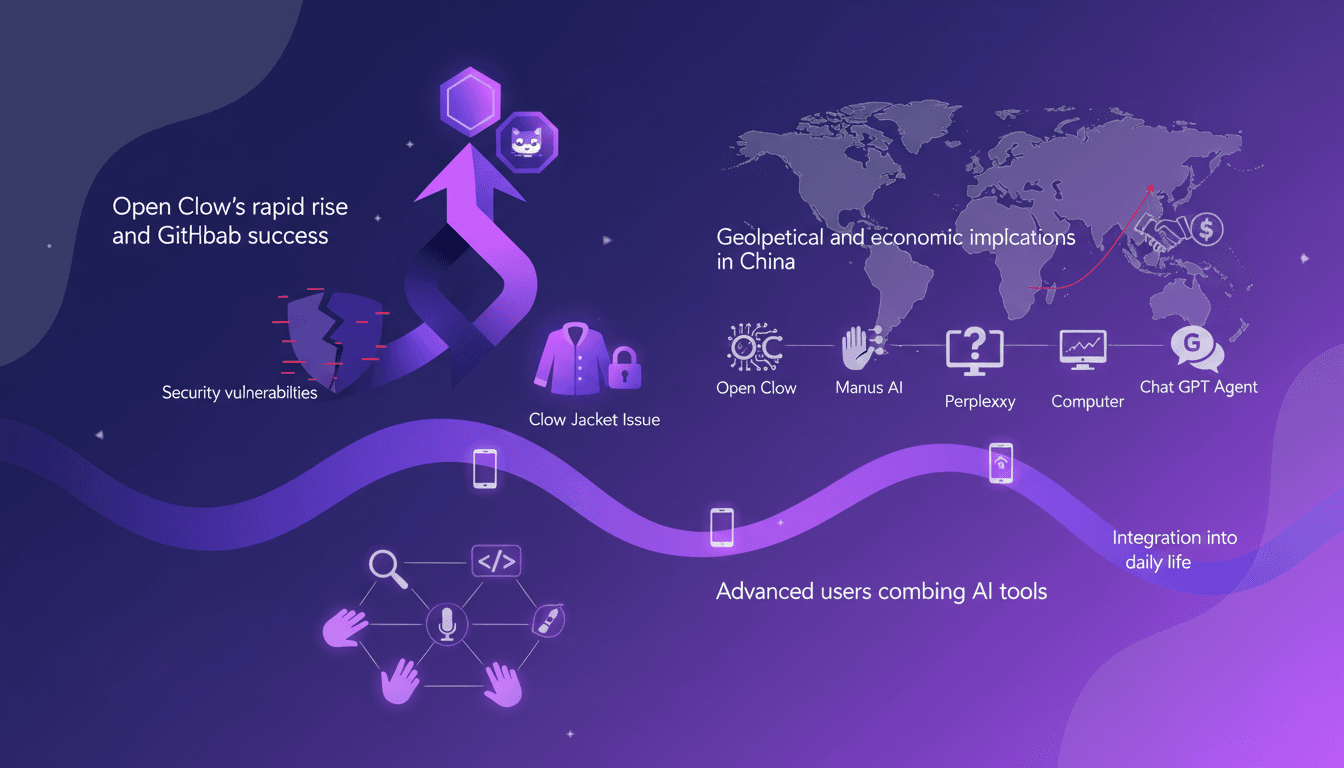
Open Clow's GitHub Surge and Global Impact
I watched Open Clow skyrocket to 250,000 GitHub stars in just 90 days, and it was clear something big was unfolding. As a builder, I'm asking what this means for our AI tools. Open Clow isn’t just about numbers—it's a game changer with serious security and geopolitical implications. China has already jumped on this, issuing 10 alerts in March. Let's dive into how this impacts our daily work and compare it to platforms like Manus AI and Chat GPT Agent. This is a pivotal moment for advanced users blending various AI tools, and I'm here to guide you through this tech maze.